Lakeburg Legacies Thumbnail

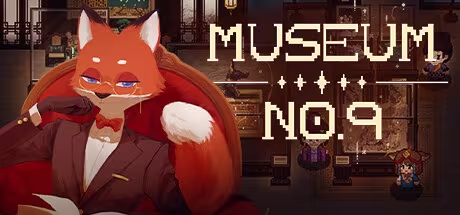
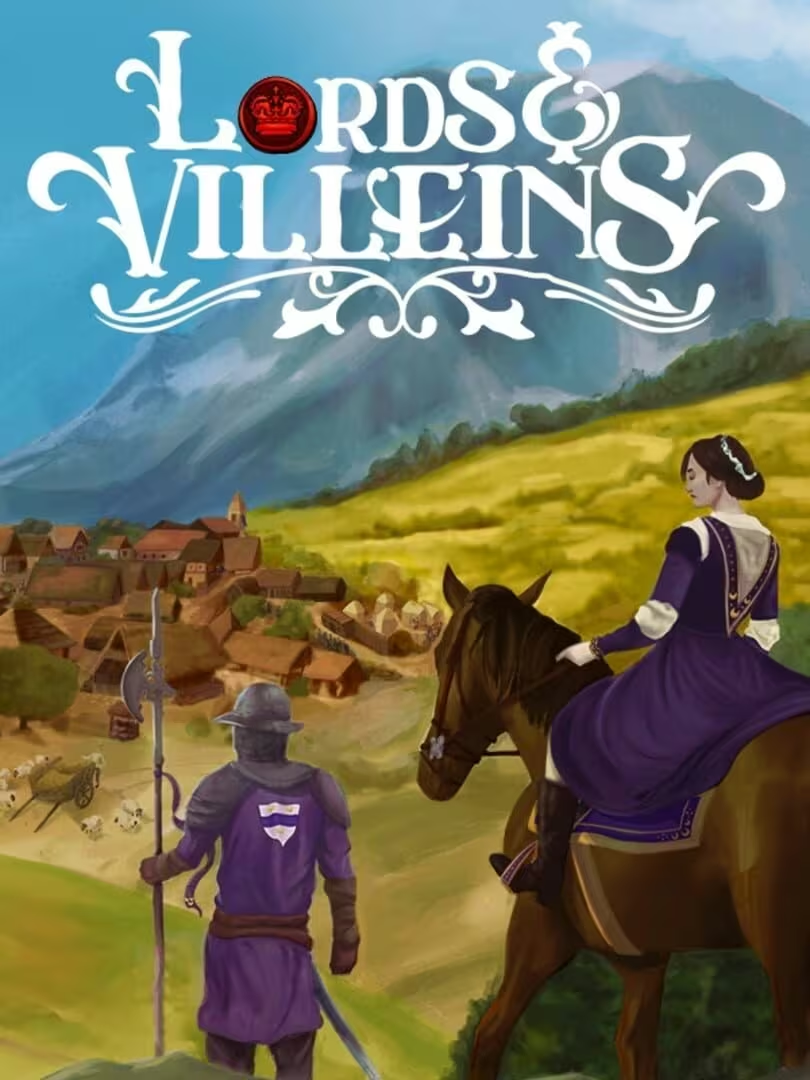
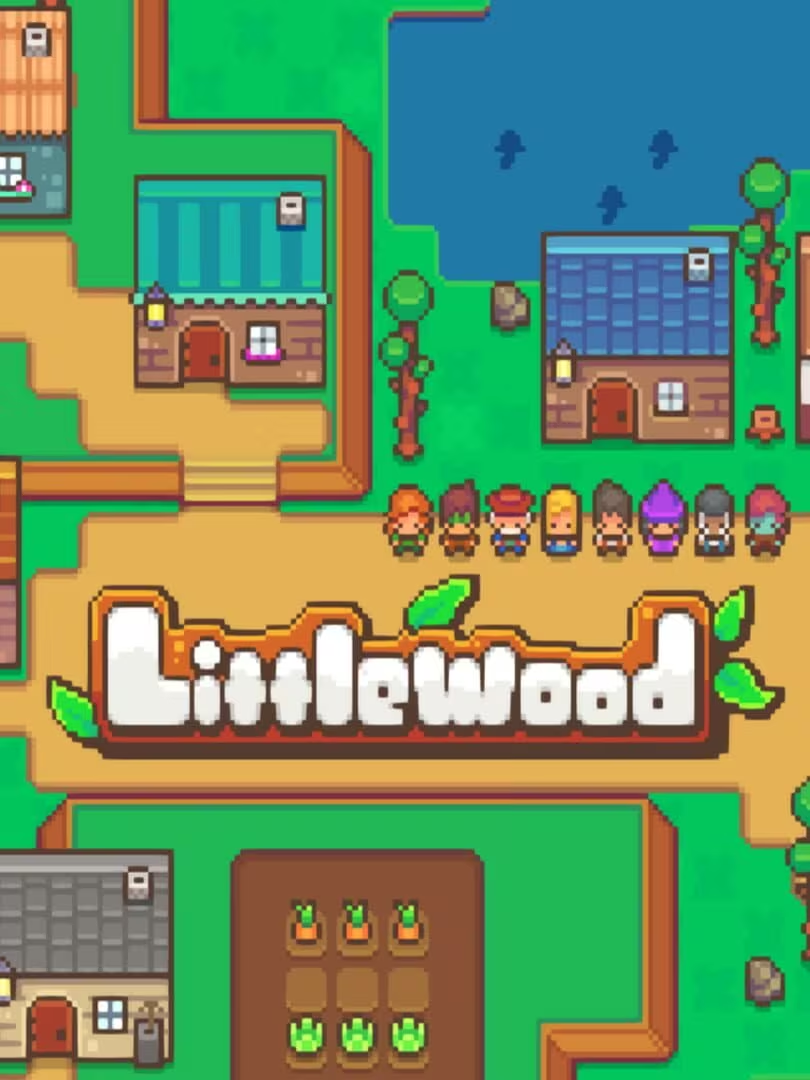
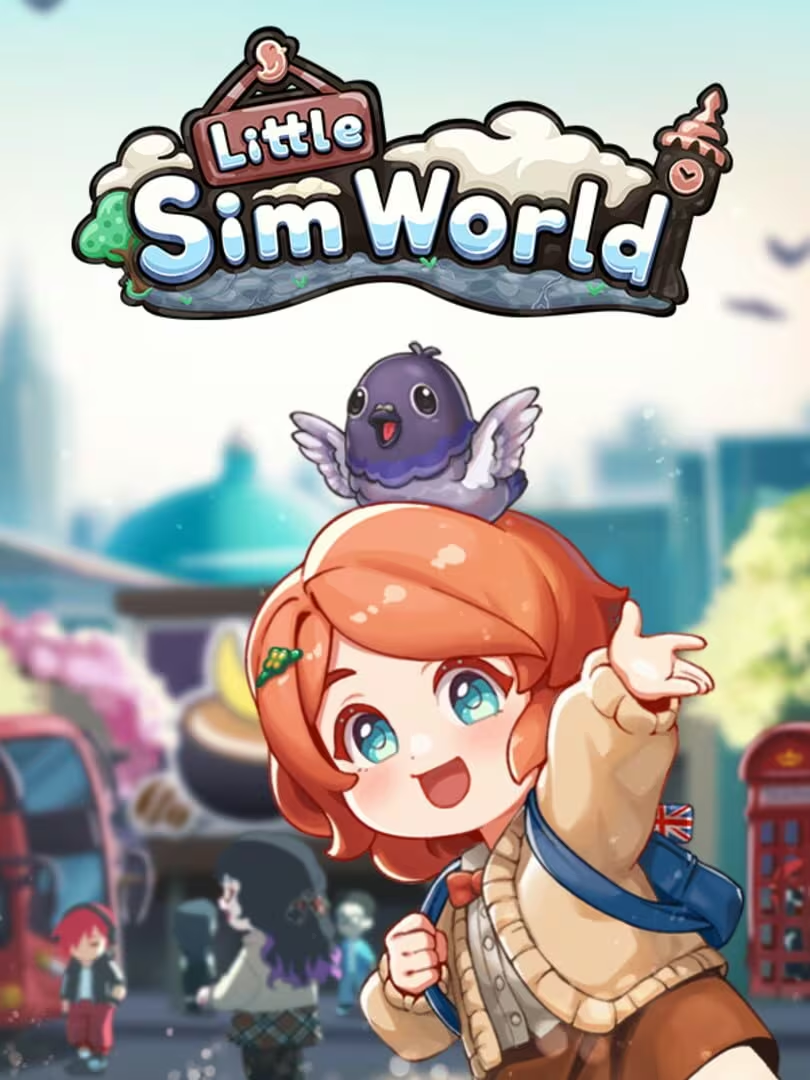
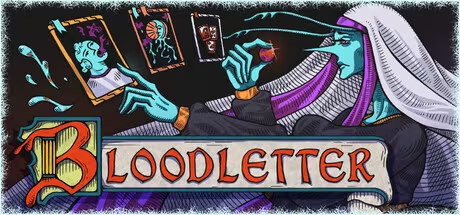
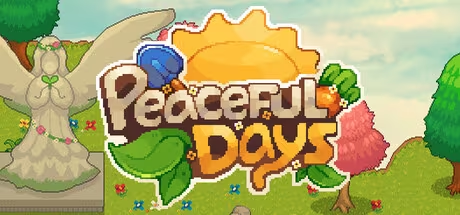
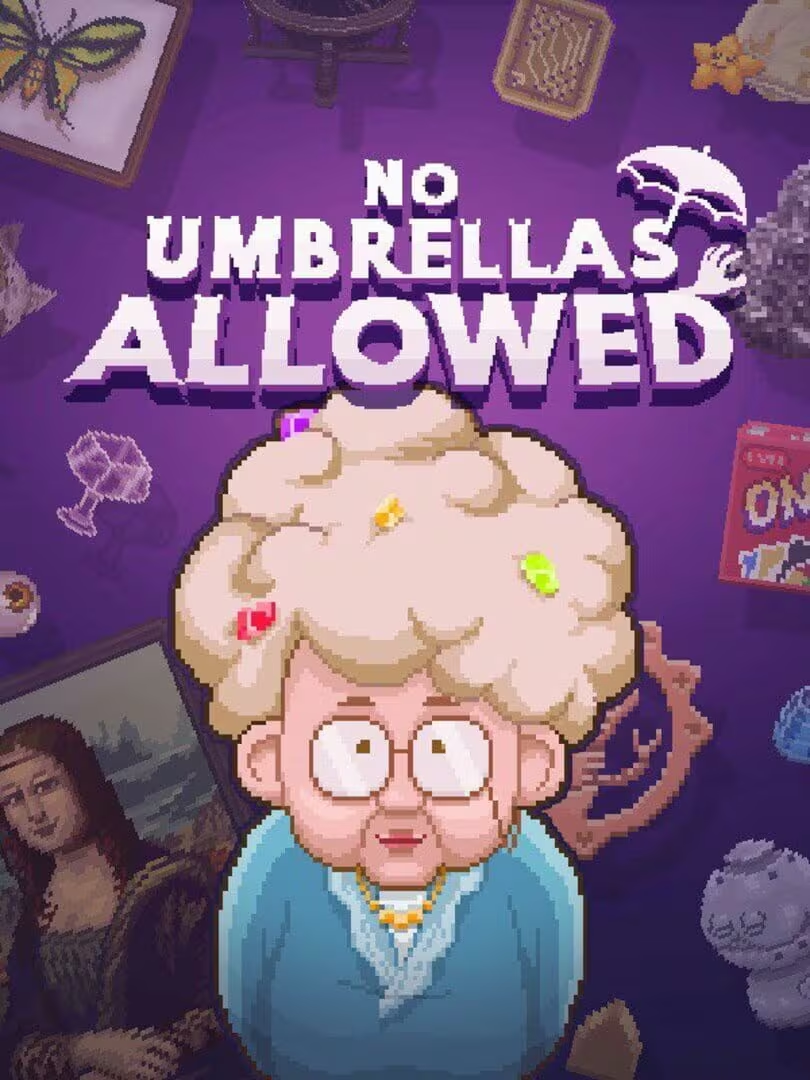
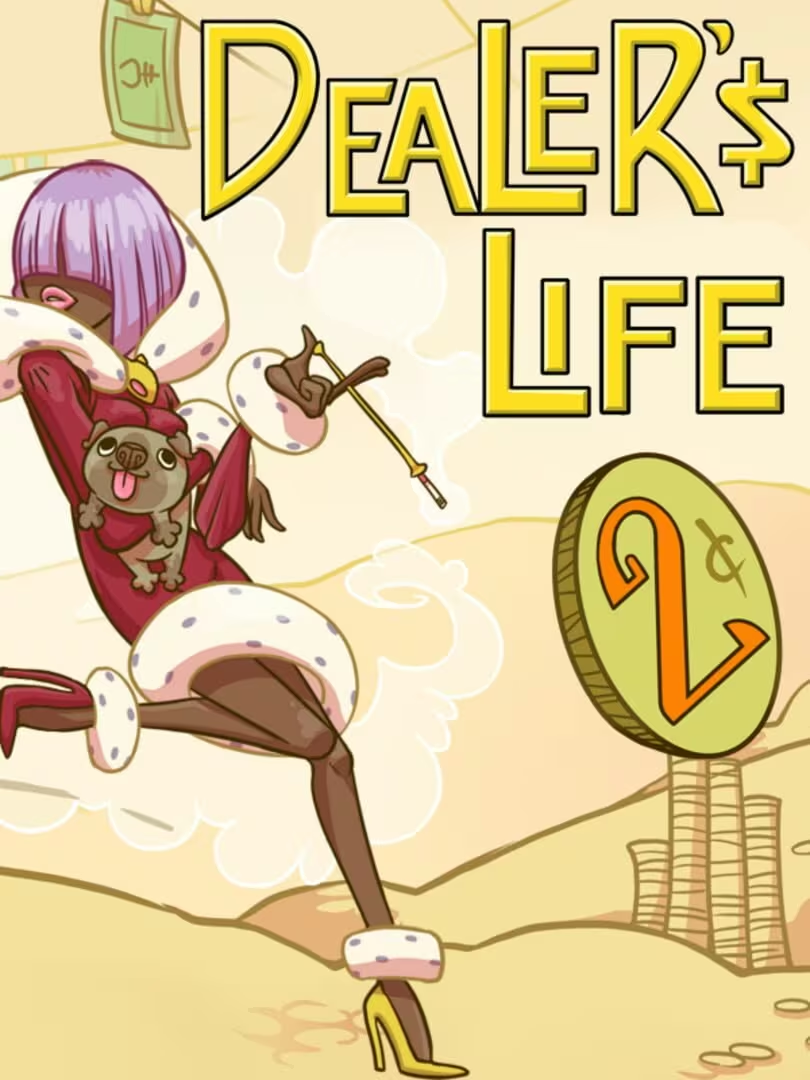
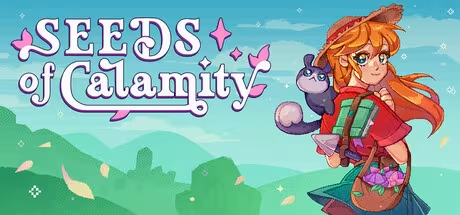
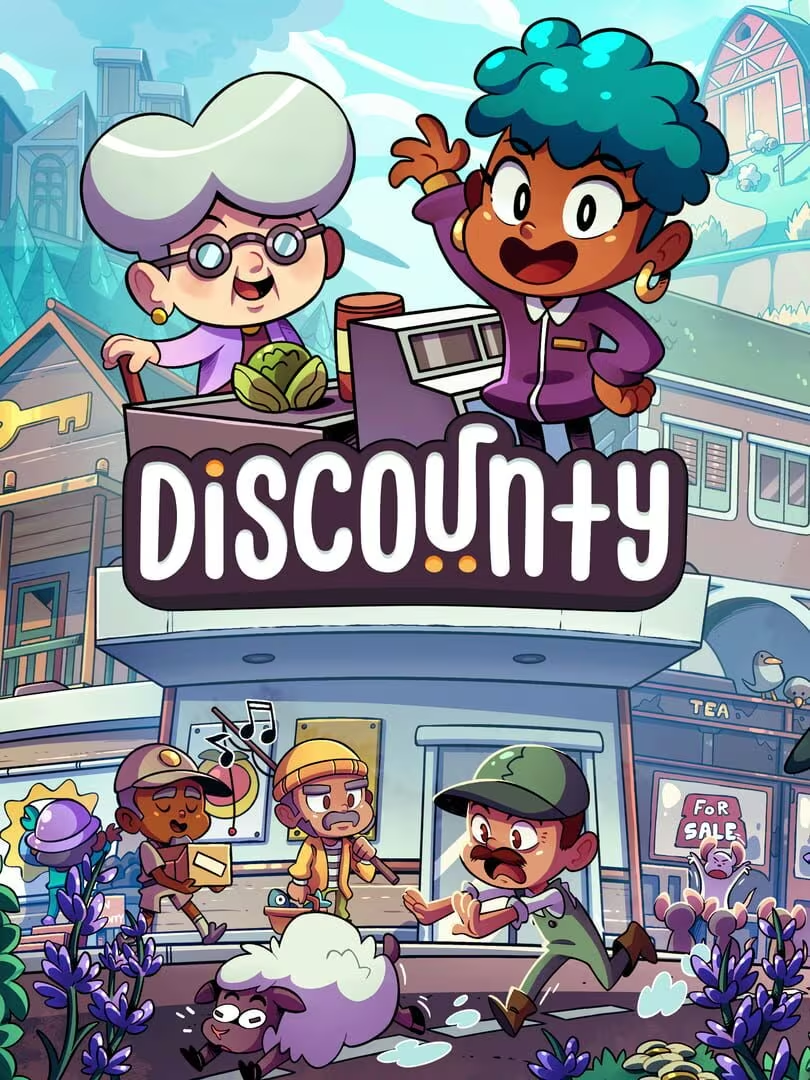
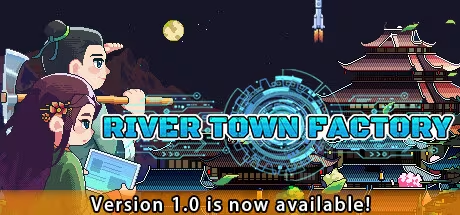
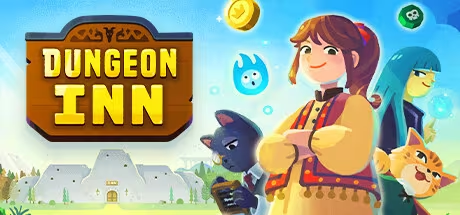
Lakeburg Legacies similar games & best alternatives
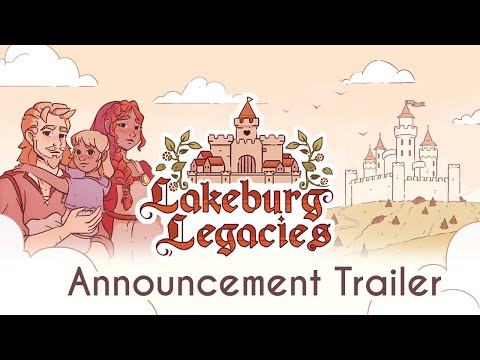
Lakeburg Legacies

PC (Microsoft Windows) • 2023

Related articles

Quick resume

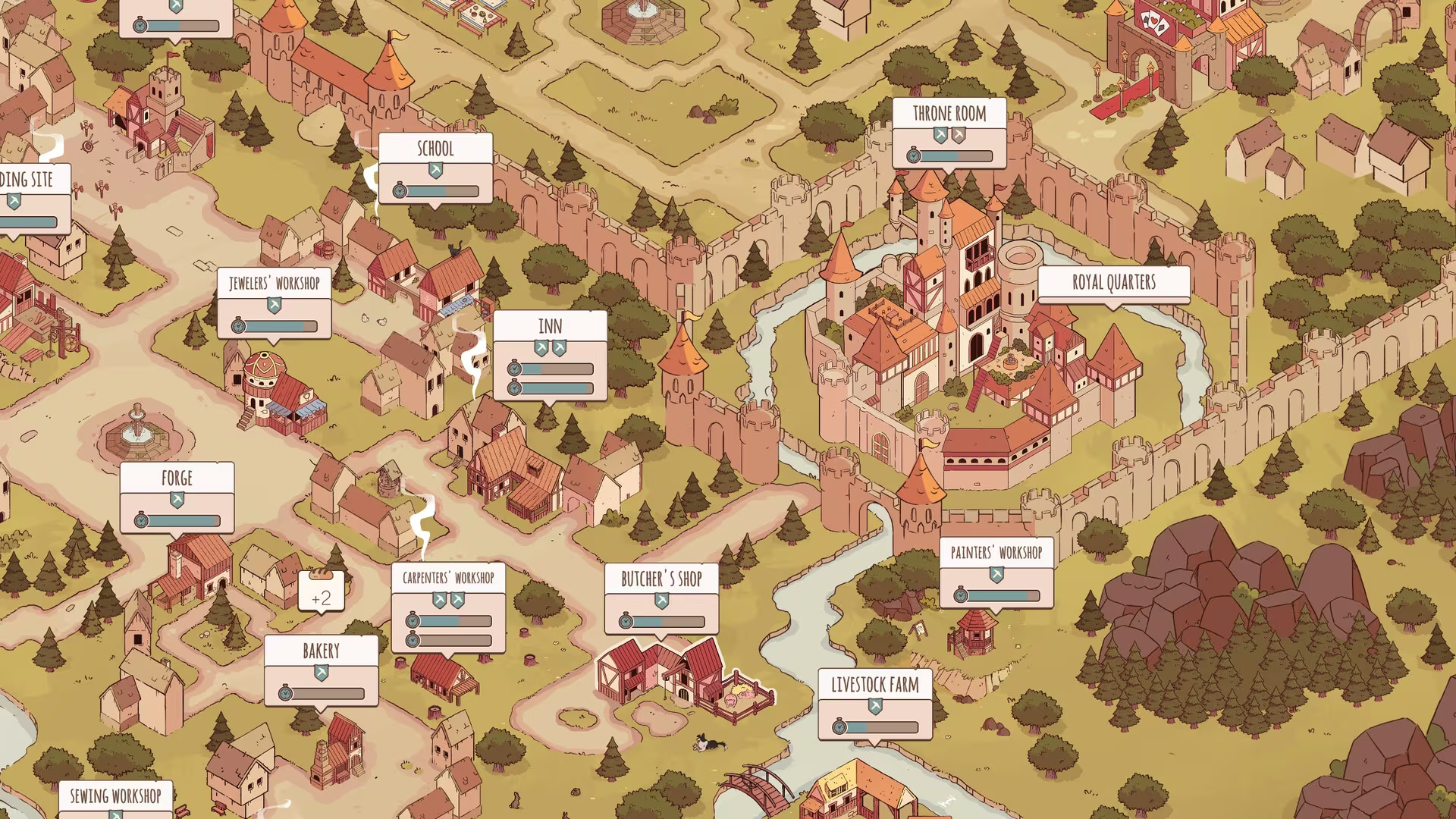
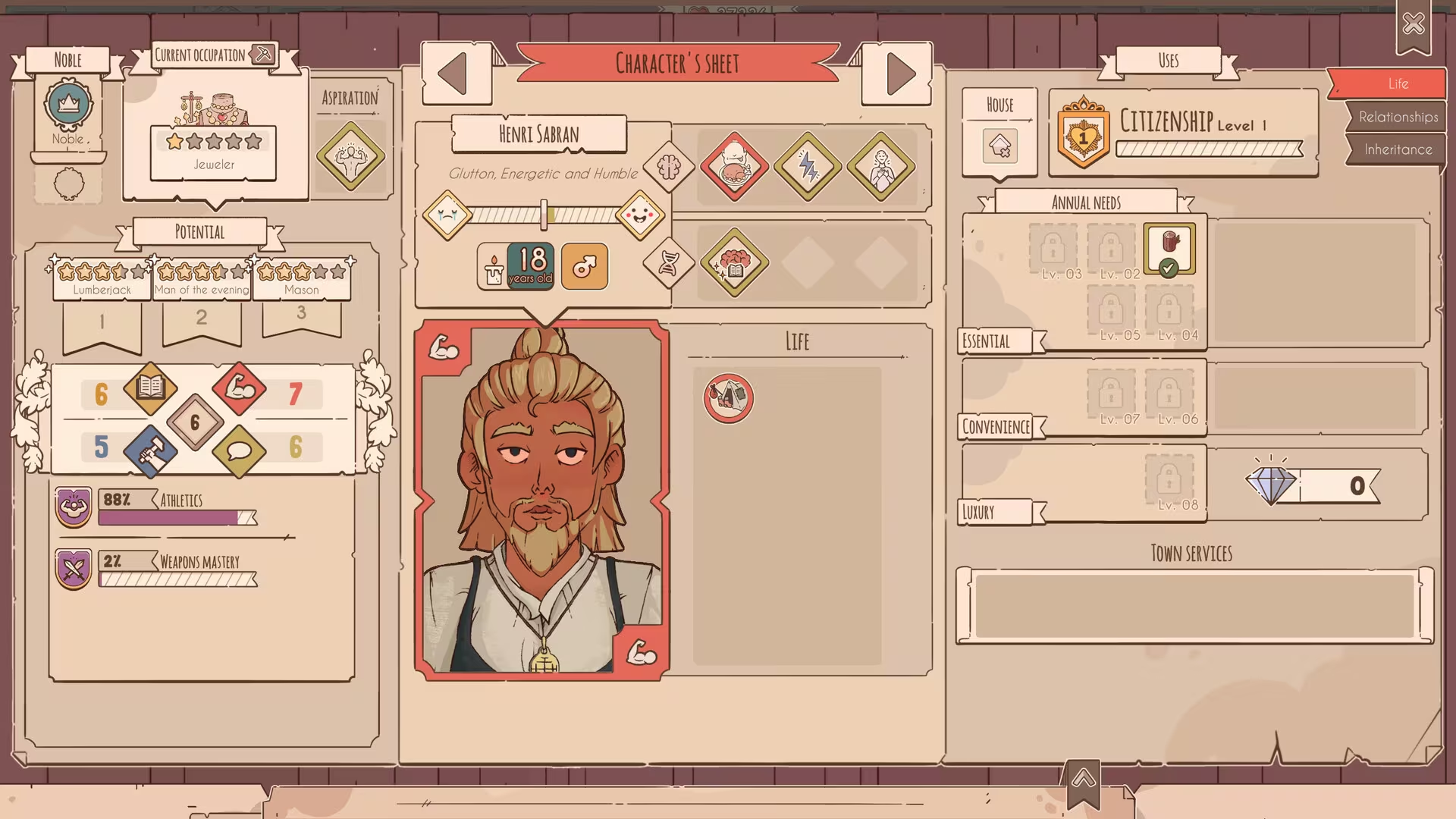
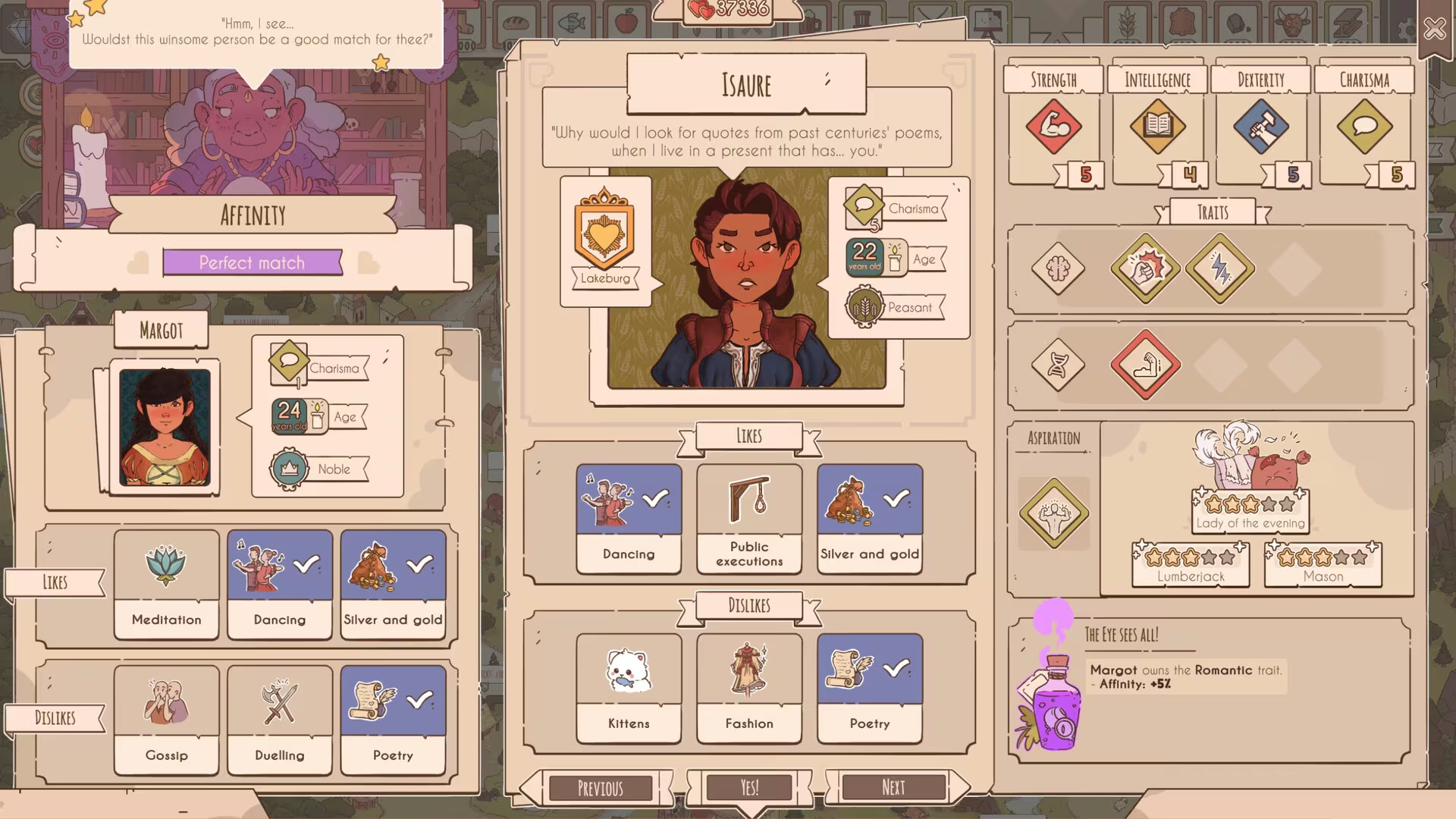
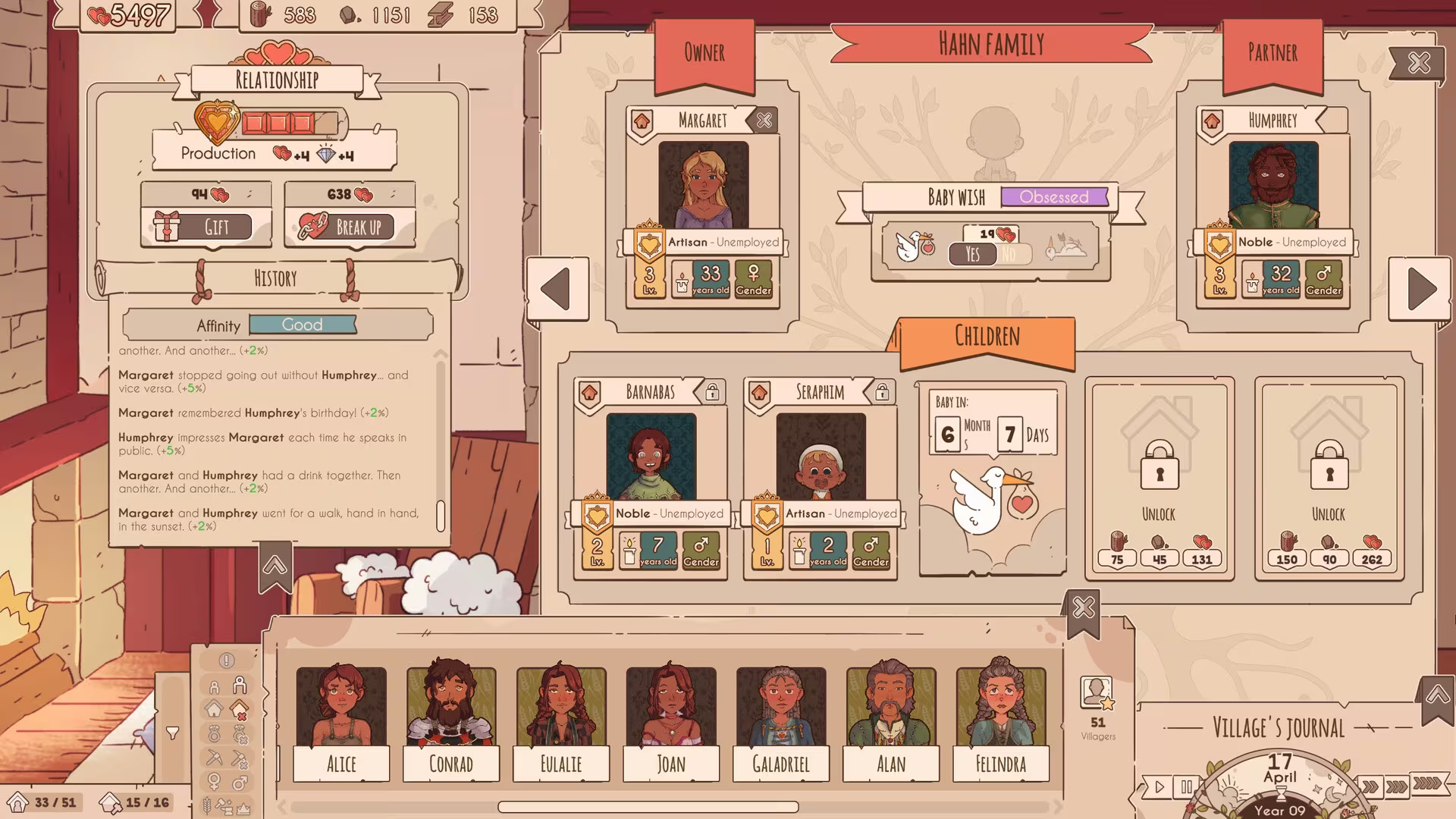
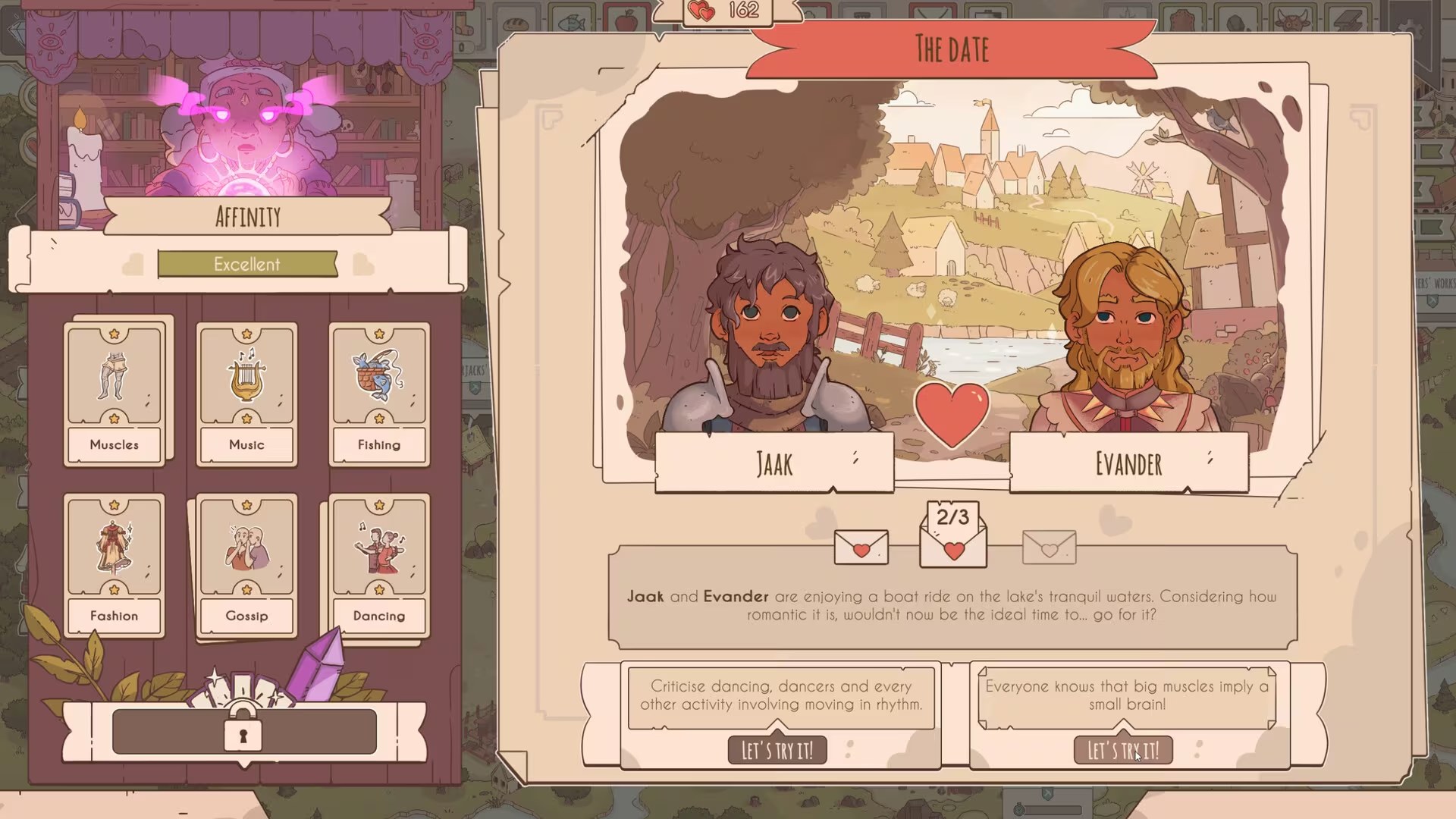
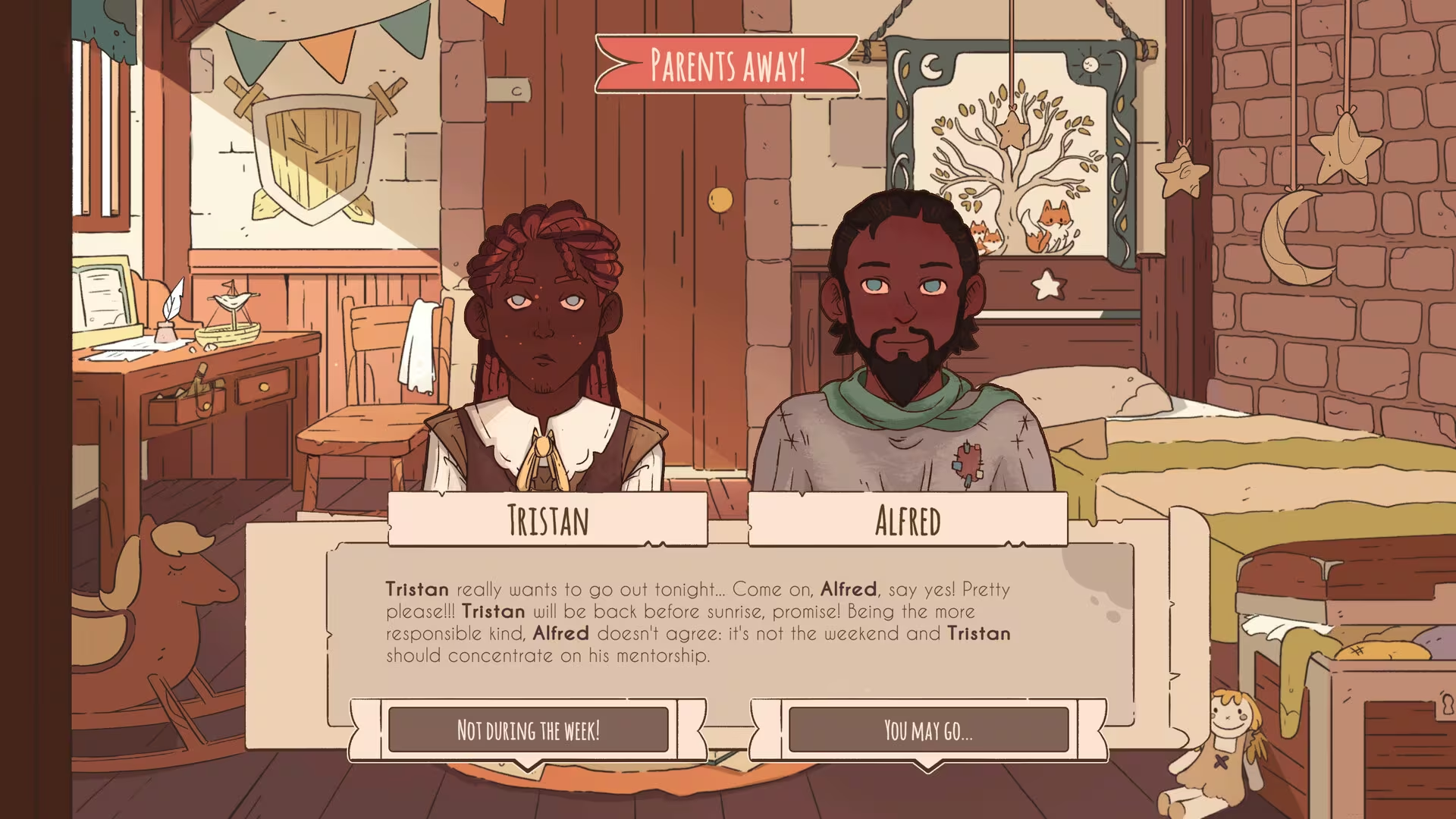
Take fate into your own hands in Lakeburg Legacies, a social-based village management sim where love is your favourite resource. Play matchmaker to create the most effective, and most loved up, couples and help your kingdom thrive. How long will it take you to crown a sovereign?

Global score

72/100

Genres

Role-playing (RPG), Simulator, Strategy, Indie

Similar games

    Pros

    • Unique blend of matchmaking and resource management
    • Charming art style and music
    • Engaging generational village development
    • Responsive and active developer support
    • Cozy and relaxing gameplay experience

    Cons

    • Limited village customization and building placement
    • Matchmaking can become repetitive
    • Game ends after fixed in-game years limiting long-term play
    • Some ui and quality of life improvements needed
    • Performance issues with larger villages

    Analysis

    Broadly representative of its motivational profile, with a few distinct shifts. Motivations that often define this kind of title include Idle, Thrill, Violence, Survival. Here, the score leans higher than usual among comparable games on Leadership, Intimacy. It leans lower than usual among comparable games on Creativity.

    How to use the graph
    Similar games map

    Each dot is a game. They are arranged from the same motivation profile as in the “Motivations” section below. Closer dots usually mean more similar reasons to play (exploration, competition, relaxation, etc.)—not that one game is “better” than another.

    • Larger dot with a light outline: the game you are viewing.
    • Colour: groups of games with comparable motivation patterns (statistical clusters).
    • Hover a dot to see the game name; click to open its page.
    • Scroll or double-click the chart to zoom out and see more games.

    Why don’t the axes read like a score? This view uses t-SNE: it only keeps who is close to whom. The scales are not “good to bad” or hours played—they separate groups on the map. Read distance between dots, not the axis numbers.

    Motivations

    • Autonomy
      3

      "Players have freedom to manage relationships, assign jobs, and influence village development, though building placement is fixed."

    • Competence
      3

      "Game involves managing complex relationships and resource allocation with some skill and strategic planning."

    • Competition
      -3

      "Focus is on personal village management and individual play without direct player-vs-player competition."

    • Continuation
      2

      "Players enjoy long sessions and multiple playthroughs, though some find replayability limited after several runs."

    • Cooperation
      -4

      "Gameplay centers on single-player management; no multiplayer or cooperative elements."

    • Creativity
      -2

      "Limited customization of village layout; some character customization but fixed building positions limit creative expression."

    • Domination
      -5

      "No evidence of exerting control over others; interactions are balanced and player manages NPCs without dominance themes."

    • Escapism
      4

      "Players use the game as a relaxing, immersive escape with charming art and story-driven village life."

    • Expectation
      -4

      "Players engage voluntarily out of personal interest and enjoyment rather than obligation or external pressure."

    • Experimenting
      2

      "Players try different strategies for matchmaking and resource management, though some mechanics are repetitive."

    • Exploration
      -3

      "Village map and buildings are fixed; limited discovery or new areas to explore."

    • Expression
      2

      "Some character customization available; however, limited options for personalizing village aesthetics."

    • Fantasy
      2

      "Medieval-inspired setting with fictional village life and social drama, but grounded in plausible scenarios."

    • Fellowship
      -4

      "Single-player experience with minimal social connection or community involvement."

    • Growth
      3

      "Players develop skills in managing complex social and resource systems and learn to optimize village success."

    • Health
      -5

      "Sedentary gameplay with no physical activity or health-related mechanics."

    • Idle
      3

      "Game allows for relaxed pacing with some waiting and downtime between management actions."

    • Intimacy
      1

      "Players form emotional attachment to villagers and their relationships, though interactions are limited."

    • Leadership
      3

      "Player leads and manages the entire village, making decisions that affect all inhabitants."

    • Progression
      4

      "Players accumulate resources, unlock buildings, and develop their village over generations."

    • Relaxation
      3

      "Game provides a cozy, low-stress experience with soothing music and art."

    • Sensation
      2

      "Pleasant visuals and audio create enjoyable sensory experience, though not highly stimulating."

    • Status
      -4

      "Achievements and prestige exist but social recognition is minimal and mostly internal to the game."

    • Story
      3

      "Narrative emerges from evolving relationships and village history, though no overarching plot."

    • Strategy
      3

      "Requires planning and problem solving in resource management and social matchmaking."

    • Thrill
      -2

      "Gameplay is low risk and predictable with minimal suspense or tension."

    • Value
      1

      "Players feel the game offers reasonable entertainment value, especially on sale, but some find limited replayability."

    • Violence
      -5

      "No combat or destructive gameplay; focus is on constructive village building and relationships."

    • Survival
      1

      "Some resource management and threat avoidance, but overall low-risk environment."

    Last update: 29/04/2026