Lords and Villeins Thumbnail

Lords and Villeins similar games & best alternatives
Lords and Villeins

PC (Microsoft Windows) • 2022

Related articles

Quick resume

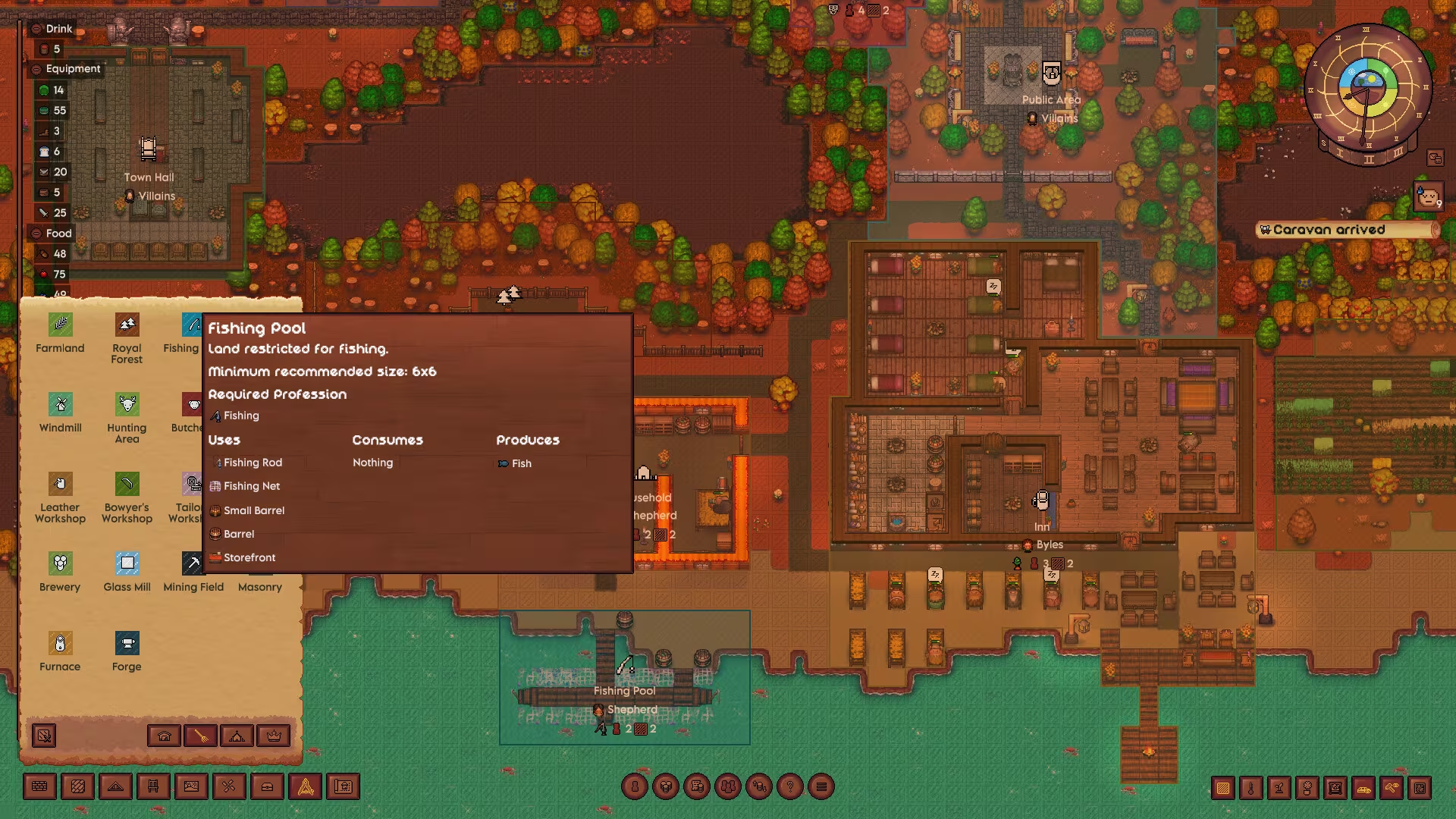
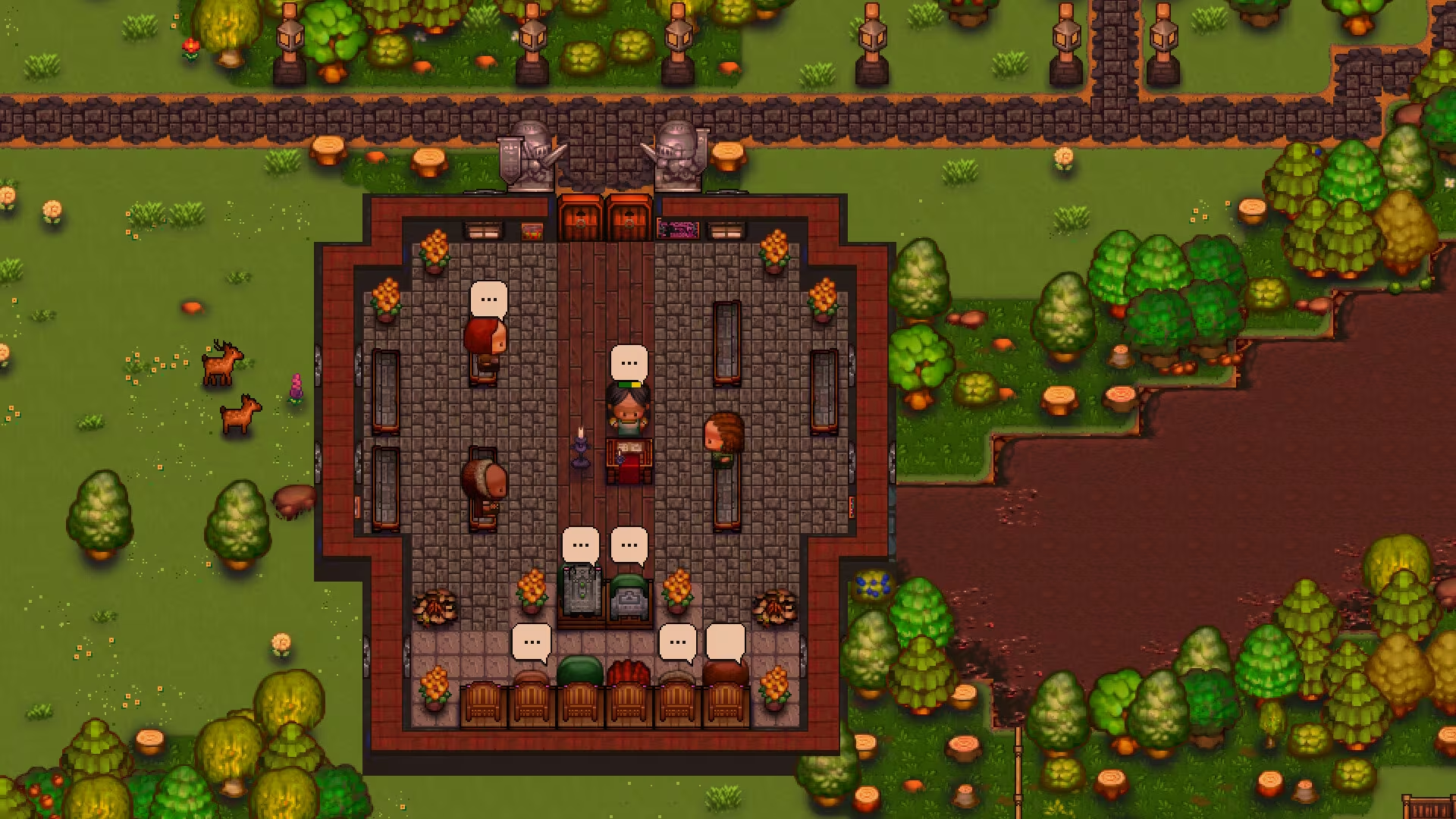
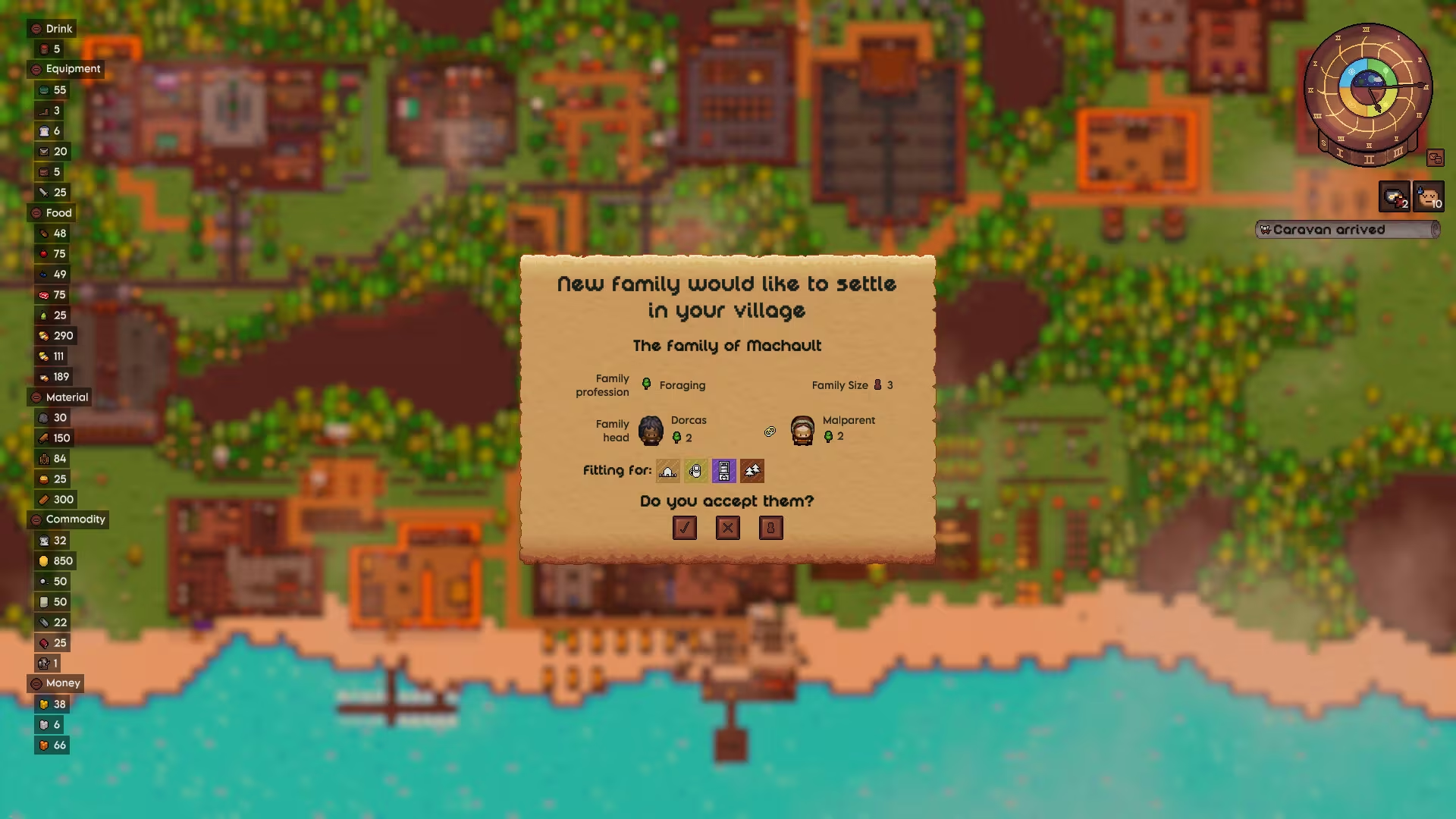
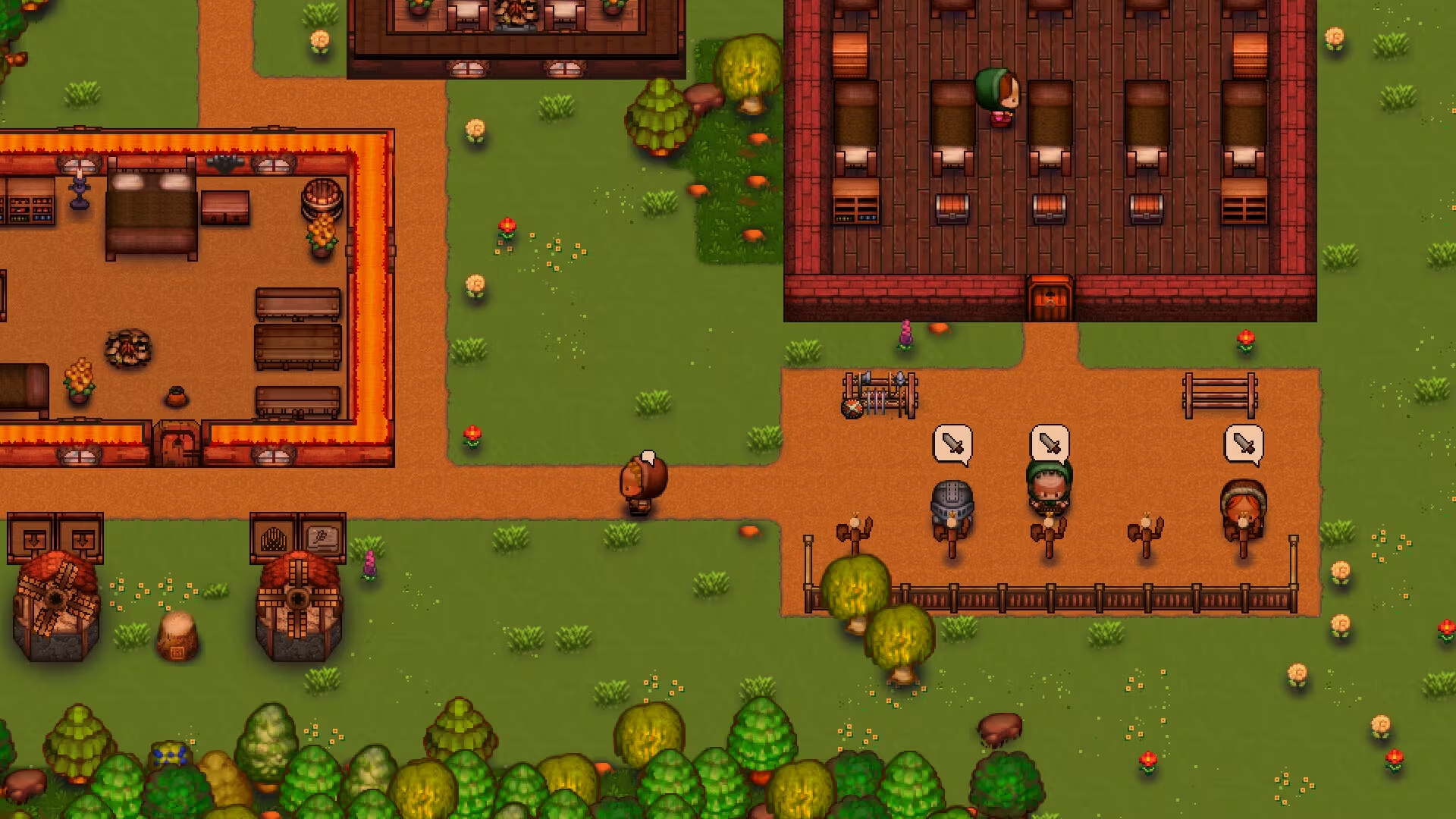
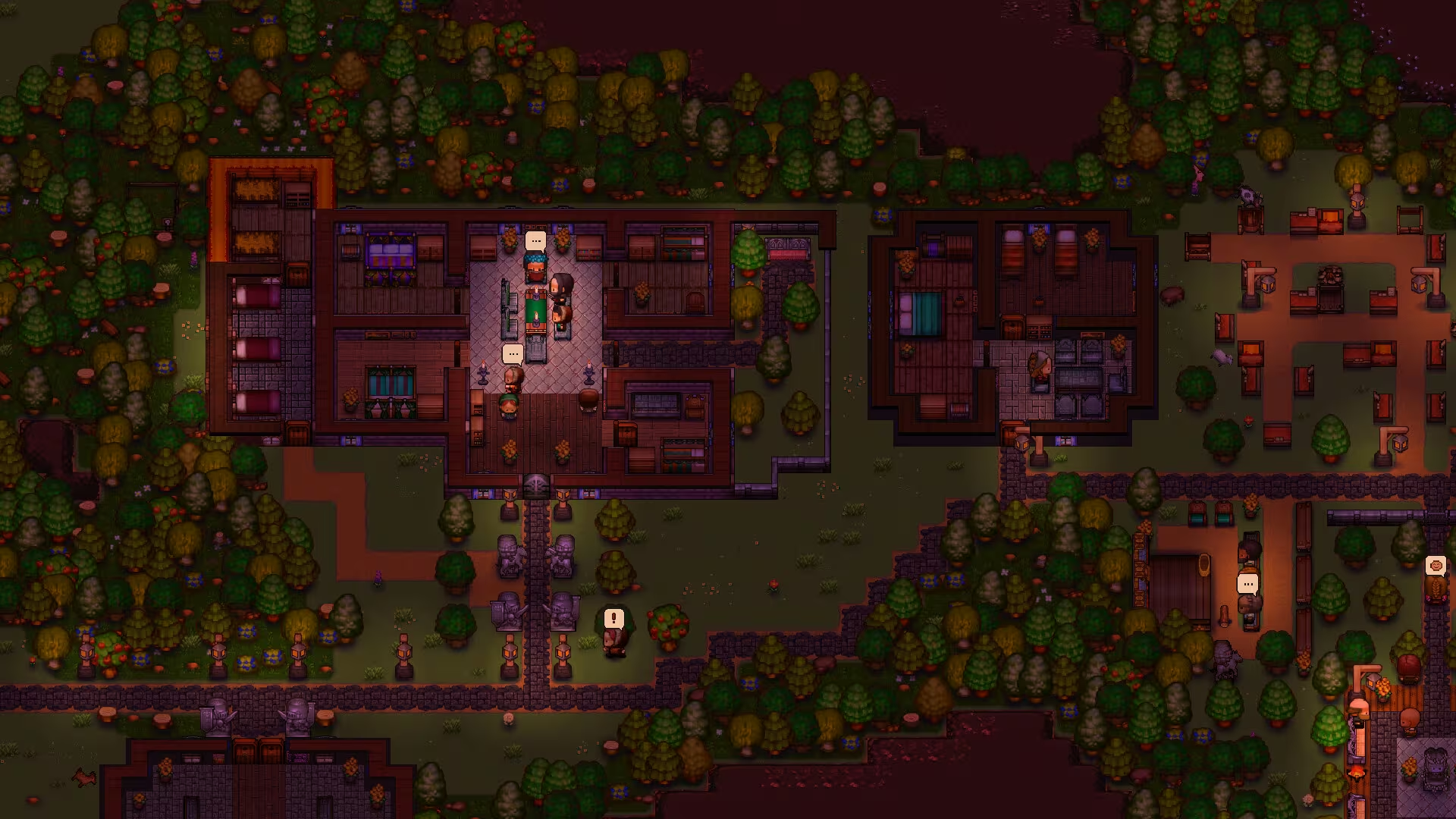
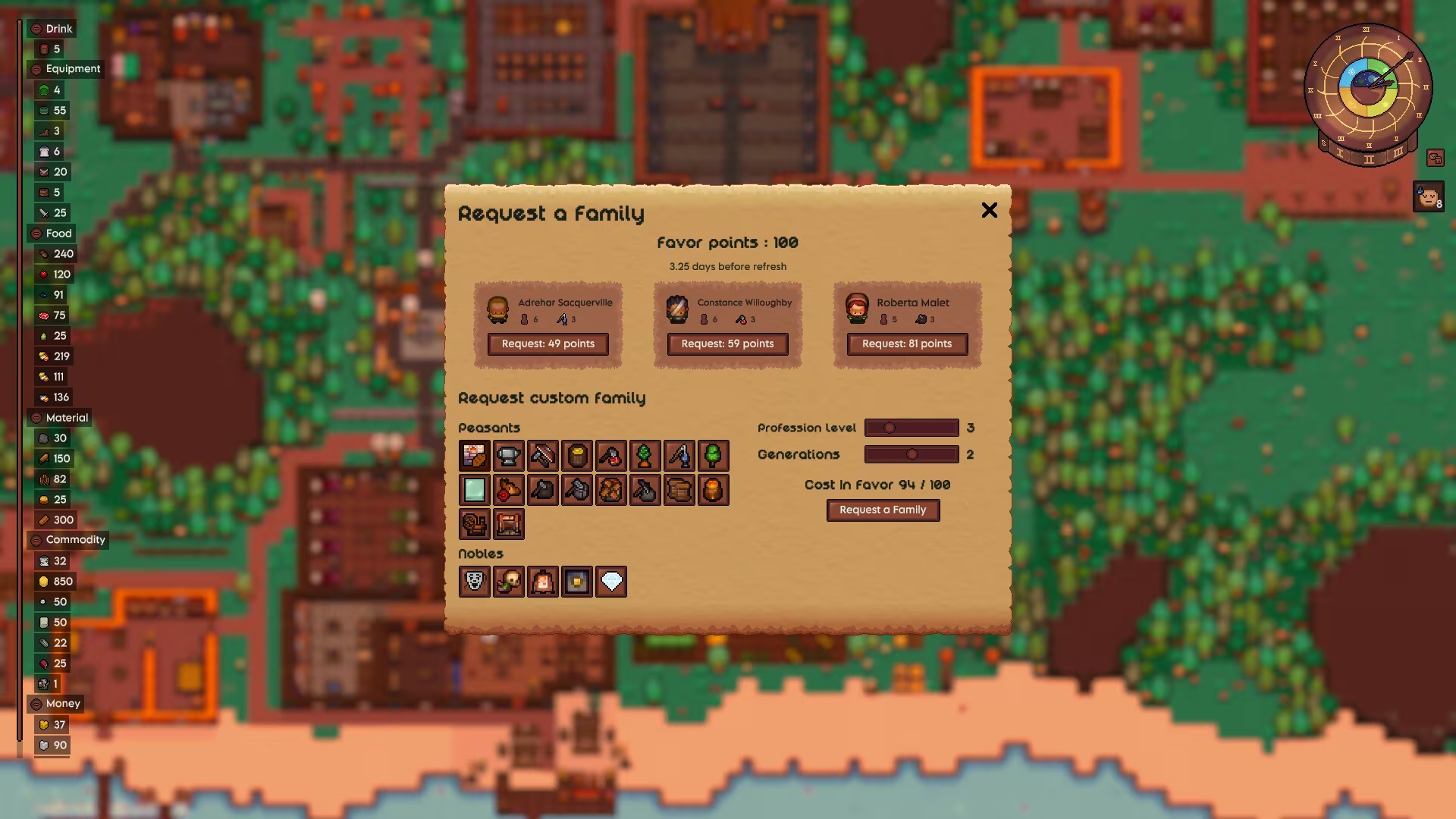
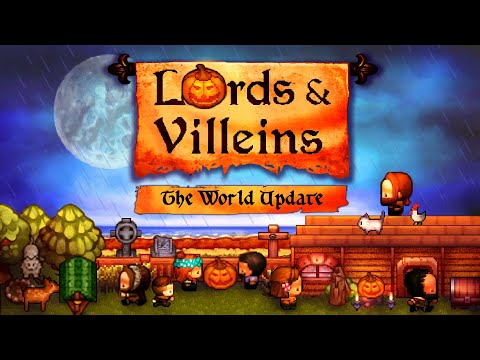
Build a prosperous settlement in a unique simulation of a feudal economy - each family runs their shop, owns their goods, and trades with other villagers in a free market. You will manage the land, build houses, organise events, set taxes, and balance supply and demand while engaging in diplomacy!

Global score

71/100

Genres

Indie, Simulator, Strategy

Similar games

    Pros

    • Unique economic and family management mechanics
    • Engaging and deep colony simulation
    • Active and responsive developers
    • Relaxing and immersive medieval setting
    • High replayability and long play sessions

    Cons

    • Steep learning curve and complex micromanagement
    • Performance issues with large populations
    • Some ui and tutorial shortcomings
    • Balance issues in late game economy
    • Limited social interaction and narrative depth

    Analysis

    A very typical example of its motivational profile. Motivations that often define this kind of title include Idle, Thrill, Violence, Survival. Here, the score leans higher than usual among comparable games on Leadership, Cooperation, Survival.

    How to use the graph
    Similar games map

    Each dot is a game. They are arranged from the same motivation profile as in the “Motivations” section below. Closer dots usually mean more similar reasons to play (exploration, competition, relaxation, etc.)—not that one game is “better” than another.

    • Larger dot with a light outline: the game you are viewing.
    • Colour: groups of games with comparable motivation patterns (statistical clusters).
    • Hover a dot to see the game name; click to open its page.
    • Scroll or double-click the chart to zoom out and see more games.

    Why don’t the axes read like a score? This view uses t-SNE: it only keeps who is close to whom. The scales are not “good to bad” or hours played—they separate groups on the map. Read distance between dots, not the axis numbers.

    Motivations

    • Autonomy
      4

      "Players assign zones and roles to families but AI controls detailed actions, allowing high-level direction with autonomous execution"

    • Competence
      3

      "Game involves managing complex economic systems and supply chains with skillful balancing and micromanagement"

    • Competition
      -3

      "Focus is on managing own village economy and families without direct player-vs-player or leaderboard competition"

    • Continuation
      4

      "Players report long sessions and habitual play, often losing track of time due to engaging mechanics"

    • Cooperation
      2

      "Families trade and interact economically within the village, but multiplayer or explicit teamwork is absent"

    • Creativity
      3

      "Players design buildings, assign zones, and customize villages, with some creative freedom in layout and planning"

    • Domination
      -2

      "Interactions emphasize balanced economic relationships and mutual dependencies rather than exerting power over others"

    • Escapism
      4

      "Players enjoy immersive medieval village life and complex economy as a relaxing escape from real life"

    • Expectation
      -4

      "Players engage voluntarily out of interest and enjoyment, with no sense of obligation or external pressure"

    • Experimenting
      4

      "Game encourages trying different economic strategies, production chains, and village layouts to optimize outcomes"

    • Exploration
      -1

      "Maps are relatively small and familiar; exploration is limited though map variety affects planning"

    • Expression
      2

      "Players customize buildings and village layout, rename villagers, and manage family dynamics for self-expression"

    • Fantasy
      1

      "Medieval setting with some imaginative elements but grounded in plausible economic and social systems"

    • Fellowship
      -3

      "Gameplay centers on individual village management with minimal social or community interaction"

    • Growth
      4

      "Players learn complex economic mechanics and improve management skills over many hours of play"

    • Health
      -4

      "Primarily sedentary gameplay with no physical activity or health-related mechanics"

    • Idle
      3

      "Players can set up economy and let game run at increased speed in background, with periodic attention"

    • Intimacy
      -3

      "Limited emotional or social connections; family interactions are minimal and functional rather than deep"

    • Leadership
      3

      "Player leads village and manages families, assigning roles and taxes, guiding overall development"

    • Progression
      4

      "Focus on accumulating resources, upgrading buildings, expanding families and economy over time"

    • Relaxation
      4

      "Game provides a chill, immersive experience with soothing music and a calming pace"

    • Sensation
      1

      "Visuals are simple and charming, with moderate sensory stimulation and pleasant audio"

    • Status
      -2

      "Achievements and progress are mostly personal; little emphasis on social recognition or popularity"

    • Story
      -2

      "No strong narrative or plot; gameplay is focused on systems and management rather than story immersion"

    • Strategy
      4

      "Requires planning, problem solving, and strategic allocation of resources and family roles"

    • Thrill
      -3

      "Gameplay is low risk and steady paced, with minimal suspense or emotional tension"

    • Value
      4

      "Players report high enjoyment and replayability, feeling the game offers good return on investment"

    • Violence
      -4

      "Focus is on economic and social management; combat and destruction are minimal or absent"

    • Survival
      2

      "Players must manage resources to prevent starvation and maintain village stability, but threats are moderate"

    Last update: 29/04/2026