Majotori similar games & best alternatives
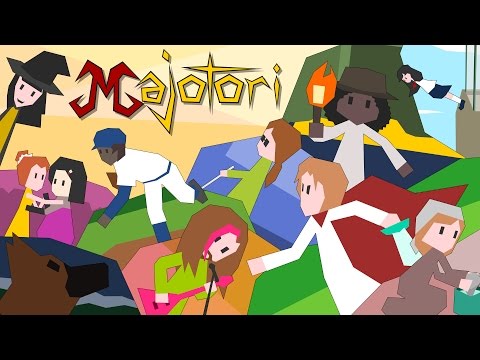
Majotori
2017
Related articles
Quick resume
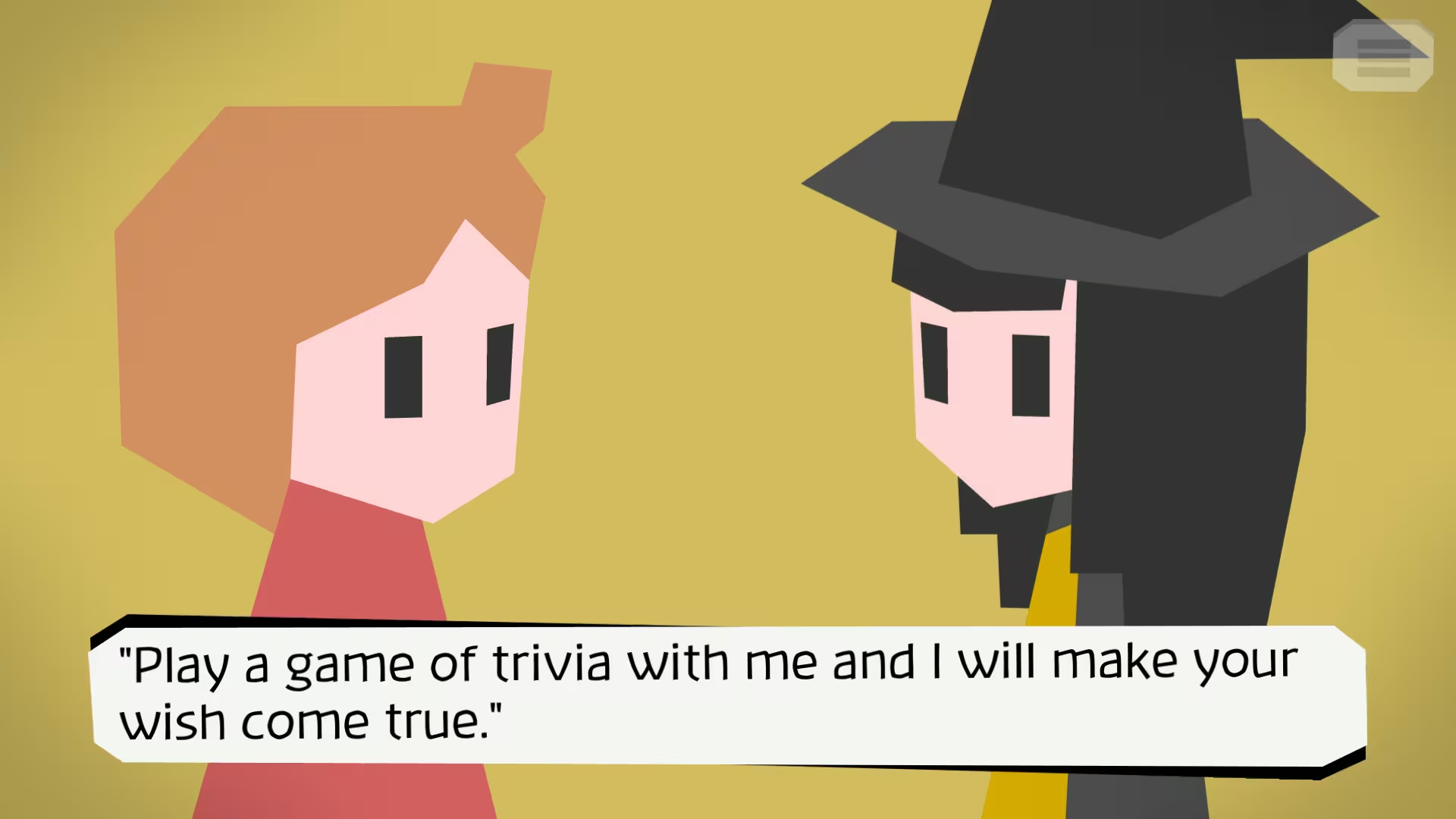
How many lives will your ignorance ruin?
Global score
97/100
Genres
Adventure, Casual, Indie, Arcade, Puzzle, Quiz/Trivia
Similar games
Pros
- Engaging branching stories
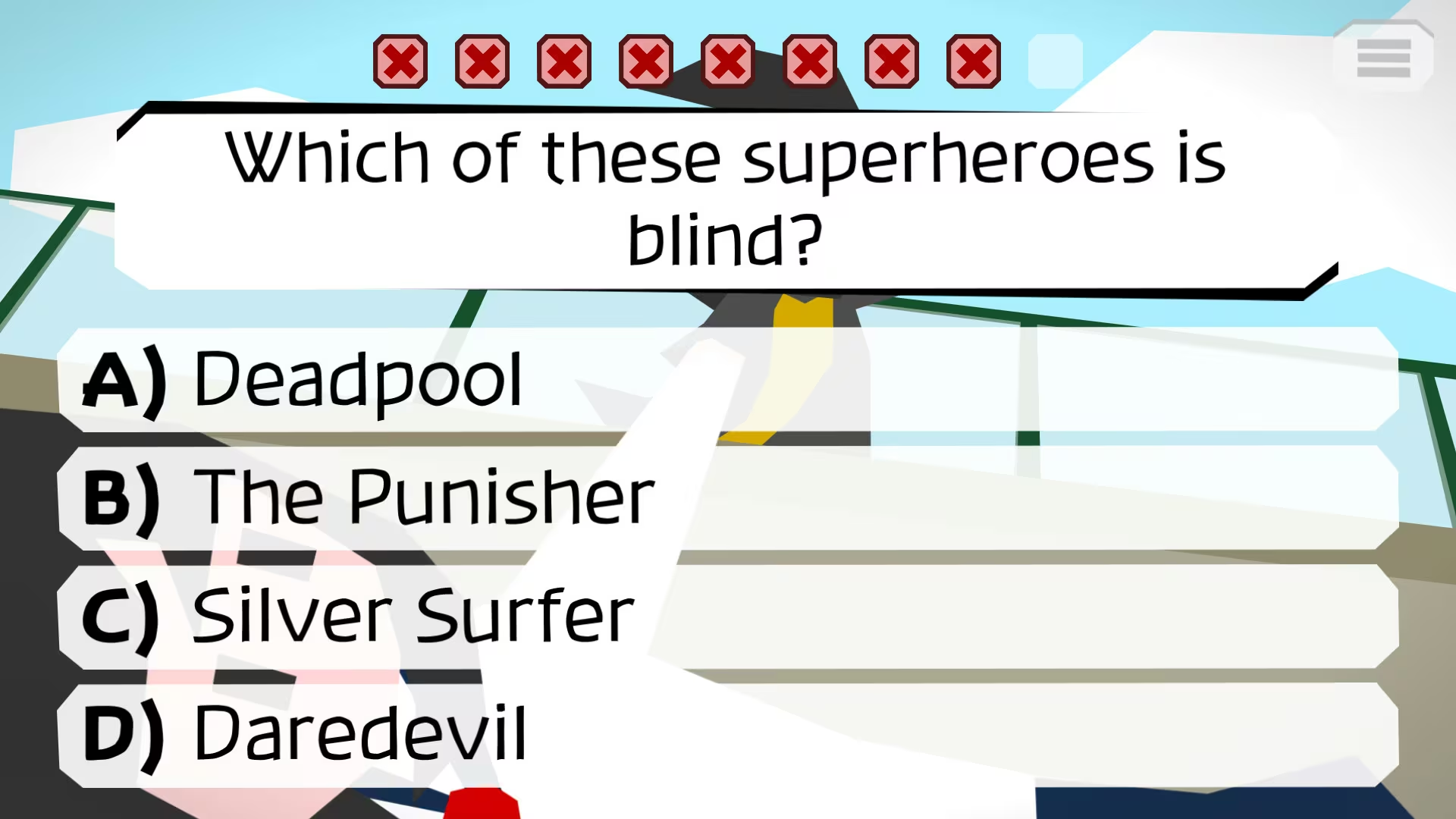
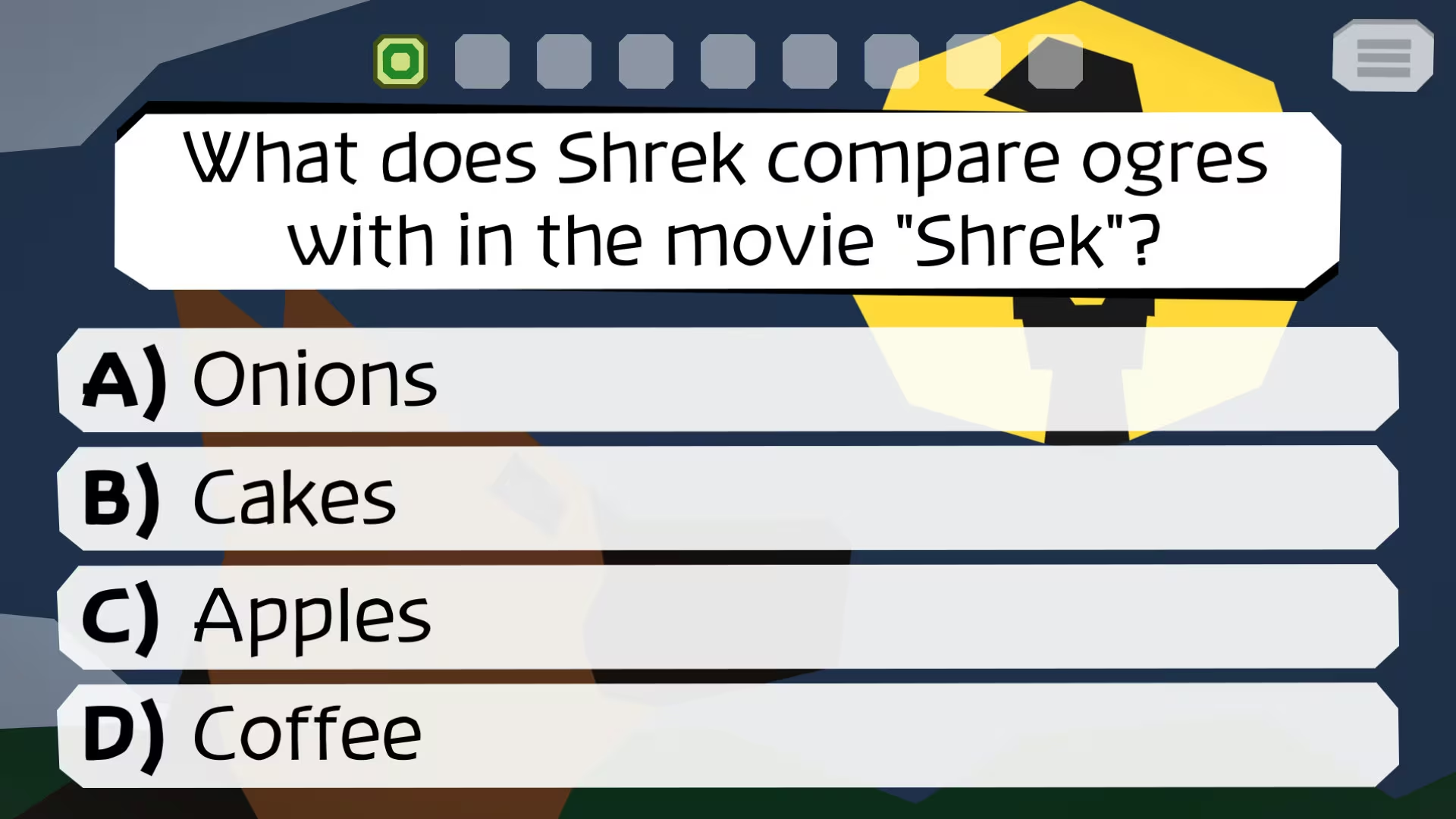
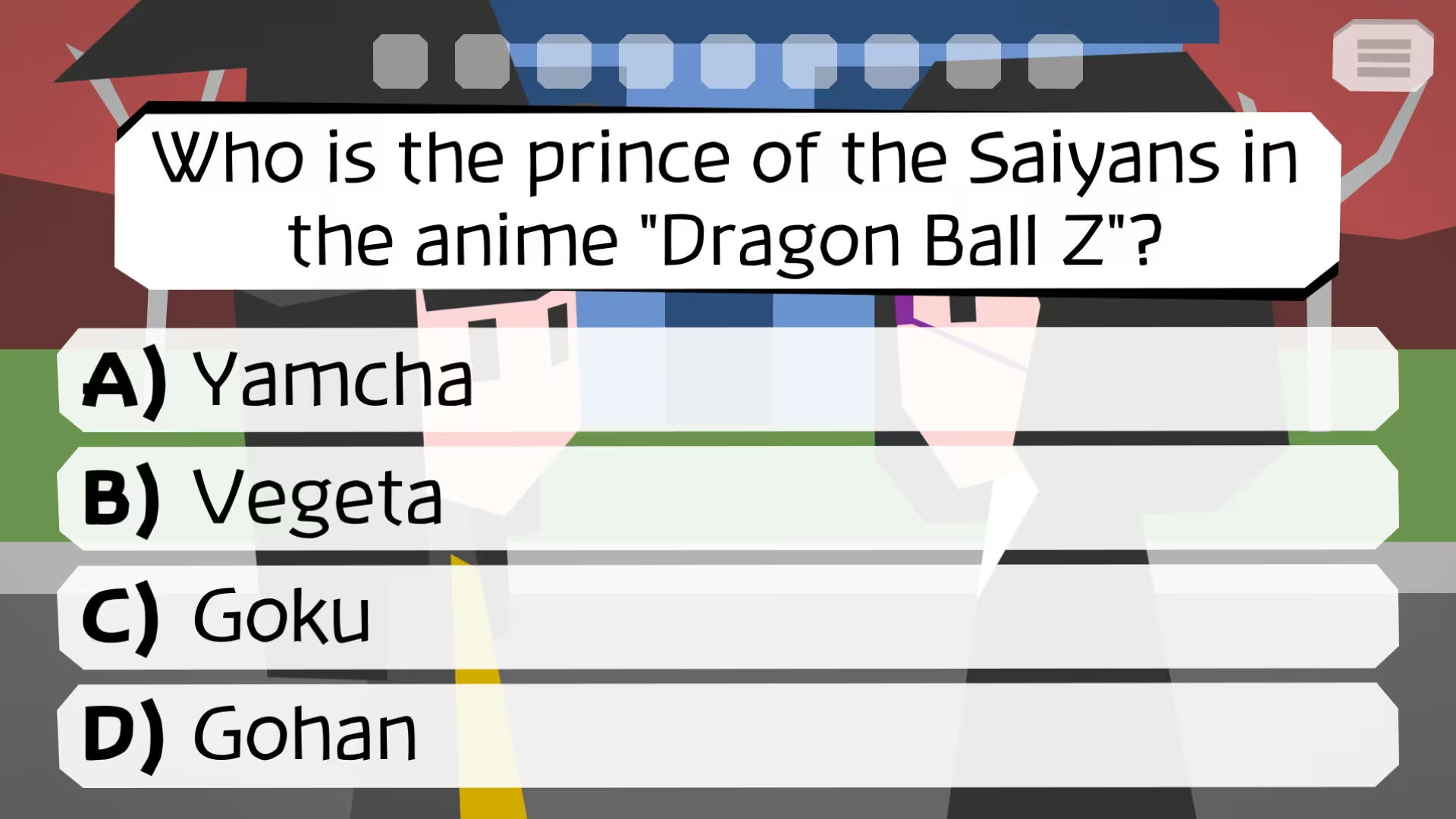
- Large variety of trivia questions
- Customizable question categories
- Cute art style and music
- High replayability
Cons
- Heavy focus on anime and geek culture trivia
- Short overall playtime
- Some repetition of questions after multiple playthroughs
- Limited player customization
- Luck element in roulette can feel unfair
Analysis
Broadly representative of its motivational profile, with a few distinct shifts. Motivations that often define this kind of title include Fellowship, Cooperation, Leadership, Violence. Here, the score leans higher than usual among comparable games on Story. It leans lower than usual among comparable games on Violence, Expression.
How to use the graph
Similar games map
Each dot is a game. They are arranged from the same motivation profile as in the “Motivations” section below. Closer dots usually mean more similar reasons to play (exploration, competition, relaxation, etc.)—not that one game is “better” than another.
- Larger dot with a light outline: the game you are viewing.
- Colour: groups of games with comparable motivation patterns (statistical clusters).
- Hover a dot to see the game name; click to open its page.
- Scroll or double-click the chart to zoom out and see more games.
Why don’t the axes read like a score? This view uses t-SNE: it only keeps who is close to whom. The scales are not “good to bad” or hours played—they separate groups on the map. Read distance between dots, not the axis numbers.
Motivations
-
Autonomy4
"Players freely choose characters and influence story outcomes through their trivia answers and category frequency settings, reflecting high personal control."
-
Competence3
"Trivia questions vary in difficulty and require knowledge and skill, with feedback via story consequences and roulette outcomes."
-
Competition-3
"Single-player focus with no ranked or leaderboard competition; gameplay centers on personal trivia performance and story exploration."
-
Continuation4
"Players report multiple playthroughs to explore branching storylines and outcomes, showing strong engagement and replayability."
-
Cooperation-4
"Gameplay is primarily solo trivia and story progression with no cooperative mechanics, though it can be enjoyed socially."
-
Creativity2
"Players customize question category frequencies and explore branching narratives, but core gameplay follows preset trivia and story structures."
-
Domination-5
"No evidence of exerting control or superiority over others; interactions are individual and narrative-driven."
-
Escapism4
"Players use the game as a fun, lighthearted distraction with engaging stories and trivia, providing a break from real life."
-
Expectation-4
"Players engage voluntarily out of interest in trivia and stories, with no obligation or external pressure reported."
-
Experimenting3
"Players try different characters, story branches, and adjust question categories, encouraging exploration within the game."
-
Exploration4
"Multiple branching storylines and outcomes encourage discovery of new content and endings across playthroughs."
-
Expression-2
"Limited player customization beyond question category frequency; no avatar or environment personalization."
-
Fantasy3
"Game features imaginative fiction elements with witches, wishes, and branching storylines blending humor and dark themes."
-
Fellowship-3
"Primarily single-player experience with minimal social features; some players enjoy it socially but no built-in community focus."
-
Growth3
"Players learn new trivia knowledge and improve performance, with feedback through story outcomes and achievements."
-
Health-5
"Sedentary gameplay with no physical activity or health-related features."
-
Idle-3
"Requires active attention to answer trivia and follow stories; not designed for background or idle play."
-
Intimacy-4
"No evidence of close relationship building; interactions are limited to brief story engagement without emotional sharing."
-
Leadership-5
"No leadership or group management mechanics; gameplay is individual and narrative-driven."
-
Progression3
"Progression through unlocking story branches, achievements, and trivia completion; no complex item or upgrade systems."
-
Relaxation4
"Players describe the game as relaxing and enjoyable with no time pressure, balanced challenge, and engaging music."
-
Sensation2
"Simple but appealing visuals, animations, and music provide moderate sensory stimulation and emotional engagement."
-
Status-5
"No social recognition or status systems; achievements exist but are personal and not publicly ranked."
-
Story5
"Strong narrative immersion with branching stories, character development, and meaningful consequences tied to trivia performance."
-
Strategy2
"Some strategic choice in selecting characters and adjusting question categories, but trivia answers are mostly knowledge-based."
-
Thrill3
"Suspense from roulette outcomes and branching story consequences creates tension and excitement."
-
Value4
"Players find the game offers good entertainment value for price, with many questions and replayability."
-
Violence-3
"No direct combat or destruction; some story outcomes involve character death but gameplay is constructive trivia and story."
-
Survival2
"Players try to avoid negative story outcomes through trivia success, involving risk and chance elements."
Last update: 29/04/2026