Mansions of Madness Thumbnail

Mansions of Madness similar games & best alternatives

Mansions of Madness

PC (Microsoft Windows), iOS, Mac, Android • 2016

Related articles

Quick resume

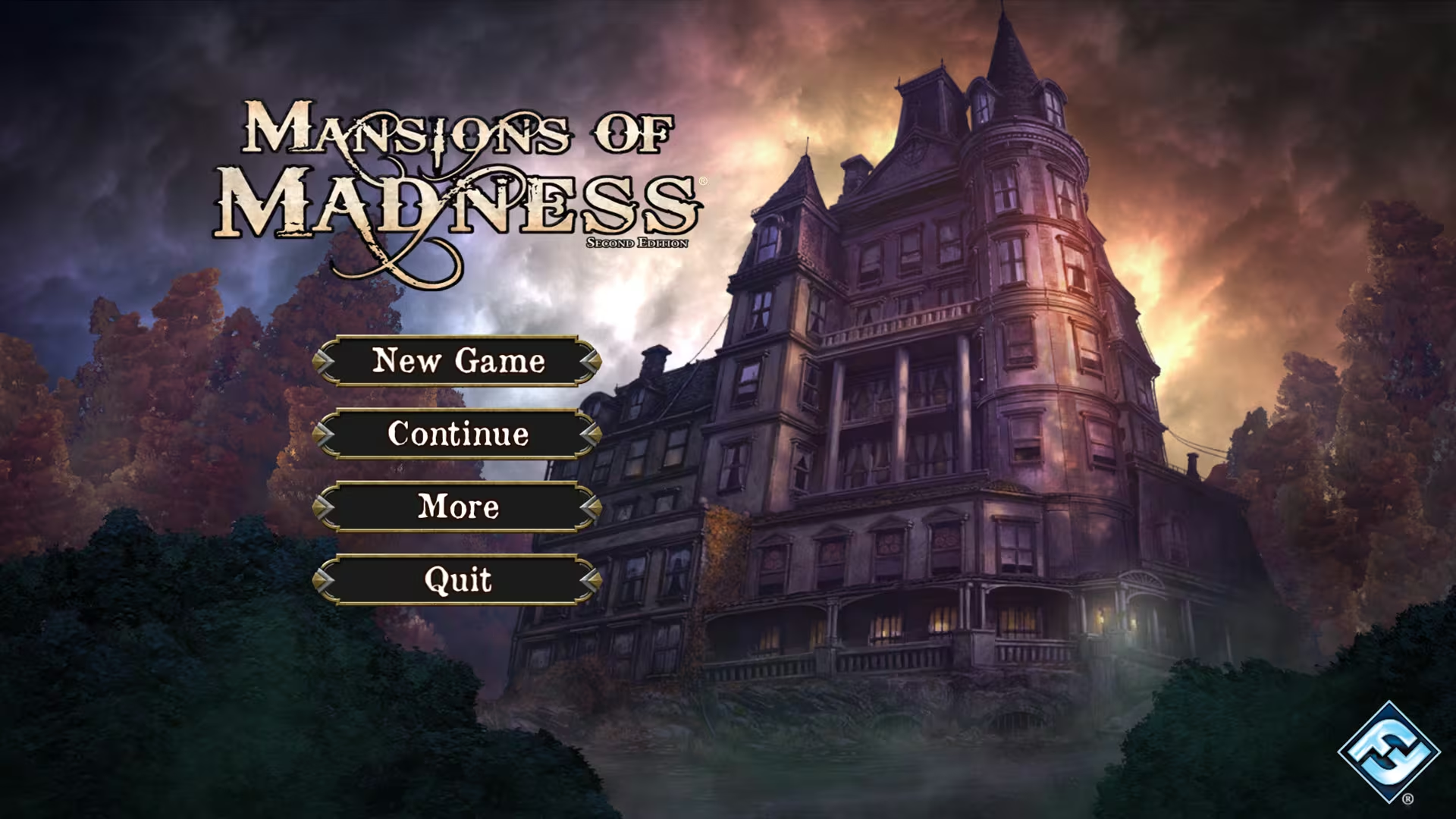
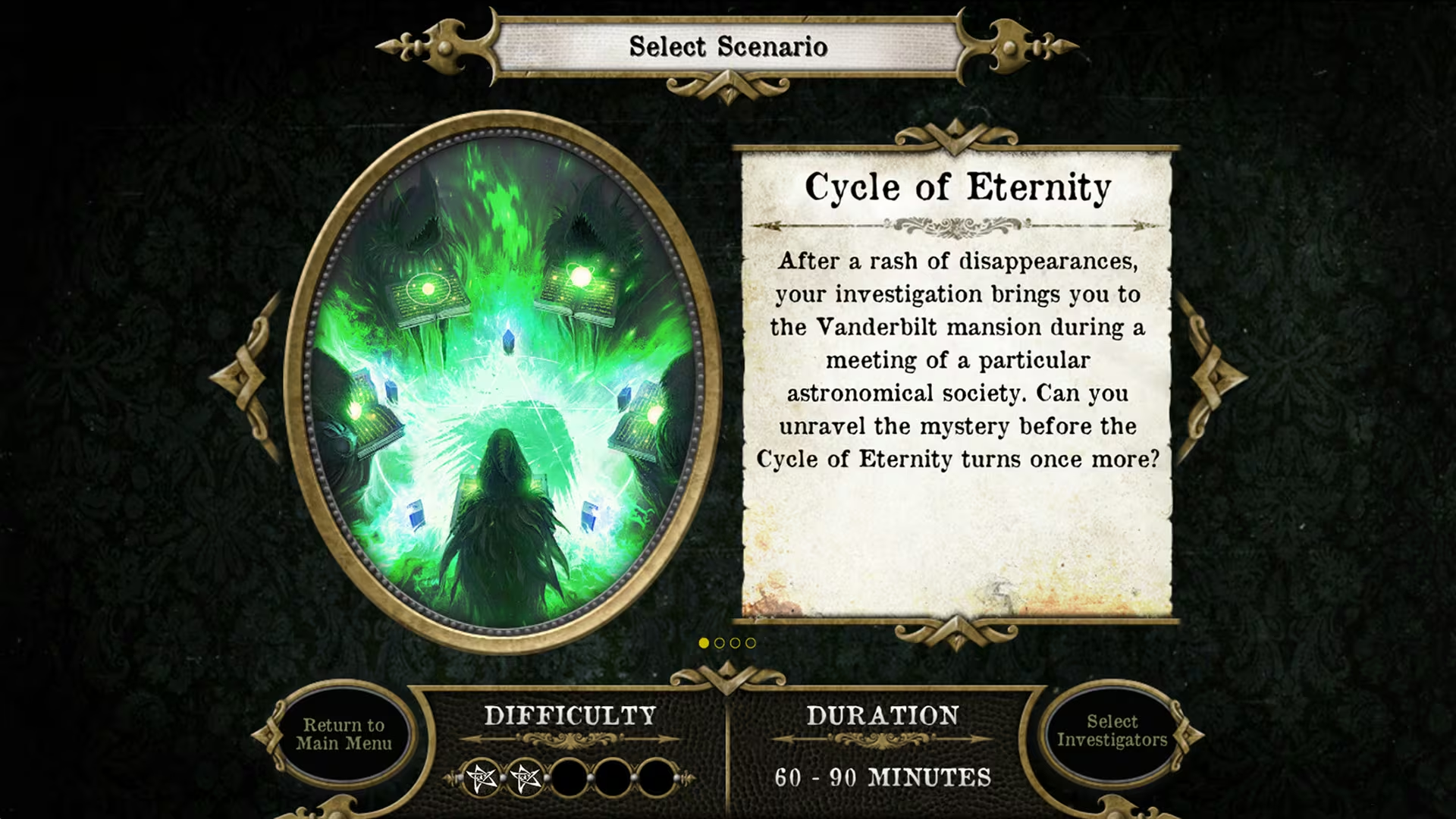
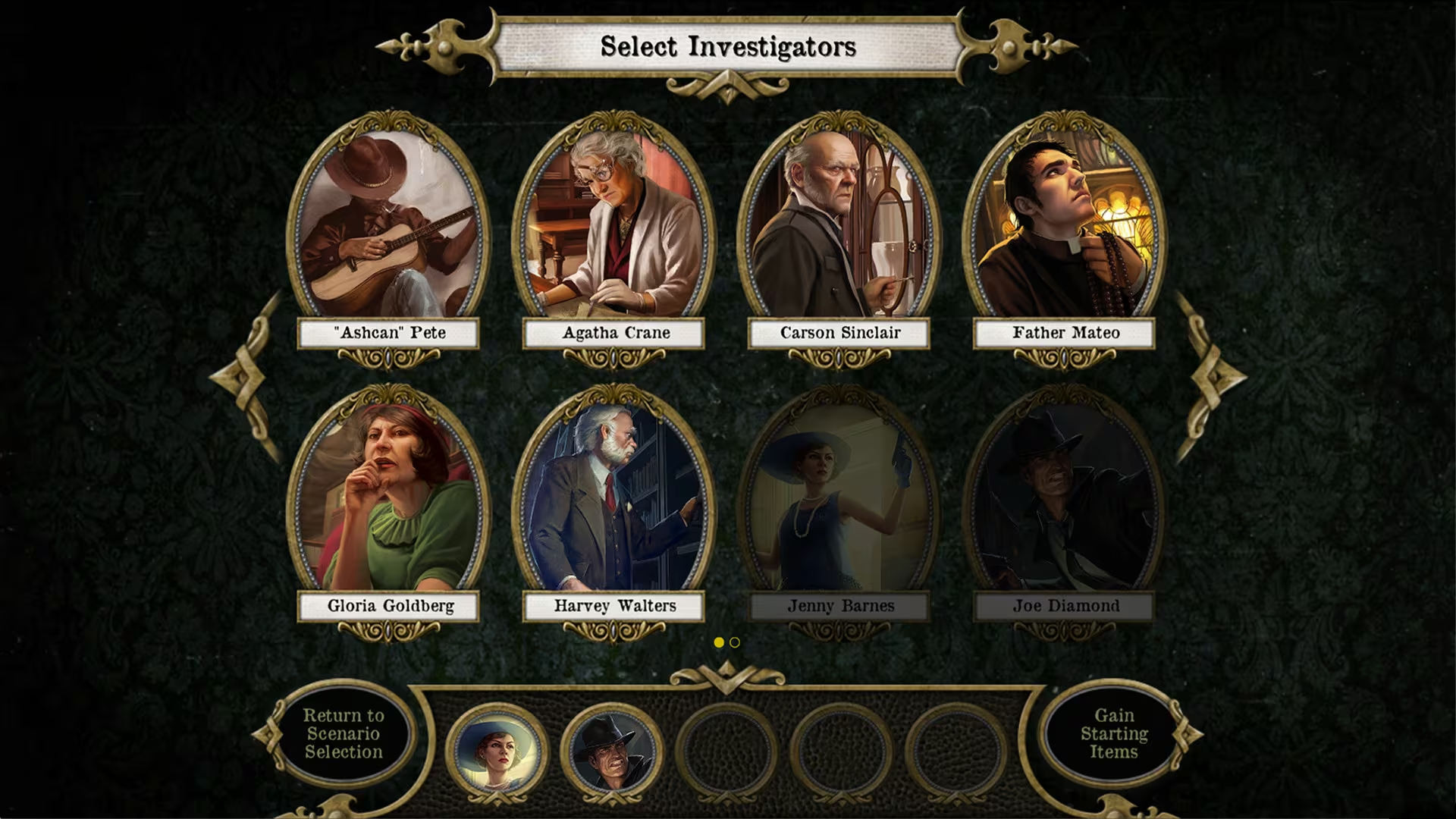
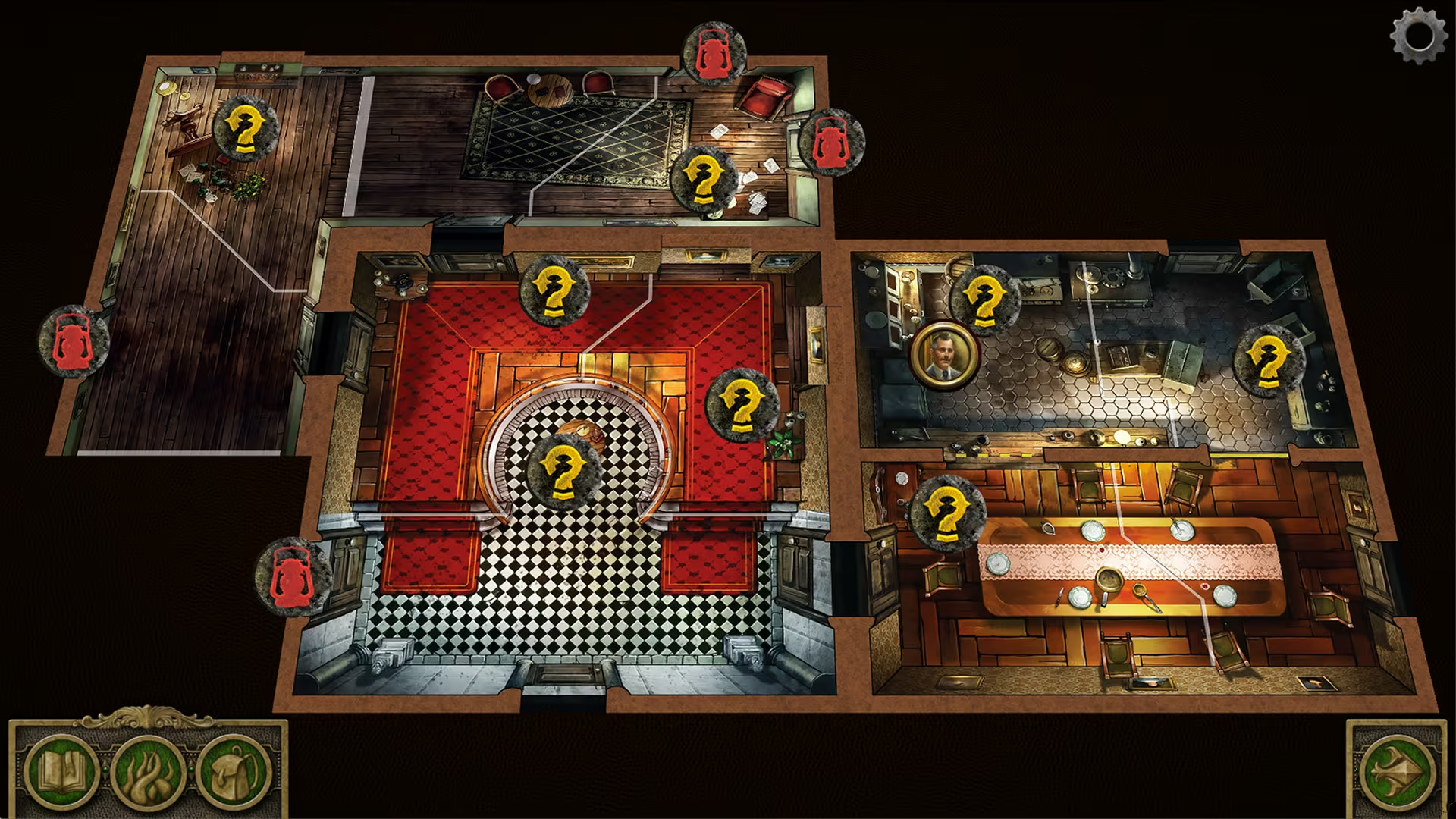
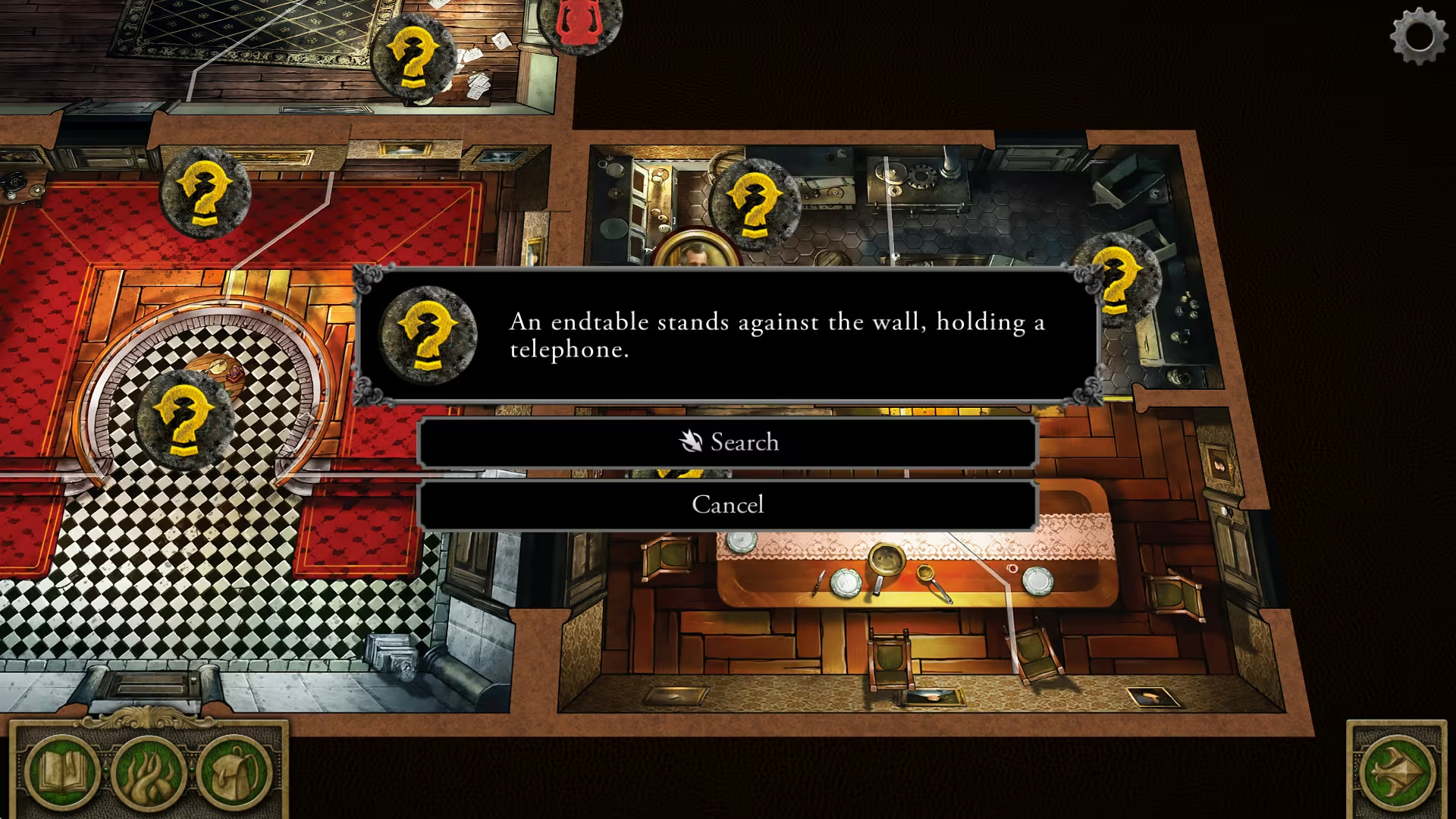
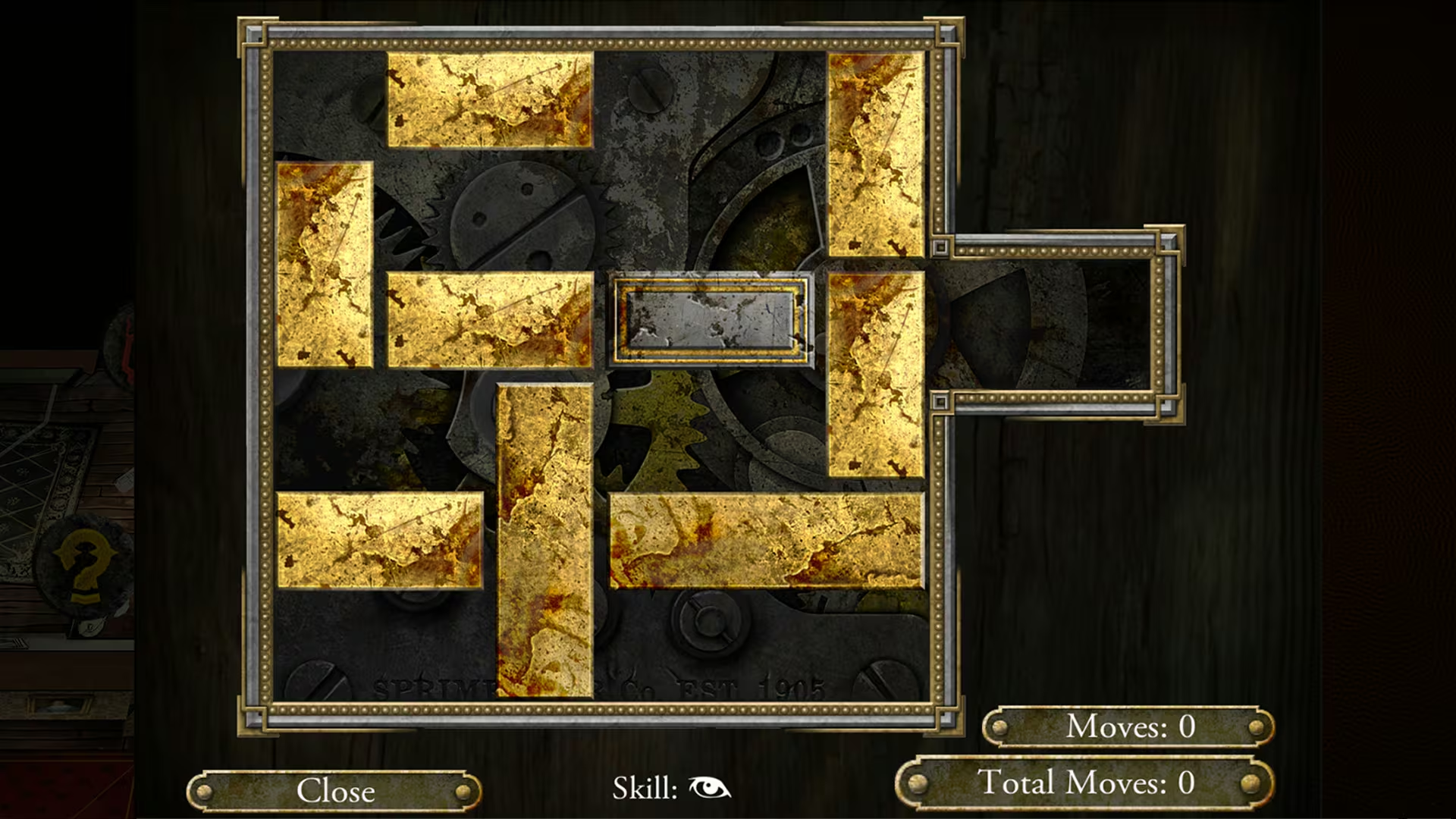
A companion app for the Mansions of Madness Second Edition board game from Fantasy Flight Games. Mansions of Madness is a cooperative game of mystery and investigation inspired by the writings of H. P. Lovecraft. During each game, one to five players explore a location to unravel a mystery.

Global score

93/100

Genres

Adventure, Strategy

Similar games

    Pros

    • Strong cooperative gameplay
    • Immersive lovecraftian atmosphere
    • Good replayability with scenario variations
    • App streamlines game master role and setup
    • Rich narrative and thematic audio

    Cons

    • Requires owning physical board game
    • Limited official scenario dlc content
    • App lacks some quality-of-life features (e.g. multiple save slots)
    • Long play sessions can be tiring
    • Some players find setup and rules complex

    Analysis

    Broadly representative of its motivational profile, with a few distinct shifts. Motivations that often define this kind of title include Cooperation, Fellowship, Intimacy, Leadership. Here, the score leans higher than usual among comparable games on Story. It leans lower than usual among comparable games on Competition, Value.

    How to use the graph
    Similar games map

    Each dot is a game. They are arranged from the same motivation profile as in the “Motivations” section below. Closer dots usually mean more similar reasons to play (exploration, competition, relaxation, etc.)—not that one game is “better” than another.

    • Larger dot with a light outline: the game you are viewing.
    • Colour: groups of games with comparable motivation patterns (statistical clusters).
    • Hover a dot to see the game name; click to open its page.
    • Scroll or double-click the chart to zoom out and see more games.

    Why don’t the axes read like a score? This view uses t-SNE: it only keeps who is close to whom. The scales are not “good to bad” or hours played—they separate groups on the map. Read distance between dots, not the axis numbers.

    Motivations

    • Autonomy
      4

      "Players have significant control over their investigator actions and decisions within the cooperative framework, with the app managing the game master role."

    • Competence
      3

      "Players engage in strategic decision-making, puzzle solving, and combat challenges that require skill and learning of rules."

    • Competition
      -4

      "The game is fully cooperative with players working together against the app; no player-vs-player competition."

    • Continuation
      3

      "Players report repeated playthroughs of scenarios with variations, indicating habitual and extended engagement."

    • Cooperation
      5

      "Core gameplay is cooperative with players collaborating to solve mysteries and overcome challenges."

    • Creativity
      2

      "Some creativity in choosing characters and strategies; however, limited scenario creation or customization within the official app."

    • Domination
      -5

      "Players participate equally as a team; no player exerts control or superiority over others."

    • Escapism
      4

      "Strong immersion in Lovecraftian horror and mystery provides an escape from real life."

    • Expectation
      -4

      "Players engage voluntarily out of interest and enjoyment; no obligation or external pressure noted."

    • Experimenting
      3

      "Players explore different scenarios, character choices, and random elements, encouraging experimentation."

    • Exploration
      4

      "Exploration of randomized mansion layouts and discovery of secrets is a key gameplay element."

    • Expression
      1

      "Some player expression through character selection and miniature painting, but limited in-app customization."

    • Fantasy
      5

      "Strongly rooted in imaginative Lovecraftian horror fiction and supernatural themes."

    • Fellowship
      4

      "Players form a social group with shared goals and experiences, enjoying the game together."

    • Growth
      3

      "Players learn rules, strategies, and improve skills over repeated plays."

    • Health
      -4

      "Primarily sedentary gameplay with no physical activity involved."

    • Idle
      -3

      "Requires focused attention and continuous engagement during long play sessions."

    • Intimacy
      2

      "Social interactions occur within the cooperative group, though mostly surface-level gaming camaraderie."

    • Leadership
      -2

      "No formal leadership roles; players collaborate equally without designated leaders."

    • Progression
      3

      "Players accumulate items, upgrades, and experience scenario progression through story and character development."

    • Relaxation
      1

      "Game can be tense and challenging but also provides immersive flow and atmospheric relaxation."

    • Sensation
      3

      "Atmospheric audio, narration, and visual elements provide sensory stimulation and emotional engagement."

    • Status
      -3

      "Focus is on cooperative play rather than social recognition or status within the game."

    • Story
      5

      "Narrative immersion is central, with rich storytelling, character interaction, and evolving plots."

    • Strategy
      4

      "Players must plan, solve puzzles, and make tactical decisions to succeed."

    • Thrill
      3

      "Suspense and tension from horror themes and uncertain outcomes provide thrills."

    • Value
      1

      "Players generally feel the game offers good value for its price and content, though some note high cost."

    • Violence
      2

      "Combat with monsters is present but balanced with investigation and puzzle elements."

    • Survival
      4

      "Players must manage resources and avoid failure to survive scenarios."

    Last update: 29/04/2026