Mysterium: A Psychic Clue Game similar games & best alternatives
Mysterium: A Psychic Clue Game
2017
Related articles
Quick resume
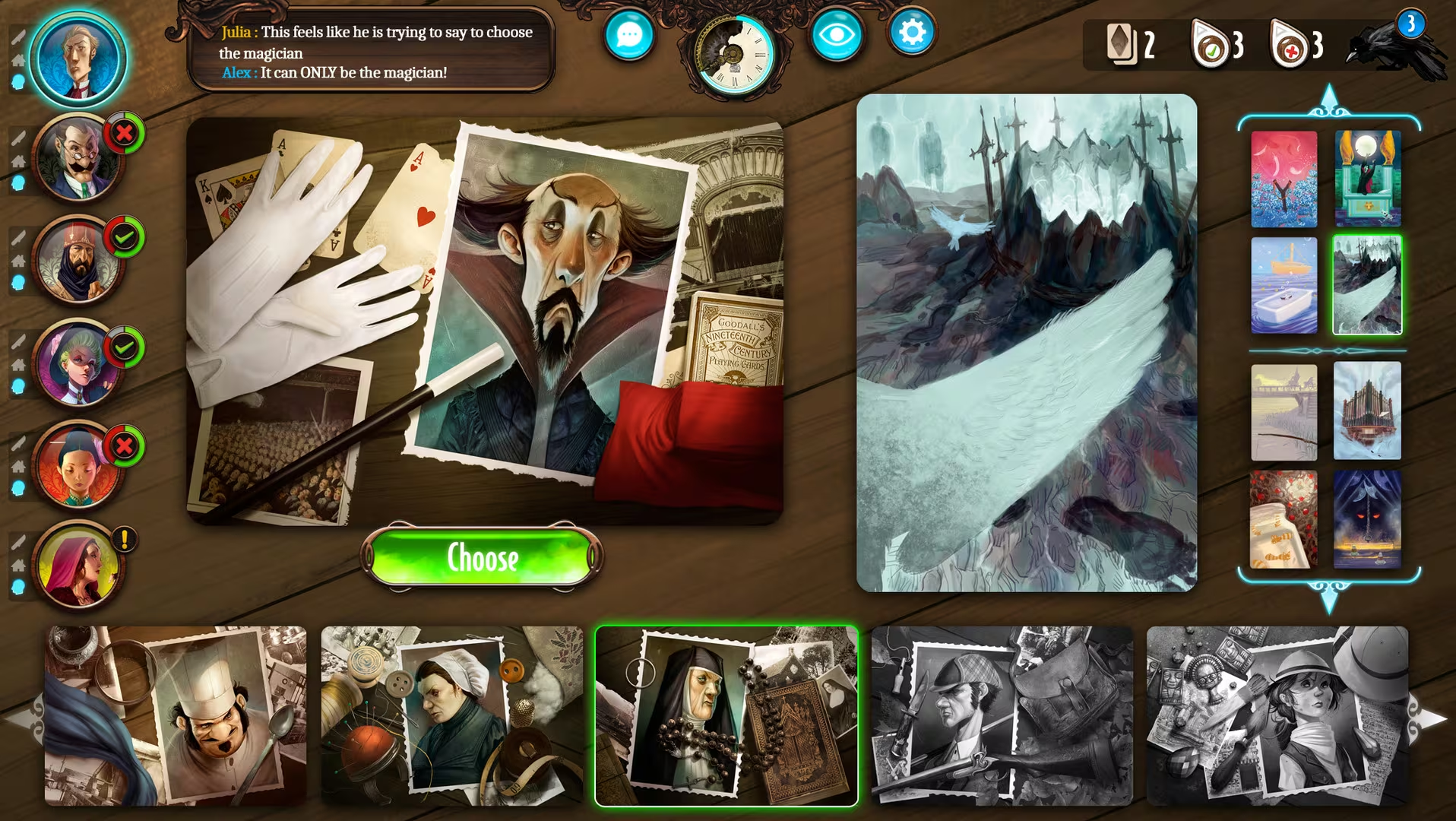
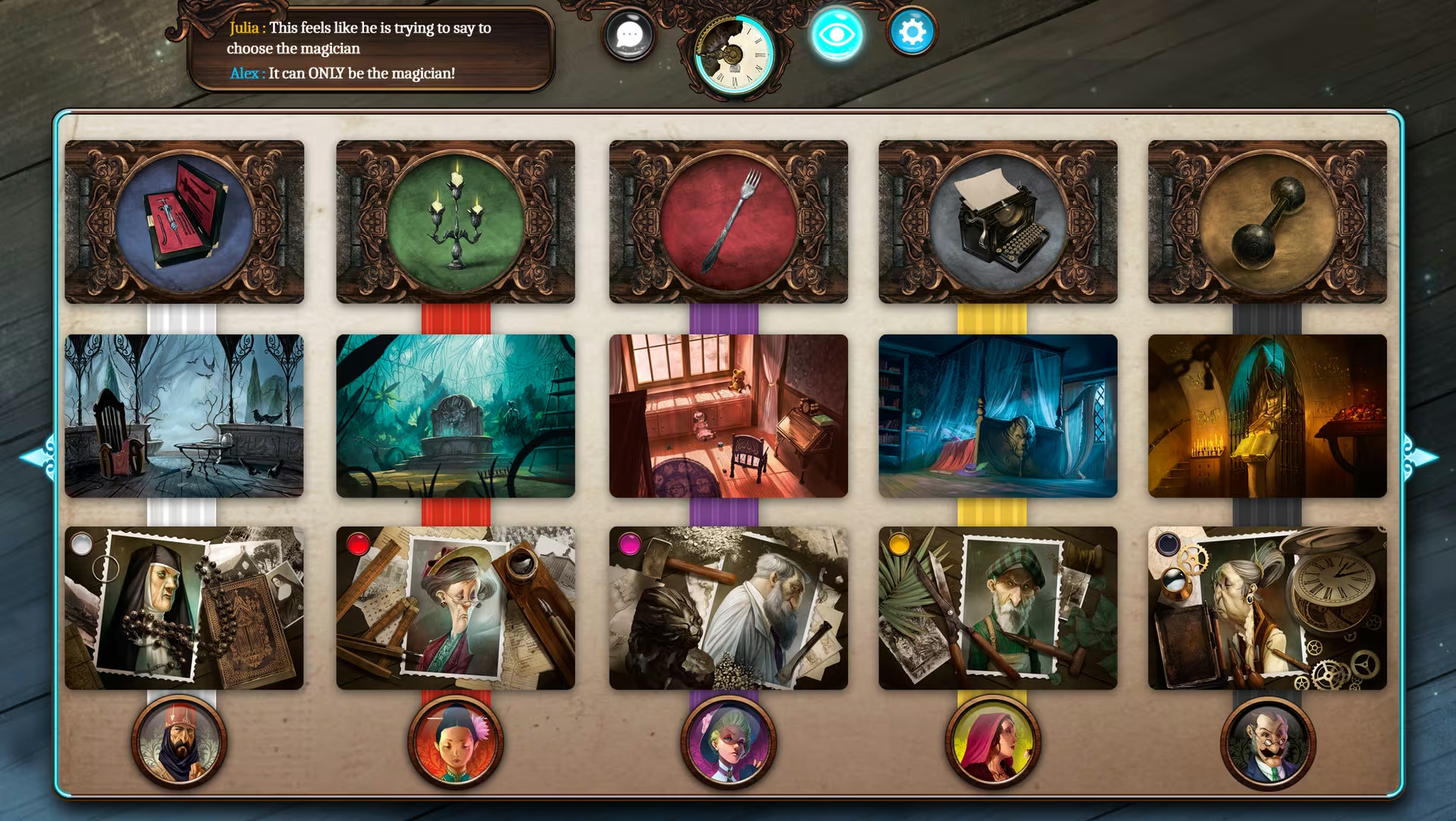
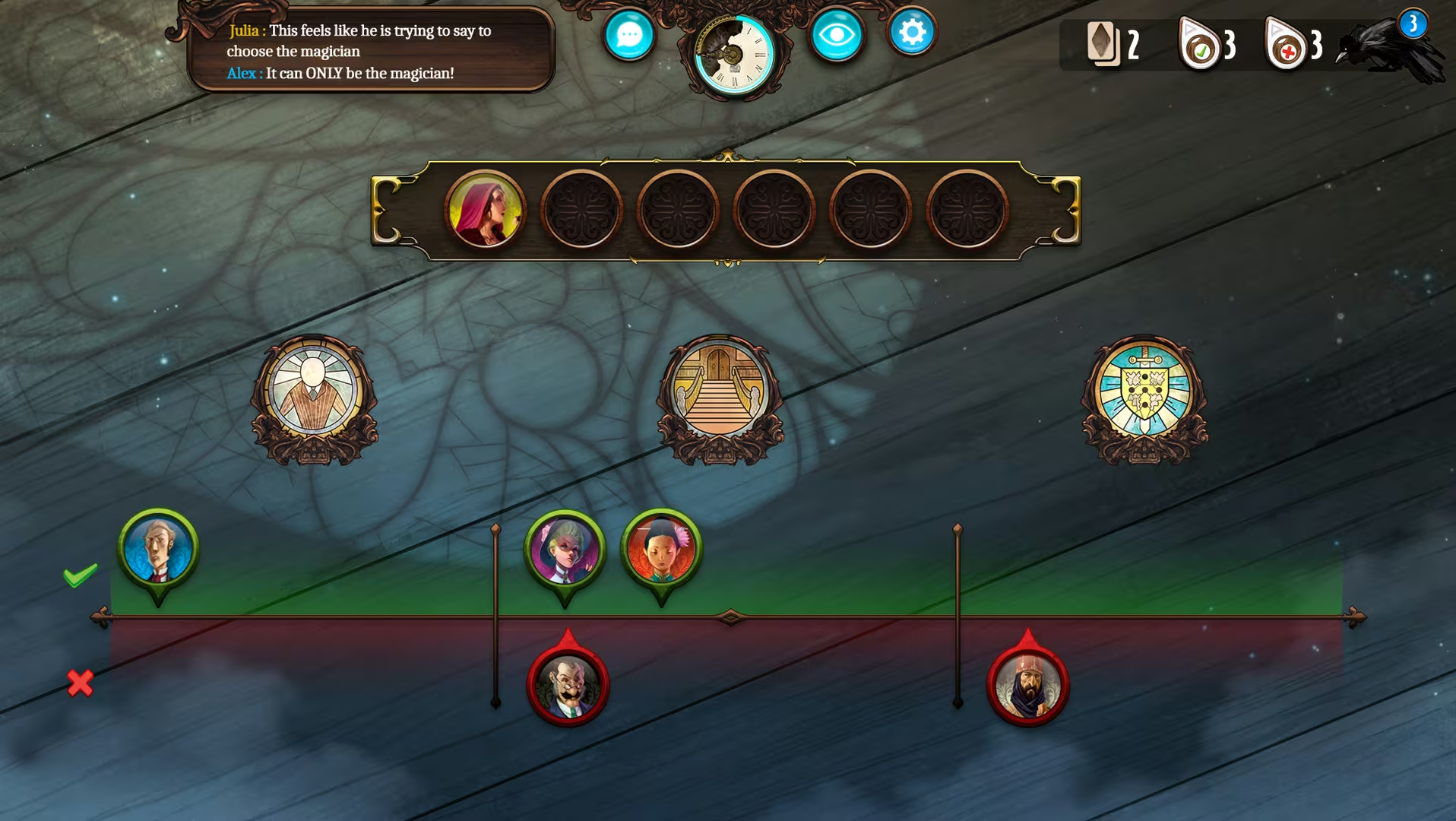
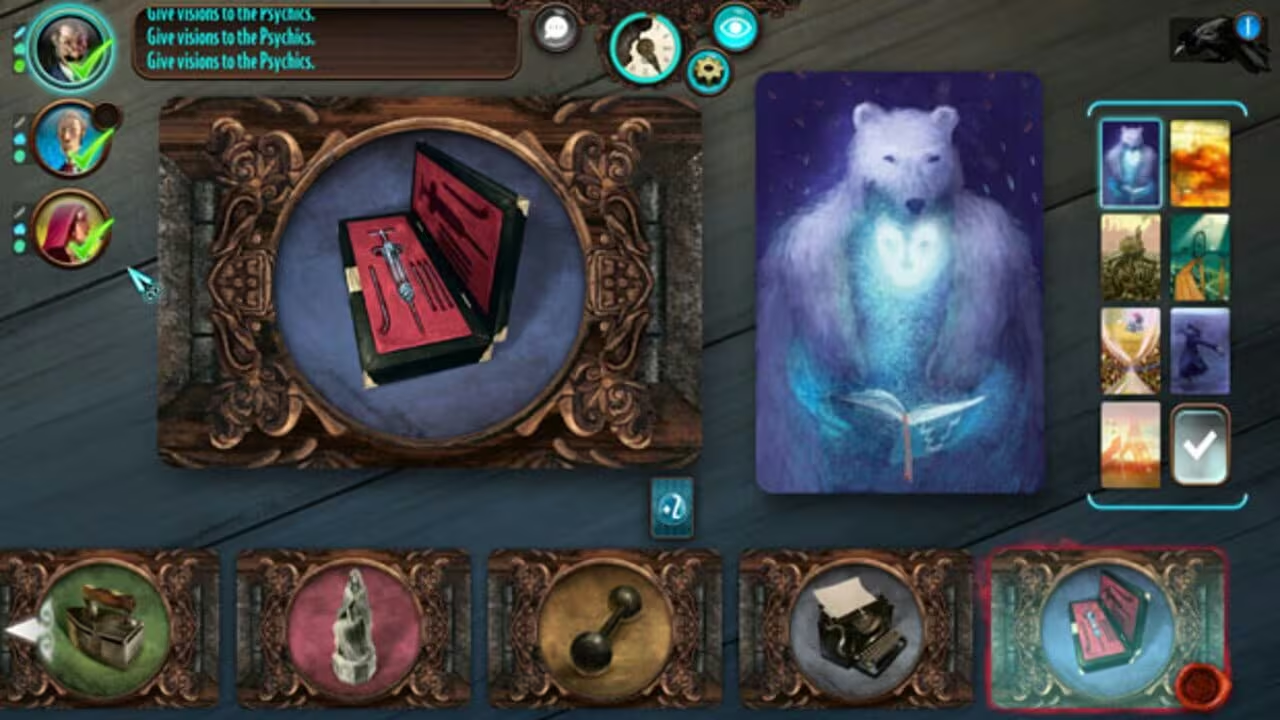
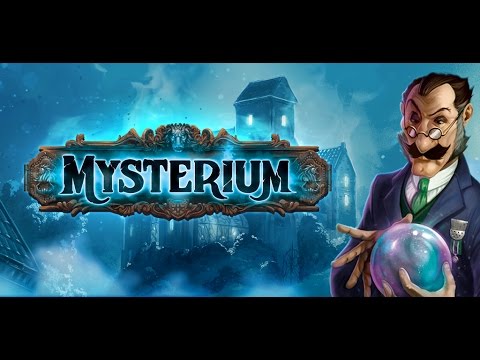
Mysterium is a cooperative deduction game set in the 1920s in which a ghost guides a group of psychics to uncover a murderer, as well as the weapon and location of the murder, using only visual clues.
Global score
75/100
Genres
Strategy, Indie, Card & Board Game, Simulator
Similar games
Pros
- Faithful and immersive adaptation of popular board game
- Strong cooperative gameplay with friends
- Beautiful art and atmospheric music
- Engaging deduction and puzzle solving
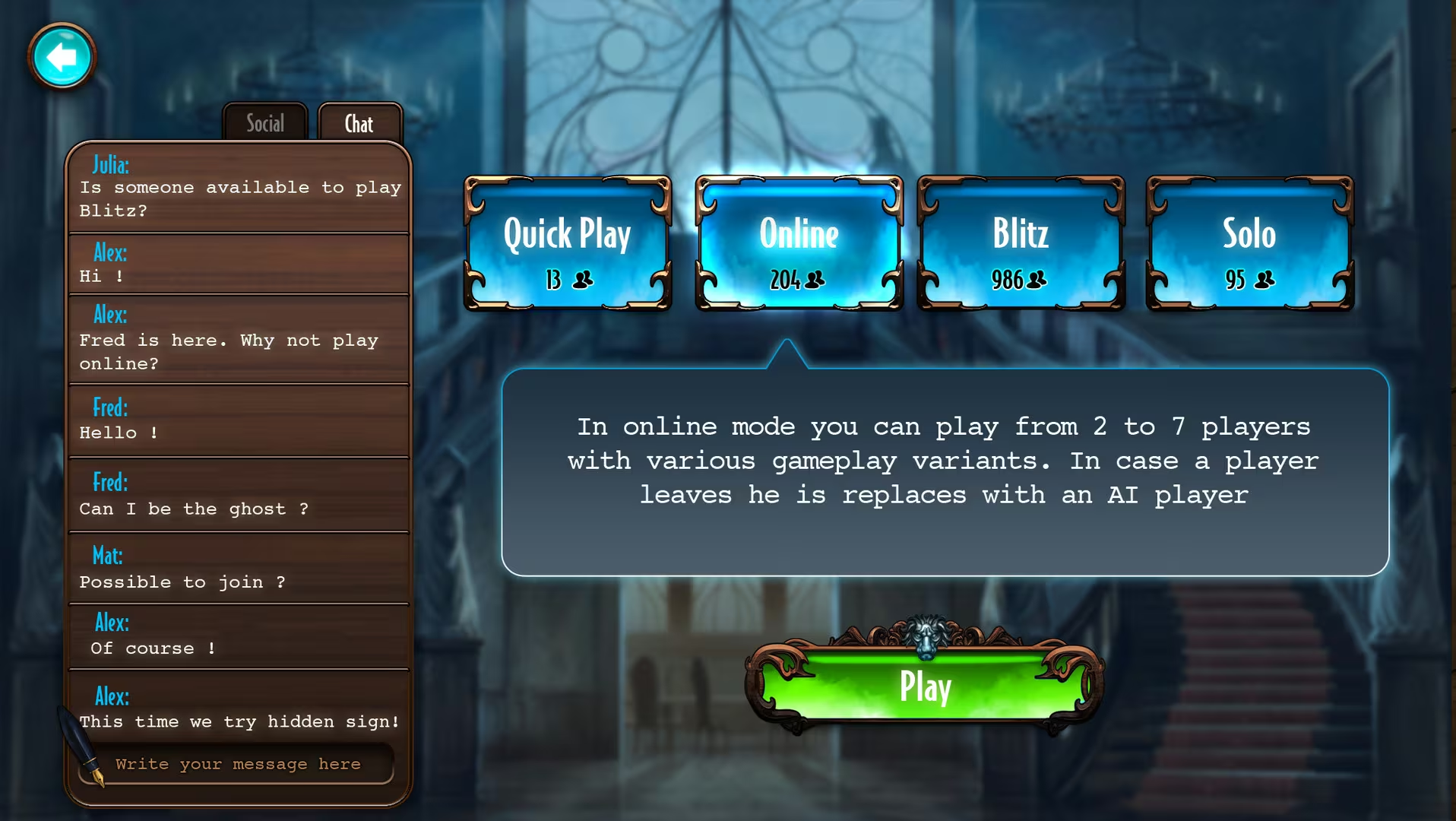
- Good replayability and multiple modes
Cons
- Small online player base limits matchmaking
- Some ui and technical bugs reported
- Ai can be unpredictable or unhelpful
- Lack of private game options and lobby features
- Multiplayer server issues have occurred
Analysis
Less representative of its motivational profile, with noticeable differences. Motivations that often define this kind of title include Cooperation, Fellowship, Intimacy, Leadership. It leans lower than usual among comparable games on Violence, Survival, Competition.
How to use the graph
Similar games map
Each dot is a game. They are arranged from the same motivation profile as in the “Motivations” section below. Closer dots usually mean more similar reasons to play (exploration, competition, relaxation, etc.)—not that one game is “better” than another.
- Larger dot with a light outline: the game you are viewing.
- Colour: groups of games with comparable motivation patterns (statistical clusters).
- Hover a dot to see the game name; click to open its page.
- Scroll or double-click the chart to zoom out and see more games.
Why don’t the axes read like a score? This view uses t-SNE: it only keeps who is close to whom. The scales are not “good to bad” or hours played—they separate groups on the map. Read distance between dots, not the axis numbers.
Motivations
-
Autonomy3
"Players choose roles (ghost or psychic) and interpret abstract clues with freedom in deduction, though within structured game phases."
-
Competence4
"Game challenges players to interpret clues, solve puzzles, and coordinate effectively, requiring skill and cognitive effort."
-
Competition-4
"Strongly cooperative gameplay where all players win or lose together; competition is minimal or absent."
-
Continuation3
"Players report replayability and desire to keep playing, though small player base limits session availability."
-
Cooperation5
"Core mechanic is cooperative deduction; players work together to solve the mystery and must all succeed."
-
Creativity3
"Players creatively interpret abstract vision cards and communicate ideas; ghost role involves creative clue giving."
-
Domination-5
"Gameplay emphasizes equal participation and mutual success; no evidence of dominance or power imposition."
-
Escapism4
"Players use the game as a fun distraction with immersive atmosphere and thematic mystery setting."
-
Expectation-4
"Players engage voluntarily for enjoyment and social interaction; no indication of obligation or pressure."
-
Experimenting3
"Players explore abstract clues and try different interpretations; some experimentation with strategies."
-
Exploration2
"Exploration is mostly conceptual—discovering clues and associations rather than physical world exploration."
-
Expression1
"Limited customization; players express themselves mainly through interpretation rather than avatar or environment changes."
-
Fantasy4
"Strong fantasy theme with supernatural elements, psychic powers, and ghostly communication."
-
Fellowship4
"Players feel part of a friendly, cooperative community; social interaction is important though player base is small."
-
Growth3
"Players develop deduction skills and improve at interpreting clues over time."
-
Health-5
"No physical activity involved; sedentary gameplay typical of digital board games."
-
Idle-3
"Requires focused attention during turns; some waiting involved but not primarily idle or background play."
-
Intimacy2
"Some social bonding through cooperative play and shared problem solving, but limited to friendly interaction."
-
Leadership0
"No clear leadership roles; all players contribute equally without formal guiding or managing roles."
-
Progression2
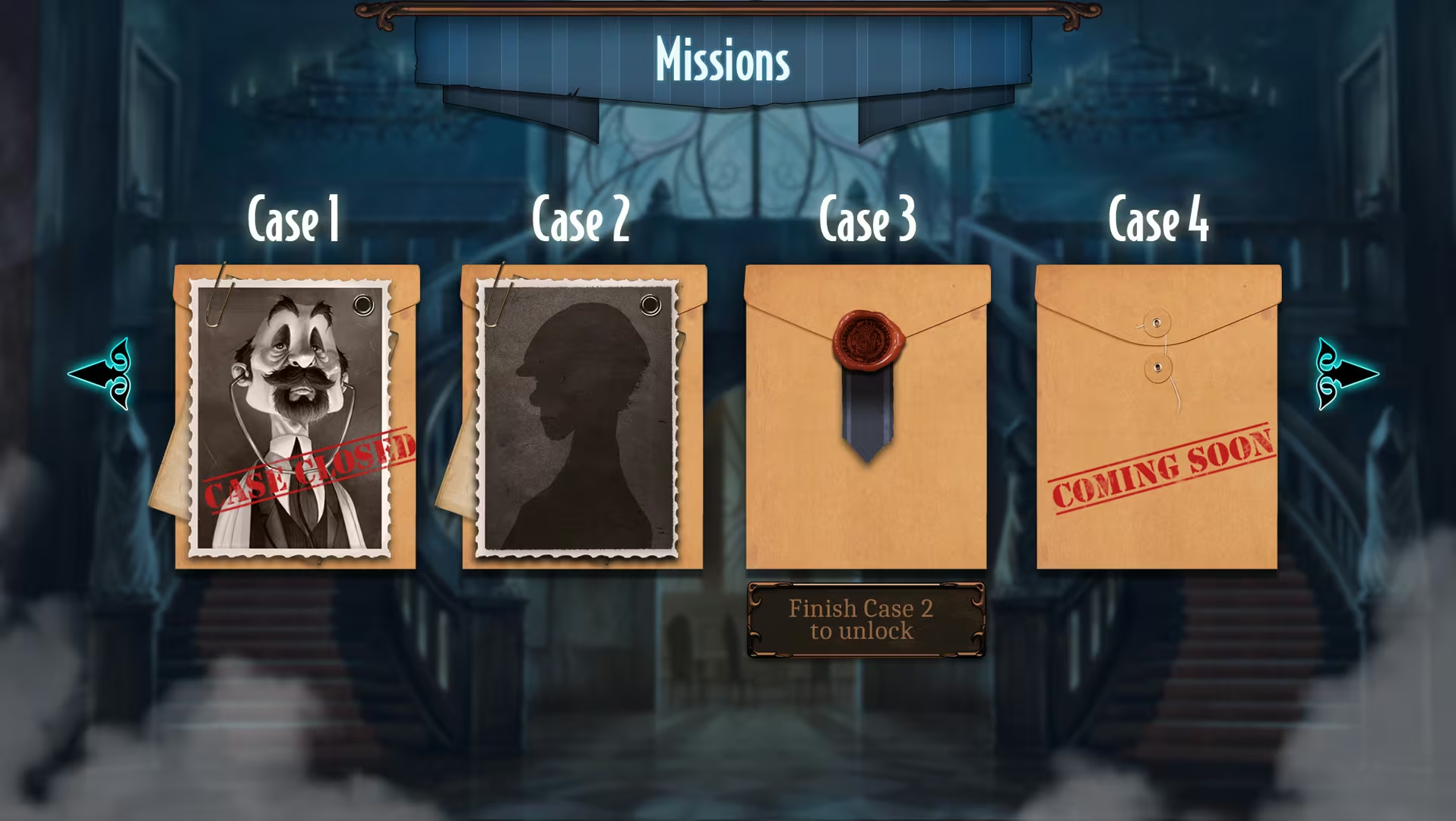
"Players progress through cases and unlock cards/DLCs, but no heavy item collection or power accumulation."
-
Relaxation2
"Atmospheric and immersive, but some tension from timed turns and challenging deduction."
-
Sensation3
"Enjoyable art, music, and thematic ambiance provide sensory stimulation and emotional engagement."
-
Status-3
"Minimal social status or ranking systems; focus is on cooperative play rather than recognition."
-
Story3
"Includes story mode and narrative elements; mystery theme enhances immersion."
-
Strategy4
"Requires logical thinking, planning, and problem solving to interpret clues and coordinate with teammates."
-
Thrill2
"Some suspense and excitement in solving mysteries and racing against turn limits."
-
Value3
"Generally considered good value especially on sale; digital version saves setup time compared to board game."
-
Violence-5
"No violent gameplay; focus is on cooperative deduction and abstract clue interpretation."
-
Survival-3
"No survival or threat avoidance; gameplay is stable and low risk."
Last update: 29/04/2026