Monstrum Thumbnail

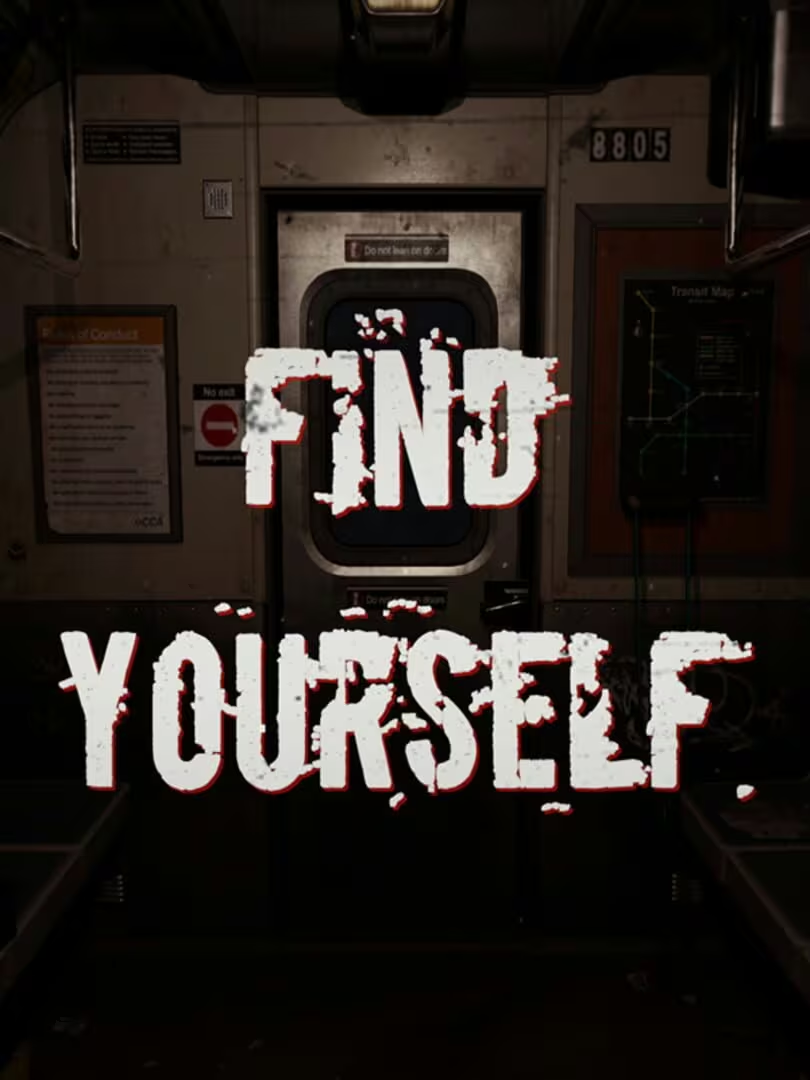
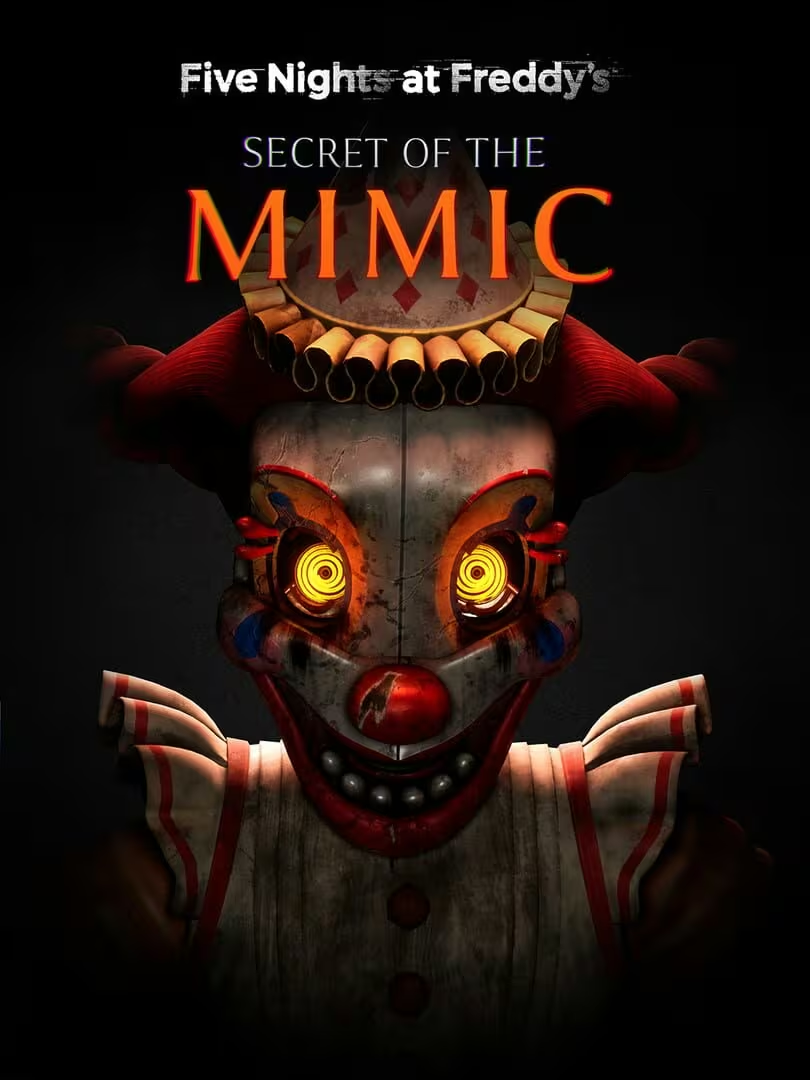
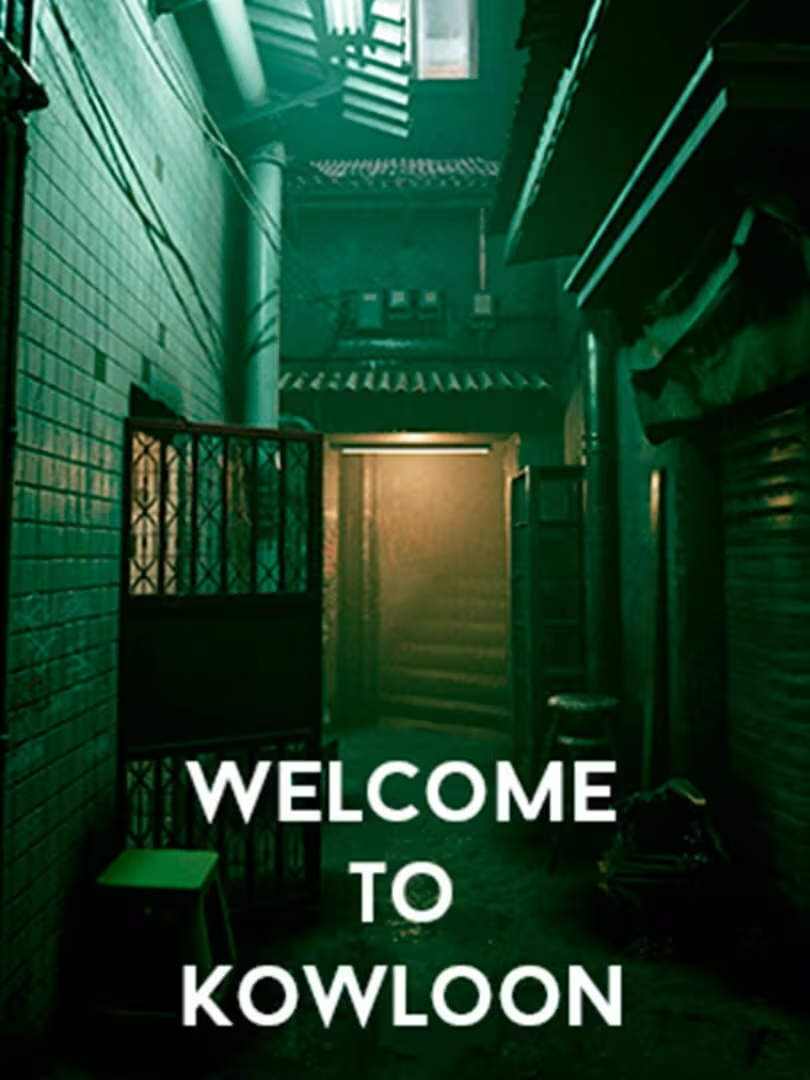
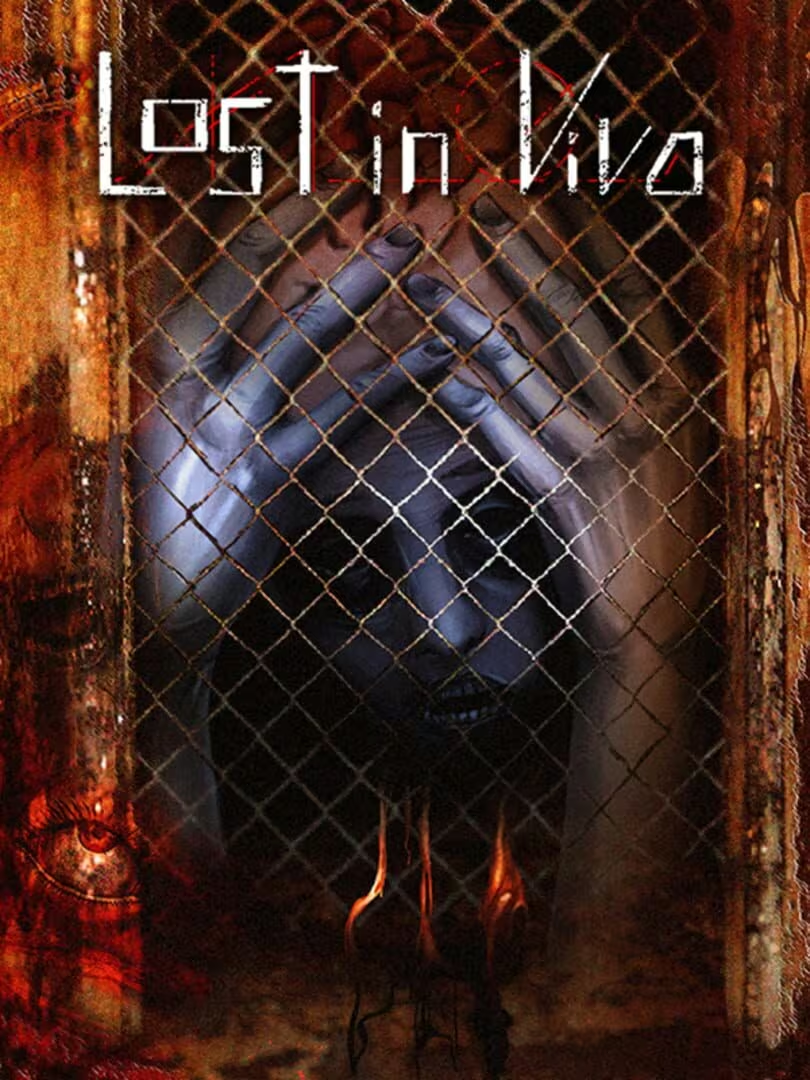
Monstrum similar games & best alternatives

Monstrum

PC (Microsoft Windows), Mac, PlayStation 4, Xbox One, Nintendo Switch, Linux • 2015

Related articles

Quick resume

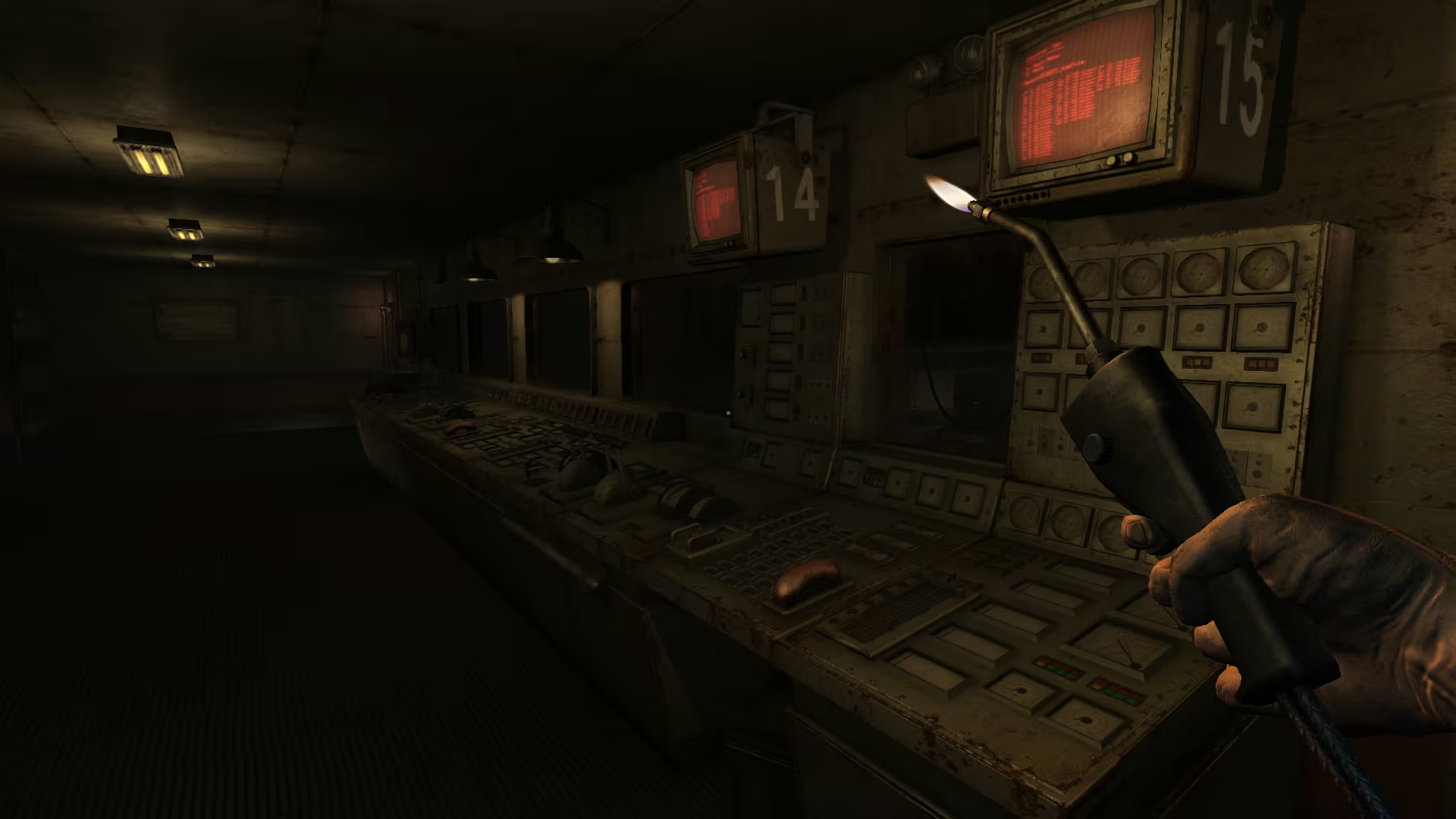
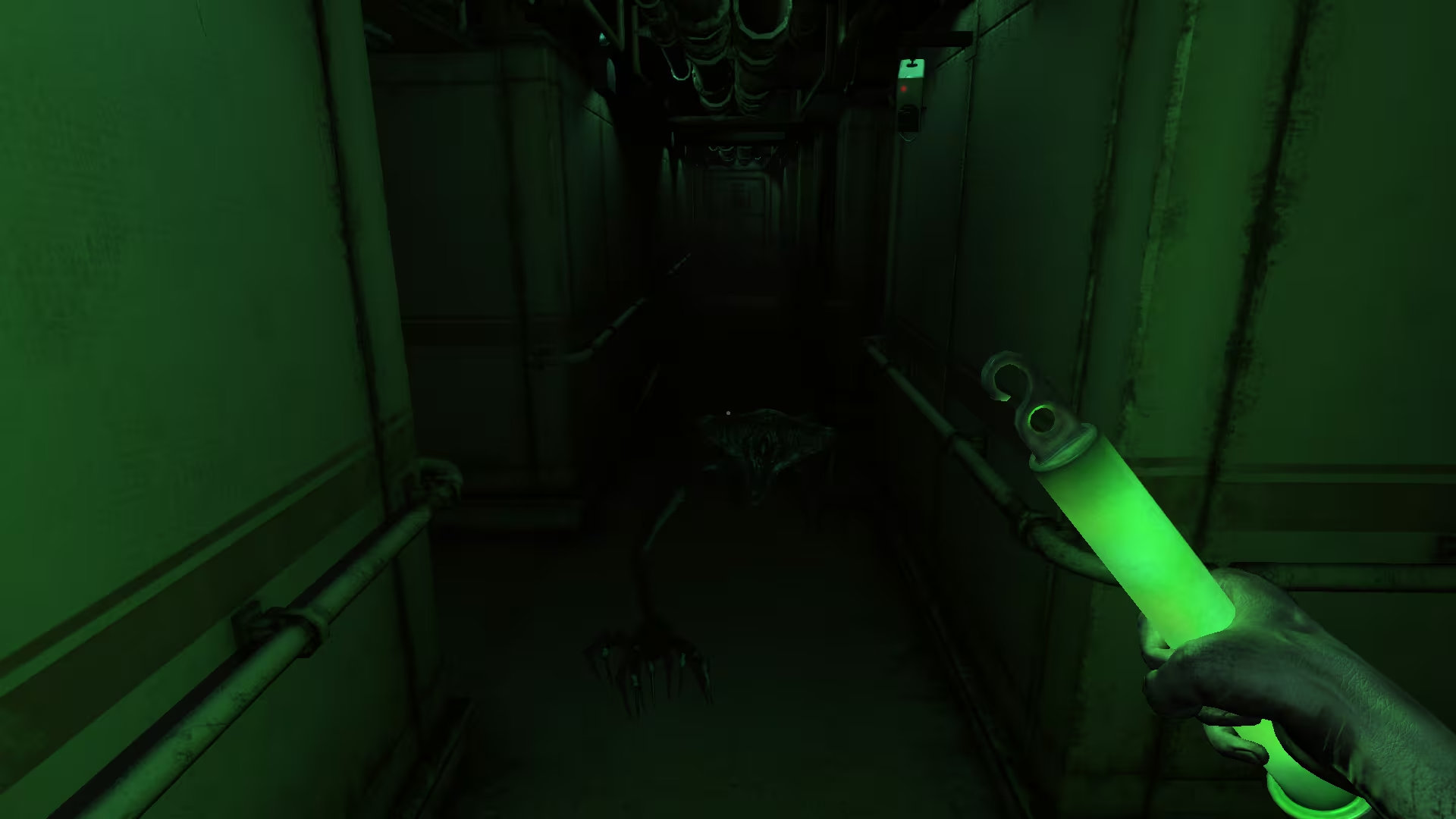
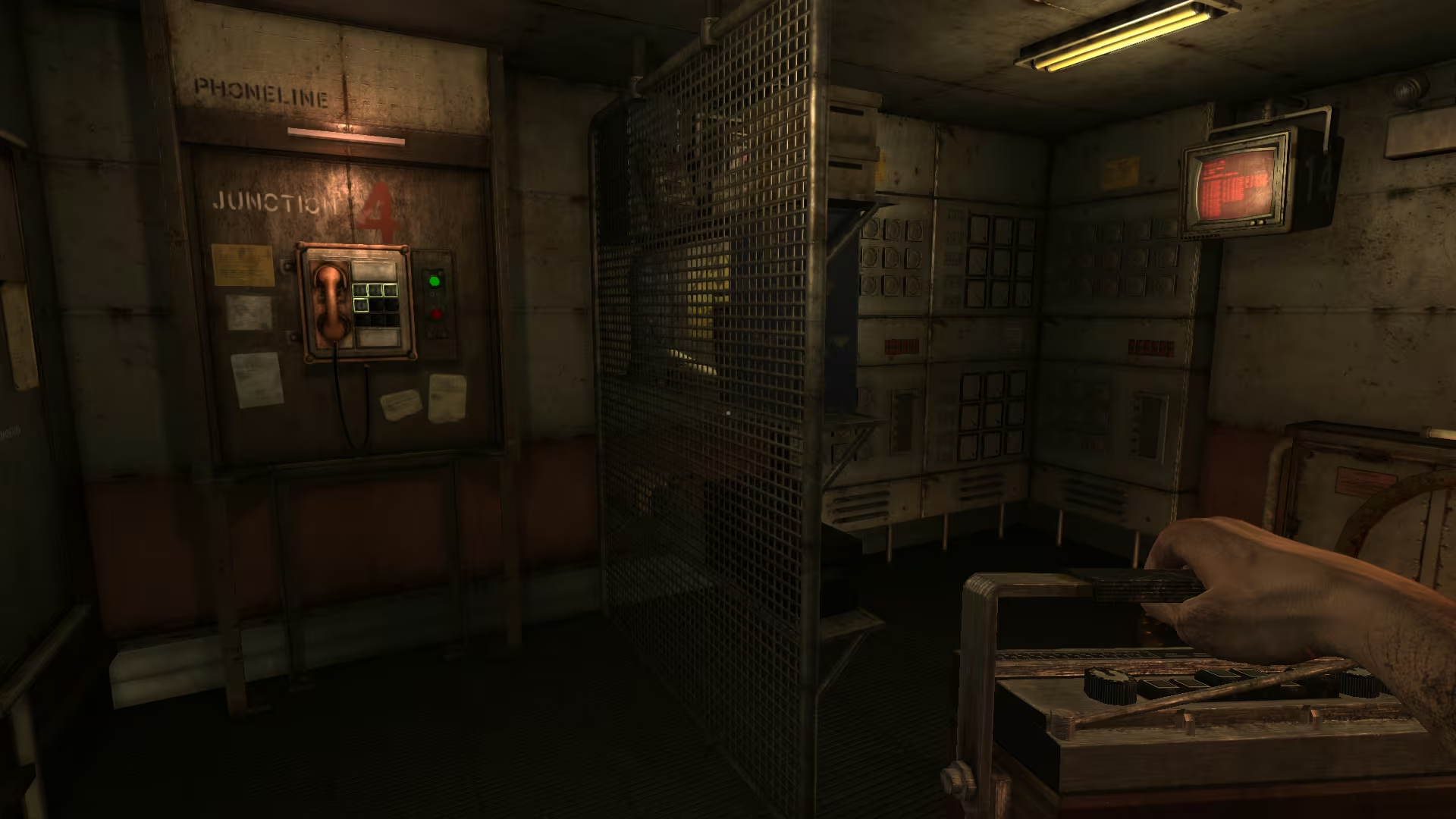
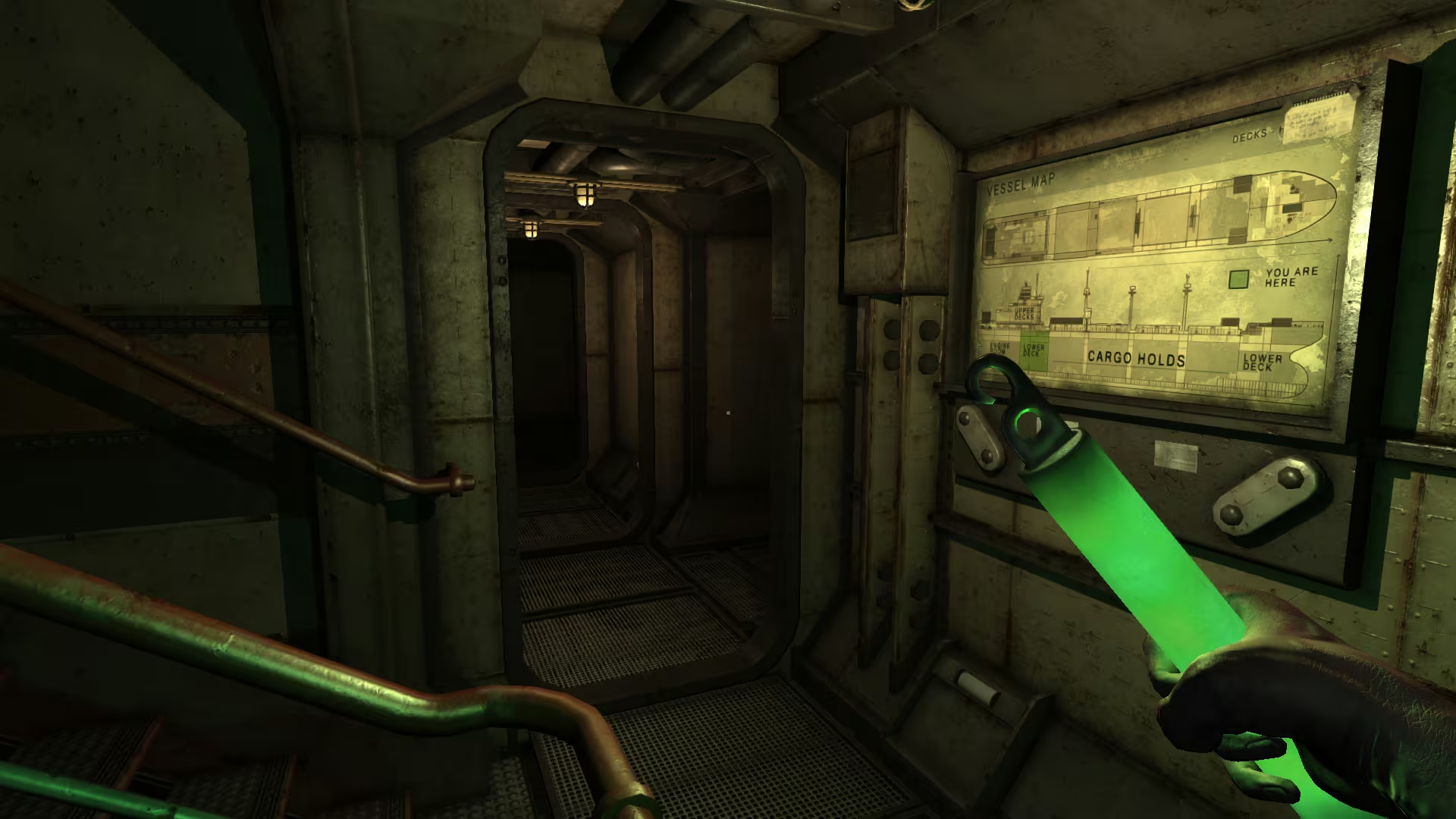
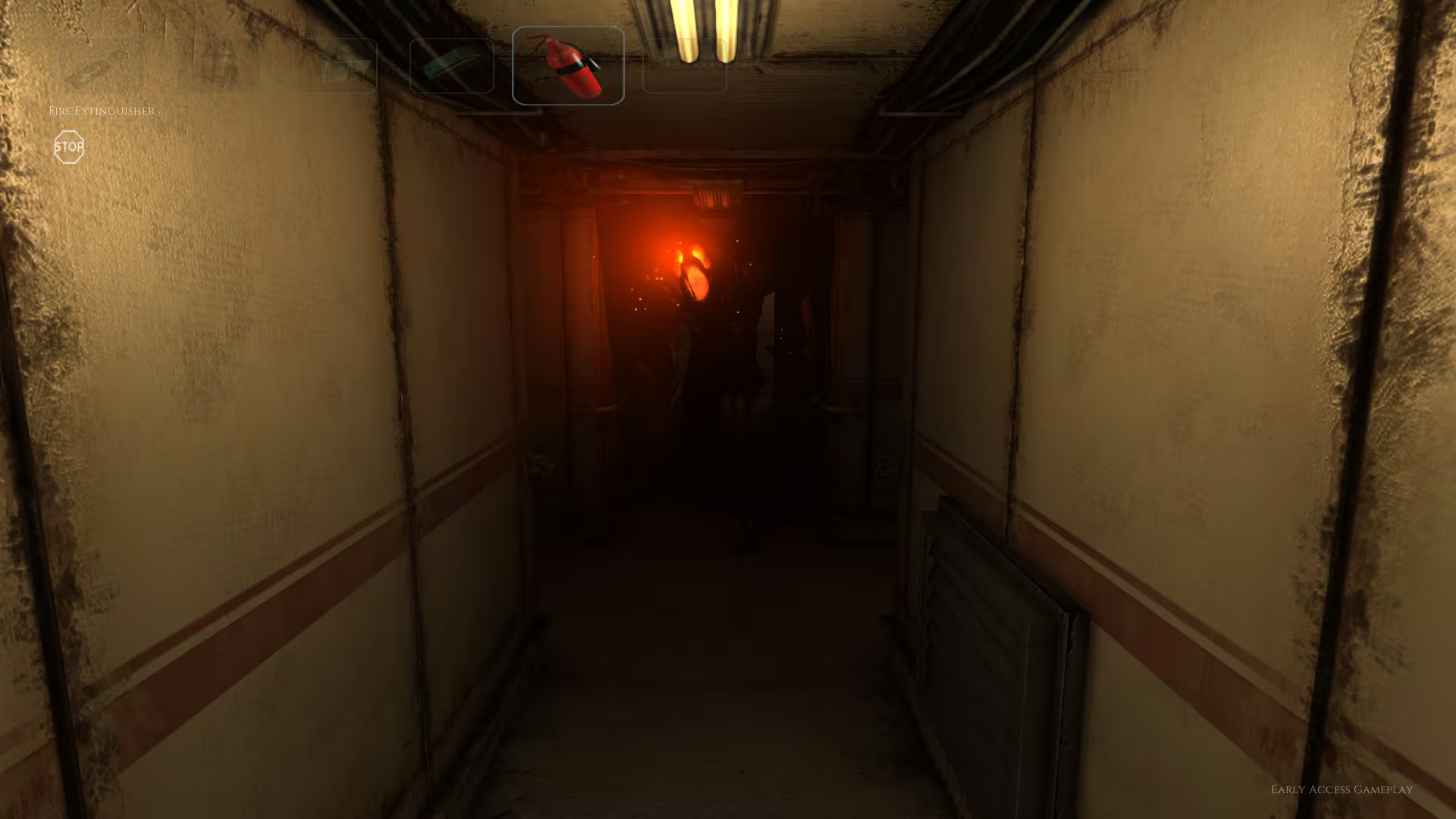
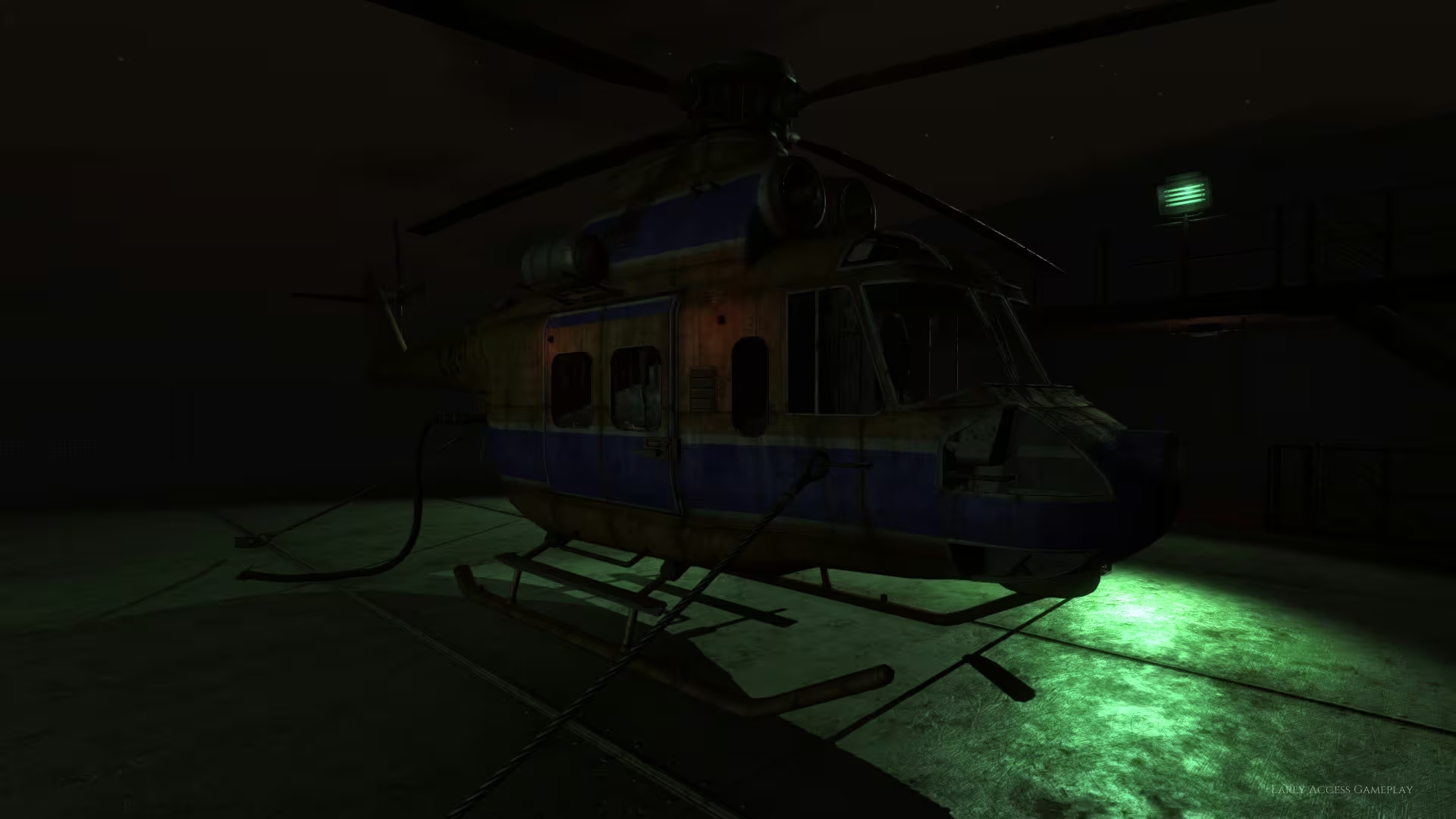
Monstrum takes the traditional survival horror formula and remixes it completely with procedurally generated levels, permadeath, and AI driven predators, ensuring that nowhere on its derelict cargo ship is ever truly safe.

Global score

91/100

Genres

Indie

Similar games

    Pros

    • Intense horror atmosphere
    • Randomized maps and monsters for replayability
    • Challenging and skill-based gameplay
    • Three distinct monsters with unique behaviors
    • Multiple escape routes with item collection

    Cons

    • Lack of save system leads to frustration
    • Some ai and pathfinding bugs
    • Limited narrative and story depth
    • Performance issues on some systems
    • No multiplayer or social features

    Analysis

    Broadly representative of its motivational profile, with a few distinct shifts. Motivations that often define this kind of title include Relaxation, Survival, Violence, Fellowship. It leans lower than usual among comparable games on Expression, Status, Growth.

    How to use the graph
    Similar games map

    Each dot is a game. They are arranged from the same motivation profile as in the “Motivations” section below. Closer dots usually mean more similar reasons to play (exploration, competition, relaxation, etc.)—not that one game is “better” than another.

    • Larger dot with a light outline: the game you are viewing.
    • Colour: groups of games with comparable motivation patterns (statistical clusters).
    • Hover a dot to see the game name; click to open its page.
    • Scroll or double-click the chart to zoom out and see more games.

    Why don’t the axes read like a score? This view uses t-SNE: it only keeps who is close to whom. The scales are not “good to bad” or hours played—they separate groups on the map. Read distance between dots, not the axis numbers.

    Motivations

    • Autonomy
      4

      "Players have freedom to explore the ship, choose escape routes, and decide how to approach monsters and item collection."

    • Competence
      3

      "Game requires skillful navigation, stealth, and quick reactions to survive and escape; challenging but learnable."

    • Competition
      -4

      "Focus is on individual survival and personal progress without direct player-vs-player competition."

    • Continuation
      3

      "High replayability due to procedural generation and permadeath encourages repeated play sessions."

    • Cooperation
      -5

      "Primarily a single-player experience with no cooperative elements."

    • Creativity
      2

      "Players can choose different escape routes and strategies, but within a fixed game structure."

    • Domination
      -5

      "No social dominance or power over others; interactions are with AI monsters only."

    • Escapism
      5

      "Strong escapism through intense horror atmosphere and immersion in a terrifying survival scenario."

    • Expectation
      -4

      "Players engage voluntarily for thrill and challenge, driven by intrinsic interest rather than obligation."

    • Experimenting
      3

      "Randomized maps and monster types encourage players to try new strategies and adapt each run."

    • Exploration
      4

      "Exploration of procedurally generated ship layouts and item locations is a core gameplay element."

    • Expression
      -5

      "No character customization or self-expression features; fixed player avatar and environment."

    • Fantasy
      4

      "Players experience a fictional horror scenario with supernatural monsters and improbable events."

    • Fellowship
      -5

      "Minimal social connection; game is designed for solo play without community interaction."

    • Growth
      2

      "Players learn monster behaviors, map layouts, and item uses to improve survival skills over time."

    • Health
      -5

      "Sedentary gameplay with no physical activity or health-related features."

    • Idle
      -4

      "Requires constant attention and focus due to tense atmosphere and threat of monsters."

    • Intimacy
      -5

      "No close social relationships or emotional sharing; solitary gameplay experience."

    • Leadership
      -5

      "No leadership or group management roles; purely individual gameplay."

    • Progression
      3

      "Progression through collecting items and unlocking escape routes, though reset on death."

    • Relaxation
      -4

      "Sustained tension and adrenaline from constant threat and survival pressure."

    • Sensation
      4

      "Strong sensory stimulation through sound design, atmosphere, and jump scares."

    • Status
      -5

      "No social recognition or status systems; focus is on personal survival."

    • Story
      1

      "Minimal narrative mostly conveyed through notes and audio logs; gameplay focused."

    • Strategy
      3

      "Requires planning escape routes, managing inventory, and adapting to different monsters."

    • Thrill
      5

      "High thrill from suspense, unpredictability, and intense monster chases."

    • Value
      3

      "Good perceived value for replayability and unique horror experience, especially on sale."

    • Violence
      3

      "Violence is present in monster attacks and player death, though player cannot fight back."

    • Survival
      5

      "Core gameplay revolves around avoiding death, managing resources, and escaping threats."

    Last update: 29/04/2026