[Chilla's Art] The Caregiver | 終焉介護 similar games & best alternatives
No screenshot has been retrieved yet
![[Chilla's Art] The Caregiver | 終焉介護 - chilla-s-art-the-caregiver_1.avif](https://d2eatnf6sujjgc.cloudfront.net/gameaton-data/chilla-s-art-the-caregiver/screenshots/chilla-s-art-the-caregiver_1.avif)
![[Chilla's Art] The Caregiver | 終焉介護 - chilla-s-art-the-caregiver_2.avif](https://d2eatnf6sujjgc.cloudfront.net/gameaton-data/chilla-s-art-the-caregiver/screenshots/chilla-s-art-the-caregiver_2.avif)
![[Chilla's Art] The Caregiver | 終焉介護 - chilla-s-art-the-caregiver_3.avif](https://d2eatnf6sujjgc.cloudfront.net/gameaton-data/chilla-s-art-the-caregiver/screenshots/chilla-s-art-the-caregiver_3.avif)
![[Chilla's Art] The Caregiver | 終焉介護 - chilla-s-art-the-caregiver_4.avif](https://d2eatnf6sujjgc.cloudfront.net/gameaton-data/chilla-s-art-the-caregiver/screenshots/chilla-s-art-the-caregiver_4.avif)
![[Chilla's Art] The Caregiver | 終焉介護 - chilla-s-art-the-caregiver_5.avif](https://d2eatnf6sujjgc.cloudfront.net/gameaton-data/chilla-s-art-the-caregiver/screenshots/chilla-s-art-the-caregiver_5.avif)
![[Chilla's Art] The Caregiver | 終焉介護 - chilla-s-art-the-caregiver_6.avif](https://d2eatnf6sujjgc.cloudfront.net/gameaton-data/chilla-s-art-the-caregiver/screenshots/chilla-s-art-the-caregiver_6.avif)
Should you play it?
The Caregiver | 終焉介護 is a psychological Japanese horror adventure game about a caregiver.
What works
- Strong atmospheric horror and suspense
- Engaging narrative with japanese folklore elements
- Short and focused gameplay
- Unique vhs-style visuals
- Collectible items add exploration incentive
Things to keep in mind
- Technical bugs and glitches affecting gameplay
- Frustrating chase and puzzle sequences
- Limited replay value due to single ending
- Some controls and ui clunky
- Performance issues reported
What to play next
Top picks
Games that feel the closest overall
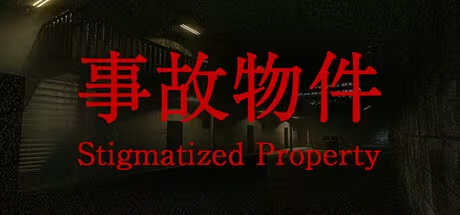
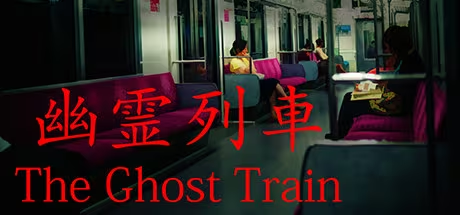
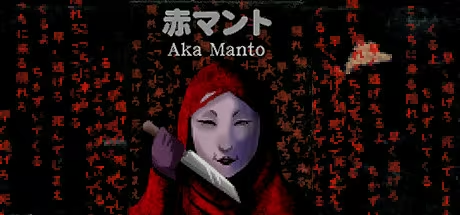
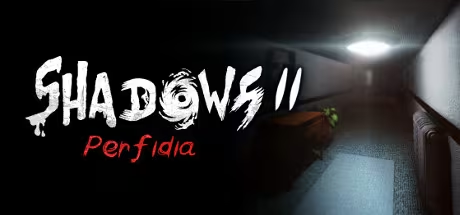

More continuation-driven
Games that feels like [Chilla's Art] The Caregiver | 終焉介護 but with an even stronger pull to keep playing · 21 games
-

Indigo Park: Chapter 1
-

The Walking Fish 2: Final Frontier
-
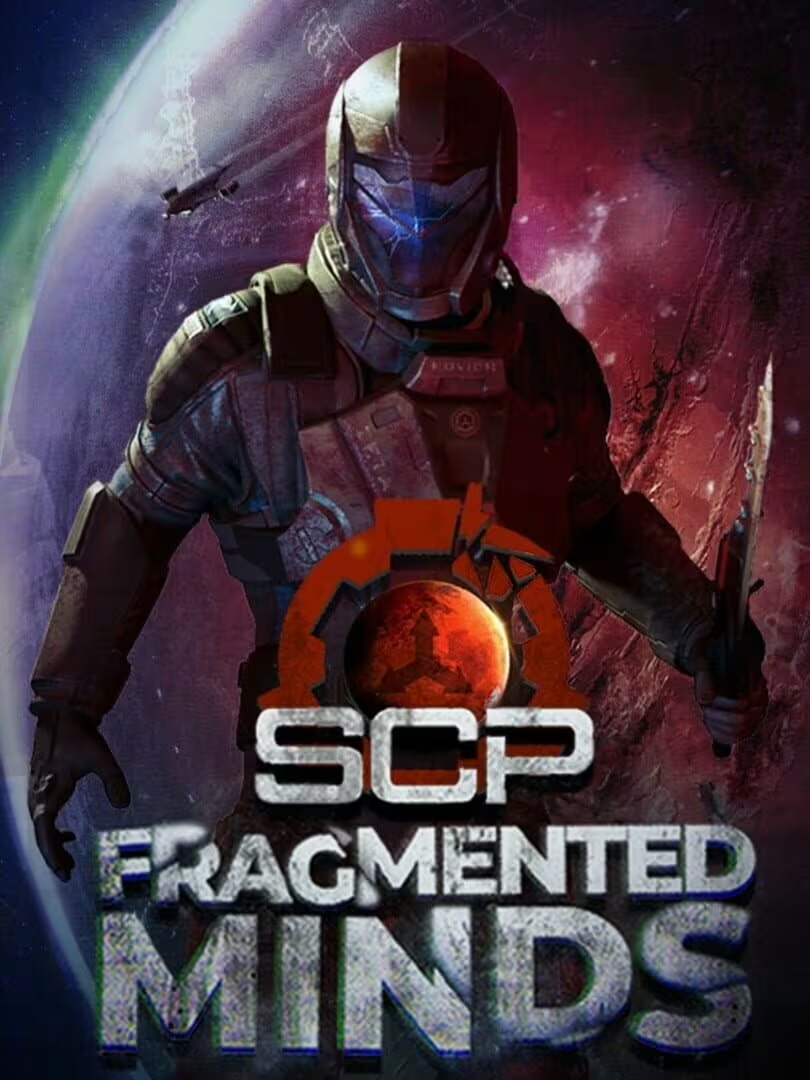
SCP: Fragmented Minds
-

Emily Wants to Play Too
-
Fear the Timeloop - Prologue
-
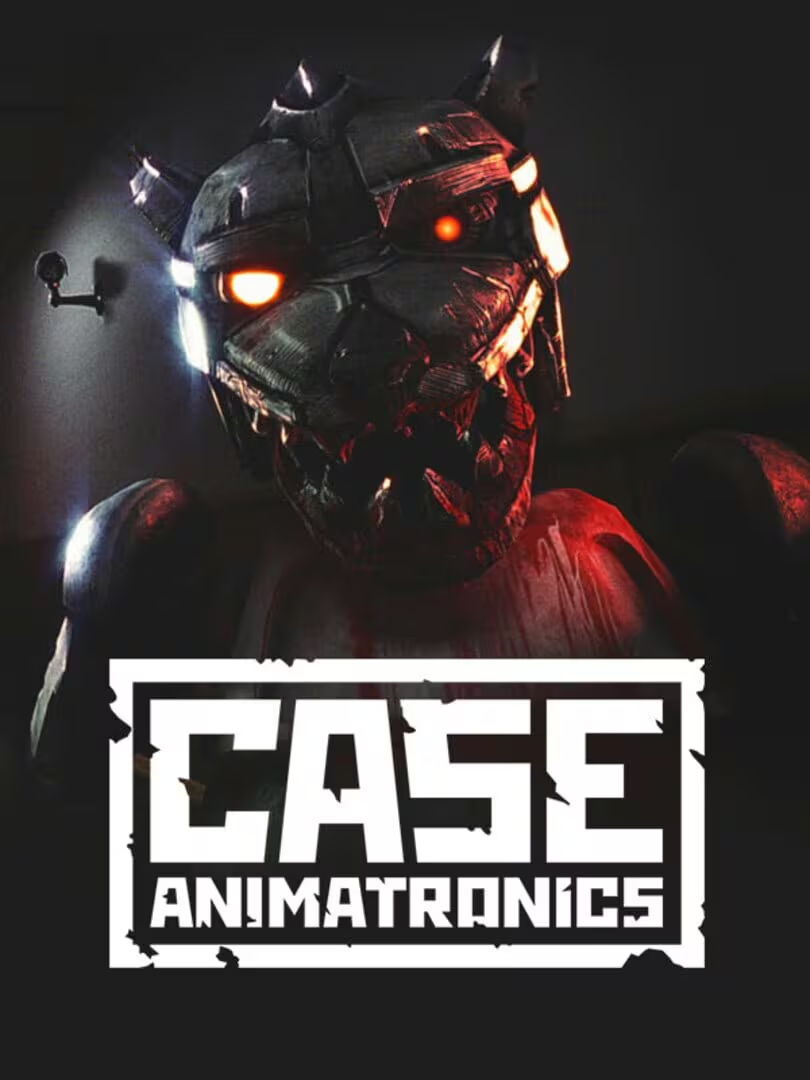
CASE: Animatronics
-
Organ Quarter
-
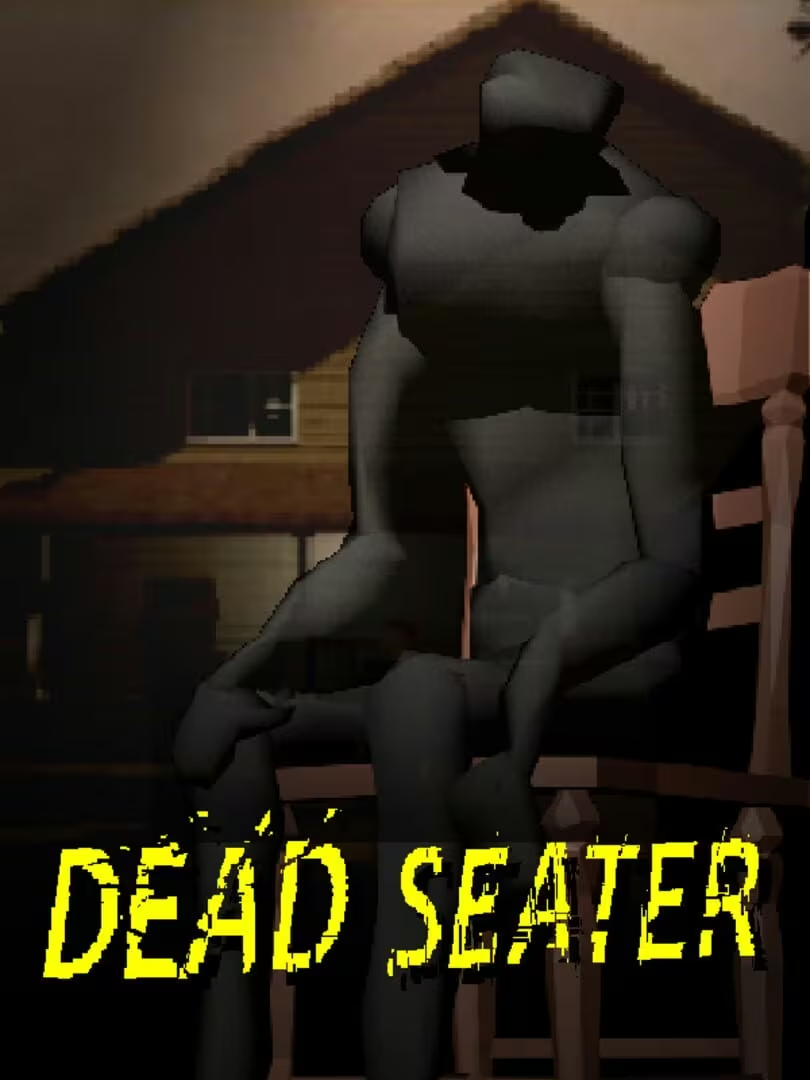
Dead Seater
-
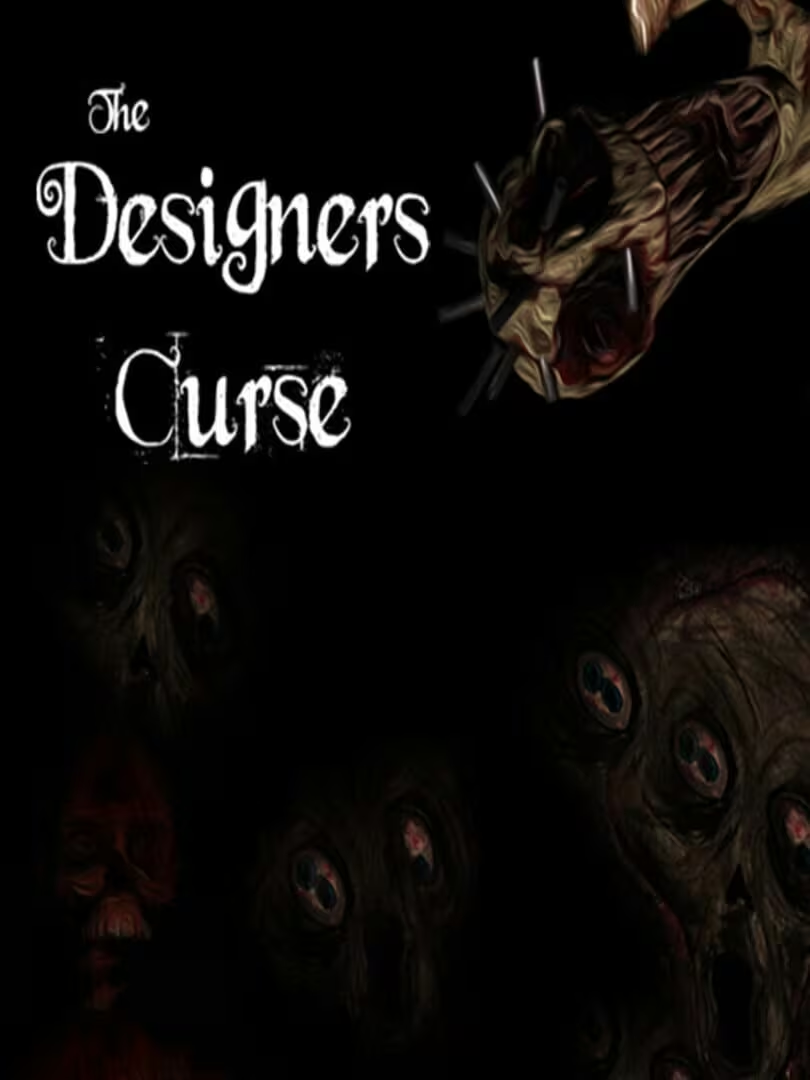
The Designer's Curse
-
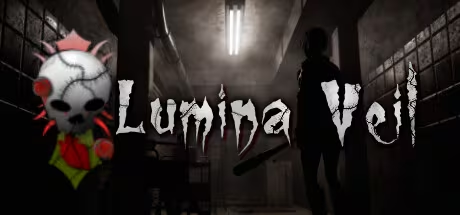
Lumina Veil
-
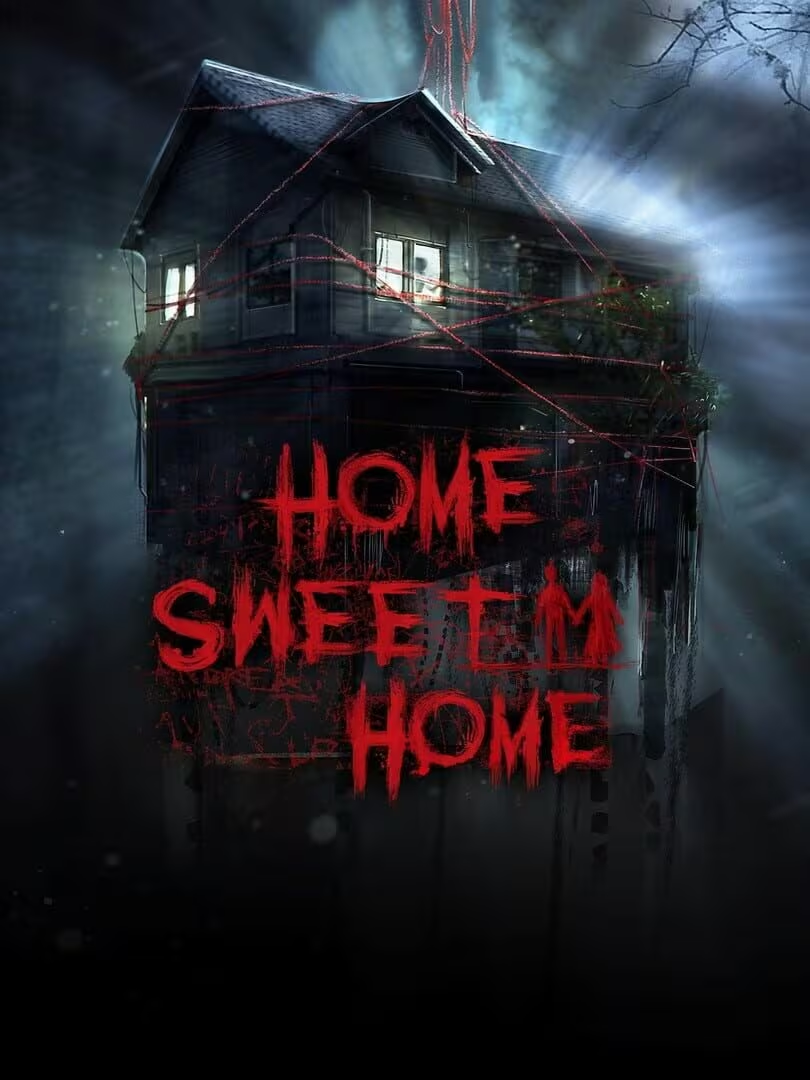
Home Sweet Home
-
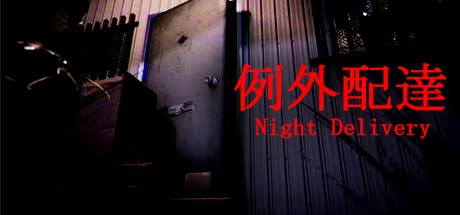
[Chilla's Art] Night Delivery | 例外配達
-
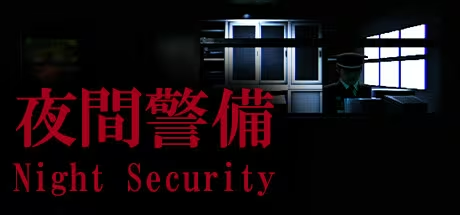
[Chilla's Art] Night Security | 夜間警備
-

Remorse: The List
-
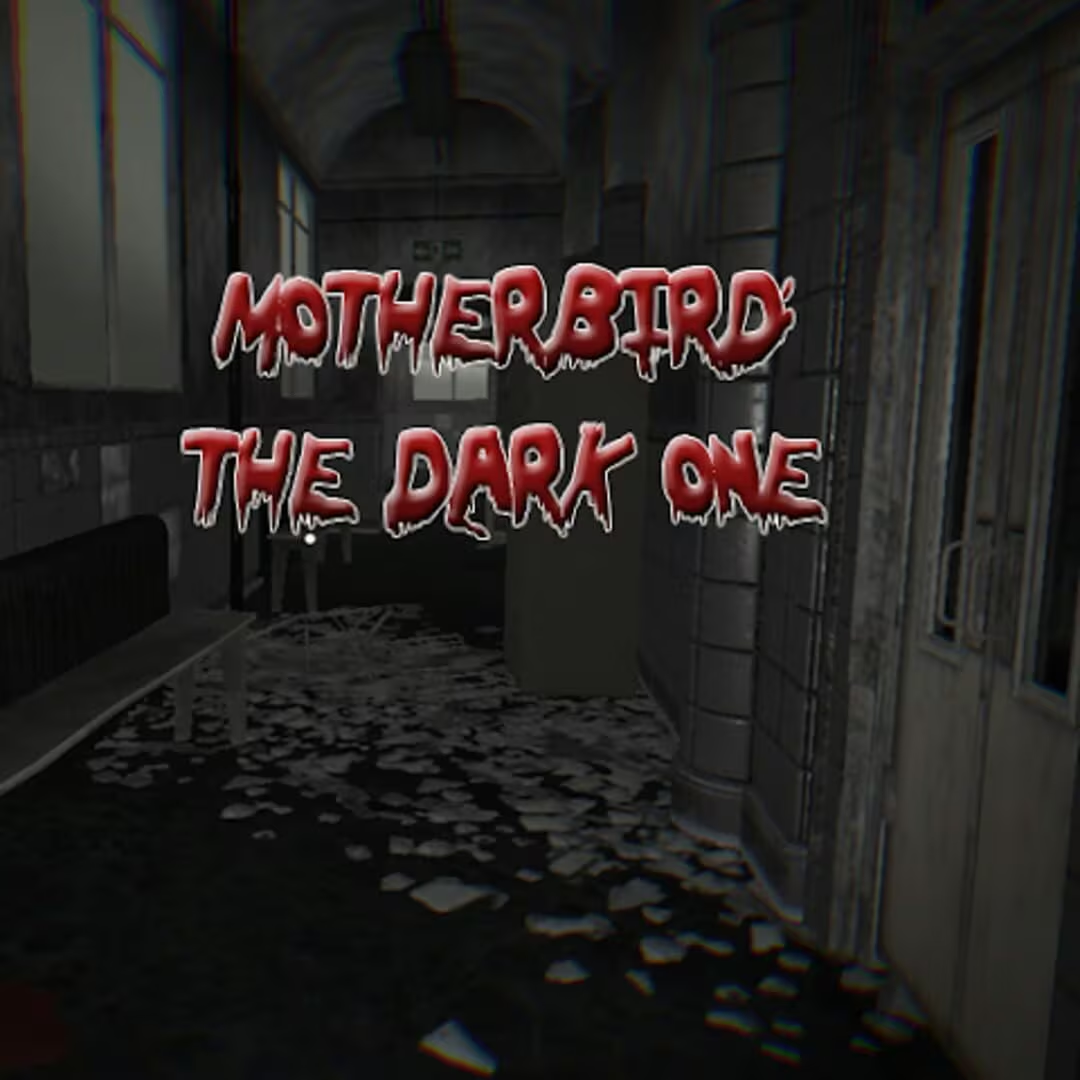
From The Darkness
-
Apartament 1406: Horror
-

Rewind Or Die
-
Suite 776
-
Dementium: The Ward
-

Dread Flats
-
Jaden Williams' The Stalking Stairs
Less violent
Games that feels like [Chilla's Art] The Caregiver | 終焉介護 but with less combat and destruction · 7 games

Less survival-focused
Games that feels like [Chilla's Art] The Caregiver | 終焉介護 but with less survival pressure · 4 games


More expressive
Games that feels like [Chilla's Art] The Caregiver | 終焉介護 but with more self-expression and customization · 2 games
Others
Other games that might remind you of [Chilla's Art] The Caregiver | 終焉介護 · 7 games




Last update: 06/10/2026