Outworld Station Thumbnail

Outworld Station similar games & best alternatives
Outworld Station

PC (Microsoft Windows) • 2025

Related articles

Quick resume

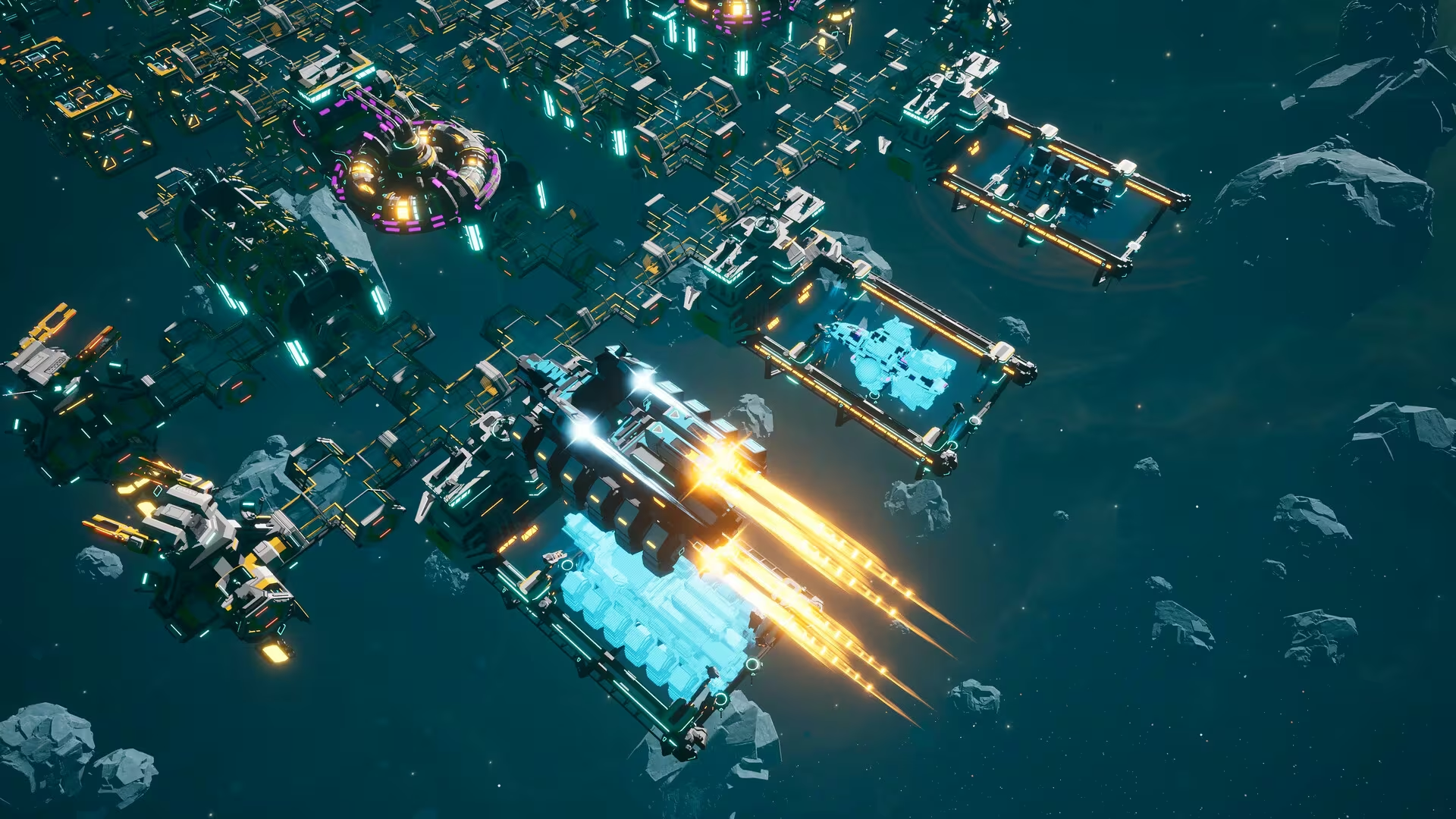
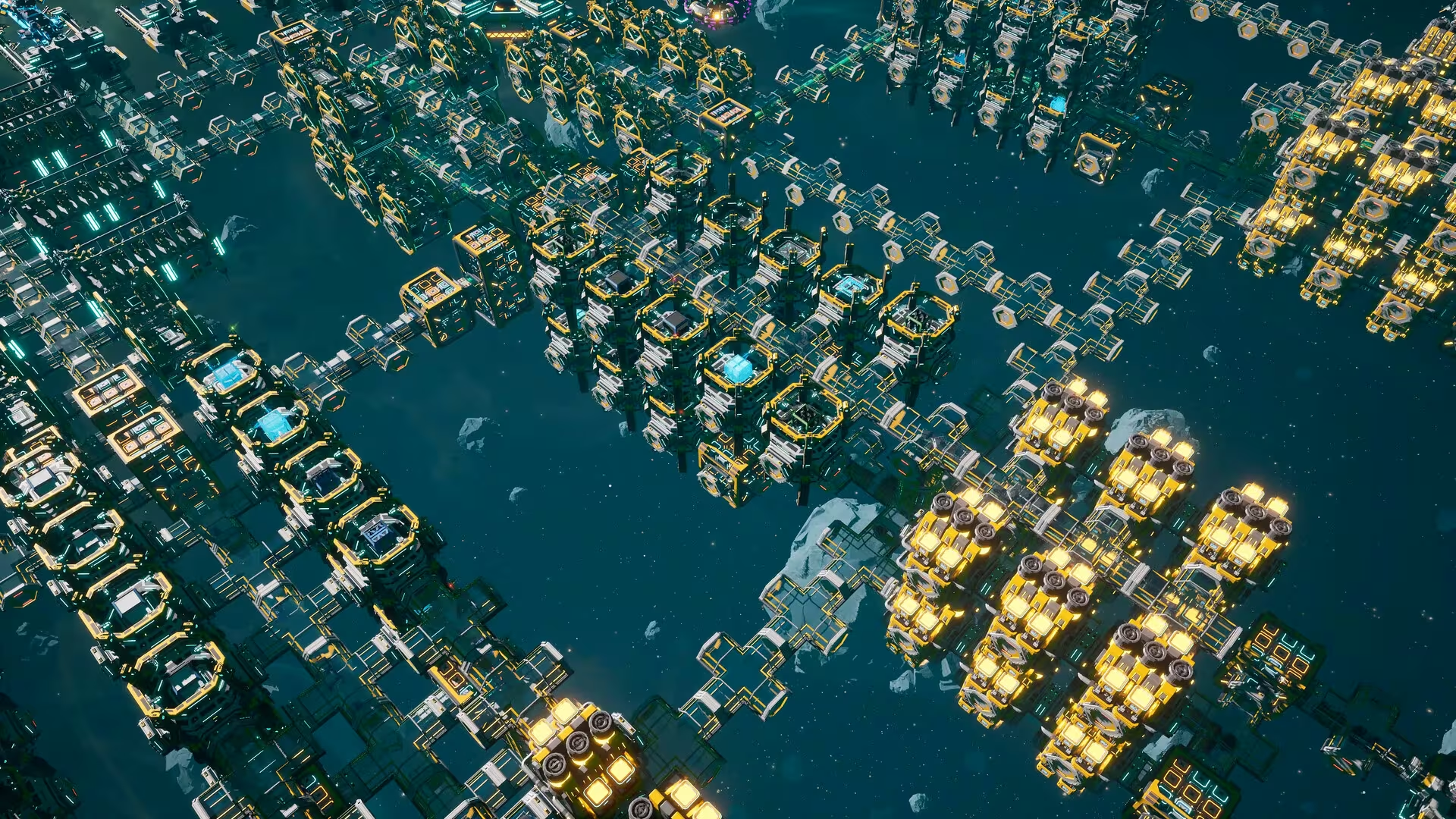
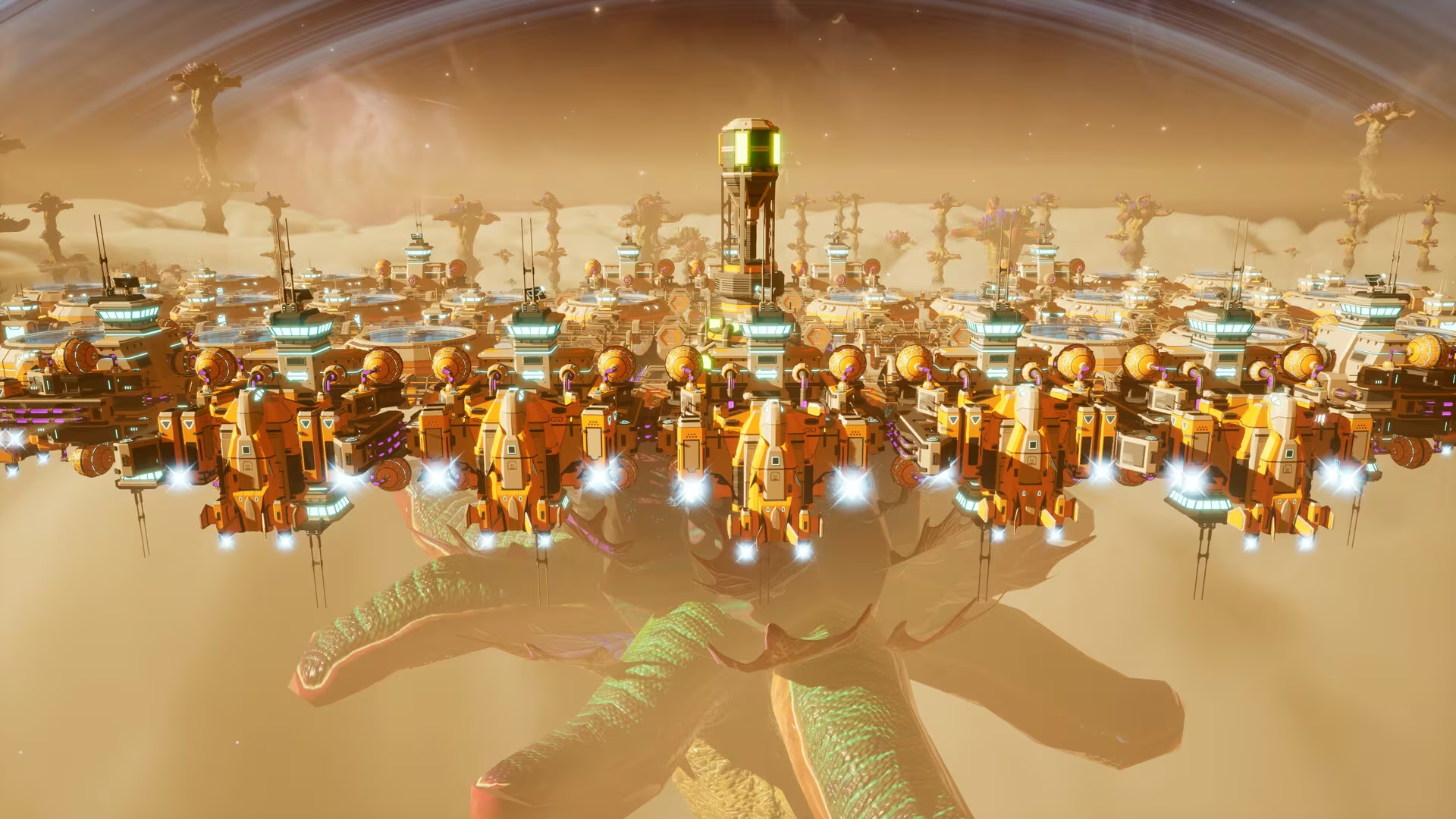
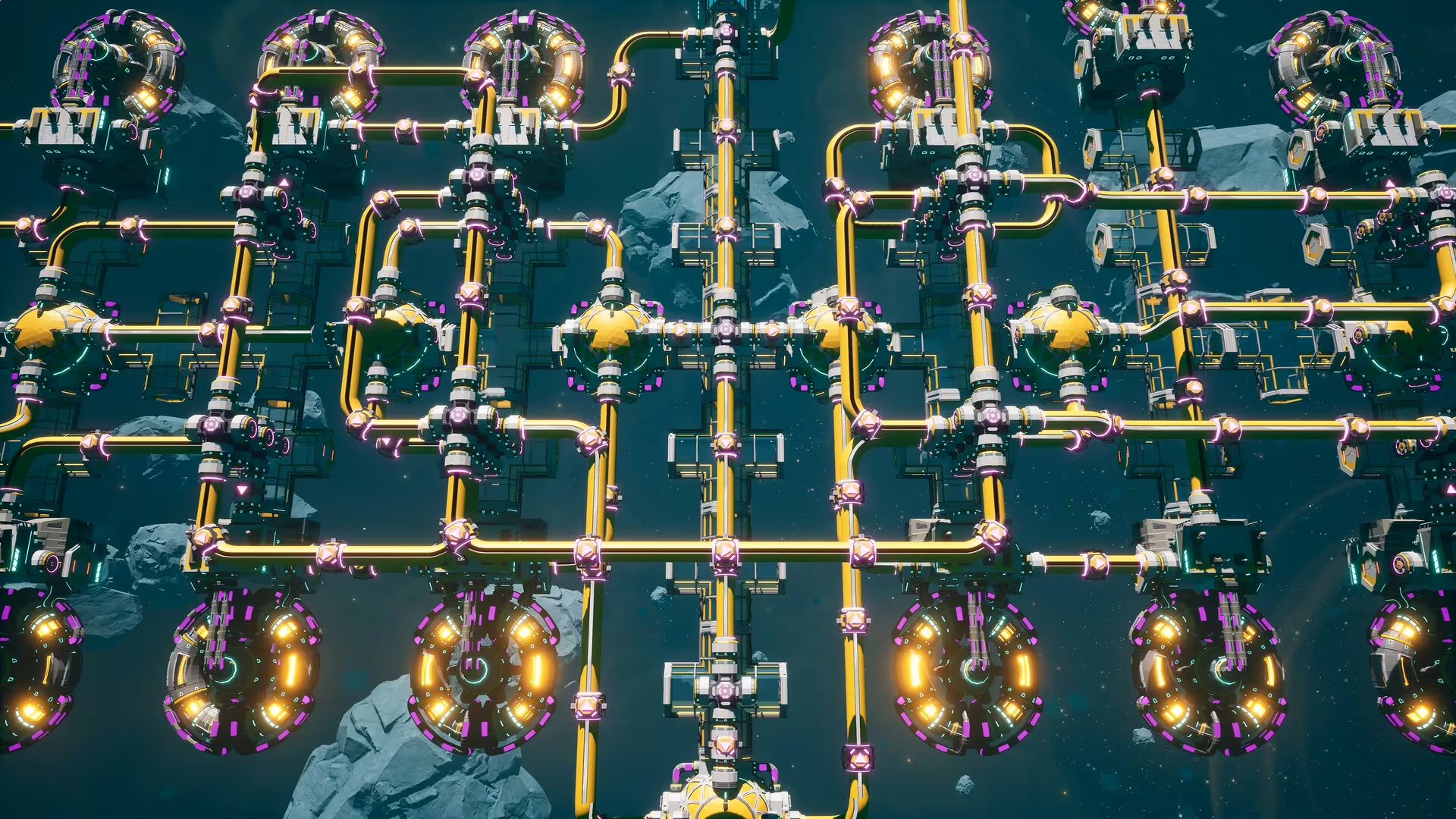
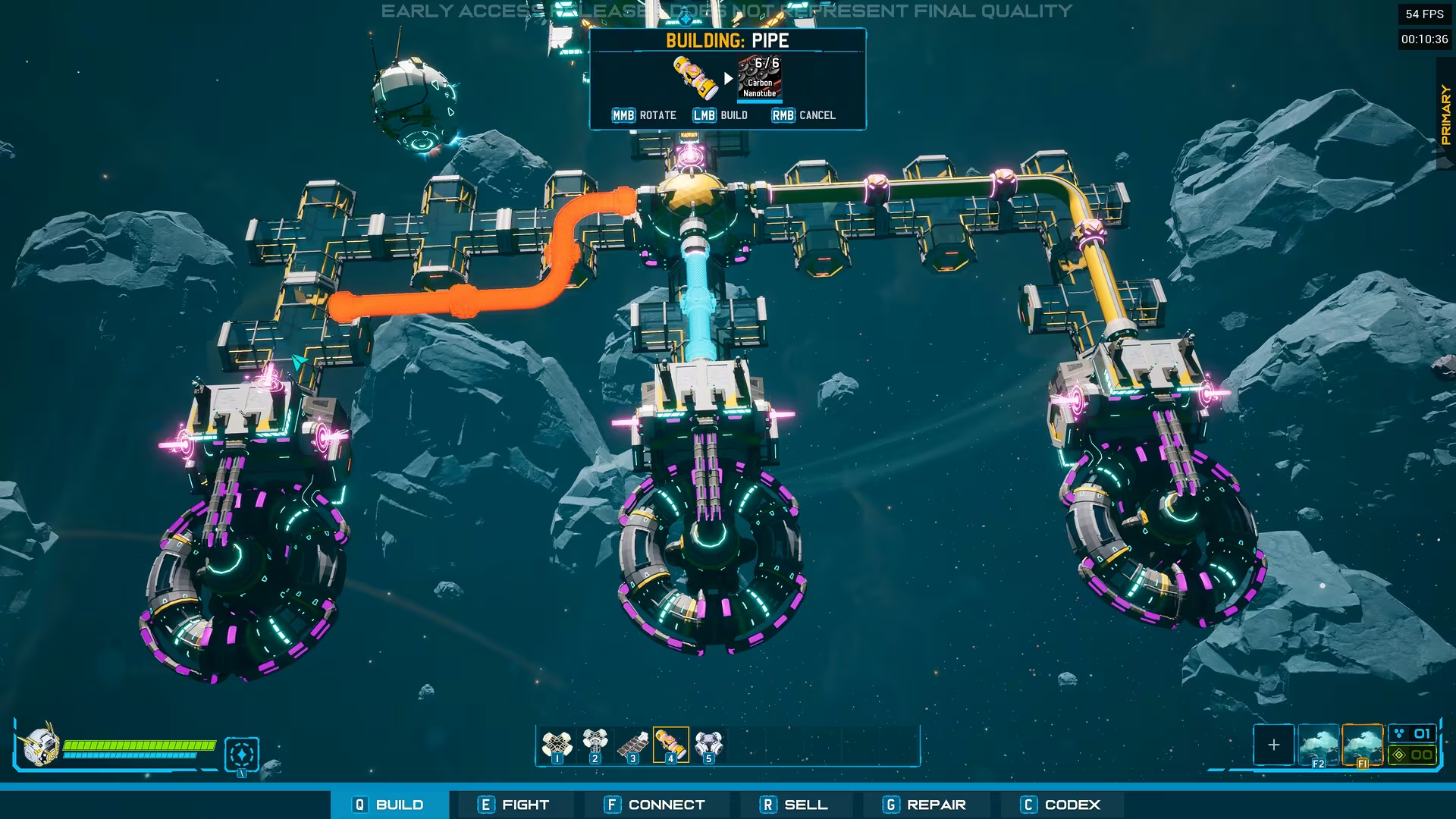
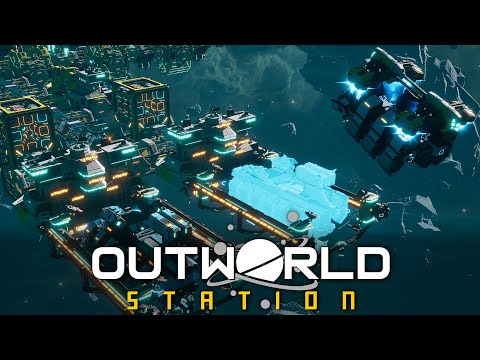
Take the helm as a new Station Commander and exploit an alien star system in this stunning space-station factory automation game. Amass resources and construct starships using increasingly advanced manufacturing and expand your station in a hostile universe.

Global score

90/100

Genres

Indie, Simulator, Strategy, Early Access

Similar games

    Pros

    • Engaging automation and logistics gameplay
    • Accessible and beginner-friendly
    • Beautiful graphics and sound design
    • Active and responsive developers
    • Cooperative multiplayer support

    Cons

    • Performance issues at large factory sizes
    • Some grind and resource bottlenecks
    • Limited narrative and story depth
    • Early access missing some quality of life features
    • Manual ship movement can be tedious

    Analysis

    Broadly representative of its motivational profile, with a few distinct shifts. Motivations that often define this kind of title include Cooperation, Fellowship, Intimacy, Leadership. Here, the score leans higher than usual among comparable games on Idle, Relaxation. It leans lower than usual among comparable games on Competition.

    How to use the graph
    Similar games map

    Each dot is a game. They are arranged from the same motivation profile as in the “Motivations” section below. Closer dots usually mean more similar reasons to play (exploration, competition, relaxation, etc.)—not that one game is “better” than another.

    • Larger dot with a light outline: the game you are viewing.
    • Colour: groups of games with comparable motivation patterns (statistical clusters).
    • Hover a dot to see the game name; click to open its page.
    • Scroll or double-click the chart to zoom out and see more games.

    Why don’t the axes read like a score? This view uses t-SNE: it only keeps who is close to whom. The scales are not “good to bad” or hours played—they separate groups on the map. Read distance between dots, not the axis numbers.

    Motivations

    • Autonomy
      4

      "Players have significant control over factory layout, resource management, and logistics with freedom to explore and optimize their stations."

    • Competence
      3

      "Game involves overcoming technical challenges of automation, logistics, and combat with a learning curve and skill development."

    • Competition
      -4

      "Focus is on personal progression and cooperative play rather than competing against others or leaderboards."

    • Continuation
      4

      "Players report long play sessions, habitual engagement, and desire to keep improving and expanding their stations."

    • Cooperation
      3

      "Supports up to 4-player co-op with shared tasks and collaboration, enhancing social gameplay."

    • Creativity
      3

      "Allows creative base building, station layout, and logistics design, though some users note limited design constraints."

    • Domination
      -3

      "Interactions emphasize balanced cooperation and shared goals rather than exerting control or superiority over others."

    • Escapism
      4

      "Players use the game as a relaxing, immersive escape into space exploration and factory building."

    • Expectation
      -4

      "Players engage voluntarily out of intrinsic interest and enjoyment rather than obligation or pressure."

    • Experimenting
      3

      "Encourages trying new layouts, logistics setups, and strategies to optimize production and defense."

    • Exploration
      3

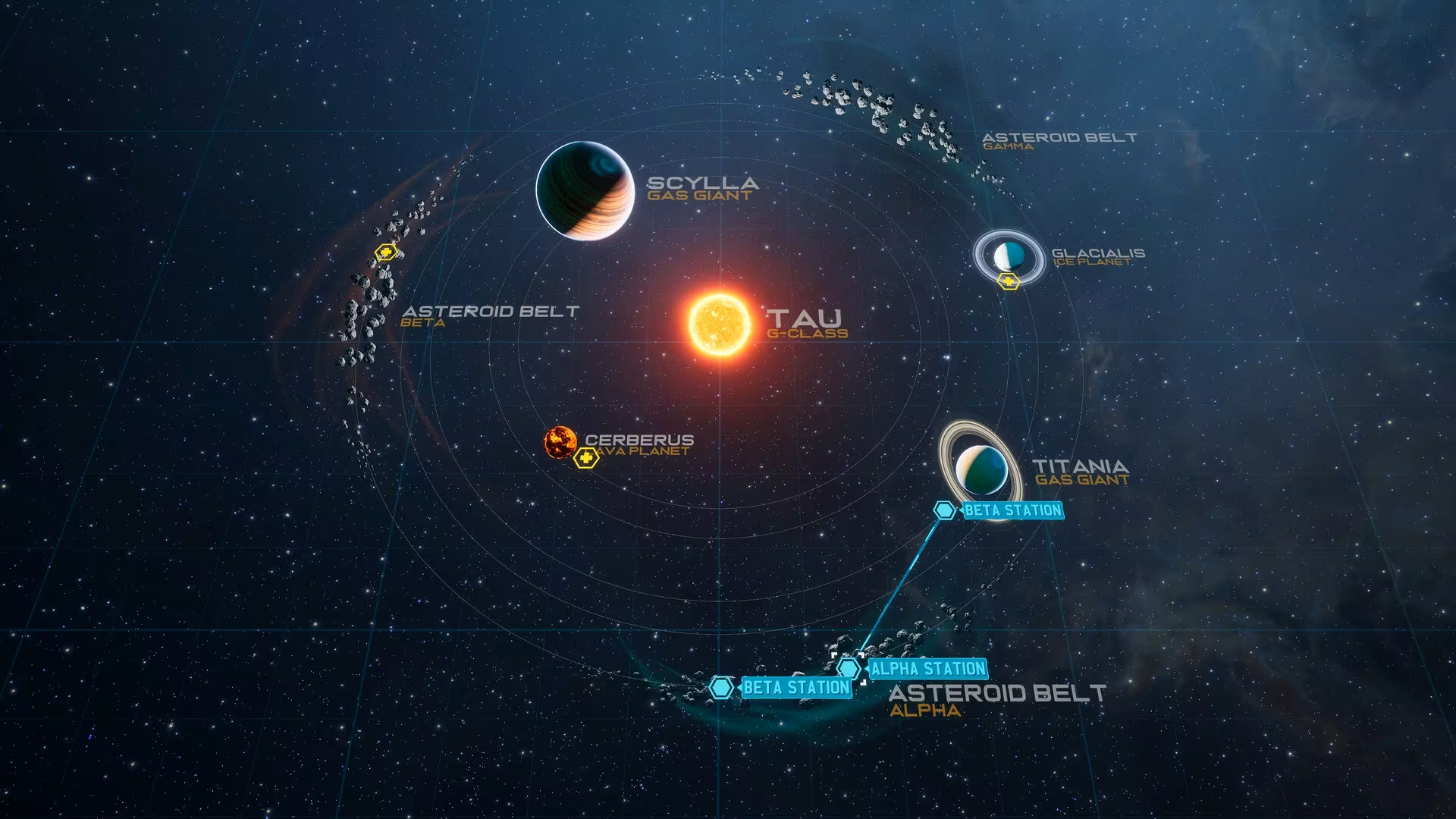
      "Exploration of multiple star systems and biomes is a key gameplay element, with discovery of resources and new zones."

    • Expression
      2

      "Some customization of stations and ships is possible, though mostly functional rather than purely cosmetic."

    • Fantasy
      3

      "Set in a sci-fi space setting with imaginative elements like alien threats, starship building, and futuristic tech."

    • Fellowship
      3

      "Community engagement and multiplayer co-op foster a sense of belonging and shared experience."

    • Growth
      4

      "Players develop skills in automation, logistics, and strategy, with clear progression through station levels and tech."

    • Health
      -5

      "Typical sedentary gameplay with no physical activity or health-related features."

    • Idle
      2

      "Some waiting and idle time during resource production and ship building, but balanced with active management."

    • Intimacy
      1

      "Some social interaction in co-op, but limited evidence of deep emotional or close relationships."

    • Leadership
      2

      "Opportunities to lead cooperative efforts in multiplayer, though not strongly emphasized."

    • Progression
      5

      "Strong focus on accumulating resources, unlocking technologies, upgrading stations, and building ships."

    • Relaxation
      4

      "Many players describe the game as relaxing and satisfying, with a good balance of challenge and flow."

    • Sensation
      3

      "Enjoyable visuals, sound design, and satisfying feedback contribute to sensory pleasure."

    • Status
      -3

      "Little emphasis on social recognition or status; focus is on personal and cooperative achievements."

    • Story
      1

      "Minimal narrative; gameplay is mostly context-free with some lore and progression goals."

    • Strategy
      4

      "Requires planning, problem solving, and optimization of logistics, production, and defense."

    • Thrill
      2

      "Some suspense from combat and resource management, but overall experience is more calm than tense."

    • Value
      4

      "Players feel the game offers good value for time and money, especially given frequent updates and content."

    • Violence
      1

      "Includes combat elements but violence is limited and integrated into broader gameplay."

    • Survival
      2

      "Players must manage threats and resource scarcity, but game is not focused on high-risk survival."

    Last update: 29/04/2026