Space Haven Thumbnail

Space Haven similar games & best alternatives
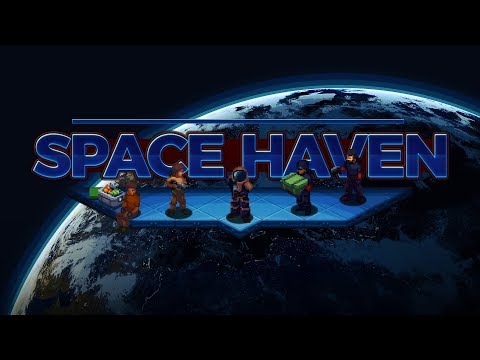
Space Haven

PC (Microsoft Windows), Mac, Linux • 2020

Related articles

Quick resume

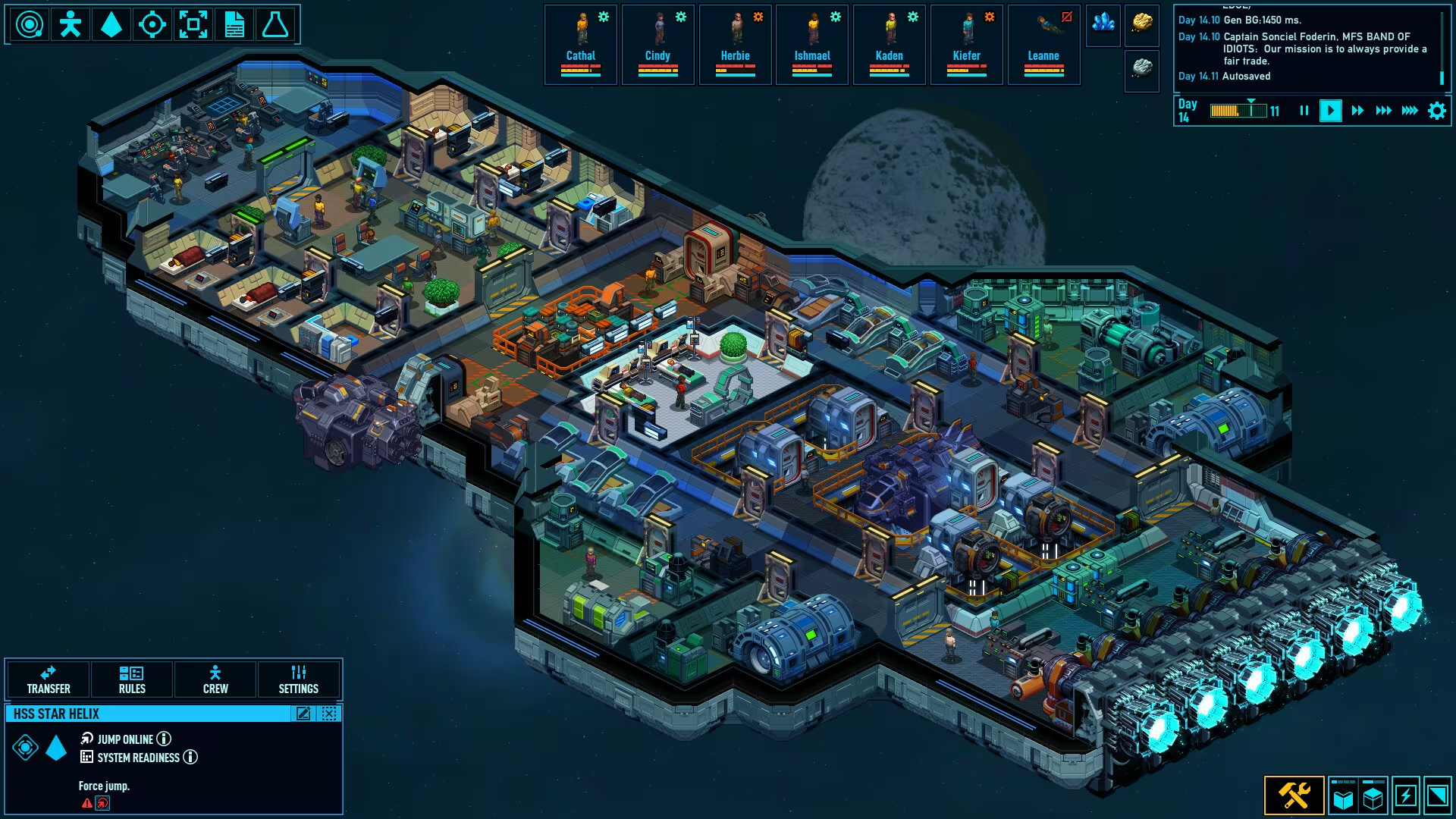
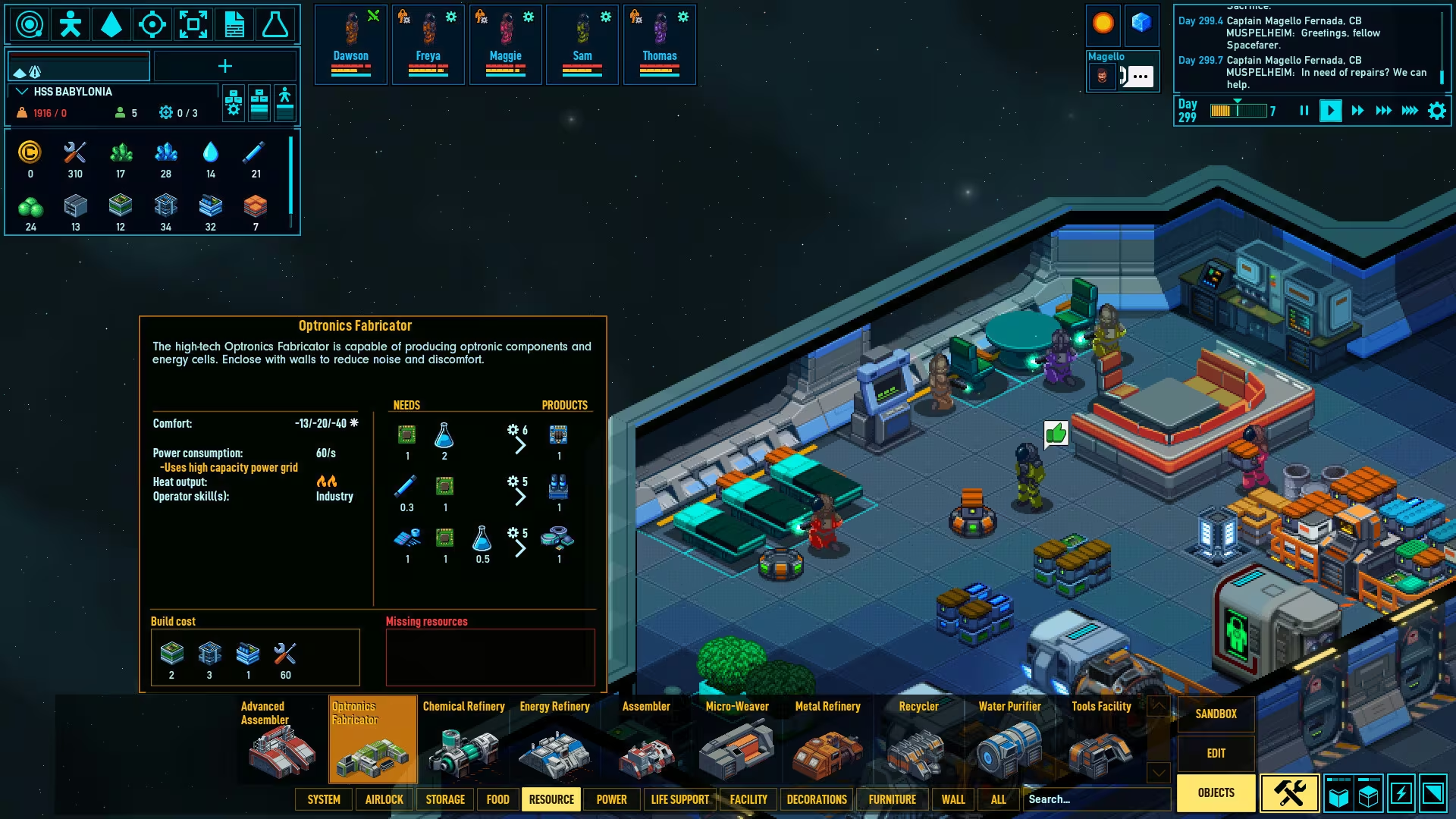
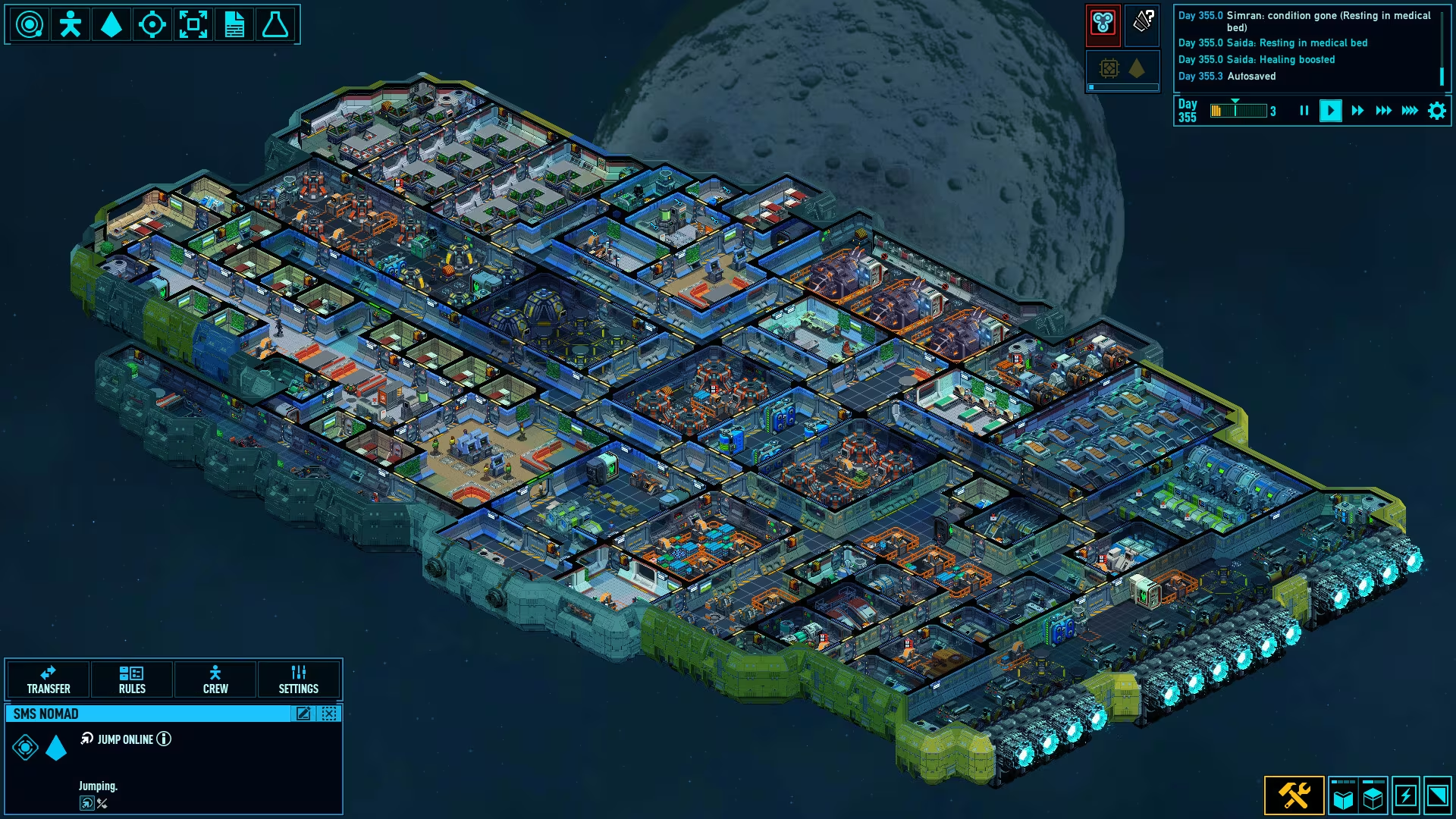
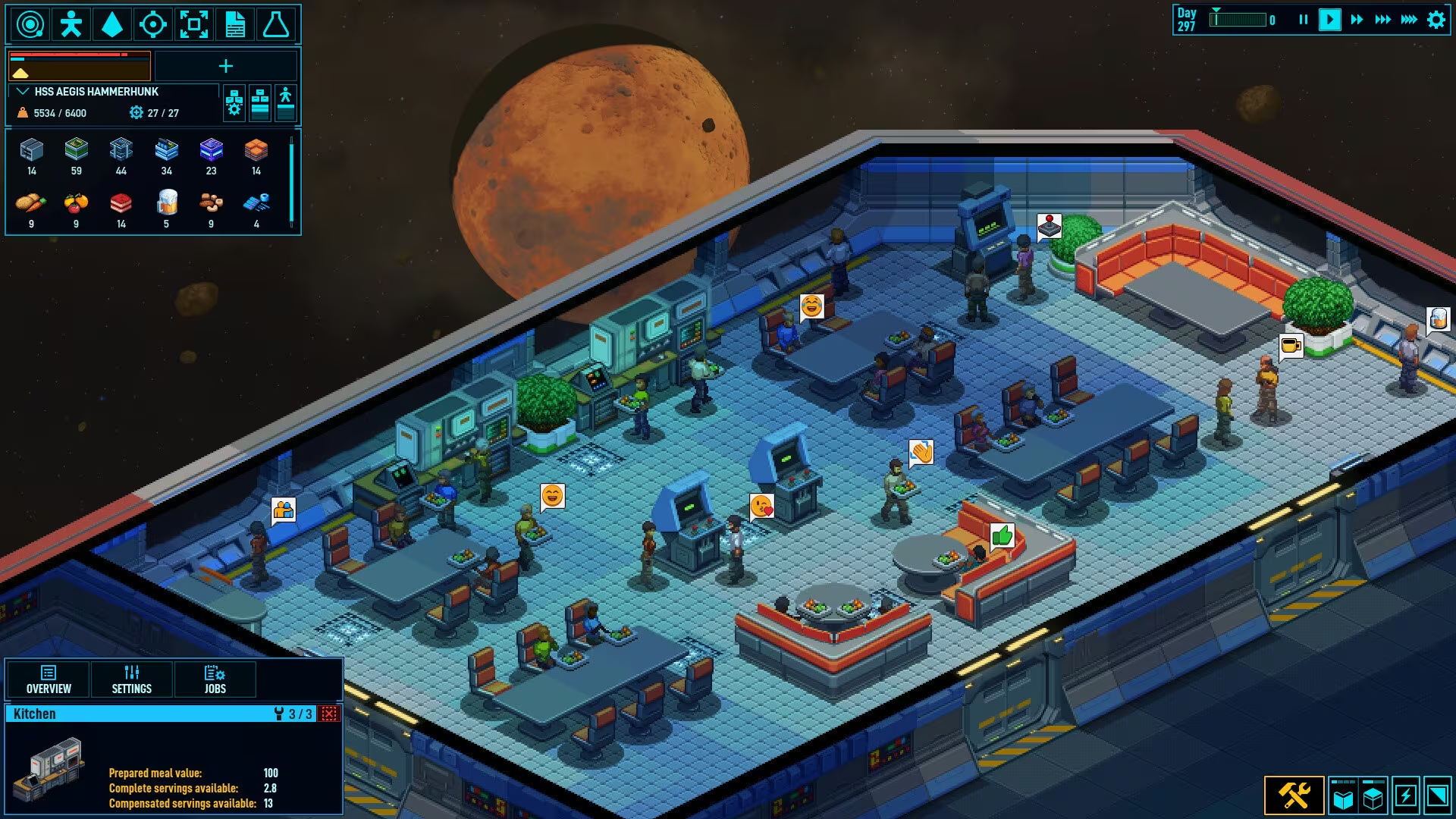
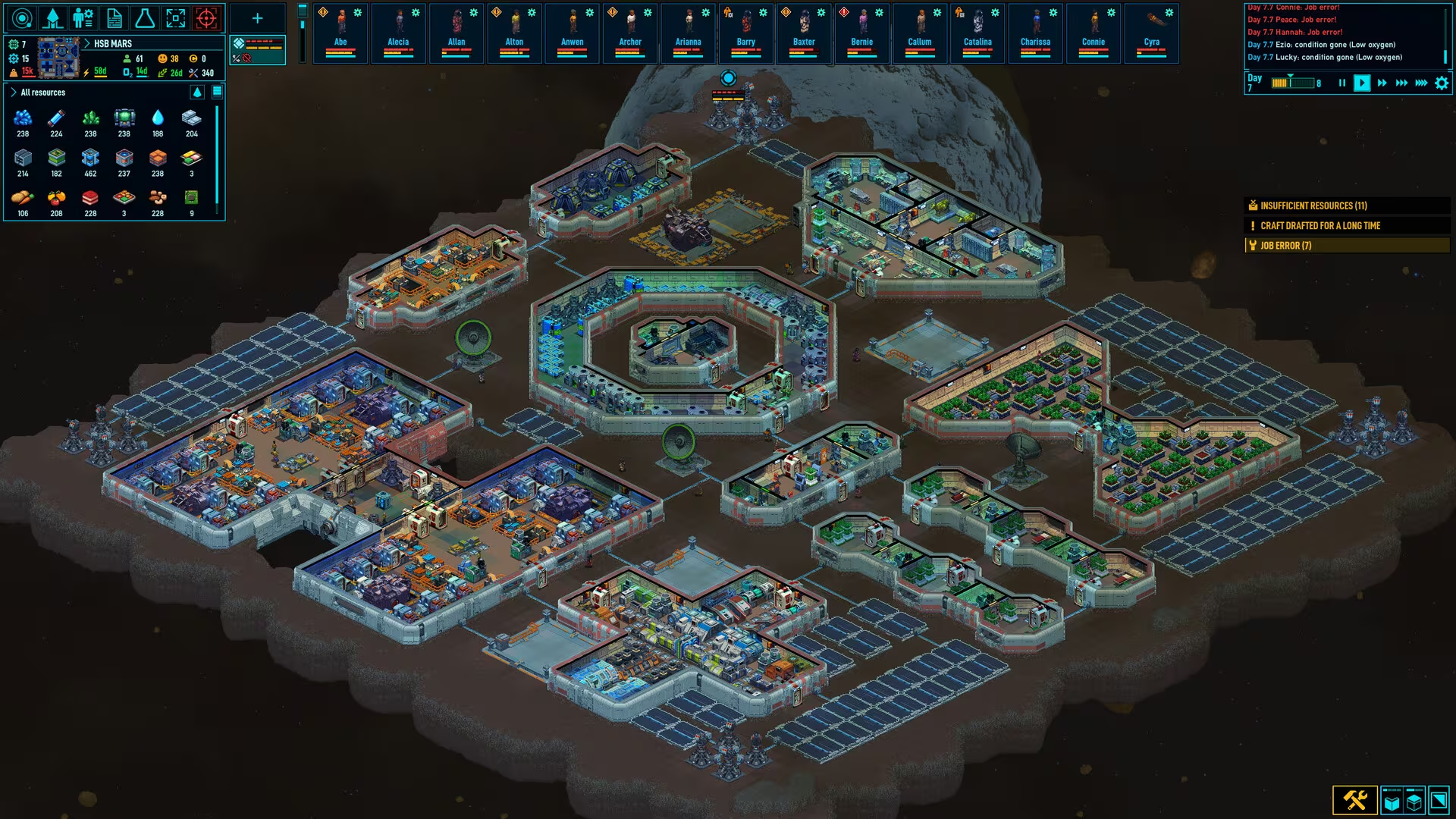
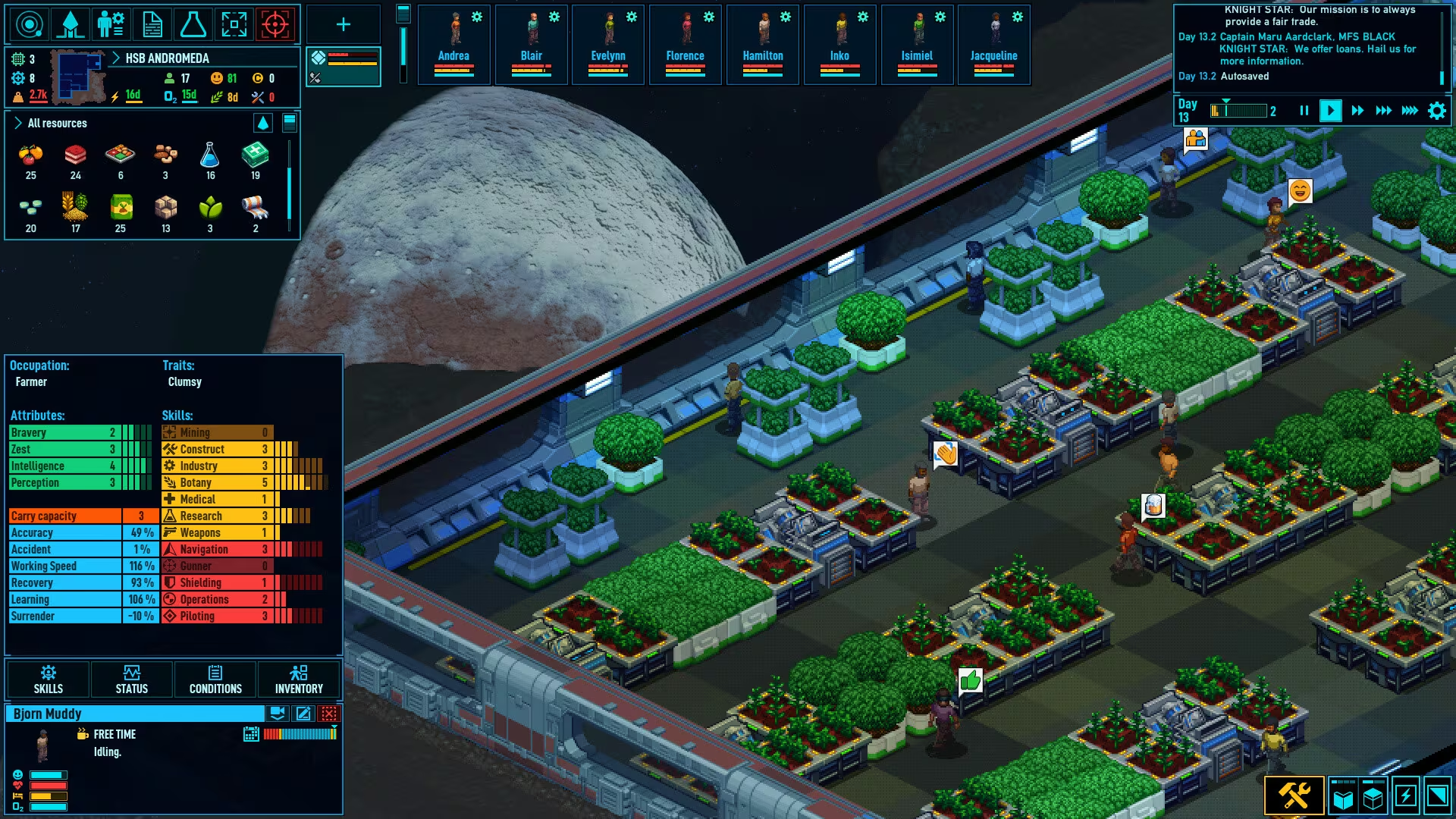
Embark on a space voyage with your ragtag crew of civilians in search of a new home. Build spaceships tile by tile, create optimal gas conditions, manage the needs and moods of their crew, encounter other space-faring groups, and explore the universe in this spaceship colony simulation.

Global score

86/100

Genres

Indie, Role-playing (RPG), Simulator, Strategy, Early Access

Similar games

    Pros

    • Deep ship building and crew management
    • Immersive survival and exploration gameplay
    • Frequent developer updates and community engagement
    • High replayability and emergent storytelling
    • Good value for price

    Cons

    • Steep learning curve for new players
    • Limited character customization and variety
    • Early access content still incomplete
    • Some ui and ai quirks
    • Lack of multiplayer or social features

    Analysis

    A very typical example of its motivational profile. Motivations that often define this kind of title include Leadership, Survival, Violence, Strategy. Here, the score leans higher than usual among comparable games on Survival, Creativity, Exploration.

    How to use the graph
    Similar games map

    Each dot is a game. They are arranged from the same motivation profile as in the “Motivations” section below. Closer dots usually mean more similar reasons to play (exploration, competition, relaxation, etc.)—not that one game is “better” than another.

    • Larger dot with a light outline: the game you are viewing.
    • Colour: groups of games with comparable motivation patterns (statistical clusters).
    • Hover a dot to see the game name; click to open its page.
    • Scroll or double-click the chart to zoom out and see more games.

    Why don’t the axes read like a score? This view uses t-SNE: it only keeps who is close to whom. The scales are not “good to bad” or hours played—they separate groups on the map. Read distance between dots, not the axis numbers.

    Motivations

    • Autonomy
      4

      "Players have significant freedom in ship design, crew management, and decision-making, allowing personal control over gameplay."

    • Competence
      3

      "The game involves managing complex systems, survival challenges, and tactical combat requiring skill and learning."

    • Competition
      -3

      "Focus is primarily on personal survival and management rather than direct competition or leaderboards."

    • Continuation
      4

      "Many players report long play sessions and habitual engagement due to the game's depth and emergent storytelling."

    • Cooperation
      -4

      "Gameplay centers on managing own crew and ships with limited multiplayer or cooperative elements."

    • Creativity
      5

      "Strong emphasis on building and customizing ships, layouts, and crew management."

    • Domination
      -4

      "Interactions with other factions and enemies are tactical and emergent rather than focused on exerting superiority or social dominance."

    • Escapism
      5

      "Players use the game as an immersive space survival experience, escaping real life through exploration and management."

    • Expectation
      -4

      "Players engage voluntarily driven by intrinsic interest and enjoyment rather than obligation."

    • Experimenting
      4

      "Players experiment with ship designs, crew roles, and strategies to optimize survival and efficiency."

    • Exploration
      4

      "Exploration of star sectors, derelict ships, and resource gathering is a core gameplay element."

    • Expression
      2

      "Some character customization and ship design allow self-expression, though character variety is limited."

    • Fantasy
      3

      "Set in a sci-fi universe with fictional elements like aliens and space travel, providing imaginative fiction."

    • Fellowship
      -3

      "Social interaction is minimal; focus is on individual gameplay and crew management."

    • Growth
      3

      "Players learn complex systems and improve strategies over time, though character skill progression is limited."

    • Health
      -4

      "Primarily sedentary gameplay with no physical activity elements."

    • Idle
      -3

      "Requires active management and attention; not designed for idle or background play."

    • Intimacy
      -4

      "Limited social or emotional connections beyond crew management; interactions are mostly functional."

    • Leadership
      3

      "Players lead and manage their crew and fleet, making strategic and tactical decisions."

    • Progression
      4

      "Players accumulate resources, research technologies, and upgrade ships and crew capabilities."

    • Relaxation
      2

      "Some players find the game relaxing and immersive, though survival pressures create tension."

    • Sensation
      2

      "Visuals and music provide a pleasant atmosphere but sensory stimulation is moderate and functional."

    • Status
      -4

      "Achievements and progress are mostly personal; social recognition or popularity is minimal."

    • Story
      2

      "Emergent storytelling through gameplay and logs exists, but overarching narrative is limited in early access."

    • Strategy
      4

      "Requires planning, resource management, and tactical decision-making in combat and survival."

    • Thrill
      3

      "Survival challenges and combat create suspense and excitement for players."

    • Value
      4

      "Players report good value for money with many hours of engaging gameplay even in early access."

    • Violence
      2

      "Combat and boarding actions involve violence, but also include capturing and managing prisoners."

    • Survival
      5

      "Core gameplay revolves around managing resources and avoiding failure to keep crew and ships alive."

    Last update: 29/04/2026