Paper Sorcerer Thumbnail

Paper Sorcerer similar games & best alternatives
Paper Sorcerer

PC (Microsoft Windows) • 2014

Related articles

Quick resume

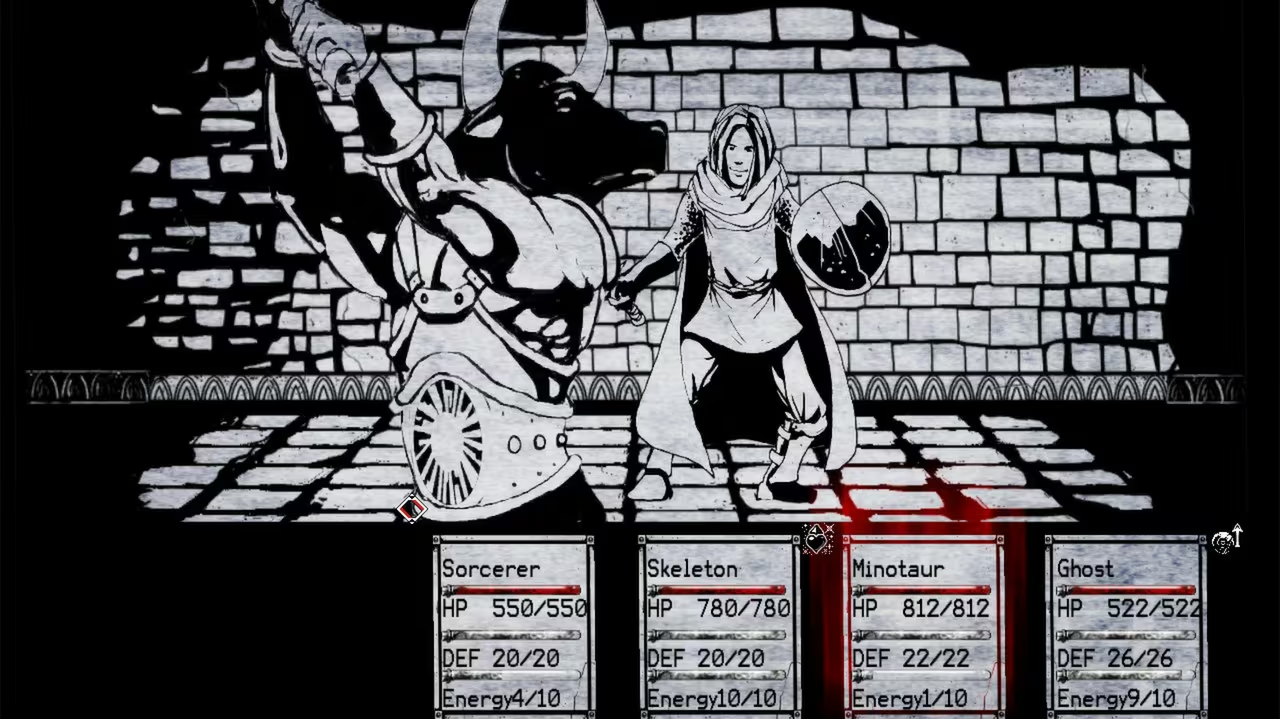
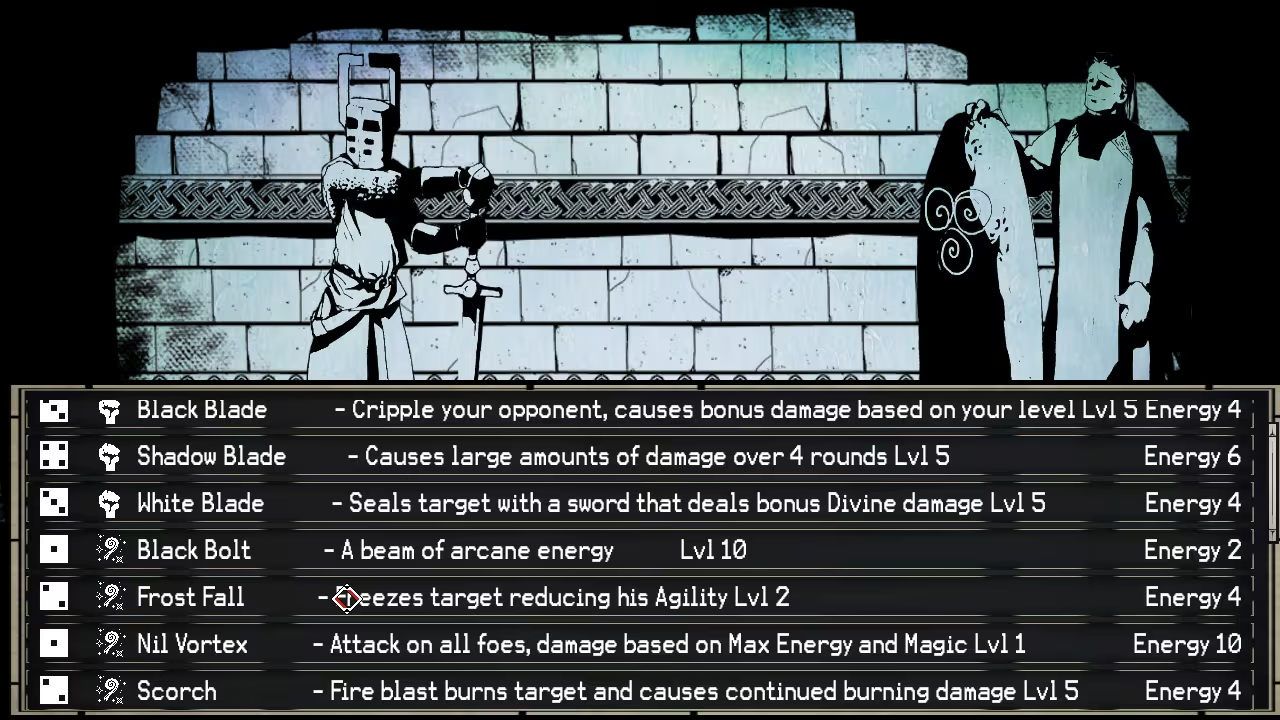
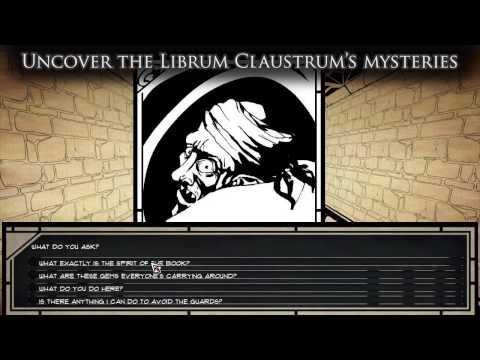
Paper Sorcerer is a stylish single player turn based RPG focused on strategy, party-building, and environmental puzzles. Fight with the skills and spells you've learned in a battle system that emphasizes strategy over grinding. Assemble a party of monsters and dark creatures to fight alongside you.

Global score

79/100

Genres

Adventure, Indie, Role-playing (RPG)

Similar games

    Pros

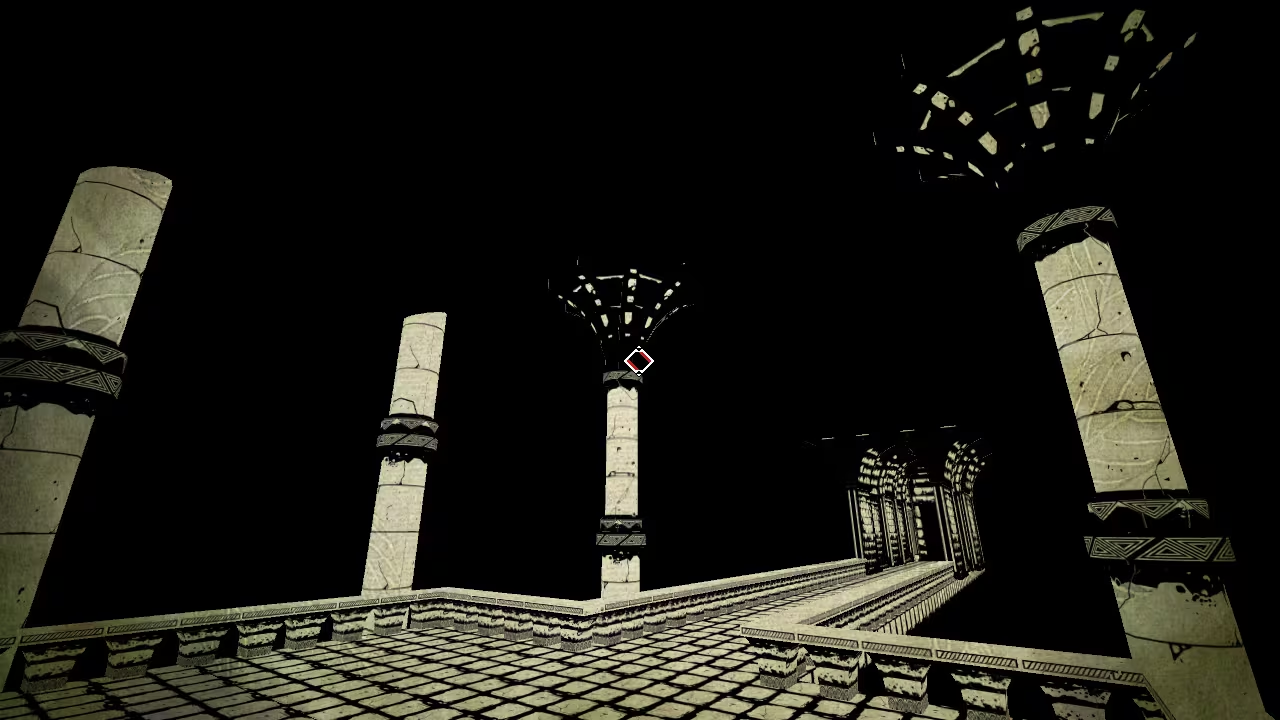
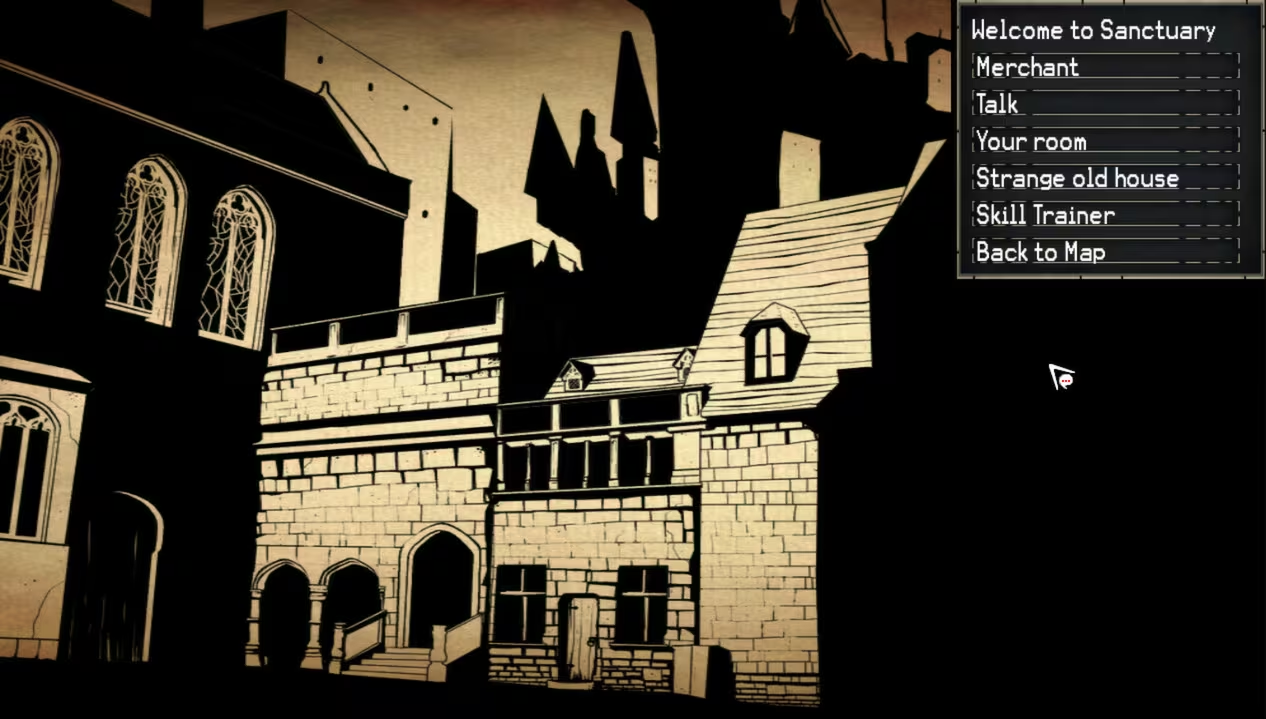
    • Unique monochrome art style
    • Challenging and strategic turn-based combat
    • Varied party compositions and skills
    • Good value for price
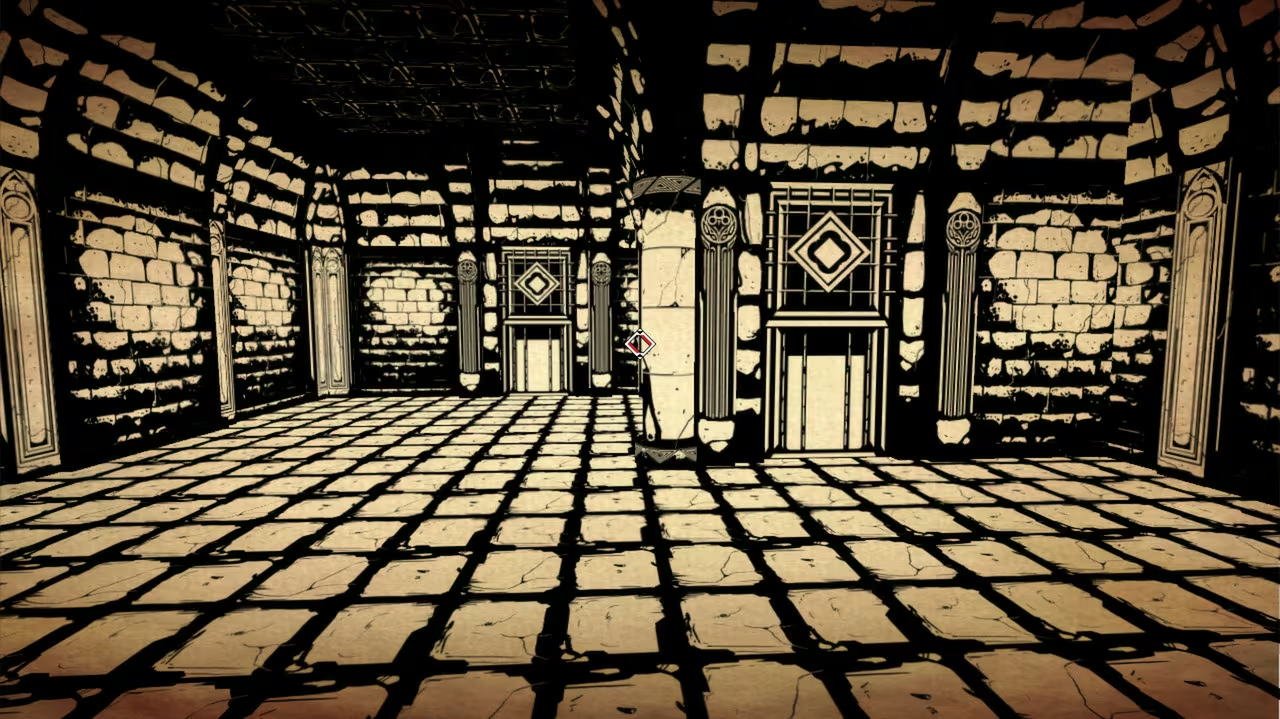
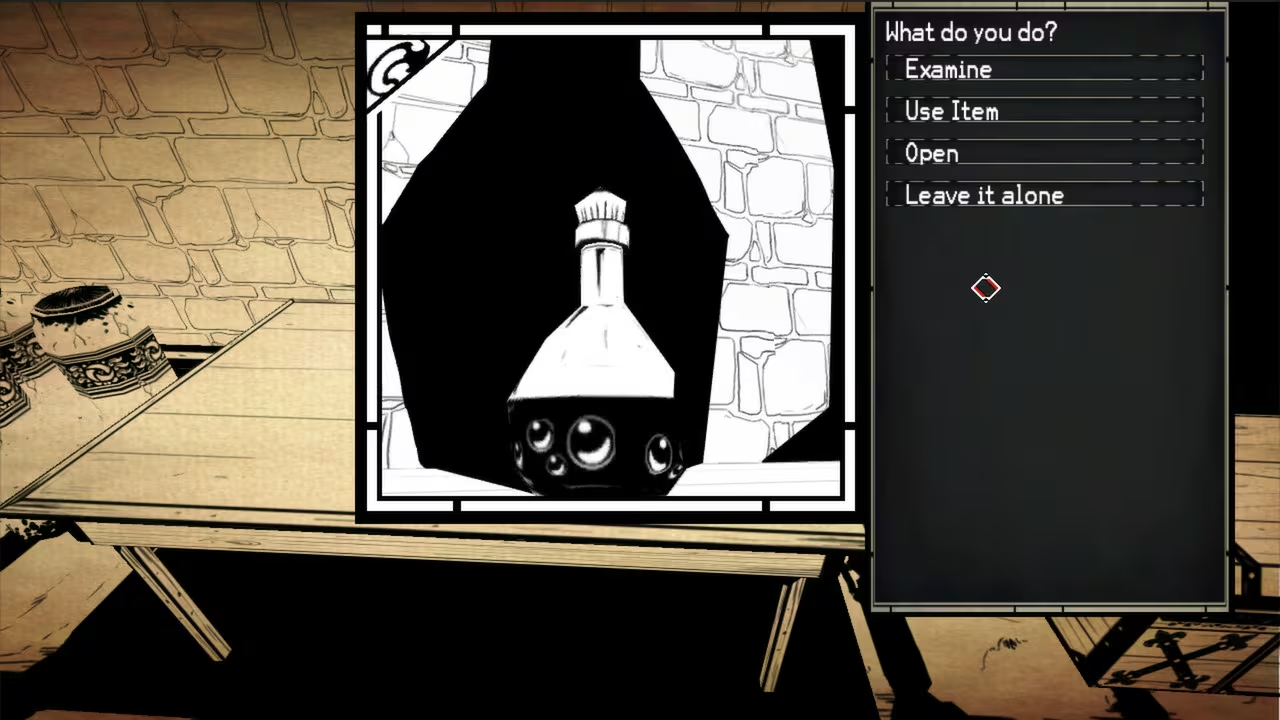
    • Engaging dungeon exploration with secrets

    Cons

    • Some bugs and glitches reported
    • Minimal story and character development
    • Music can be repetitive or disliked
    • Interface and inventory management clunky
    • Lack of multiplayer or social features

    Analysis

    A very typical example of its motivational profile. Motivations that often define this kind of title include Leadership, Survival, Violence, Strategy. Here, the score leans higher than usual among comparable games on Fantasy, Relaxation, Violence.

    How to use the graph
    Similar games map

    Each dot is a game. They are arranged from the same motivation profile as in the “Motivations” section below. Closer dots usually mean more similar reasons to play (exploration, competition, relaxation, etc.)—not that one game is “better” than another.

    • Larger dot with a light outline: the game you are viewing.
    • Colour: groups of games with comparable motivation patterns (statistical clusters).
    • Hover a dot to see the game name; click to open its page.
    • Scroll or double-click the chart to zoom out and see more games.

    Why don’t the axes read like a score? This view uses t-SNE: it only keeps who is close to whom. The scales are not “good to bad” or hours played—they separate groups on the map. Read distance between dots, not the axis numbers.

    Motivations

    • Autonomy
      4

      "Players freely choose party members, skills, and strategies, with multiple viable party compositions and tactical combat decisions."

    • Competence
      4

      "Combat requires strategic use of skills, energy management, and adapting to enemy defenses; difficulty settings allow for challenging gameplay."

    • Competition
      -3

      "Focus is on personal progression and strategy without leaderboards or direct player-vs-player competition."

    • Continuation
      4

      "Players report being hooked for many hours, with replay value from different party builds and difficulty modes."

    • Cooperation
      -4

      "Gameplay is single-player focused with party management but no multiplayer or cooperative play."

    • Creativity
      3

      "Players customize party composition and equipment, experiment with different skill combinations, and explore secrets."

    • Domination
      -4

      "Interactions are single-player and balanced; no evidence of exerting control or superiority over others."

    • Escapism
      4

      "Players enjoy immersion in a fantasy dungeon crawler world, escaping real life through exploration and combat."

    • Expectation
      -4

      "Players engage voluntarily for enjoyment and nostalgia, with no indication of obligation or external pressure."

    • Experimenting
      3

      "Players try different party setups, skills, and tactics; exploration of secrets encourages experimentation."

    • Exploration
      3

      "Players explore multiple dungeon levels with secrets and puzzles, though maps are relatively small and linear."

    • Expression
      2

      "Limited character customization (e.g. gender choice), but players personalize party composition and equipment."

    • Fantasy
      5

      "Strong fantasy theme with sorcerers, undead minions, and dungeon crawling in a magical book setting."

    • Fellowship
      -4

      "Single-player experience with minimal social interaction or community features."

    • Growth
      4

      "Characters level up, gain new skills, and players develop strategies to overcome challenges."

    • Health
      -4

      "Typical sedentary gameplay with no physical activity or health-related features."

    • Idle
      -3

      "Requires focused attention during exploration and combat; no evidence of background or idle play."

    • Intimacy
      -4

      "No evidence of forming close relationships or emotional connections beyond party management."

    • Leadership
      3

      "Player leads and manages a party of summoned creatures, making strategic decisions and party composition."

    • Progression
      4

      "Players accumulate experience, items, equipment, and unlock abilities to progress through dungeons."

    • Relaxation
      3

      "Some players find the game relaxing and nostalgic, though combat can be challenging and tense."

    • Sensation
      2

      "Unique monochrome art style and music provide sensory interest, though some find music repetitive."

    • Status
      -4

      "No social status or recognition systems; achievements exist but some are bugged and not central."

    • Story
      2

      "Story is minimal and subtle, serving as background context rather than a driving narrative."

    • Strategy
      5

      "Combat and party management require tactical thinking, resource management, and planning."

    • Thrill
      3

      "Challenging battles and boss fights provide suspense and excitement, especially on higher difficulties."

    • Value
      5

      "Highly praised for its low price and substantial gameplay content, considered a great value."

    • Violence
      4

      "Combat involves defeating enemies with attacks and spells; violence is a core gameplay element."

    • Survival
      3

      "Players must manage resources and avoid defeat in challenging battles to survive and progress."

    Last update: 29/04/2026