The Looker Thumbnail

The Looker similar games & best alternatives
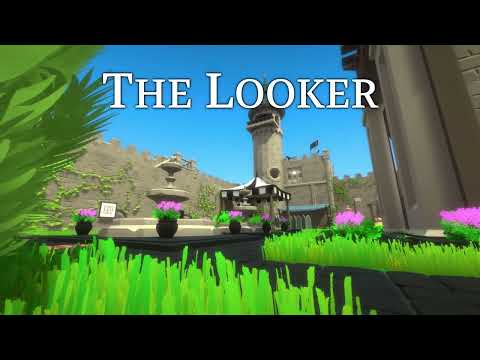
The Looker

PC (Microsoft Windows) • 2022

Related articles

Quick resume

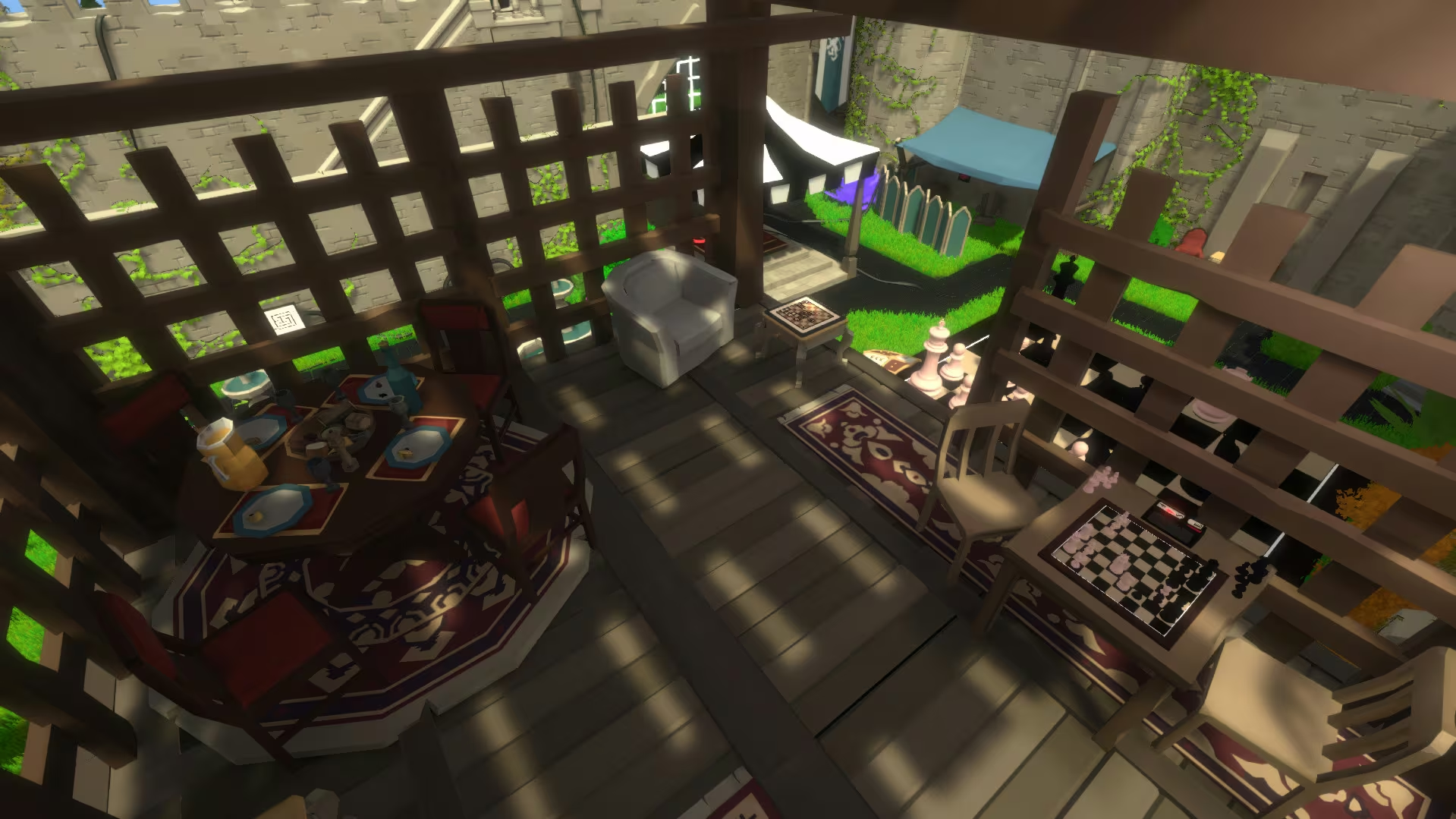
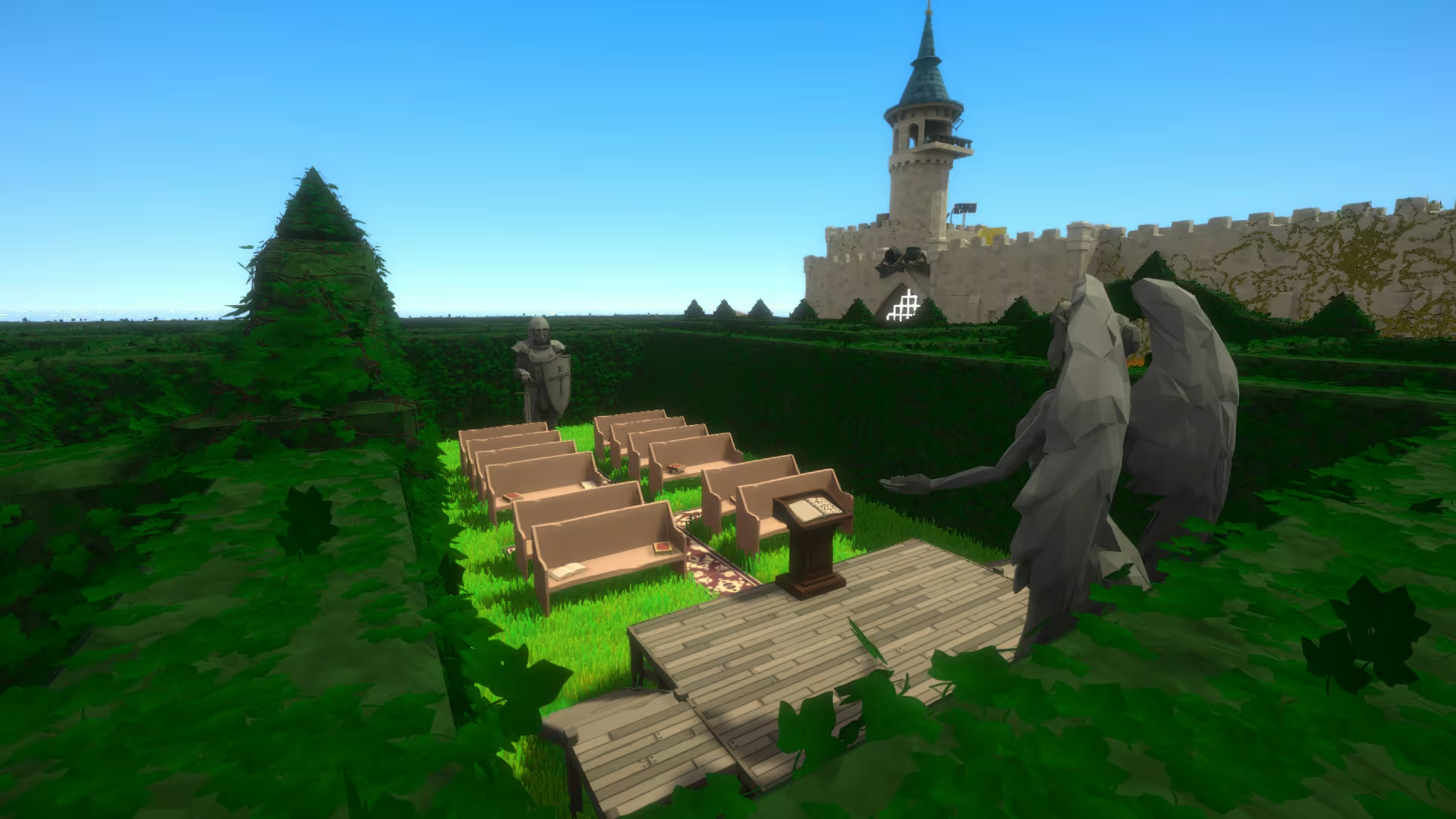
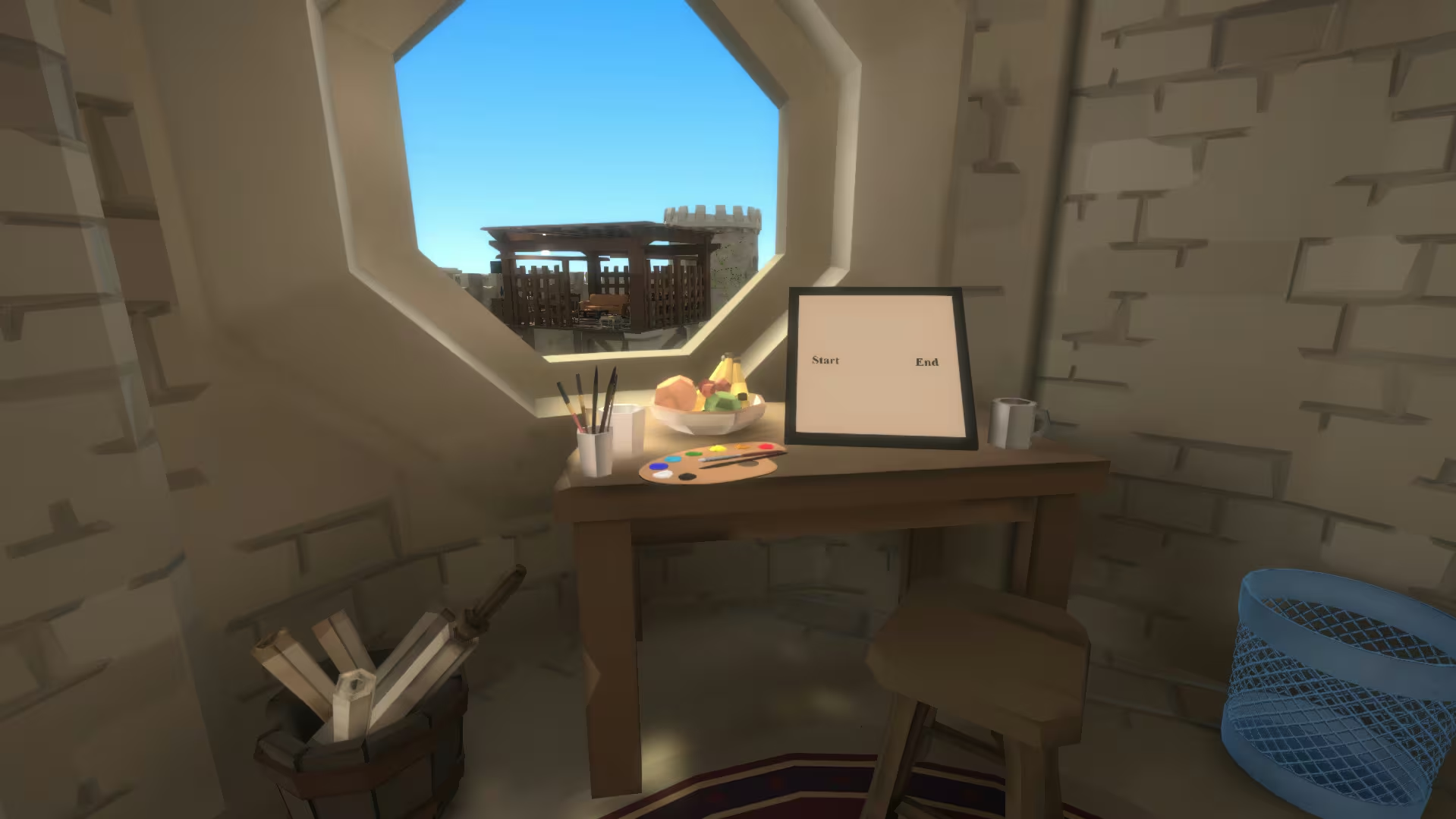
You wake up, alone, on a strangely familiar island full of puzzles that will frustrate and annoy you.

Global score

97/100

Genres

Indie, Puzzle

Similar games

    Pros

    • Clever and creative puzzles
    • Humorous and witty parody
    • Emotional and memorable story
    • Free and accessible
    • Short and engaging gameplay

    Cons

    • Some puzzles can be frustrating or obscure
    • Lack of guidance or hints for certain puzzles
    • Minor technical issues reported
    • Controls and drawing mechanics occasionally finicky
    • No multiplayer or social features

    Analysis

    A very typical example of its motivational profile. Motivations that often define this kind of title include Survival, Violence, Fellowship, Expression. Here, the score leans higher than usual among comparable games on Value, Thrill. It leans lower than usual among comparable games on Fantasy.

    How to use the graph
    Similar games map

    Each dot is a game. They are arranged from the same motivation profile as in the “Motivations” section below. Closer dots usually mean more similar reasons to play (exploration, competition, relaxation, etc.)—not that one game is “better” than another.

    • Larger dot with a light outline: the game you are viewing.
    • Colour: groups of games with comparable motivation patterns (statistical clusters).
    • Hover a dot to see the game name; click to open its page.
    • Scroll or double-click the chart to zoom out and see more games.

    Why don’t the axes read like a score? This view uses t-SNE: it only keeps who is close to whom. The scales are not “good to bad” or hours played—they separate groups on the map. Read distance between dots, not the axis numbers.

    Motivations

    • Autonomy
      4

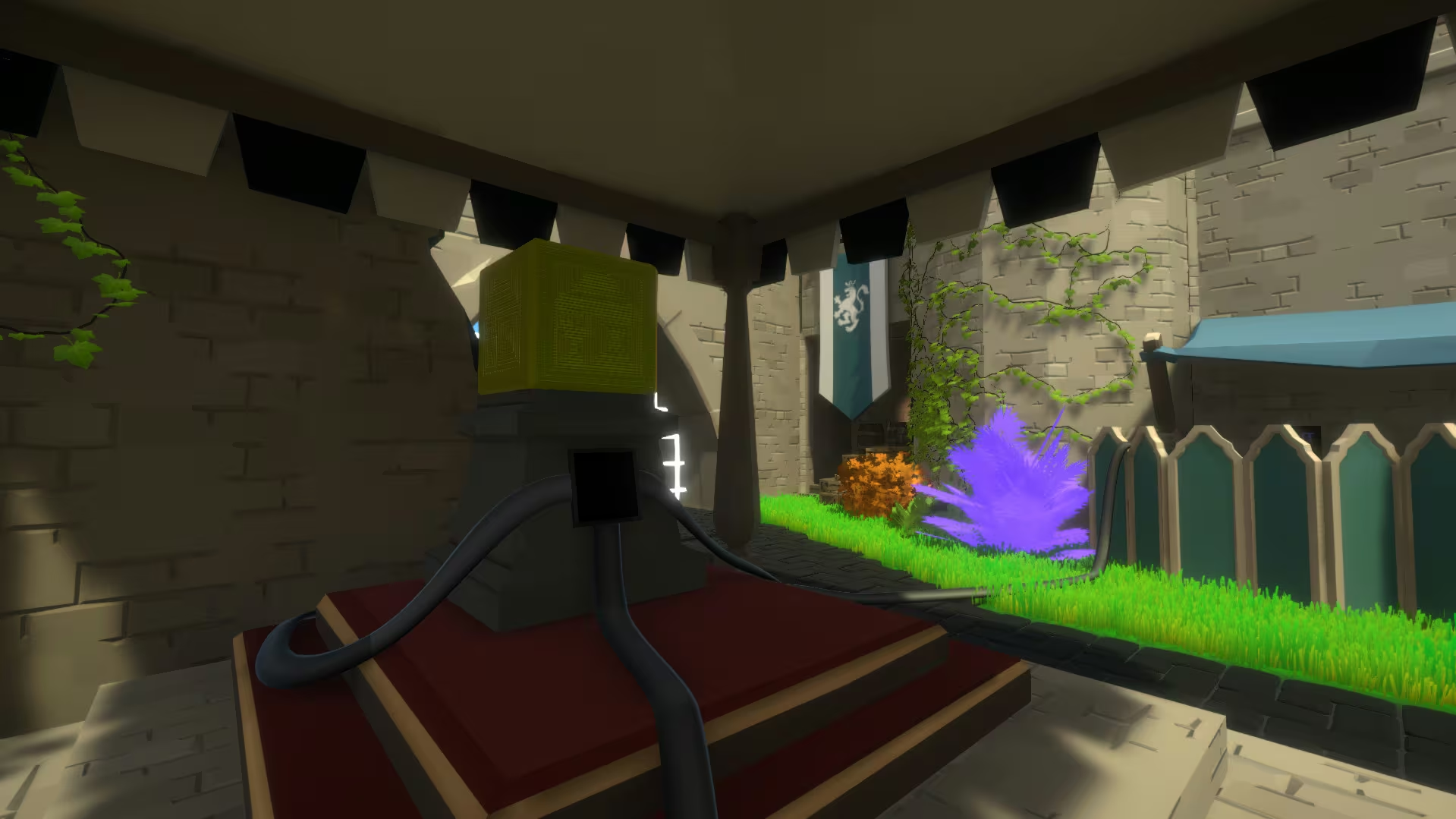
      "Players freely explore the castle grounds and solve puzzles with minimal guidance, encouraging self-directed problem solving."

    • Competence
      3

      "Puzzles vary in difficulty, some requiring creative thinking and skill, though some are criticized for being obscure or frustrating."

    • Competition
      -4

      "Focus is on individual puzzle solving and personal progress without competitive elements or leaderboards."

    • Continuation
      2

      "Players tend to play in single sessions of 1-2 hours; some mention replaying or returning to enjoy the humor and puzzles again."

    • Cooperation
      -5

      "Single-player experience with no cooperative or multiplayer features."

    • Creativity
      4

      "Puzzles encourage thinking outside the box and creative line-drawing solutions; humor and narrative also show creative design."

    • Domination
      -5

      "No evidence of exerting control or superiority over others; experience is personal and self-contained."

    • Escapism
      4

      "Players use the game as a humorous and thoughtful escape from real life, enjoying its satire and emotional narrative."

    • Expectation
      -4

      "Players engage voluntarily for fun, humor, and intellectual challenge without obligation or pressure."

    • Experimenting
      3

      "Puzzles often require trying unconventional solutions and exploring game mechanics in novel ways."

    • Exploration
      2

      "Players explore a castle yard and surroundings, though the environment is relatively small and focused."

    • Expression
      -3

      "Limited customization or avatar personalization; focus is on puzzle solving rather than self-expression."

    • Fantasy
      1

      "The game has surreal and absurd elements but is grounded in puzzle gameplay and parody rather than deep fantasy."

    • Fellowship
      -5

      "No social or community features; experience is solitary."

    • Growth
      3

      "Players develop puzzle-solving skills and learn to think differently through the game's challenges."

    • Health
      -5

      "No physical activity or health-related gameplay elements."

    • Idle
      -3

      "Requires focused attention to solve puzzles; not a casual or background game."

    • Intimacy
      -5

      "No close social interactions or emotional sharing with others; solitary play."

    • Leadership
      Insufficient data
    • Progression
      3

      "Progression through solving puzzles and unlocking new areas and story elements."

    • Relaxation
      2

      "Some players find the game relaxing and enjoyable, though some puzzles cause frustration."

    • Sensation
      2

      "Enjoyable visuals and humor provide light sensory and emotional stimulation."

    • Status
      -4

      "No social recognition or status systems; focus is on personal experience."

    • Story
      4

      "Narrative and audio logs provide emotional depth and a surprising, memorable ending."

    • Strategy
      3

      "Puzzles require logical thinking, planning, and problem solving."

    • Thrill
      1

      "Some suspense and surprise in puzzles and story twists, but overall a calm experience."

    • Value
      5

      "Highly praised for being a free, high-quality, entertaining game with good return on time invested."

    • Violence
      -4

      "No focus on combat or destruction; gameplay centers on constructive puzzle solving."

    • Survival
      -5

      "No survival or threat elements; stable and safe environment."

    Last update: 29/04/2026