Road Not Taken Thumbnail

Road Not Taken similar games & best alternatives
Road Not Taken

PC (Microsoft Windows), iOS, PlayStation 4, Mac • 2014

Related articles

Quick resume

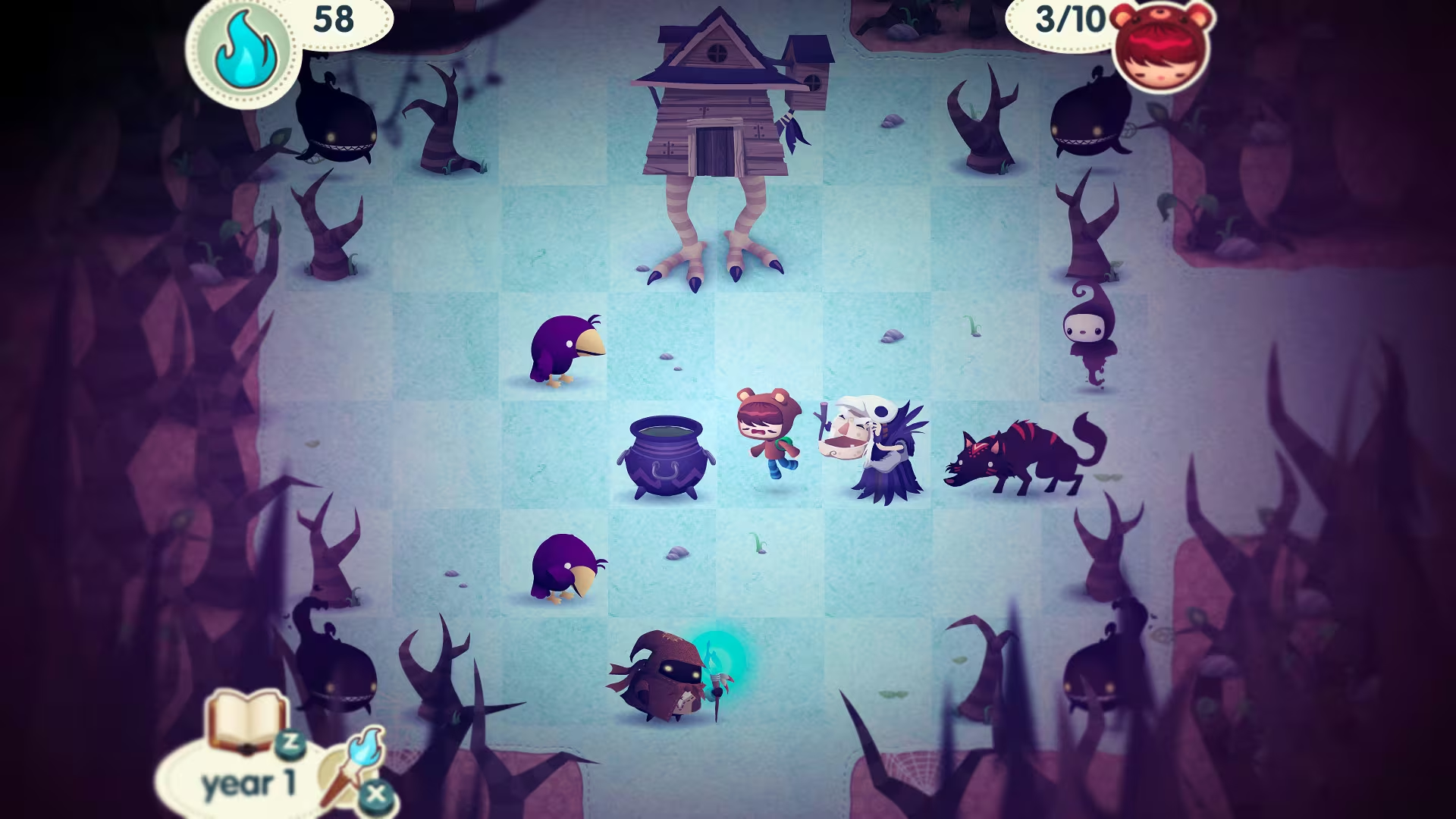
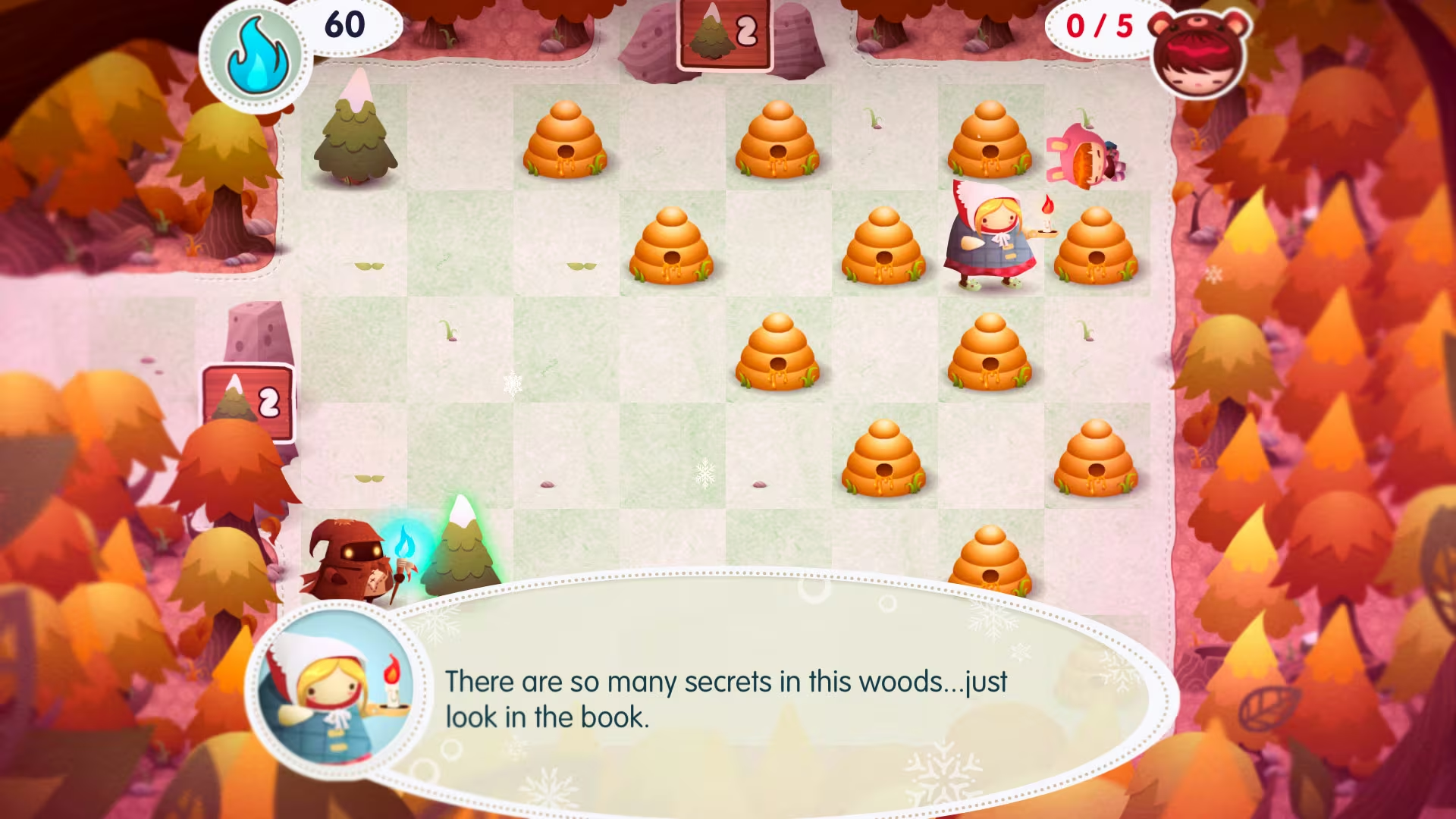
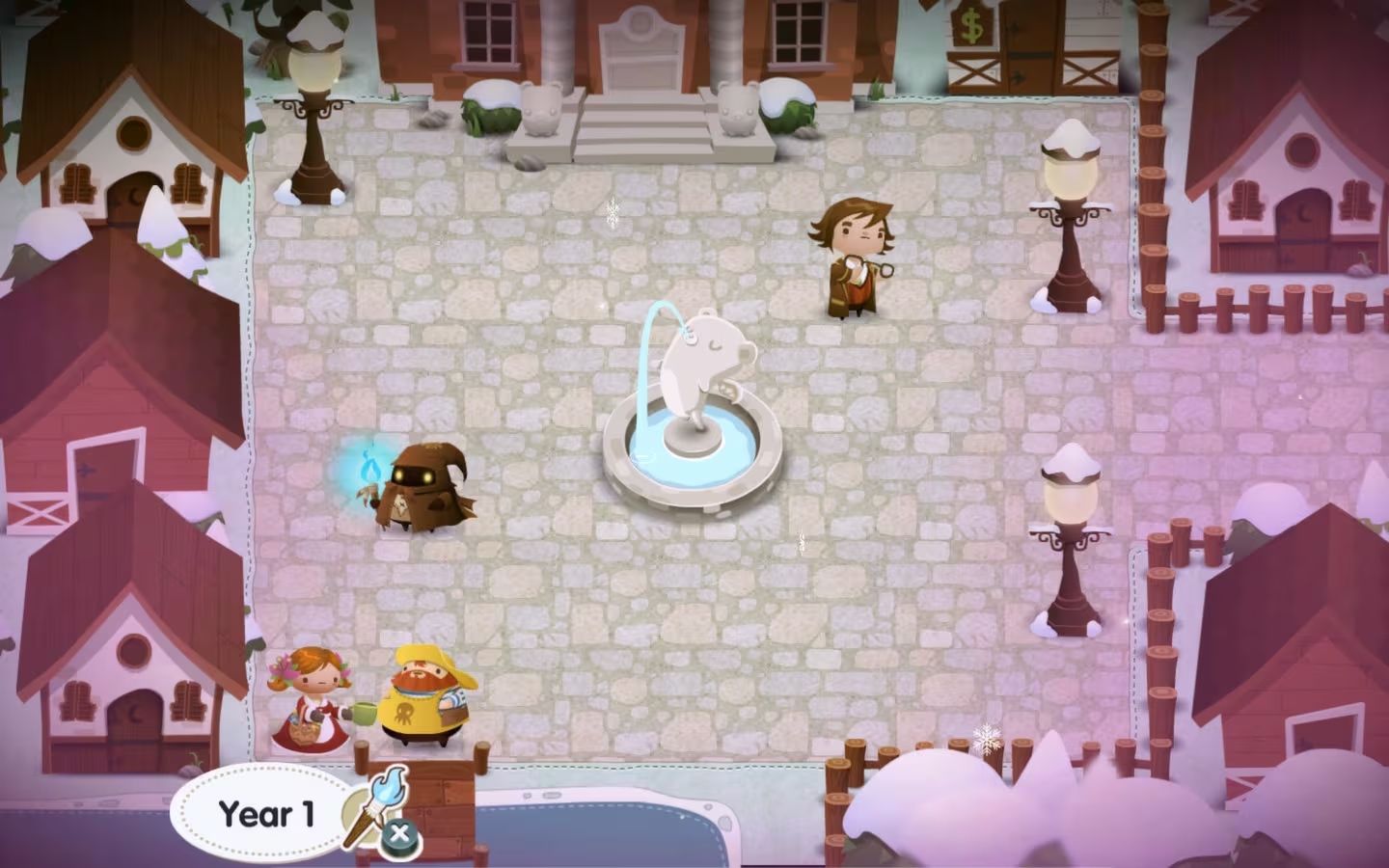
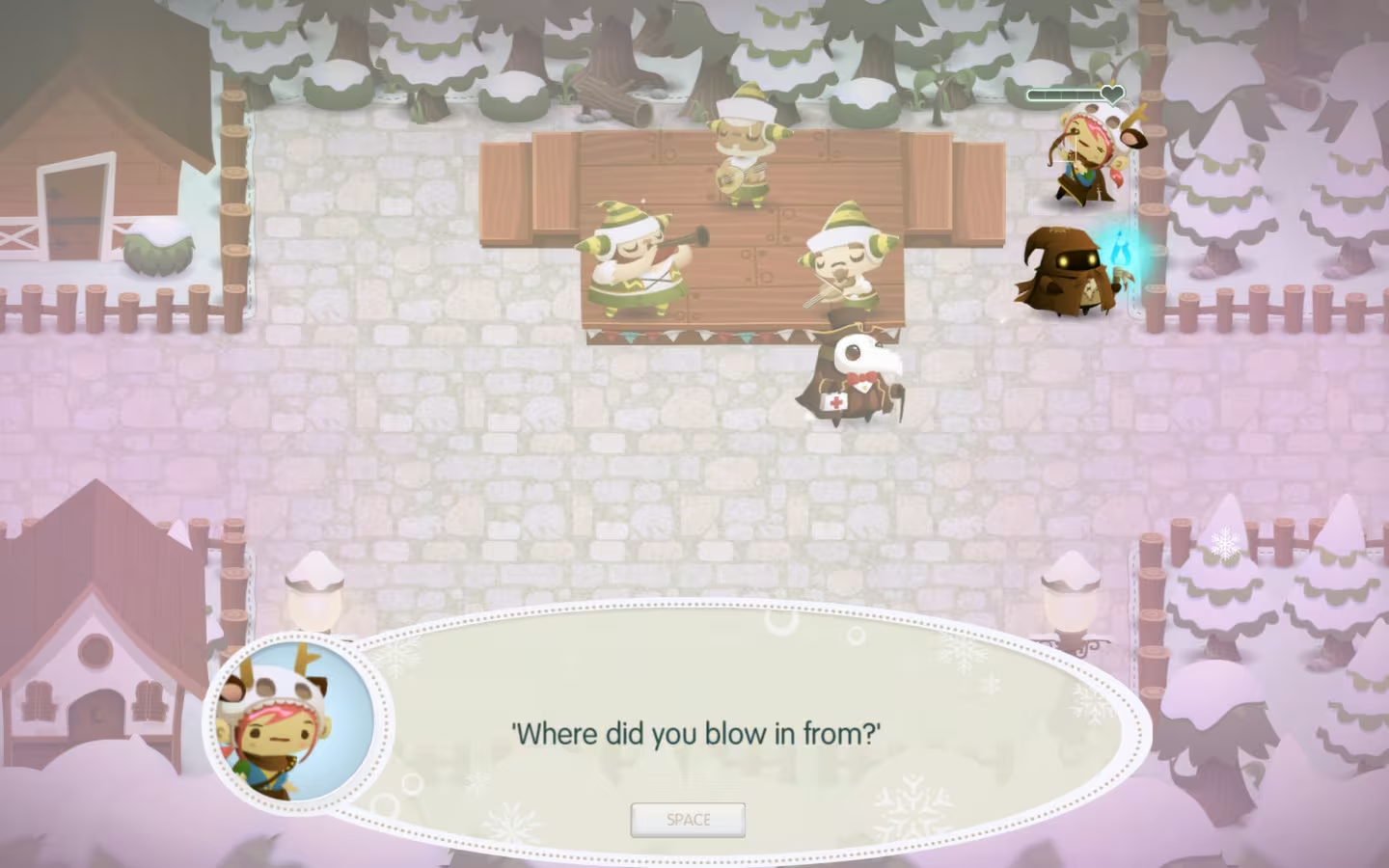
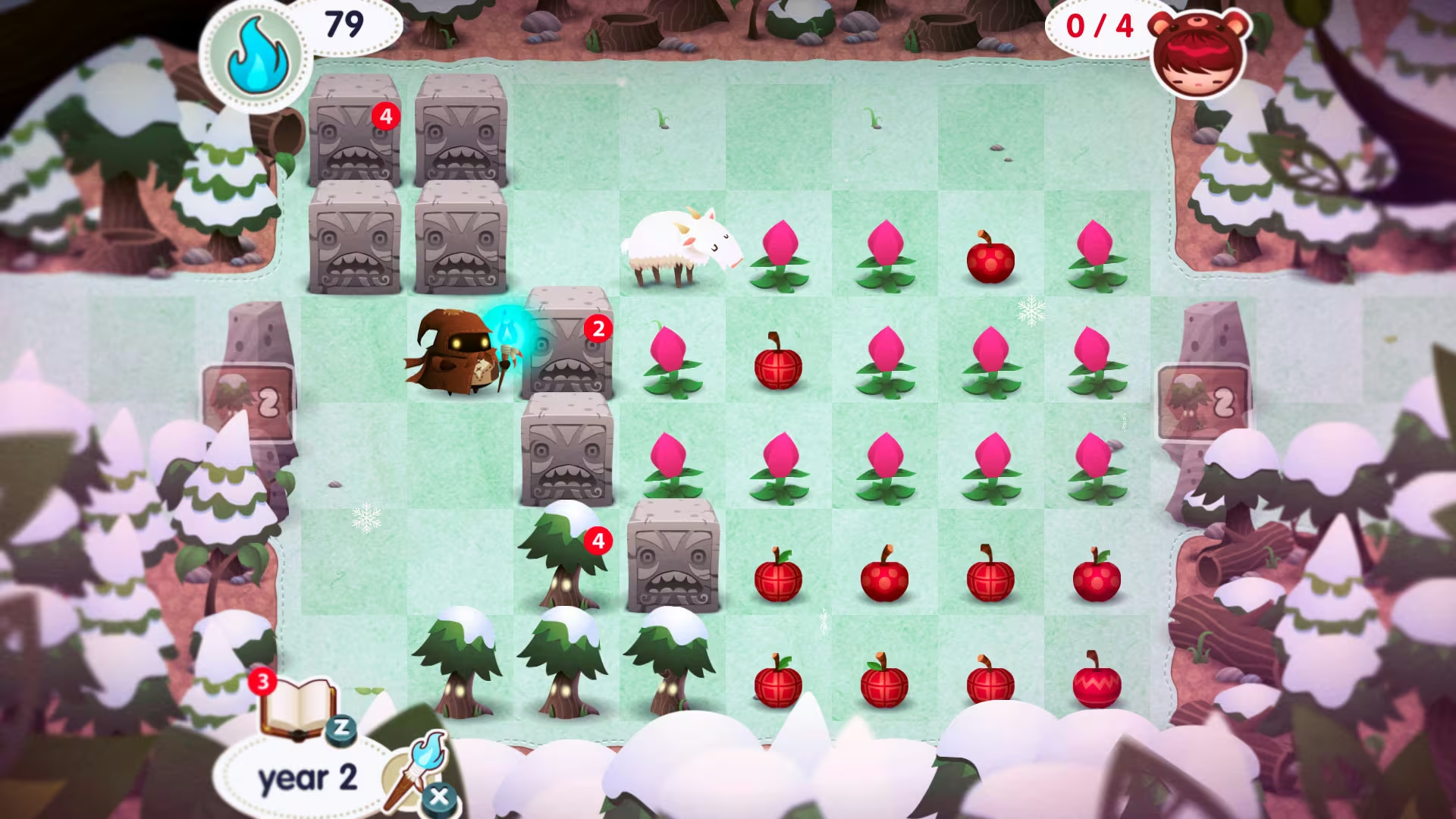
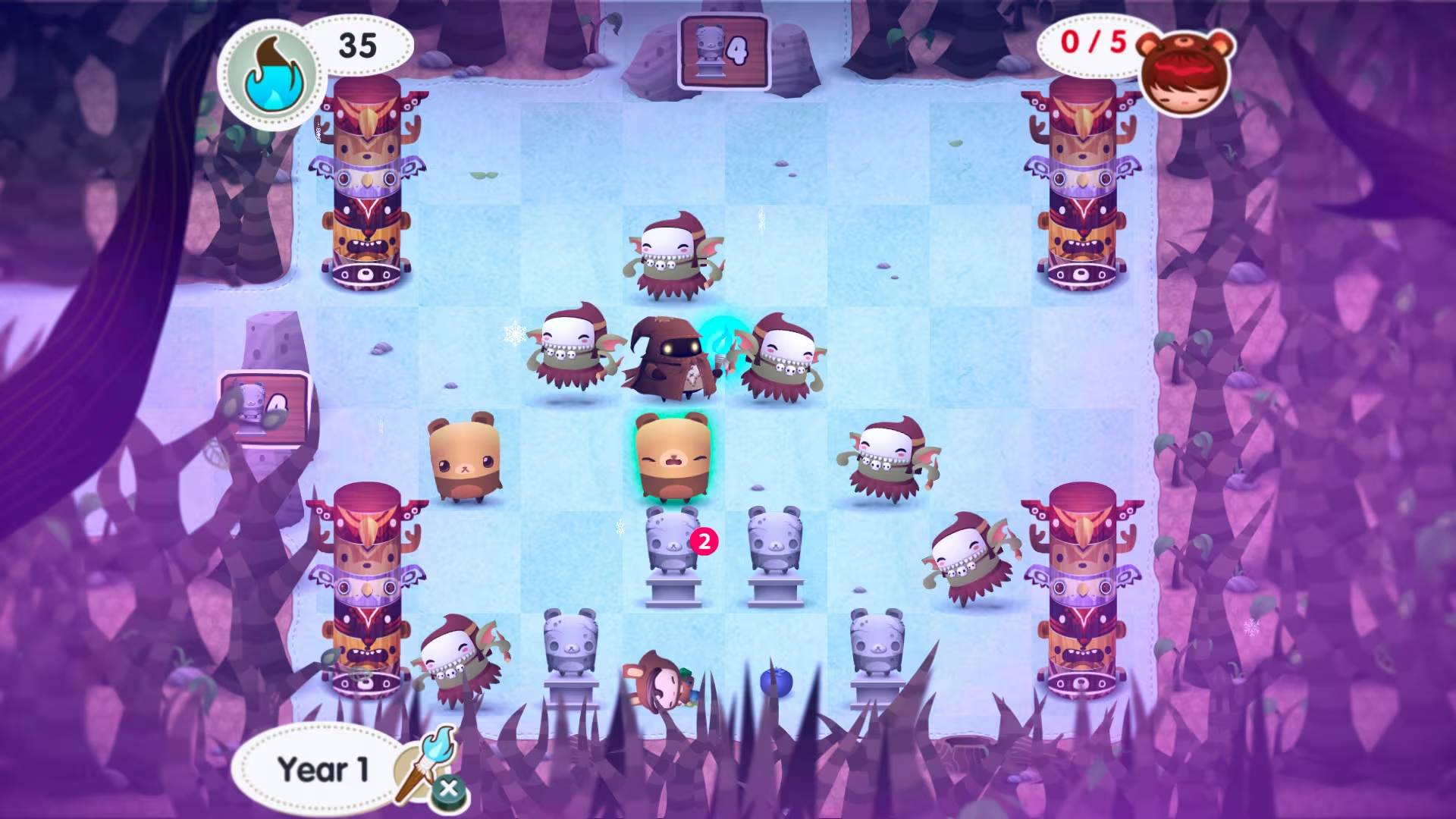
Road Not Taken is a roguelike puzzle game about surviving life’s surprises. You play as a ranger adventuring through a vast, unforgiving forest in the aftermath of a brutal winter storm, rescuing children who have lost their way.

Global score

80/100

Genres

Indie, Adventure, Puzzle

Similar games

    Pros

    • Unique blend of puzzle and roguelike mechanics
    • Beautiful art and atmospheric music
    • Deep narrative and emotional themes
    • High replayability with procedural generation
    • Meaningful character relationships and customization

    Cons

    • Steep difficulty curve can frustrate some players
    • Randomness sometimes leads to unsolvable puzzles
    • Limited multiplayer or cooperative features
    • Some repetition in level elements over time
    • Lack of undo feature can be punishing

    Analysis

    Less representative of its motivational profile, with noticeable differences. Motivations that often define this kind of title include Cooperation, Fellowship, Intimacy, Leadership. It leans lower than usual among comparable games on Cooperation, Violence, Leadership.

    How to use the graph
    Similar games map

    Each dot is a game. They are arranged from the same motivation profile as in the “Motivations” section below. Closer dots usually mean more similar reasons to play (exploration, competition, relaxation, etc.)—not that one game is “better” than another.

    • Larger dot with a light outline: the game you are viewing.
    • Colour: groups of games with comparable motivation patterns (statistical clusters).
    • Hover a dot to see the game name; click to open its page.
    • Scroll or double-click the chart to zoom out and see more games.

    Why don’t the axes read like a score? This view uses t-SNE: it only keeps who is close to whom. The scales are not “good to bad” or hours played—they separate groups on the map. Read distance between dots, not the axis numbers.

    Motivations

    • Autonomy
      4

      "Players have freedom to choose strategies, relationships, and how to approach puzzles; multiple solutions exist for levels."

    • Competence
      4

      "Challenging puzzles requiring skillful planning and mastery of mechanics; difficulty ramps up significantly."

    • Competition
      -3

      "Focus is on personal progress and puzzle solving rather than direct competition; leaderboards exist but not central."

    • Continuation
      3

      "High replay value with procedural generation and multiple playthroughs encouraged; some find it addictive."

    • Cooperation
      -4

      "Primarily a single-player experience; interaction with NPCs is indirect and not cooperative gameplay."

    • Creativity
      4

      "Strong emphasis on experimenting with item combinations and crafting; many possible interactions."

    • Domination
      -5

      "No evidence of exerting control or superiority over others; interactions are equal and narrative-driven."

    • Escapism
      4

      "Players use the game to immerse in a poetic, atmospheric world distinct from real life; emotional engagement noted."

    • Expectation
      -4

      "Players engage voluntarily out of interest and intrinsic motivation; no pressure or obligation reported."

    • Experimenting
      5

      "Encouraged to try new item combinations and strategies; discovery is a core gameplay element."

    • Exploration
      3

      "Procedurally generated levels and secrets encourage discovery; some repetition but mostly new layouts."

    • Expression
      3

      "Character appearance and gender can be customized through choices; relationships add personalization."

    • Fantasy
      3

      "Game features imaginative elements like spirits, magic, and folklore creatures in a stylized setting."

    • Fellowship
      2

      "Some social interaction with NPCs and relationship building, but mostly solitary gameplay."

    • Growth
      4

      "Players learn new recipes, strategies, and improve skills over multiple playthroughs."

    • Health
      -4

      "Sedentary gameplay with no physical activity; some players note long sessions but no exercise."

    • Idle
      -3

      "Requires focused attention and planning; not suited for casual or background play."

    • Intimacy
      3

      "Players can form meaningful relationships with NPCs including romance; emotional investment noted."

    • Leadership
      -4

      "No leadership roles; player acts individually without managing or directing others."

    • Progression
      4

      "Progression through unlocking items, recipes, and relationships; some permanent upgrades between runs."

    • Relaxation
      1

      "Atmospheric and calming art and music, but gameplay can be tense and challenging."

    • Sensation
      2

      "Enjoyable art style and music provide sensory pleasure; some emotional highs and lows."

    • Status
      -3

      "Limited social recognition; achievements and leaderboards exist but social status is not a focus."

    • Story
      4

      "Narrative and character dialogue enrich the experience; story themes are mature and poetic."

    • Strategy
      5

      "Strong emphasis on planning, problem solving, and adapting to random elements."

    • Thrill
      2

      "Some suspense from permadeath and difficult puzzles; tension balanced with rewarding gameplay."

    • Value
      3

      "Players perceive good value from depth, replayability, and emotional engagement."

    • Violence
      -4

      "No focus on combat or destruction; gameplay centers on rescue and puzzle solving."

    • Survival
      4

      "Energy management and avoiding failure are core mechanics; survival is a key theme."

    Last update: 29/04/2026