Dōkyūsei: Bangin' Summer similar games & best alternatives
Should you play it?
Dōkyūsei is a seminal classic of the dating sim genre that first blew Japan's mind in 1992. This updated remake adds HD art, optional modern features, and for the first time ever, a global release.
What works
- Faithful remake of a classic dating sim
- Strong character writing and emotional depth
- Two gameplay modes (classic and easy) for different player preferences
- High quality art and voice acting
- Good replayability with multiple routes and endings
Things to keep in mind
- Some players find classic mode tedious and confusing
- Presence of controversial and uncomfortable scenes
- Censored steam version requires external patch for full content
- Limited gameplay mechanics beyond exploration and dialogue
- Some story routes are short or feel shallow
What to play next
Similar games, hidden gems, and fresh directions from this game.
Top picks
Games that feel the closest overall
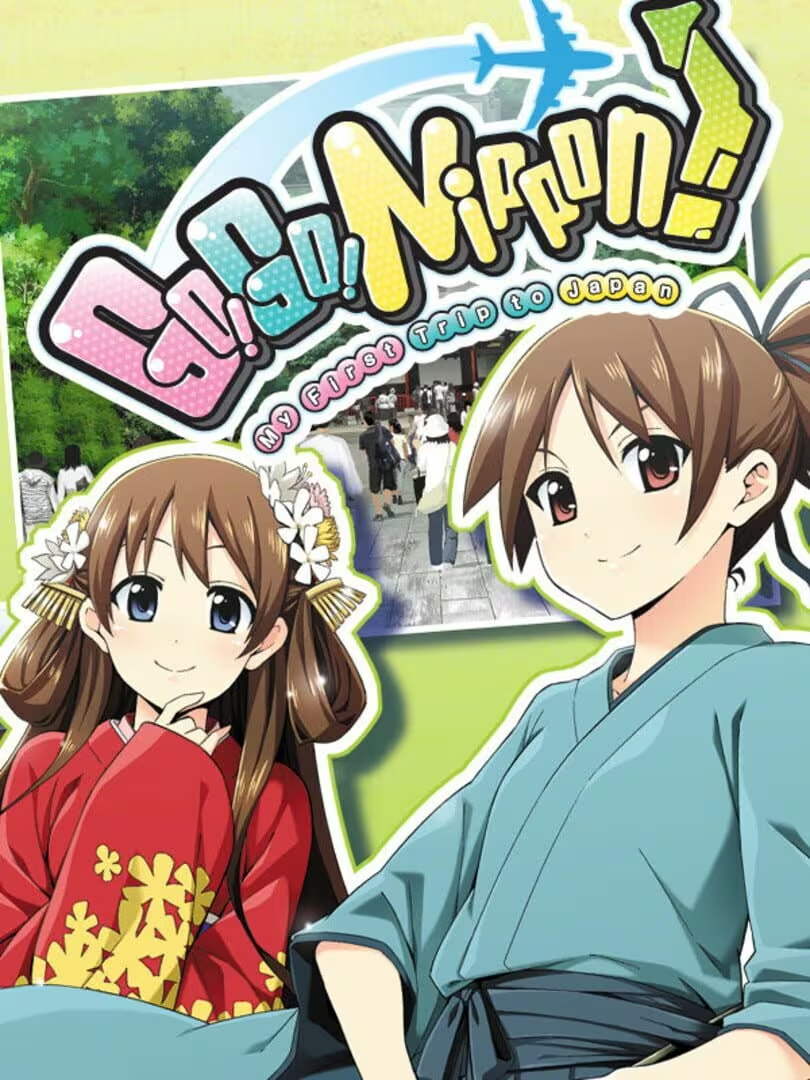
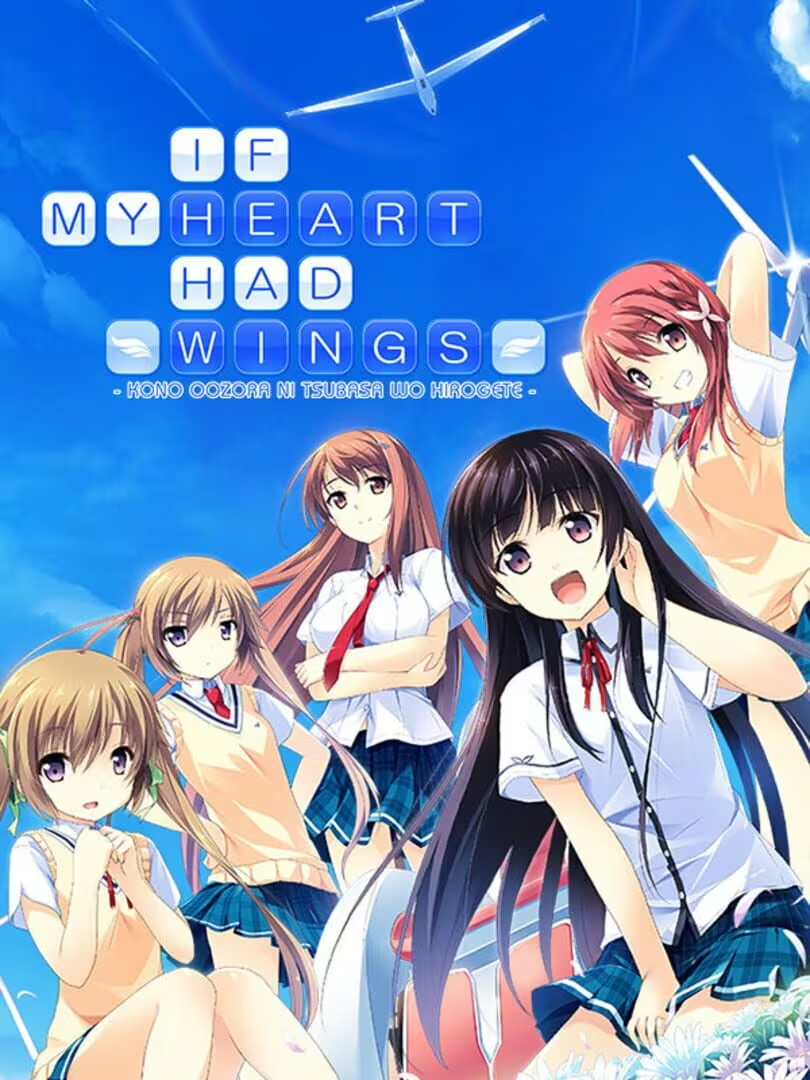
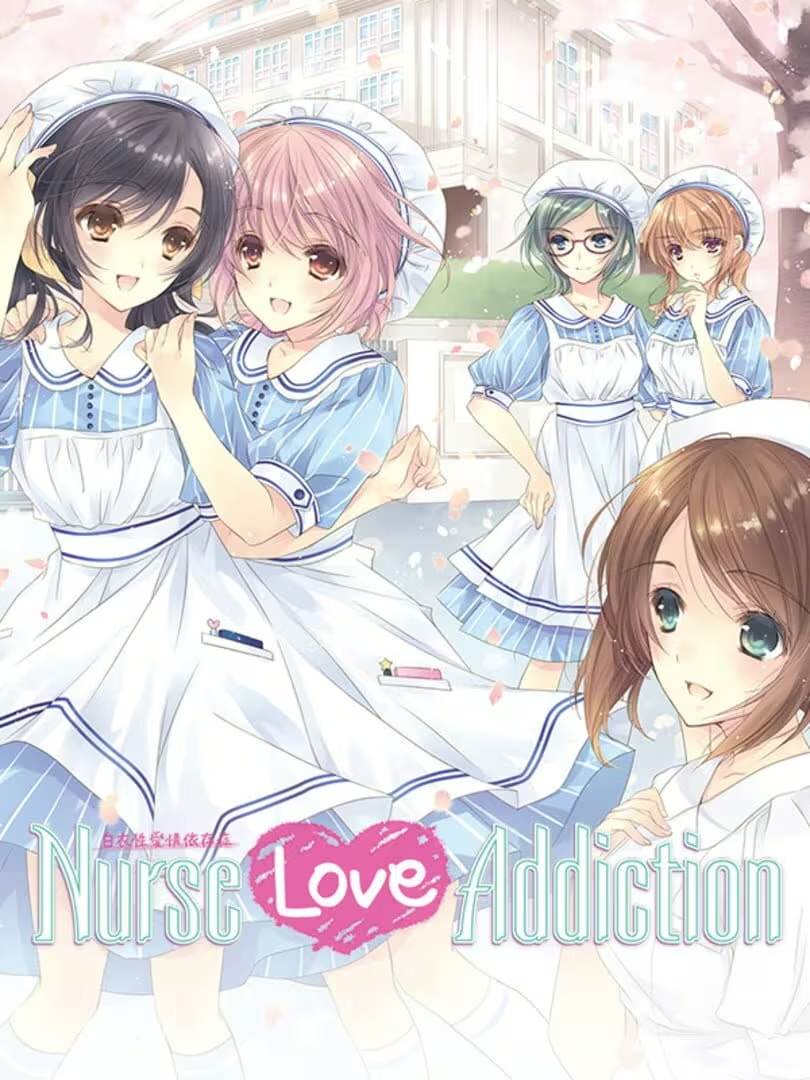




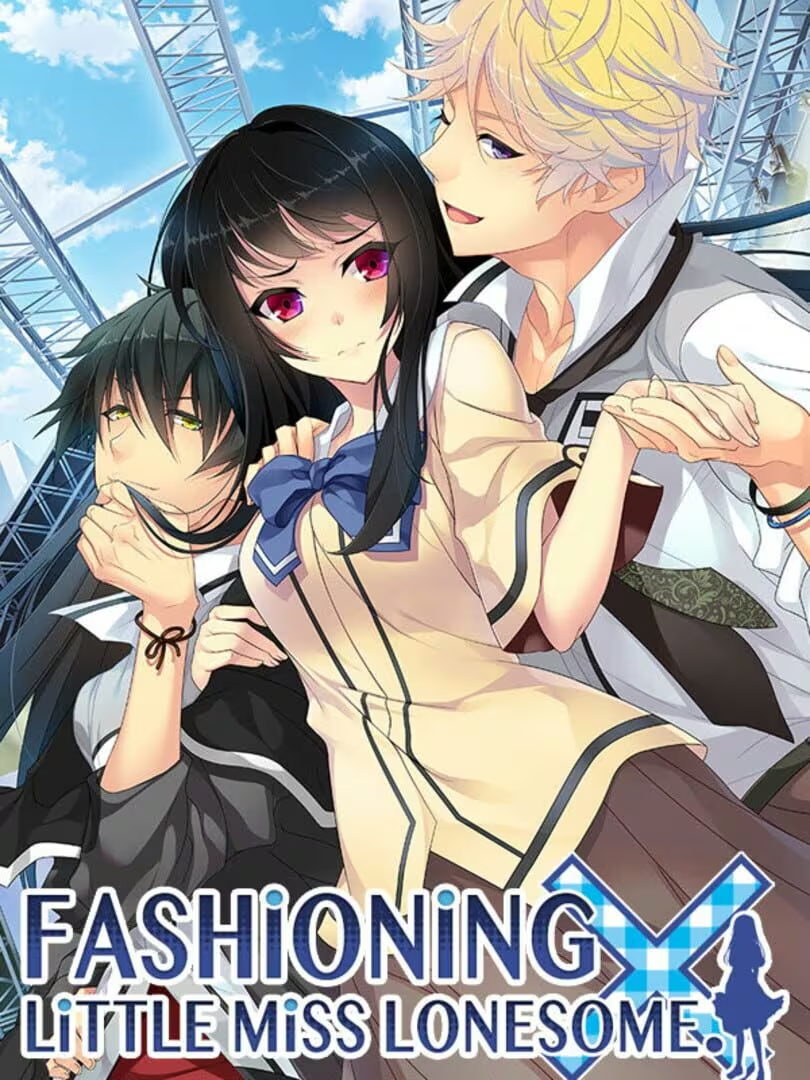
Hidden Gems
Less popular games with surprisingly high similarity

If you liked…
Recommendations by what you enjoyed most
Similarity map
Explore nearby similar games and see why they’re close.
Dōkyūsei: Bangin' Summer: Less representative of its motivational profile, with noticeable differences. Motivations that often define this kind of title include Violence, Fantasy, Story, Thrill. Here, the score leans higher than usual among comparable games on Intimacy, Story. It leans lower than usual among comparable games on Creativity.
Why this game works
A motivational profile of the game, with the closest similar game for each player motivation.
-
Autonomy
Game with the same Autonomy vibe
3"Players have freedom to explore the town, choose who to spend time with, and decide how to approach interactions, though some story progression is linear."
 Fall of Porcupine
"Players have freedom to roam the town and choose whom to interact with, especially in Classic mode, though some routes require specific timing and sequence."
-
Competence
Game with the same Competence vibe
2"The game involves reading and making timed decisions, requiring attention and some skill in choosing correct options, but lacks complex gameplay challenges."
 Memory's Dogma CODE:01
"The game involves managing time and events with some challenge, especially in Classic mode, requiring planning and attention to detail."
-
Competition
Game with the same Competition vibe
-4"Focus is on personal progress and story, with no competitive or ranked elements."
 Thomas Was Alone
"Focus is on personal progress and story routes without competitive or ranked elements."
-
Continuation
Game with the same Continuation vibe
3"Players often replay multiple times to explore different endings and improve outcomes, showing habitual engagement."
 LoveChoice
"Players are motivated to replay multiple times to unlock all routes and endings, showing habitual engagement."
-
Cooperation
Game with the same Cooperation vibe
-5"Single-player experience with no cooperative gameplay or multiplayer interaction."
 From The Darkness
"Single player experience focused on individual interactions without cooperative gameplay."
-
Creativity
Game with the same Creativity vibe
-3"Players follow predefined upgrade paths and storylines with minimal customization or creative input."
 Trailer Park Boys: Greasy Money
"Players follow predefined storylines and event flags with limited creative modification or building."
-
Domination
Game with the same Domination vibe
-5"No evidence of exerting control or superiority over others; interactions are equal and narrative-driven."
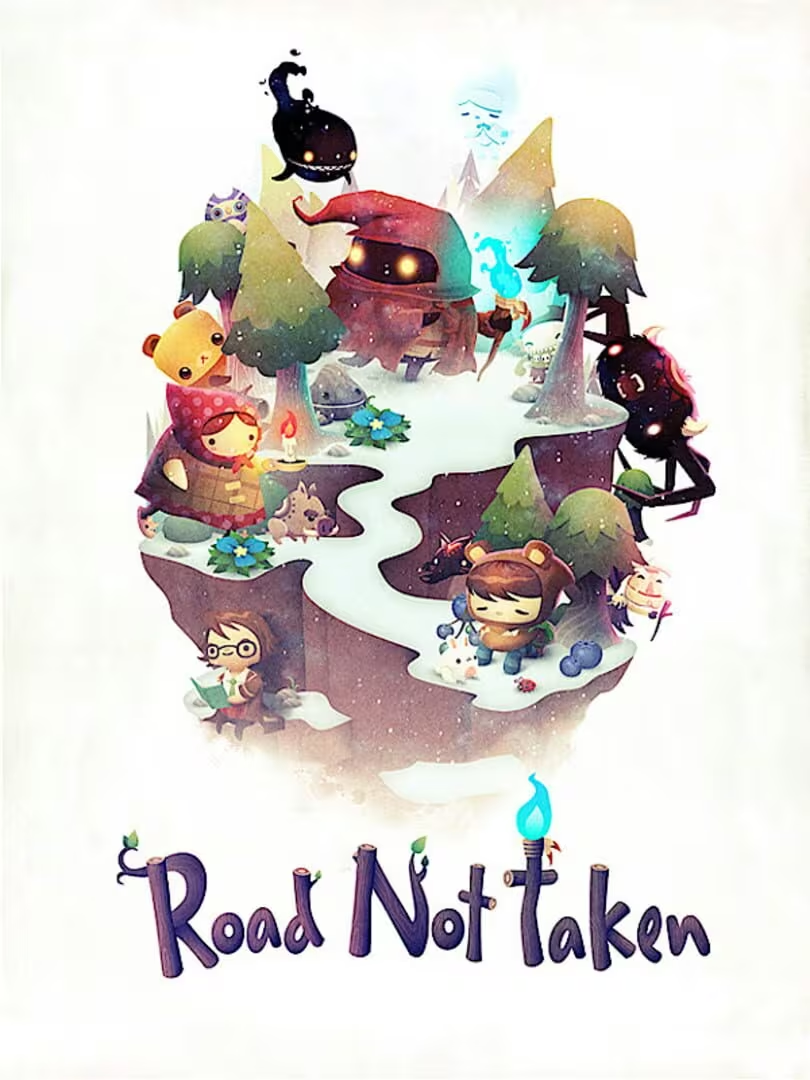 Road Not Taken
"No evidence of exerting control or superiority over others; interactions are equal and narrative-driven."
-
Escapism
Game with the same Escapism vibe
4"Players use the game to escape real life through immersive, romantic, and heartwarming storytelling."
 Kaori After Story
"Players use the game to escape real life through immersion in romantic and nostalgic scenarios."
-
Expectation
Game with the same Expectation vibe
-4"Players engage voluntarily out of personal interest and intrinsic motivation to explore the story."
 Love, Money, Rock'n'Roll
"Players engage voluntarily out of personal interest and intrinsic motivation to explore stories."
-
Experimenting
Game with the same Experimenting vibe
3"Players try different routes and endings, exploring various story outcomes and character interactions."
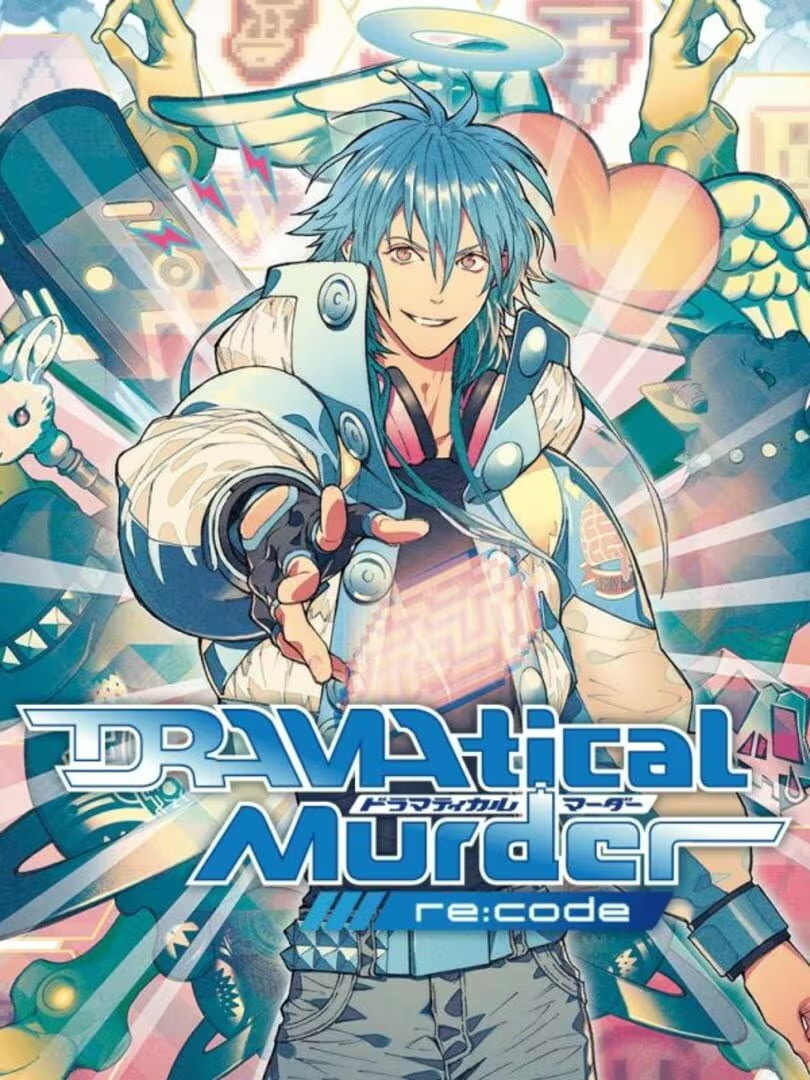 DRAMAtical Murder
"Players experiment with different routes and choices to discover all endings and character interactions."
-
Exploration
Game with the same Exploration vibe
4"Exploration of new areas, uncovering map, and discovering resources are core gameplay elements."
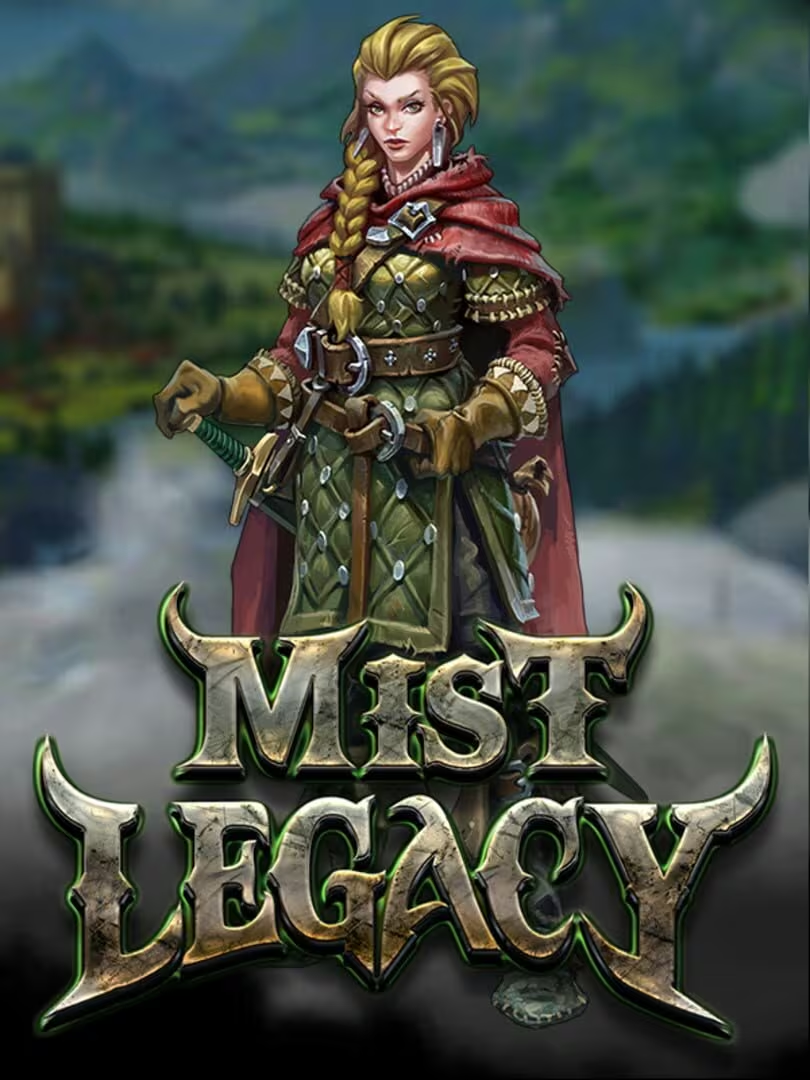 Mist Legacy
"Exploring the town and discovering event locations and timings is a core gameplay element."
-
Expression
Game with the same Expression vibe
-4"Limited customization; players experience a fixed narrative and character presentation."
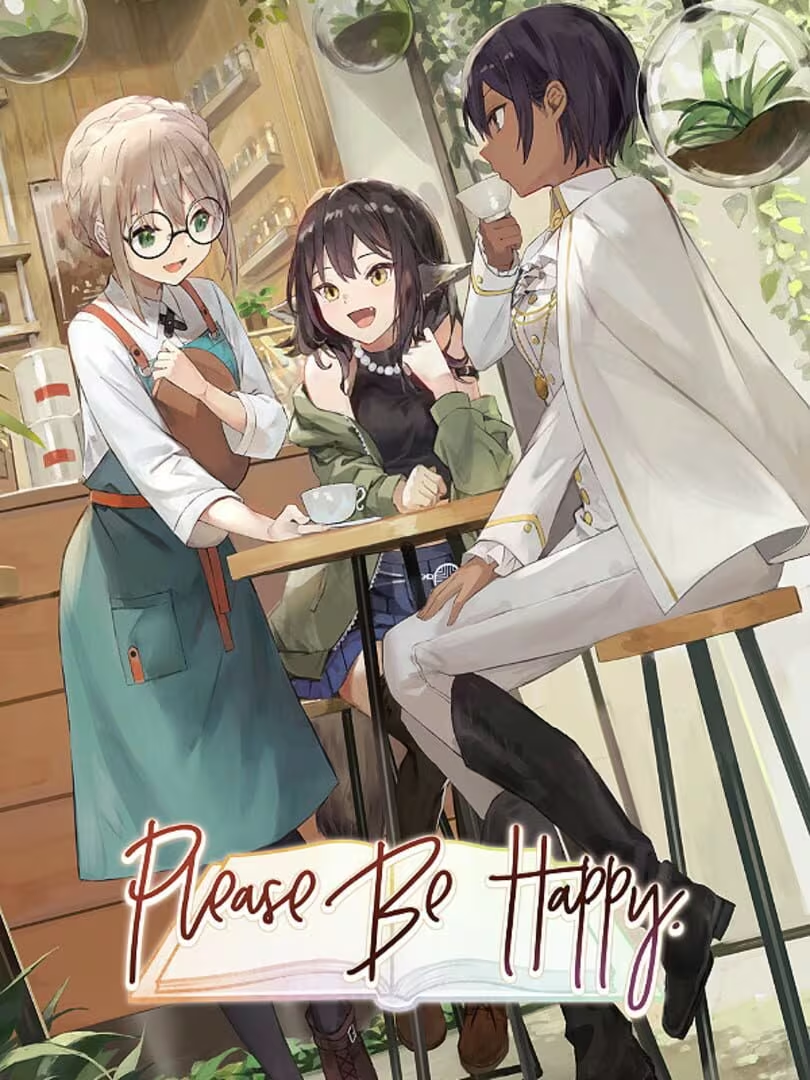 Please Be Happy
"Limited customization; players experience fixed character designs and story presentations."
-
Fantasy
Game with the same Fantasy vibe
-3"Game focuses on historical realism and plausible scenarios set in feudal Japan."
 SHOGUN: Total War™ - Collection
"Set in a realistic 1990s Japanese town with plausible scenarios and grounded characters."
-
Fellowship
Game with the same Fellowship vibe
-4"Primarily a solo experience with minimal social interaction beyond character relationships."
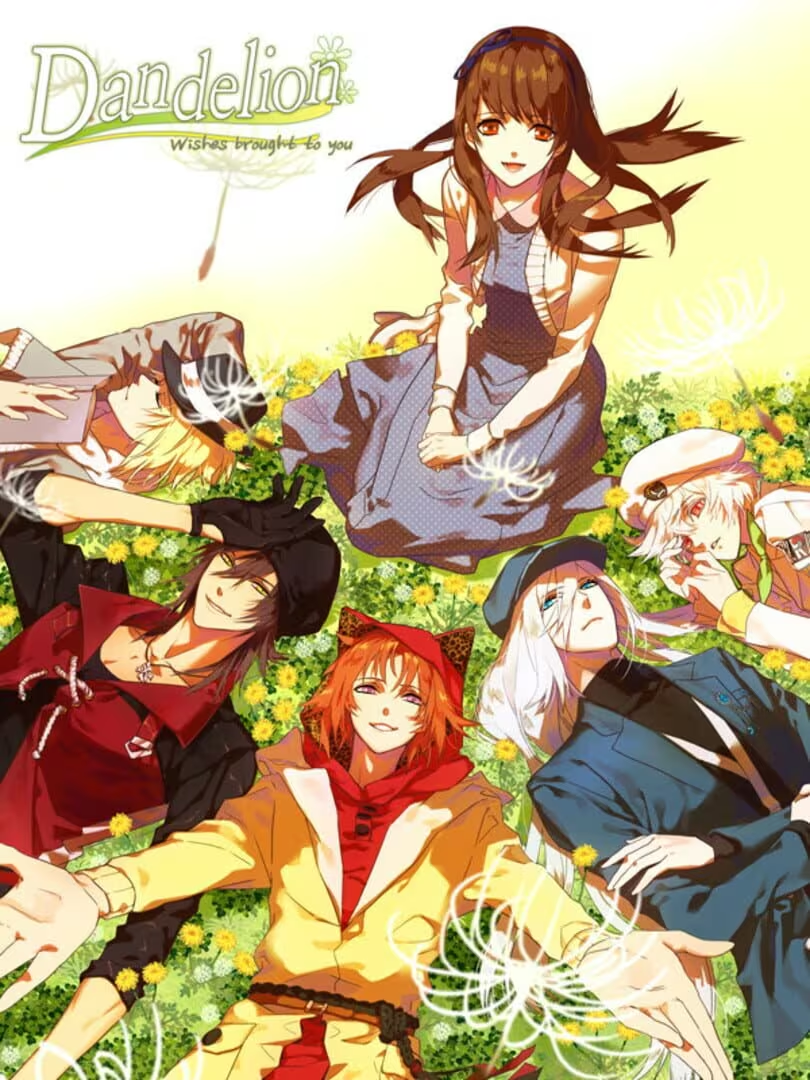 Dandelion - Wishes brought to you -
"Primarily a solo experience with minimal social connection beyond character interactions."
-
Growth
Game with the same Growth vibe
3"Players learn game mechanics, character lore, and improve strategic choices over repeated play."
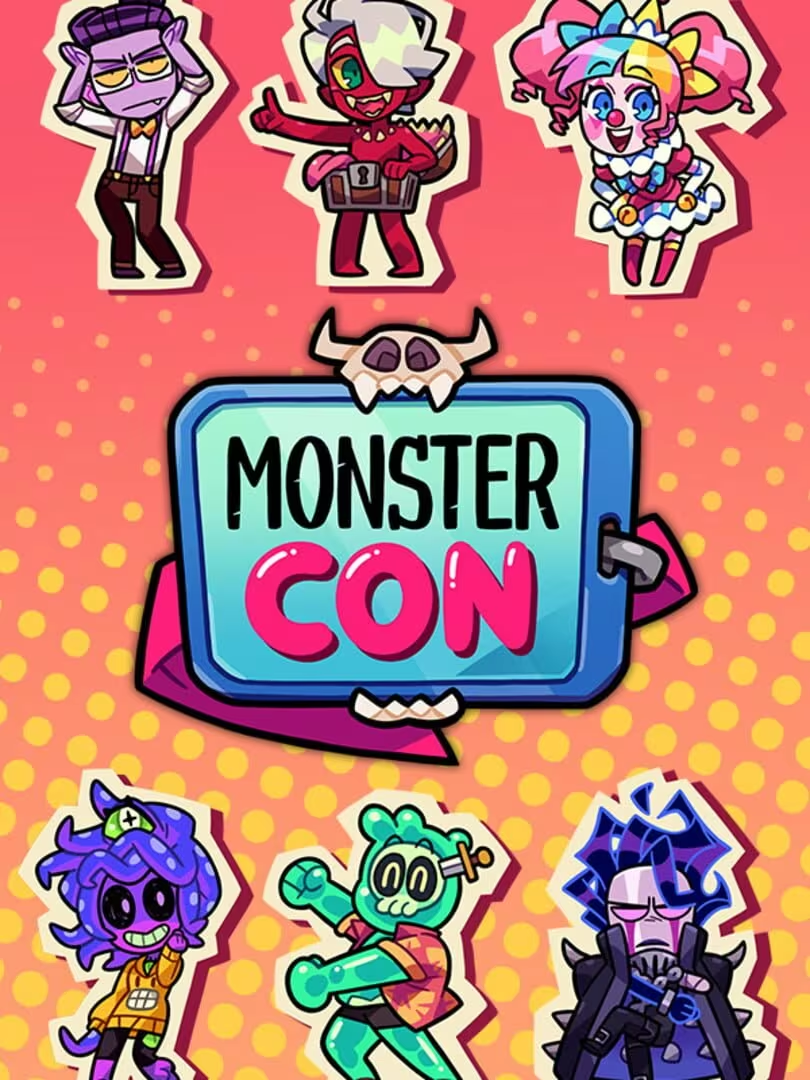 Monster Prom 4: Monster Con
"Players learn character schedules, storylines, and improve planning skills through repeated play."
-
Health
Game with the same Health vibe
-5"Sedentary gameplay with no physical activity involved."
 World of Tanks Blitz
"Sedentary gameplay with no physical activity involved."
-
Idle
Game with the same Idle vibe
2"Some waiting and time passing between events, but players must maintain attention during timed tasks."
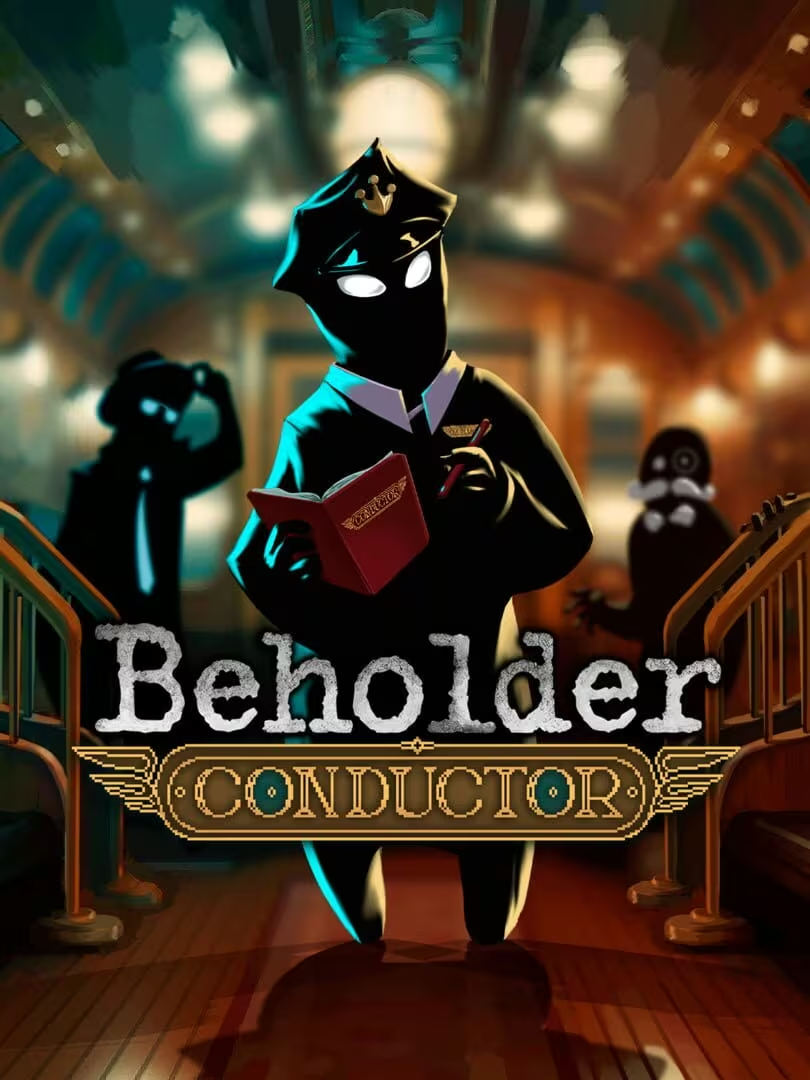 Beholder: Conductor
"Some periods of wandering and waiting for events, but requires attention to timing and choices."
-
Intimacy
Game with the same Intimacy vibe
3"Focus on developing close relationships with multiple characters through dialogue and events."
 Sunrider Academy
"Focus on forming close relationships with characters through dialogue and story progression."
-
Leadership
Game with the same Leadership vibe
-5"No leadership or group management elements present."
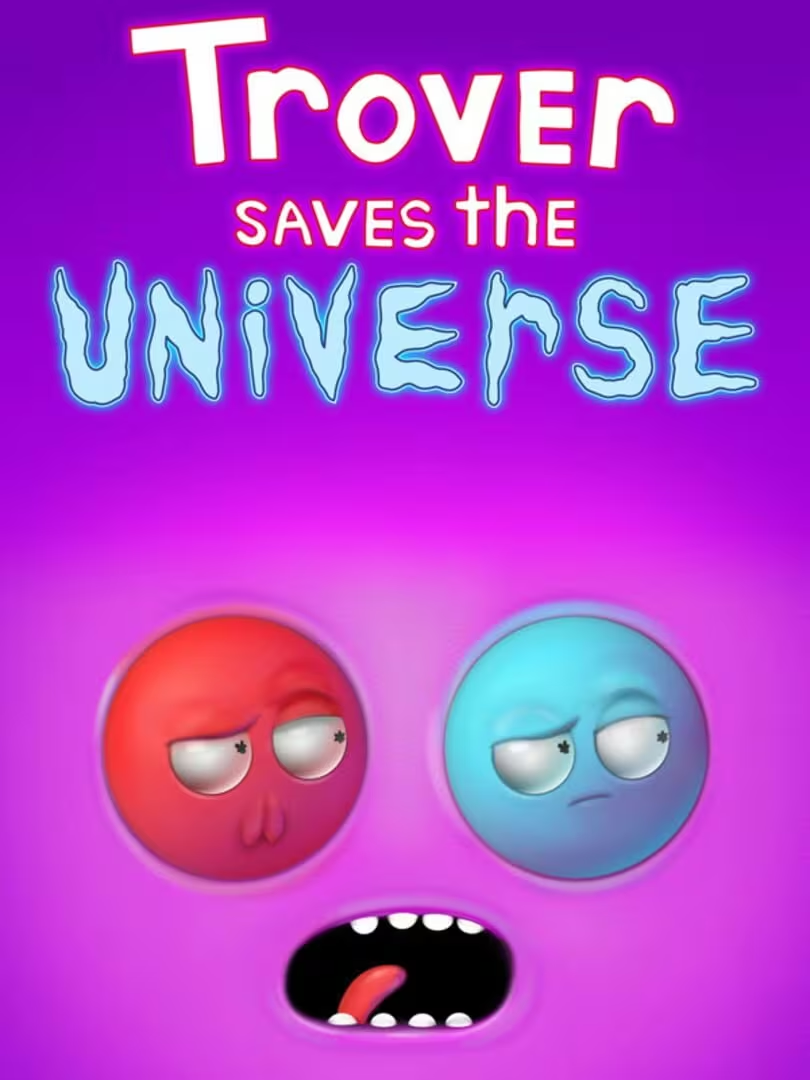 Trover Saves the Universe
"No leadership or group management elements present."
-
Progression
Game with the same Progression vibe
3"Progression through unlocking character stories, endings, and collectibles."
 Purrgatory
"Progression through unlocking story flags, events, and endings for multiple characters."
-
Relaxation
Game with the same Relaxation vibe
3"Generally lighthearted and humorous tone provides a relaxing experience despite some emotional moments."
 Say No! More
"Generally lighthearted and comedic tone with moments of emotional depth, providing a relaxing experience."
-
Sensation
Game with the same Sensation vibe
2"Enjoyable art, music, and voice acting provide sensory stimulation, though not intense."
 Hakuoki: Kyoto Winds
"Enjoyable art, music, and voice acting provide sensory stimulation, though not intense or thrilling."
-
Status
Game with the same Status vibe
-4"No social recognition or ranking systems; focus is on personal story experience."
 The Infectious Madness of Doctor Dekker
"No social recognition or ranking systems; focus is on personal story experience."
-
Story
Game with the same Story vibe
4"Strong narrative immersion with multiple character routes and emotional storylines."
Sunrider Academy
"Strong narrative immersion with multiple character arcs and emotional storytelling."
-
Strategy
Game with the same Strategy vibe
3"Requires logical thinking and planning to manipulate timeline events for optimal outcomes."
 Eternal Threads
"Requires planning and decision-making to manage time and event flags effectively."
-
Thrill
Game with the same Thrill vibe
-2"Minimal suspense or risk; gameplay is low tension and predictable."
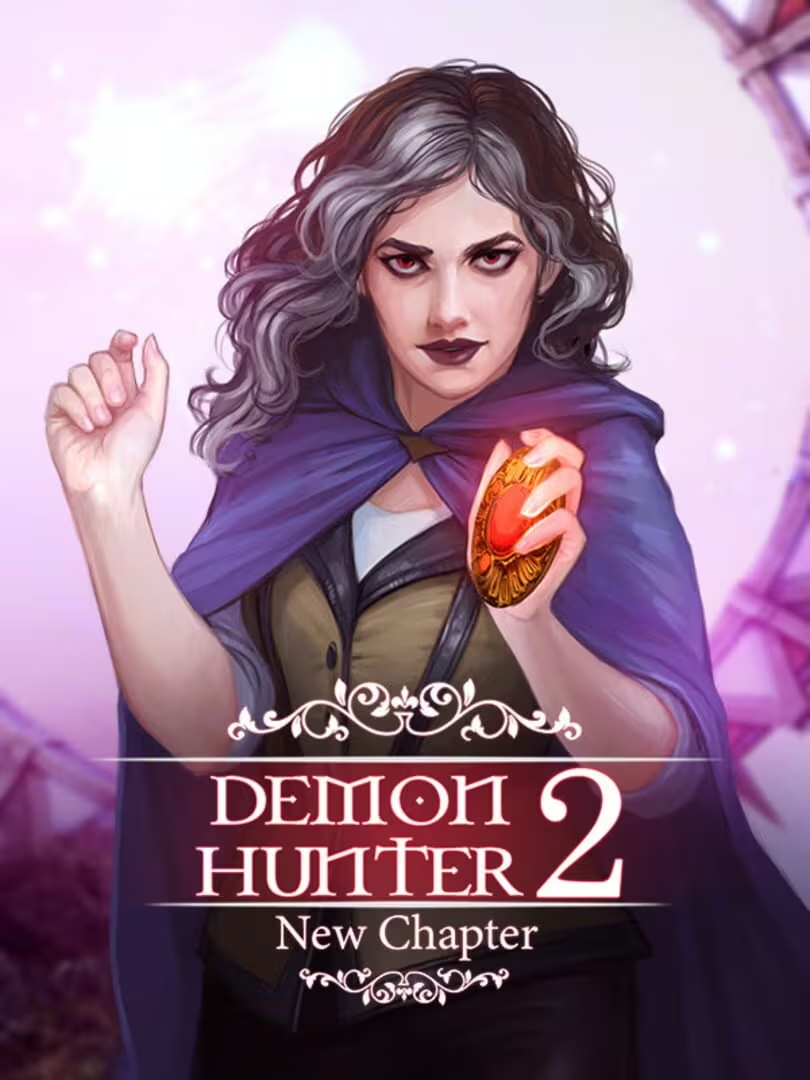 Demon Hunter 2: New Chapter
"Low suspense; gameplay is predictable with minimal risk or tension."
-
Value
Game with the same Value vibe
4"Good perceived value due to replayability, content, and quality of remake."
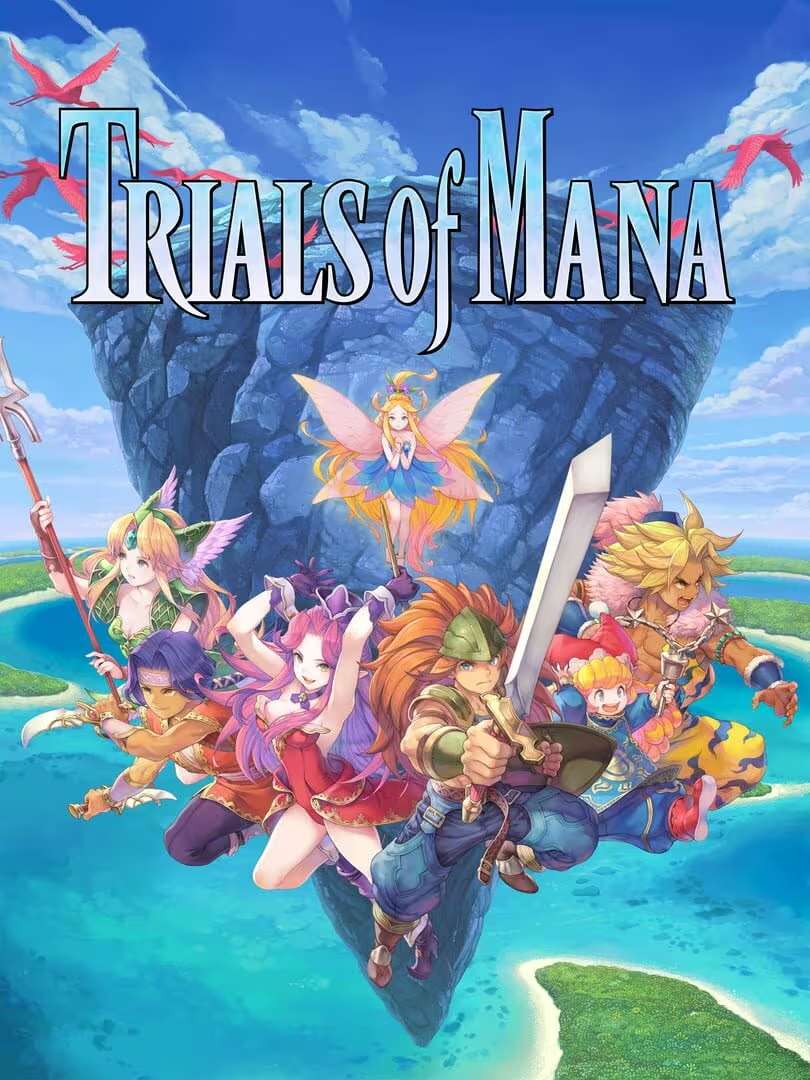 Trials of Mana
"Players perceive good value from story depth, replayability, and quality of the remake."
-
Violence
Game with the same Violence vibe
-5"No combat or destructive gameplay; focus on constructive social interaction and romance."
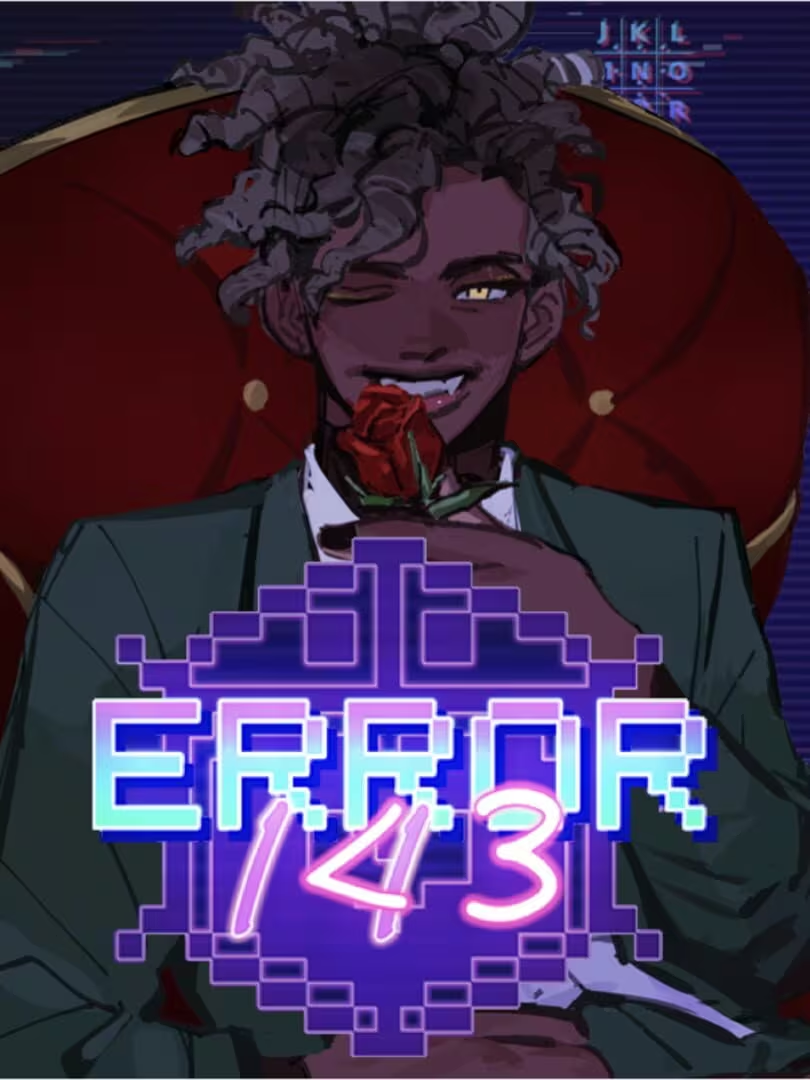 ERROR143
"No combat or destructive gameplay; focus on social and romantic interactions."
-
Survival
Game with the same Survival vibe
-5"No survival or threat avoidance mechanics present."
 Super Seducer : How to Talk to Girls
"No survival or threat avoidance mechanics present."
Last update: 01/06/2026