Rogue Glitch Ultra Thumbnail

Rogue Glitch Ultra similar games & best alternatives
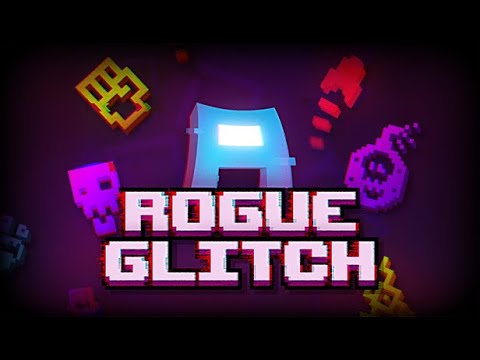
Rogue Glitch Ultra

PC (Microsoft Windows), Nintendo Switch • 2021

Related articles

Quick resume

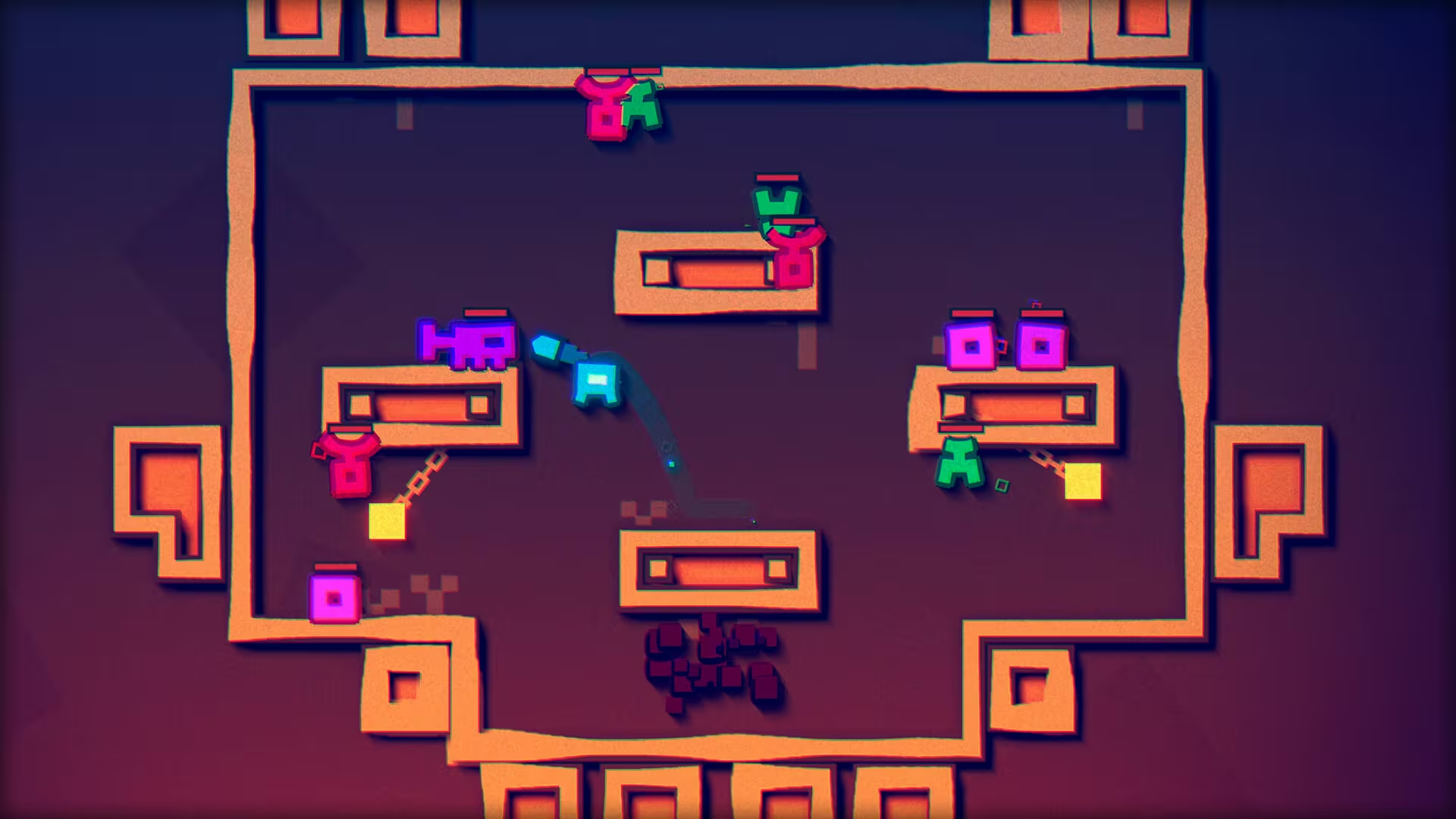
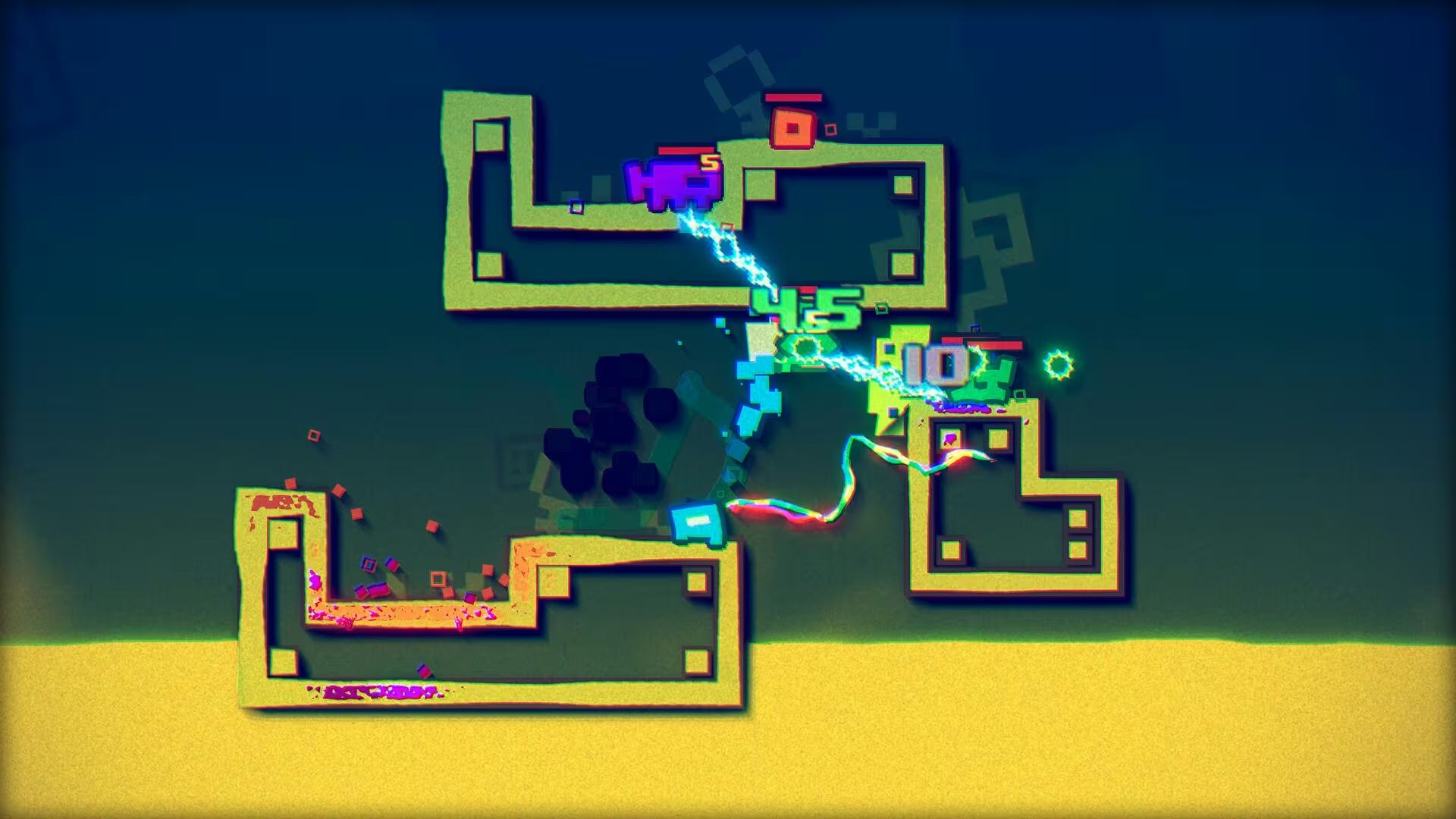
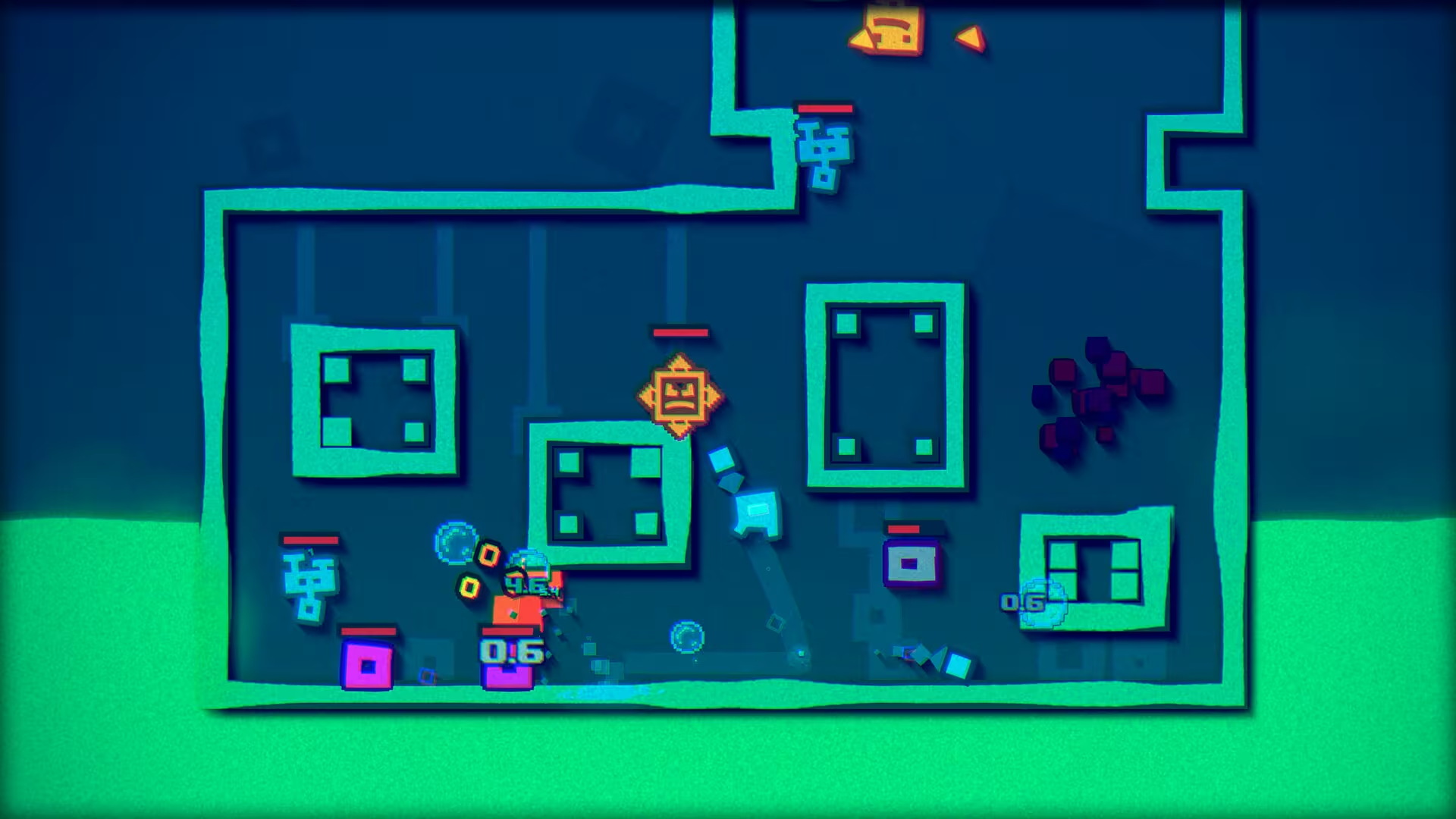
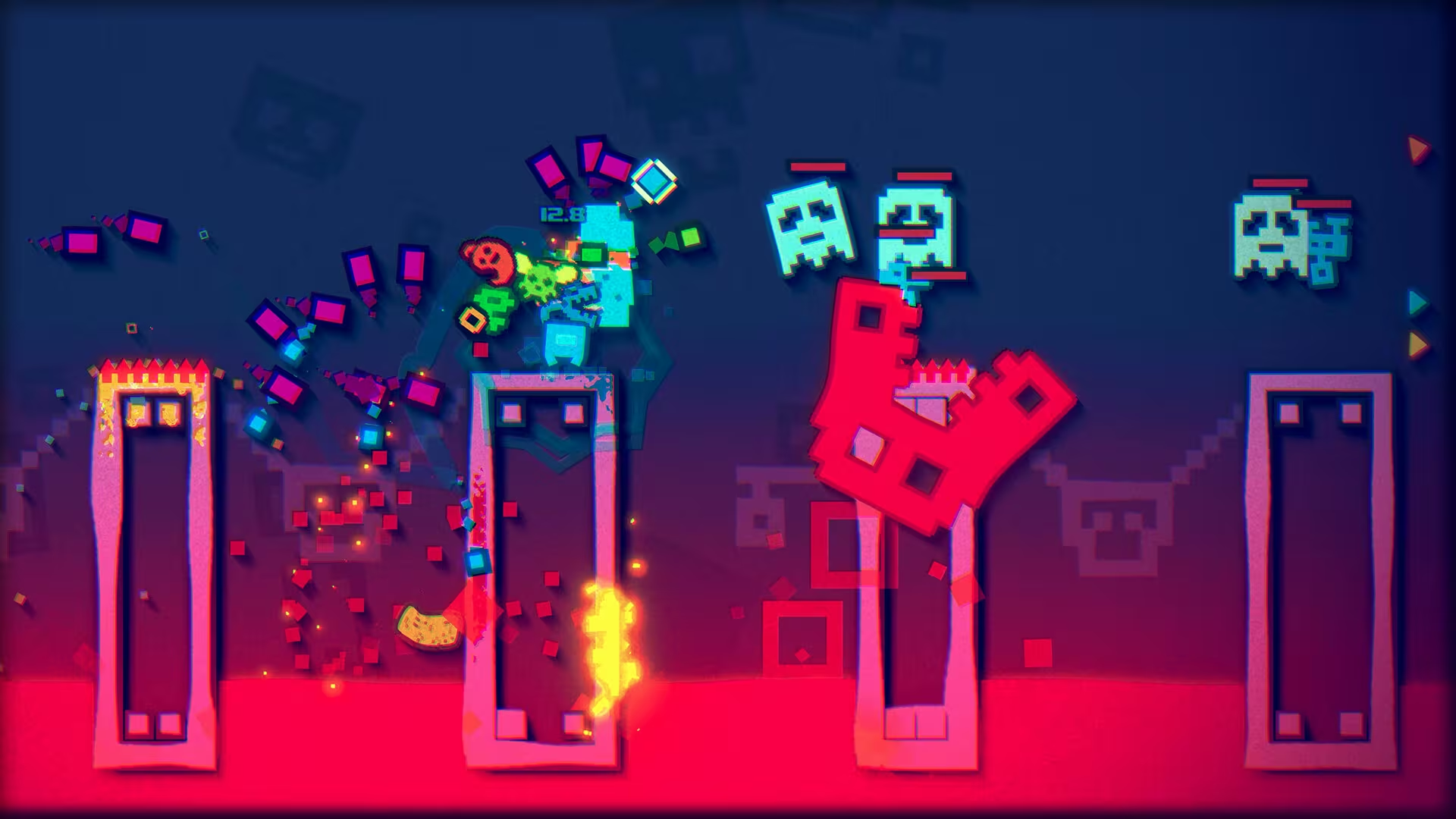
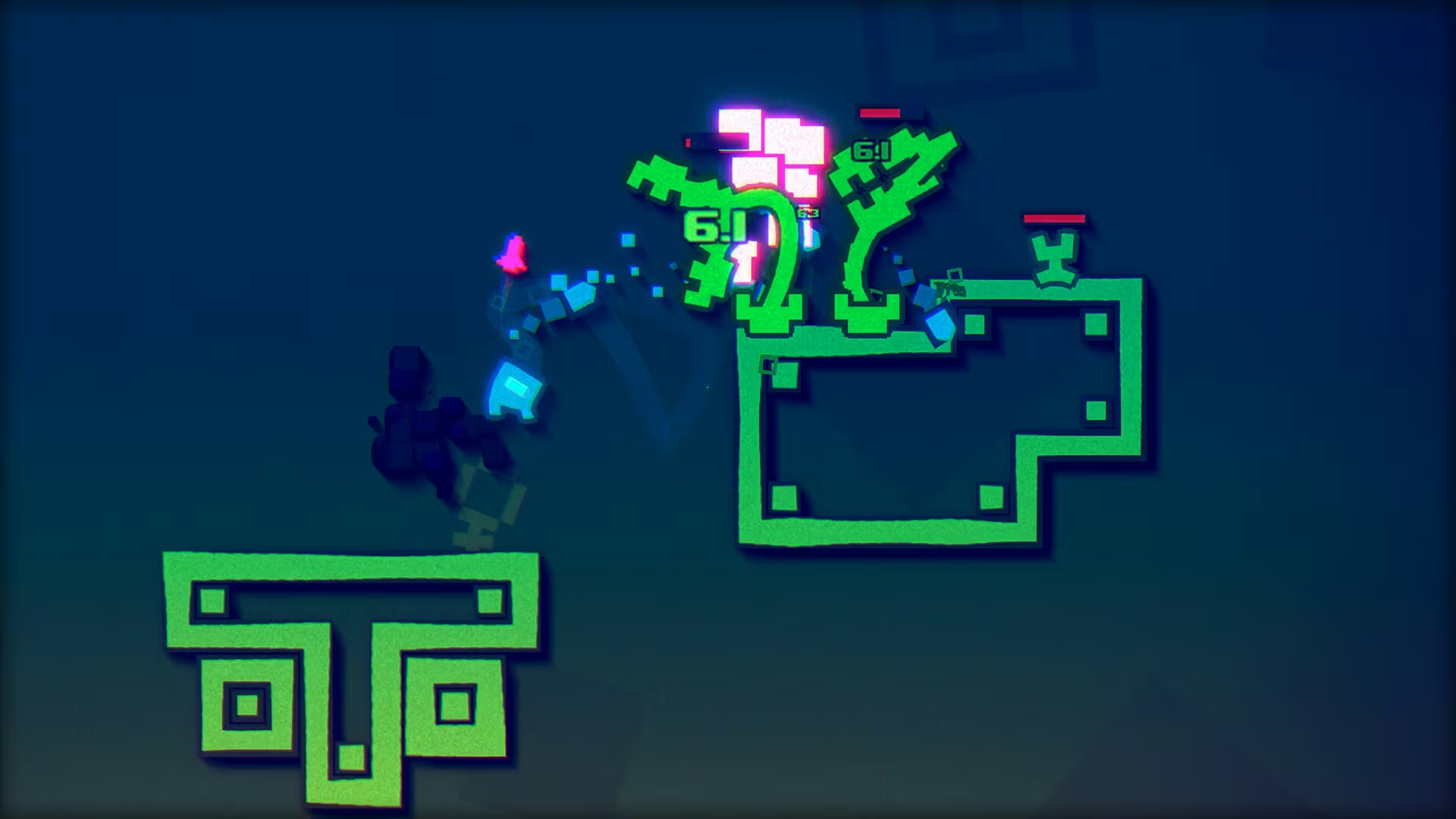
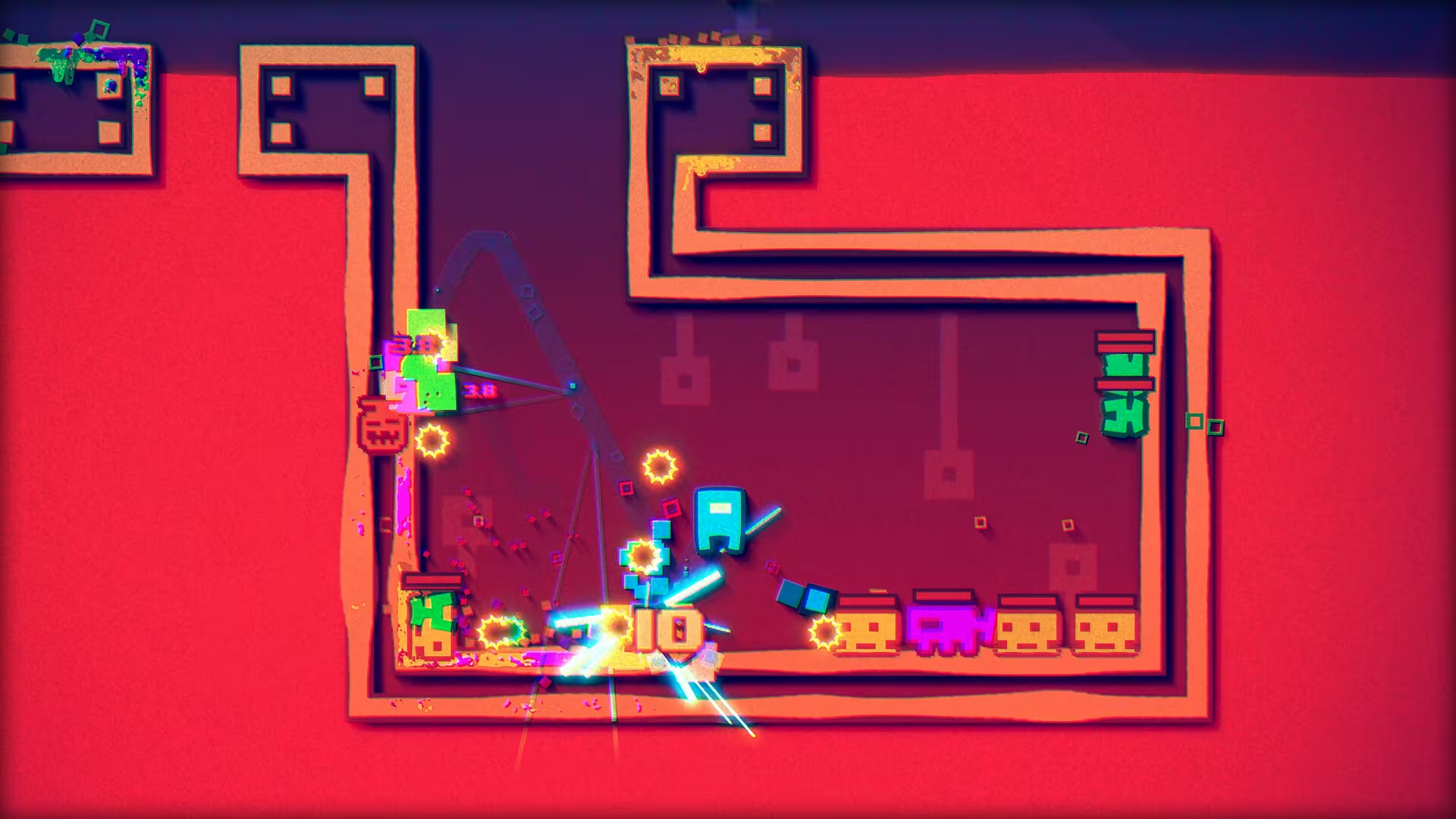
A roguelite action platformer in a vibrant glitch-ridden world. Amass a huge arsenal from over 150 weapon options and face hordes of enemies and tough boss fights. Jump into multiplayer (up to 4 player co-op online or local) to collect, unlock, and upgrade for endless replayability.

Global score

92/100

Genres

Action, Indie, Platform

Similar games

    Pros

    • Fun and tight platforming mechanics
    • High replayability with many unlocks
    • Excellent multiplayer co-op experience
    • Unique auto-shoot combat system
    • Vibrant neon art style and music

    Cons

    • Limited content and levels currently
    • Some visual effects can be overwhelming
    • Multiplayer requires paid dlc
    • Occasional imbalance in item rng
    • Small player community

    Analysis

    A very typical example of its motivational profile. Motivations that often define this kind of title include Cooperation, Fellowship, Intimacy, Leadership. It leans lower than usual among comparable games on Story, Leadership, Status.

    How to use the graph
    Similar games map

    Each dot is a game. They are arranged from the same motivation profile as in the “Motivations” section below. Closer dots usually mean more similar reasons to play (exploration, competition, relaxation, etc.)—not that one game is “better” than another.

    • Larger dot with a light outline: the game you are viewing.
    • Colour: groups of games with comparable motivation patterns (statistical clusters).
    • Hover a dot to see the game name; click to open its page.
    • Scroll or double-click the chart to zoom out and see more games.

    Why don’t the axes read like a score? This view uses t-SNE: it only keeps who is close to whom. The scales are not “good to bad” or hours played—they separate groups on the map. Read distance between dots, not the axis numbers.

    Motivations

    • Autonomy
      4

      "Players have freedom to choose characters, items, and synergies; runs are procedurally generated but player decisions shape playstyle and progression."

    • Competence
      4

      "Game requires skillful platforming, dodging, and strategic item use; players report a satisfying learning curve and skill mastery."

    • Competition
      -2

      "Focus is mostly on solo or cooperative play with friends; no strong evidence of ranked or leaderboard competition."

    • Continuation
      4

      "High replayability with many unlocks and items encourages long-term engagement and habitual play."

    • Cooperation
      4

      "Supports up to 4-player co-op with item sharing and synergy strategies; multiplayer praised as a highlight."

    • Creativity
      3

      "Players customize builds through item combinations and character choices; some procedural generation adds variety."

    • Domination
      -3

      "Multiplayer emphasizes shared item distribution and cooperation rather than dominance or power imposition."

    • Escapism
      4

      "Players use the game as a fun, engaging distraction with immersive neon visuals and music."

    • Expectation
      -4

      "Players engage voluntarily for fun and challenge; no indication of obligation or external pressure."

    • Experimenting
      4

      "Varied item synergies and character builds encourage experimentation with different strategies."

    • Exploration
      3

      "Procedurally generated levels and secret rooms promote discovery and curiosity-driven play."

    • Expression
      3

      "Character skins and unlockables allow some degree of self-expression and personalization."

    • Fantasy
      4

      "Game features imaginative neon-glitch aesthetic and fantastical rogue-lite mechanics, distinct from realistic scenarios."

    • Fellowship
      3

      "Community and multiplayer experiences foster social connection, though player base is small."

    • Growth
      4

      "Players develop platforming skills and knowledge of item synergies; progression through unlocks supports growth."

    • Health
      -4

      "Primarily sedentary gameplay with no physical activity elements."

    • Idle
      -3

      "Requires focused attention and active platforming; not suited for passive or background play."

    • Intimacy
      2

      "Multiplayer and cooperative play encourage social interaction and friendship building."

    • Leadership
      -2

      "Multiplayer roles are cooperative and shared; no strong leadership or authority dynamics reported."

    • Progression
      5

      "Strong emphasis on unlocking characters, items, and upgrades; progression is a core motivator."

    • Relaxation
      2

      "Game balances challenge with flow; some players find it relaxing, others note increasing difficulty and tension."

    • Sensation
      4

      "Vibrant neon visuals, glitch effects, and synth music provide strong sensory stimulation and excitement."

    • Status
      -3

      "No evidence of social status or recognition systems; focus is on personal and cooperative enjoyment."

    • Story
      -2

      "Minimal narrative focus; gameplay centers on procedural levels and challenges rather than story immersion."

    • Strategy
      4

      "Players plan item synergies, character builds, and cooperative tactics; strategic decision-making is important."

    • Thrill
      3

      "Increasing difficulty and boss encounters create suspense and excitement."

    • Value
      5

      "Highly praised for free singleplayer and affordable multiplayer; players feel they get strong return on investment."

    • Violence
      3

      "Combat involves shooting and stomping enemies; violence is stylized and part of gameplay challenge."

    • Survival
      3

      "Players must avoid damage and manage health to progress; survival elements are present but balanced."

    Last update: 29/04/2026