Sheltered Thumbnail

Sheltered similar games & best alternatives

Sheltered

PC (Microsoft Windows), Mac, iOS, PlayStation 4, Xbox One, Android, Nintendo Switch, Linux • 2016

Related articles

Quick resume

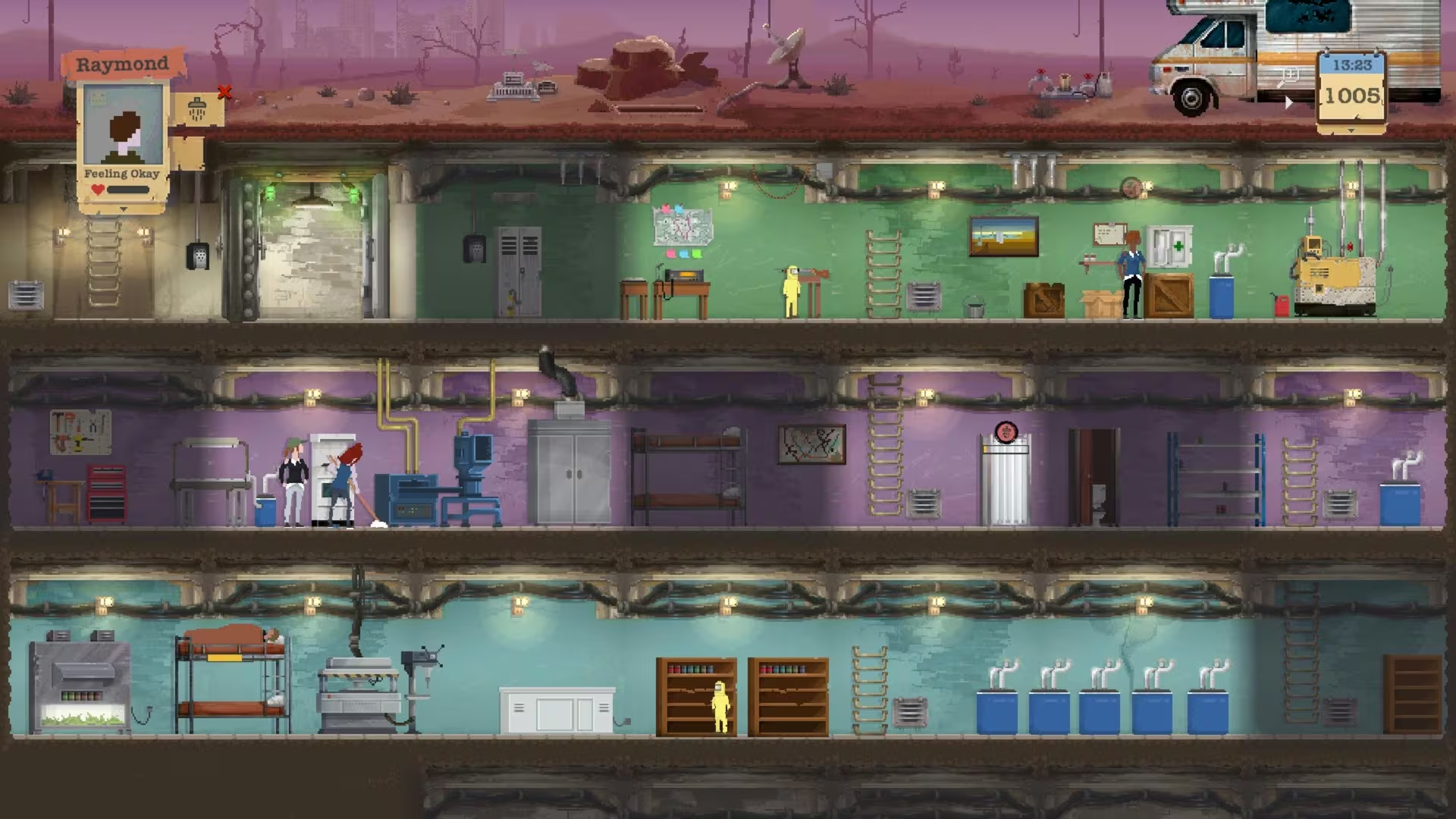
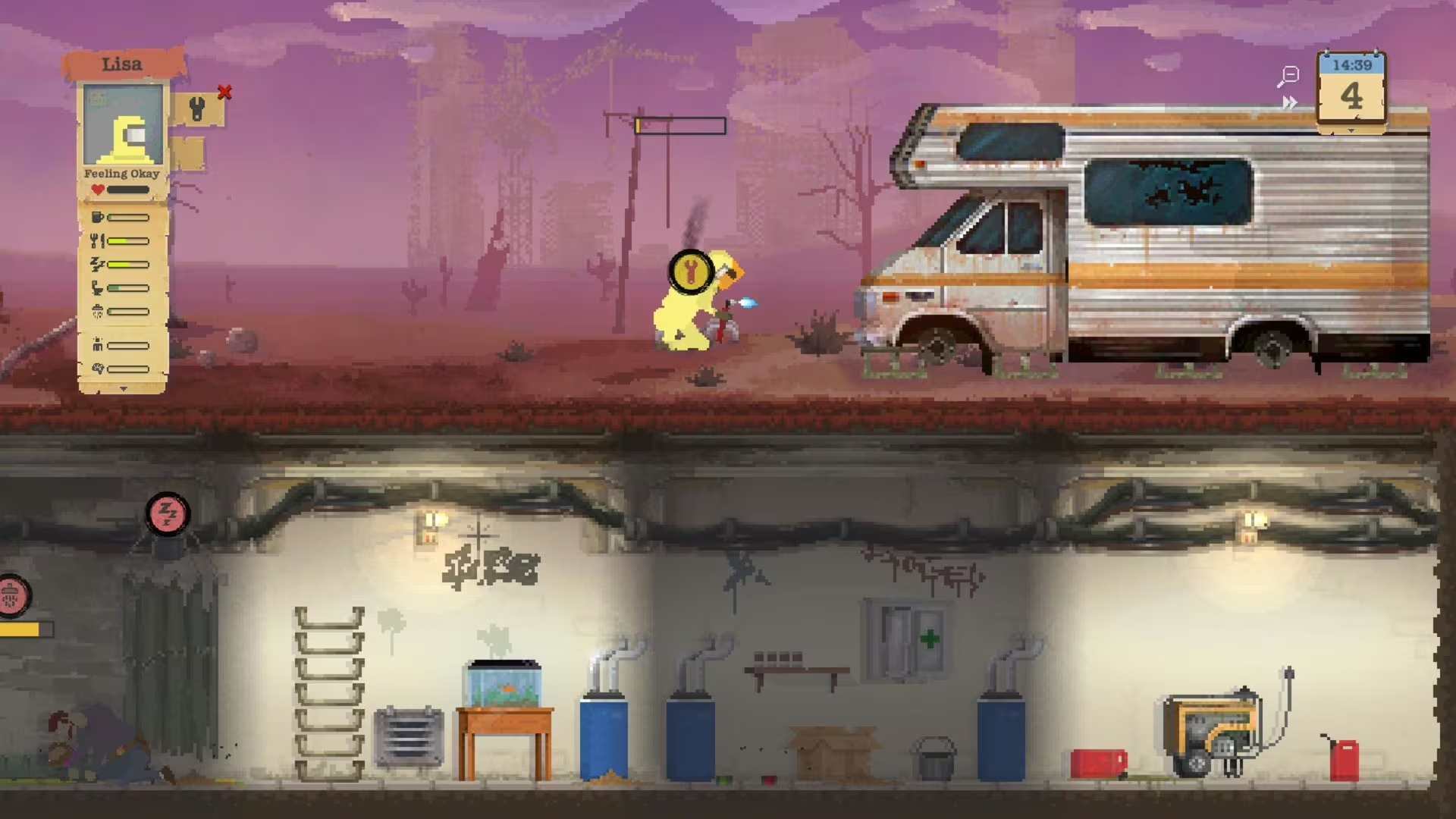
Sheltered is a deep and emotional survival management game. You take on the role of protecting four family members who, after a global apocalypse, have found their way to a deserted shelter. 

Global score

82/100

Genres

Indie, Role-playing (RPG), Strategy, Simulator

Similar games

    Pros

    • Deep survival and resource management mechanics
    • Customizable family and shelter building
    • Engaging strategic gameplay
    • Atmospheric pixel art and sound
    • Emotional attachment to characters

    Cons

    • Early game steep learning curve
    • Some ui and control clunkiness
    • Repetitive gameplay after extended play
    • Limited narrative depth
    • Lack of multiplayer or social features

    Analysis

    Broadly representative of its motivational profile, with a few distinct shifts. Motivations that often define this kind of title include Leadership, Survival, Violence, Strategy. Here, the score leans higher than usual among comparable games on Survival. It leans lower than usual among comparable games on Fantasy, Relaxation.

    How to use the graph
    Similar games map

    Each dot is a game. They are arranged from the same motivation profile as in the “Motivations” section below. Closer dots usually mean more similar reasons to play (exploration, competition, relaxation, etc.)—not that one game is “better” than another.

    • Larger dot with a light outline: the game you are viewing.
    • Colour: groups of games with comparable motivation patterns (statistical clusters).
    • Hover a dot to see the game name; click to open its page.
    • Scroll or double-click the chart to zoom out and see more games.

    Why don’t the axes read like a score? This view uses t-SNE: it only keeps who is close to whom. The scales are not “good to bad” or hours played—they separate groups on the map. Read distance between dots, not the axis numbers.

    Motivations

    • Autonomy
      4

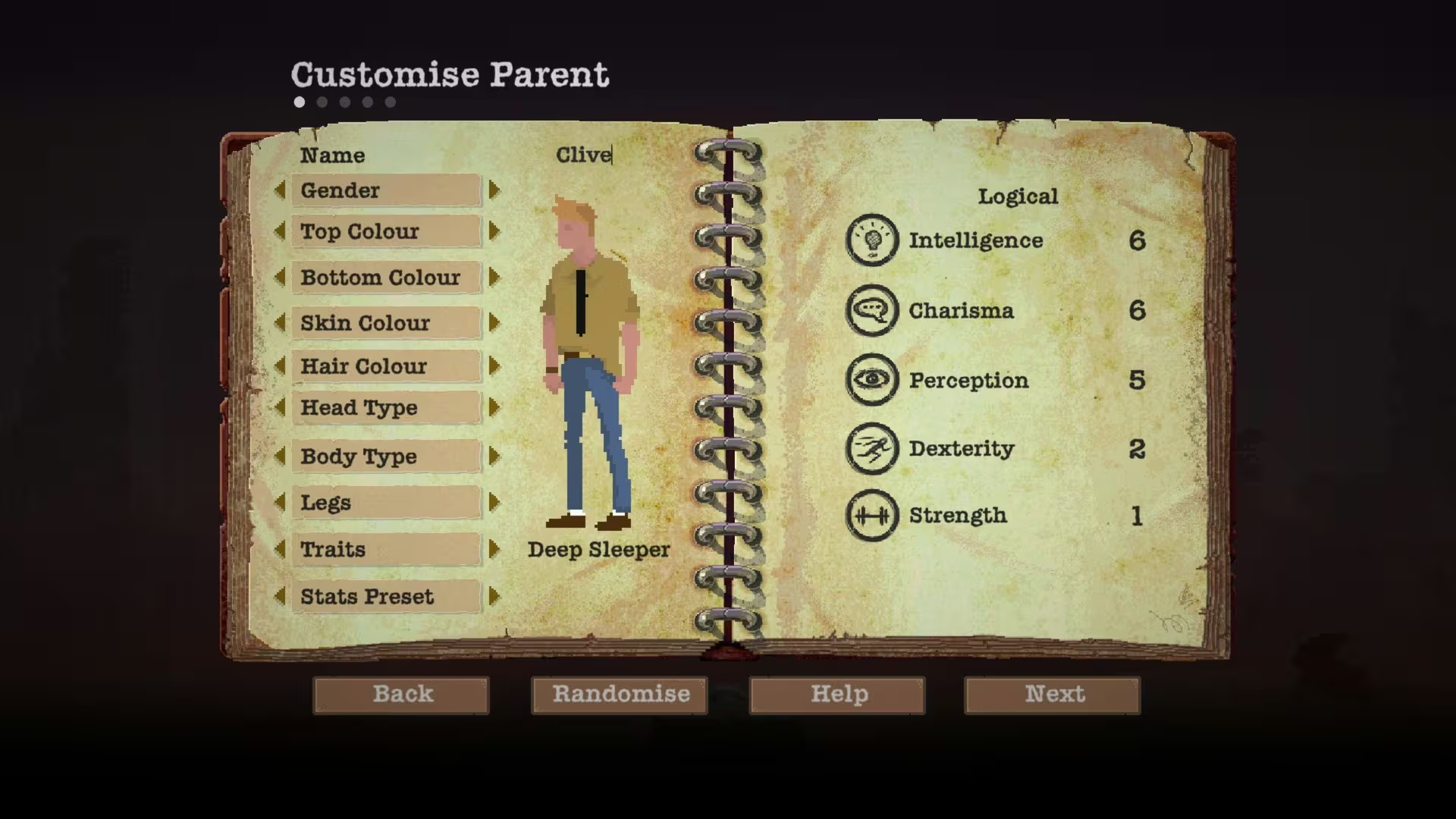
      "Players have freedom to customize family, assign tasks, and make strategic decisions about shelter management and expeditions."

    • Competence
      3

      "Requires learning complex survival mechanics, crafting, and resource management with skill progression and strategic planning."

    • Competition
      -3

      "Focuses on personal survival and management without ranked modes or direct player-vs-player competition."

    • Continuation
      3

      "Many players report long play sessions and addiction, though some find it repetitive after extended play."

    • Cooperation
      -4

      "Single-player game focused on managing own family; cooperation with NPCs is limited to trading or recruiting."

    • Creativity
      3

      "Players build and upgrade shelter, craft items, and customize family members and pets."

    • Domination
      -4

      "Interactions with others are balanced; no evidence of imposing authority or trash talk."

    • Escapism
      4

      "Players use the game to immerse in a post-apocalyptic survival scenario, escaping real-life stress."

    • Expectation
      -4

      "Players engage voluntarily for enjoyment and challenge, not out of obligation."

    • Experimenting
      3

      "Players experiment with different strategies, character builds, and shelter layouts."

    • Exploration
      3

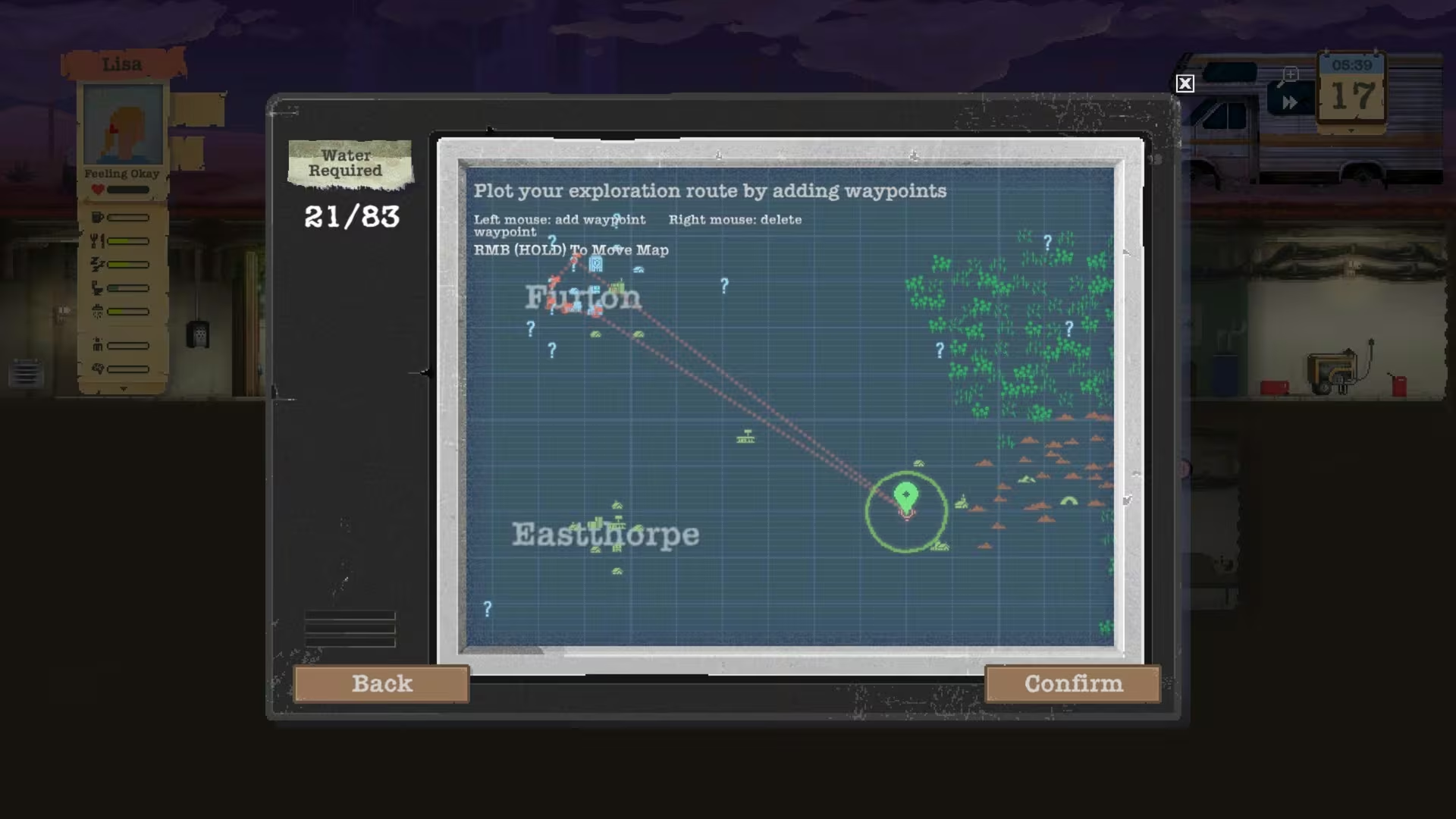
      "Exploration of procedurally generated wasteland areas and discovery of new locations and resources."

    • Expression
      2

      "Character customization and shelter design allow some self-expression, though limited by pixel art style."

    • Fantasy
      -2

      "Post-apocalyptic setting is fictional but grounded in plausible survival scenarios without heavy fantasy elements."

    • Fellowship
      -4

      "Minimal social interaction; mostly solo play managing own family and shelter."

    • Growth
      4

      "Players develop character skills, improve shelter, and learn survival tactics over time."

    • Health
      -4

      "Sedentary gameplay with no physical activity; players manage virtual health but do not engage physically."

    • Idle
      -3

      "Requires active management and attention; automation options exist but micromanagement is core."

    • Intimacy
      -4

      "Limited emotional connection mostly through family management; no deep social or emotional interactions."

    • Leadership
      4

      "Players lead and manage family members and recruits, assigning tasks and making key decisions."

    • Progression
      4

      "Strong progression through crafting, shelter upgrades, skill leveling, and expanding survivor group."

    • Relaxation
      -2

      "Game can be tense and stressful especially early on; some players find it relaxing after mastering mechanics."

    • Sensation
      1

      "Visuals and audio provide atmospheric immersion but sensory stimulation is moderate and subdued."

    • Status
      -4

      "No social status or recognition systems; focus is on individual survival without social evaluation."

    • Story
      2

      "Some narrative elements and scenarios exist but overall story is minimal and emergent from gameplay."

    • Strategy
      4

      "Requires strategic planning in resource management, shelter building, expeditions, and combat."

    • Thrill
      3

      "Random events, raids, and survival challenges create suspense and tension."

    • Value
      3

      "Generally considered good value especially on sale; provides many hours of gameplay."

    • Violence
      3

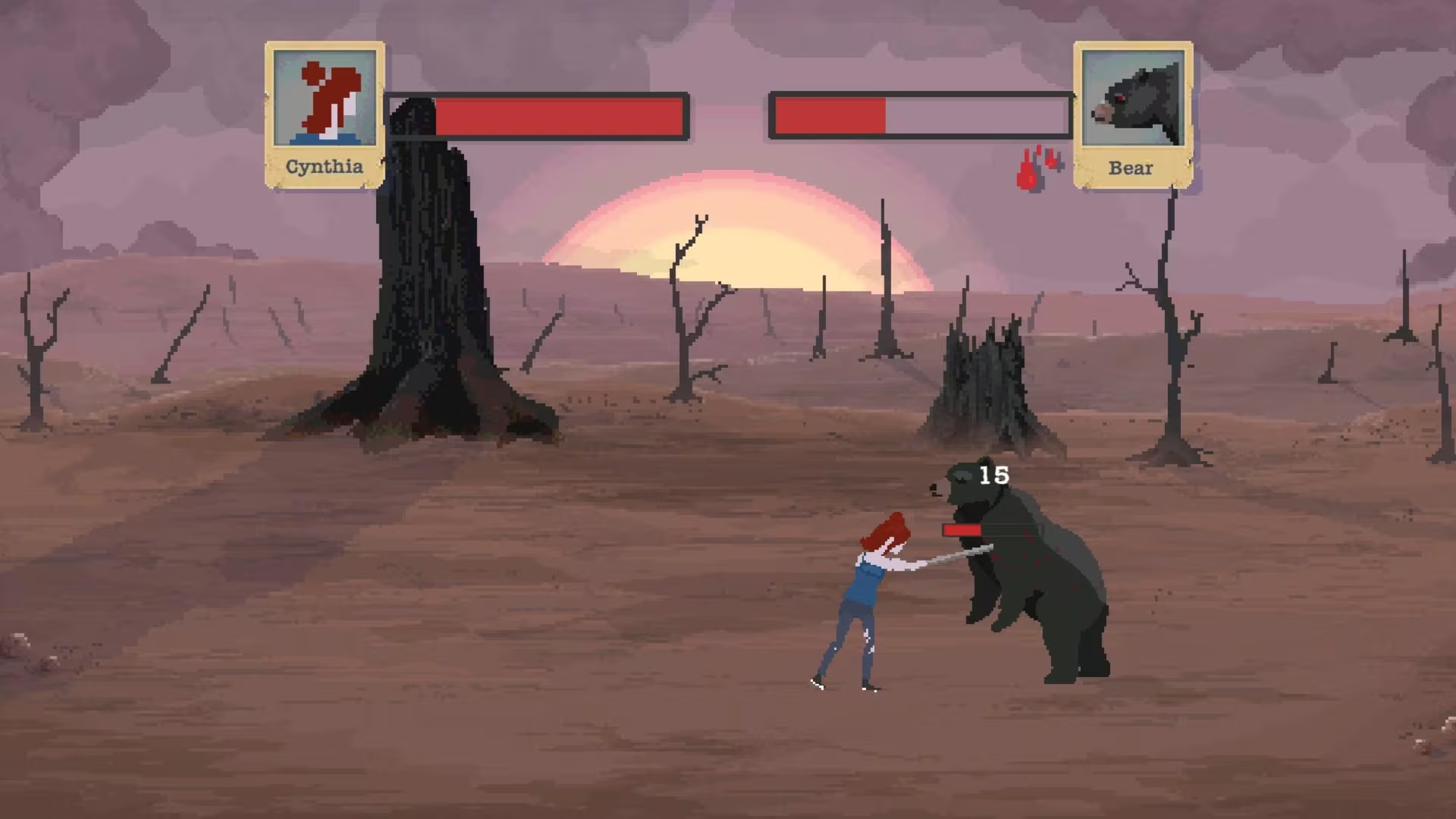
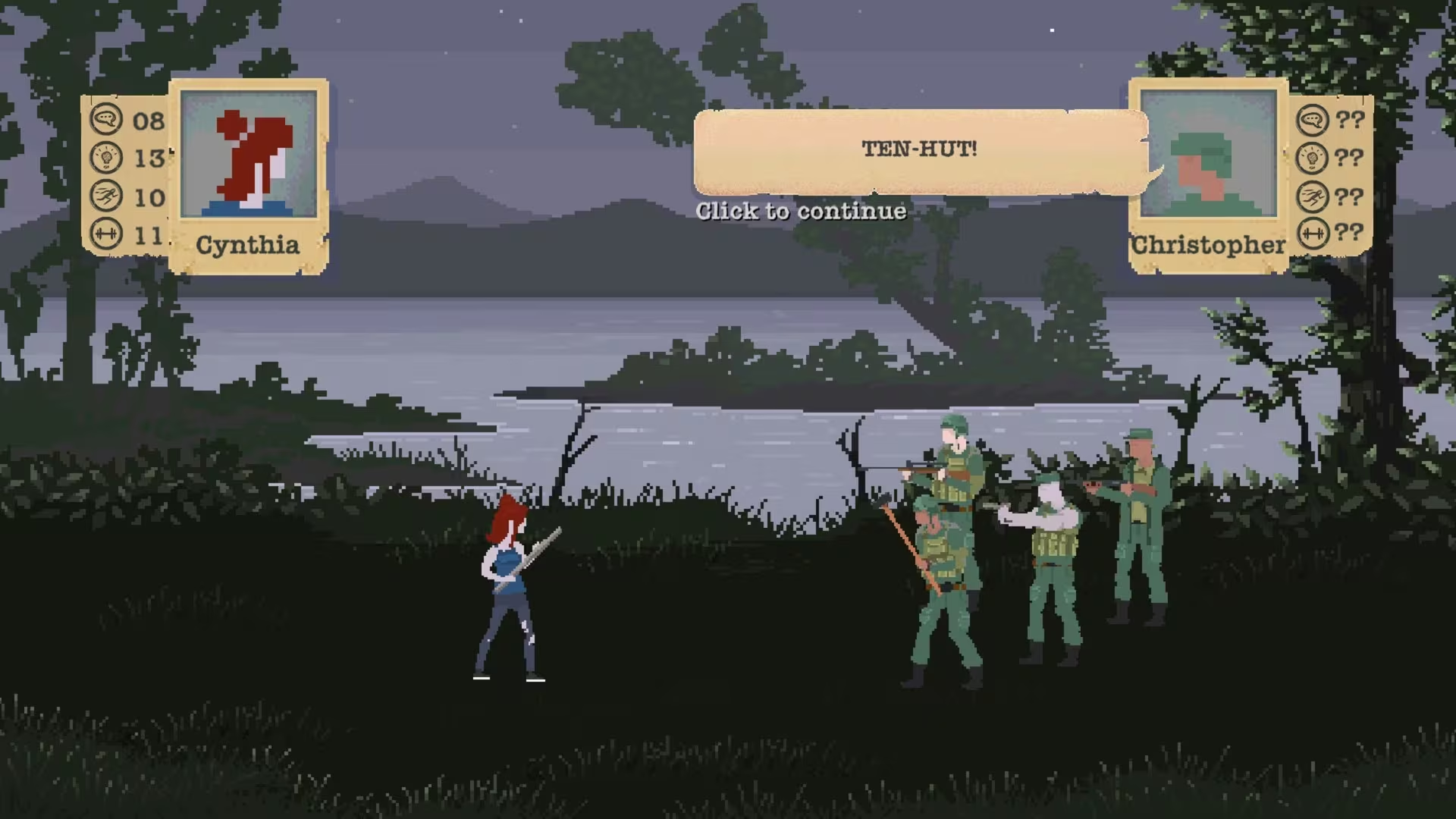
      "Combat and killing raiders and hostile NPCs is a core mechanic; also includes cannibalism."

    • Survival
      5

      "Core gameplay is about managing threats, resources, and staying alive in a hostile environment."

    Last update: 29/04/2026