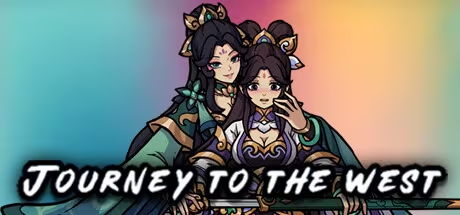
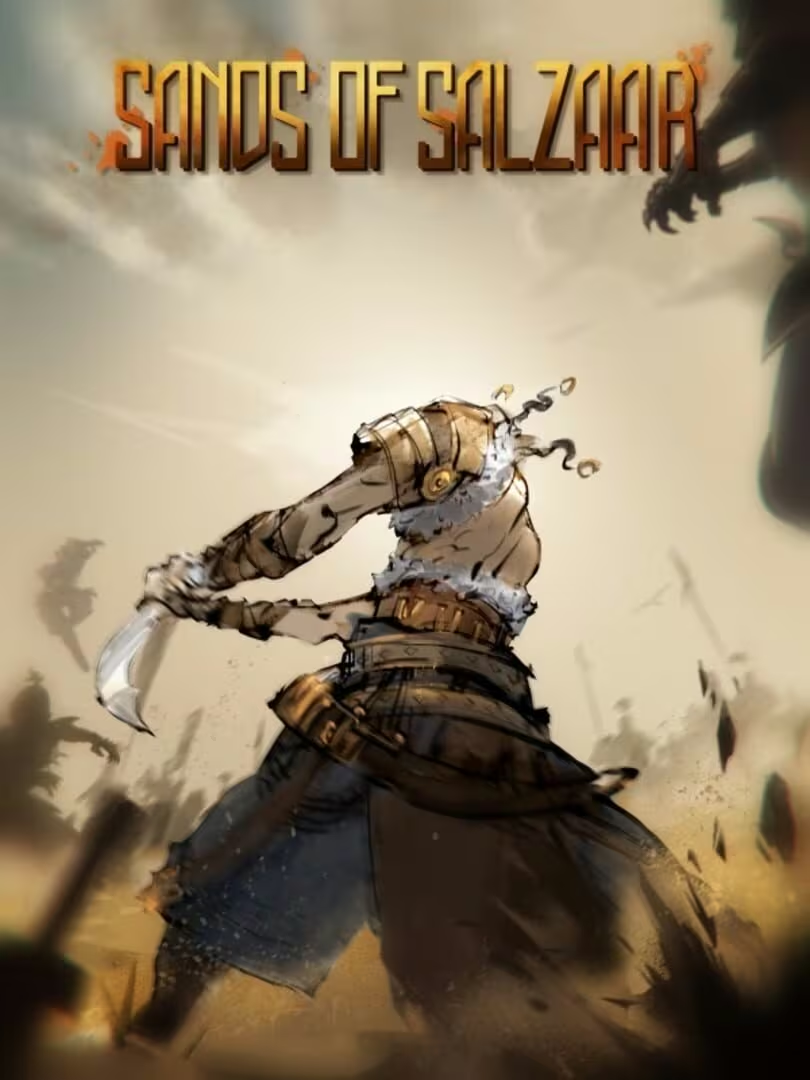
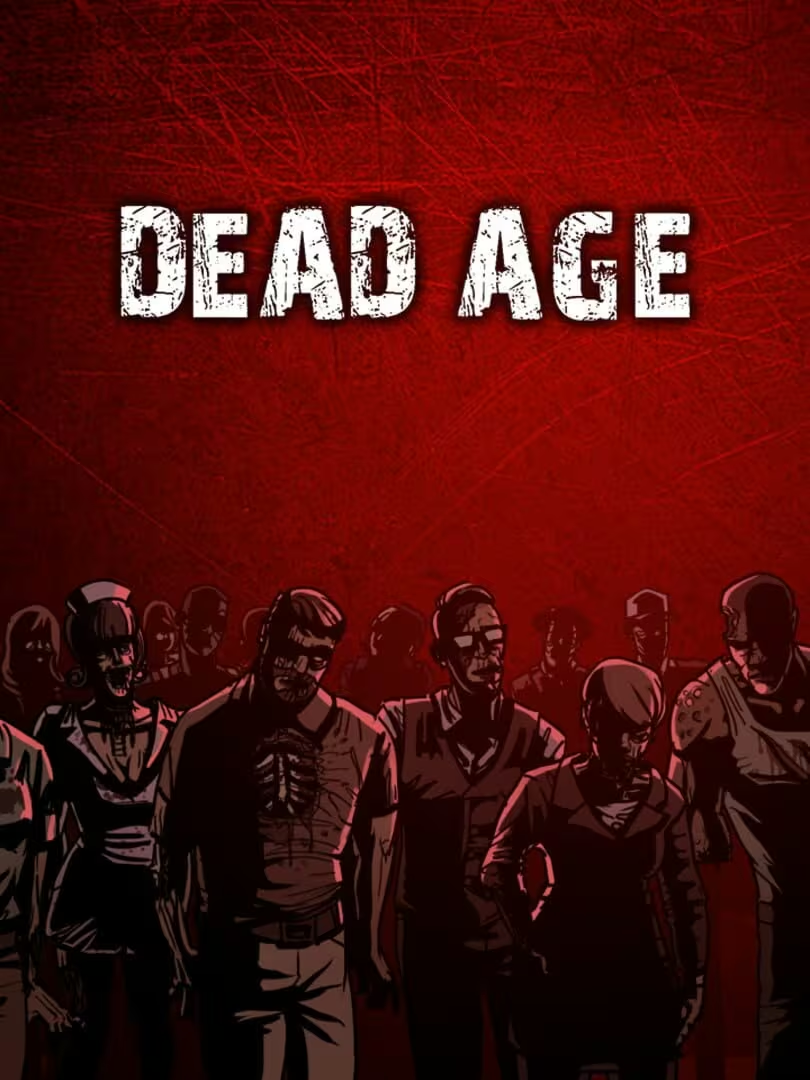
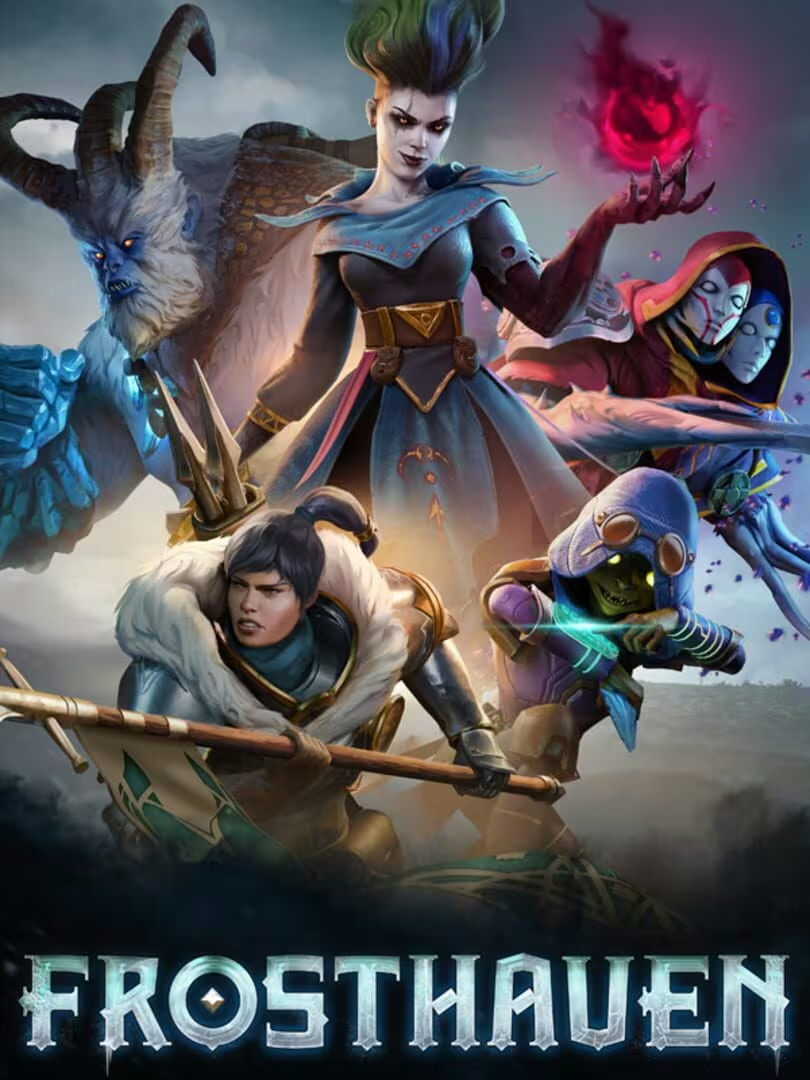
Dead In Vinland Thumbnail

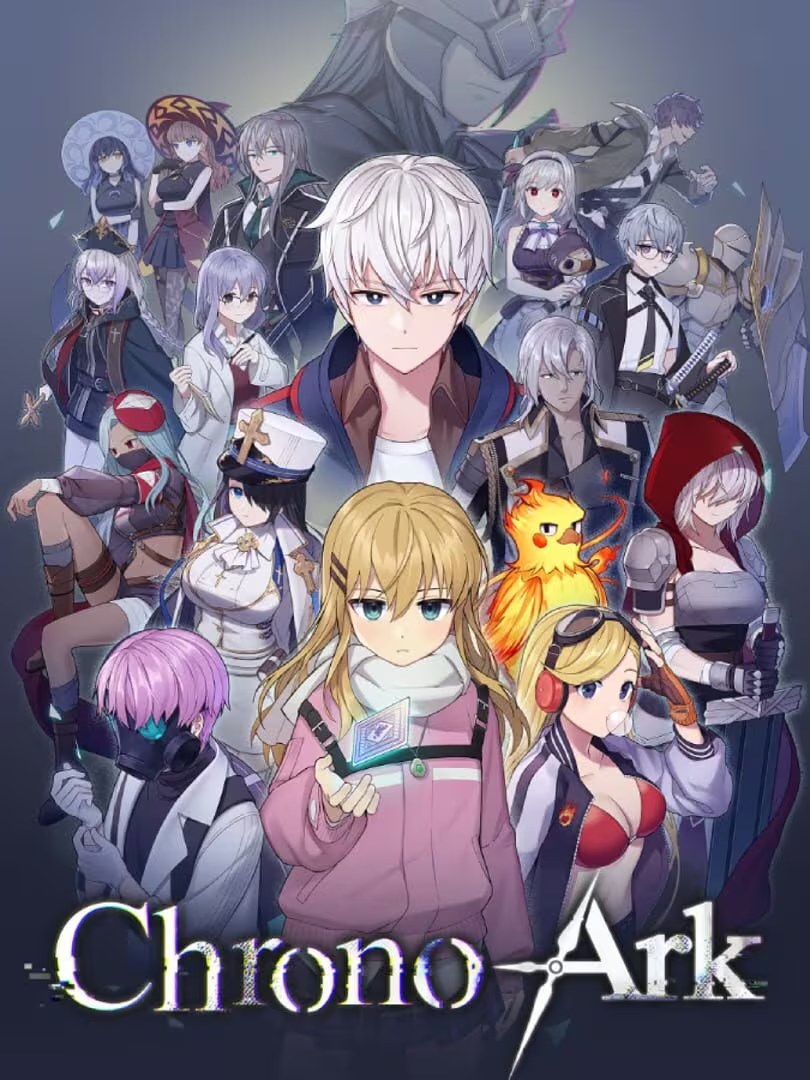
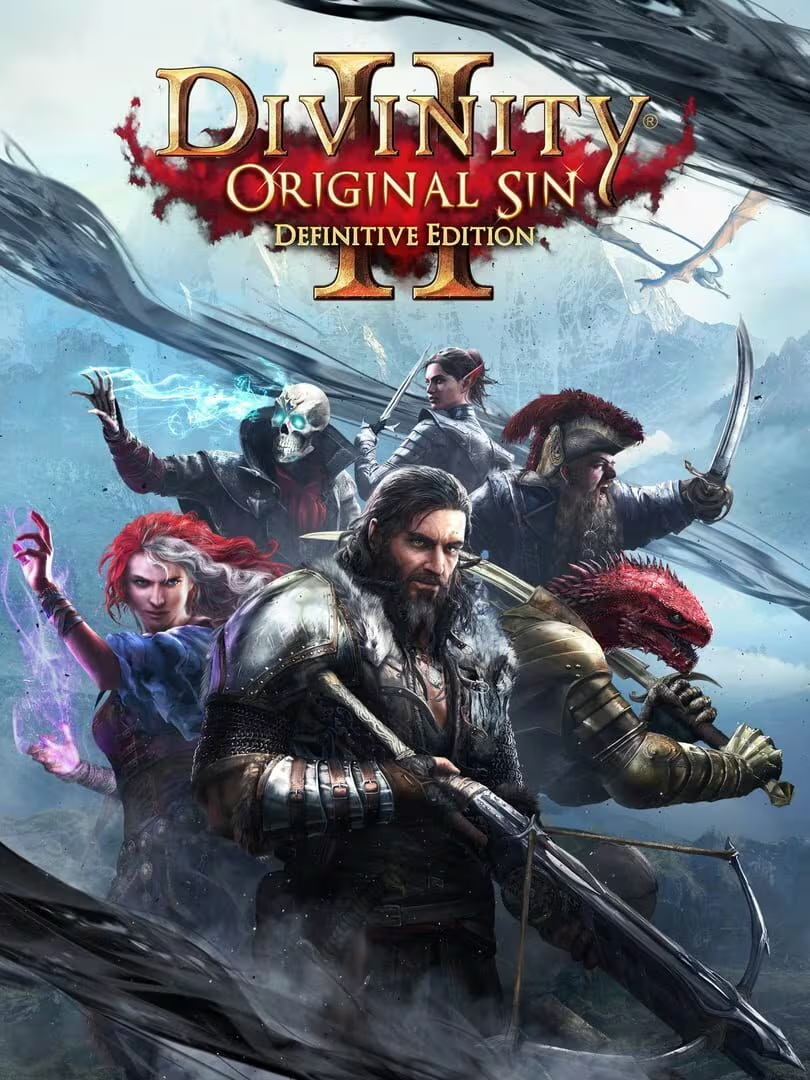
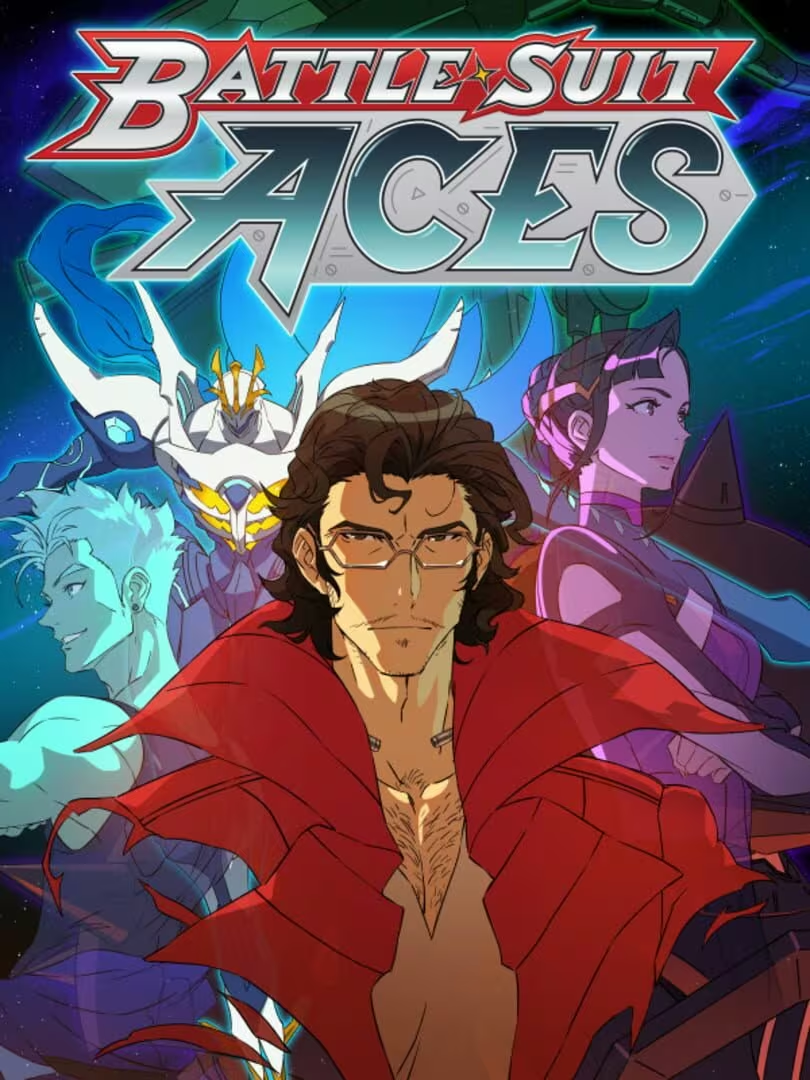
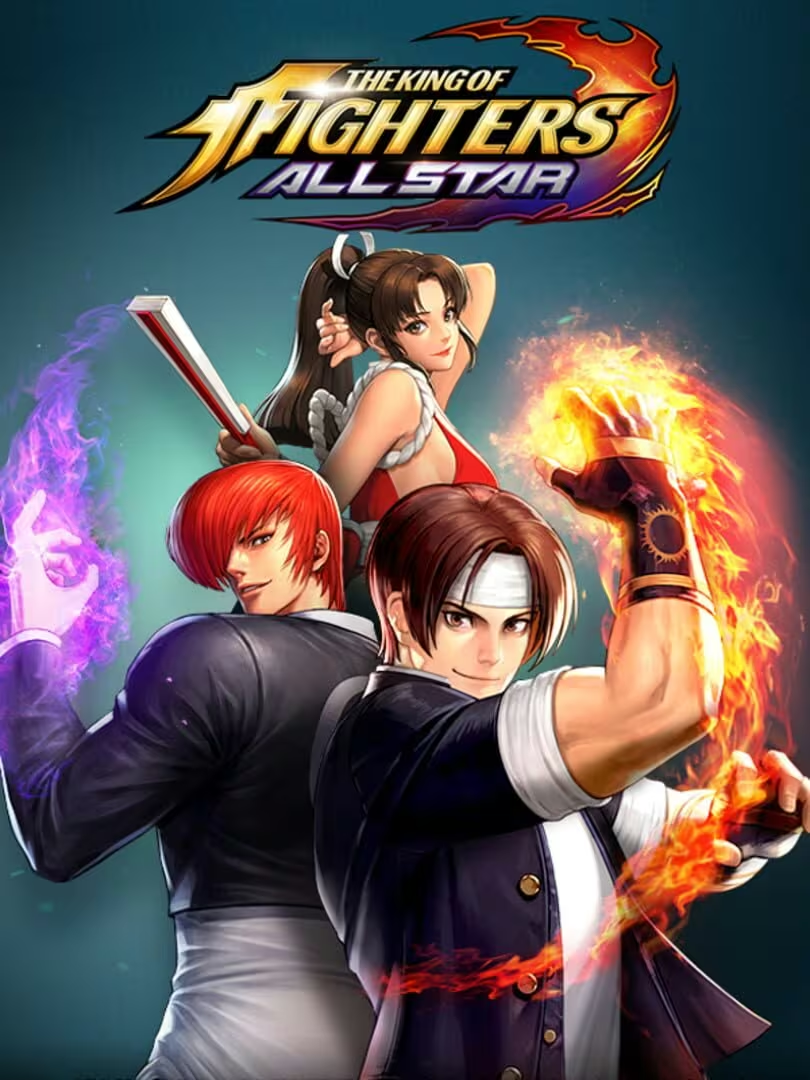
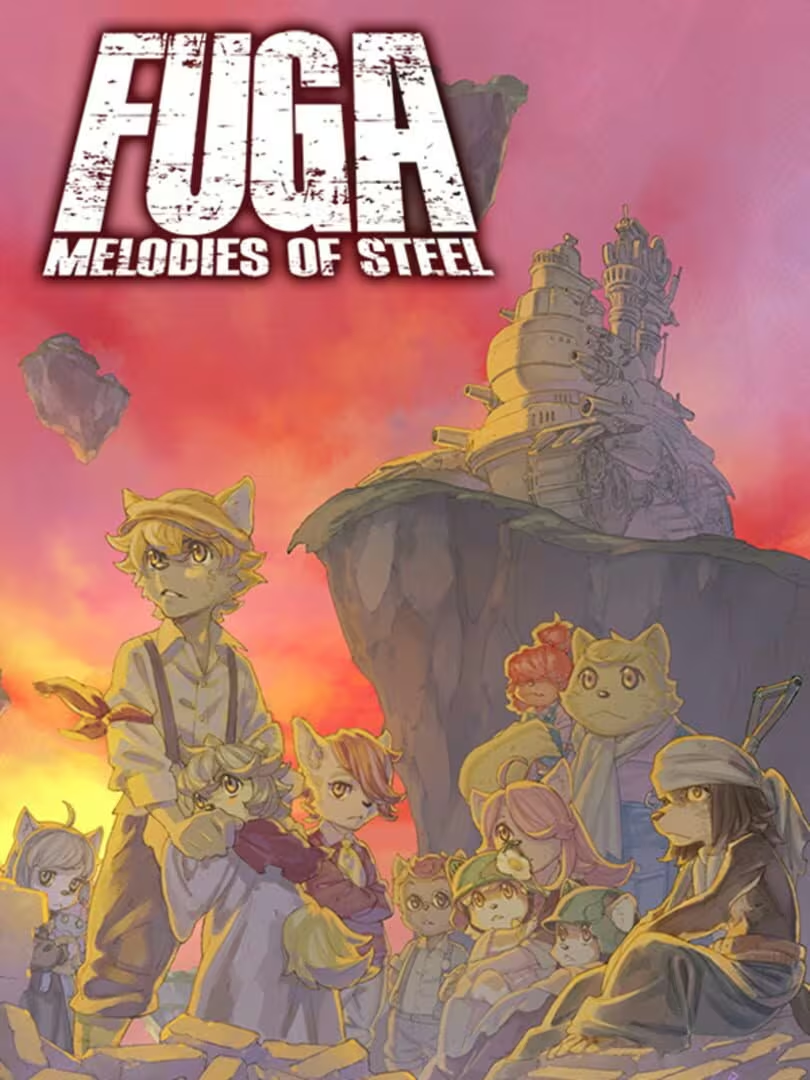
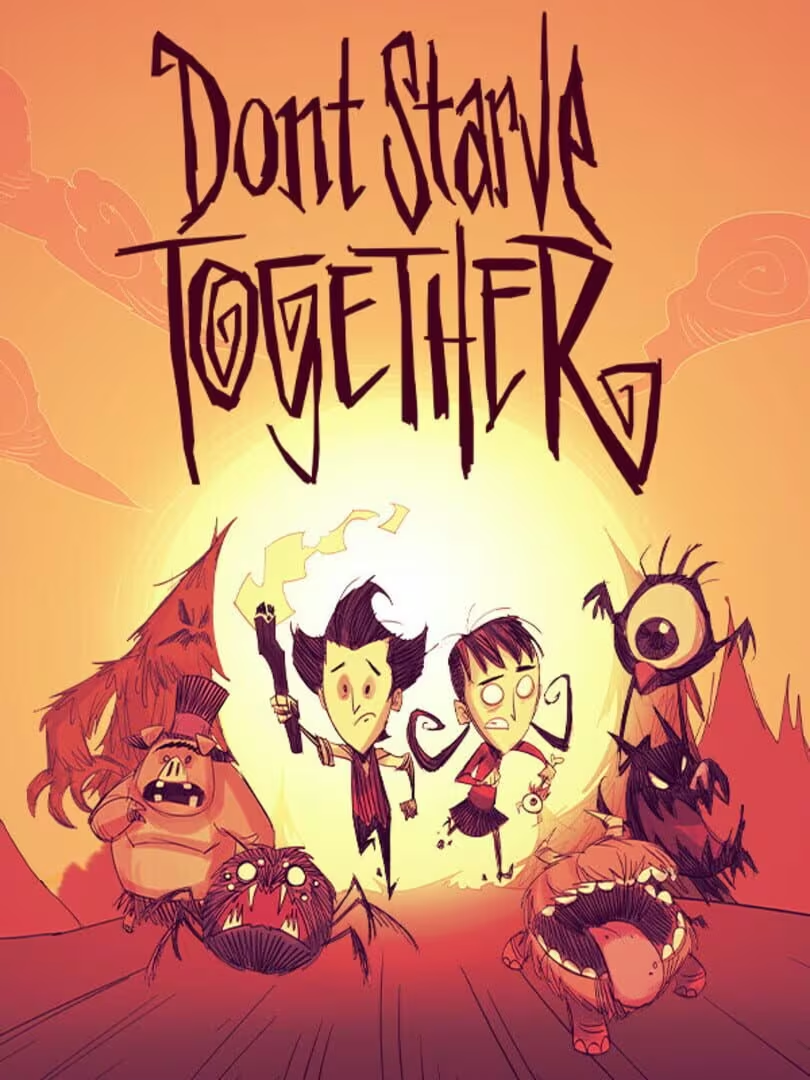
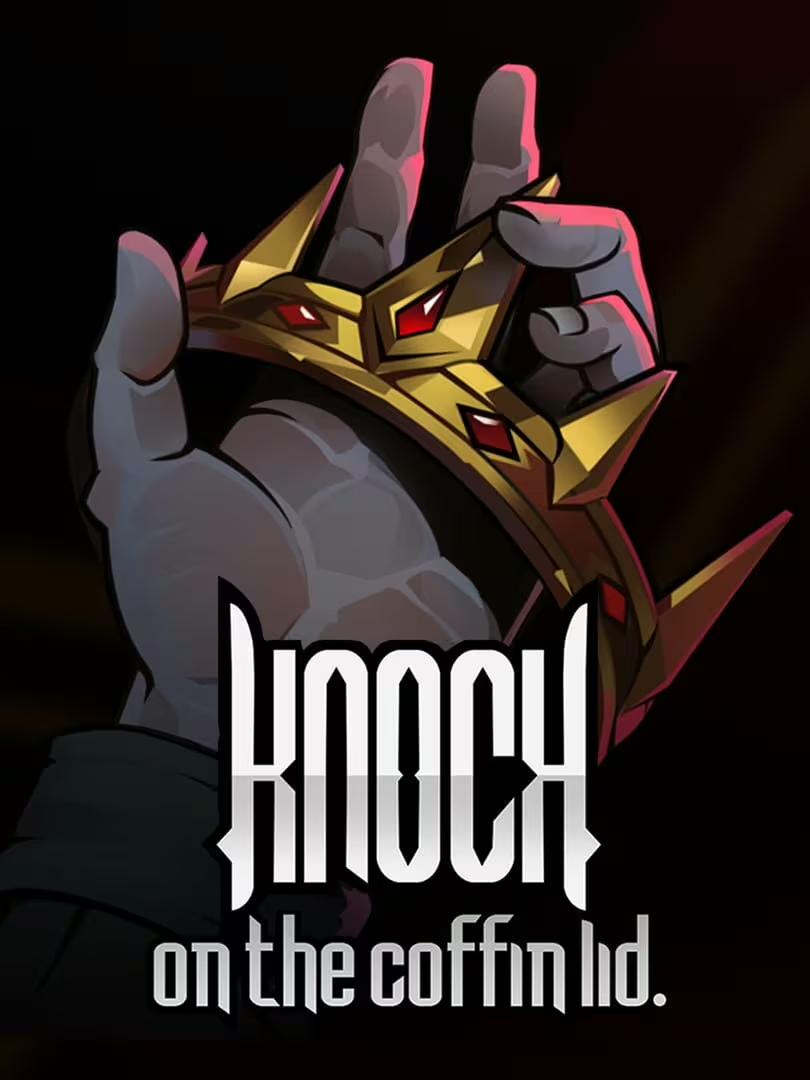
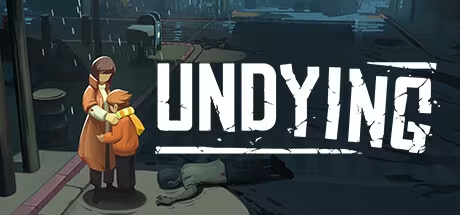
Dead In Vinland similar games & best alternatives
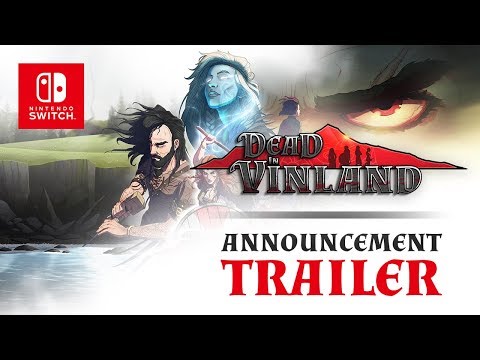
Dead In Vinland

PC (Microsoft Windows), Nintendo Switch, Mac • 2018

Related articles

Quick resume

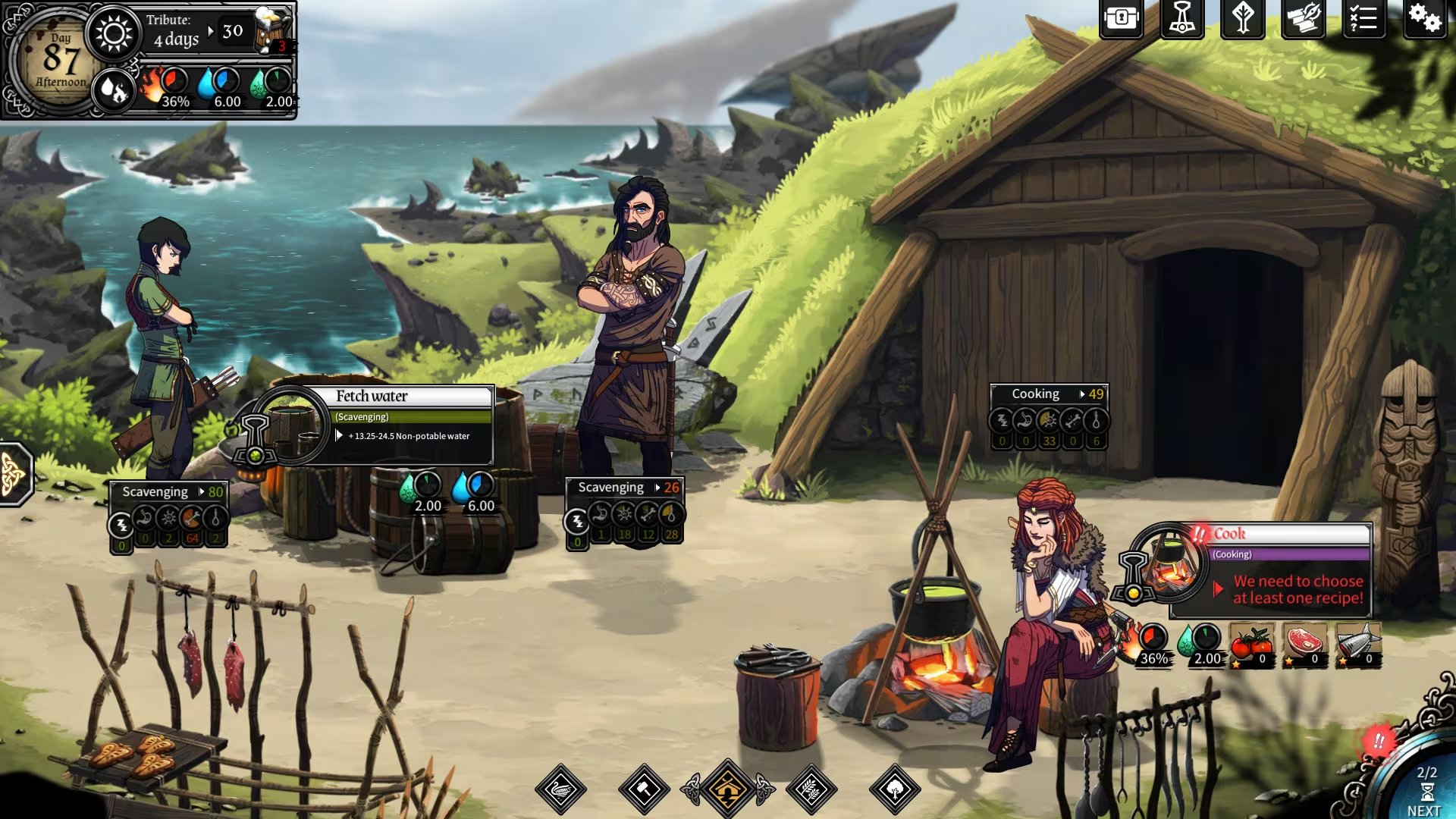
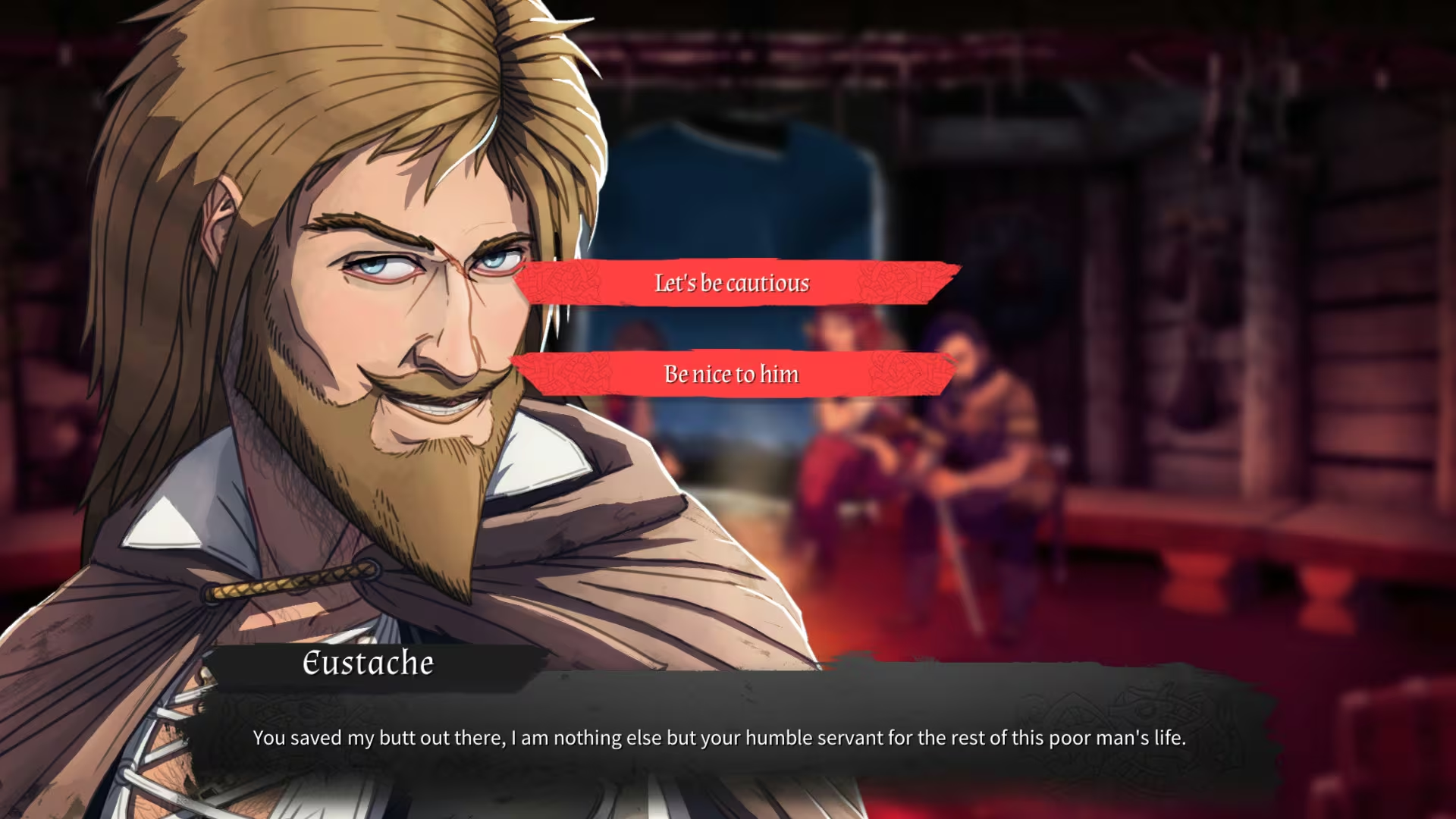
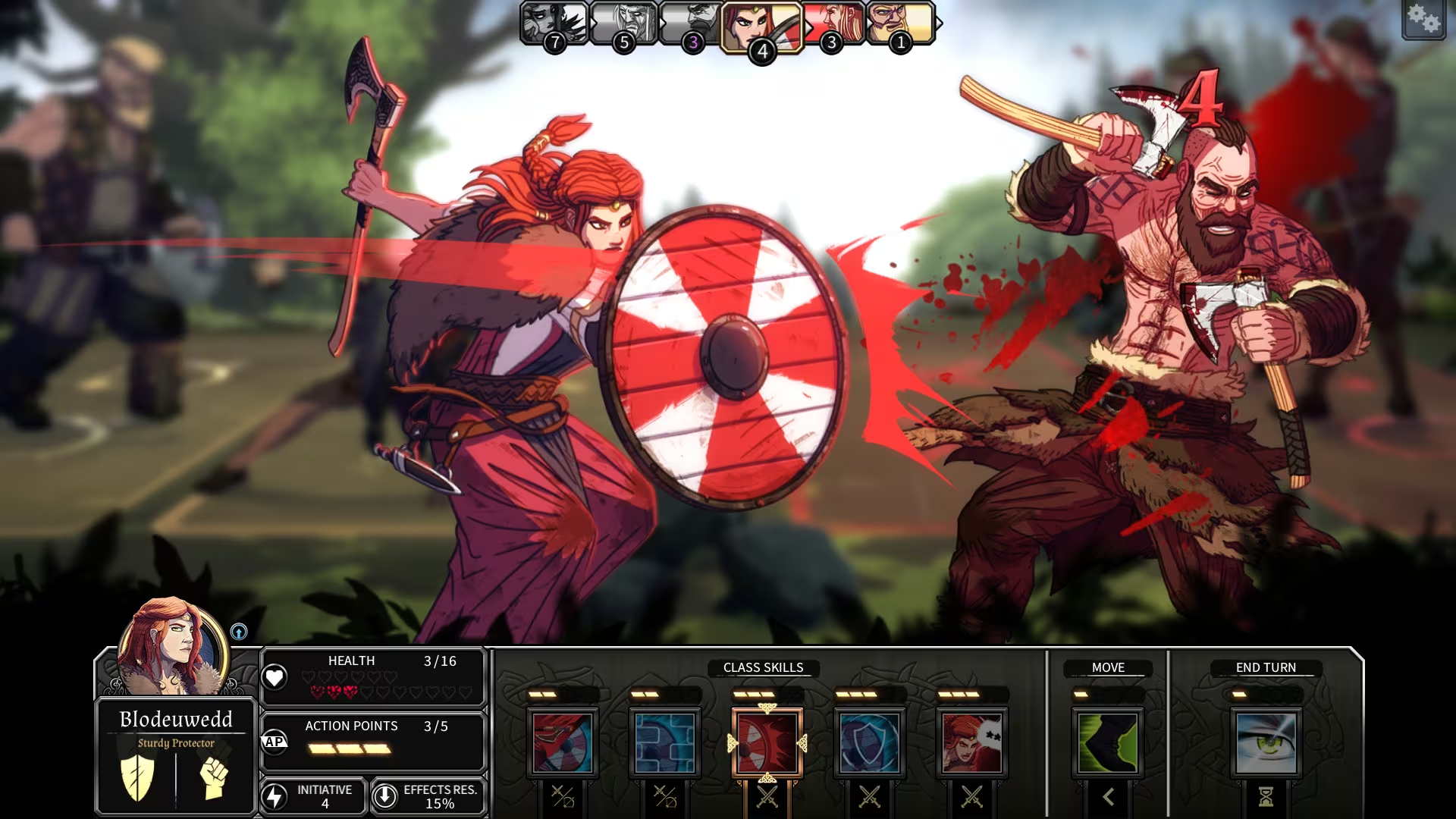
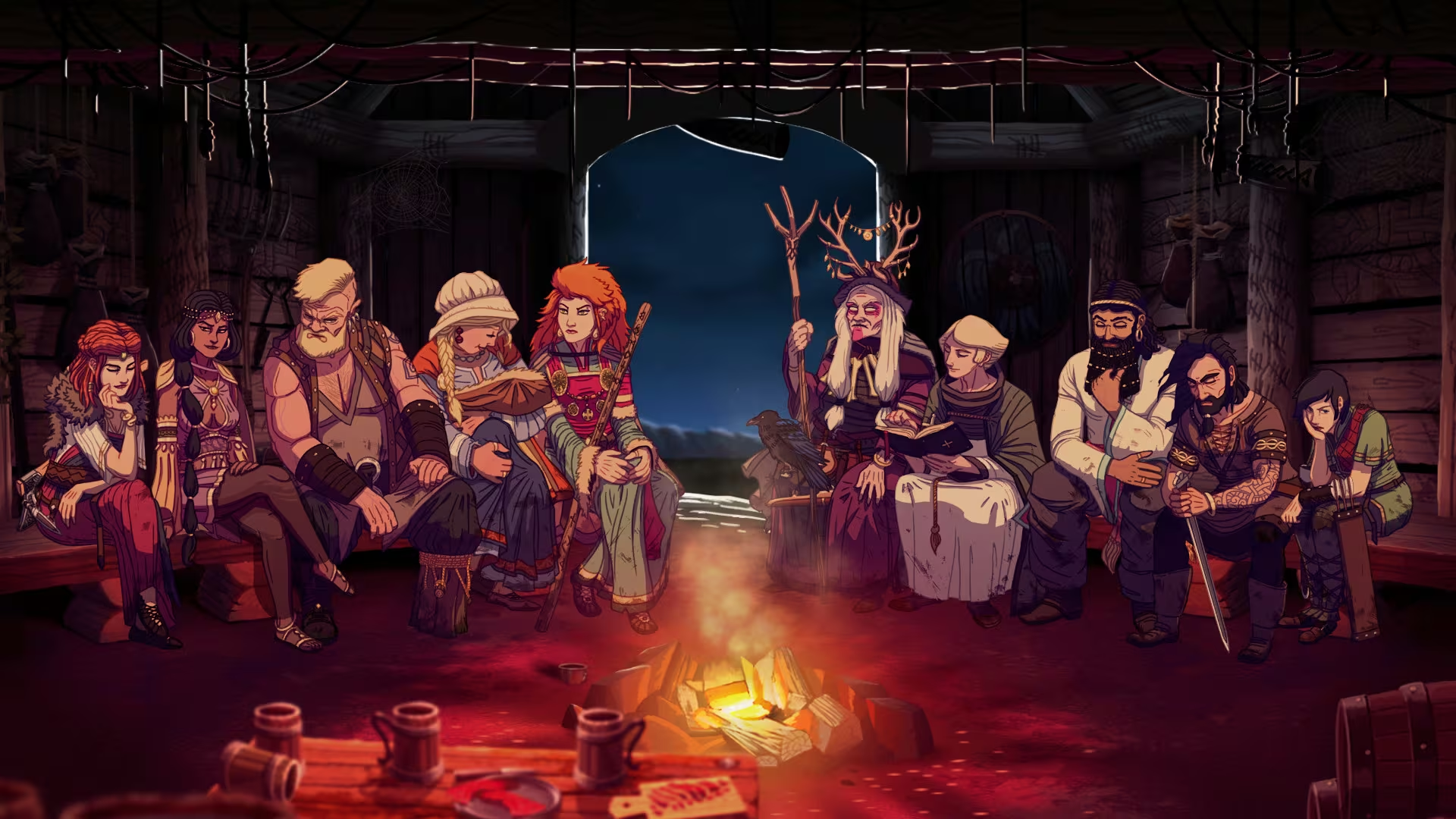
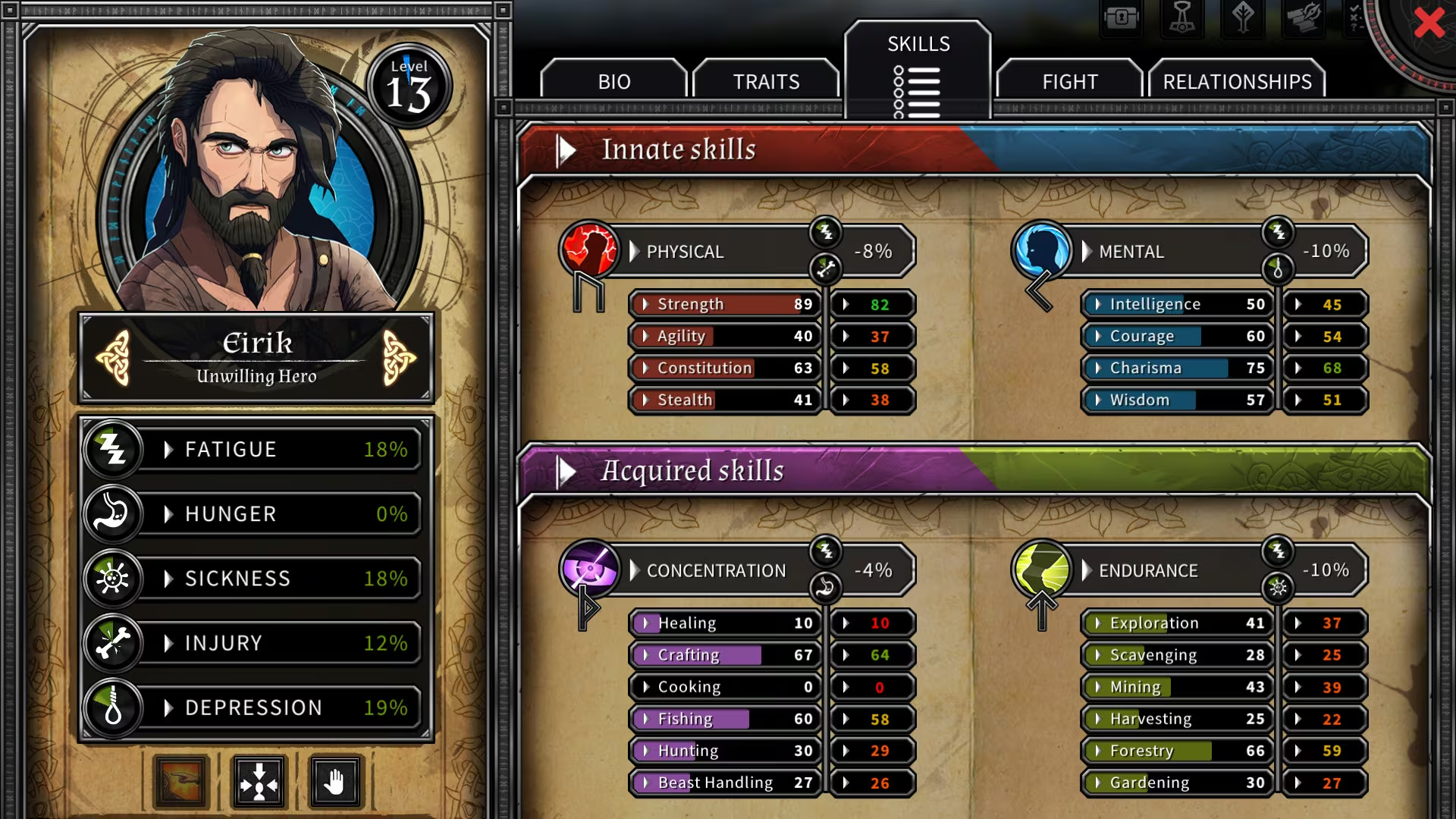
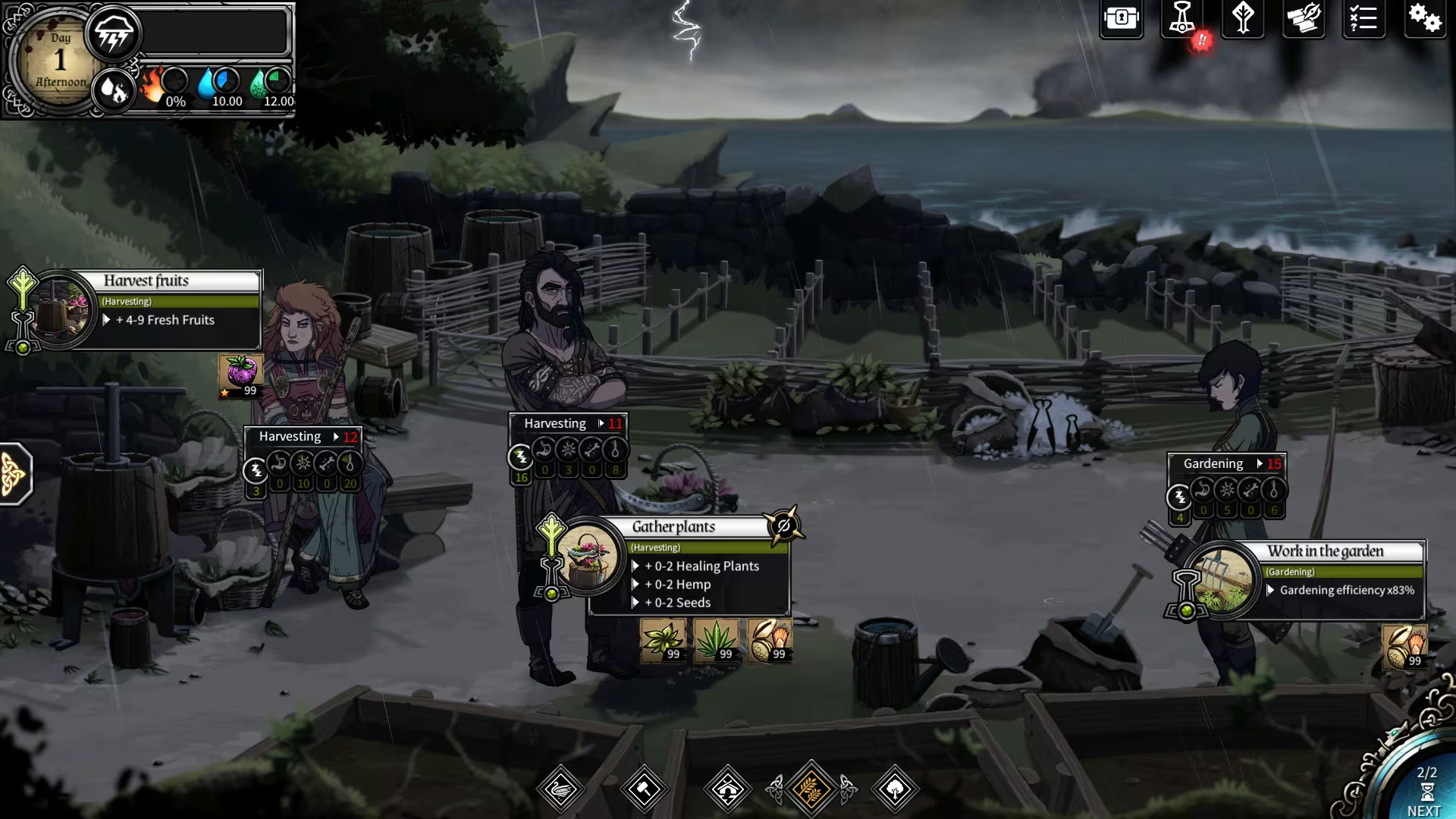
DEAD IN VINLAND is a survival/management game, mixed with RPG and adventure elements, about a Viking family trying their best to survive on a mysterious island.

Global score

77/100

Genres

Adventure, Indie, Role-playing (RPG), Simulator, Strategy

Similar games

    Pros

    • Engaging survival and resource management
    • Strong narrative and character development
    • Challenging but rewarding gameplay
    • Atmospheric art and music
    • Active developer support and updates

    Cons

    • High rng can cause frustration
    • Combat is simplistic and repetitive
    • Some ui and quality of life issues
    • Story dialogue can be uneven
    • Game can become repetitive in late stages

    Analysis

    Broadly representative of its motivational profile, with a few distinct shifts. Motivations that often define this kind of title include Cooperation, Fellowship, Intimacy, Leadership. Here, the score leans higher than usual among comparable games on Leadership. It leans lower than usual among comparable games on Relaxation, Competition.

    How to use the graph
    Similar games map

    Each dot is a game. They are arranged from the same motivation profile as in the “Motivations” section below. Closer dots usually mean more similar reasons to play (exploration, competition, relaxation, etc.)—not that one game is “better” than another.

    • Larger dot with a light outline: the game you are viewing.
    • Colour: groups of games with comparable motivation patterns (statistical clusters).
    • Hover a dot to see the game name; click to open its page.
    • Scroll or double-click the chart to zoom out and see more games.

    Why don’t the axes read like a score? This view uses t-SNE: it only keeps who is close to whom. The scales are not “good to bad” or hours played—they separate groups on the map. Read distance between dots, not the axis numbers.

    Motivations

    • Autonomy
      4

      "Players have control over assigning tasks, managing resources, and making strategic decisions, though some RNG elements influence outcomes."

    • Competence
      3

      "Players engage in skill-based management and combat with meaningful feedback, but RNG can reduce predictability and skill expression."

    • Competition
      -4

      "Focus is on personal survival and story progression without player-vs-player or leaderboard competition."

    • Continuation
      4

      "Players invest many hours in long playthroughs, often replaying due to difficulty and story engagement."

    • Cooperation
      3

      "Players manage a group of characters working together with inter-character relationships affecting outcomes."

    • Creativity
      2

      "Some customization in character development and camp building, but within predefined systems and structures."

    • Domination
      -3

      "Interactions emphasize survival and mutual support rather than exerting control or superiority over others."

    • Escapism
      4

      "Players immerse themselves in a harsh fictional Viking survival setting to escape real life."

    • Expectation
      -4

      "Players engage voluntarily driven by interest in survival strategy and story, not obligation."

    • Experimenting
      3

      "Players try different strategies, character builds, and resource management approaches to overcome challenges."

    • Exploration
      3

      "Players explore an island map with randomized events and locations, discovering new areas and secrets."

    • Expression
      2

      "Some self-expression through character development choices and camp upgrades, but limited cosmetic customization."

    • Fantasy
      3

      "Set in a fictional Viking world with mythological elements and narrative fiction."

    • Fellowship
      2

      "Players manage a community of characters with social interactions, but minimal multiplayer or social features."

    • Growth
      4

      "Players learn survival strategies, character skills, and resource management through repeated play and progression."

    • Health
      -4

      "Sedentary gameplay with no physical activity; focus on virtual survival and resource management."

    • Idle
      -3

      "Requires continuous attention and micromanagement of characters and resources."

    • Intimacy
      2

      "Character relationships and dialogue create emotional connections within the camp."

    • Leadership
      4

      "Players lead and manage a group of survivors, making strategic decisions and assigning roles."

    • Progression
      4

      "Players accumulate resources, upgrades, and character skills to improve survival chances."

    • Relaxation
      -2

      "Game is tense and challenging with frequent pressure and risk of failure."

    • Sensation
      2

      "Enjoyable art, music, and atmospheric effects provide sensory engagement."

    • Status
      -4

      "Focus is on individual survival without social recognition or status competition."

    • Story
      4

      "Strong narrative immersion with character development, dialogue, and overarching plot."

    • Strategy
      4

      "Requires planning, resource allocation, and tactical combat decisions."

    • Thrill
      3

      "Tension from survival challenges, RNG outcomes, and combat create suspense and excitement."

    • Value
      4

      "Players perceive good return on time investment due to depth, story, and replayability."

    • Violence
      2

      "Combat and fighting are present but balanced with survival and management aspects."

    • Survival
      5

      "Core gameplay revolves around avoiding failure and managing threats to stay alive."

    Last update: 29/04/2026