Dead Age similar games & best alternatives
Dead Age
2016
Related articles
Quick resume
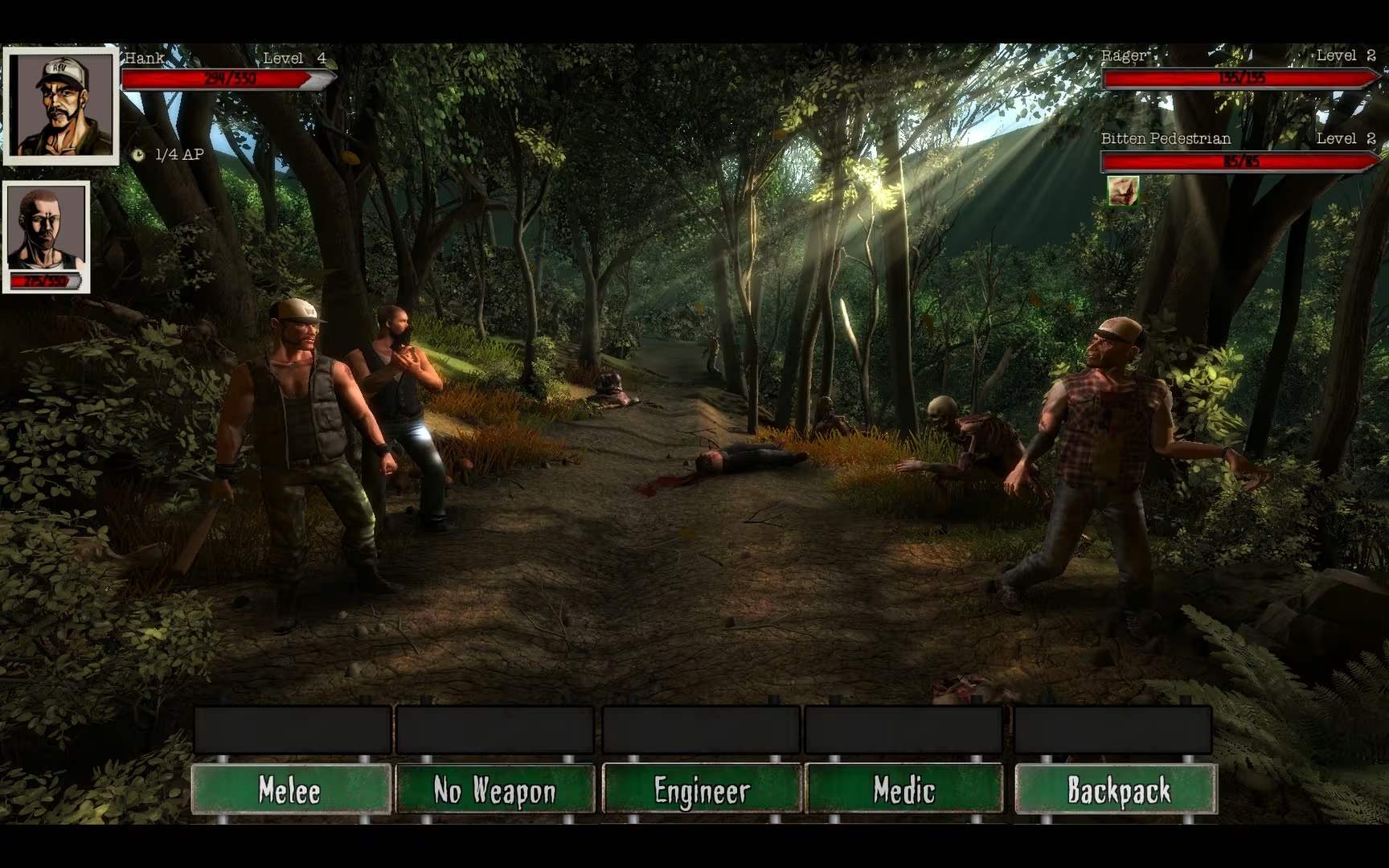
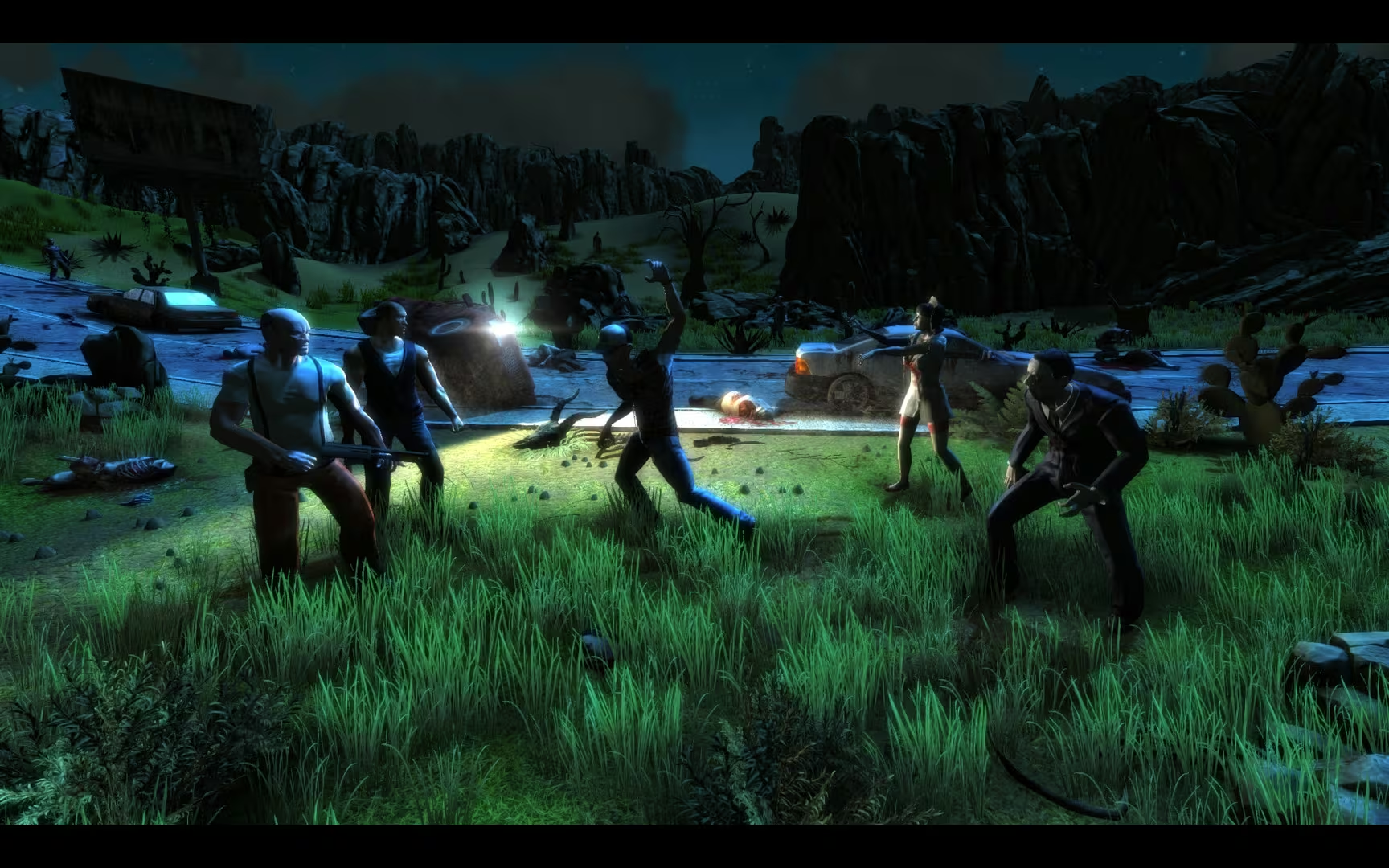
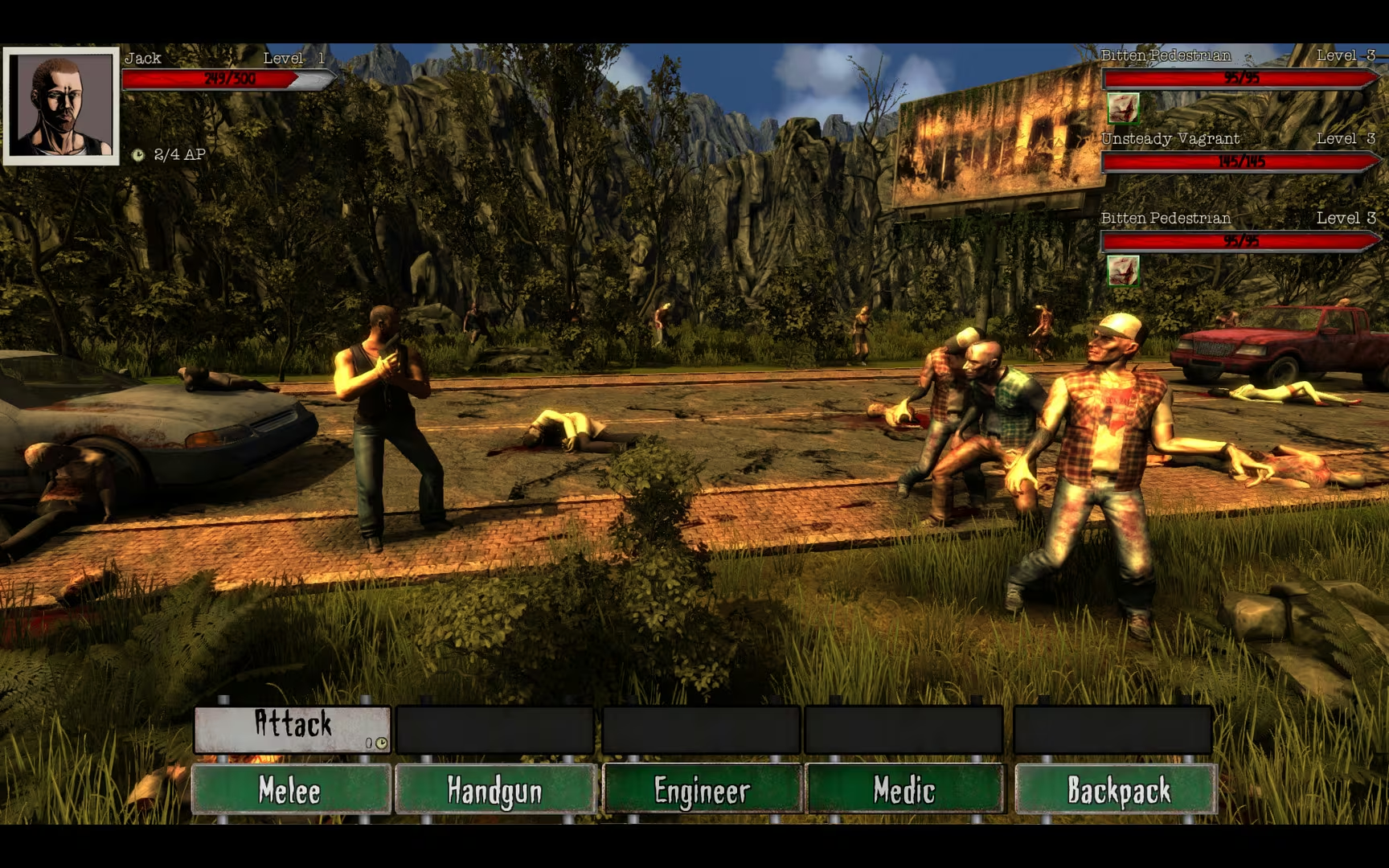
Survive the zombie apocalypse with a “Final Fantasy” turn-based combat and permanent death! Manage survivors, craft materials, and make difficult decisions. Defend your camp against hordes of the undead to prevail in this non-linear rogue-lite (comparable to FTL). Innovative Indie Survival-RPG!
Global score
82/100
Genres
Action, Adventure, Casual, Indie, Role-playing (RPG), Simulator, Strategy, Turn-based strategy (TBS)
Similar games
Pros
- Engaging turn-based combat
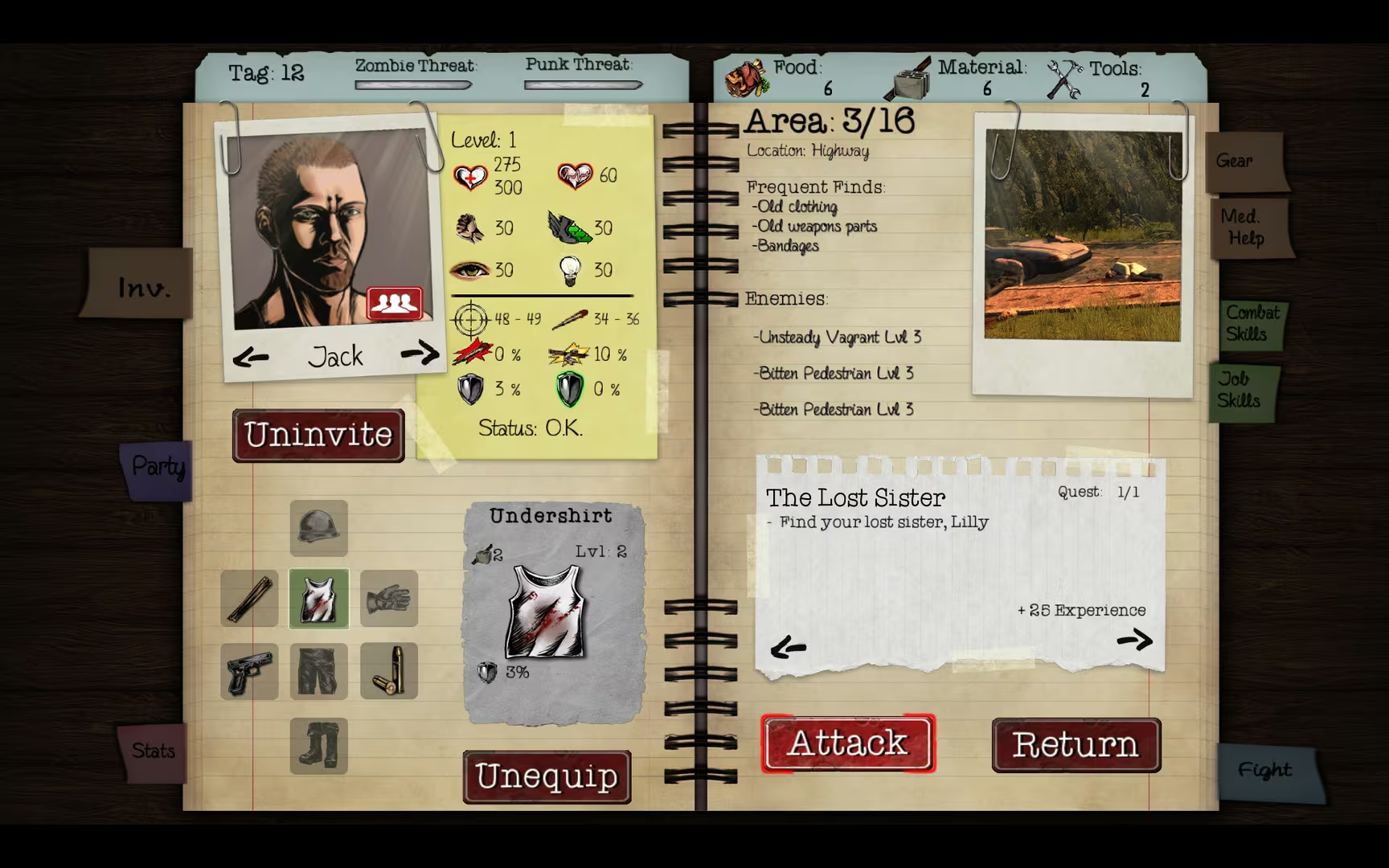
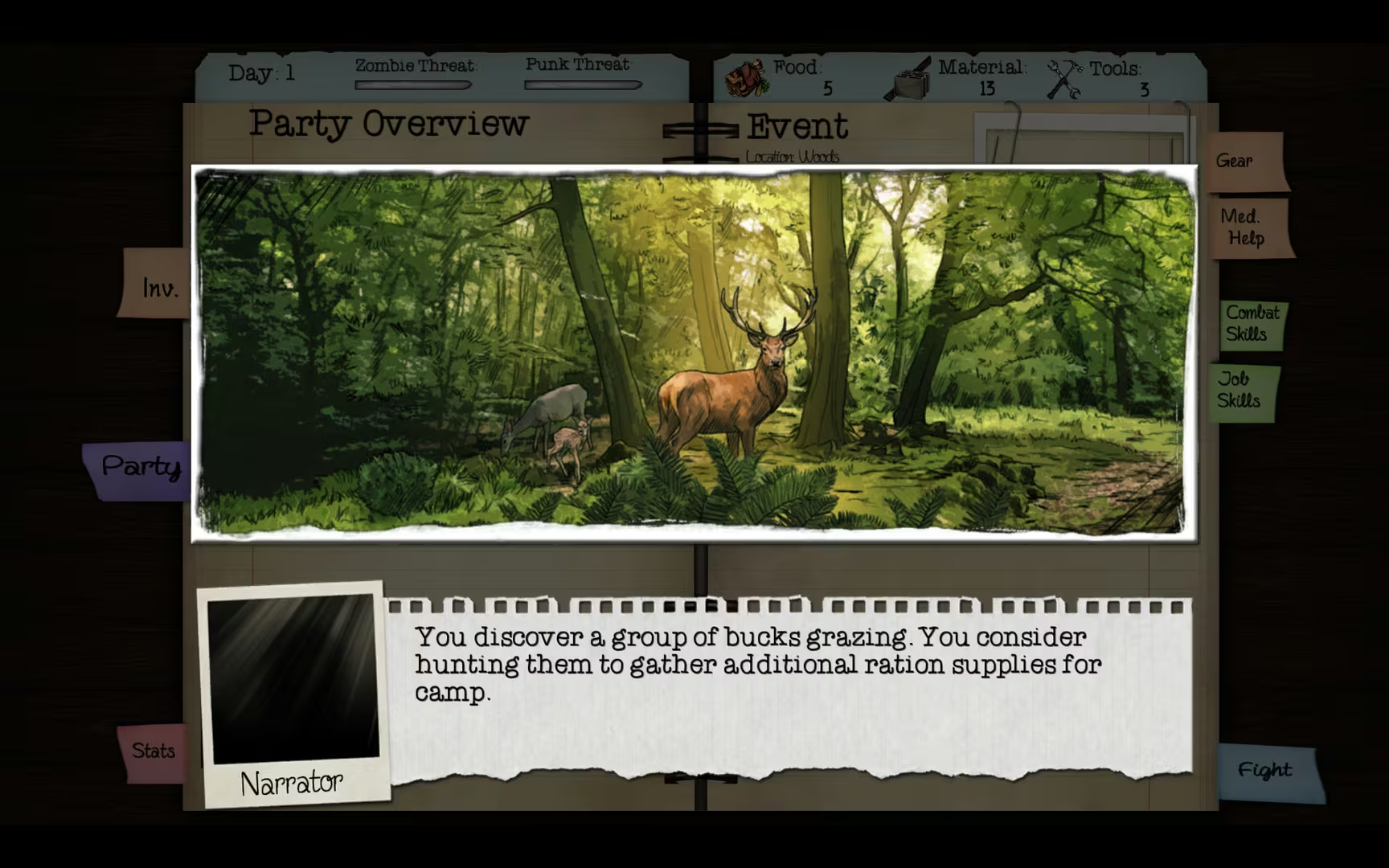
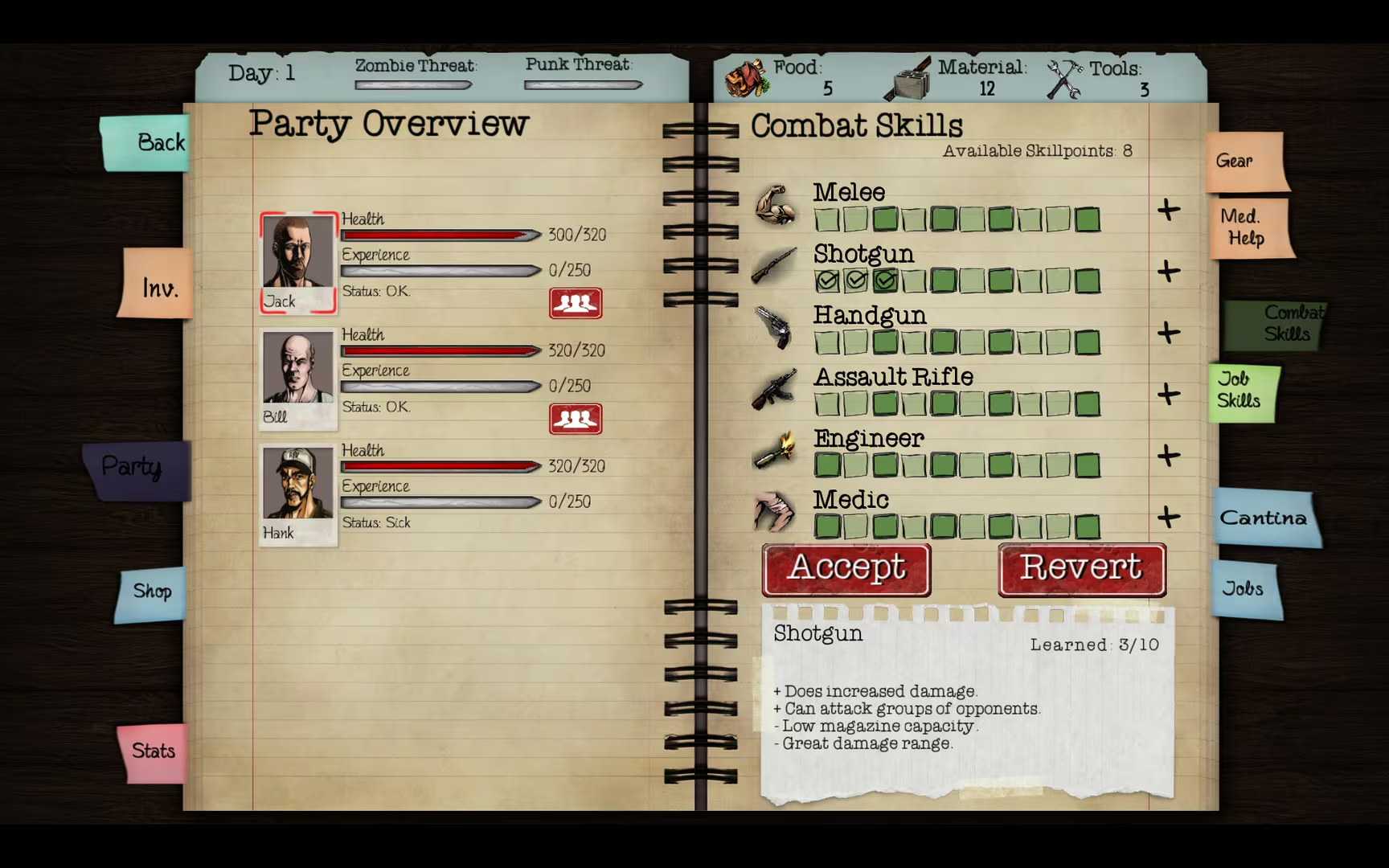
- Strong survival and resource management
- Meaningful story and character interactions
- High replay value with randomized events
- Strategic depth and progression systems
Cons
- Repetitive combat and environments
- Limited visual customization
- Some ui and inventory management issues
- Early access bugs and performance problems
- Short playtime due to level and day caps
Analysis
Broadly representative of its motivational profile, with a few distinct shifts. Motivations that often define this kind of title include Leadership, Survival, Violence, Strategy. Here, the score leans higher than usual among comparable games on Cooperation, Intimacy. It leans lower than usual among comparable games on Expression.
How to use the graph
Similar games map
Each dot is a game. They are arranged from the same motivation profile as in the “Motivations” section below. Closer dots usually mean more similar reasons to play (exploration, competition, relaxation, etc.)—not that one game is “better” than another.
- Larger dot with a light outline: the game you are viewing.
- Colour: groups of games with comparable motivation patterns (statistical clusters).
- Hover a dot to see the game name; click to open its page.
- Scroll or double-click the chart to zoom out and see more games.
Why don’t the axes read like a score? This view uses t-SNE: it only keeps who is close to whom. The scales are not “good to bad” or hours played—they separate groups on the map. Read distance between dots, not the axis numbers.
Motivations
-
Autonomy4
"Players have freedom to assign jobs, choose missions, and develop characters with skill points, allowing control over actions and decisions."
-
Competence3
"Game involves strategic turn-based combat and resource management requiring skill and planning, though combat can become repetitive."
-
Competition-3
"Focus is on survival and personal progress with no evidence of player-vs-player or leaderboard competition."
-
Continuation4
"High replay value with multiple endings, random events, and progression through medals encourages repeated play despite some grind."
-
Cooperation2
"Players manage a group of survivors working together, but gameplay is single-player with no multiplayer cooperation."
-
Creativity2
"Players customize character skills, assign roles, and craft items, but limited visual customization and fixed environments."
-
Domination-4
"Interactions emphasize survival and mutual support within the group; no evidence of exerting control or superiority over others."
-
Escapism4
"Immersive post-apocalyptic setting and survival gameplay provide escape from real life stress and distraction."
-
Expectation-4
"Players engage voluntarily out of interest and enjoyment; no indication of obligation or external pressure to play."
-
Experimenting3
"Randomized events, multiple character builds, and strategic choices encourage trying new approaches and tactics."
-
Exploration2
"Players explore different zones with random encounters and loot, though locations are limited and somewhat repetitive."
-
Expression-3
"Minimal character visual customization; mostly fixed appearances and limited cosmetic options."
-
Fantasy3
"Fictional zombie apocalypse with narrative and character-driven storylines, though grounded in plausible survival scenarios."
-
Fellowship1
"Players manage a community of survivors with interpersonal storylines, but social interaction is single-player and limited."
-
Growth4
"Character leveling, skill development, and learning from repeated playthroughs support personal growth and mastery."
-
Health-4
"Game is sedentary with no physical activity; players engage in traditional gaming without health or exercise elements."
-
Idle-3
"Requires focused attention on resource management, combat, and decision-making; not designed for passive or background play."
-
Intimacy1
"Some character relationships and romance options exist, but emotional connections are limited and scripted."
-
Leadership3
"Players lead and manage a group of survivors, assigning roles and making strategic decisions for the community."
-
Progression4
"Strong progression through character leveling, equipment crafting, and unlocking new classes and abilities."
-
Relaxation2
"Turn-based combat and management provide a paced experience with moments of flow, though some find combat grindy."
-
Sensation1
"Visuals and audio create atmosphere but are modest; sensory stimulation is moderate and functional."
-
Status-4
"No social recognition or competitive ranking; achievements exist but focus on personal accomplishment."
-
Story4
"Narrative-driven with multiple endings, character interactions, and meaningful player choices influencing plot."
-
Strategy4
"Requires tactical turn-based combat, resource allocation, and planning to survive and progress."
-
Thrill3
"Tension from permadeath, resource scarcity, and timed missions creates suspense and excitement."
-
Value3
"Good perceived value especially on sale due to replayability and depth despite some early access limitations."
-
Violence4
"Combat involves killing zombies and hostile humans with weapons and melee attacks; violence is central."
-
Survival5
"Core gameplay revolves around managing scarce resources, avoiding death, and overcoming threats."
Last update: 29/04/2026