Thea: The Awakening similar games & best alternatives
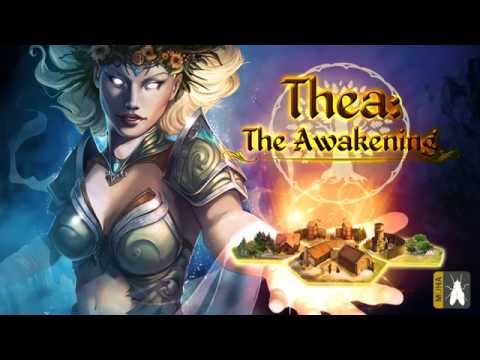
Thea: The Awakening
2015
Related articles
Quick resume
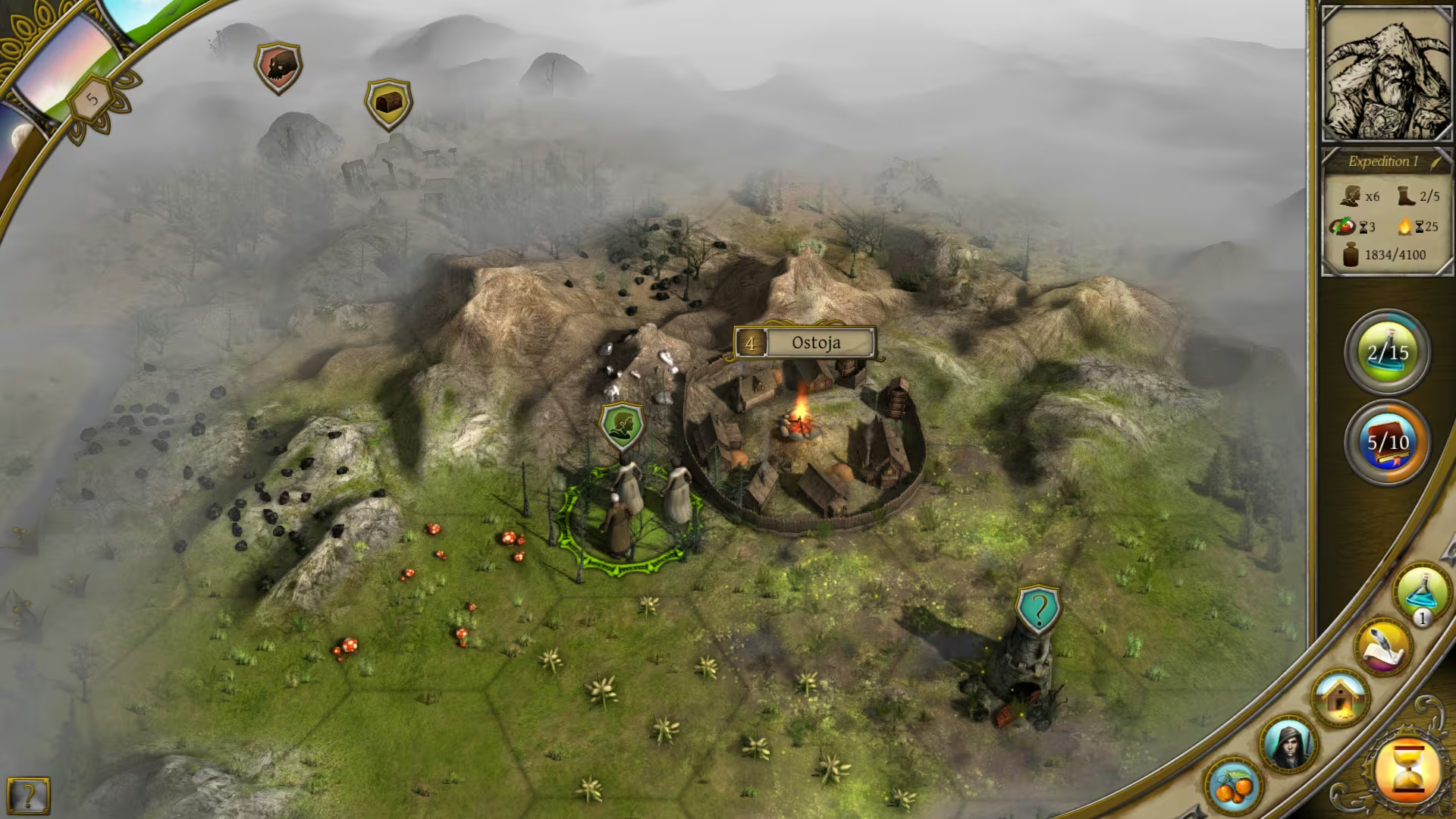
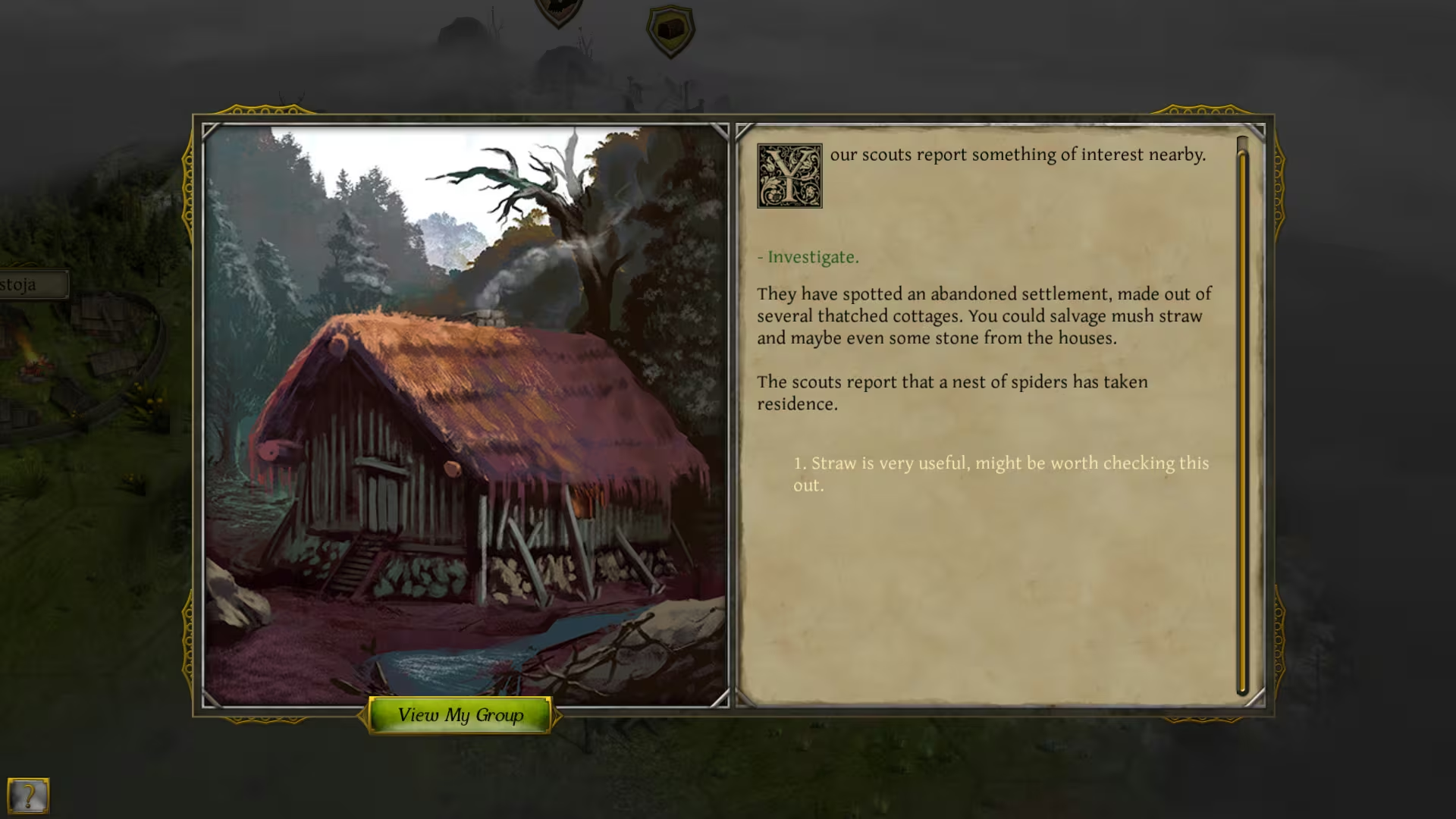
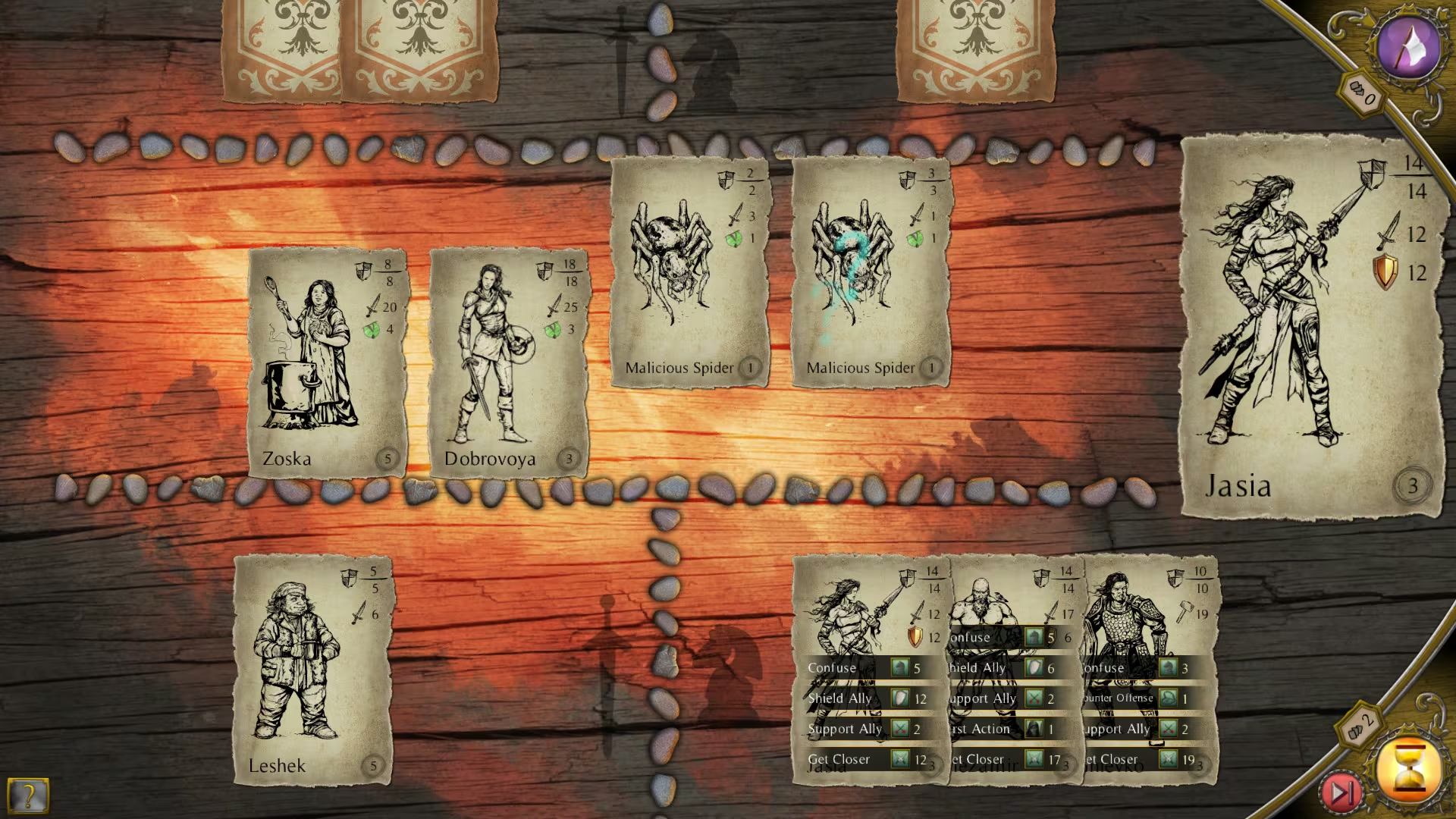
Thea: The Awakening is a turn-based strategic survival game inspired by the Slavic mythology and set in a procedural dark fantasy world infused with non-linear story and unique combat system.
Global score
88/100
Genres
Indie, Role-playing (RPG), Strategy, Adventure, Turn-based strategy (TBS), Simulator, Card & Board Game
Similar games
Pros
- Unique blend of 4x, rpg, survival, and card combat
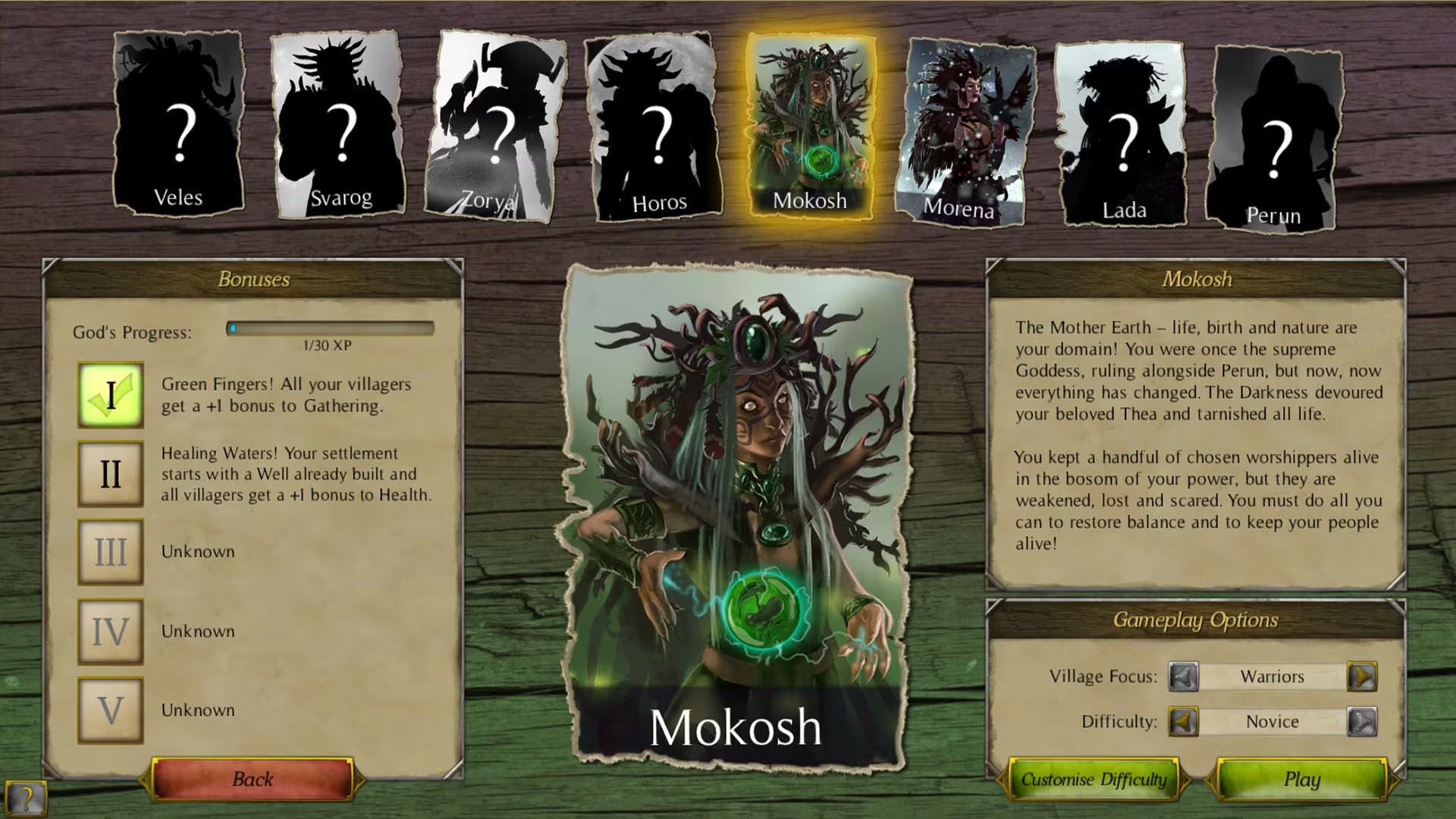
- Rich slavic mythology and narrative
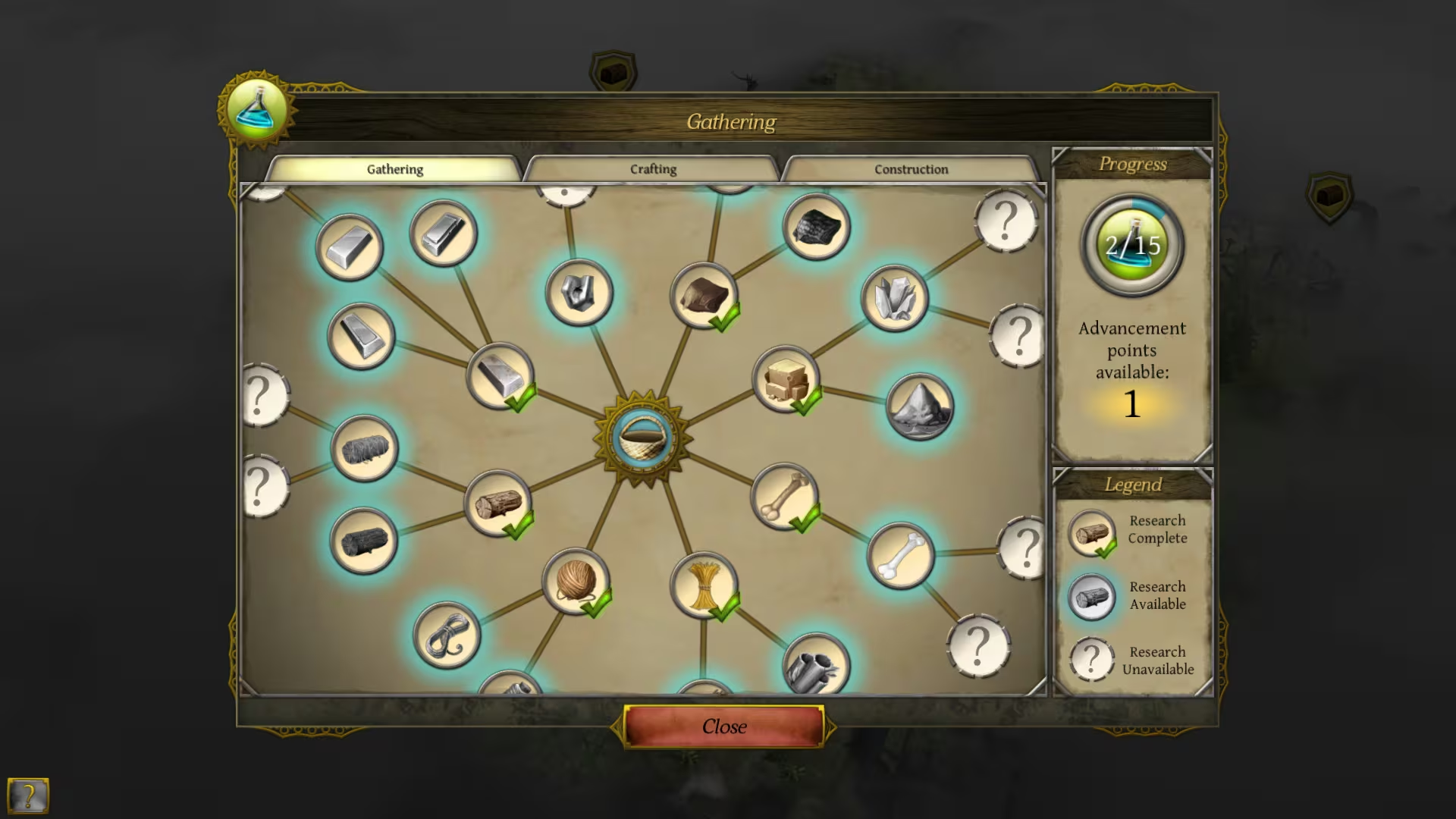
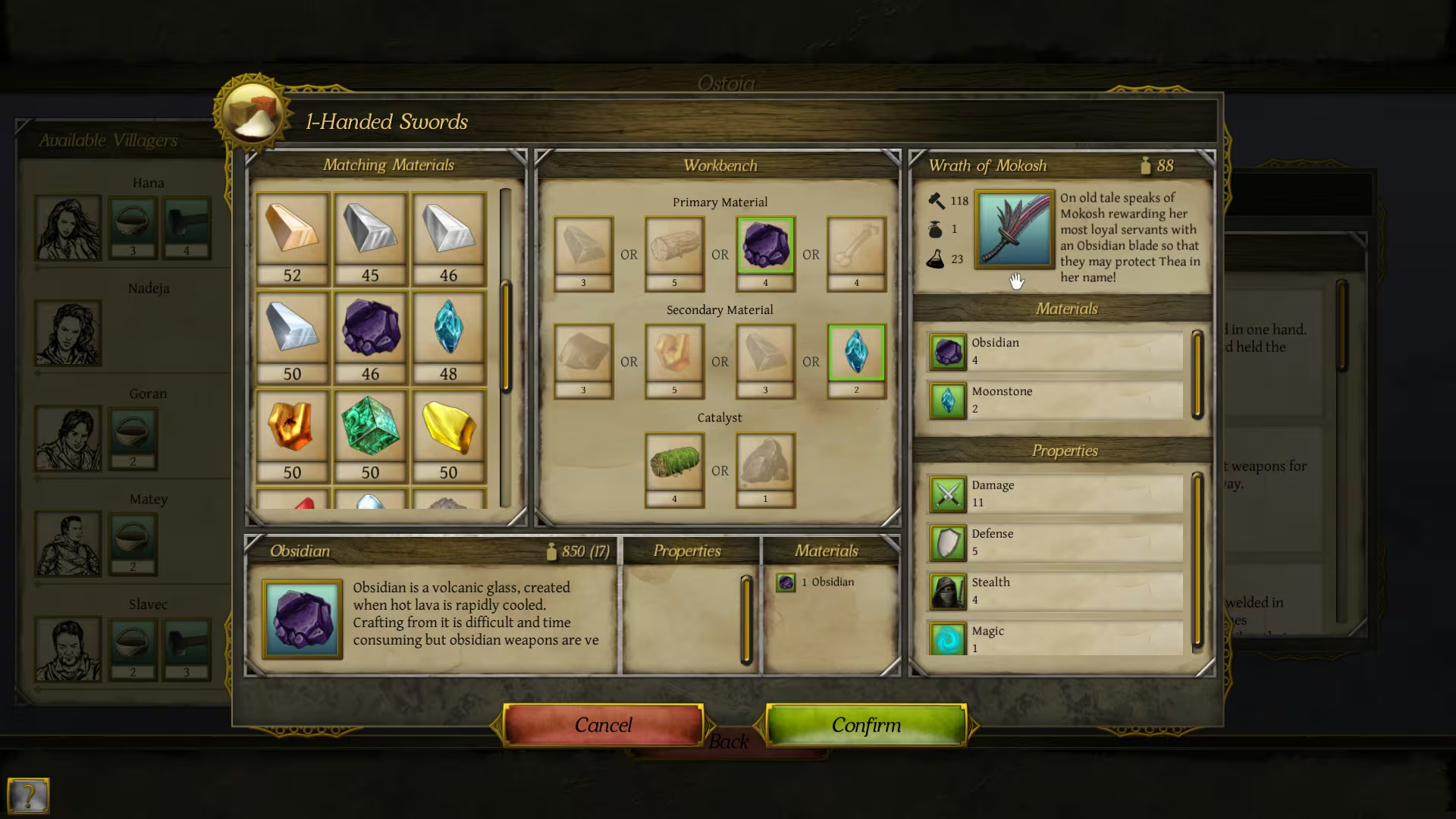
- Deep crafting and customization system
- High replayability with roguelike elements
- Active and responsive developers with free dlc
Cons
- Clunky user interface and inventory management
- Some balance issues in combat and resources
- Limited village expansion and multiplayer features
- Randomness can cause frustrating losses
- Story content relatively short and repetitive
Analysis
Less representative of its motivational profile, with noticeable differences. Motivations that often define this kind of title include Leadership, Survival, Violence, Strategy. Here, the score leans higher than usual among comparable games on Intimacy, Exploration, Story.
How to use the graph
Similar games map
Each dot is a game. They are arranged from the same motivation profile as in the “Motivations” section below. Closer dots usually mean more similar reasons to play (exploration, competition, relaxation, etc.)—not that one game is “better” than another.
- Larger dot with a light outline: the game you are viewing.
- Colour: groups of games with comparable motivation patterns (statistical clusters).
- Hover a dot to see the game name; click to open its page.
- Scroll or double-click the chart to zoom out and see more games.
Why don’t the axes read like a score? This view uses t-SNE: it only keeps who is close to whom. The scales are not “good to bad” or hours played—they separate groups on the map. Read distance between dots, not the axis numbers.
Motivations
-
Autonomy4
"Players have freedom to choose expeditions, craft items with various materials, and make strategic and narrative choices affecting outcomes."
-
Competence4
"Game requires skill in managing resources, crafting, tactical card combat, and decision making with meaningful feedback."
-
Competition-3
"Focus is on survival and personal progression rather than competing against other players; multiplayer is cooperative and limited."
-
Continuation5
"High replayability with roguelike elements, persistent god leveling, and emergent stories encourage repeated play sessions."
-
Cooperation-4
"Primarily single-player experience focused on managing own village and expeditions; multiplayer is cooperative but not main focus."
-
Creativity4
"Extensive crafting system with variable materials affecting item properties; player customizes equipment and village development."
-
Domination-4
"Interactions emphasize survival and mutual respect; no evidence of power imposition or trash talk."
-
Escapism5
"Immersive dark fantasy world with Slavic mythology, rich narrative and atmospheric gameplay provide strong escape from reality."
-
Expectation-4
"Players engage voluntarily driven by intrinsic interest and enjoyment; no evidence of obligation or external pressure."
-
Experimenting4
"Players experiment with different crafting recipes, expedition compositions, and tactical approaches in card combat."
-
Exploration5
"Procedurally generated maps with random events and quests encourage discovery and curiosity-driven exploration."
-
Expression3
"Players customize characters with equipment and develop their village uniquely, expressing playstyle preferences."
-
Fantasy5
"Strongly rooted in Slavic mythology and fantasy setting with mythical creatures and gods."
-
Fellowship-3
"Mostly solo play with limited social interaction; multiplayer cooperative mode exists but is not central."
-
Growth5
"Players develop characters, unlock new gods, research technologies, and improve village capabilities over time."
-
Health-4
"Sedentary gameplay with no physical activity; focus on mental challenge and resource management."
-
Idle-3
"Requires active management of village, expeditions, and combat; not designed for passive or background play."
-
Intimacy2
"Players form attachments to individual villagers and their stories, though social interaction is limited."
-
Leadership4
"Player leads and manages village and expedition parties, making strategic decisions and guiding development."
-
Progression5
"Strong progression through crafting, research, character leveling, and god upgrades."
-
Relaxation2
"Game offers moments of flow and immersion but also sustained tension from survival challenges and random events."
-
Sensation2
"Art and music provide atmospheric sensory stimulation; combat and events evoke emotional engagement."
-
Status-4
"Focus is on individual experience and survival rather than social recognition or popularity."
-
Story5
"Rich narrative with branching quests, lore, and character-driven stories deeply integrated into gameplay."
-
Strategy5
"Requires complex mental challenge in resource management, tactical card combat, and long-term planning."
-
Thrill4
"Tense survival situations, risk of permanent character loss, and unpredictable events create suspense and excitement."
-
Value4
"High perceived value due to depth, replayability, and free DLC content despite modest price."
-
Violence3
"Combat and conflict are present but balanced with non-violent challenge resolution options."
-
Survival5
"Core gameplay revolves around managing resources, avoiding threats, and keeping villagers alive."
Where to buy
Last update: 29/04/2026