Mind Over Magic Thumbnail

Mind Over Magic similar games & best alternatives

Mind Over Magic

PC (Microsoft Windows) • 2025

Related articles

Quick resume

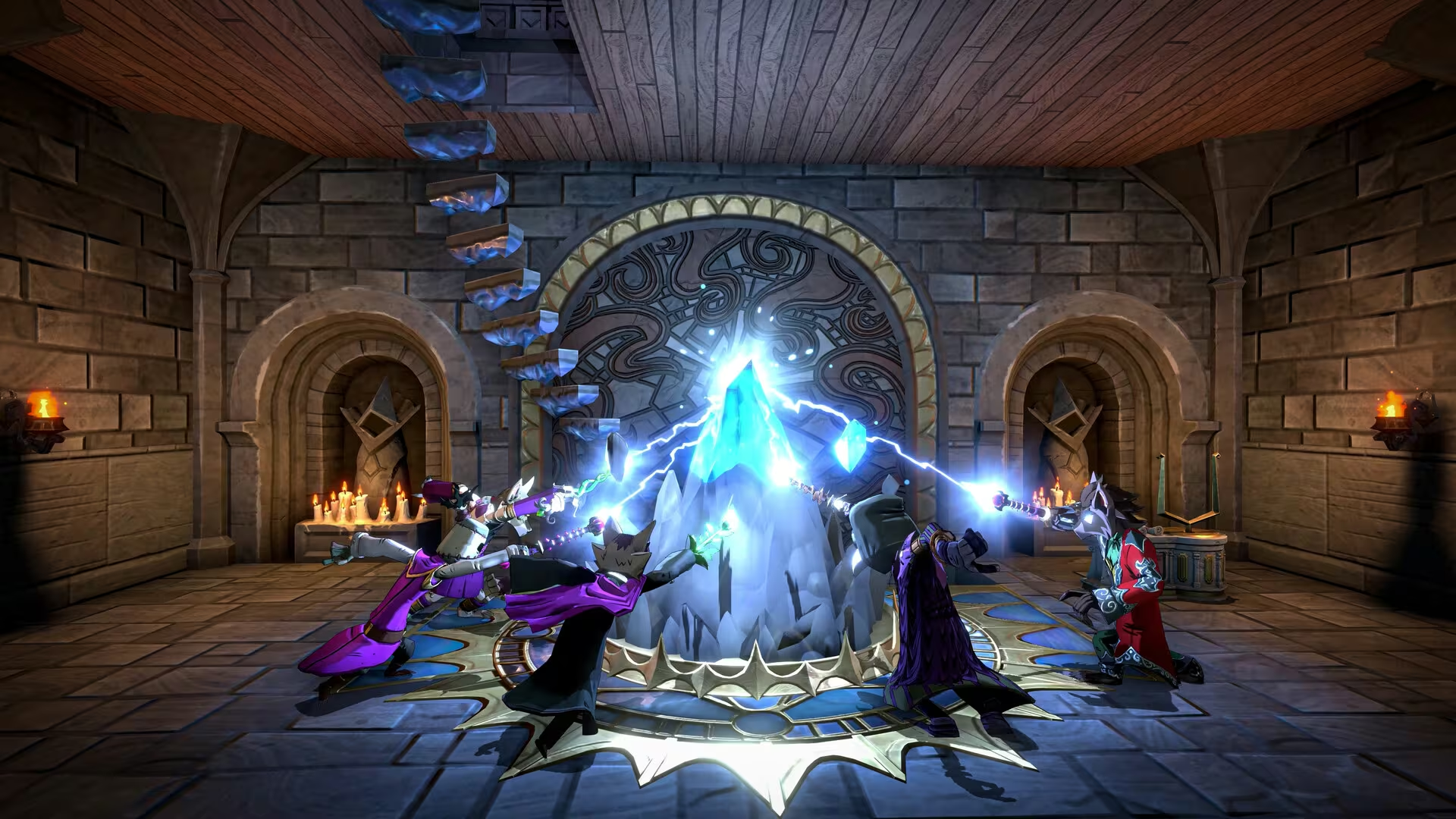
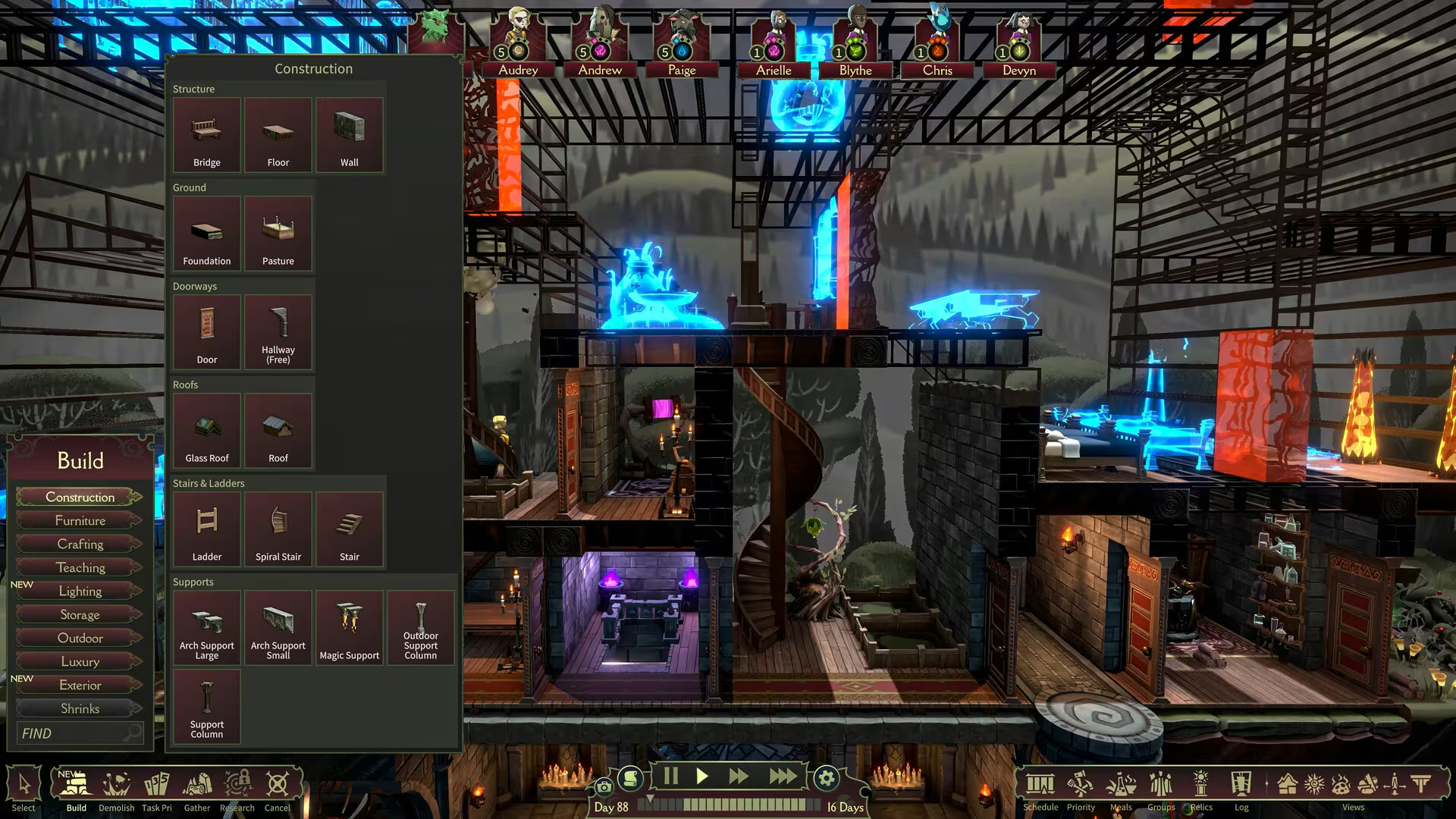
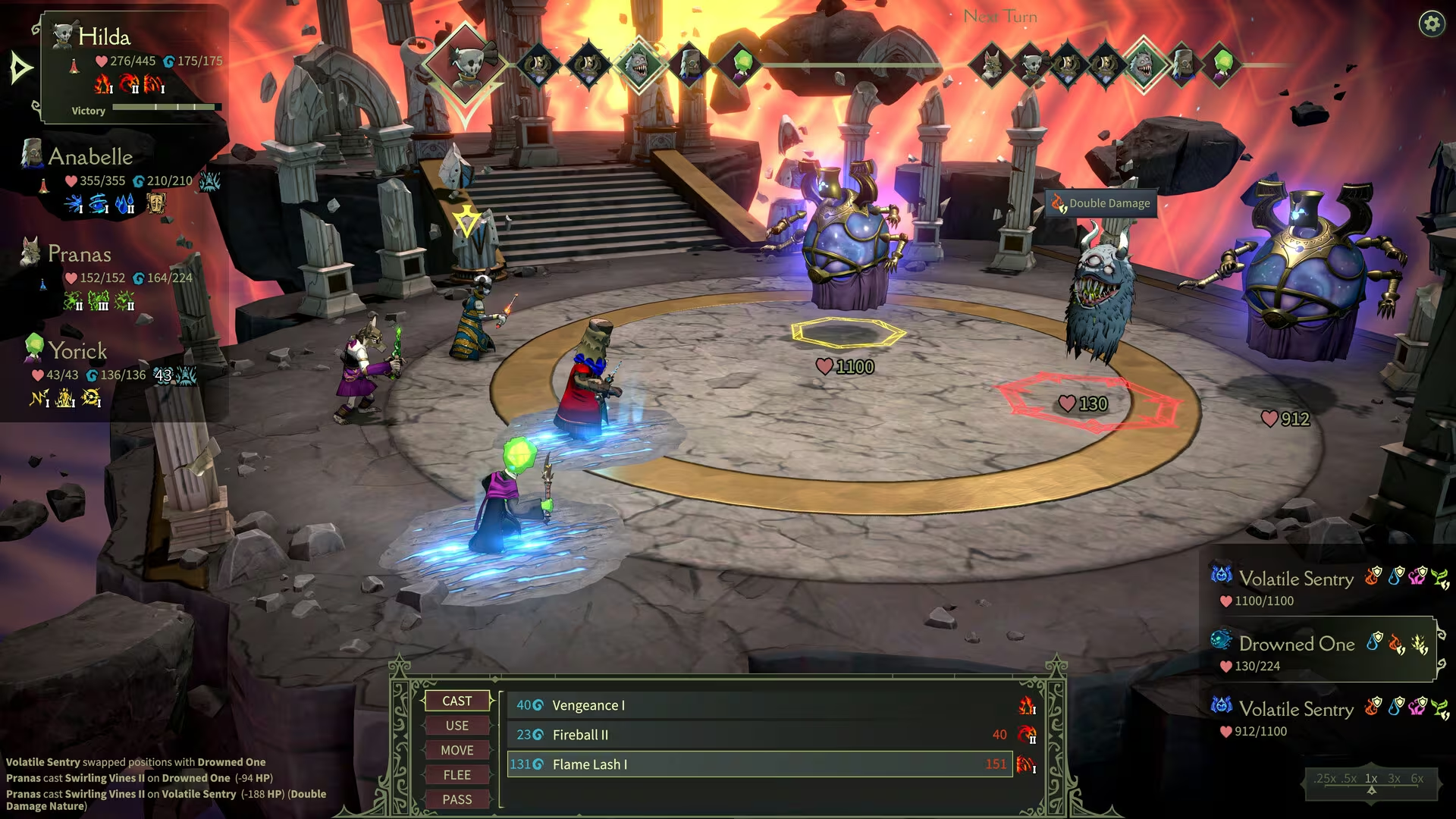
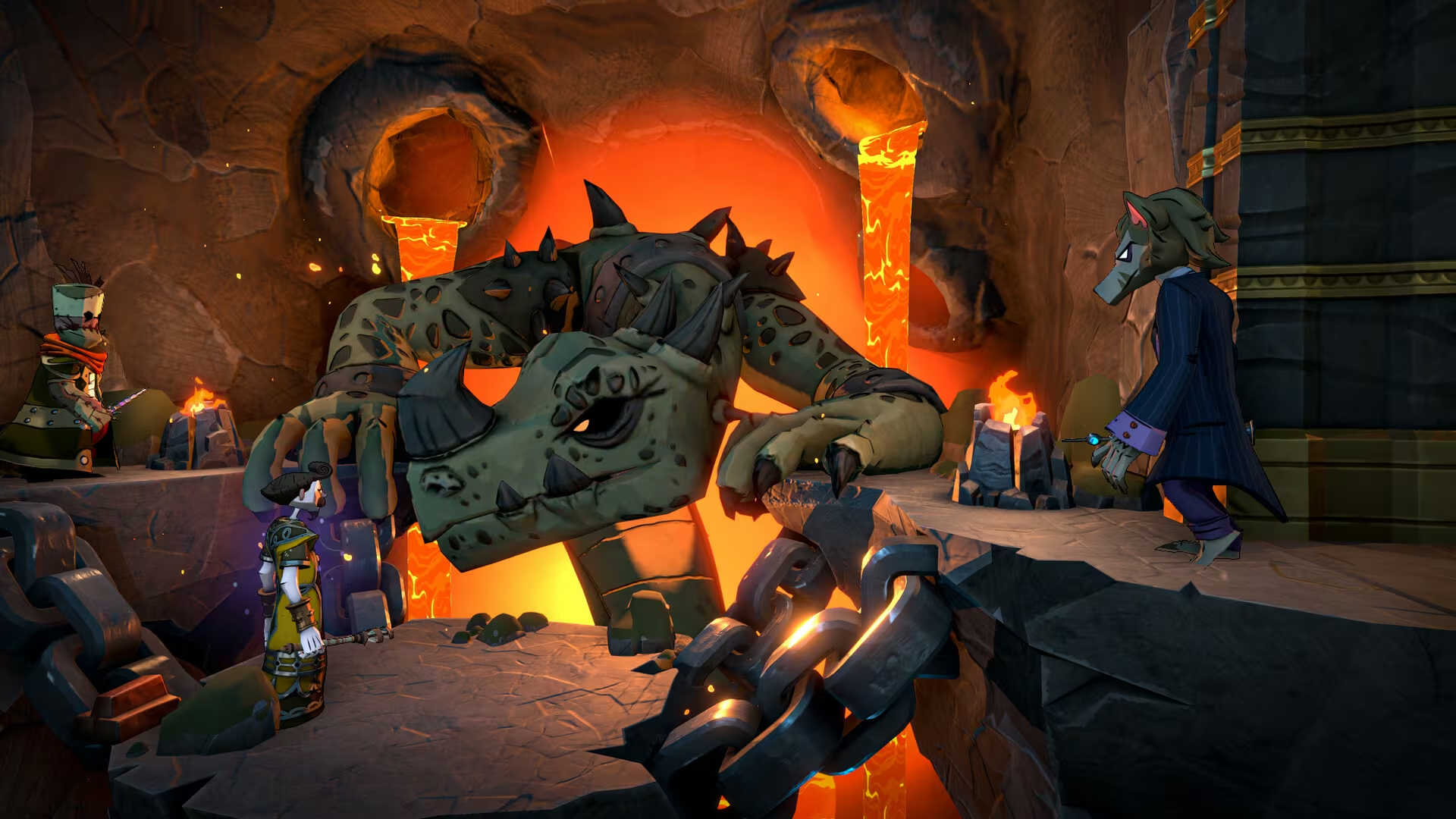
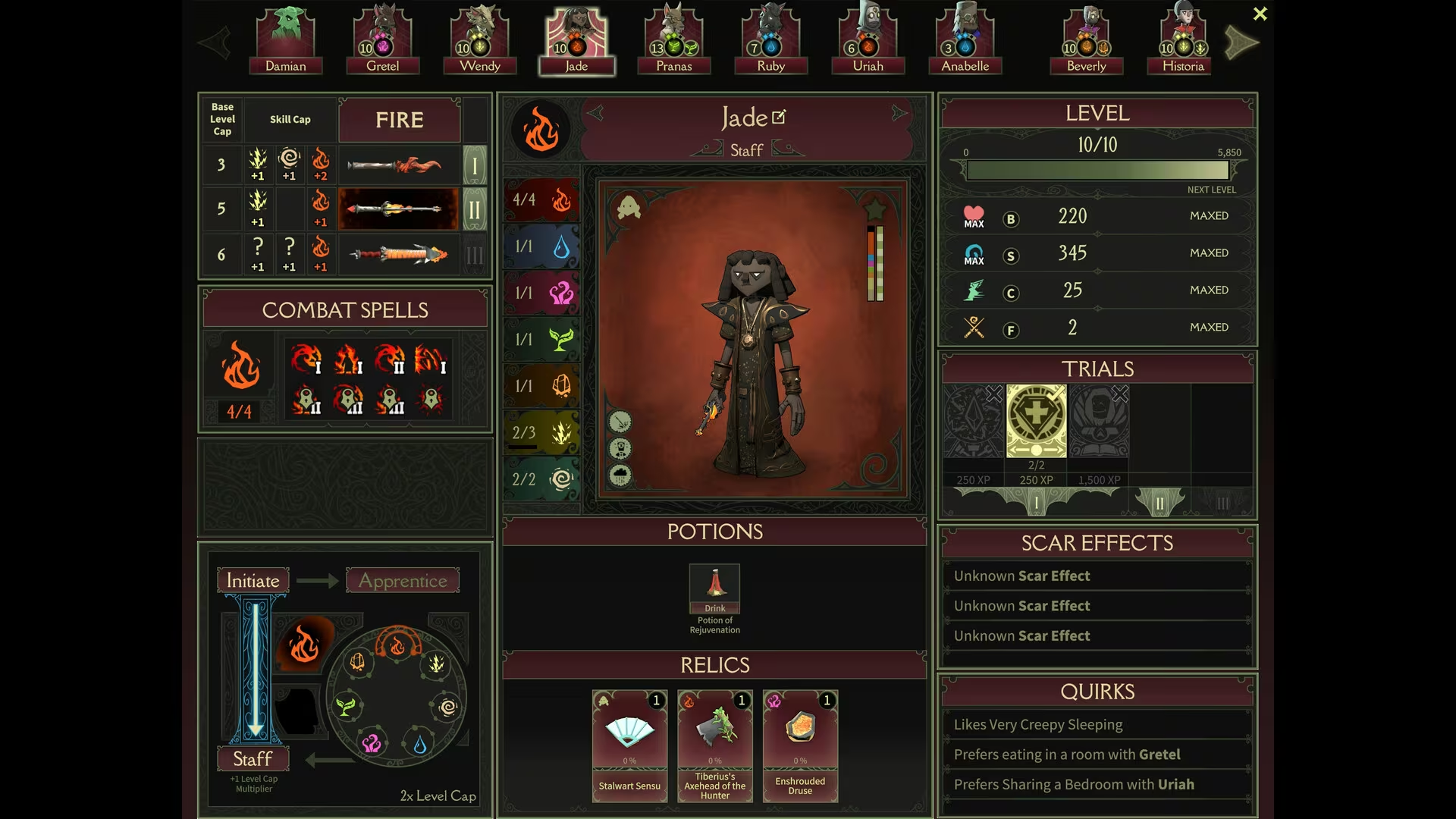
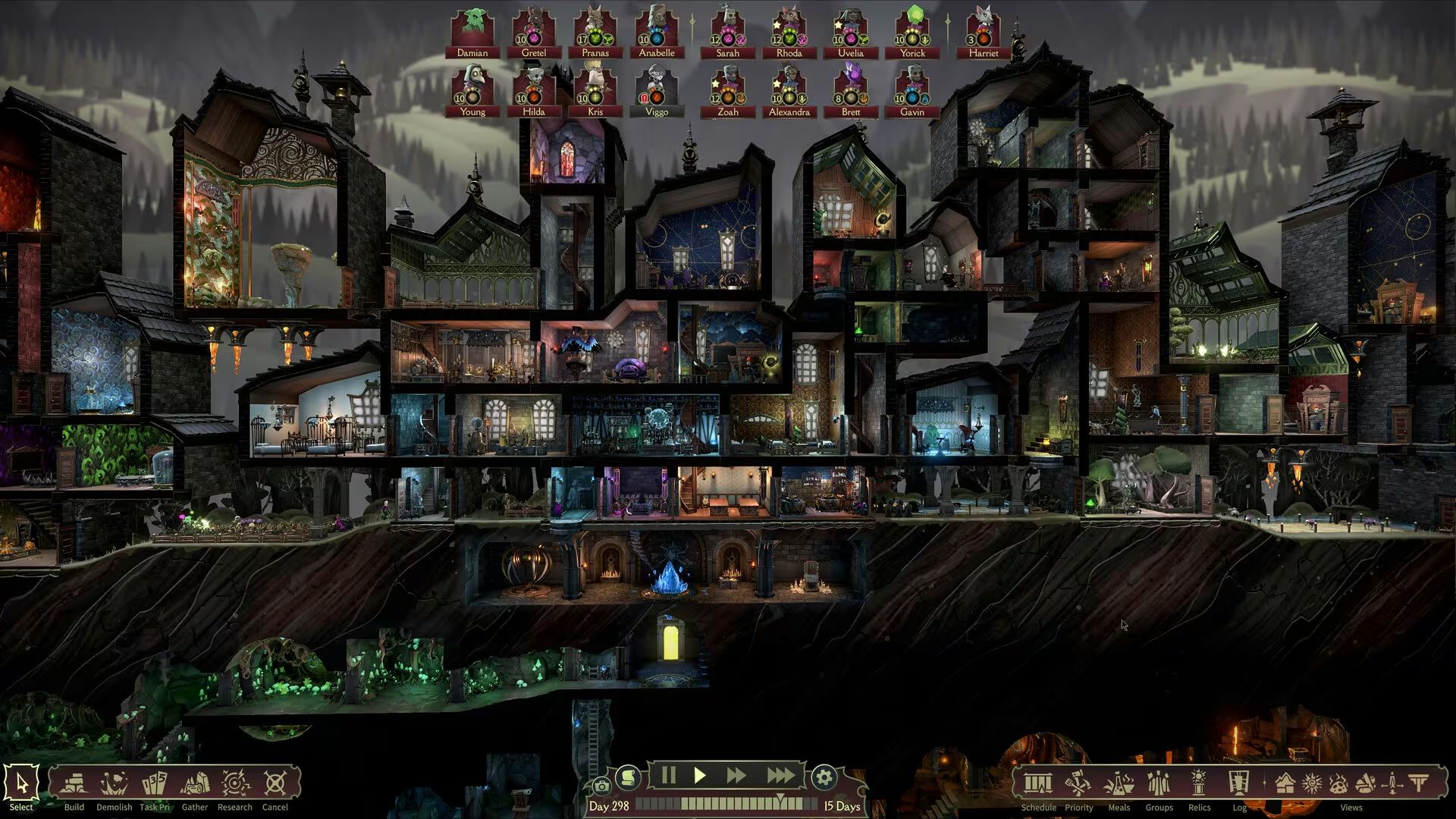
Mind Over Magic is a colony sim set at the site of a cursed magic school. Build and optimize your own magical academy, train powerful Mages, and master mighty relics in order to battle through the Underschool, a mysterious underground dungeon that holds the key to liberation from a deadly curse.

Global score

87/100

Genres

Simulator, Indie

Similar games

    Pros

    • Deep and addictive gameplay
    • Creative building and design
    • Engaging fantasy theme
    • Well-polished for early access
    • Strong management and strategy elements

    Cons

    • Late game can feel grindy
    • Combat is repetitive and simplistic
    • Some ui and quality of life improvements needed
    • Limited character customization
    • Slow pacing at times

    Analysis

    A very typical example of its motivational profile. Motivations that often define this kind of title include Leadership, Survival, Violence, Strategy. Here, the score leans higher than usual among comparable games on Fantasy, Relaxation. It leans lower than usual among comparable games on Cooperation.

    How to use the graph
    Similar games map

    Each dot is a game. They are arranged from the same motivation profile as in the “Motivations” section below. Closer dots usually mean more similar reasons to play (exploration, competition, relaxation, etc.)—not that one game is “better” than another.

    • Larger dot with a light outline: the game you are viewing.
    • Colour: groups of games with comparable motivation patterns (statistical clusters).
    • Hover a dot to see the game name; click to open its page.
    • Scroll or double-click the chart to zoom out and see more games.

    Why don’t the axes read like a score? This view uses t-SNE: it only keeps who is close to whom. The scales are not “good to bad” or hours played—they separate groups on the map. Read distance between dots, not the axis numbers.

    Motivations

    • Autonomy
      4

      "Players have freedom to design their school layout, choose research paths, and manage staff and students with flexible priority systems."

    • Competence
      4

      "The game challenges players with complex management, optimization, and combat mechanics requiring skill and strategic thinking."

    • Competition
      -3

      "Focus is on personal progression and management rather than direct competition or leaderboards."

    • Continuation
      4

      "Many players report long sessions and habitual play, with addictive gameplay loops and replayability."

    • Cooperation
      -4

      "Gameplay centers on individual management of the school and characters, with limited multiplayer or cooperative elements."

    • Creativity
      4

      "Strong emphasis on creative building and room design with unique architectural constraints and customization."

    • Domination
      -4

      "Interactions are balanced and cooperative within the game systems; no evidence of exerting control or superiority over others."

    • Escapism
      4

      "Players use the game as a deep immersive escape into a magical school setting with engaging fantasy elements."

    • Expectation
      -4

      "Players engage voluntarily out of intrinsic interest and enjoyment rather than obligation or external pressure."

    • Experimenting
      4

      "Players explore different layouts, magic schools, and strategies, experimenting with game systems and mechanics."

    • Exploration
      3

      "Includes exploration of underground dungeons and discovery of new resources and secrets."

    • Expression
      3

      "Customization of characters and school design allows for personal expression, though character appearance options are somewhat limited."

    • Fantasy
      5

      "Strong fantasy theme with magic, mythical creatures, and imaginative fiction central to gameplay."

    • Fellowship
      -4

      "Primarily a single-player experience with minimal social or community interaction."

    • Growth
      4

      "Players develop skills in managing complex systems and improving their school and characters over time."

    • Health
      -4

      "Typical sedentary gaming experience with no physical activity or health-related mechanics."

    • Idle
      -3

      "Requires active management and attention; some waiting periods but generally continuous engagement."

    • Intimacy
      -4

      "Limited social interaction; relationships are mostly functional and game-driven rather than emotionally intimate."

    • Leadership
      3

      "Players lead and manage groups of students and staff, making strategic decisions and guiding development."

    • Progression
      4

      "Strong progression through research, upgrading rooms, and improving characters and equipment."

    • Relaxation
      3

      "Balanced challenge with moments of flow and relaxation, though some players note pacing issues and grind."

    • Sensation
      3

      "Enjoyable art style, animations, and sound design provide sensory pleasure and atmosphere."

    • Status
      -3

      "Focus is on personal achievement rather than social recognition or popularity."

    • Story
      2

      "Contains some lore and narrative elements but story is not the primary focus."

    • Strategy
      4

      "Requires strategic planning in building, resource management, combat, and character development."

    • Thrill
      2

      "Some suspense from combat and managing threats like the encroaching fog, but generally controlled gameplay."

    • Value
      4

      "Players perceive good value for time and money due to depth, content, and replayability."

    • Violence
      1

      "Includes combat and fighting mechanics but balanced with constructive building and management."

    • Survival
      3

      "Players manage threats and resources to survive and push back dangers like the fog."

    Last update: 29/04/2026