Ratropolis Thumbnail

Ratropolis similar games & best alternatives
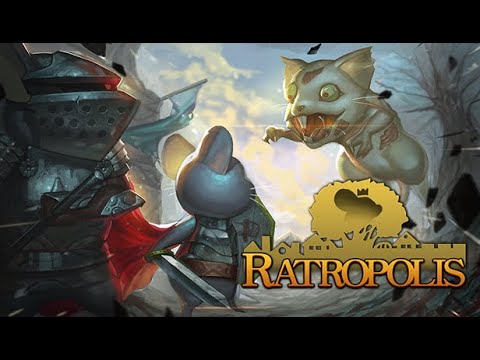
Ratropolis

PC (Microsoft Windows), iOS, Mac • 2020

Related articles

Quick resume

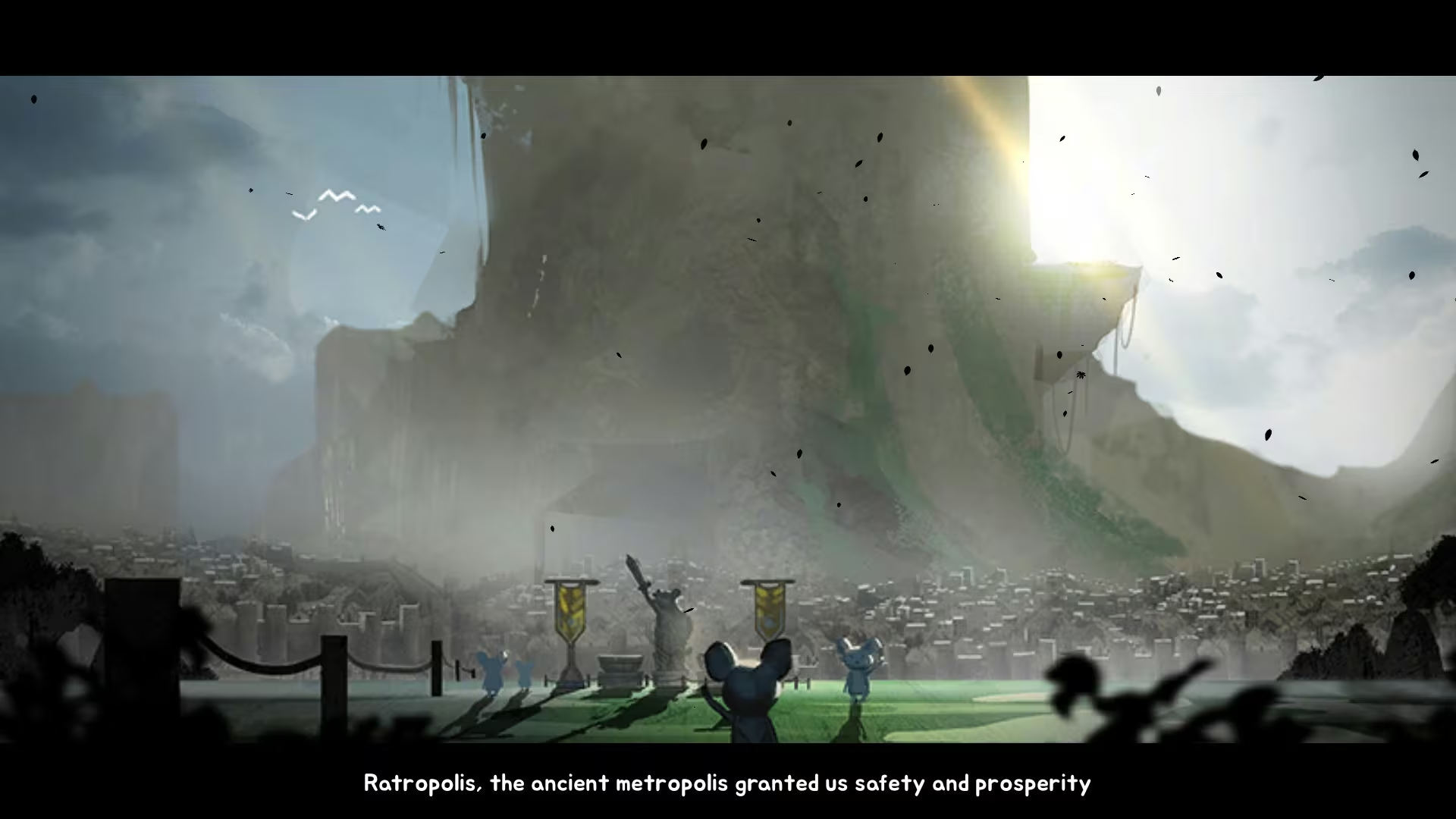
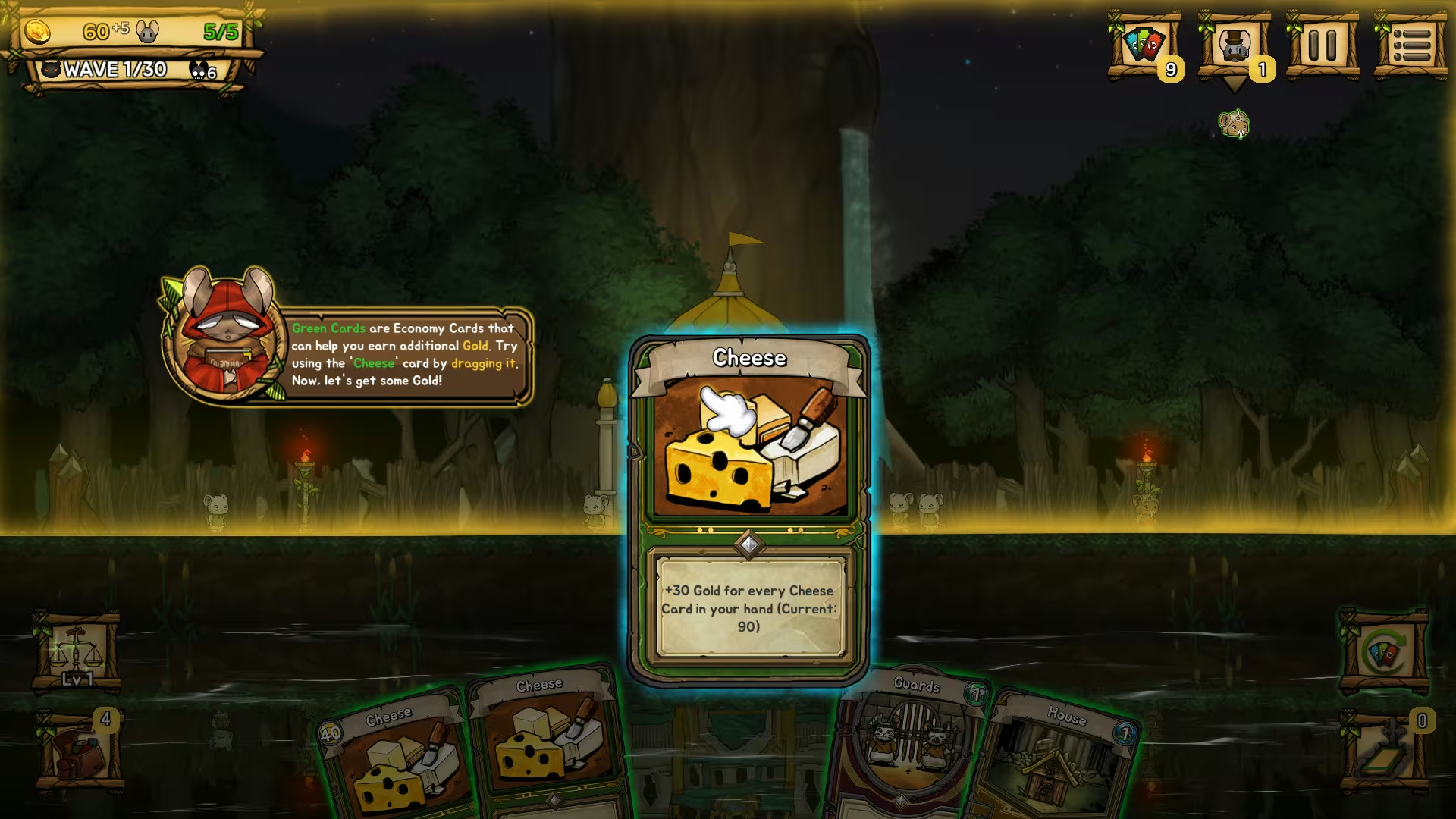
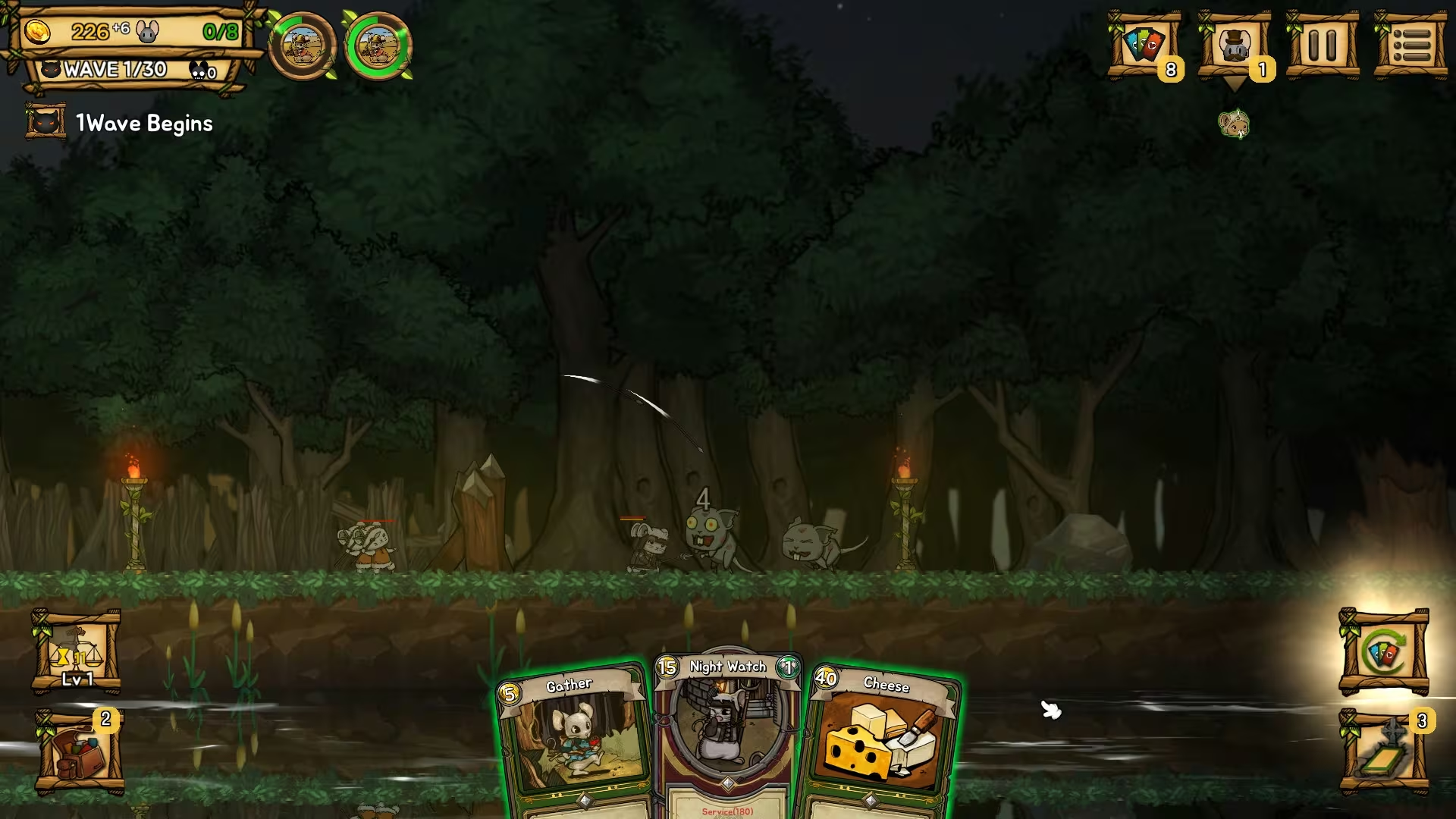
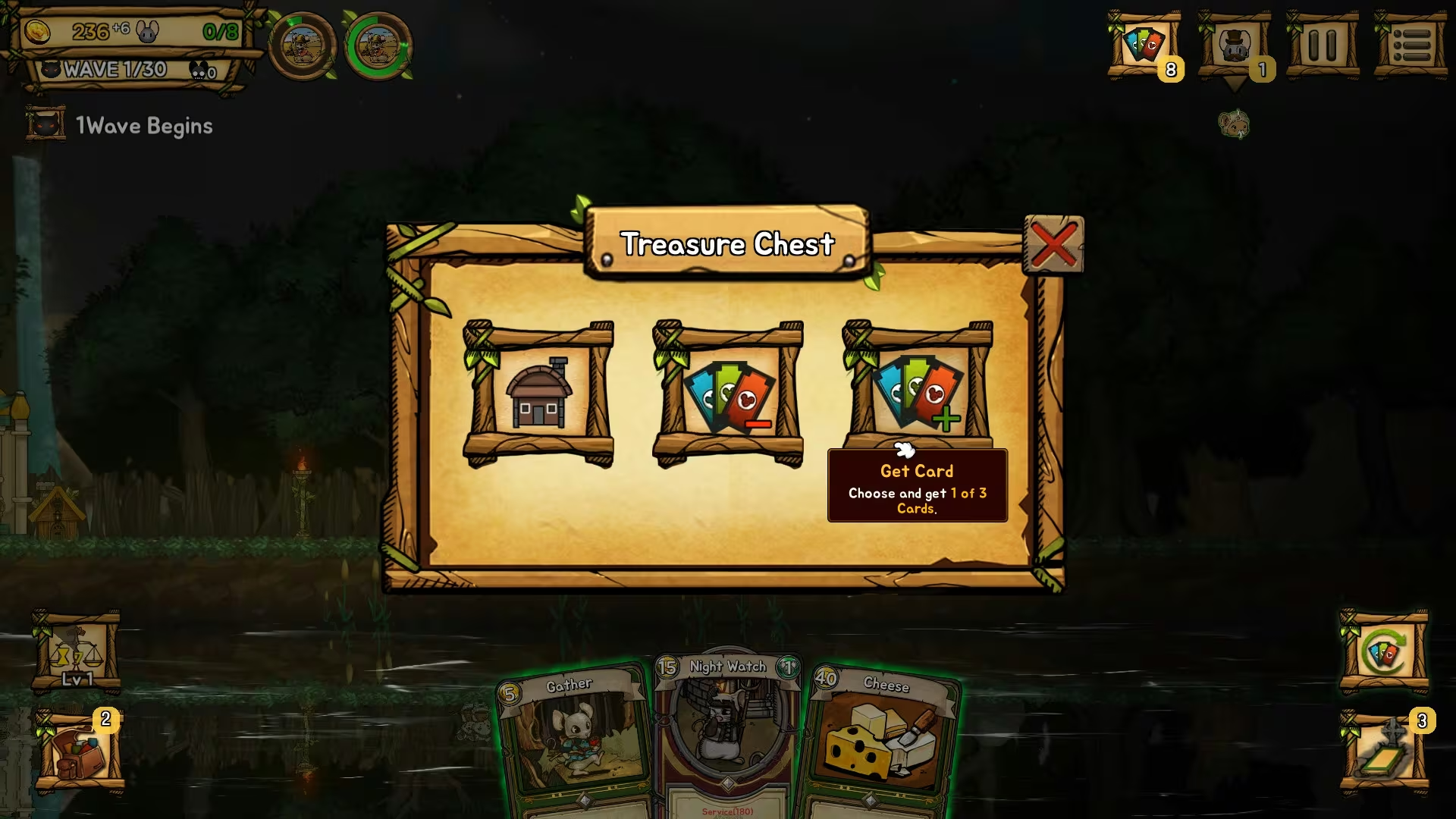
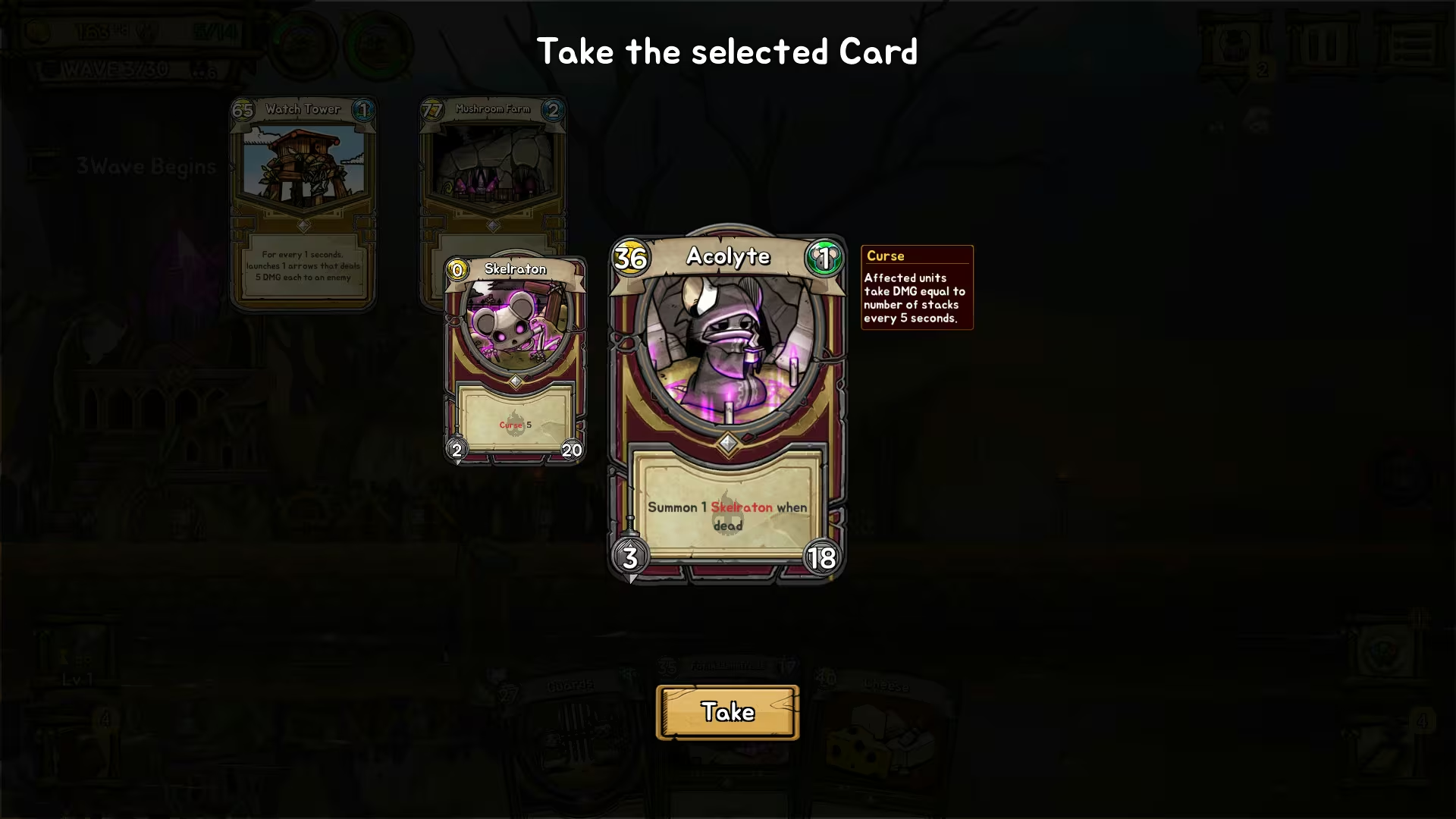
A fusion of roguelite, tower defense, city-building, and deck-building! We created a new kind of real time strategy game filled with addictive and fast-paced gameplay. Create your deck, defend your city, and build the largest Ratropolis in history!

Global score

88/100

Genres

Casual, Indie, Simulator, Strategy, Role-playing (RPG), Card & Board Game

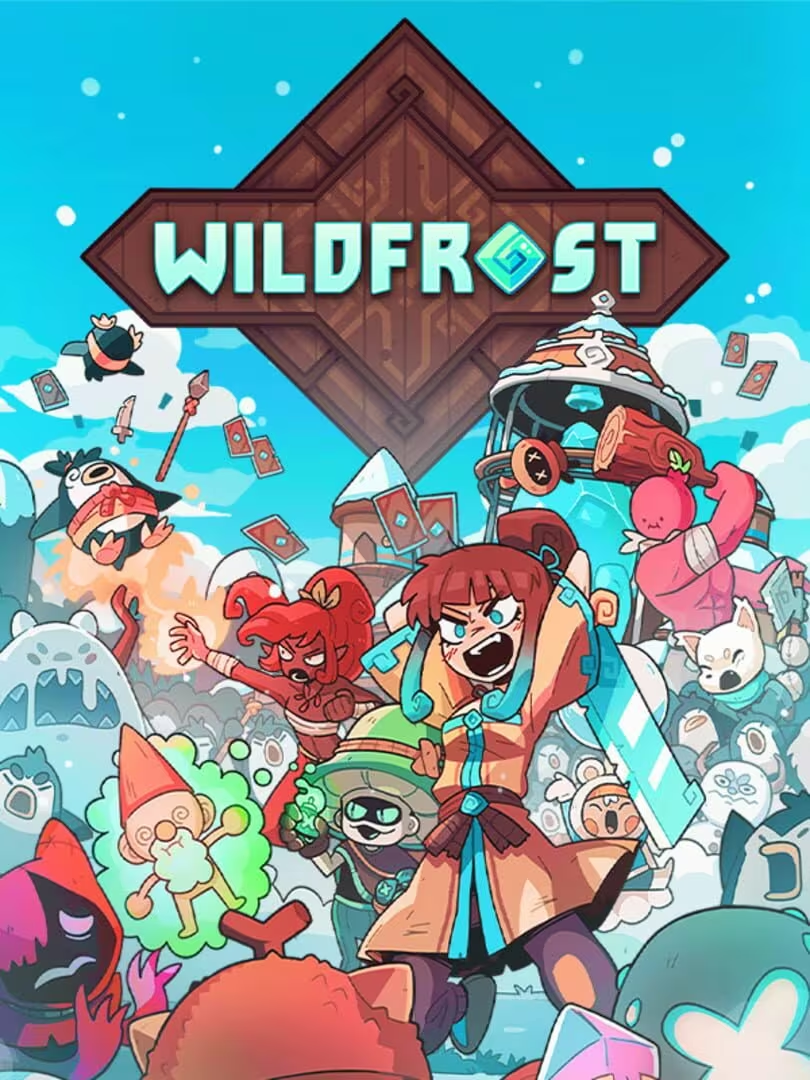
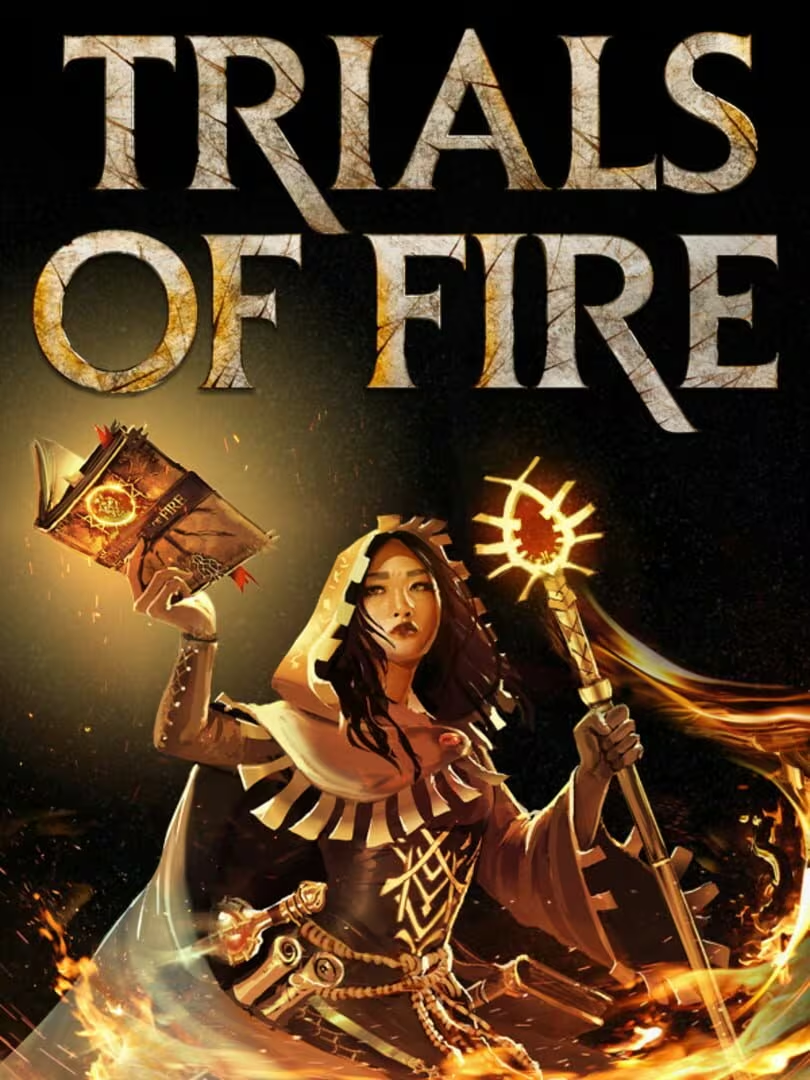
Similar games

    Pros

    • Unique blend of deckbuilding and tower defense
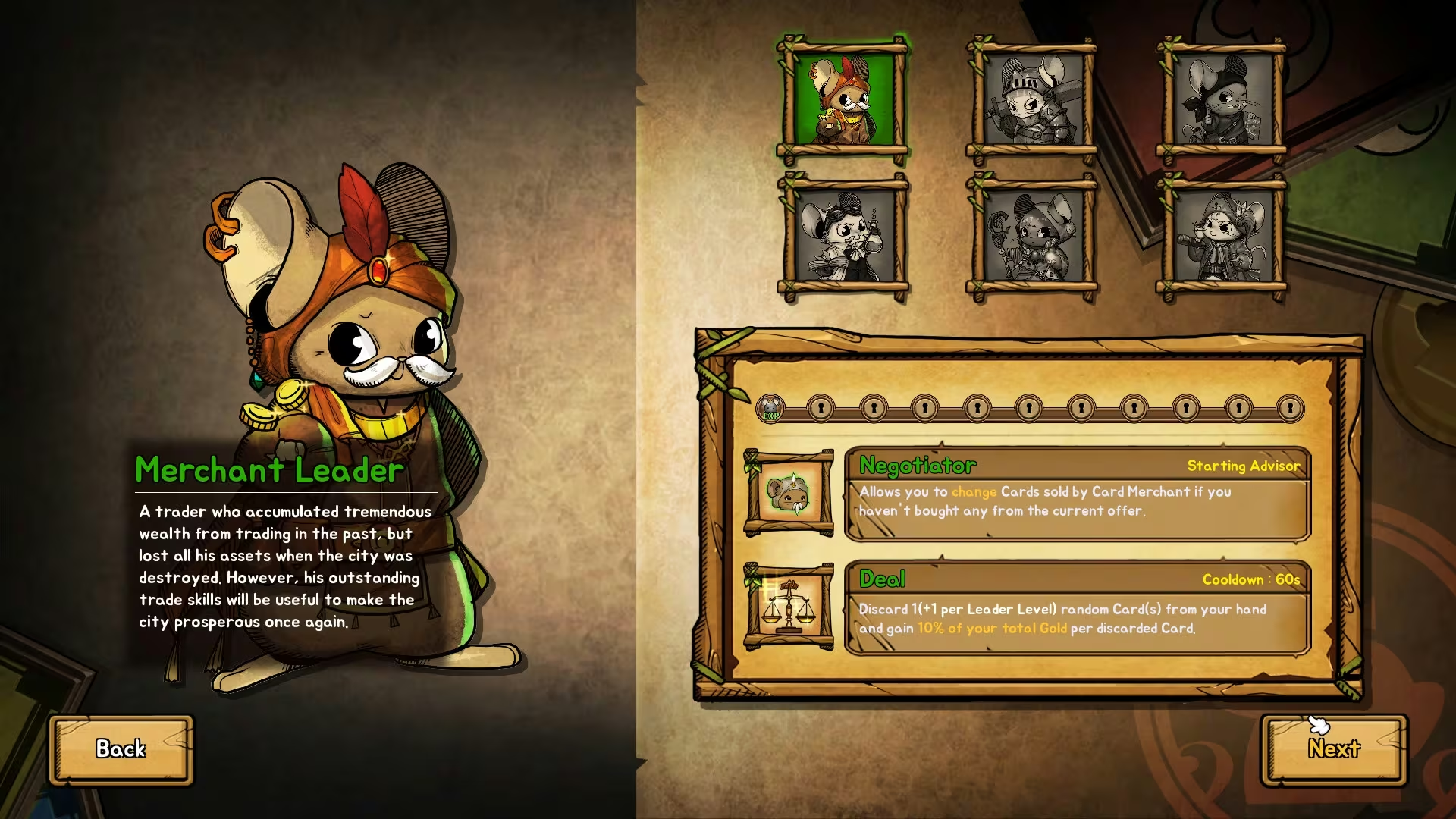
    • Varied leaders with distinct playstyles
    • Challenging and rewarding gameplay
    • Cute and appealing art style
    • Frequent updates and developer support

    Cons

    • Steep learning curve and difficulty spikes
    • Some balance and rng frustrations
    • Limited maps and content variety
    • Clunky ui and unit management
    • Lack of save feature during runs

    Analysis

    Broadly representative of its motivational profile, with a few distinct shifts. Motivations that often define this kind of title include Leadership, Survival, Violence, Strategy. It leans lower than usual among comparable games on Story, Relaxation, Fellowship.

    How to use the graph
    Similar games map

    Each dot is a game. They are arranged from the same motivation profile as in the “Motivations” section below. Closer dots usually mean more similar reasons to play (exploration, competition, relaxation, etc.)—not that one game is “better” than another.

    • Larger dot with a light outline: the game you are viewing.
    • Colour: groups of games with comparable motivation patterns (statistical clusters).
    • Hover a dot to see the game name; click to open its page.
    • Scroll or double-click the chart to zoom out and see more games.

    Why don’t the axes read like a score? This view uses t-SNE: it only keeps who is close to whom. The scales are not “good to bad” or hours played—they separate groups on the map. Read distance between dots, not the axis numbers.

    Motivations

    • Autonomy
      4

      "Players can choose different leaders with unique decks and strategies, make decisions on card selection, building placement, and troop management, reflecting high player control."

    • Competence
      4

      "The game has a steep learning curve, requires skillful deckbuilding, real-time decision making, and strategic troop management, providing a strong sense of competence."

    • Competition
      -3

      "Focus is on solo play and personal progression with no mention of multiplayer or leaderboards; players compete against game challenges rather than others."

    • Continuation
      4

      "Players report long sessions, habitual play, and repeated runs with unlocks and ascension levels encouraging continued engagement."

    • Cooperation
      -4

      "The game is single-player focused with no cooperative elements; players engage independently."

    • Creativity
      3

      "Players customize decks, build and upgrade structures, and experiment with different strategies and leader abilities."

    • Domination
      -5

      "No evidence of exerting control over other players; interactions are solo and balanced."

    • Escapism
      4

      "Players use the game as a challenging distraction and immersive experience, escaping real-life stress through gameplay."

    • Expectation
      -4

      "Players engage voluntarily out of intrinsic interest and enjoyment rather than obligation or pressure."

    • Experimenting
      4

      "Game encourages trying new cards, strategies, and adapting to RNG and different leaders, fostering experimentation."

    • Exploration
      2

      "Players explore different maps and unlock new cards and leaders, though environments are limited to a few maps."

    • Expression
      2

      "Some customization through deck building and leader choice, but limited cosmetic or avatar personalization."

    • Fantasy
      3

      "Players experience imaginative fiction with anthropomorphic rats, fantasy cards, and fictional scenarios."

    • Fellowship
      -5

      "No social or community gameplay elements; players participate individually."

    • Growth
      4

      "Players learn strategies, unlock cards and leaders, and improve skills over time."

    • Health
      -5

      "Game is sedentary with no physical activity or health-related features."

    • Idle
      -4

      "Requires constant attention and quick decision-making; not suited for passive or background play."

    • Intimacy
      -5

      "No evidence of close social relationships or emotional sharing; gameplay is solo."

    • Leadership
      3

      "Players lead their rat colony and make strategic decisions, though no social leadership over others."

    • Progression
      4

      "Players unlock new cards, leaders, and advisors, and progress through waves and ascension levels."

    • Relaxation
      -2

      "Game is challenging and fast-paced with tension from real-time mechanics and wave pressure."

    • Sensation
      2

      "Enjoyable art style and sound design provide moderate sensory stimulation and emotional fun."

    • Status
      -5

      "No social recognition or popularity mechanics; achievements are personal."

    • Story
      -3

      "Minimal narrative or lore; focus is on gameplay and mechanics rather than story immersion."

    • Strategy
      5

      "Strong emphasis on mental challenge, planning, deckbuilding, resource management, and tactical decisions."

    • Thrill
      3

      "Real-time pressure, wave attacks, and RNG create suspense and excitement."

    • Value
      4

      "Players report good value for time and money with engaging gameplay and replayability."

    • Violence
      3

      "Combat and destruction of enemies is a core gameplay element, though presented in a cute, non-gory style."

    • Survival
      4

      "Central gameplay involves defending against waves, managing resources, and avoiding defeat."

    Last update: 29/04/2026