Star Trek Online similar games & best alternatives
Star Trek Online
2012
Related articles
Quick resume
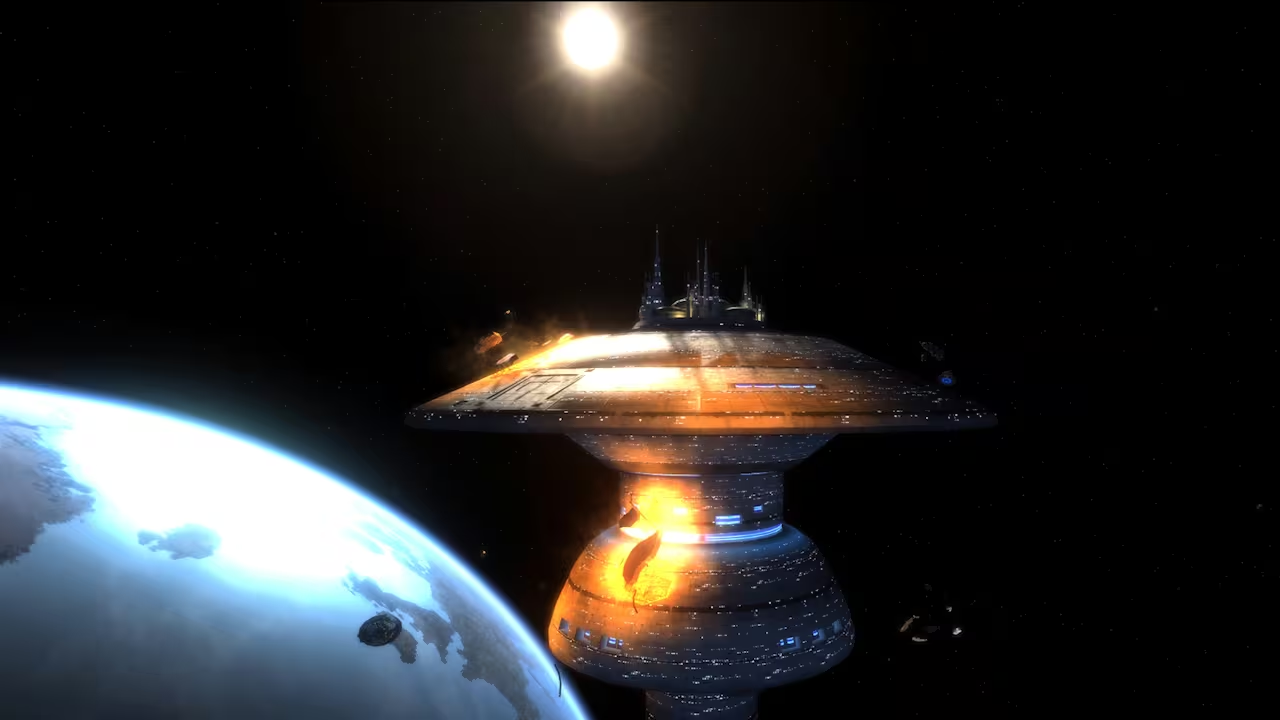
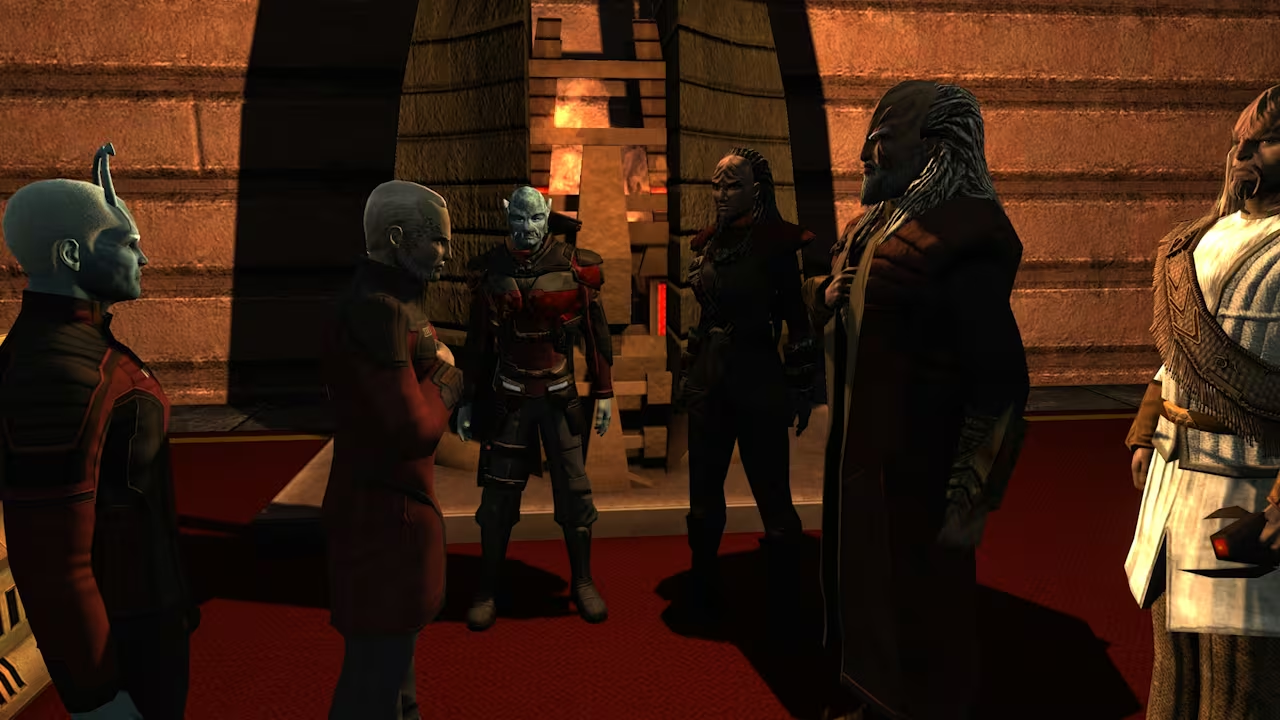
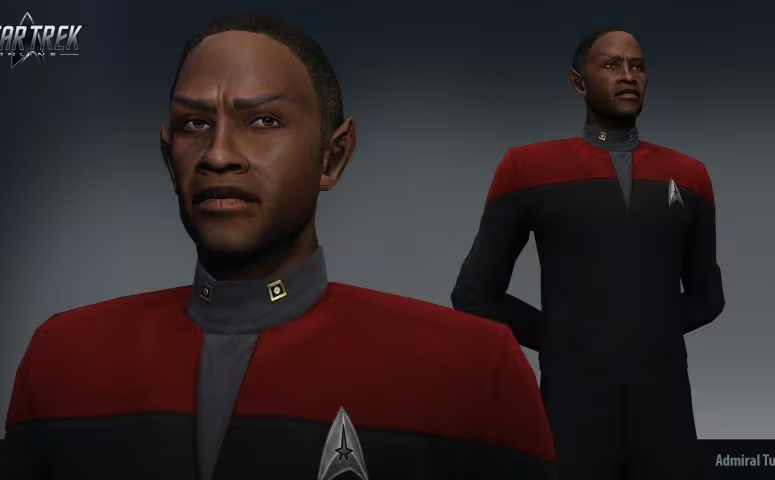
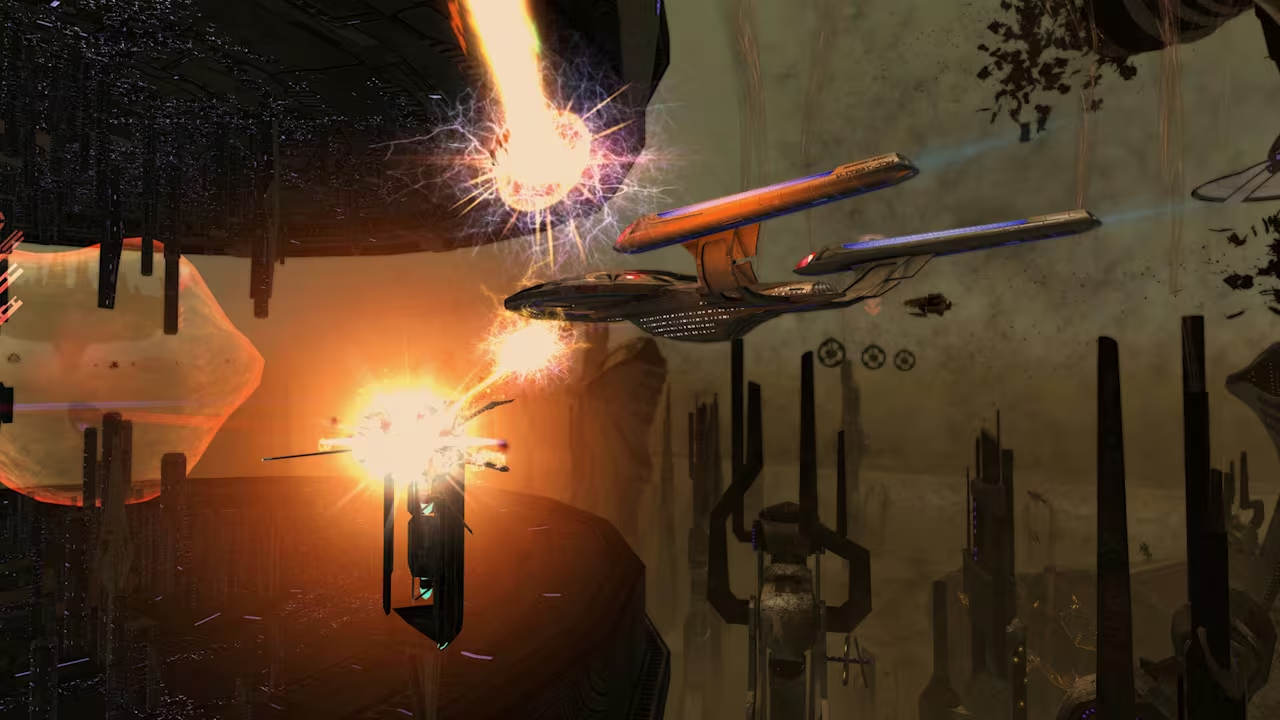
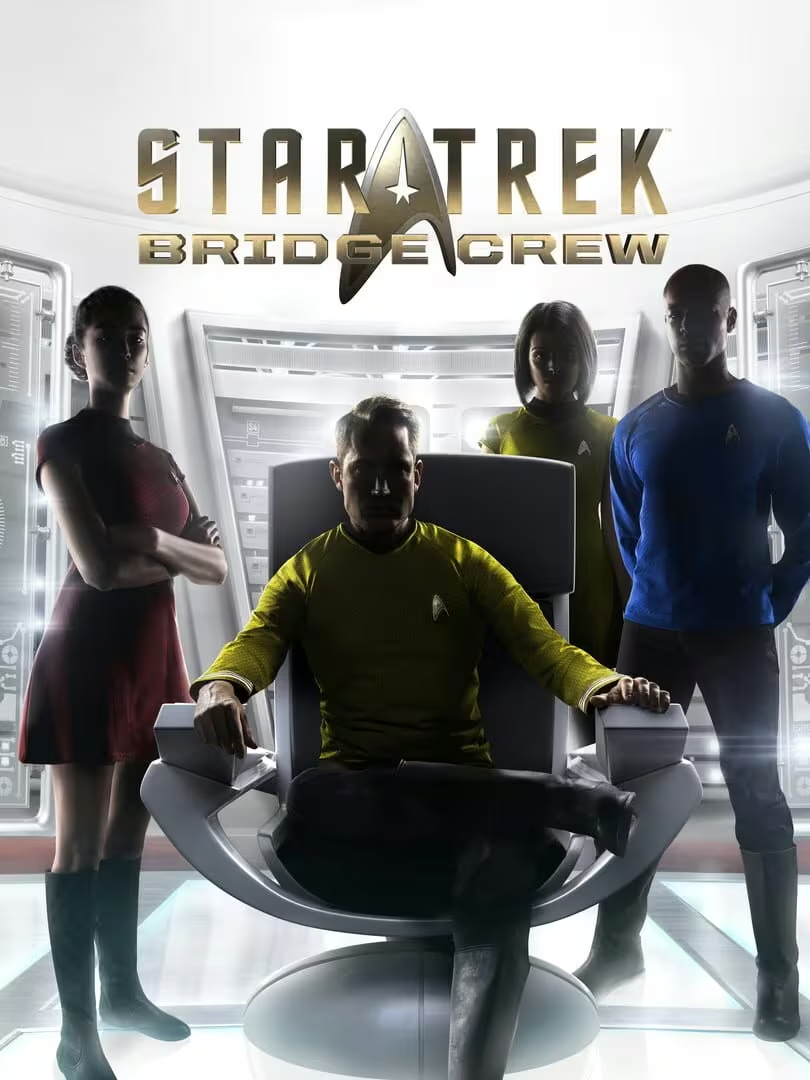
In Star Trek Online, the Star Trek universe appears for the first time on a truly massive scale. Players take the captain's chair as they command their own starship and crew. Explore strange new worlds, seek out new life and new civilizations, and boldly go where no one has gone before.
Global score
79/100
Genres
Massively Multiplayer, Role-playing (RPG), Free To Play, Adventure, Strategy, Simulator, Tactical
Similar games
Pros
- Rich star trek lore and story content
- Extensive character and ship customization
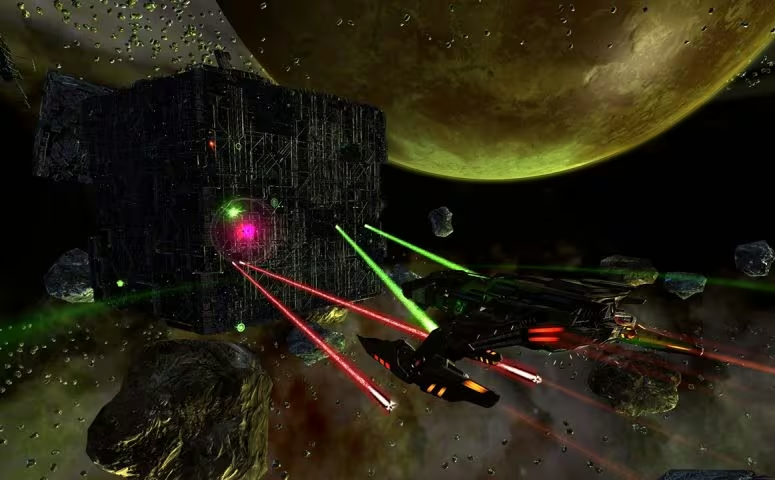
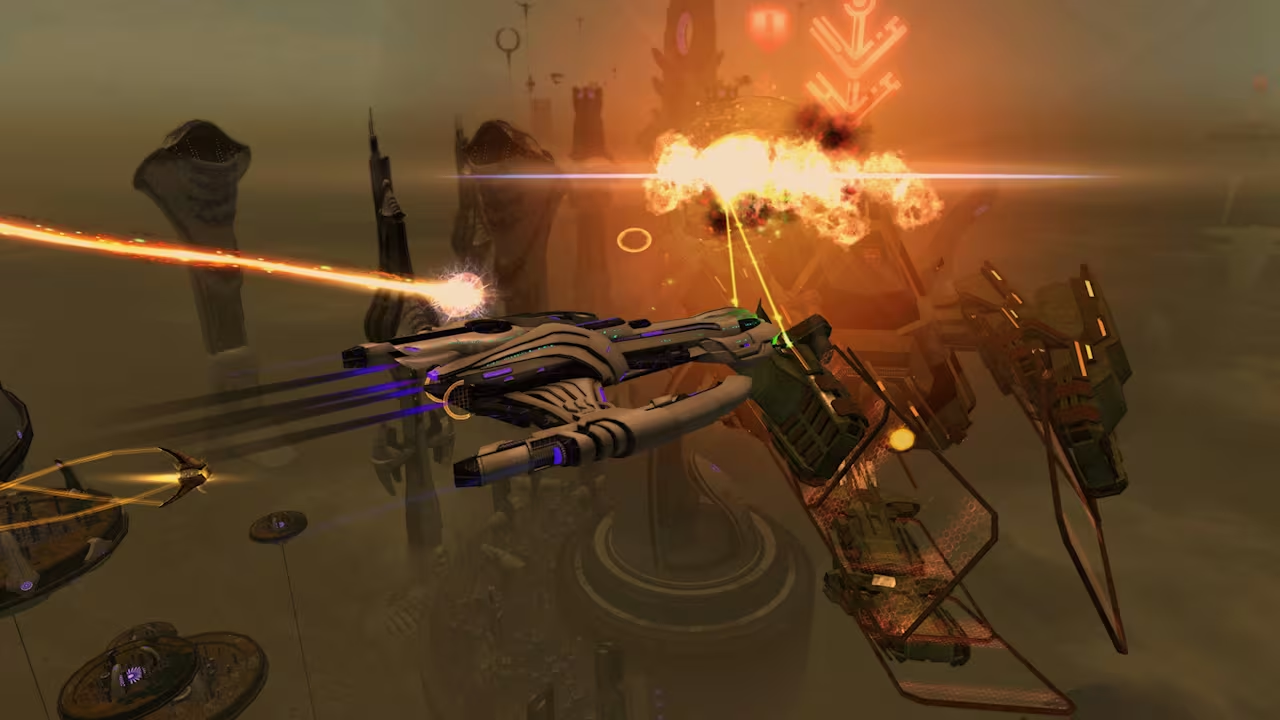
- Engaging space combat
- Free to play with no content locked behind paywall
- Active community and frequent content updates
Cons
- Dated graphics and clunky ground combat
- Grind-heavy progression and reputation systems
- Pay-to-win elements in premium ships and items
- Complex interface and learning curve
- Some bugs and server lag reported
Analysis
Broadly representative of its motivational profile, with a few distinct shifts. Motivations that often define this kind of title include Cooperation, Fellowship, Intimacy, Leadership. Here, the score leans higher than usual among comparable games on Story, Expression. It leans lower than usual among comparable games on Intimacy.
How to use the graph
Similar games map
Each dot is a game. They are arranged from the same motivation profile as in the “Motivations” section below. Closer dots usually mean more similar reasons to play (exploration, competition, relaxation, etc.)—not that one game is “better” than another.
- Larger dot with a light outline: the game you are viewing.
- Colour: groups of games with comparable motivation patterns (statistical clusters).
- Hover a dot to see the game name; click to open its page.
- Scroll or double-click the chart to zoom out and see more games.
Why don’t the axes read like a score? This view uses t-SNE: it only keeps who is close to whom. The scales are not “good to bad” or hours played—they separate groups on the map. Read distance between dots, not the axis numbers.
Motivations
-
Autonomy4
"Players have freedom to choose factions, customize characters, ships, and play solo or with groups; multiple playstyles and roleplay options available"
-
Competence3
"Game involves skillful space combat and character/ship build optimization; ground combat is simpler but still requires some skill"
-
Competition1
"Some PvP content exists but is limited and less popular; most players focus on solo or cooperative PvE"
-
Continuation4
"Players report long-term engagement with frequent content updates, events, and community-created missions supporting habitual play"
-
Cooperation2
"Group missions and fleets (guilds) exist and enhance experience, but solo play is fully supported and common"
-
Creativity4
"Extensive character and ship customization; players can create and share missions via the Foundry system"
-
Domination-3
"Community described as generally friendly; no strong evidence of toxic dominance or power imposition"
-
Escapism5
"Players use the game to immerse in Star Trek universe, relax, and escape real life through story and exploration"
-
Expectation-4
"Players engage voluntarily out of personal interest and fandom; no evidence of obligation or pressure to play"
-
Experimenting3
"Players experiment with different builds, ships, and mission creation; some routine grinding but also exploration of mechanics"
-
Exploration2
"Game features many known Star Trek locations and some new areas; exploration is limited by instanced missions and maps"
-
Expression5
"Highly detailed character and ship customization allows strong self-expression and personalization"
-
Fantasy5
"Strongly rooted in imaginative Star Trek fiction with roleplaying and interaction with iconic characters"
-
Fellowship2
"Community and fleets provide social connection; however many players enjoy solo play and independent progression"
-
Growth4
"Players develop skills, knowledge of game systems, and character progression over long periods"
-
Health-5
"Typical sedentary MMO gameplay with no physical activity involved"
-
Idle-3
"Requires focused attention during missions and combat; some downtime during travel but generally active engagement"
-
Intimacy-2
"Social interactions mostly surface-level within fleets and chat; limited evidence of close emotional connections"
-
Leadership2
"Fleet leadership and admiralty roles exist; players can guide groups but many play independently"
-
Progression5
"Strong emphasis on leveling, reputation, gear, and ship upgrades as core motivators"
-
Relaxation3
"Players find flow and enjoyment in story and space combat; some frustration with grind and bugs"
-
Sensation3
"Visual and auditory effects in space combat and story enhance sensory enjoyment"
-
Status1
"Some recognition through fleet membership and leaderboards but not a primary motivator"
-
Story5
"Narrative immersion is a major focus with episodic missions, voice acting by original cast, and rich lore"
-
Strategy3
"Ship build optimization and tactical combat require planning and problem solving"
-
Thrill2
"Space combat provides excitement and tension; ground combat less so"
-
Value2
"Free to play with extensive content; some pay-to-win concerns but many players find good value without spending"
-
Violence4
"Combat against enemies in space and on ground is central gameplay element"
-
Survival2
"Players manage resources and combat threats, but overall risk is moderate and manageable"
Last update: 29/04/2026