X3: Reunion similar games & best alternatives
X3: Reunion
2006
Related articles
Quick resume
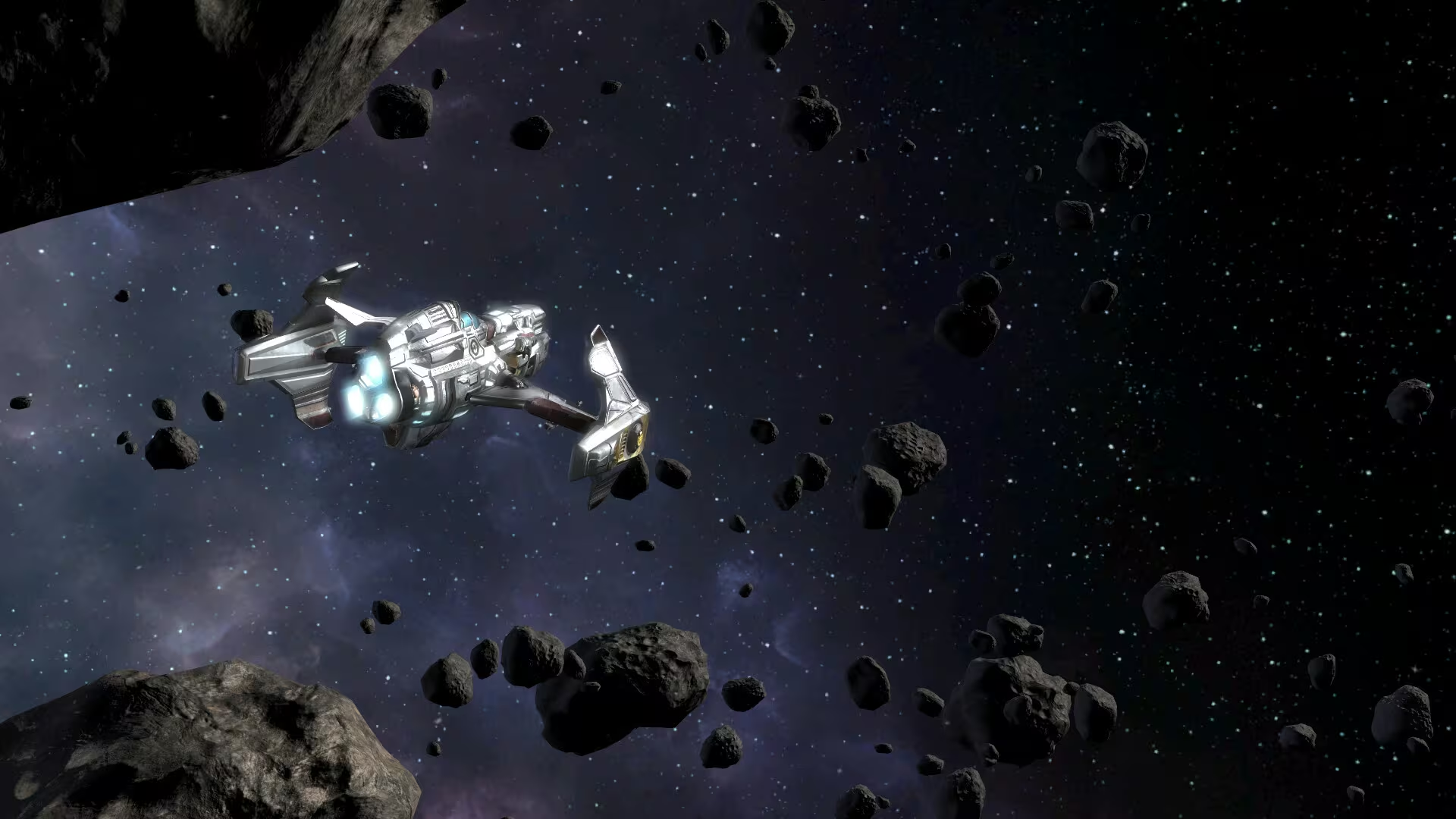
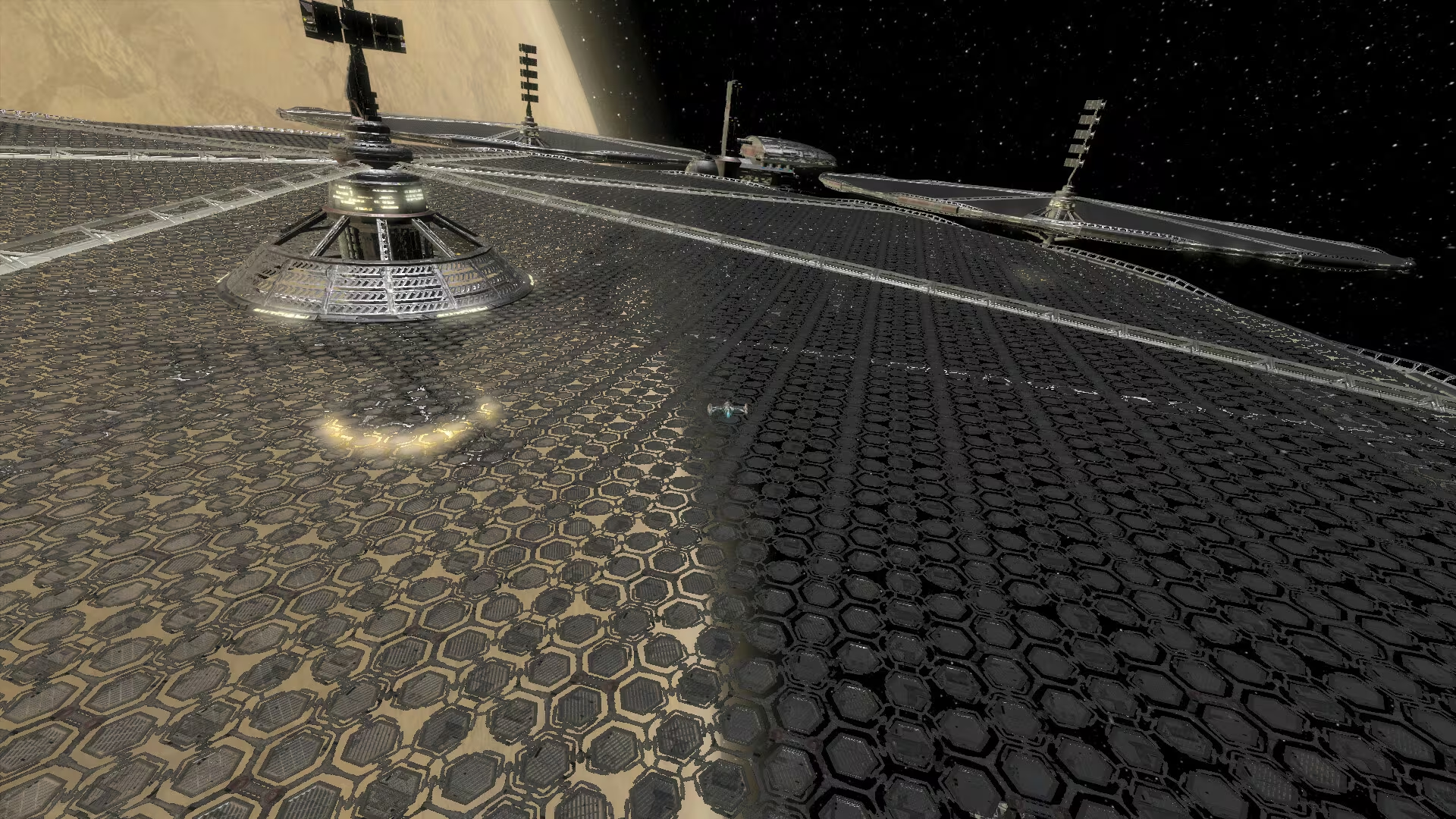
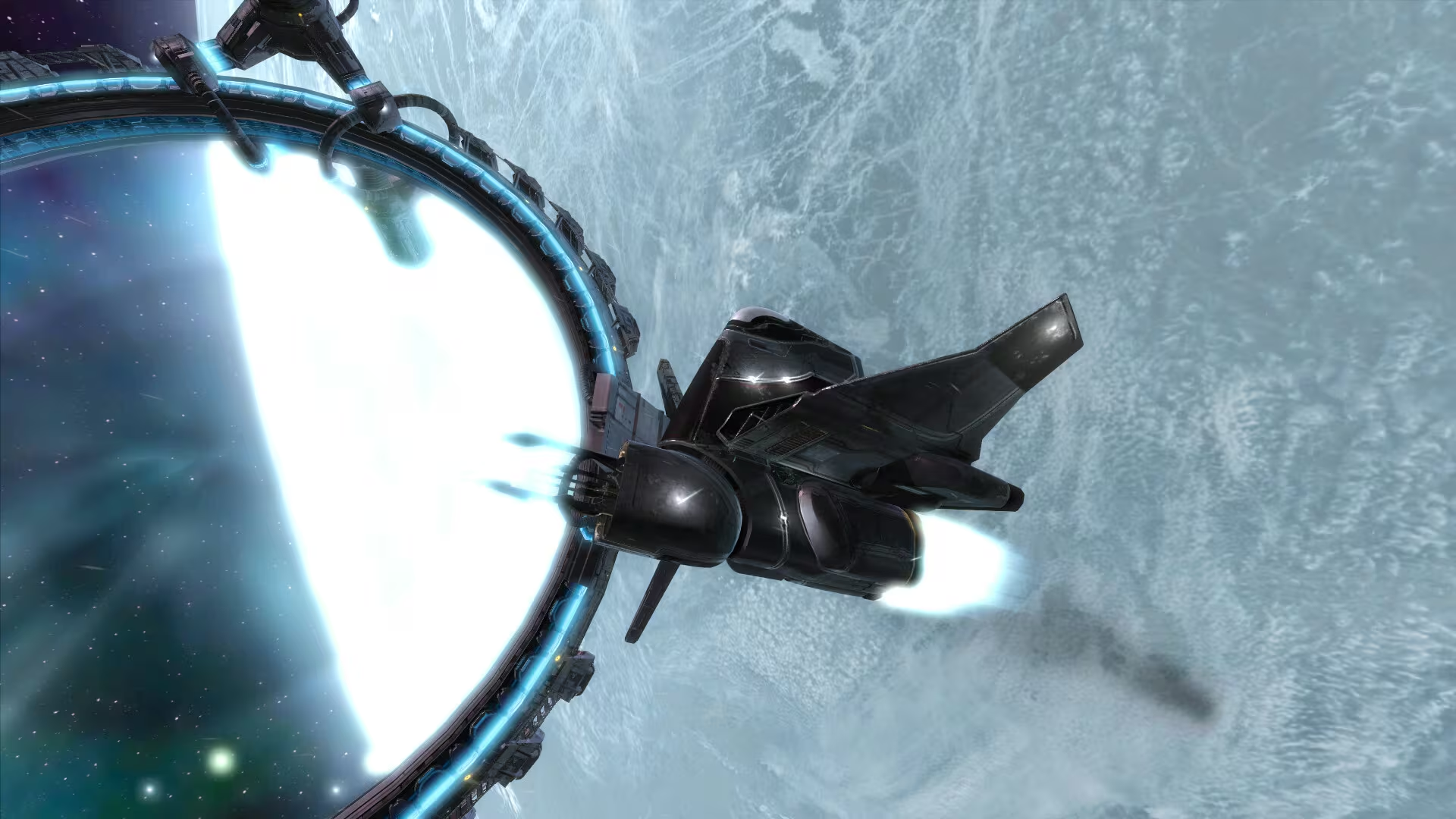
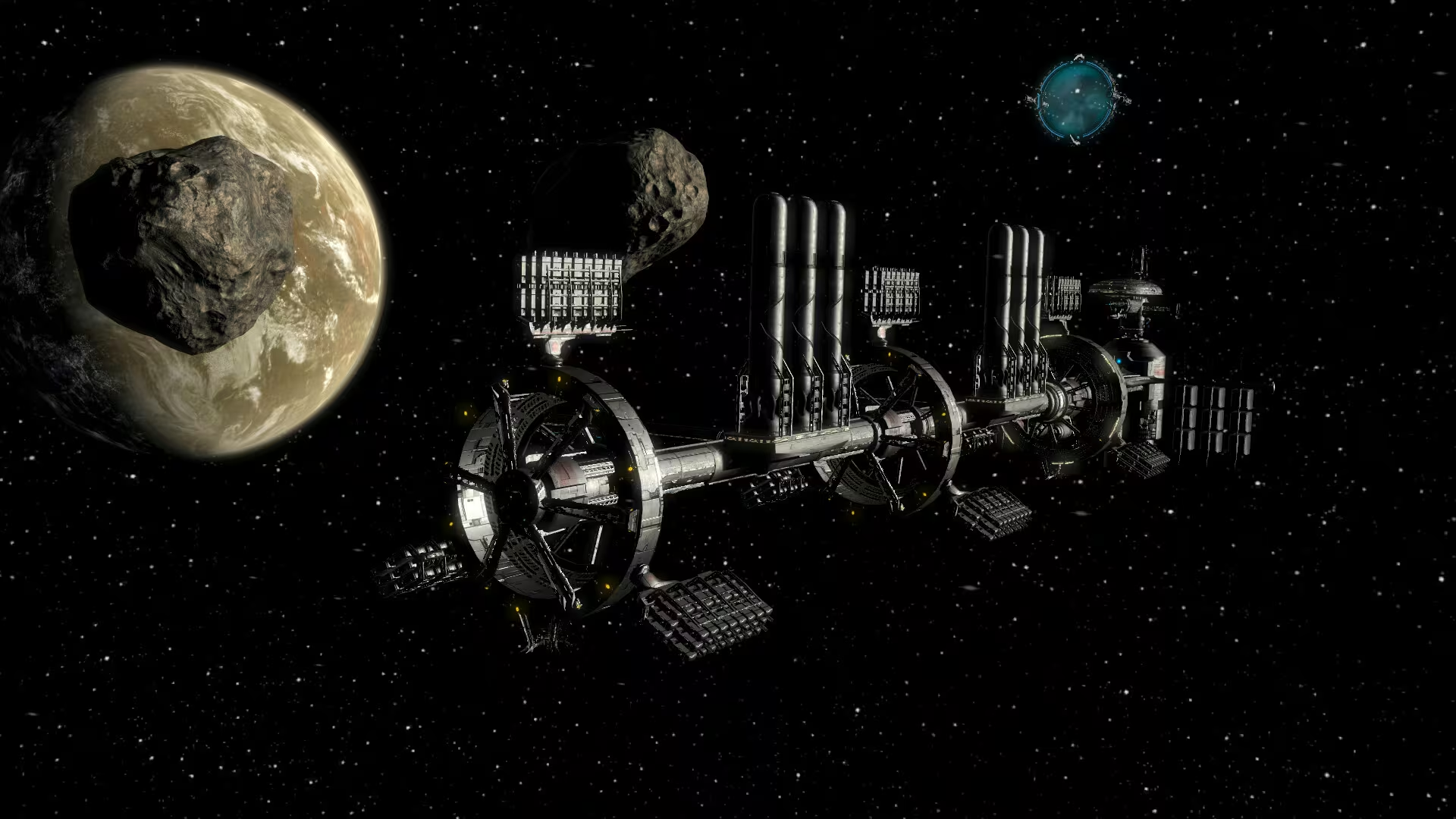
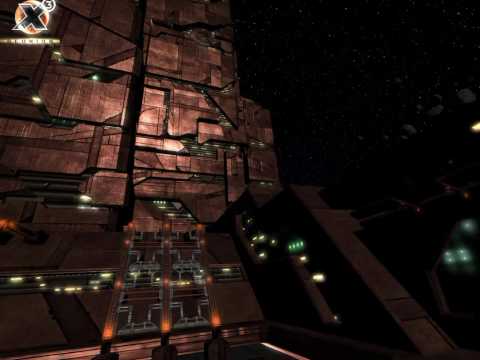
X3: Reunion continues the epic space saga, blending deep space trading and intense real-time combat. Explore a vast universe, establish your empire, and shape the new frontier. With enhanced graphics and intricate economies, it's a journey of strategy, simulation, and interstellar intrigue.
Global score
72/100
Genres
Strategy, Role-playing (RPG), Simulator
Similar games
Pros
- Vast open-ended universe
- Deep economy and empire building
- Freedom of playstyle
- Complex and rewarding gameplay
- High replayability
Cons
- Steep learning curve
- Poor ui and lack of tutorial
- Bugs and crashes reported
- Slow pacing
- Some frustrating ai behavior
Analysis
Less representative of its motivational profile, with noticeable differences. Motivations that often define this kind of title include Leadership, Survival, Violence, Strategy. Here, the score leans higher than usual among comparable games on Domination, Exploration. It leans lower than usual among comparable games on Intimacy.
How to use the graph
Similar games map
Each dot is a game. They are arranged from the same motivation profile as in the “Motivations” section below. Closer dots usually mean more similar reasons to play (exploration, competition, relaxation, etc.)—not that one game is “better” than another.
- Larger dot with a light outline: the game you are viewing.
- Colour: groups of games with comparable motivation patterns (statistical clusters).
- Hover a dot to see the game name; click to open its page.
- Scroll or double-click the chart to zoom out and see more games.
Why don’t the axes read like a score? This view uses t-SNE: it only keeps who is close to whom. The scales are not “good to bad” or hours played—they separate groups on the map. Read distance between dots, not the axis numbers.
Motivations
-
Autonomy5
"Players have full freedom to choose their own path: trading, piracy, combat, exploration, empire building, or story progression with no forced playstyle."
-
Competence4
"Steep learning curve requiring skill acquisition and mastery of complex mechanics; players feel effective as they progress and manage fleets and economy."
-
Competition-3
"Focus is on single-player experience with no multiplayer or ranked modes; players set their own goals without direct comparison to others."
-
Continuation5
"Many reviews mention hundreds of hours played, long sessions, and habitual play due to the game's depth and complexity."
-
Cooperation-4
"Single-player game with limited interaction; cooperation is mostly with AI-controlled ships and fleets rather than other players."
-
Creativity4
"Players can build stations, fleets, and factories, customize ships, and create their own trading empires and strategies."
-
Domination2
"Players can exert control over sectors and fleets and dominate markets and enemies, but interactions are mostly balanced and AI-driven."
-
Escapism5
"Players use the game to immerse in a vast space universe, escaping real life through exploration, empire building, and combat."
-
Expectation-4
"Engagement is driven by intrinsic interest and personal desire; no external pressure or obligation to play."
-
Experimenting4
"Players try different roles, ships, trading strategies, and combat tactics; the open sandbox encourages experimentation."
-
Exploration5
"Large universe with many sectors and hidden secrets; players are motivated to discover new areas and mysteries."
-
Expression3
"Customization of ships and stations allows for self-expression, though limited by predefined assets."
-
Fantasy3
"Set in a fictional sci-fi universe with space empires, alien races, and advanced technology, providing imaginative fiction."
-
Fellowship-4
"Primarily a solo experience with minimal social connection; community interaction is external via forums and mods."
-
Growth5
"Players learn complex systems, improve skills, and develop their empire over time, reflecting personal growth."
-
Health-5
"Sedentary gameplay with no physical activity or health-related features."
-
Idle-3
"Requires sustained attention and management; not designed for casual or background play."
-
Intimacy-5
"No close relationships or emotional sharing; interactions are limited to gameplay mechanics and AI."
-
Leadership3
"Players lead fleets and manage economic empires, guiding decision-making and commanding ships."
-
Progression5
"Strong emphasis on accumulating ships, upgrades, stations, and wealth to build an empire."
-
Relaxation2
"Some players find the slow pace relaxing, but others note frustration and tension from complexity and bugs."
-
Sensation2
"Enjoyment from visuals and space opera atmosphere, but sensory stimulation is moderate and not intense."
-
Status-4
"No social status or recognition within the game; achievements are personal and not publicly visible."
-
Story3
"Includes a narrative campaign with characters and plot, though story is optional and sometimes considered forgettable."
-
Strategy5
"Requires mental challenge, planning, and problem solving in trading, combat, and empire management."
-
Thrill3
"Combat and exploration provide suspense and excitement, though some players find pacing slow."
-
Value4
"Players perceive high value for time invested due to depth, replayability, and content volume."
-
Violence3
"Combat and destruction are core gameplay elements, balanced with constructive activities like building."
-
Survival3
"Players must avoid threats and manage resources to survive and grow, though threats vary in intensity."
Last update: 29/04/2026