The Adventures of Tree Thumbnail

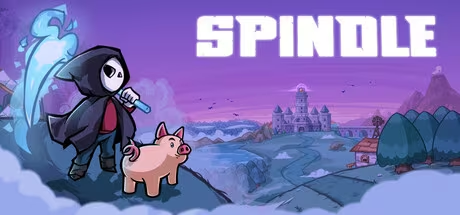
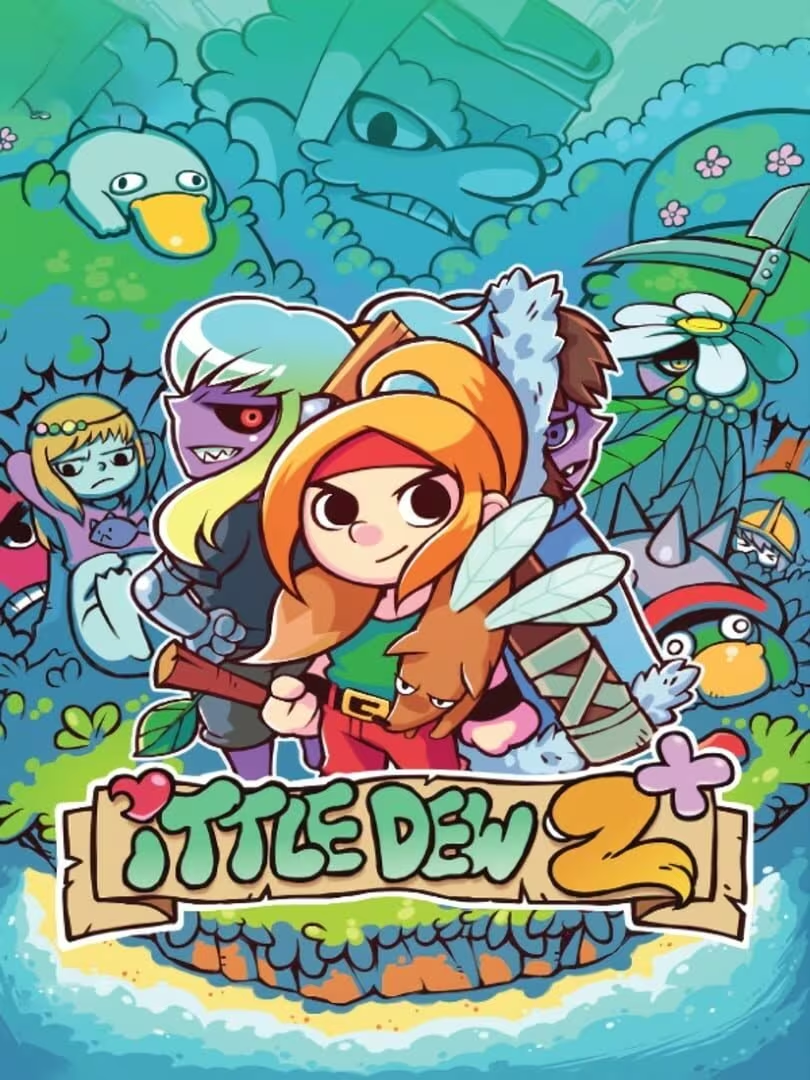
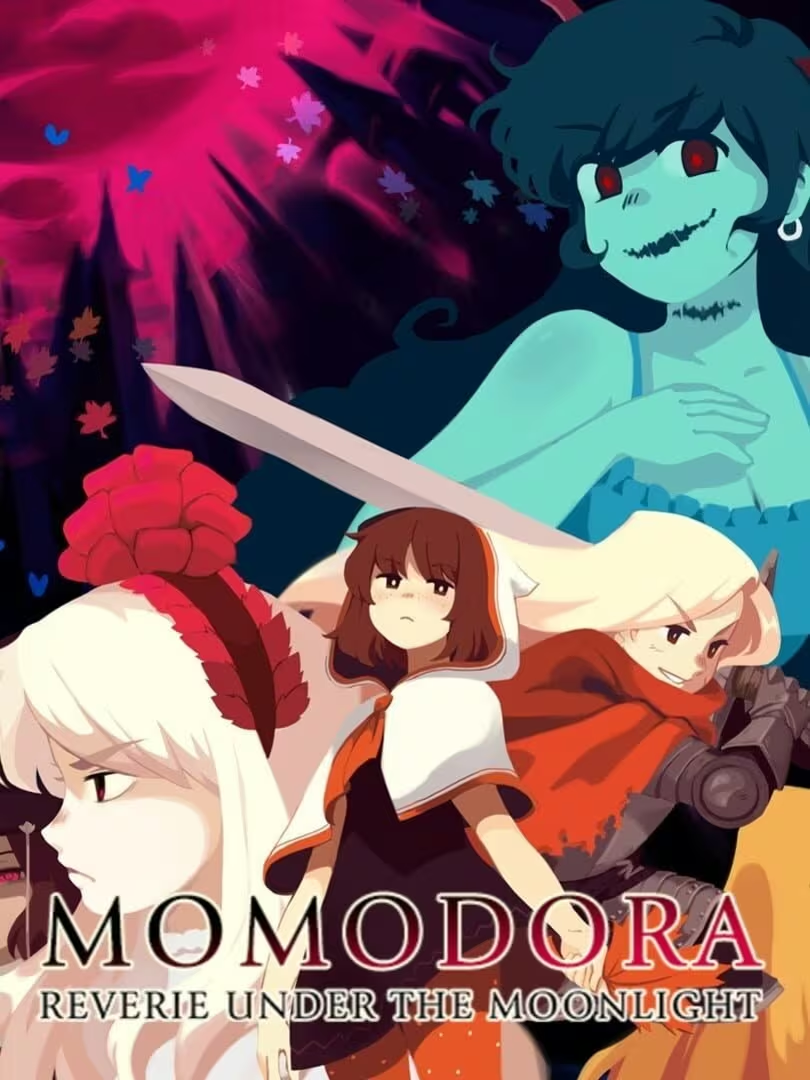
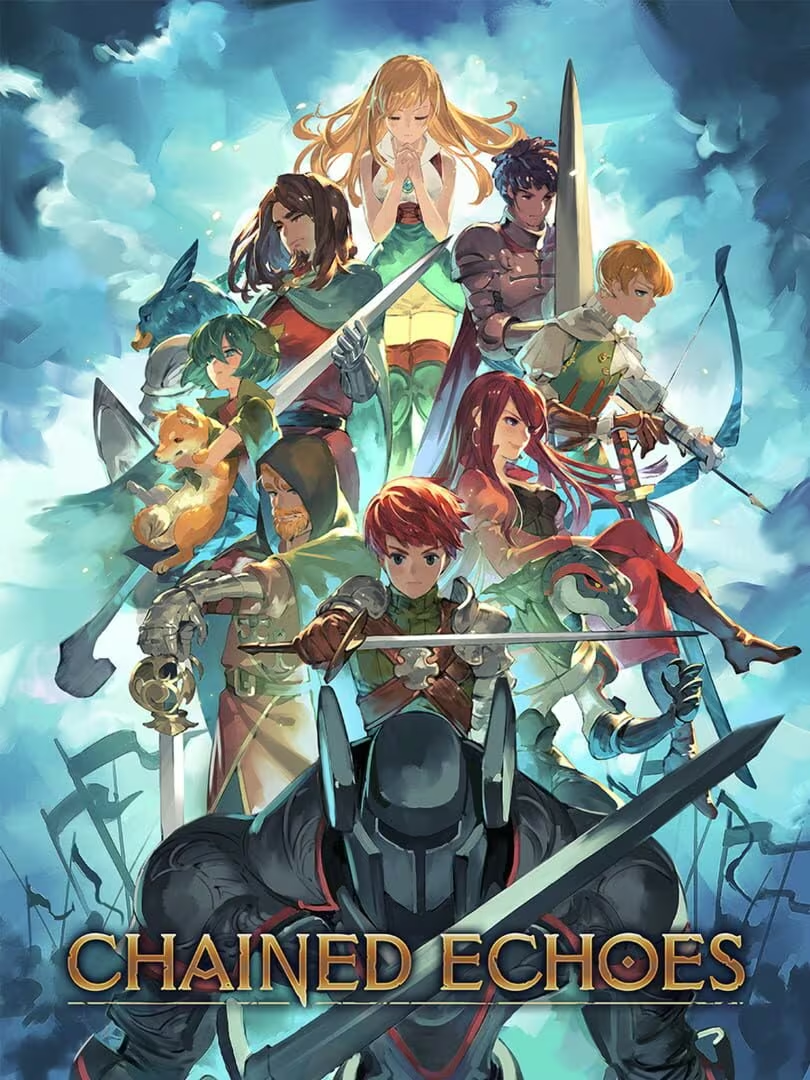
The Adventures of Tree similar games & best alternatives

The Adventures of Tree

PC (Microsoft Windows), Mac, Linux • 2016

Related articles

Quick resume

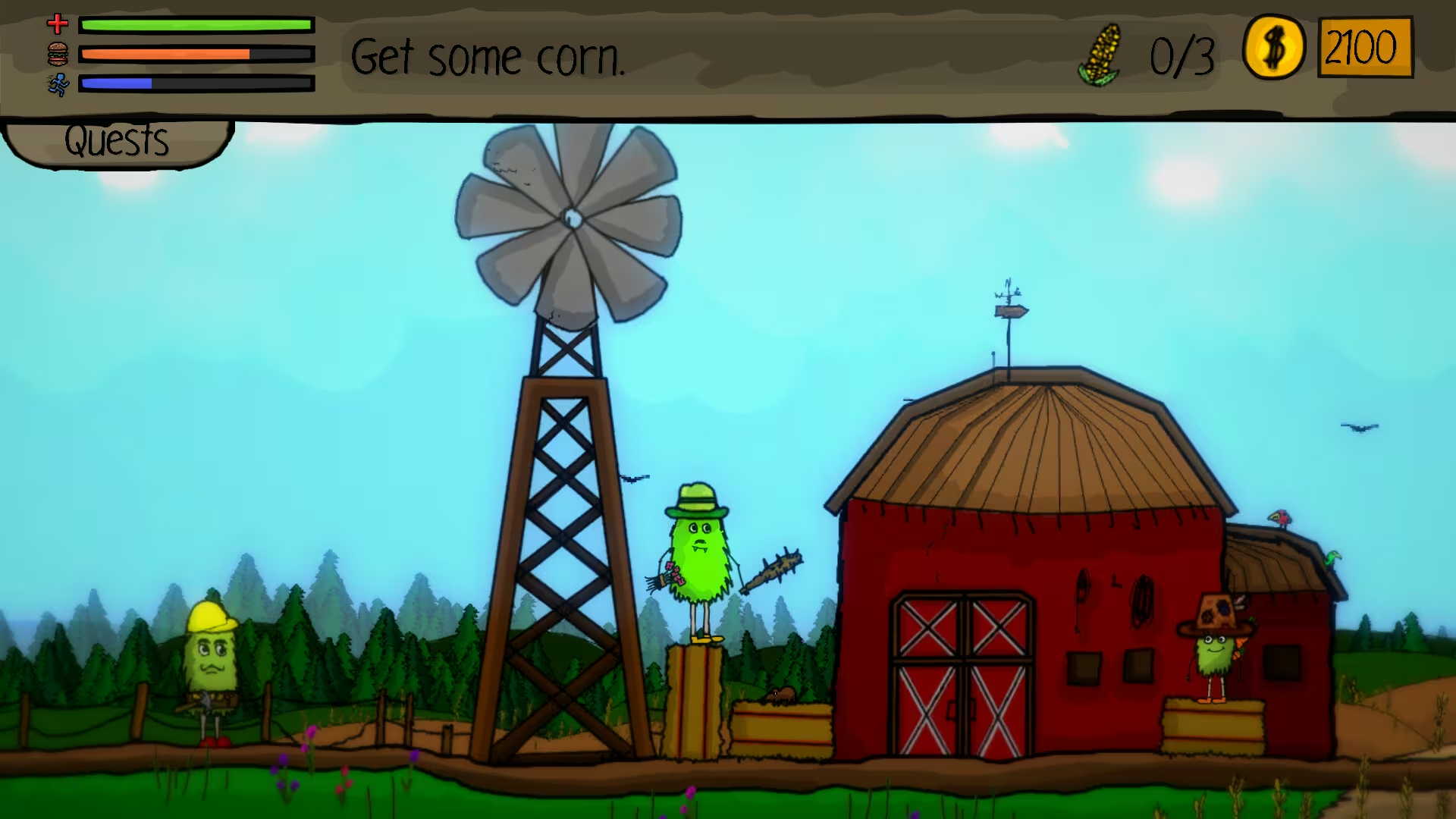
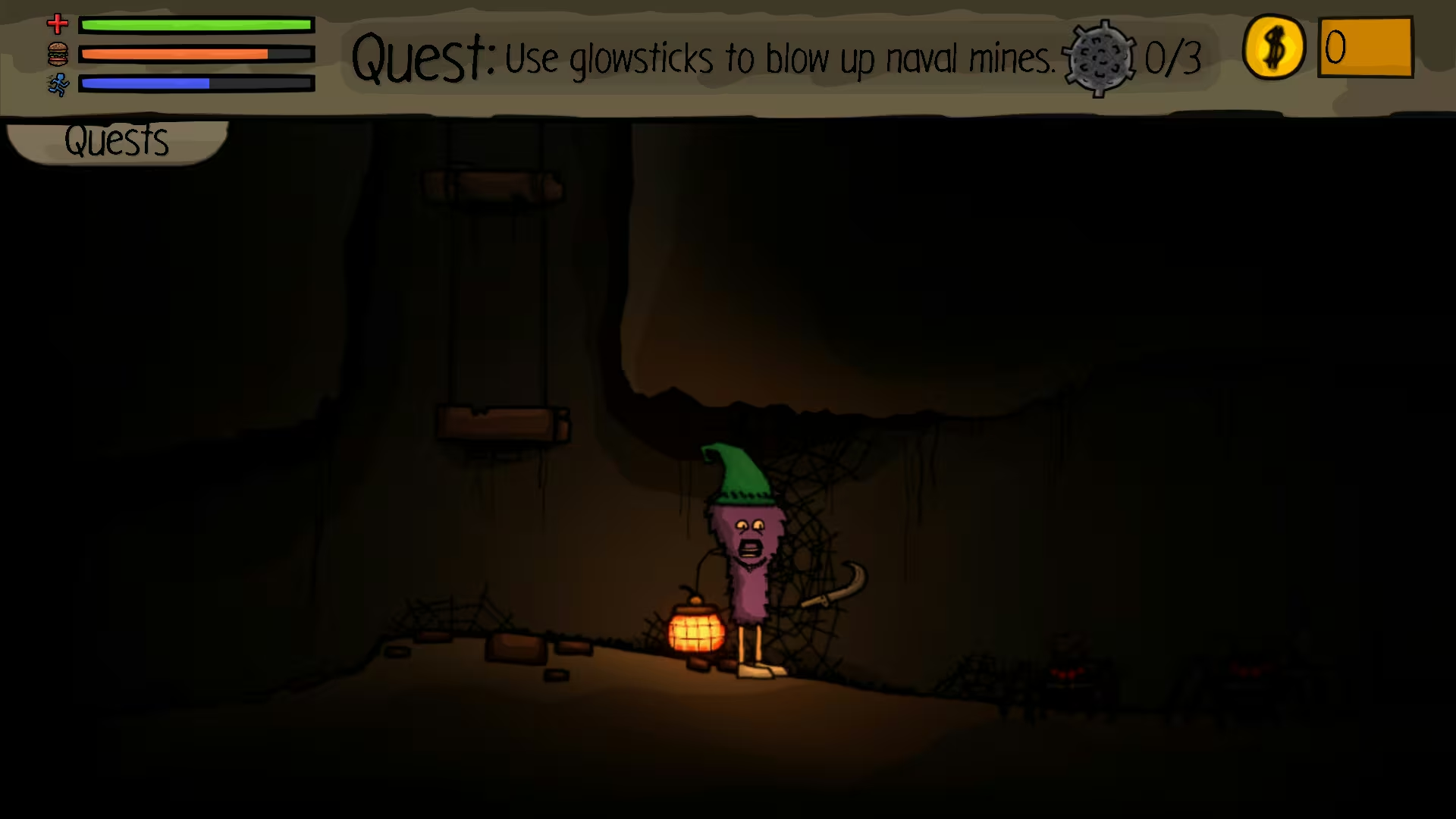
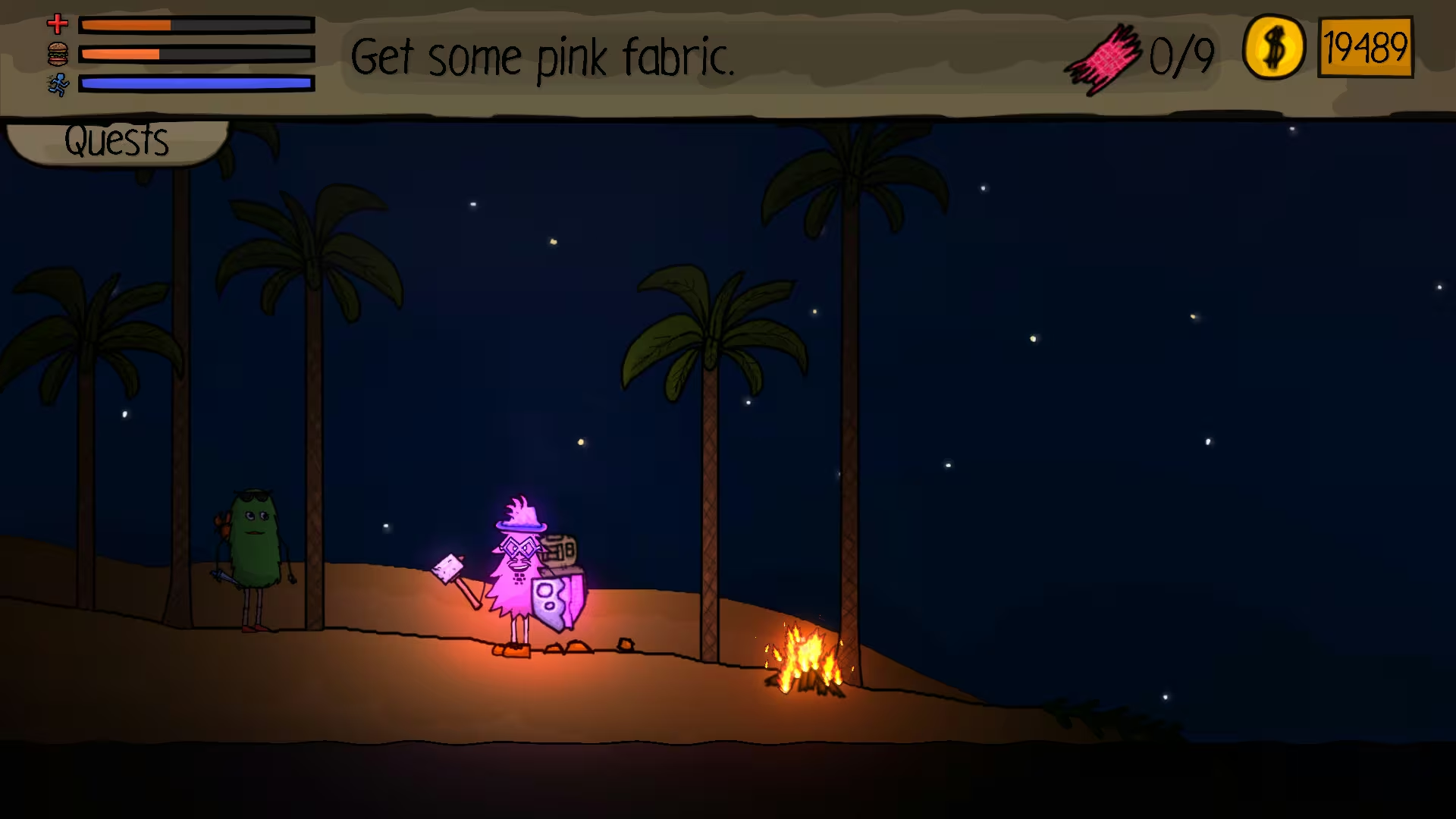
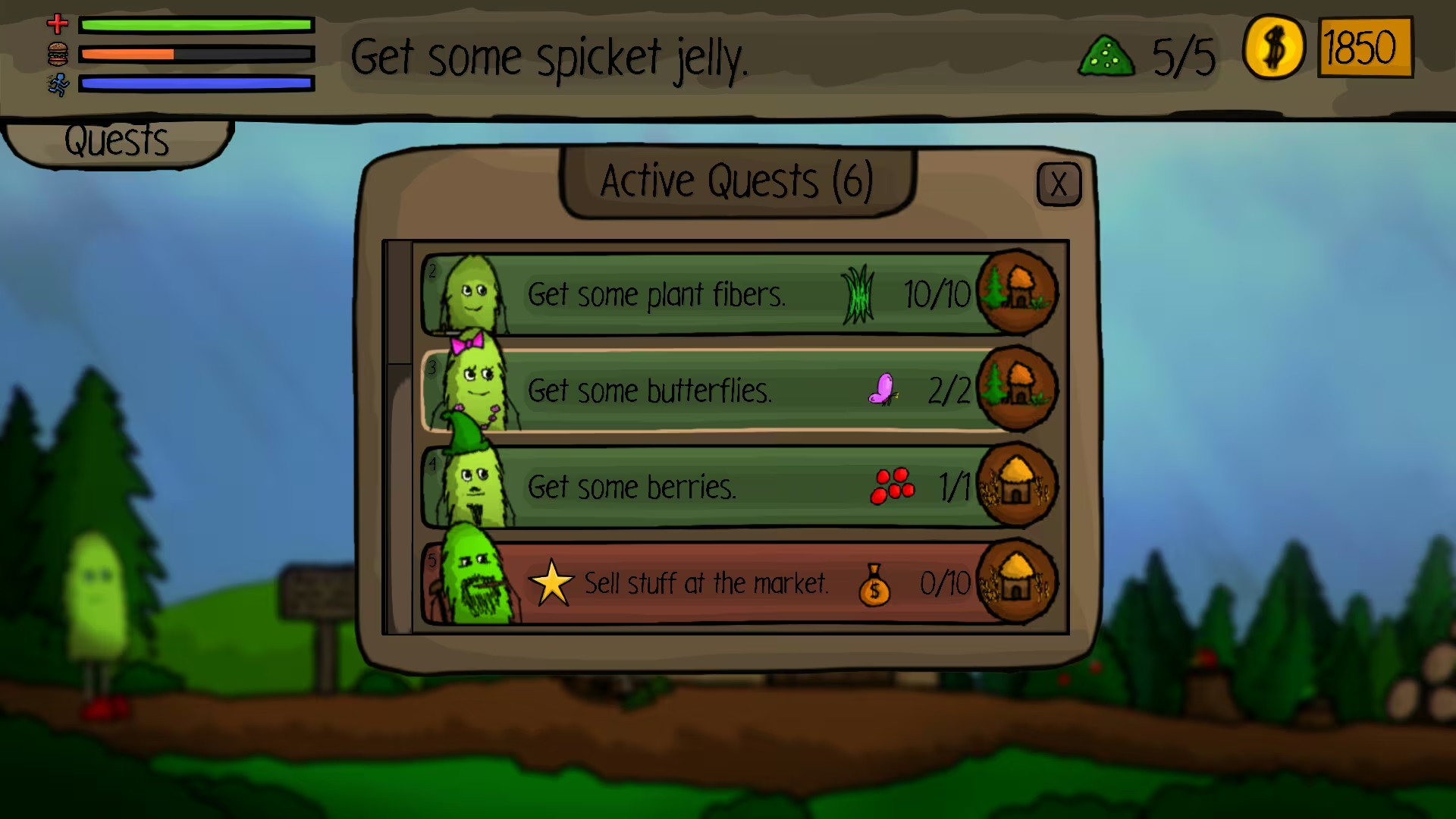
The Adventures of Tree takes you on an open-ended adventure to save your species from the evil invaders; Florps! Explore the vast open world to discover its many secrets while completing quests, enjoying quirky dialogue, and upgrading your abilities and gear along the way.

Global score

78/100

Genres

Adventure, Indie, Role-playing (RPG), Platform

Similar games

    Pros

    • Charming hand-drawn art style
    • Unique and humorous story
    • Multiple endings and replayability
    • Frequent developer updates and bug fixes
    • Customization and exploration

    Cons

    • Clunky and sometimes unfair combat
    • Bugs and performance issues reported
    • Limited inventory space
    • Slow early game pacing
    • Lack of tutorial and control clarity

    Analysis

    A very typical example of its motivational profile. Motivations that often define this kind of title include Fellowship, Cooperation, Leadership, Violence. Here, the score leans higher than usual among comparable games on Expression, Relaxation. It leans lower than usual among comparable games on Thrill.

    How to use the graph
    Similar games map

    Each dot is a game. They are arranged from the same motivation profile as in the “Motivations” section below. Closer dots usually mean more similar reasons to play (exploration, competition, relaxation, etc.)—not that one game is “better” than another.

    • Larger dot with a light outline: the game you are viewing.
    • Colour: groups of games with comparable motivation patterns (statistical clusters).
    • Hover a dot to see the game name; click to open its page.
    • Scroll or double-click the chart to zoom out and see more games.

    Why don’t the axes read like a score? This view uses t-SNE: it only keeps who is close to whom. The scales are not “good to bad” or hours played—they separate groups on the map. Read distance between dots, not the axis numbers.

    Motivations

    • Autonomy
      4

      "Players can customize their tree character, choose equipment, and decide how to approach quests and endings, showing a good degree of personal control."

    • Competence
      3

      "The game involves skill development through combat, quest completion, and character upgrades, though combat is sometimes described as clunky."

    • Competition
      -4

      "Focus is on personal progression and exploration without competitive modes or leaderboards."

    • Continuation
      4

      "Players report long playtimes, replayability with multiple endings, and frequent content updates encouraging habitual play."

    • Cooperation
      -5

      "The game is single-player with no multiplayer or cooperative gameplay elements."

    • Creativity
      3

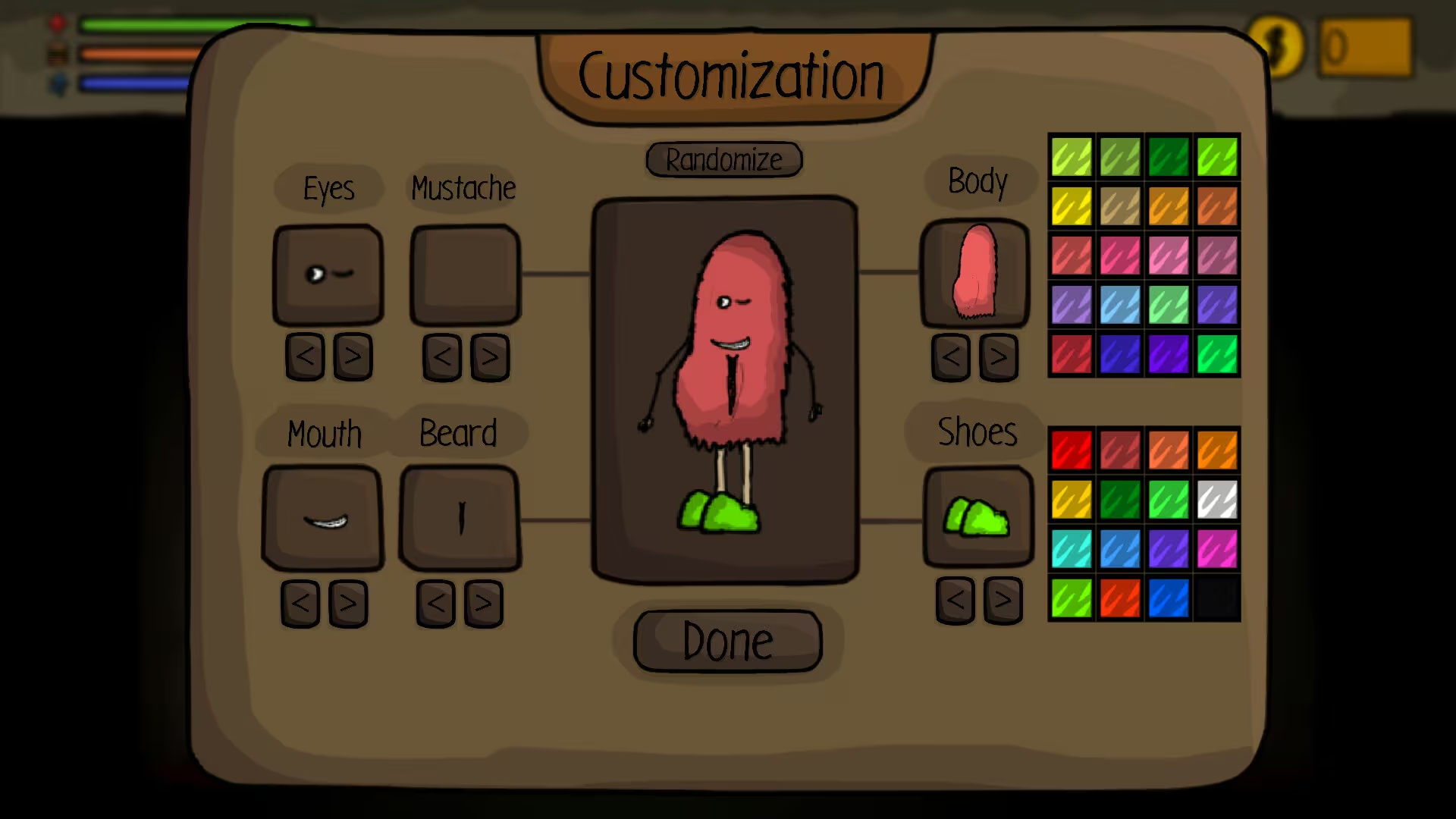
      "Customization of character appearance and equipment is emphasized, along with exploration and multiple quest solutions."

    • Domination
      -5

      "Interactions are balanced and cooperative with NPCs; no evidence of dominance or power assertion over others."

    • Escapism
      4

      "Players describe the game as relaxing, charming, and a good way to unwind and escape real life."

    • Expectation
      -4

      "Players engage voluntarily for fun and exploration, with no indication of obligation or external pressure."

    • Experimenting
      3

      "Multiple endings, varied quest approaches, and character builds encourage trying new strategies."

    • Exploration
      4

      "The game features a large open world with many areas to discover, secrets, and hidden items."

    • Expression
      4

      "Strong emphasis on customizing the tree character’s appearance and equipment for self-expression."

    • Fantasy
      4

      "The game features imaginative fiction with anthropomorphic trees, fantasy creatures, and whimsical story elements."

    • Fellowship
      -5

      "The game is single-player with minimal social interaction or community involvement."

    • Growth
      3

      "Players develop skills, upgrade stats, and learn game mechanics over time."

    • Health
      -5

      "No physical activity or health-related gameplay; typical sedentary gaming experience."

    • Idle
      -3

      "Requires active engagement; some waiting for item respawns but generally demands player attention."

    • Intimacy
      -5

      "No evidence of close relationships or emotional social interactions."

    • Leadership
      -5

      "No leadership or group management roles; gameplay is individual and self-directed."

    • Progression
      4

      "Strong focus on collecting items, upgrading equipment, and completing quests to progress."

    • Relaxation
      4

      "Many players describe the game as relaxing and enjoyable with a soothing soundtrack."

    • Sensation
      2

      "The hand-drawn art and music provide sensory enjoyment, though not highly intense stimulation."

    • Status
      -5

      "No social status or recognition systems; achievements exist but are personal."

    • Story
      3

      "The game has a narrative with quests, characters, and multiple endings, though story is sometimes minimal or quirky."

    • Strategy
      2

      "Some strategic elements in combat and quest approaches, but many quests are simple fetch tasks."

    • Thrill
      1

      "Some suspense from combat and exploration, but overall experience is more relaxed than thrilling."

    • Value
      4

      "Players feel the game offers good value for money with many hours of content and frequent updates."

    • Violence
      2

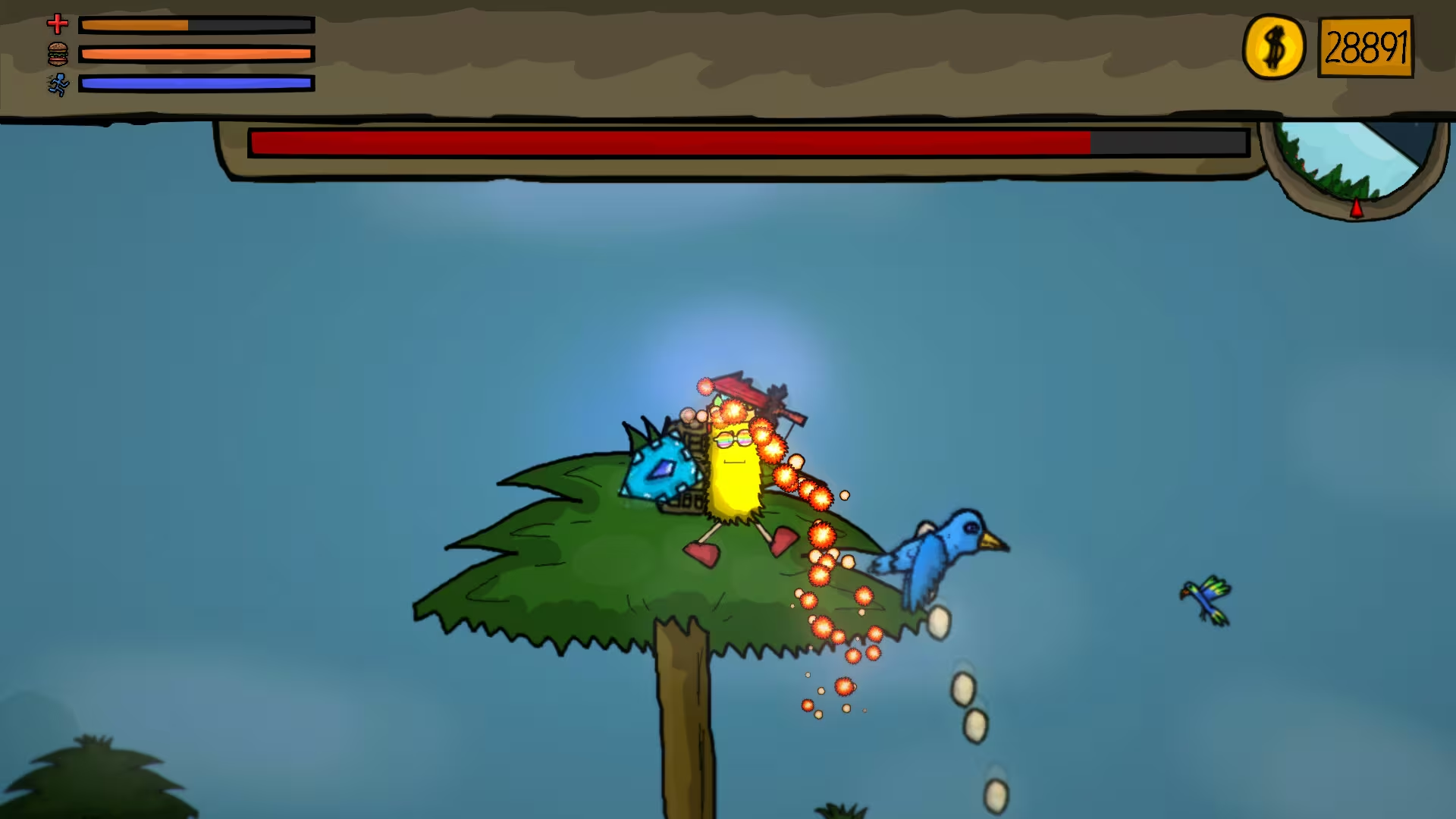
      "Combat involves fighting animals and bosses, but is not excessively violent or central to the experience."

    • Survival
      2

      "Includes survival elements like managing hunger and health, but in a forgiving and casual manner."

    Last update: 29/04/2026