The Horrorscope similar games & best alternatives
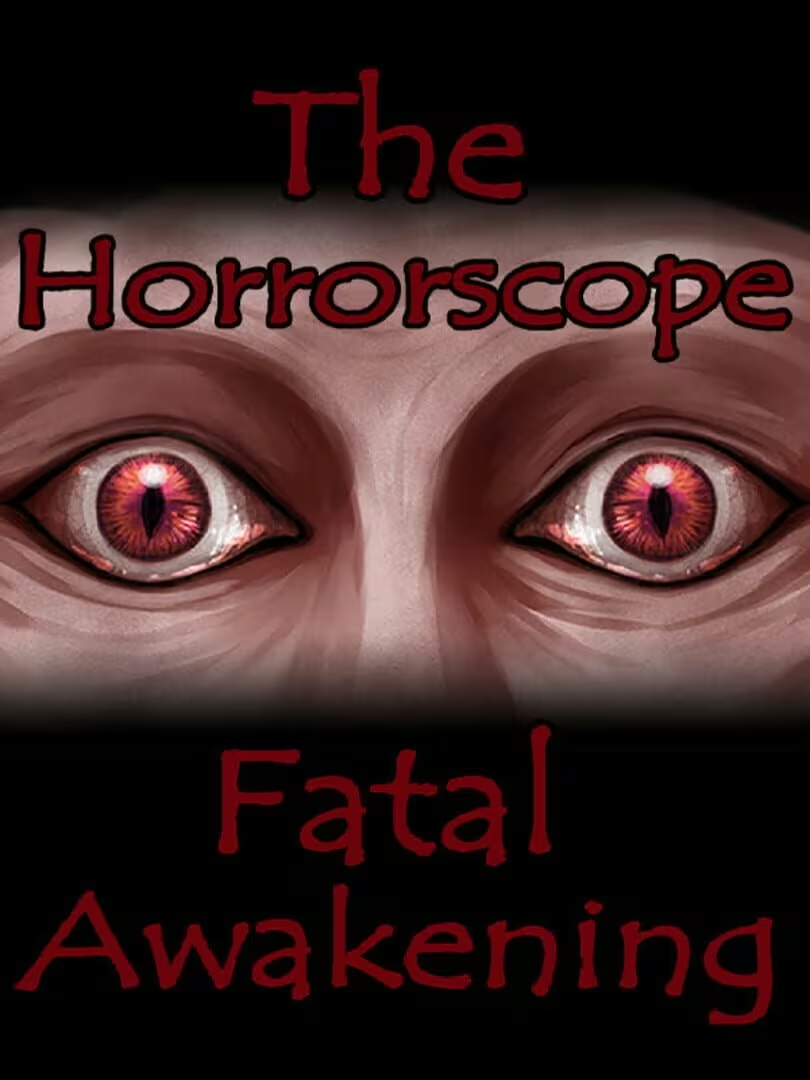
The Horrorscope
2020
Related articles
Quick resume
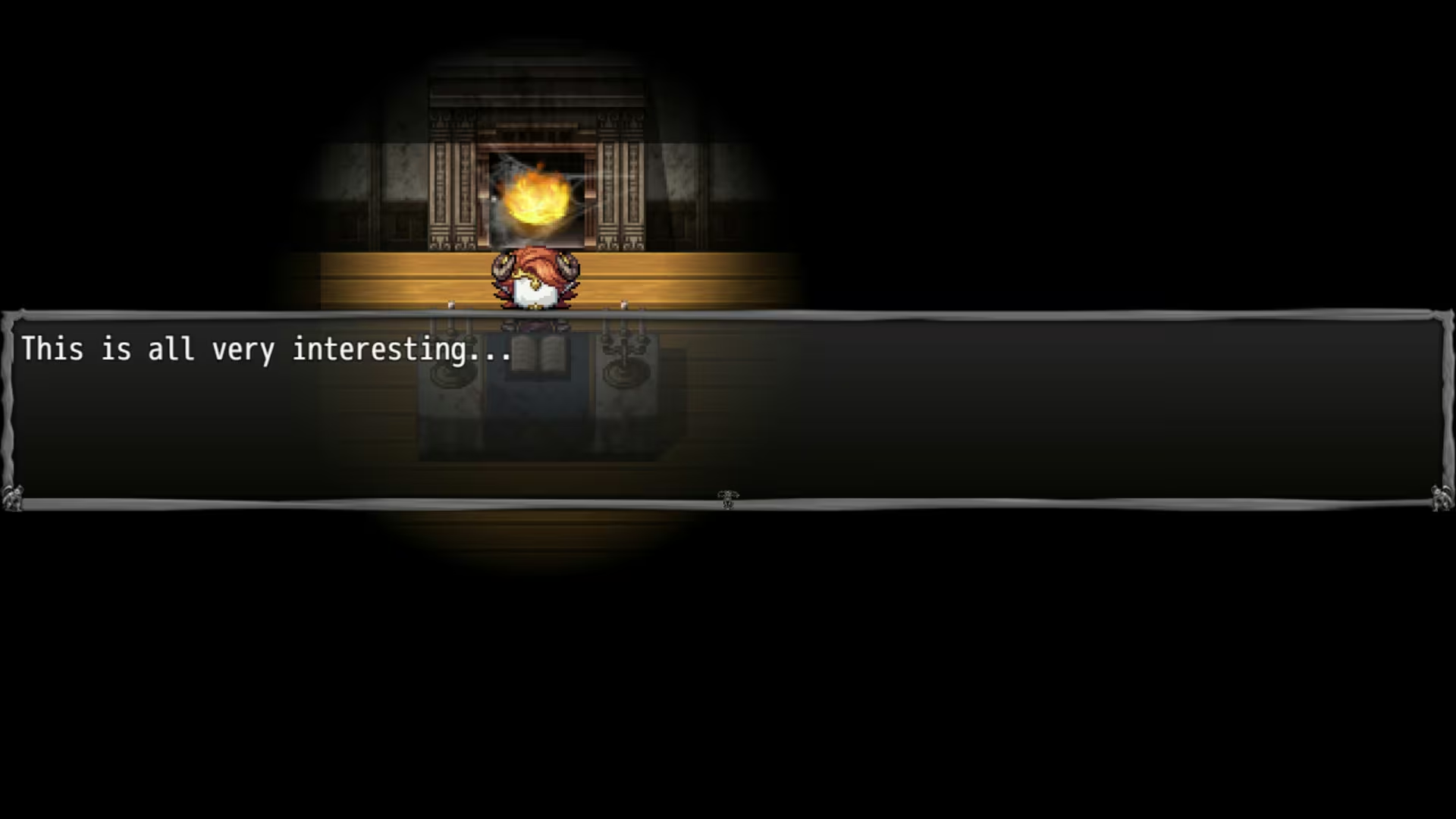
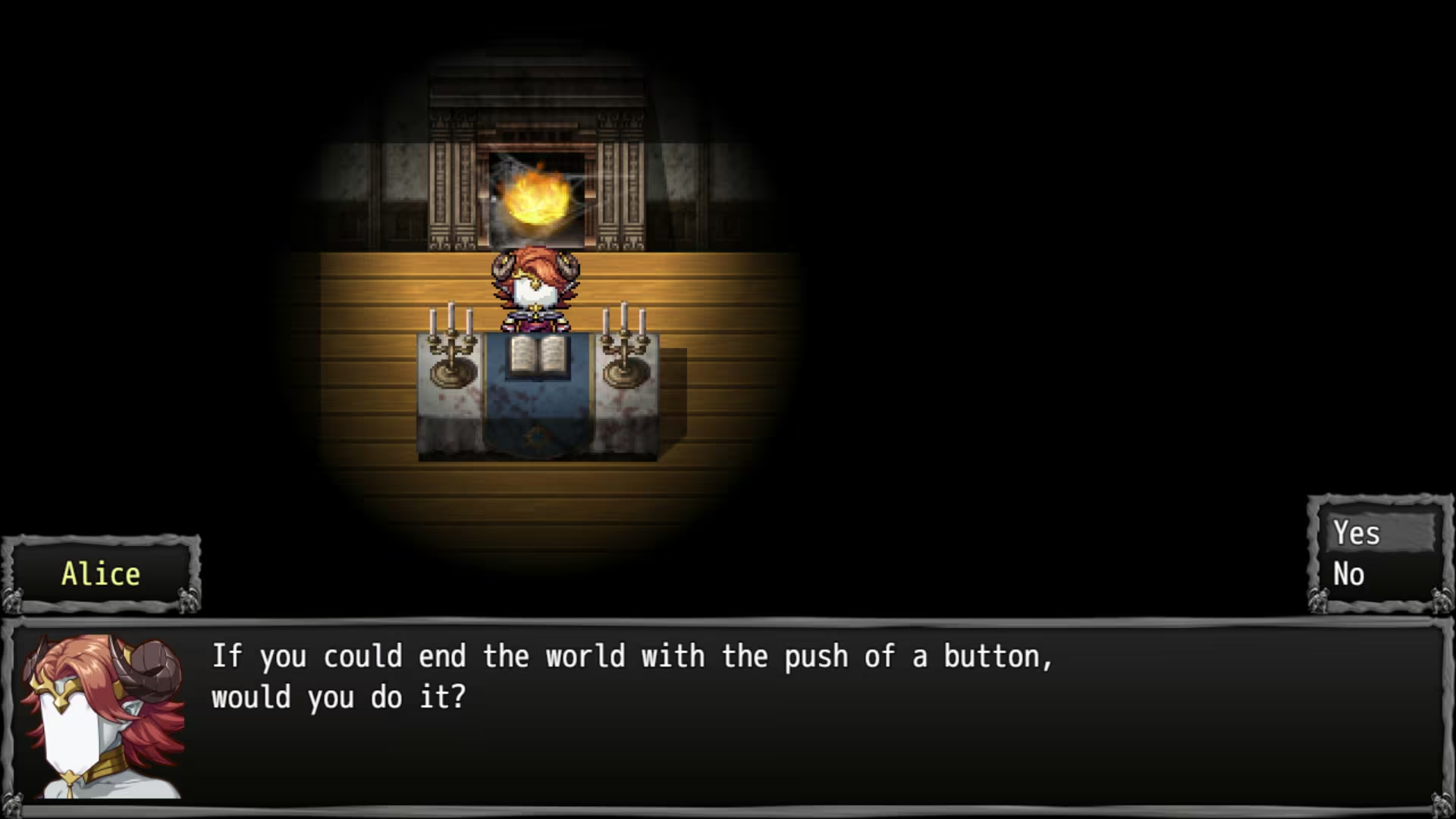
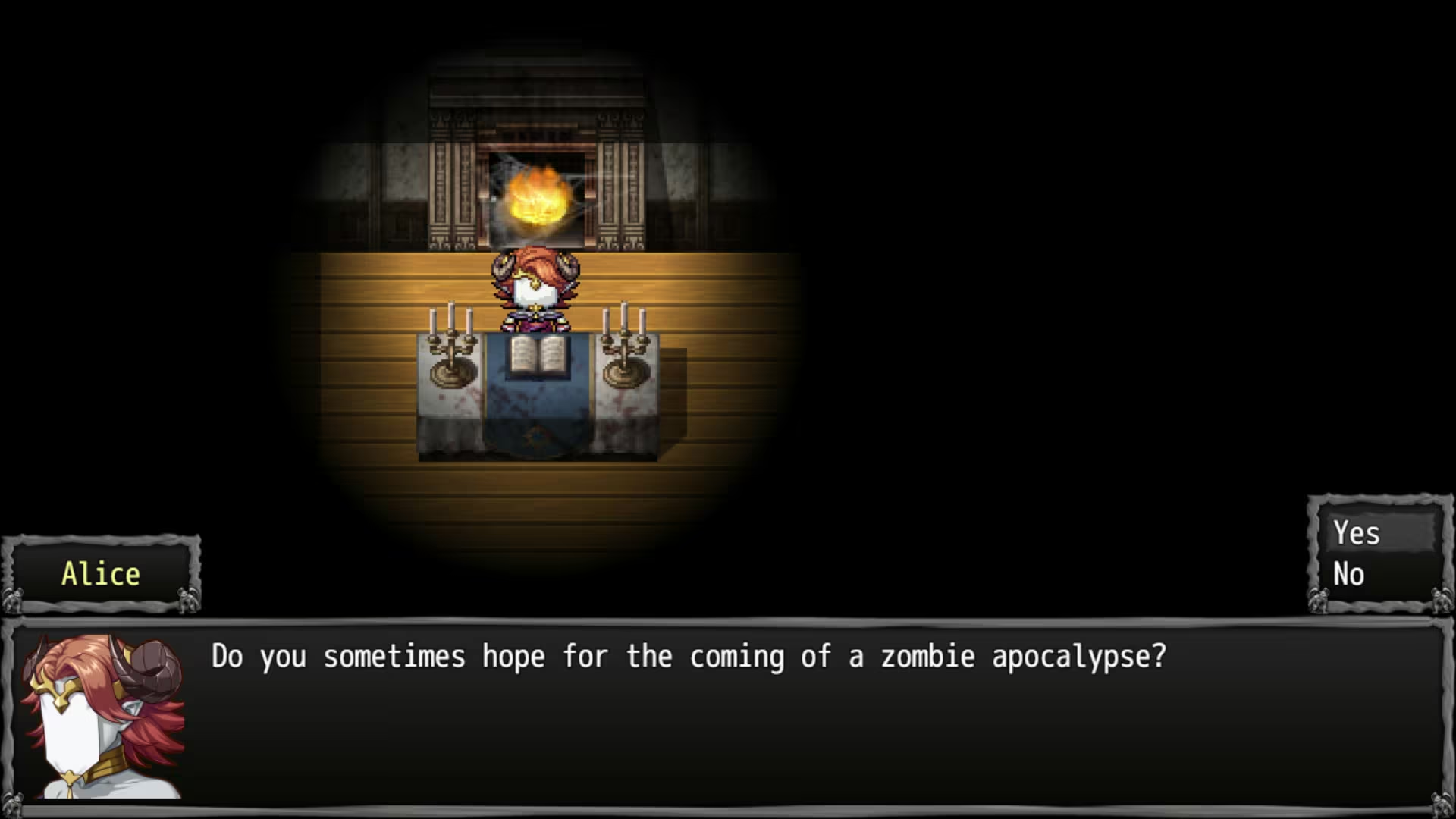
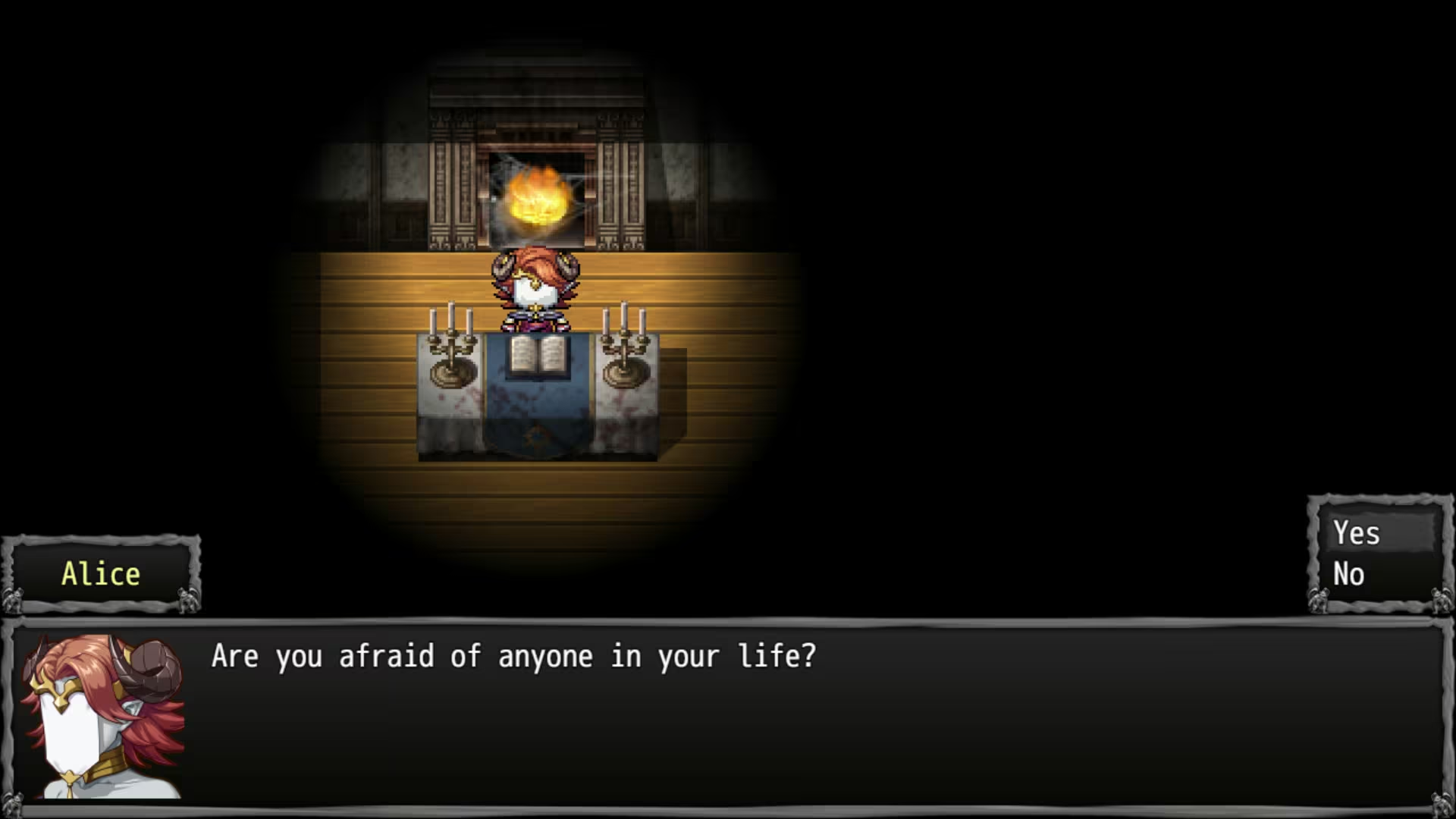
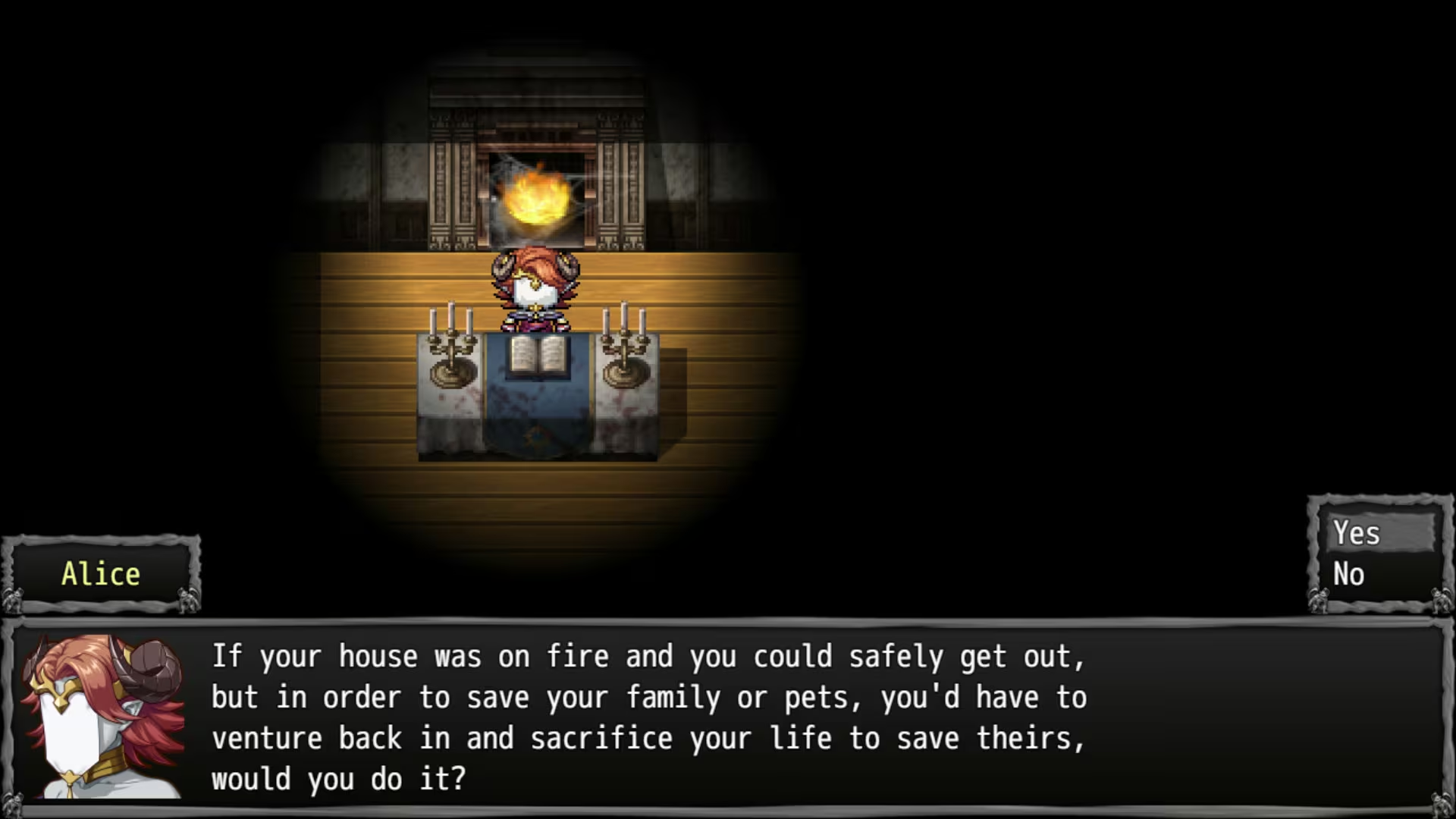
You will answer a series of questions that will reveal your potential fate. These questions may make you uncomfortable, but with great knowledge comes great sacrifice. Can you make it all the way through The Horrorscope, and if you do, are you sure you want the answers you seek?
Global score
94/100
Genres
Adventure, Casual, Indie, Role-playing (RPG), Simulator, Visual Novel
Similar games
Pros
- Creepy and immersive atmosphere
- Thought-provoking and introspective questions
- Short and affordable experience
- Unique narrative outcomes
- Engages psychological and horror interests
Cons
- Some questions ambiguously worded
- Repetition of questions from related games
- Limited gameplay depth
- Short playtime with low replay value
- Lack of multiplayer or social features
Analysis
Less representative of its motivational profile, with noticeable differences. Motivations that often define this kind of title include Strategy, Survival, Competence, Violence. Here, the score leans higher than usual among comparable games on Thrill, Violence. It leans lower than usual among comparable games on Progression.
How to use the graph
Similar games map
Each dot is a game. They are arranged from the same motivation profile as in the “Motivations” section below. Closer dots usually mean more similar reasons to play (exploration, competition, relaxation, etc.)—not that one game is “better” than another.
- Larger dot with a light outline: the game you are viewing.
- Colour: groups of games with comparable motivation patterns (statistical clusters).
- Hover a dot to see the game name; click to open its page.
- Scroll or double-click the chart to zoom out and see more games.
Why don’t the axes read like a score? This view uses t-SNE: it only keeps who is close to whom. The scales are not “good to bad” or hours played—they separate groups on the map. Read distance between dots, not the axis numbers.
Motivations
-
Autonomy3
"Players answer personal yes/no questions with some freedom in interpretation, reflecting control over their responses."
-
Competence1
"The game involves answering questions and reflecting on results, offering mild challenge in self-assessment rather than skill-based tasks."
-
Competition-5
"No evidence of player comparison or competitive elements; focus is on individual experience."
-
Continuation1
"Some players replay to see different outcomes, but overall sessions are short and not highly habitual."
-
Cooperation-5
"The experience is solitary with no cooperative gameplay or social goal completion."
-
Creativity-3
"Players respond to fixed questions with limited customization or creation; some interpretative freedom in answers."
-
Domination-5
"No social dominance or power dynamics present; interaction is minimal and individual."
-
Escapism4
"Players use the game as a creepy, immersive distraction from reality and to explore darker themes."
-
Expectation-4
"Players engage voluntarily out of curiosity or interest, not obligation or external pressure."
-
Experimenting2
"Some players try different answers to explore varied outcomes, indicating experimentation within the quiz format."
-
Exploration-2
"Limited exploration of new content; mostly answering known question types with some variation in endings."
-
Expression-4
"Minimal customization or self-expression beyond personal answers to preset questions."
-
Fantasy3
"Game involves supernatural and horror themes, engaging players in imaginative, eerie scenarios."
-
Fellowship-5
"No community or social identity aspects; players experience the game individually."
-
Growth3
"Encourages self-reflection and personal insight, promoting psychological growth and awareness."
-
Health-5
"No physical activity or health-related gameplay elements."
-
Idle3
"Short sessions suitable for casual play and filling time; some players revisit occasionally."
-
Intimacy-4
"Limited social interaction; any emotional engagement is personal and internal rather than relational."
-
Leadership-5
"No leadership or group management elements present."
-
Progression-4
"No accumulation of items or upgrades; experience is static and narrative-driven."
-
Relaxation-2
"Game induces tension and unease rather than relaxation or flow."
-
Sensation3
"Atmospheric audio and eerie ambiance provide sensory stimulation and emotional impact."
-
Status-5
"No social recognition or status systems involved."
-
Story4
"Narrative-driven with immersive horror themes and personalized endings based on player answers."
-
Strategy-3
"Minimal strategic thinking; players mainly respond honestly rather than plan complex moves."
-
Thrill4
"Creates suspense and nervous excitement through creepy atmosphere and unsettling questions."
-
Value2
"Generally considered good value for a short, unique experience at a low price."
-
Violence2
"Themes include violence and dark imagery, but no direct violent gameplay."
-
Survival1
"Some thematic focus on avoiding threats and danger in narrative, but no active survival mechanics."
Last update: 29/04/2026