The Test: Hypothesis Rising similar games & best alternatives
The Test: Hypothesis Rising
2020
Related articles
Quick resume
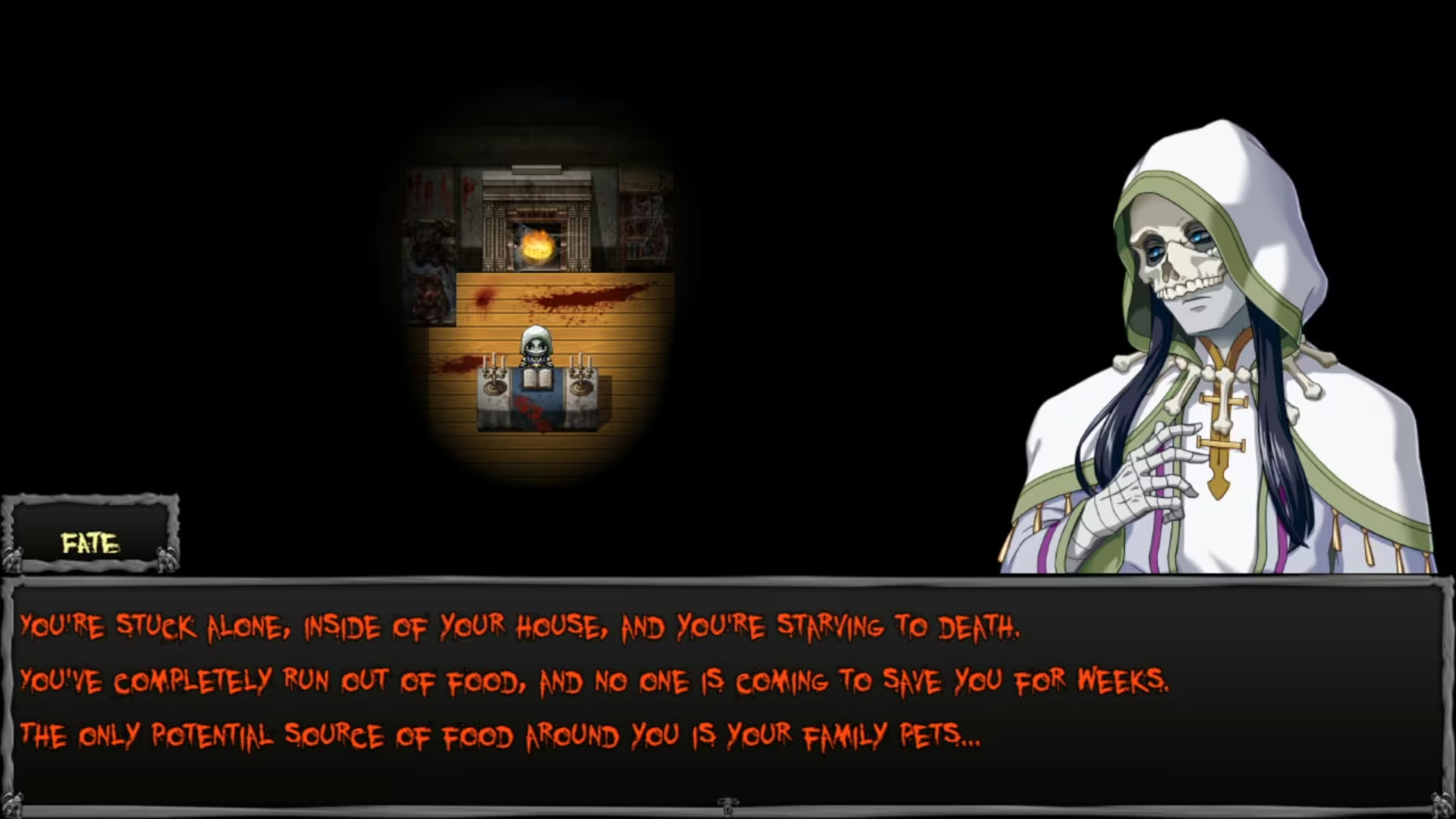
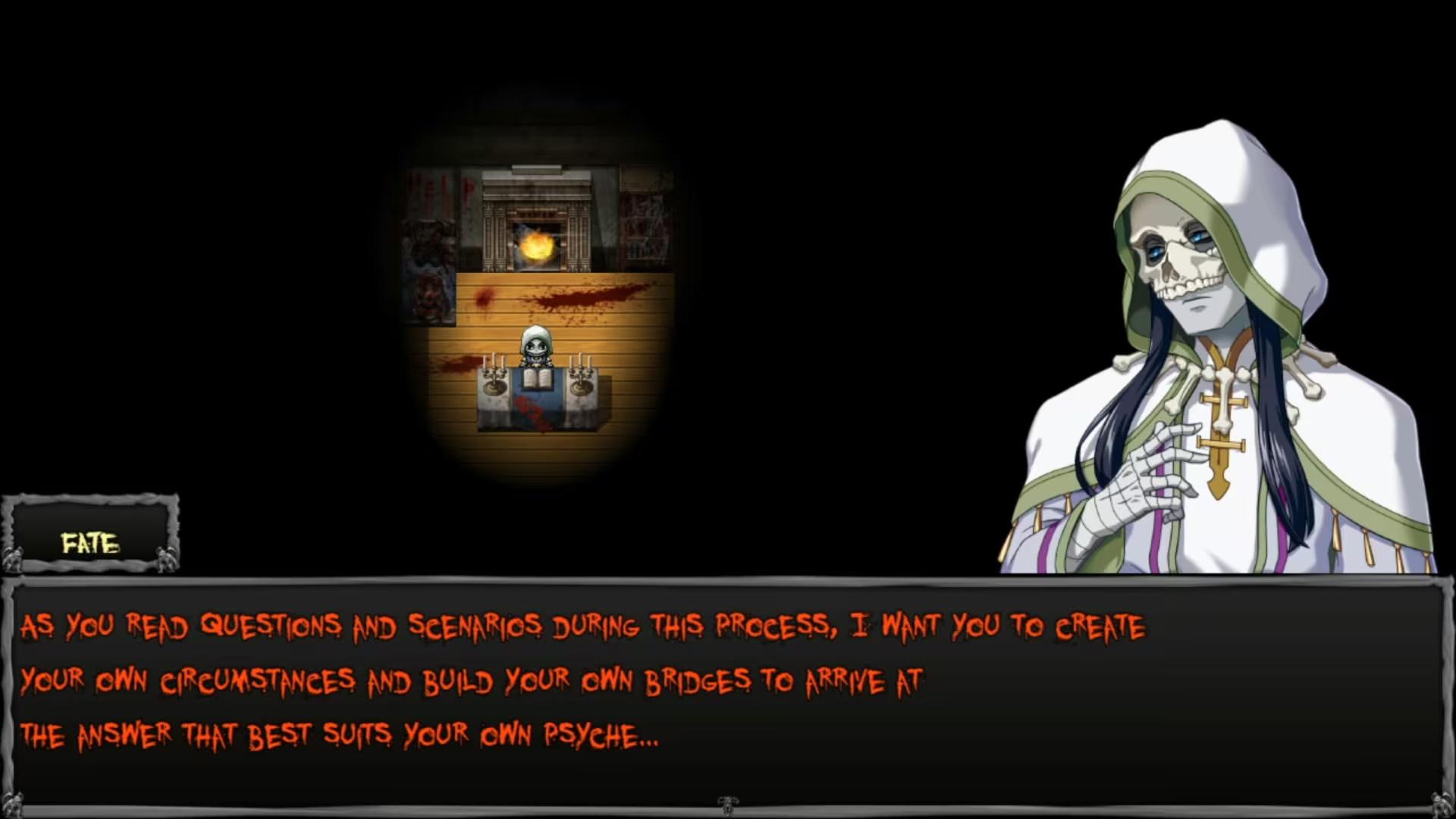
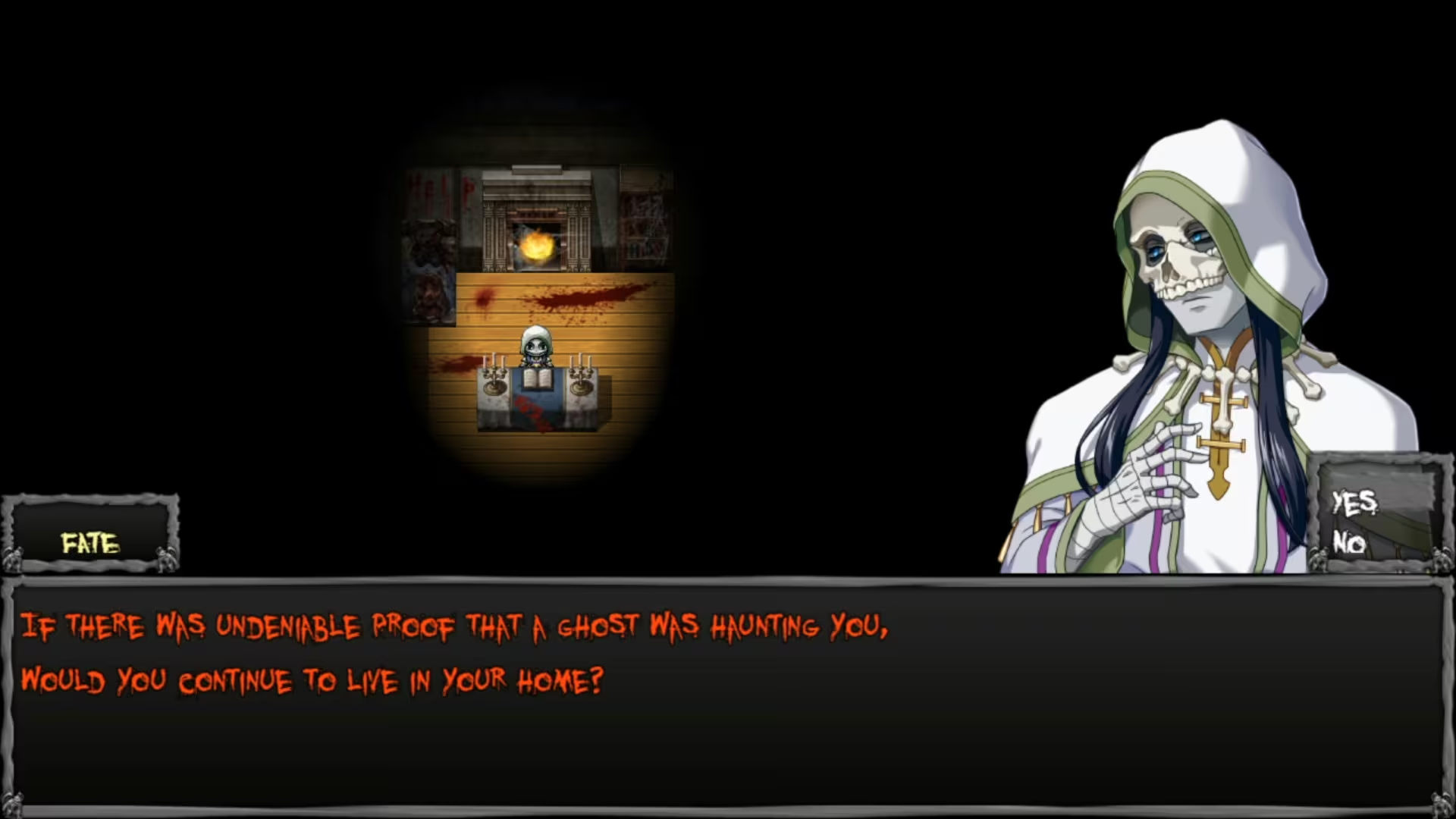
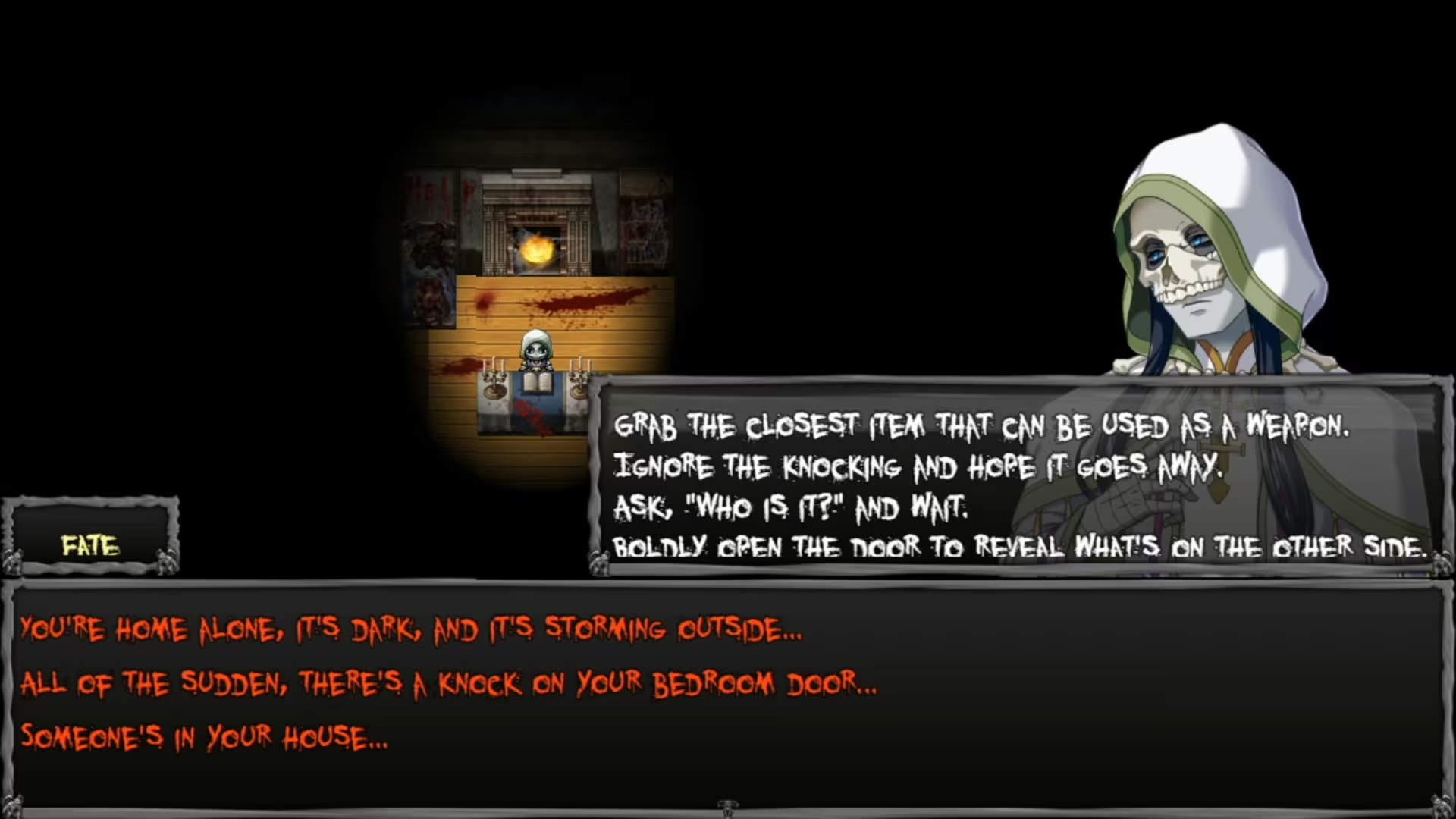
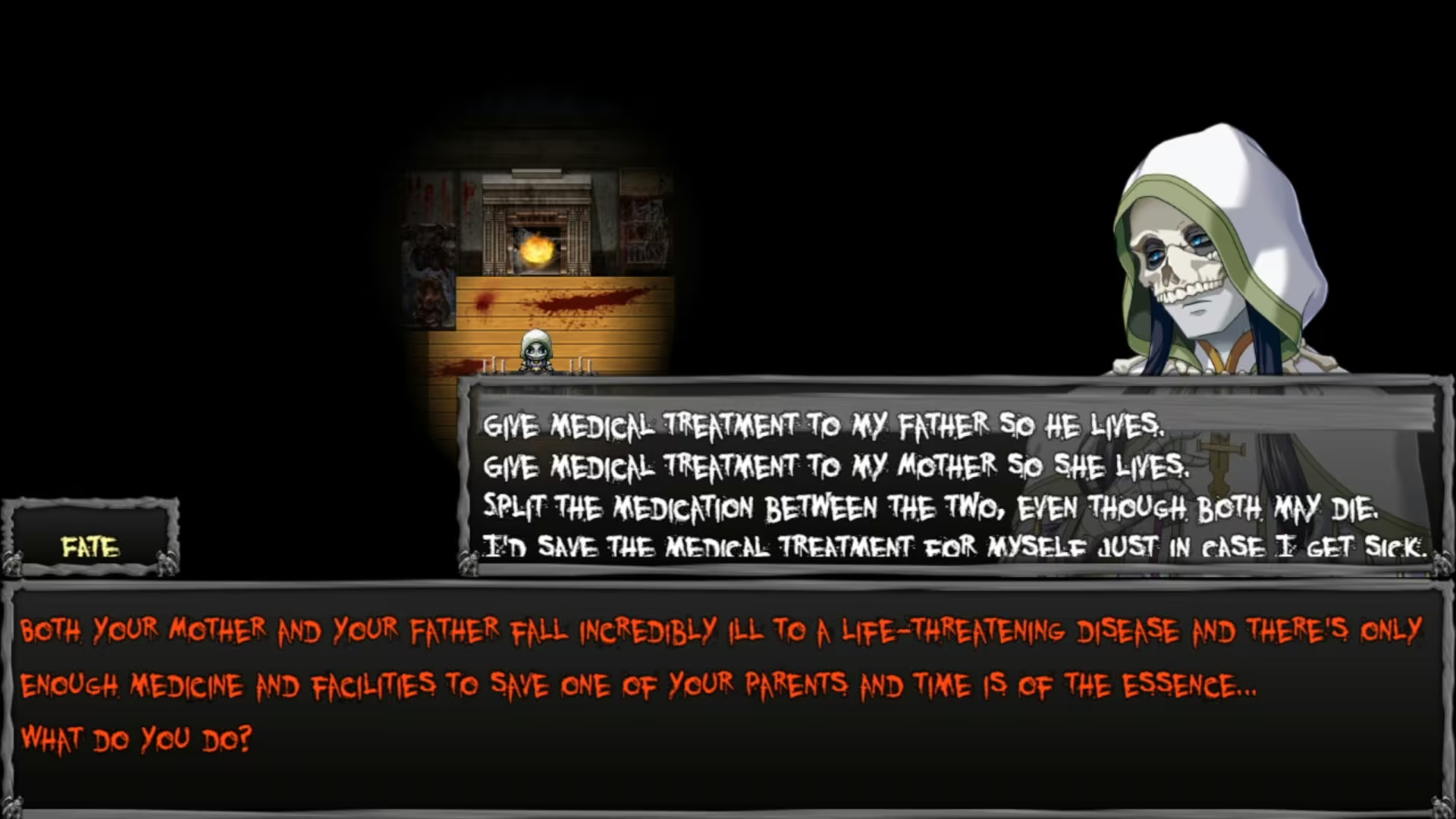
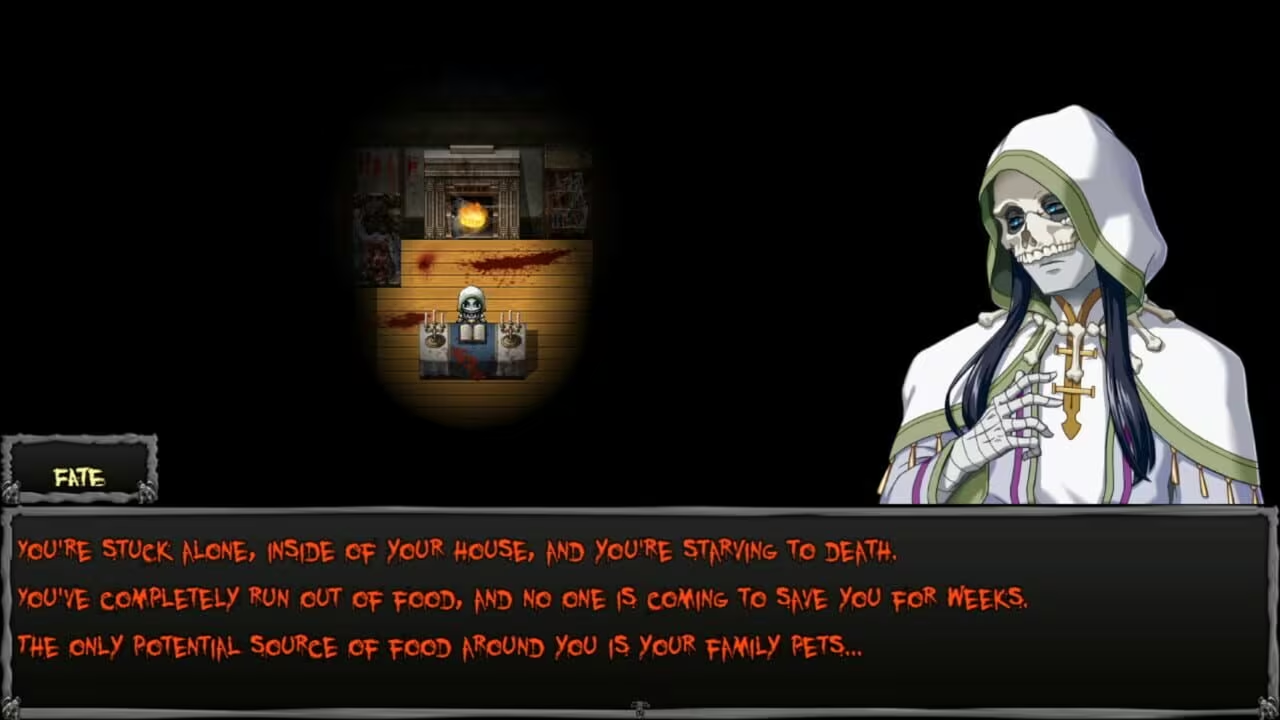
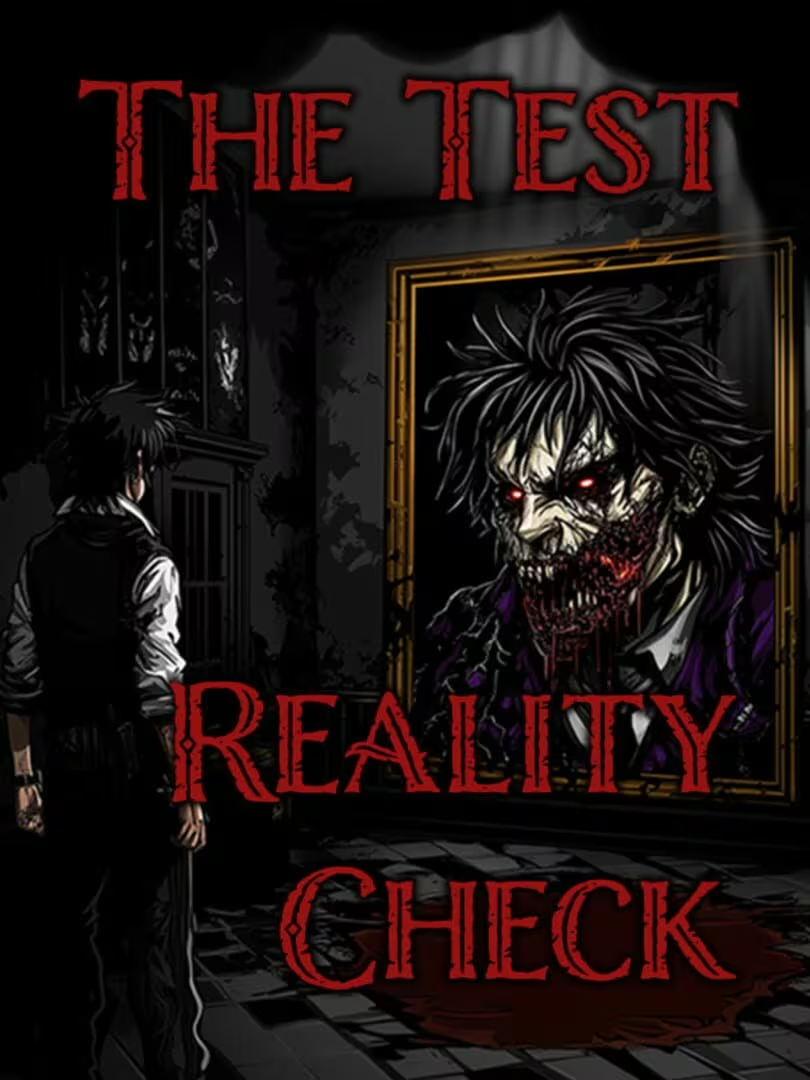
The second chapter in The Test trilogy. Answer a series of in-depth questions to reveal hidden truths about yourself and unlock secrets to discover how your life can change drastically with just a few, slight modifications. ...But are you sure you want the answers you seek?
Global score
98/100
Genres
Adventure, Casual, Indie, Role-playing (RPG), Simulator
Similar games
Pros
- Thought-provoking and emotionally impactful questions
- Personalized and meaningful feedback
- Engaging narrative framing with character fate
- Affordable price and short playtime
- Strong community appreciation and developer care
Cons
- Some players find jump scares annoying or excessive
- Font readability issues reported
- Some questions perceived as biased or limited in answer options
- Repetitive elements from previous game
- Not a traditional game, may not appeal to all players
Analysis
Less representative of its motivational profile, with noticeable differences. Motivations that often define this kind of title include Intimacy, Survival, Violence, Competition. It leans lower than usual among comparable games on Fantasy, Strategy, Fellowship.
How to use the graph
Similar games map
Each dot is a game. They are arranged from the same motivation profile as in the “Motivations” section below. Closer dots usually mean more similar reasons to play (exploration, competition, relaxation, etc.)—not that one game is “better” than another.
- Larger dot with a light outline: the game you are viewing.
- Colour: groups of games with comparable motivation patterns (statistical clusters).
- Hover a dot to see the game name; click to open its page.
- Scroll or double-click the chart to zoom out and see more games.
Why don’t the axes read like a score? This view uses t-SNE: it only keeps who is close to whom. The scales are not “good to bad” or hours played—they separate groups on the map. Read distance between dots, not the axis numbers.
Motivations
-
Autonomy4
"Players answer personal, open-ended questions that require self-reflection and decision-making, indicating a high degree of control over their responses."
-
Competence1
"The game challenges players to think deeply and honestly about themselves, but does not involve skill-based challenges or technical mastery."
-
Competition-4
"Focus is on individual self-assessment and reflection without comparison or competition against others."
-
Continuation3
"Many players report playing the entire trilogy in sequence and express anticipation for future installments, indicating engagement and habitual play."
-
Cooperation-5
"The experience is solitary and introspective, with no multiplayer or cooperative elements."
-
Creativity2
"Players engage in personal expression through their answers, but the game structure and questions are predefined."
-
Domination-5
"No elements of exerting control or superiority over others; the game is focused on self-exploration."
-
Escapism3
"Players use the game as a means to reflect and possibly escape real-life stress through introspection and emotional engagement."
-
Expectation-4
"Players engage voluntarily out of personal interest and curiosity, with no indication of obligation or external pressure."
-
Experimenting3
"The game encourages players to explore new thoughts and feelings about themselves through varied and sometimes uncomfortable questions."
-
Exploration2
"Exploration is psychological and emotional rather than spatial, with players discovering new aspects of their psyche."
-
Expression3
"Players express themselves through their answers and receive personalized feedback, allowing for self-expression."
-
Fantasy-3
"The game is grounded in realistic self-reflection and psychological themes rather than imaginative fiction or roleplay."
-
Fellowship-4
"The game is designed for solo play with minimal social interaction beyond sharing secret words or reviews."
-
Growth4
"Players report personal development, emotional insight, and learning about themselves through the game."
-
Health-5
"No physical activity or health-related gameplay elements; sedentary and introspective."
-
Idle-3
"Requires focused attention during play; not designed for background or idle gaming."
-
Intimacy2
"Some emotional sharing and connection through self-disclosure, but limited direct social intimacy."
-
Leadership-5
"No leadership or group management elements; purely individual experience."
-
Progression2
"Progression is psychological and narrative rather than item or upgrade accumulation."
-
Relaxation1
"Mixed emotional tones including tension and catharsis; some players find it emotionally intense rather than purely relaxing."
-
Sensation1
"Includes atmospheric music and some jump scares, providing moderate sensory stimulation."
-
Status-4
"No social status or ranking systems; focus is on personal insight rather than recognition."
-
Story3
"Narrative elements and character (Fate) provide a story-like framing for the psychological experience."
-
Strategy-3
"No strategic or problem-solving gameplay; responses are based on personal reflection rather than planning."
-
Thrill2
"Some suspense and jump scares create moments of tension and relief."
-
Value4
"Players feel the game provides meaningful emotional and psychological return for its low cost and time investment."
-
Violence-5
"No enjoyment of combat or destruction; the game is focused on introspection and emotional experience."
-
Survival-5
"No survival or threat avoidance mechanics; stable and safe environment."
Last update: 29/04/2026