The Jackbox Party Pack 3 similar games & best alternatives
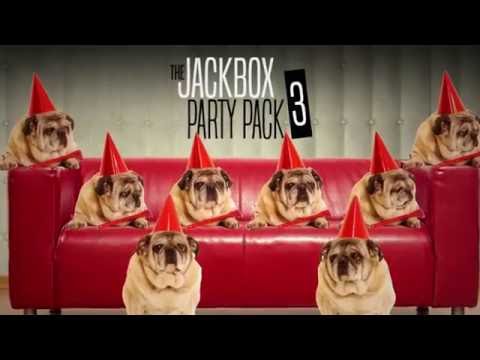
The Jackbox Party Pack 3
2016
Related articles
Quick resume
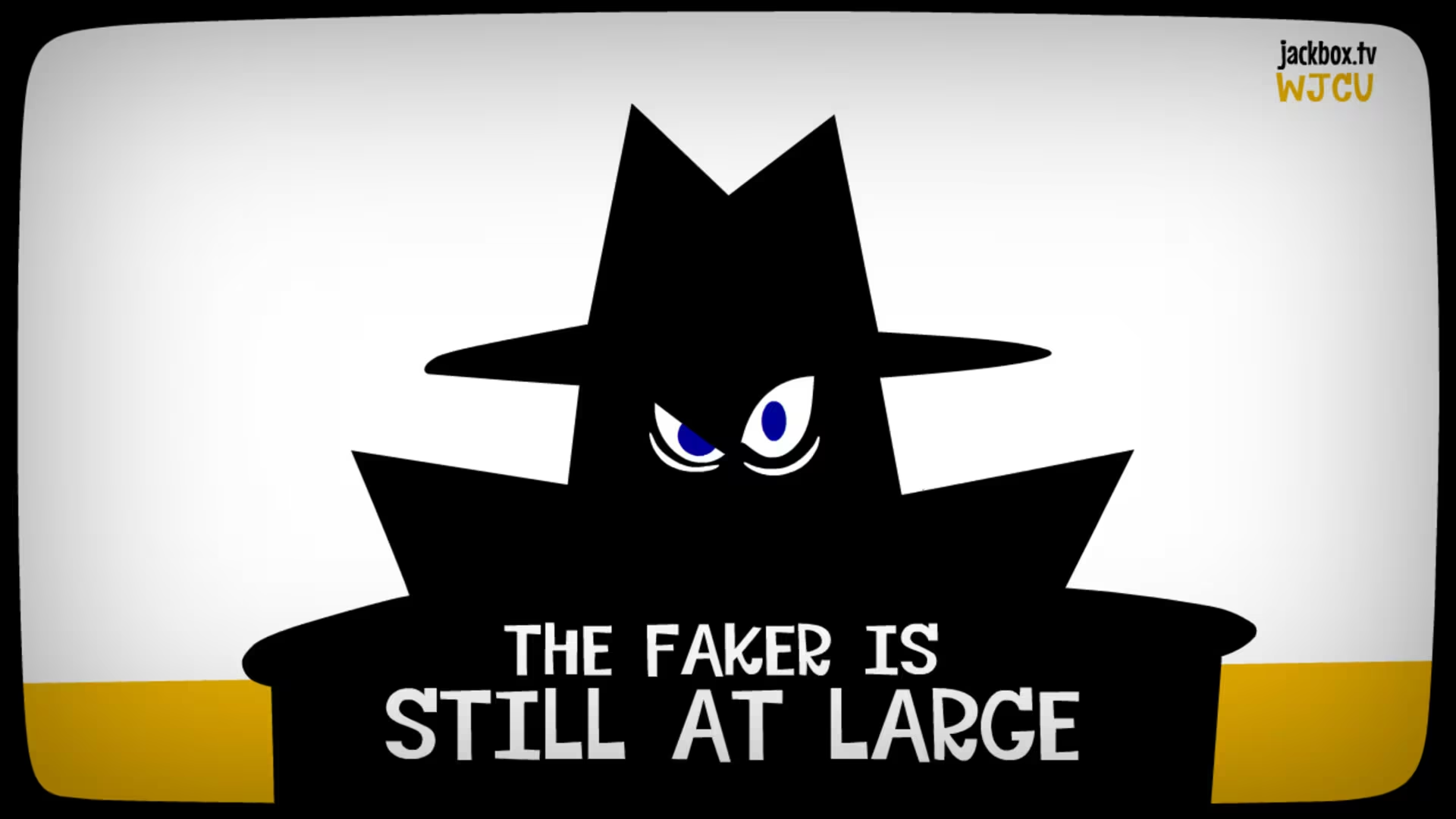
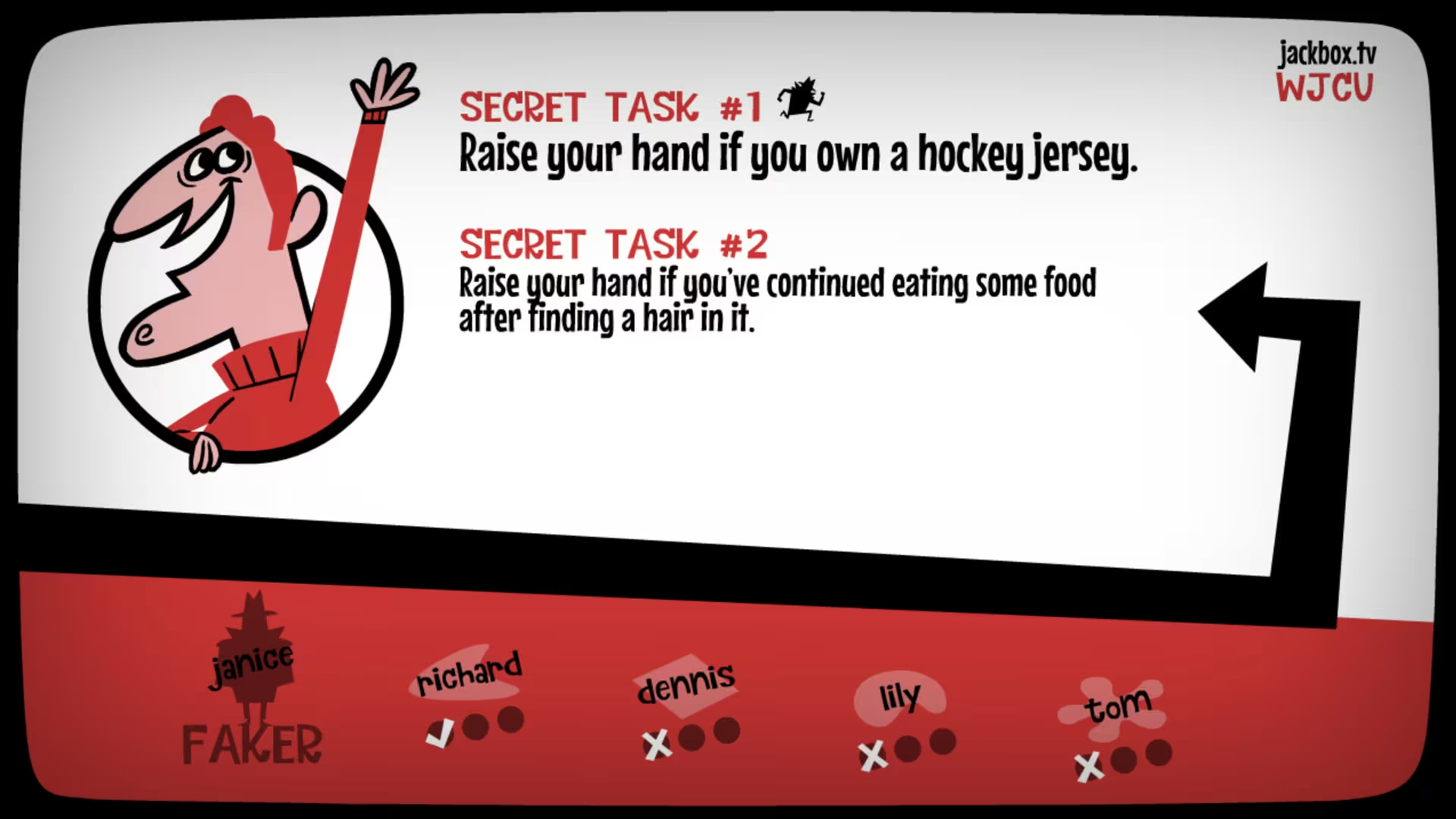
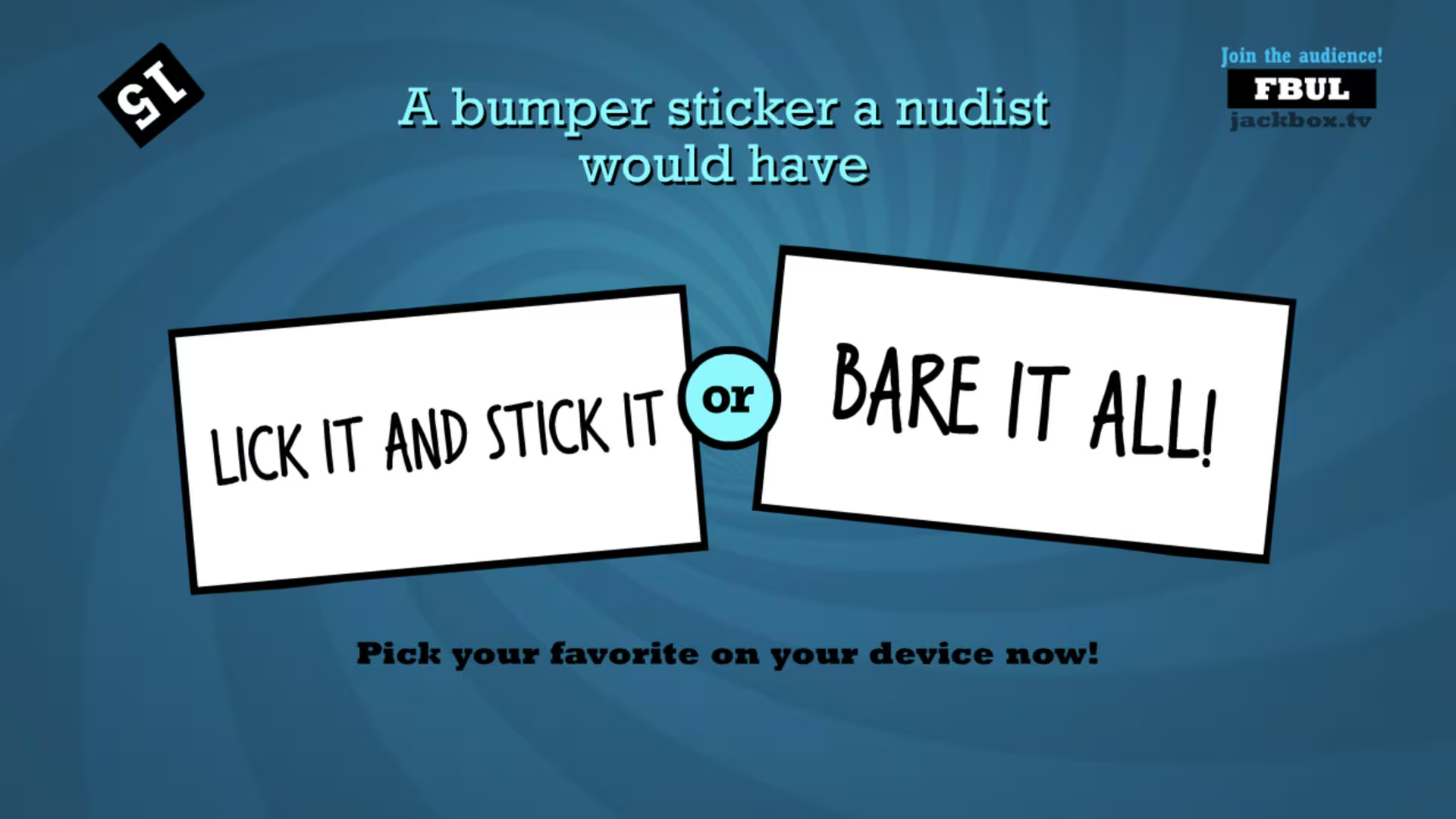
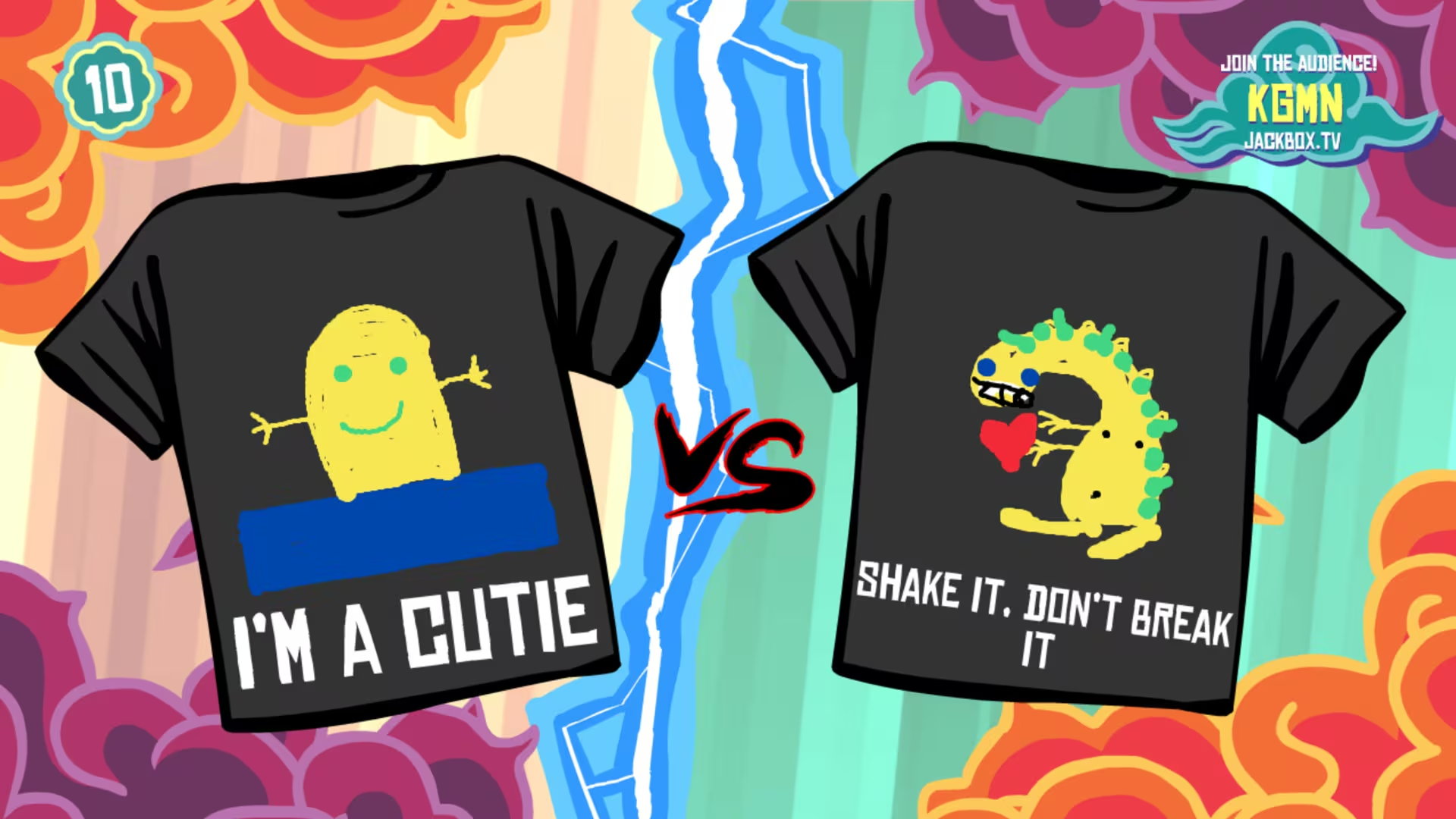
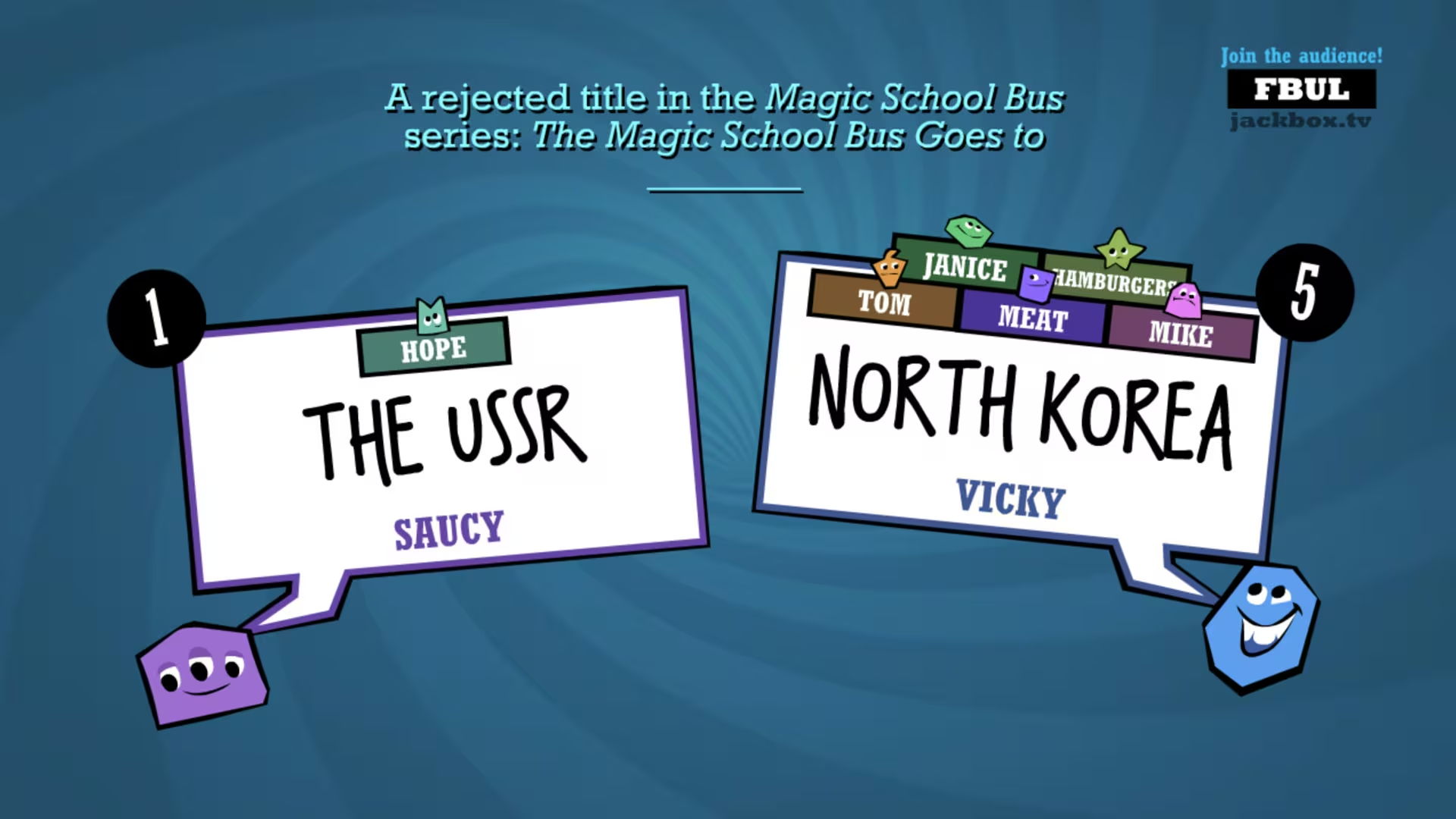
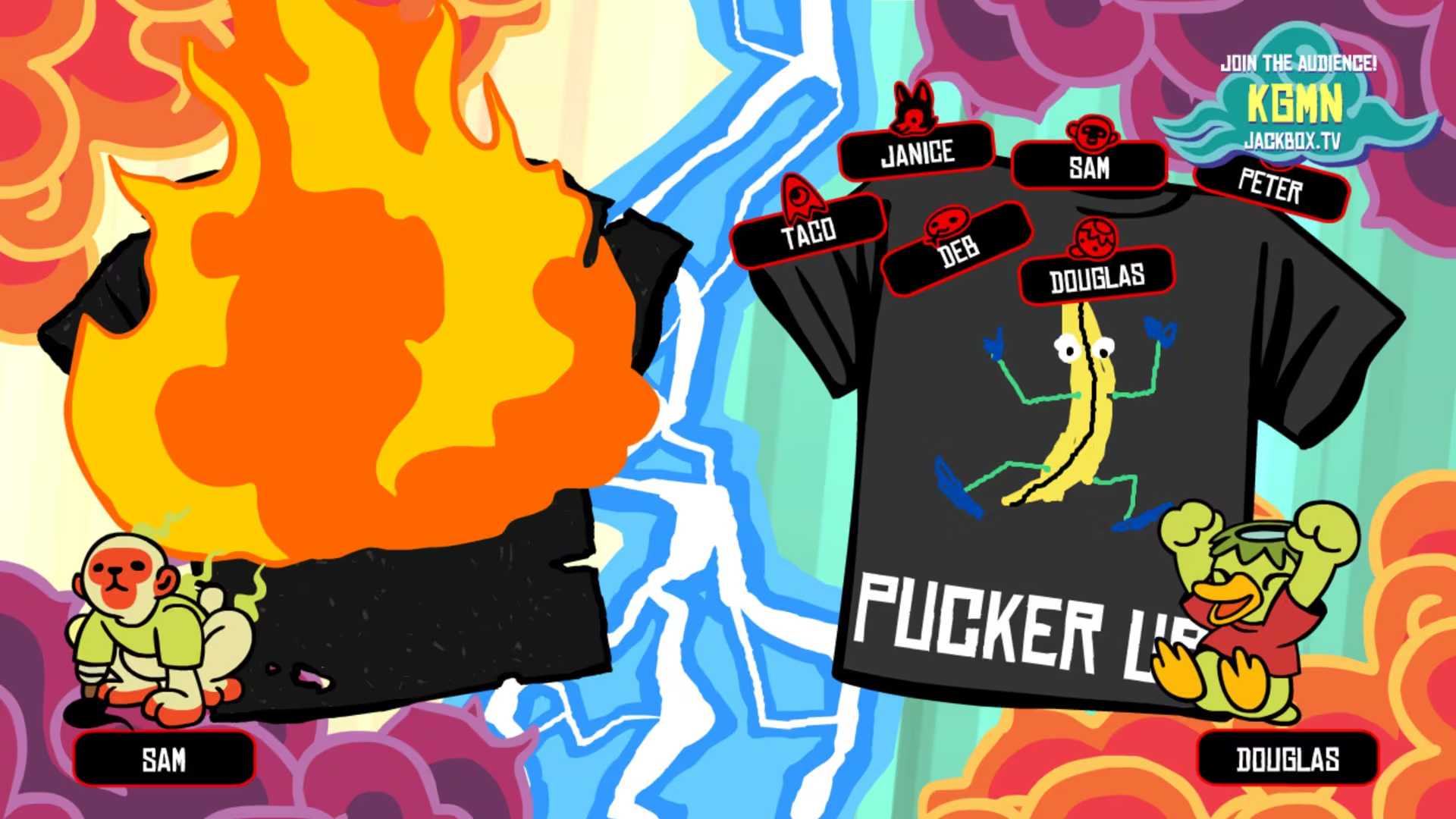
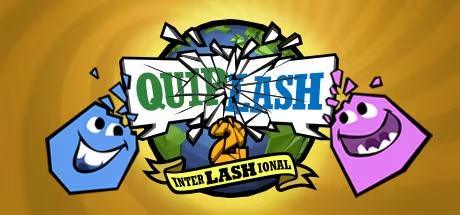
The threequel to the party game phenomenon features the deadly quiz show Trivia Murder Party, the say-anything sequel Quiplash 2, the surprising survey game Guesspionage, the t-shirt slugfest Tee K.O., and the sneaky trickster game Fakin’ It.
Global score
97/100
Genres
Casual, Indie, Strategy, Puzzle, Quiz/Trivia
Similar games
Pros
- Highly social and fun party games
- Creative freedom with custom prompts and drawings
- Accessible and easy to learn
- Supports remote play via smartphones
- Strong replay value with varied game modes
Cons
- Heavy reliance on english and american cultural references
- Some games less popular or less fun (e.g. guesspionage, fakin' it)
- Requires friends or group to fully enjoy
- No official russian localization (community translations available)
- Some technical issues and occasional glitches reported
Analysis
Less representative of its motivational profile, with noticeable differences. Motivations that often define this kind of title include Competition, Status, Story, Expression. Here, the score leans higher than usual among comparable games on Intimacy, Fellowship, Cooperation.
How to use the graph
Similar games map
Each dot is a game. They are arranged from the same motivation profile as in the “Motivations” section below. Closer dots usually mean more similar reasons to play (exploration, competition, relaxation, etc.)—not that one game is “better” than another.
- Larger dot with a light outline: the game you are viewing.
- Colour: groups of games with comparable motivation patterns (statistical clusters).
- Hover a dot to see the game name; click to open its page.
- Scroll or double-click the chart to zoom out and see more games.
Why don’t the axes read like a score? This view uses t-SNE: it only keeps who is close to whom. The scales are not “good to bad” or hours played—they separate groups on the map. Read distance between dots, not the axis numbers.
Motivations
-
Autonomy4
"Players have freedom to create their own prompts, answers, and drawings, allowing personal control over gameplay."
-
Competence3
"Games require creativity, humor, and some trivia knowledge, providing skill challenges especially in writing and bluffing."
-
Competition4
"Many games involve voting, scoring, and outsmarting others, fostering competitive social play."
-
Continuation4
"Players report long sessions and habitual play with friends and family, often returning repeatedly."
-
Cooperation2
"Some games involve group guessing and collaboration, but most focus on individual contributions and competition."
-
Creativity5
"Strong emphasis on creating custom prompts, funny answers, drawings, and t-shirt designs."
-
Domination-3
"Interactions are mostly balanced and playful; no strong evidence of exerting control or superiority over others."
-
Escapism4
"Players use the game to relax, have fun, and escape real-life stress through humor and social interaction."
-
Expectation-4
"Engagement is voluntary and driven by intrinsic enjoyment and social desire rather than obligation."
-
Experimenting4
"Players experiment with custom content creation and novel humorous responses."
-
Exploration-2
"Game environments and mechanics are familiar and consistent; novelty comes from social interaction rather than new areas."
-
Expression5
"High degree of self-expression through custom answers, drawings, and t-shirt designs."
-
Fantasy1
"Some imaginative elements like murder-themed trivia and bluffing, but mostly grounded in social humor."
-
Fellowship5
"Strong social bonding and community feeling through shared laughter and group play."
-
Growth2
"Players develop humor, bluffing, and social skills, though learning curve is moderate."
-
Health-5
"Sedentary gameplay with no physical activity involved."
-
Idle-3
"Requires active participation and attention during rounds; not suitable for background play."
-
Intimacy3
"Fosters close social interactions and emotional sharing in friendly groups."
-
Leadership-2
"No explicit leadership roles; players participate equally without formal authority."
-
Progression2
"Some accumulation of points and rankings within games, but no persistent upgrades or items."
-
Relaxation4
"Provides laughter and flow experiences, balancing challenge with fun."
-
Sensation3
"Engaging audiovisual presentation and humorous content provide enjoyable sensory stimulation."
-
Status3
"Players gain recognition through votes and winning rounds, enhancing social status within the group."
-
Story-3
"Games are mostly context-free party games without overarching narrative immersion."
-
Strategy2
"Some strategic thinking in bluffing and voting, but mostly light and social rather than deep problem solving."
-
Thrill3
"Trivia Murder Party and bluffing games create suspense and tension moments."
-
Value4
"Players perceive high entertainment value and social return for the price."
-
Violence-3
"Minimal violence; some cartoonish 'murder' themes but overall focused on humor and creativity."
-
Survival2
"Trivia Murder Party involves survival mechanics, but overall low-risk and casual gameplay."
Last update: 29/04/2026