Age of Fear 2: The Chaos Lord GOLD similar games & best alternatives

Age of Fear 2: The Chaos Lord GOLD
2015
Related articles
Quick resume
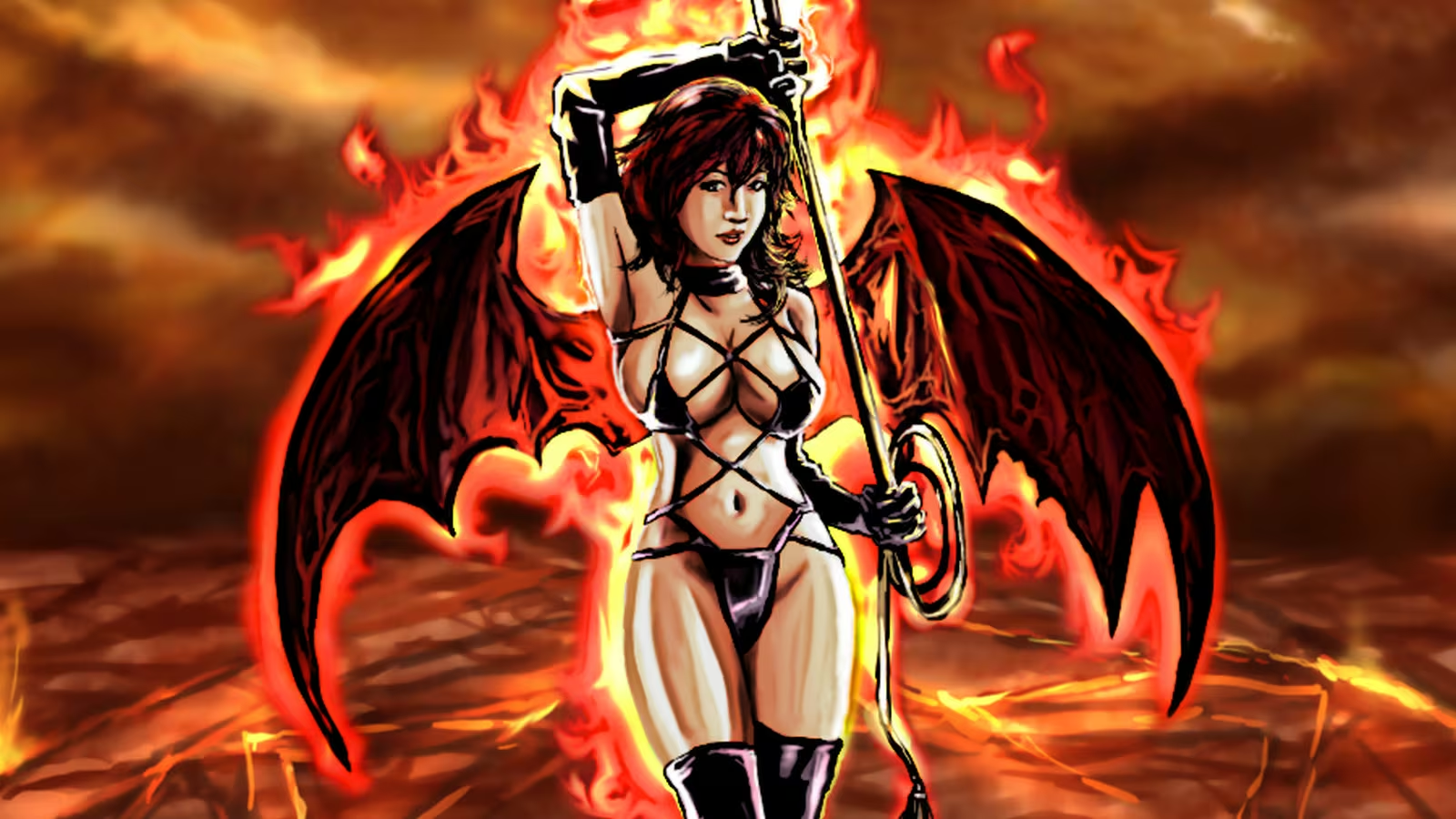
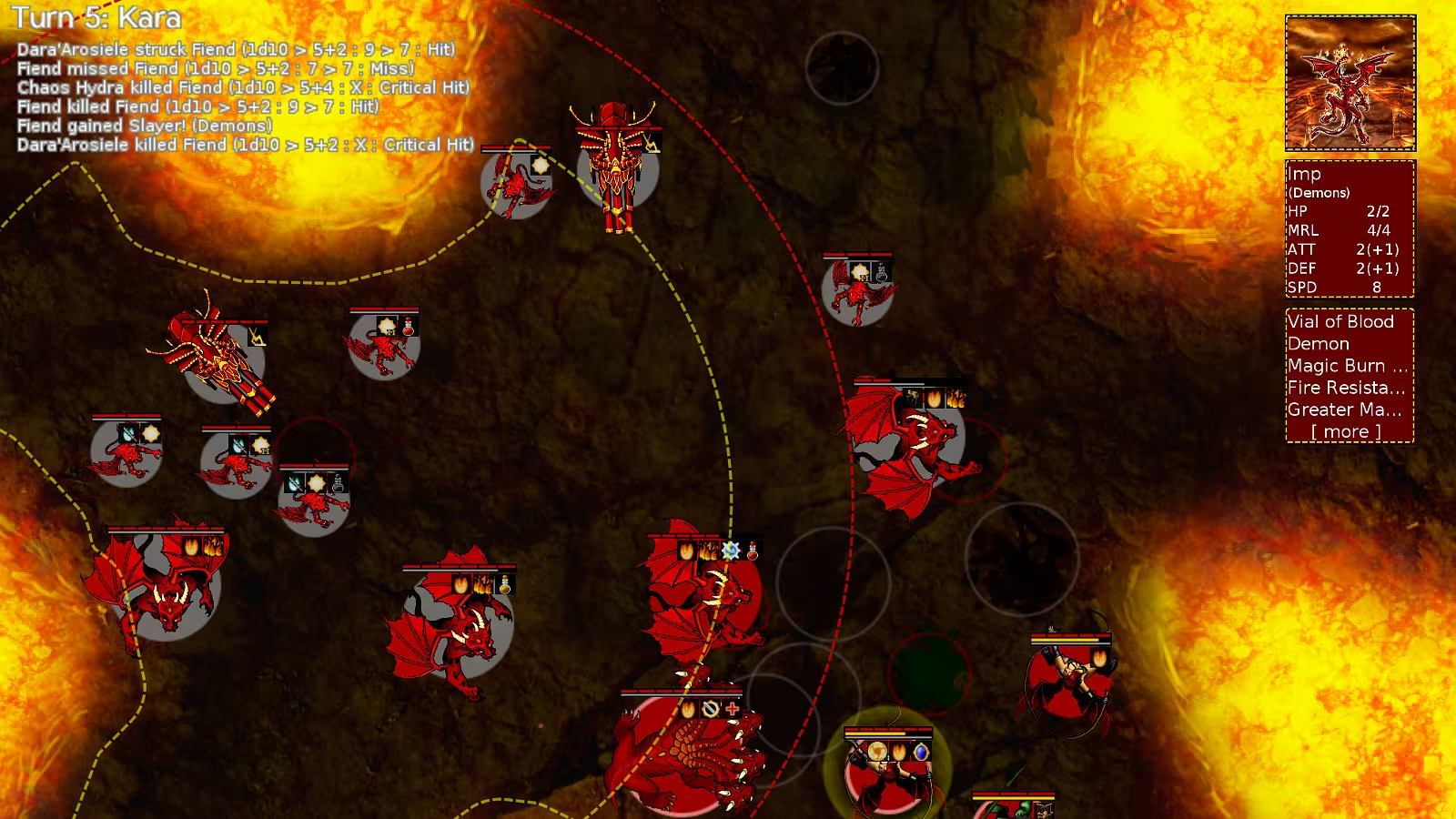
Play as either Bel'Kara, a seductive Succubus at odds with the Underworld, or Katzok, a brutal Orc Chieftan fighting for his clan's dominance. The Age of Fear series is a deep and complex turn-based strategy (full of humour!) that fuses a tabletop wargame with RPG elements.
Global score
79/100
Genres
Indie, Role-playing (RPG), Strategy, Turn-based strategy (TBS), Tactical, Card & Board Game
Similar games
Pros
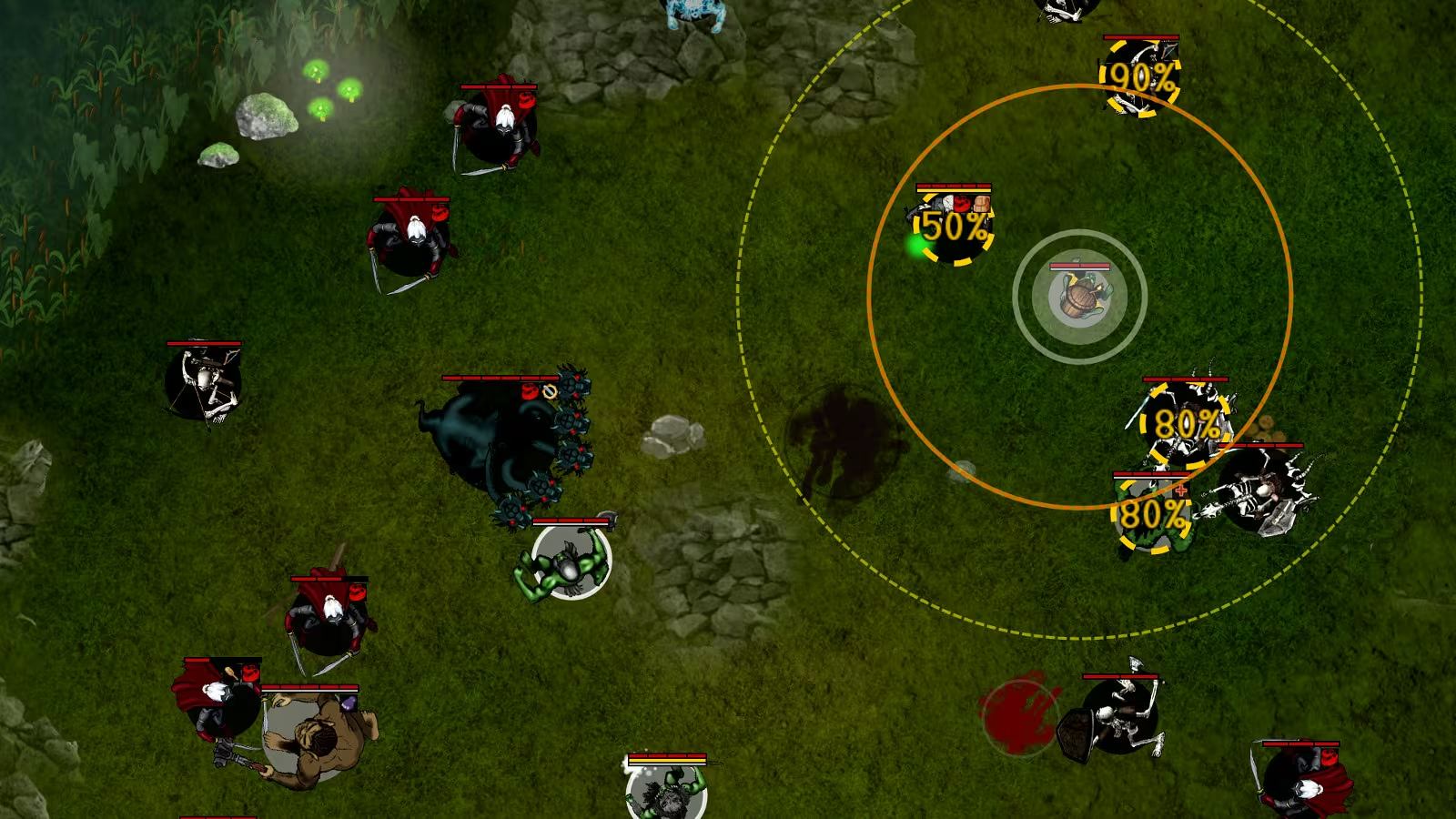
- Challenging tactical combat with good ai
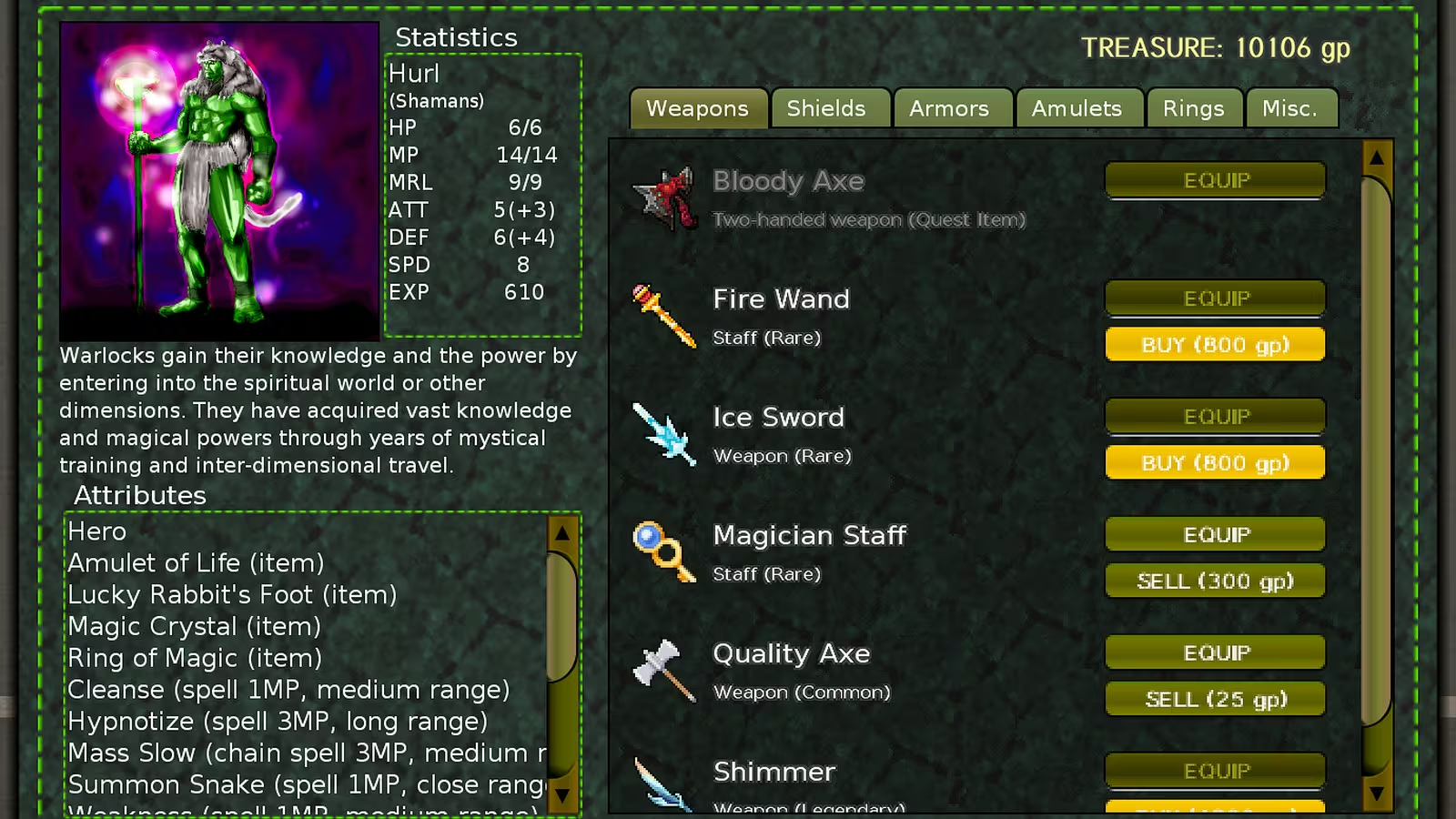
- Deep unit progression and customization
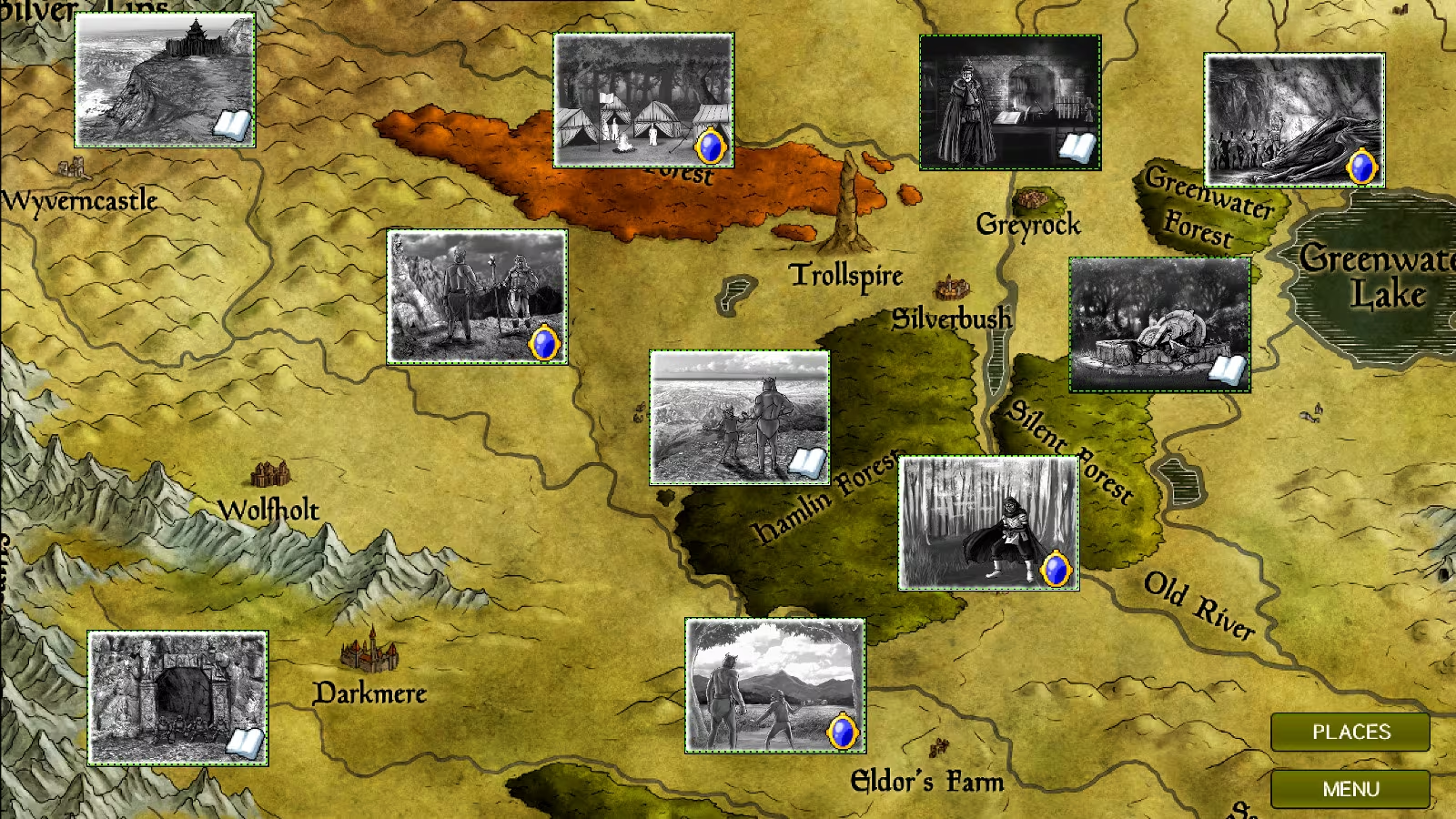
- Branching storylines with replay value
- Active and responsive developer support
- Modding and map editing capabilities
Cons
- Basic and outdated graphics
- Limited multiplayer and social features
- Some ui and control clunkiness
- Story writing quality varies
- Technical issues reported by some players
Analysis
A very typical example of its motivational profile. Motivations that often define this kind of title include Leadership, Survival, Violence, Strategy. Here, the score leans higher than usual among comparable games on Competition, Fantasy, Domination.
How to use the graph
Similar games map
Each dot is a game. They are arranged from the same motivation profile as in the “Motivations” section below. Closer dots usually mean more similar reasons to play (exploration, competition, relaxation, etc.)—not that one game is “better” than another.
- Larger dot with a light outline: the game you are viewing.
- Colour: groups of games with comparable motivation patterns (statistical clusters).
- Hover a dot to see the game name; click to open its page.
- Scroll or double-click the chart to zoom out and see more games.
Why don’t the axes read like a score? This view uses t-SNE: it only keeps who is close to whom. The scales are not “good to bad” or hours played—they separate groups on the map. Read distance between dots, not the axis numbers.
Motivations
-
Autonomy4
"Players make meaningful decisions in campaigns with branching storylines and unit development choices, allowing personal control over tactics and progression."
-
Competence4
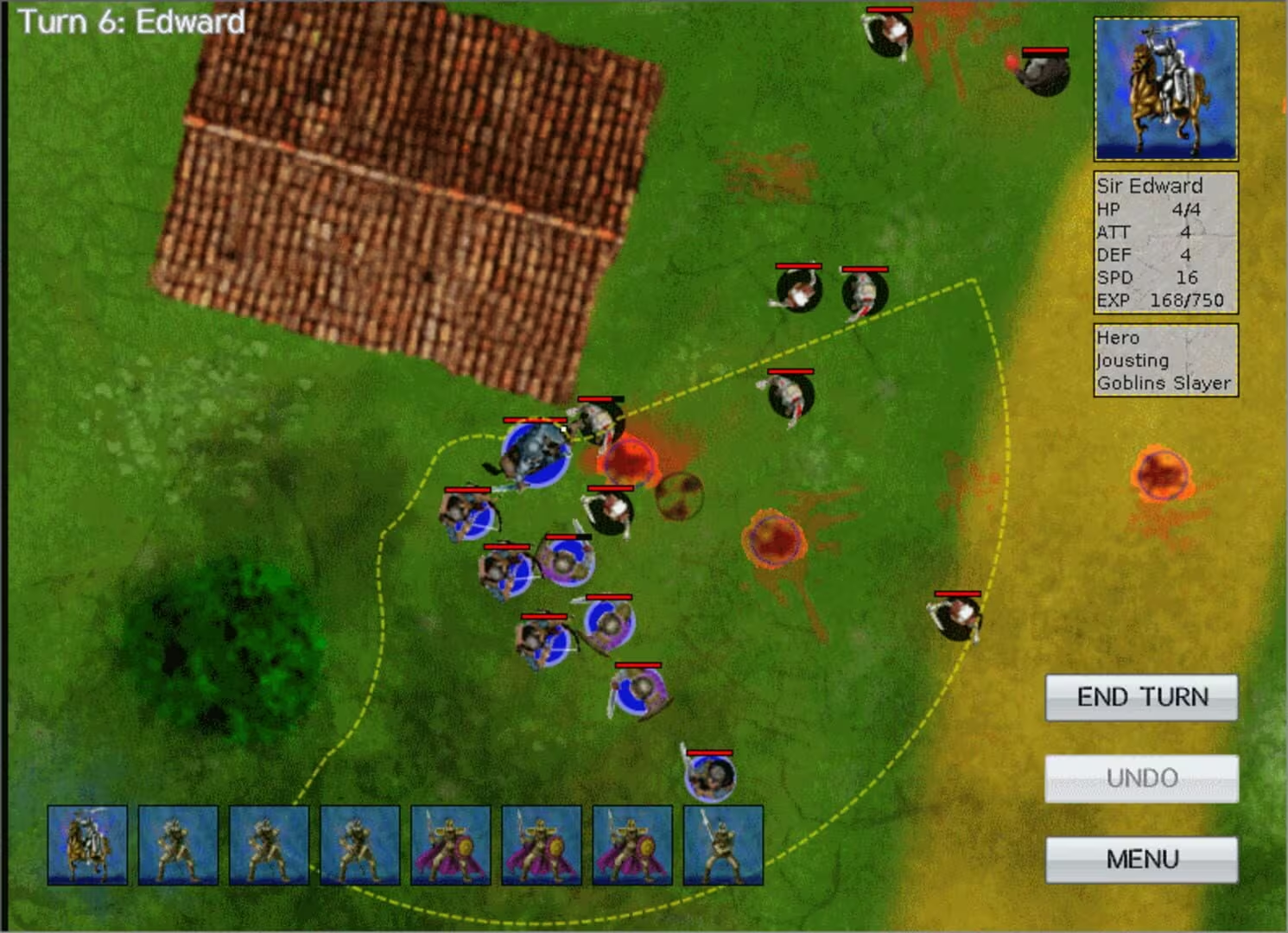
"The game offers challenging tactical combat with a well-programmed AI and skill development for units, rewarding strategic thinking and mastery."
-
Competition1
"Multiplayer exists but is limited and not a major focus; most play is single-player with personal challenge rather than direct competition."
-
Continuation3
"Players report replay value due to branching campaigns, unit progression, and secrets encouraging multiple playthroughs and long engagement."
-
Cooperation-3
"Gameplay centers on single-player campaigns and tactical battles without emphasis on teamwork or cooperative multiplayer."
-
Creativity3
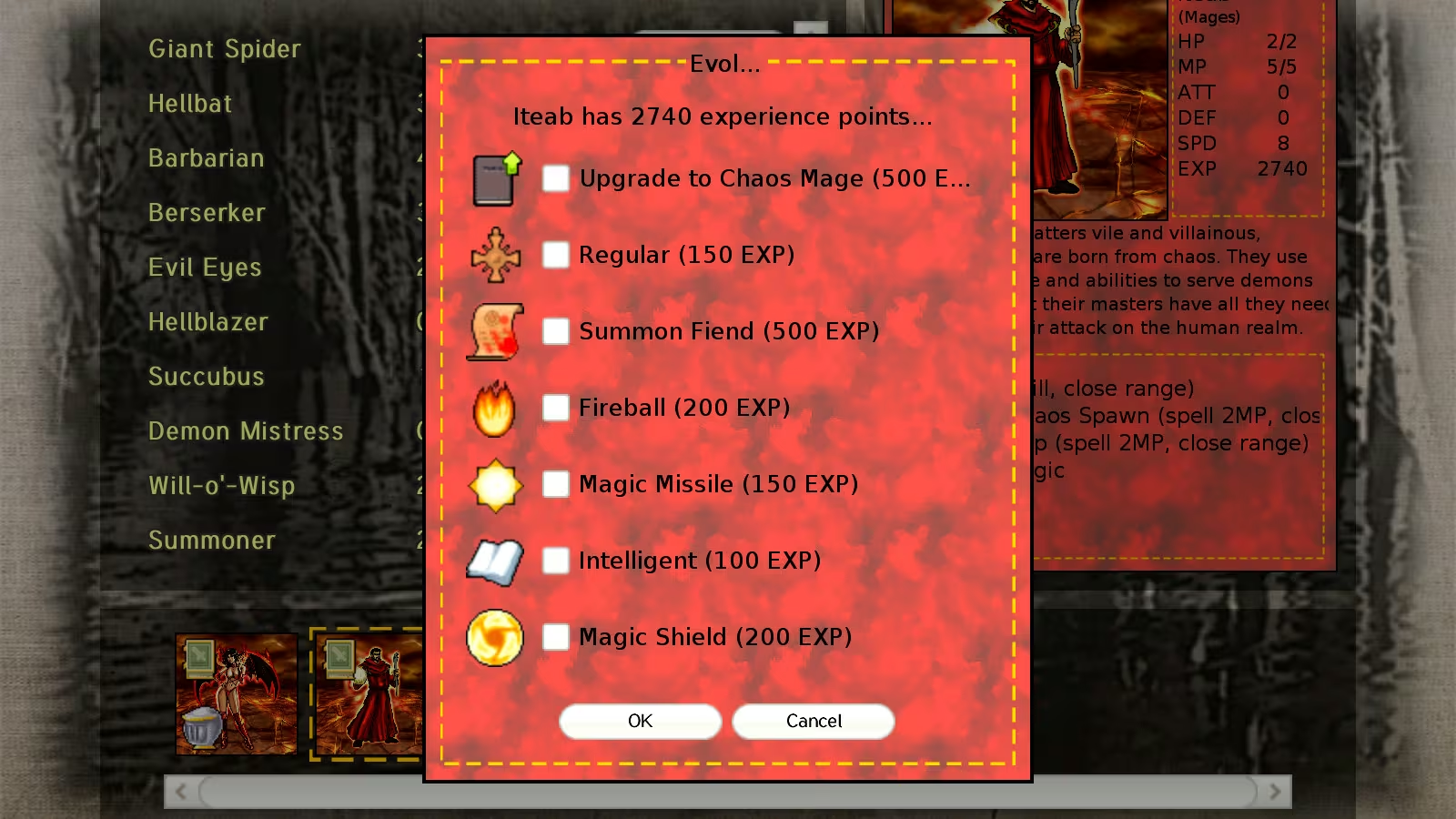
"Players customize and develop units with skills and equipment; modding and map editing are supported, encouraging creative engagement."
-
Domination-2
"Interactions are balanced and respectful; no evidence of power imposition or toxic dominance in multiplayer or community."
-
Escapism4
"The fantasy setting and engaging tactical gameplay provide a strong escape from real life, supported by immersive storylines."
-
Expectation-4
"Players engage voluntarily out of personal interest and enjoyment; no indication of obligation or external pressure to play."
-
Experimenting3
"Branching storylines, unit skill trees, and tactical options encourage players to try different strategies and approaches."
-
Exploration3
"The game includes secrets, hidden stashes, and multiple campaign paths, motivating players to explore and discover new content."
-
Expression2
"Customization of heroes and units with items and skills allows some degree of personal expression within gameplay."
-
Fantasy5
"Strong fantasy theme with demons, orcs, magic, and mythical creatures; story and setting are firmly rooted in imaginative fiction."
-
Fellowship-3
"Primarily a single-player experience with limited social interaction; community engagement exists but is not central to gameplay."
-
Growth4
"Unit leveling, skill acquisition, and strategic learning are core to progression and player development."
-
Health-4
"Typical sedentary computer gameplay with no physical activity elements."
-
Idle-3
"Requires focused attention during tactical battles and decision making; not suited for passive or background play."
-
Intimacy-4
"Minimal social or emotional connection features; interactions are mostly surface-level or single-player focused."
-
Leadership3
"Players lead and manage their armies and heroes, making strategic decisions and directing unit actions."
-
Progression4
"Strong emphasis on accumulating experience, items, and upgrades for units and heroes throughout campaigns."
-
Relaxation2
"While challenging, the turn-based nature allows for paced play and moments of flow and tension release."
-
Sensation1
"Basic 2D graphics and sound provide moderate sensory stimulation; focus is on gameplay rather than audiovisual excitement."
-
Status-3
"No significant social recognition or status systems; achievements exist but community status is limited."
-
Story3
"Campaigns feature narrative immersion with branching storylines and character interactions, though writing quality varies."
-
Strategy5
"Core gameplay is tactical turn-based combat requiring planning, positioning, and problem solving."
-
Thrill3
"Challenging battles and AI provide suspense and tension, with relief upon victory."
-
Value3
"Players find good value especially when purchased on sale; active developer support adds to perceived worth."
-
Violence3
"Combat and destruction are central gameplay elements, with fantasy violence depicted in tactical battles."
-
Survival3
"Players must manage resources and avoid unit losses; some battles are unwinnable and require strategic adaptation."
Last update: 29/04/2026