Twinsen's Little Big Adventure 2 Classic similar games & best alternatives
Should you play it?
Twinsen's Little Big Adventure 2 Classic is a retro action-adventure game originally released in 1997. After saving the world from the evilish Doctor Funfrock, Twinsen is now ready to face a new threat coming from outer space.
What works
- Strong nostalgic value
- Engaging story and characters
- Unique fantasy world
- Challenging puzzles
- Immersive soundtrack
Things to keep in mind
- Dated graphics and controls
- Clunky combat mechanics
- Linear progression
- Lack of modern enhancements in classic version
- No multiplayer or social features
What to play next
Similar games, hidden gems, and fresh directions from this game.
Top picks
Games that feel the closest overall
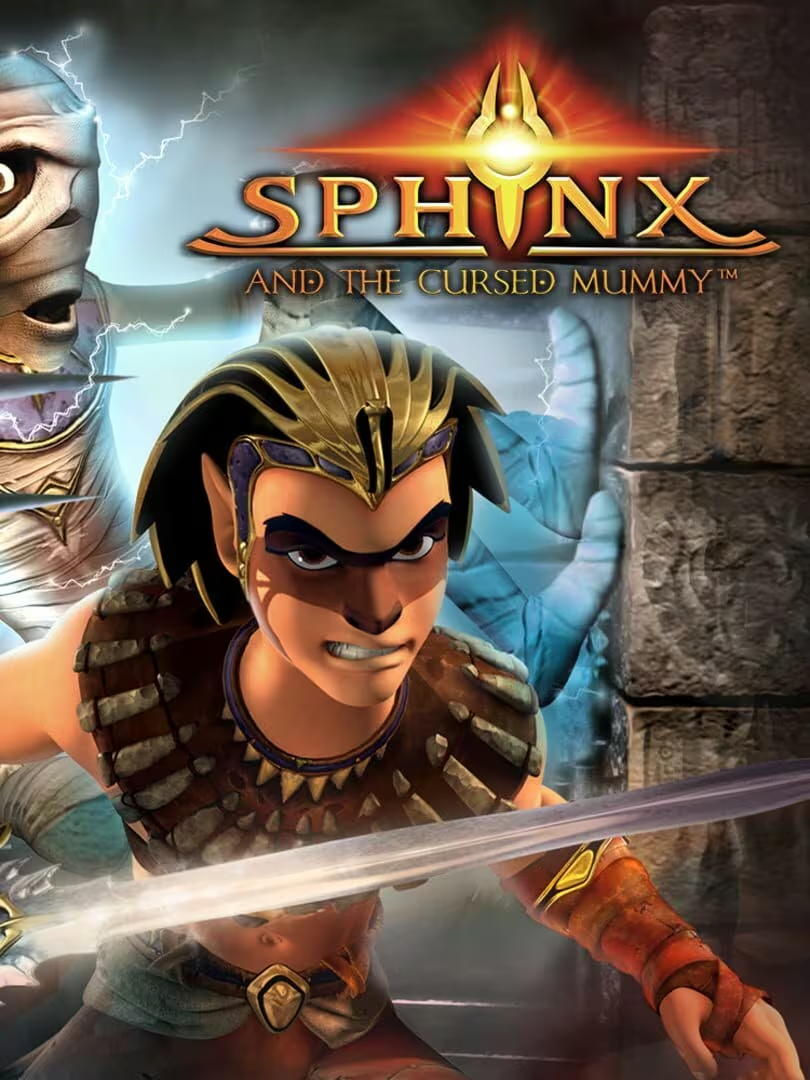
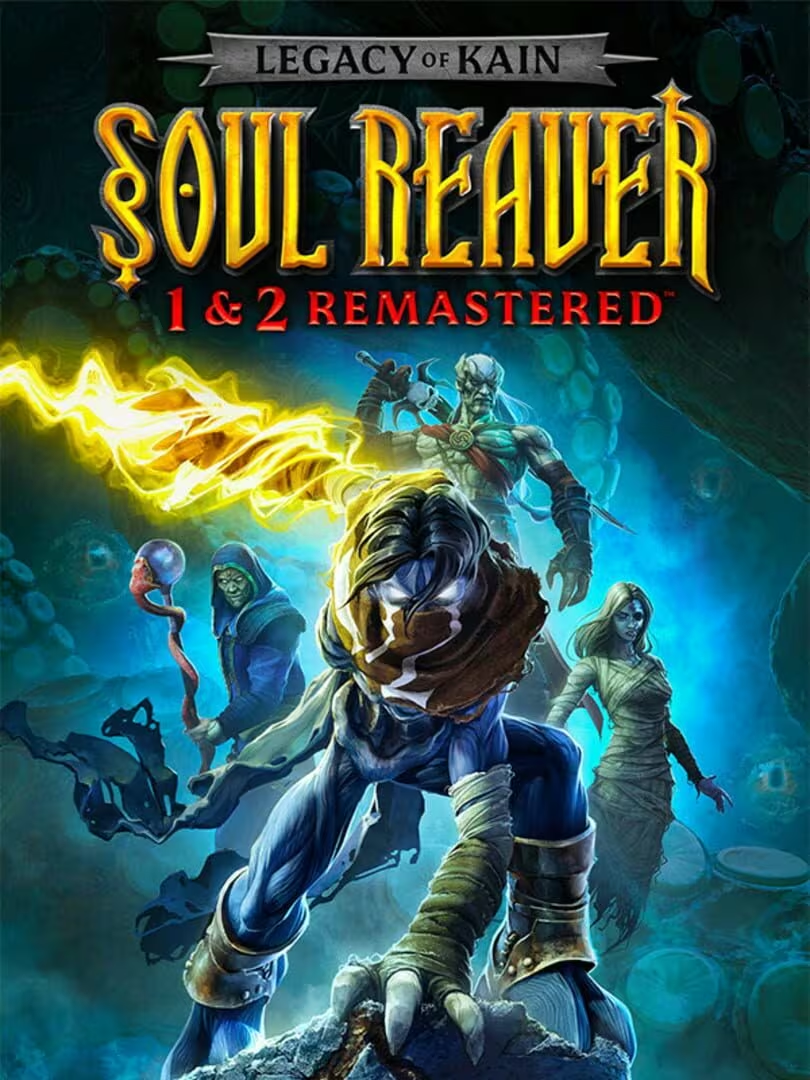
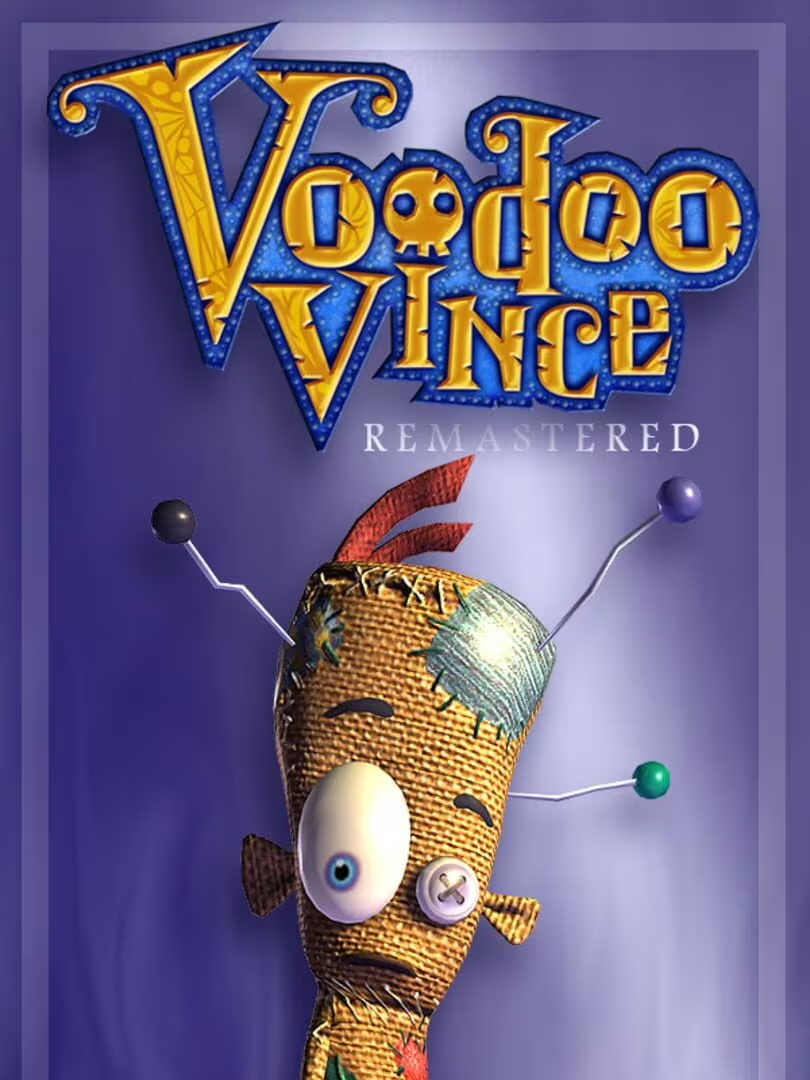
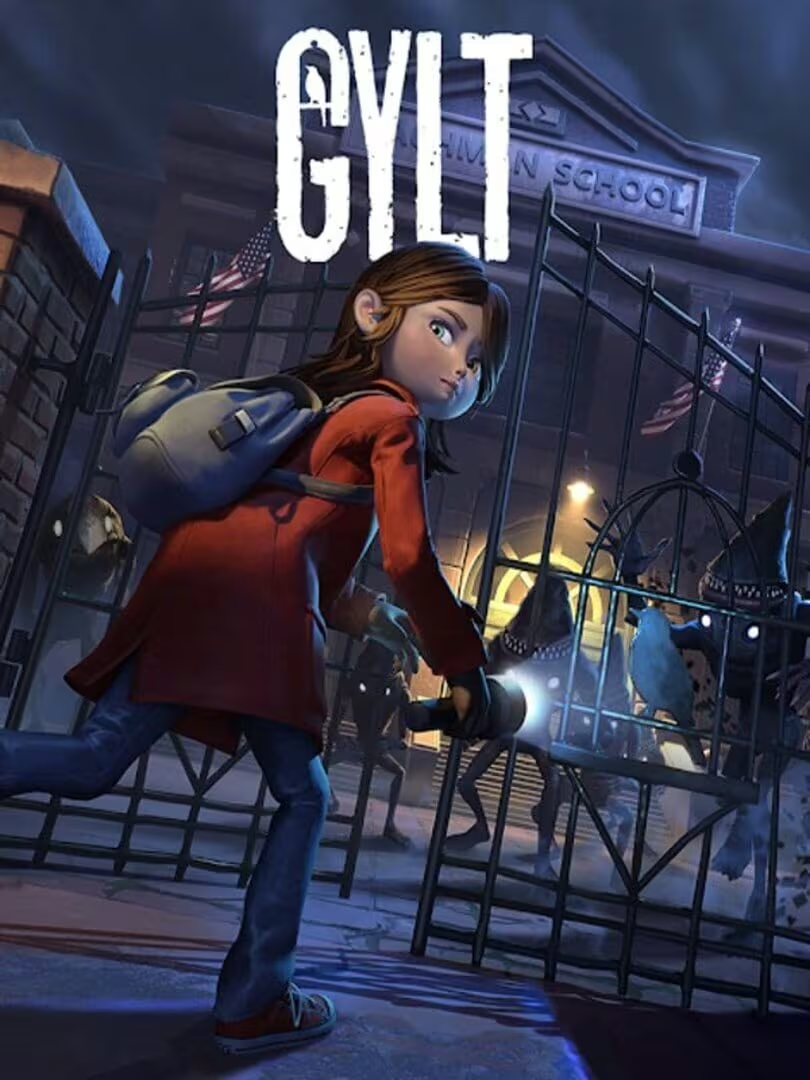
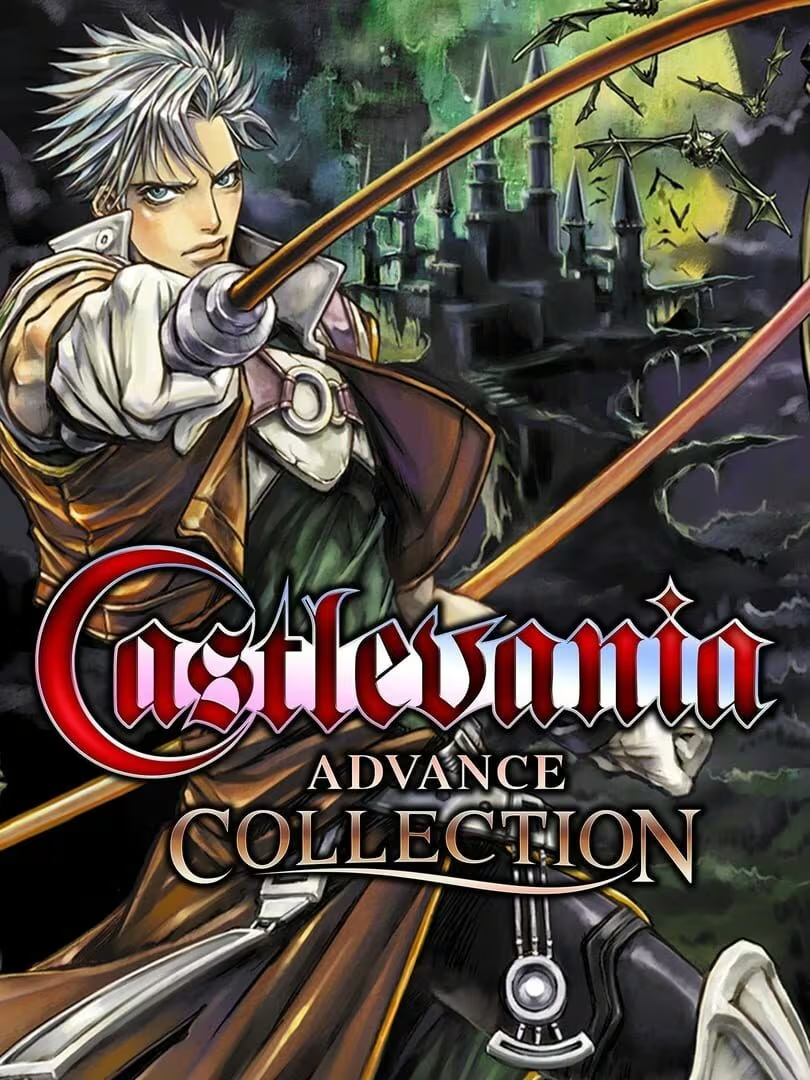
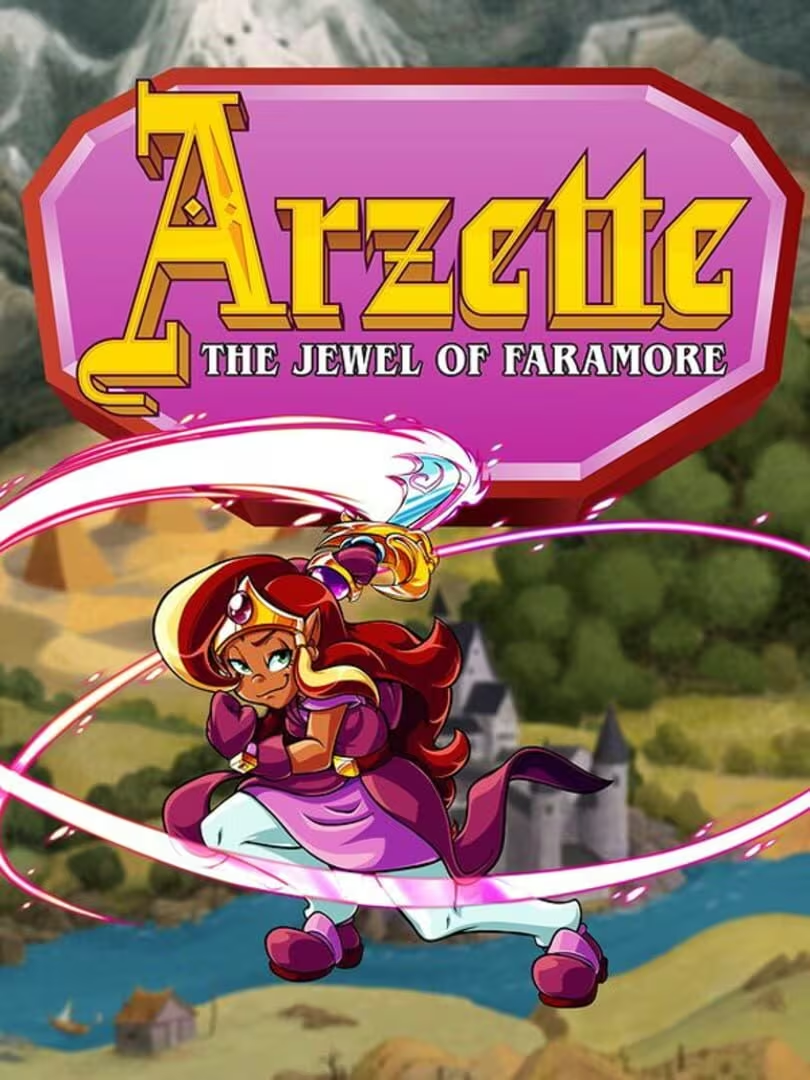
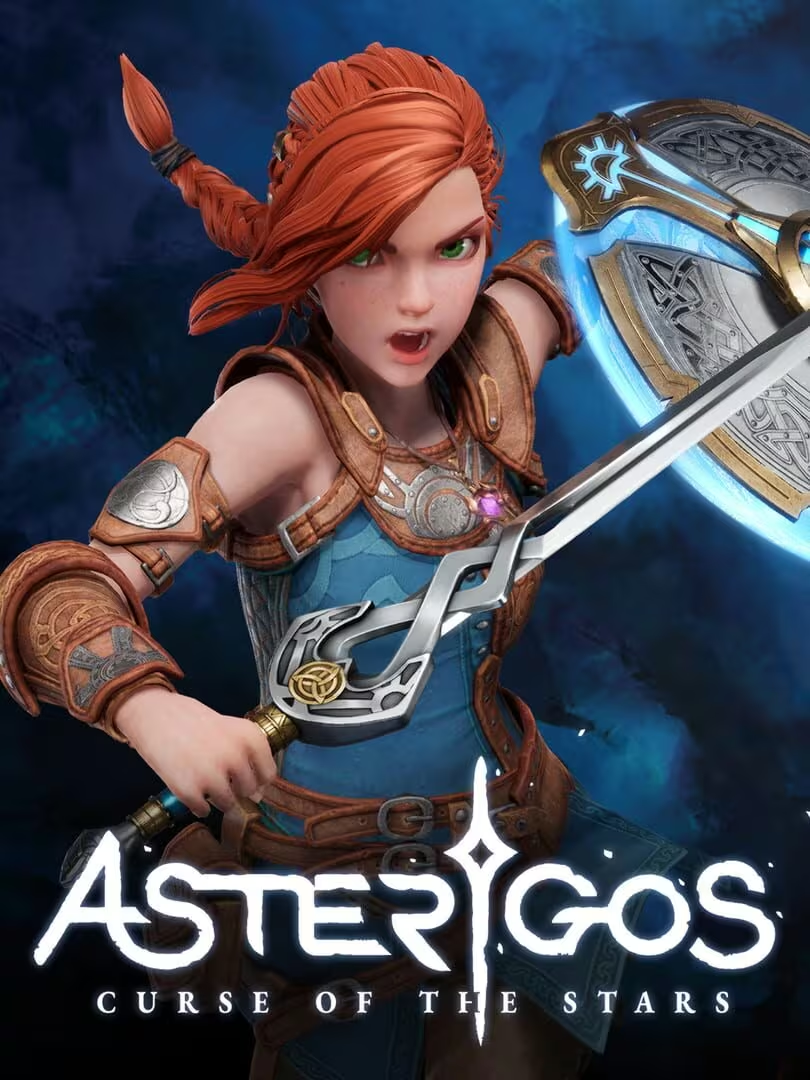
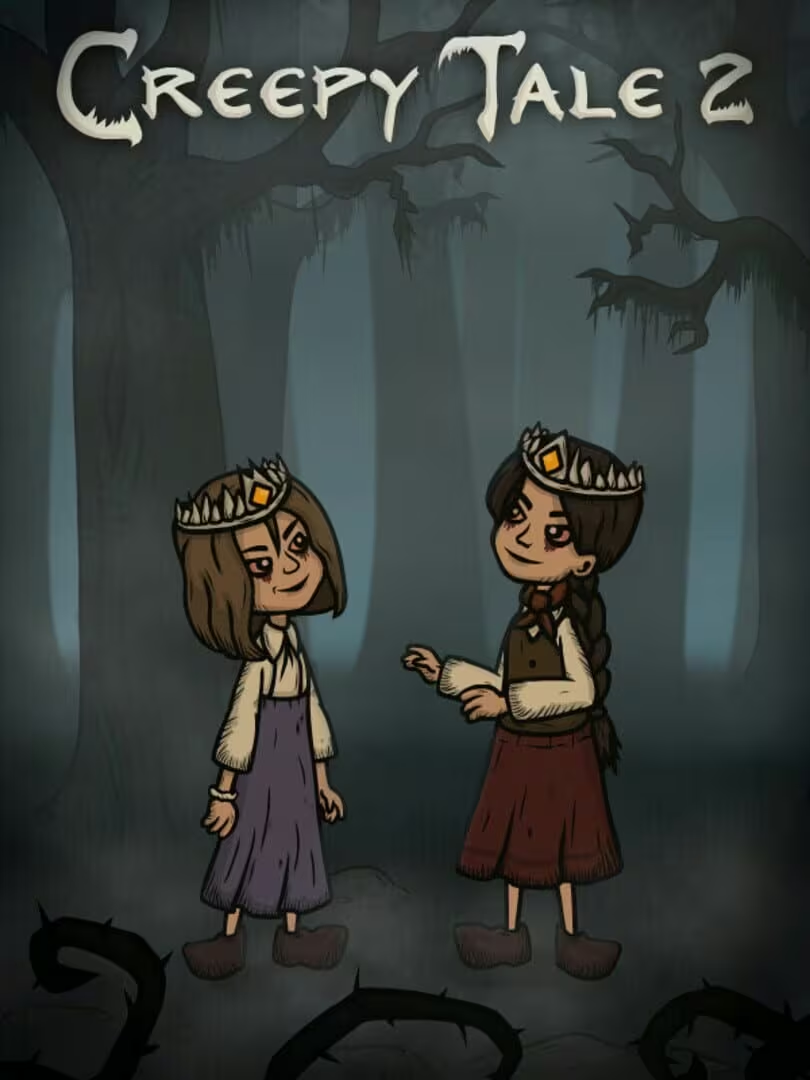
Hidden Gems
Less popular games with surprisingly high similarity
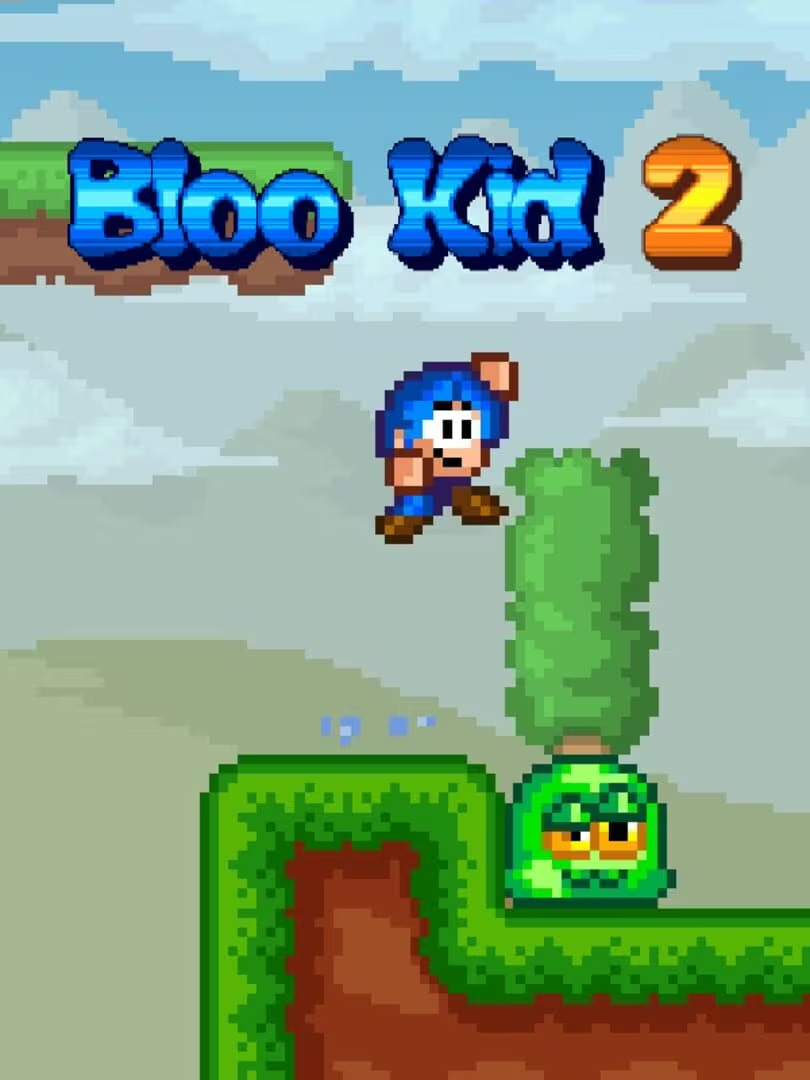
If you liked…
Recommendations by what you enjoyed most
Similarity map
Explore nearby similar games and see why they’re close.
Twinsen's Little Big Adventure 2 Classic: Broadly representative of its motivational profile, with a few distinct shifts. Motivations that often define this kind of title include Fellowship, Violence, Survival, Cooperation. Here, the score leans higher than usual among comparable games on Story. It leans lower than usual among comparable games on Expression, Leadership.
Why this game works
A motivational profile of the game, with the closest similar game for each player motivation.
-
Autonomy
Game with the same Autonomy vibe
4"Players have freedom to explore multiple worlds, choose difficulty levels, and engage in various gameplay styles across multiple games."
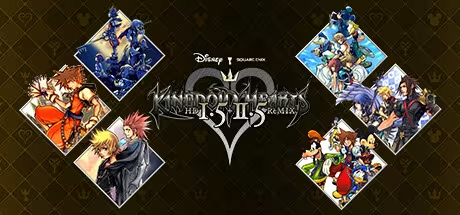 KINGDOM HEARTS -HD 1.5+2.5 ReMIX-
"Players have freedom to explore multiple planets, solve puzzles, and choose different moods (normal, sporty, aggressive, discreet) affecting gameplay style."
-
Competence
Game with the same Competence vibe
3"The game offers challenging puzzles and platforming that require skill and problem solving, though combat is simpler and less demanding."
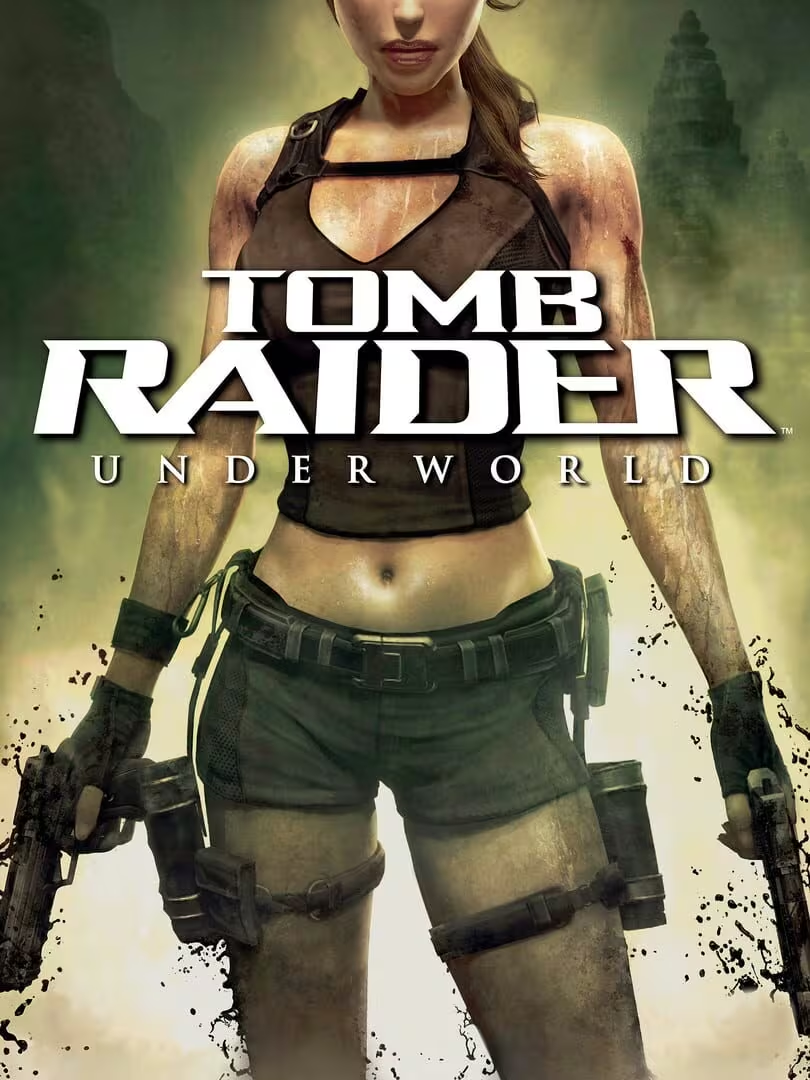 Tomb Raider: Underworld
"Game offers challenging puzzles and some platforming requiring skill, though some combat is considered clunky and frustrating."
-
Competition
Game with the same Competition vibe
-5"No evidence of competitive or ranked modes; focus is on solo exploration and personal progress."
 Labyrinth Of The Demon King
"No evidence of competitive or ranked modes; focus is on solo adventure and personal progress."
-
Continuation
Game with the same Continuation vibe
4"Many players report long playtimes, nostalgia-driven repeated playthroughs, and strong attachment to the game."
 Indiana Jones® and the Infernal Machine™
"Many players report long playtimes, nostalgia-driven repeated playthroughs, and deep attachment to the game."
-
Cooperation
Game with the same Cooperation vibe
-5"Single-player experience with no multiplayer or cooperative elements."
 Blasphemous
"Single-player experience with no multiplayer or cooperative elements."
-
Creativity
Game with the same Creativity vibe
2"Players engage in exploration and puzzle solving with some freedom, but gameplay follows predefined quests and structure."
 Tomba! Special Edition
"Players explore open areas and solve puzzles with some freedom, but gameplay follows a linear story and predefined quests."
-
Domination
Game with the same Domination vibe
-5"No elements of exerting control or superiority over others; interactions are with NPCs in a narrative context."
 Deponia
"No evidence of exerting control or superiority over others; interactions are with NPCs in a narrative context."
-
Escapism
Game with the same Escapism vibe
5"Strong nostalgic appeal and immersive fantasy worlds provide players with escape from real life."
 Quest for Glory 1-5
"Strong nostalgia and immersive fantasy world provide escape from real life; players describe emotional and memorable experiences."
-
Expectation
Game with the same Expectation vibe
-4"Players engage voluntarily driven by nostalgia, intrinsic interest, and personal desire."
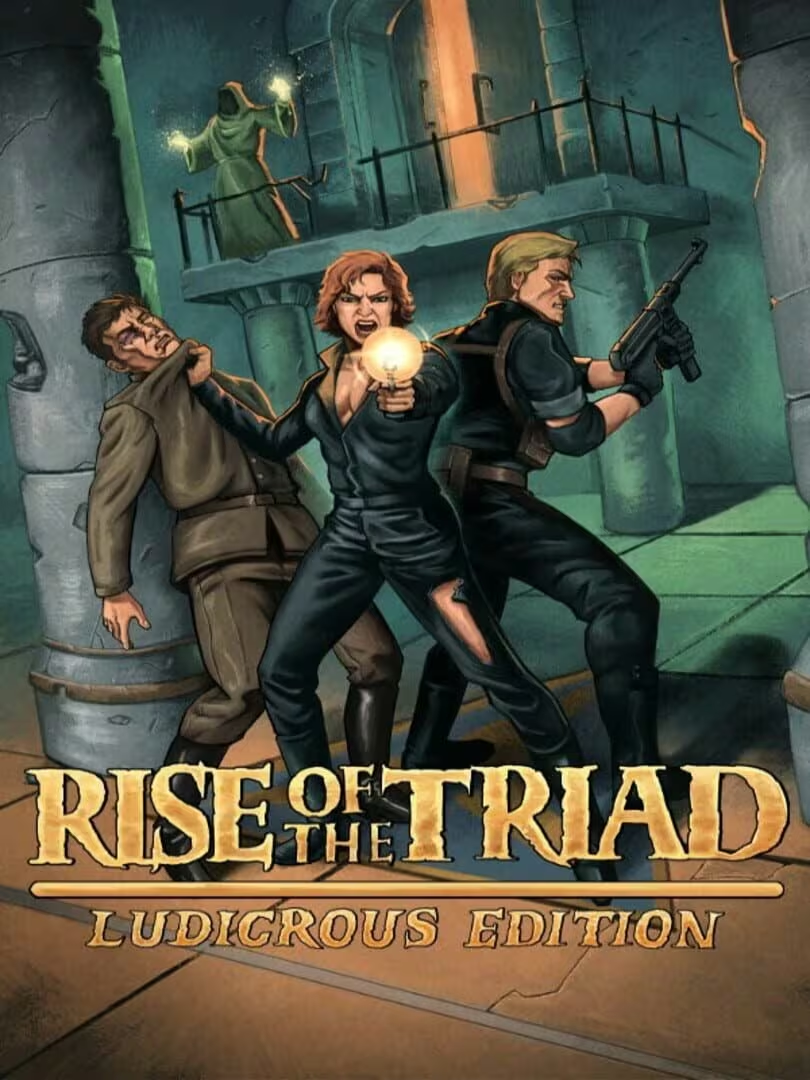 Rise of the Triad: Ludicrous Edition
"Players engage voluntarily out of personal desire, often driven by nostalgia and intrinsic interest."
-
Experimenting
Game with the same Experimenting vibe
3"Players explore different levels, difficulties, and mechanics; enjoy discovering secrets and trying new strategies."
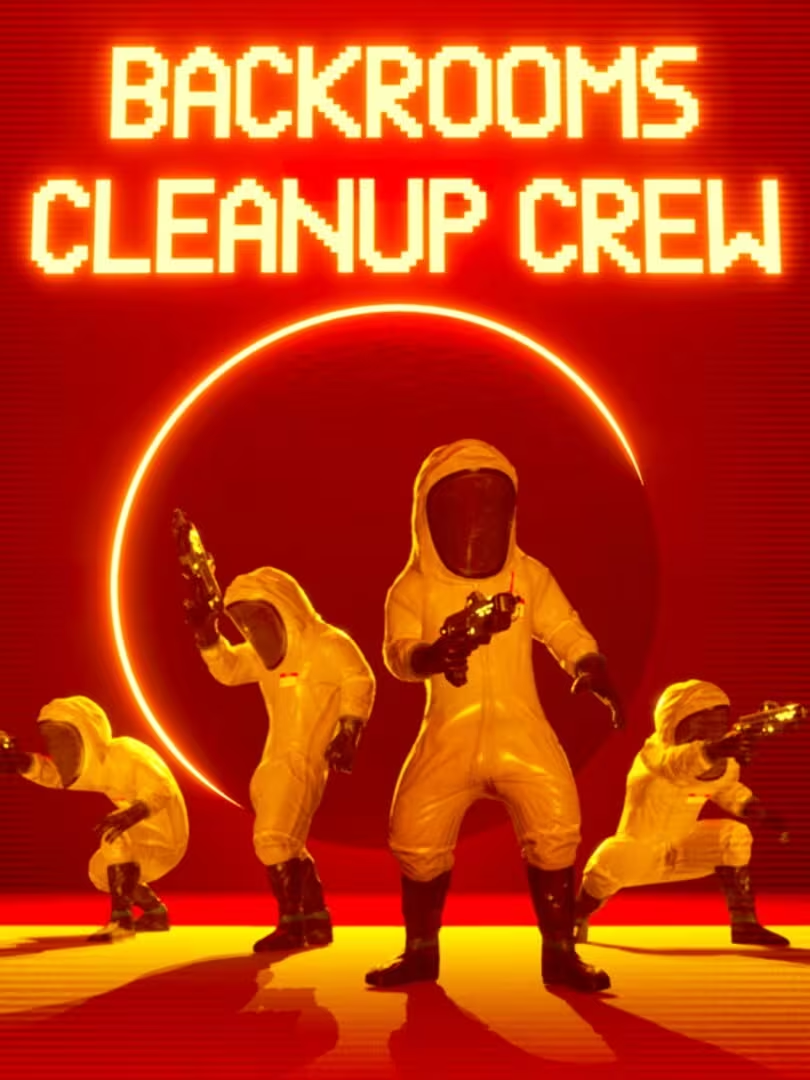 Backrooms Cleanup Crew
"Players explore new areas, try different moods, and discover secrets, though within a structured adventure framework."
-
Exploration
Game with the same Exploration vibe
4"Game features multiple planets, secrets, and encourages curiosity-driven discovery."
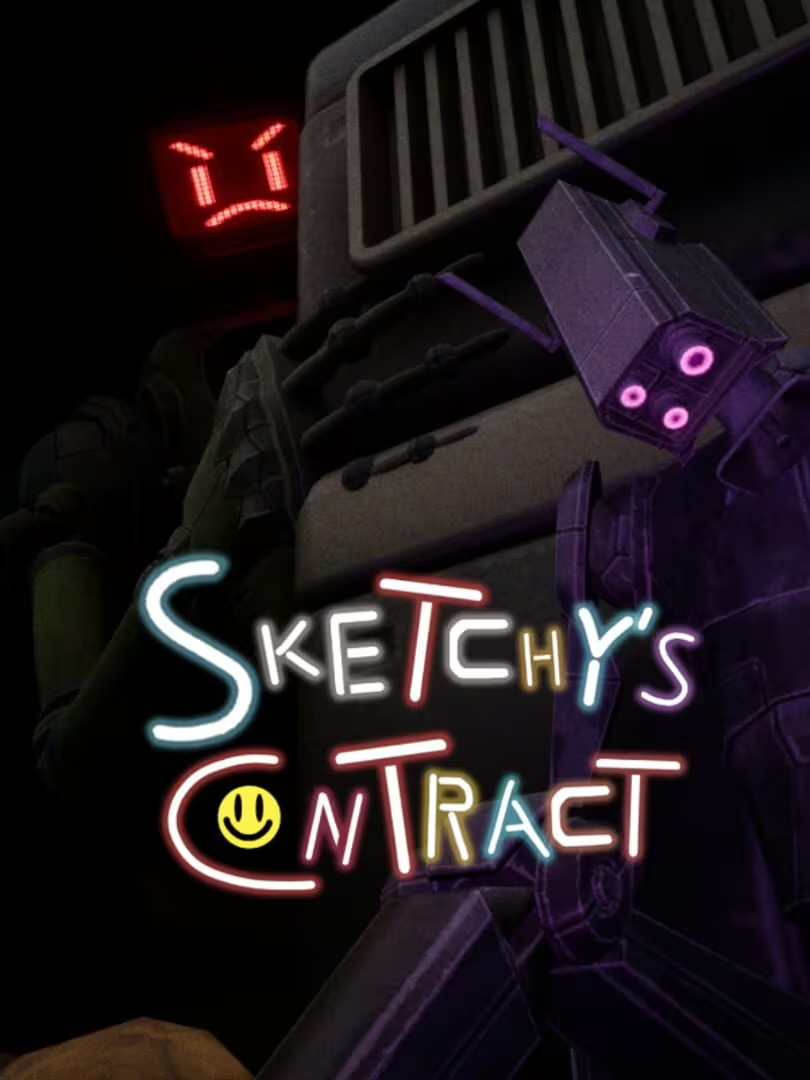 Sketchy's Contract
"Game features multiple planets and open areas with many secrets and side quests encouraging discovery."
-
Expression
Game with the same Expression vibe
-3"Limited character customization; focus is on exploration and story rather than avatar personalization."
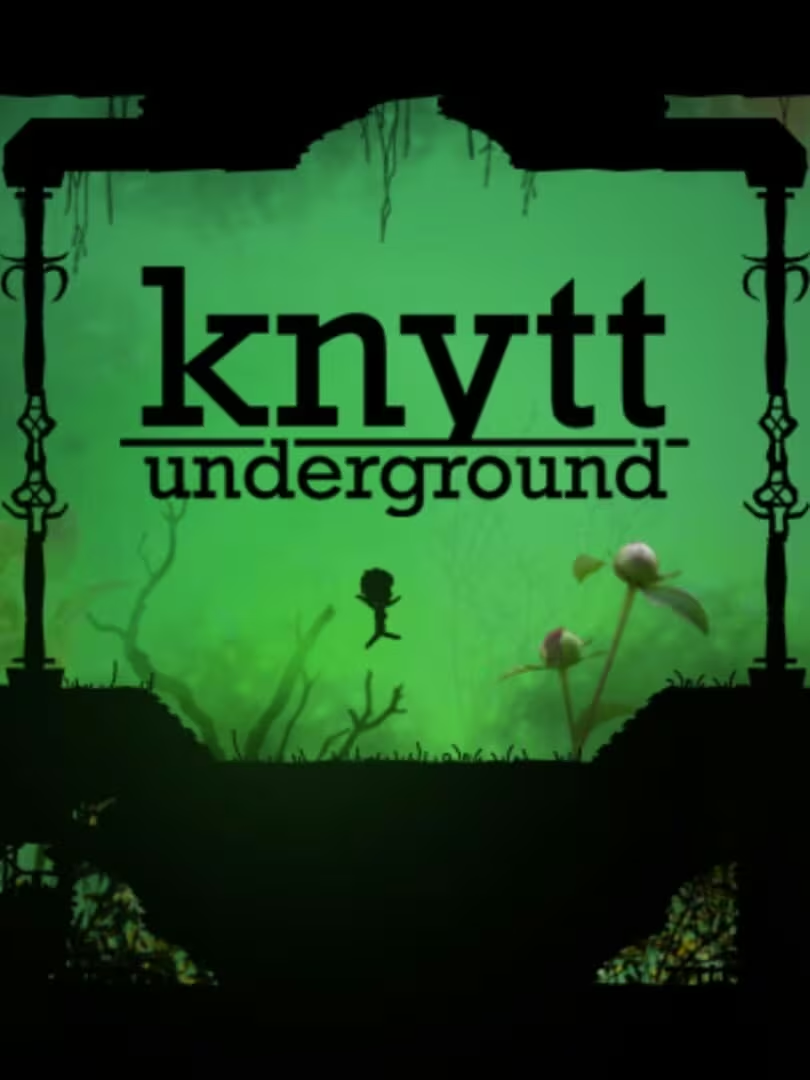 Knytt Underground
"Limited character customization; focus is on story and exploration rather than avatar personalization."
-
Fantasy
Game with the same Fantasy vibe
5"Strong fantasy and sci-fi elements with imaginative characters, magic, and settings."
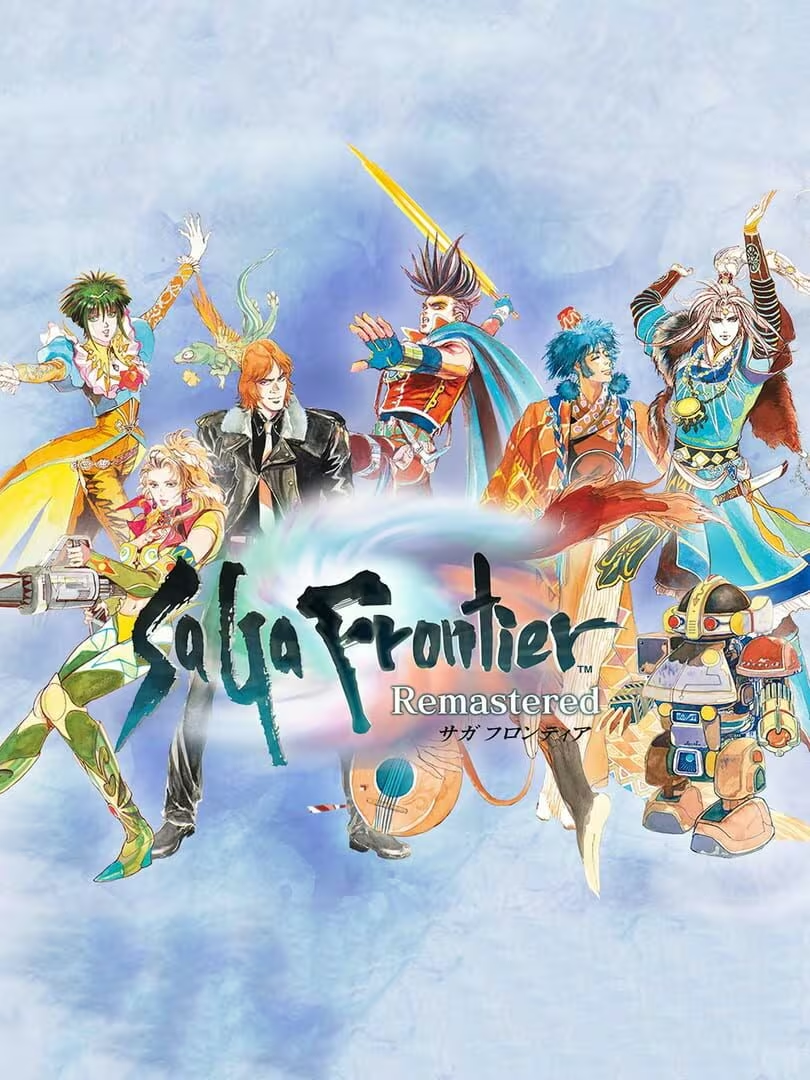 SaGa Frontier Remastered
"Strong fantasy setting with magical elements, aliens, and imaginative characters."
-
Fellowship
Game with the same Fellowship vibe
-5"Single-player game with minimal social interaction or community features."
 Greyfox RPG
"Single-player game with minimal social interaction or community features."
-
Growth
Game with the same Growth vibe
3"Players develop problem-solving skills and progress through story and puzzles, learning game mechanics."
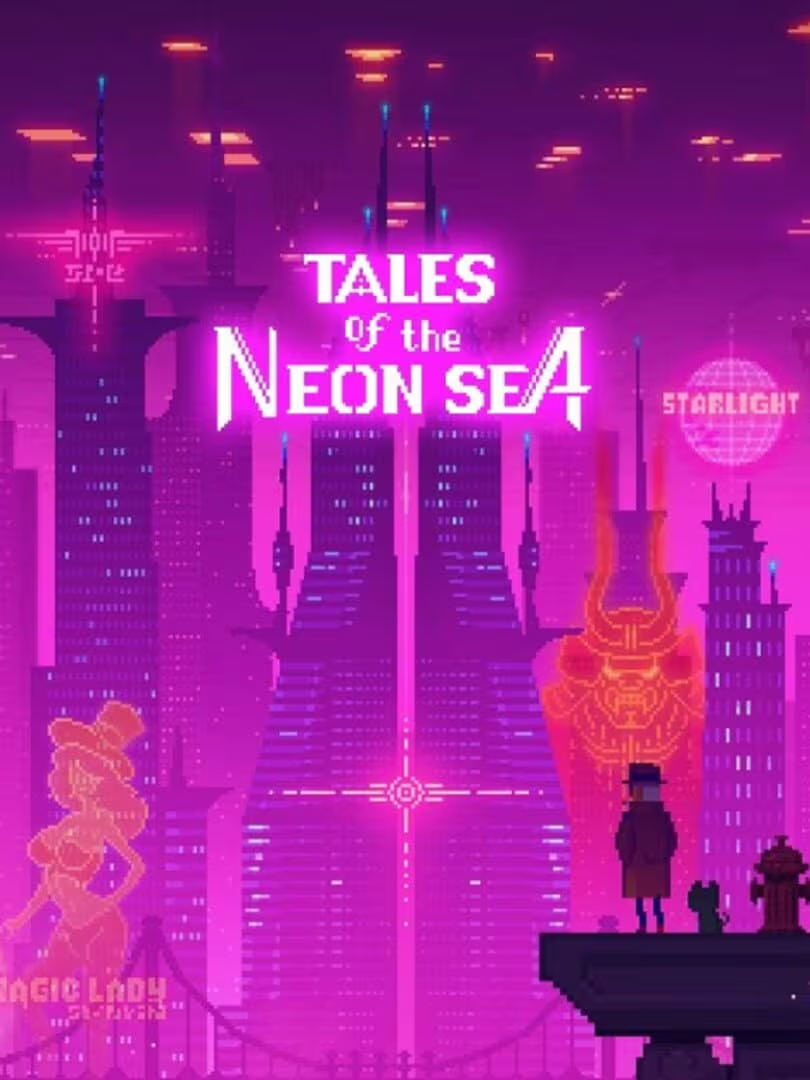 Tales of the Neon Sea
"Players develop skills, learn puzzles, and progress through story; some learning curve with controls and mechanics."
-
Health
Game with the same Health vibe
-5"Typical sedentary computer game with no physical activity elements."
 Sacred Gold
"Typical sedentary computer game with no physical activity elements."
-
Idle
Game with the same Idle vibe
-4"Requires focused attention and active engagement; not designed for casual or background play."
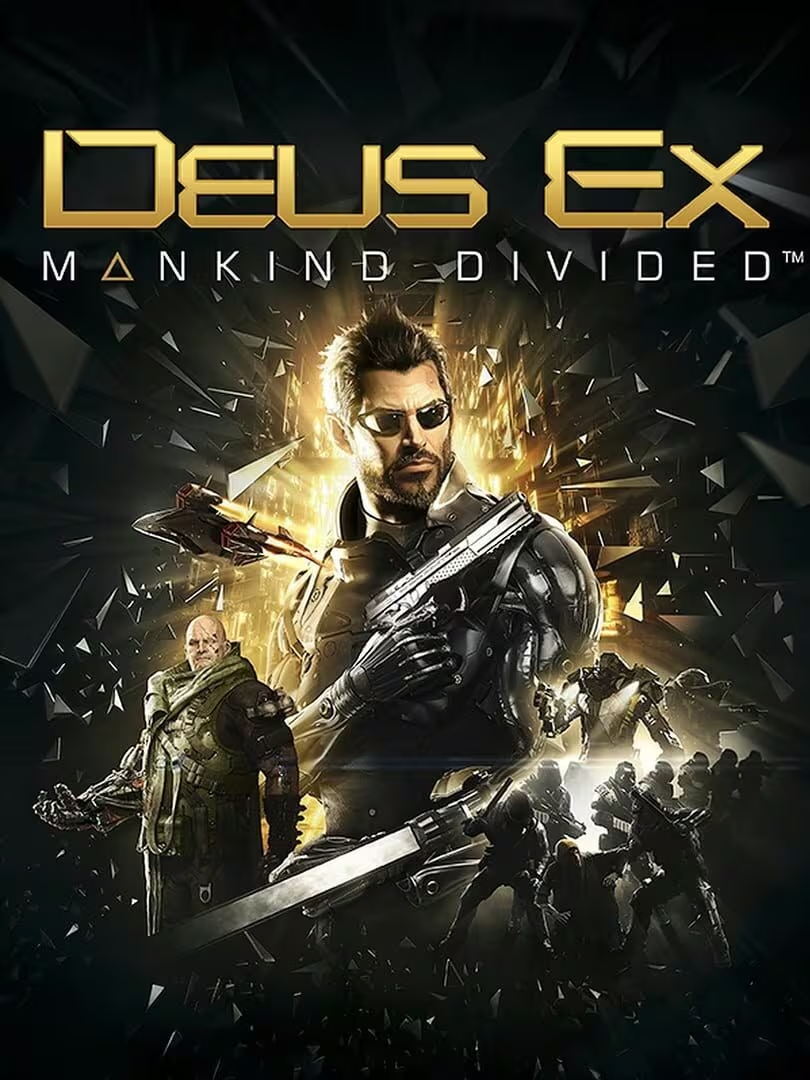 Deus Ex: Mankind Divided
"Requires focused attention and active engagement; not designed for background or casual play."
-
Intimacy
Game with the same Intimacy vibe
-5"No evidence of forming close relationships; interactions are with NPCs in a narrative context only."
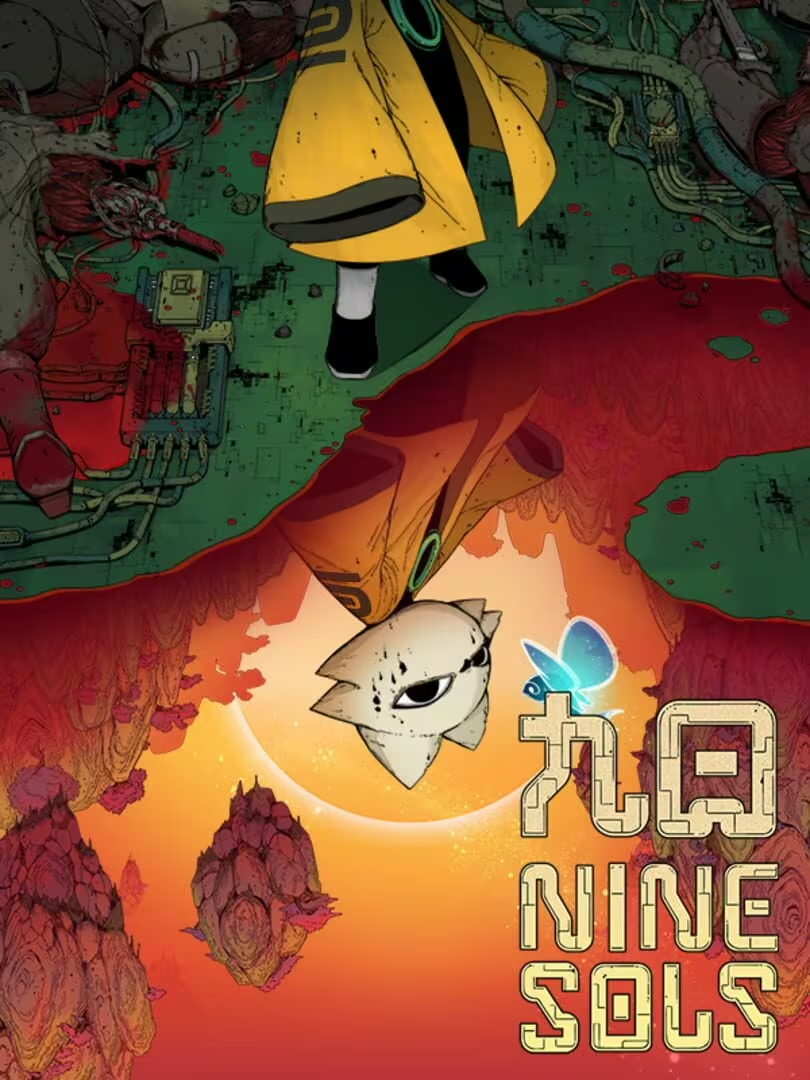 Nine Sols
"No evidence of forming close relationships; interactions are with NPCs in a narrative context."
-
Leadership
Game with the same Leadership vibe
-5"No leadership or group management elements; single-player narrative experience."
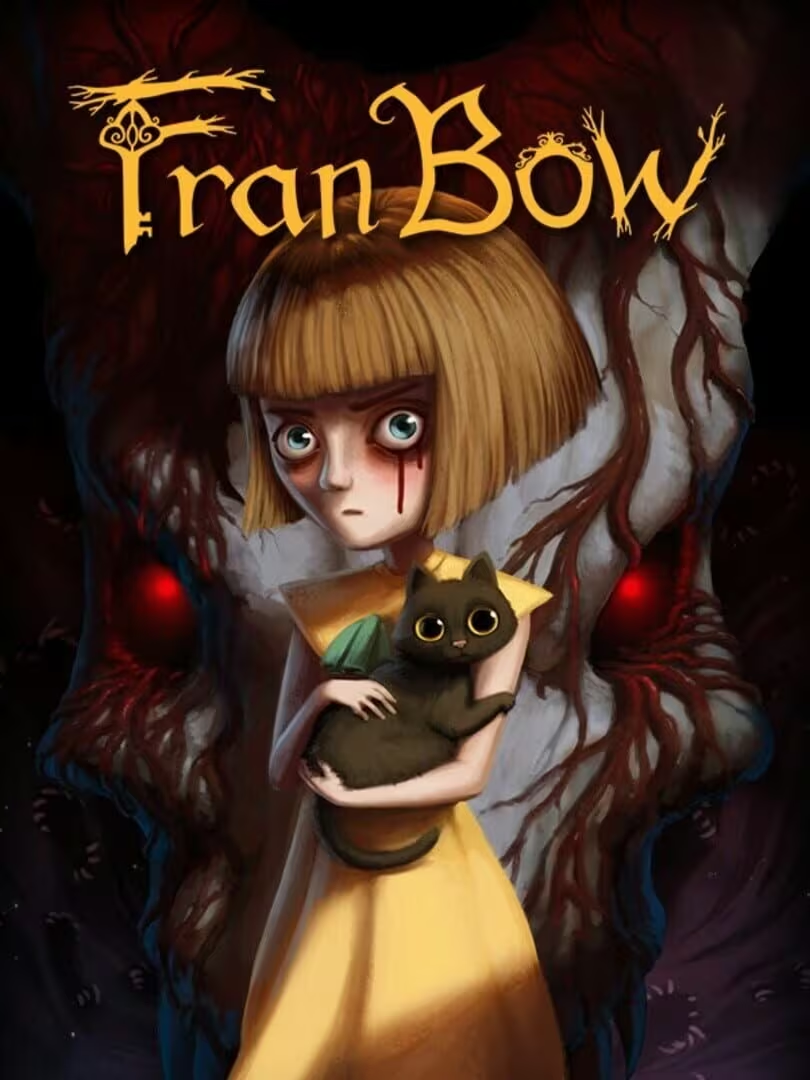 Fran Bow
"No leadership or group management elements; single-player narrative experience."
-
Progression
Game with the same Progression vibe
4"Players collect items, achievements, and unlock bonus chapters; linear story progression."
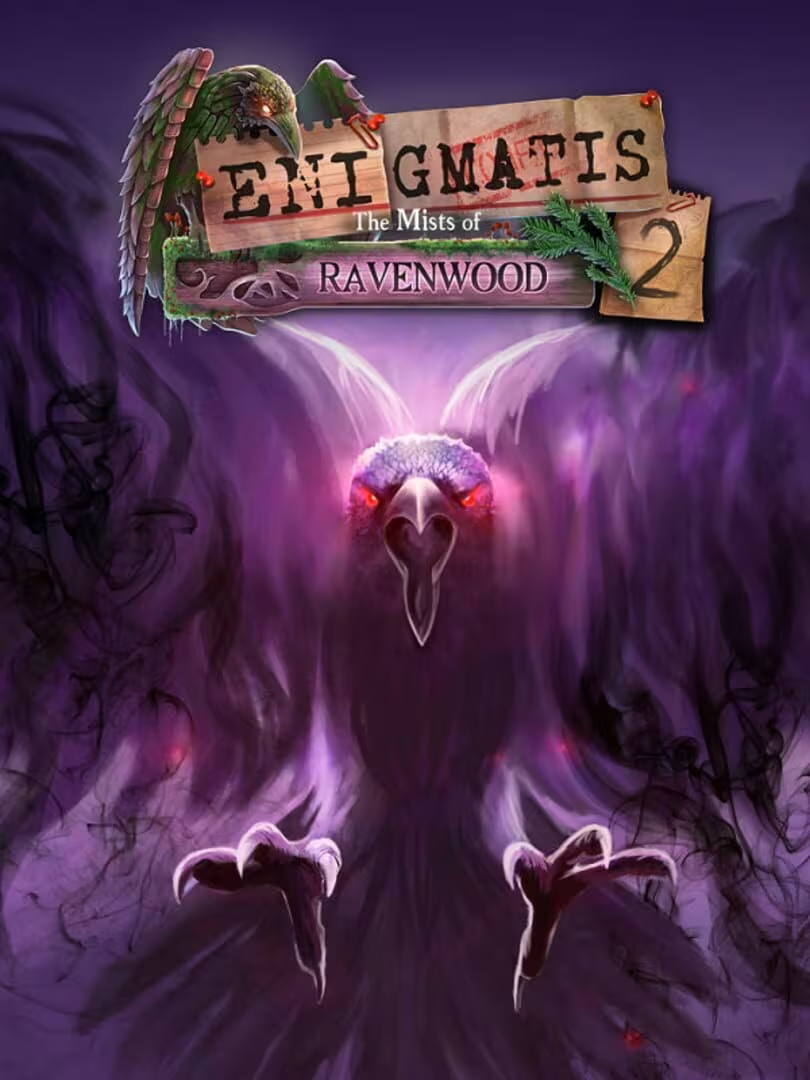 Enigmatis 2: The Mists of Ravenwood
"Players collect items, unlock abilities, and advance through a linear story with upgrades."
-
Relaxation
Game with the same Relaxation vibe
2"Generally relaxing but some frustration at high difficulty levels; overall a casual and enjoyable experience."
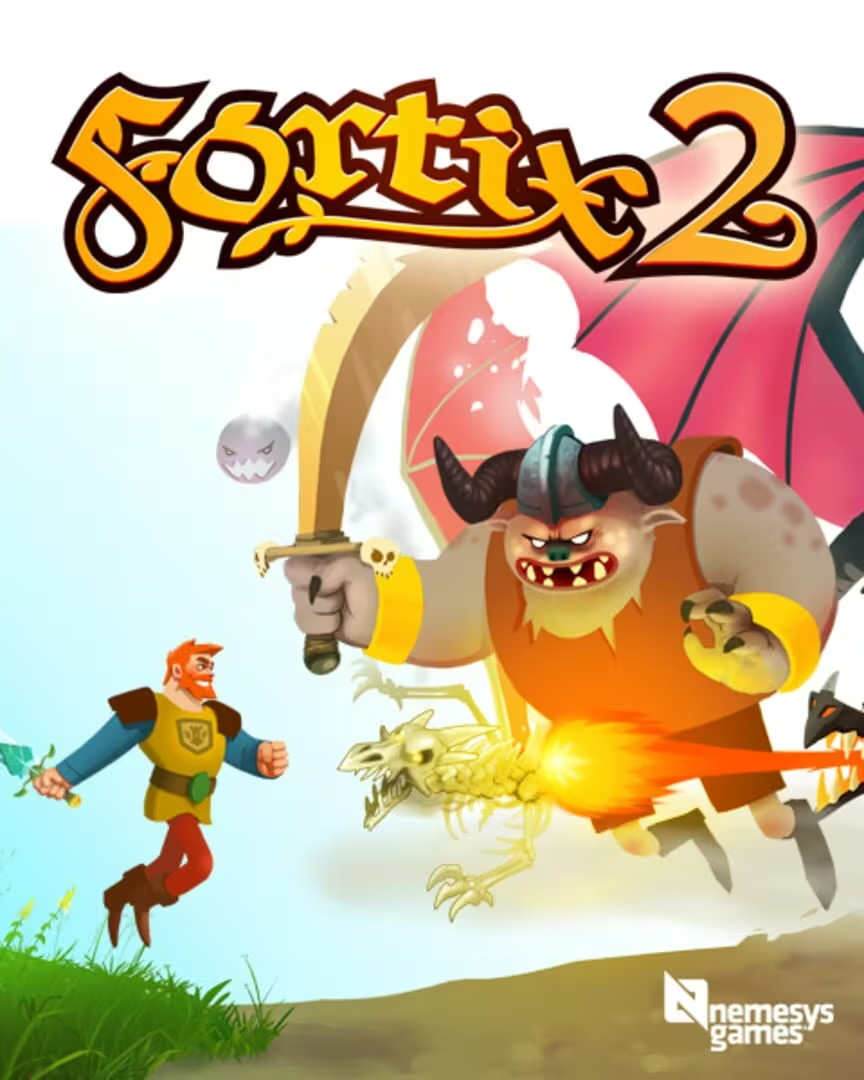 Fortix 2
"Generally relaxing and nostalgic experience, though some frustration with controls and combat."
-
Sensation
Game with the same Sensation vibe
2"Enjoyable music and visual style provide sensory pleasure, though graphics are dated."
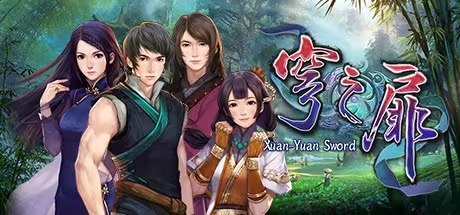 Xuan-Yuan Sword: The Gate of Firmament
"Enjoyable music and charming visuals provide sensory pleasure, though graphics are dated."
-
Status
Game with the same Status vibe
-5"No social status or recognition systems present."
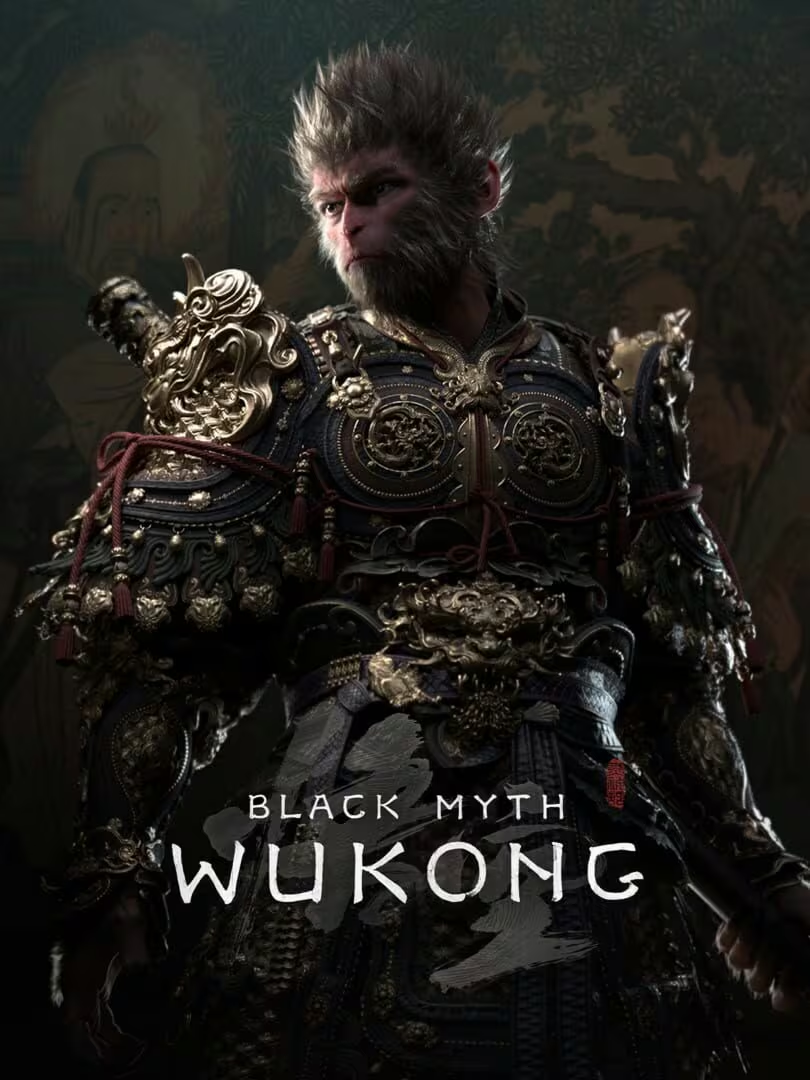 Black Myth: Wukong
"No social status or recognition systems present."
-
Story
Game with the same Story vibe
5"Strong narrative immersion with engaging characters, plot development, and voice acting."
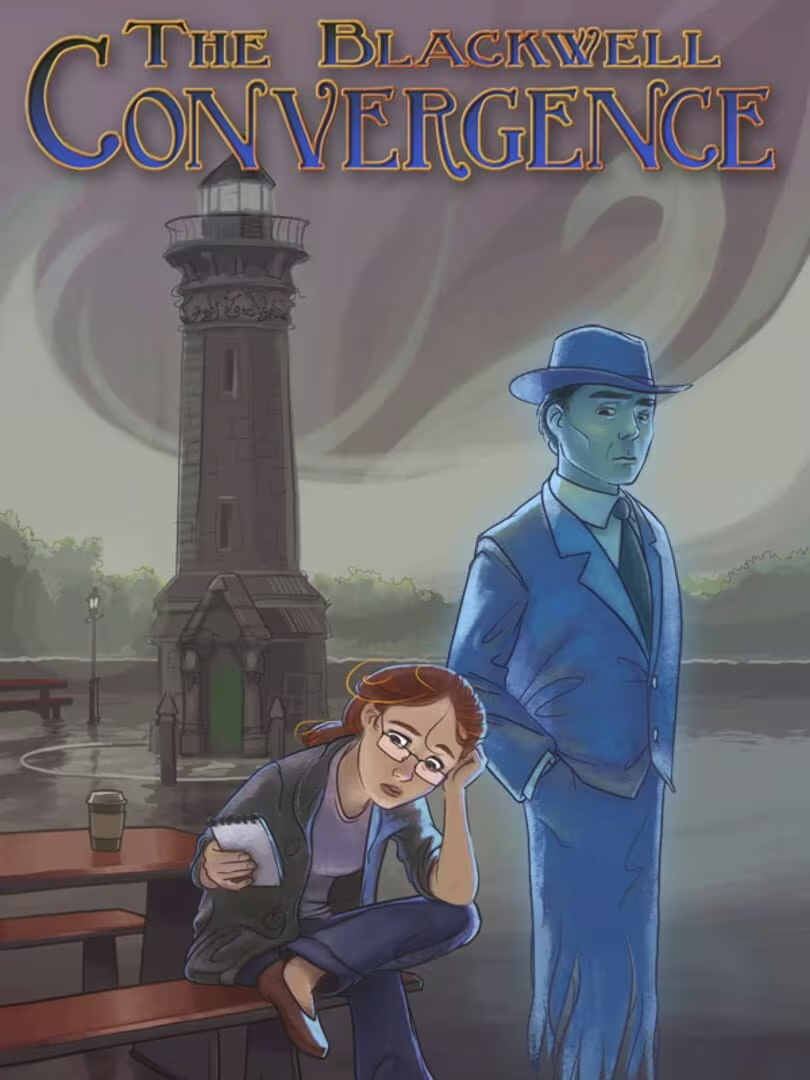 Blackwell Convergence
"Strong narrative immersion with engaging story, characters, and voice acting."
-
Strategy
Game with the same Strategy vibe
2"Some puzzle-solving and planning required, though mostly straightforward platforming and action."
 BirdGut
"Some puzzle solving and planning required, but overall linear progression with straightforward objectives."
-
Thrill
Game with the same Thrill vibe
1"Some suspense in challenging puzzles and time constraints, but mostly controlled and predictable gameplay."
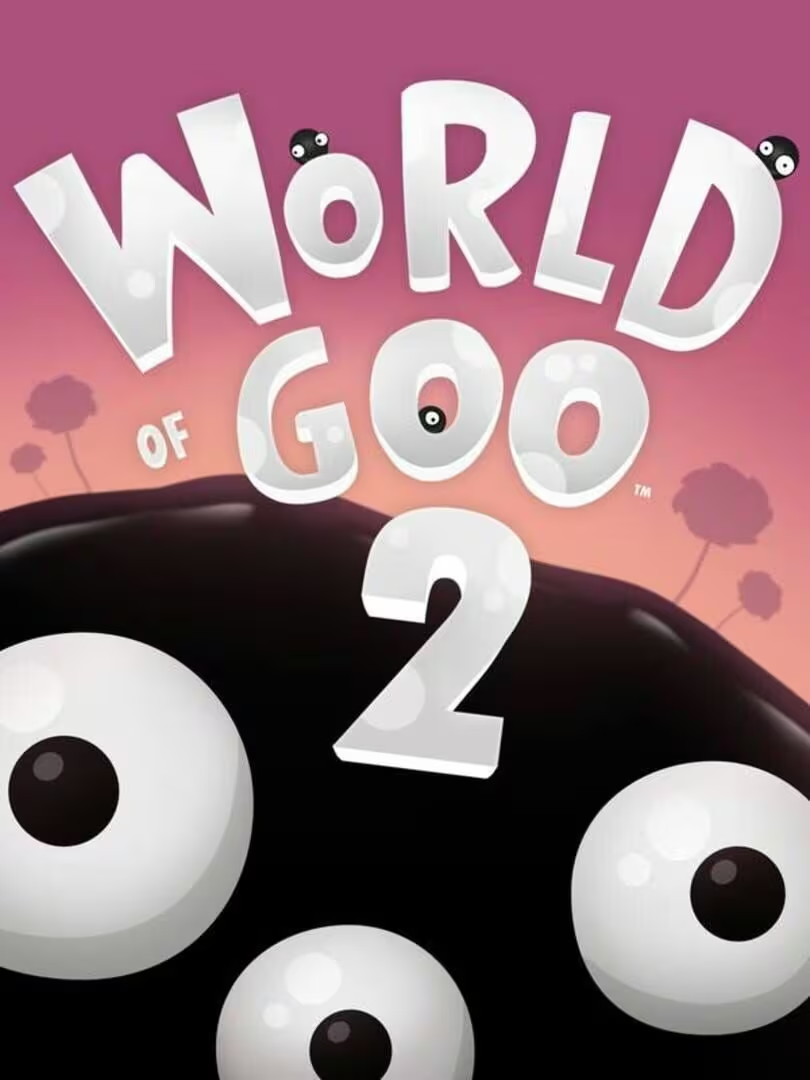 World of Goo 2
"Some suspense and challenge in puzzles and platforming, but mostly controlled and predictable gameplay."
-
Value
Game with the same Value vibe
4"Players feel they receive good value from nostalgia, gameplay depth, and replayability."
 Descent
"Highly valued for nostalgia and gameplay; players report satisfaction with purchase and replayability."
-
Violence
Game with the same Violence vibe
1"Contains some combat and fighting game segments but not focused on violence or destruction."
 The Hex
"Contains combat and some fighting, but not focused on violence or destruction; more adventure-oriented."
-
Survival
Game with the same Survival vibe
1"Some challenge in avoiding hazards and staying ahead, but not a core survival focus."
 Re-Volt
"Some challenge in avoiding hazards and enemies, but not a core survival game."
Last update: 01/06/2026