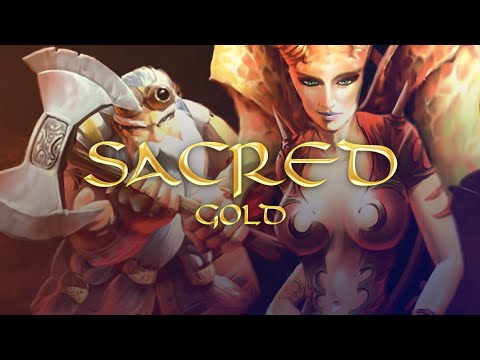
Sacred Gold Thumbnail

Sacred Gold similar games & best alternatives

Sacred Gold

PC (Microsoft Windows), Nintendo DS • 2008

Related articles

Quick resume

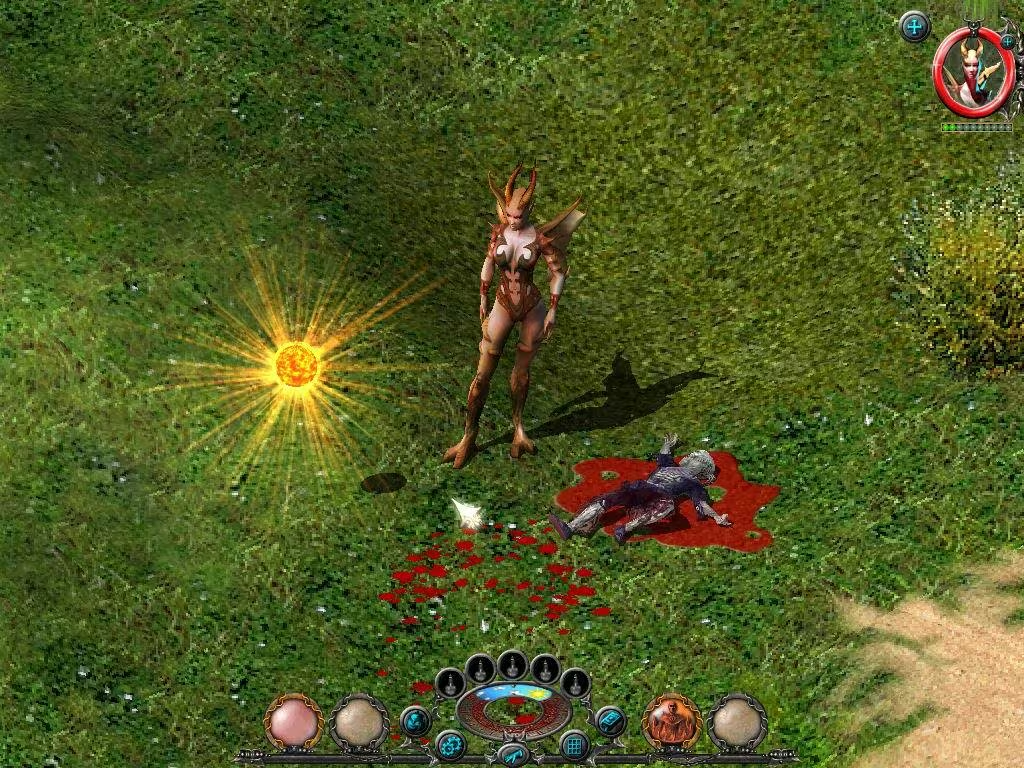
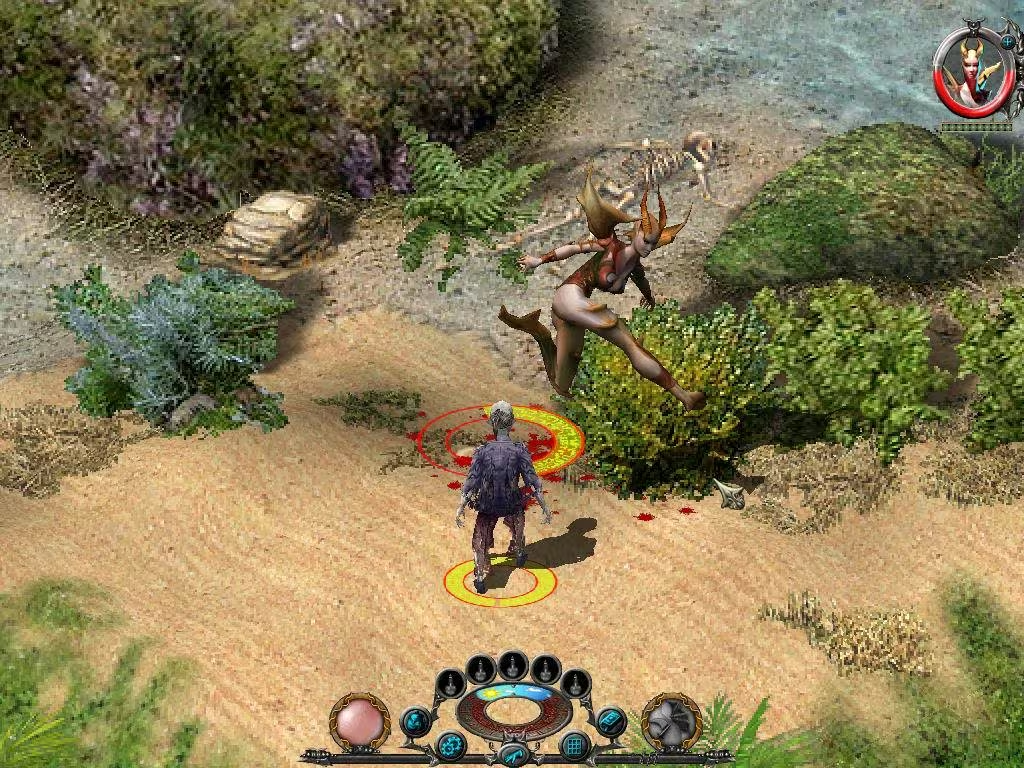
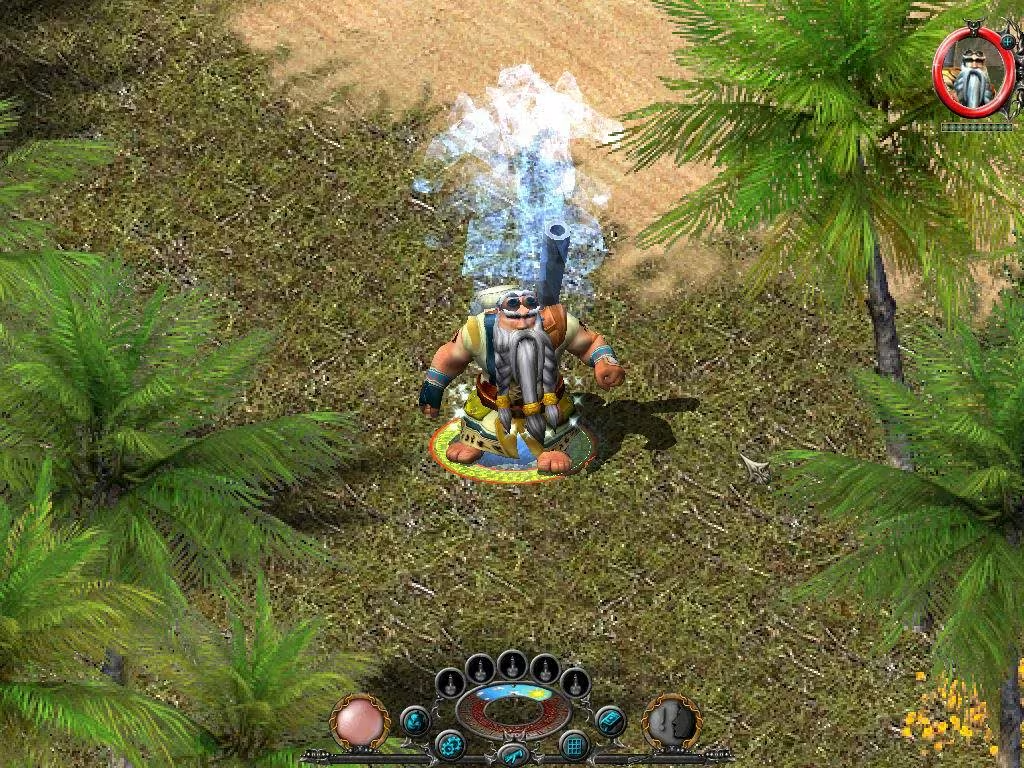
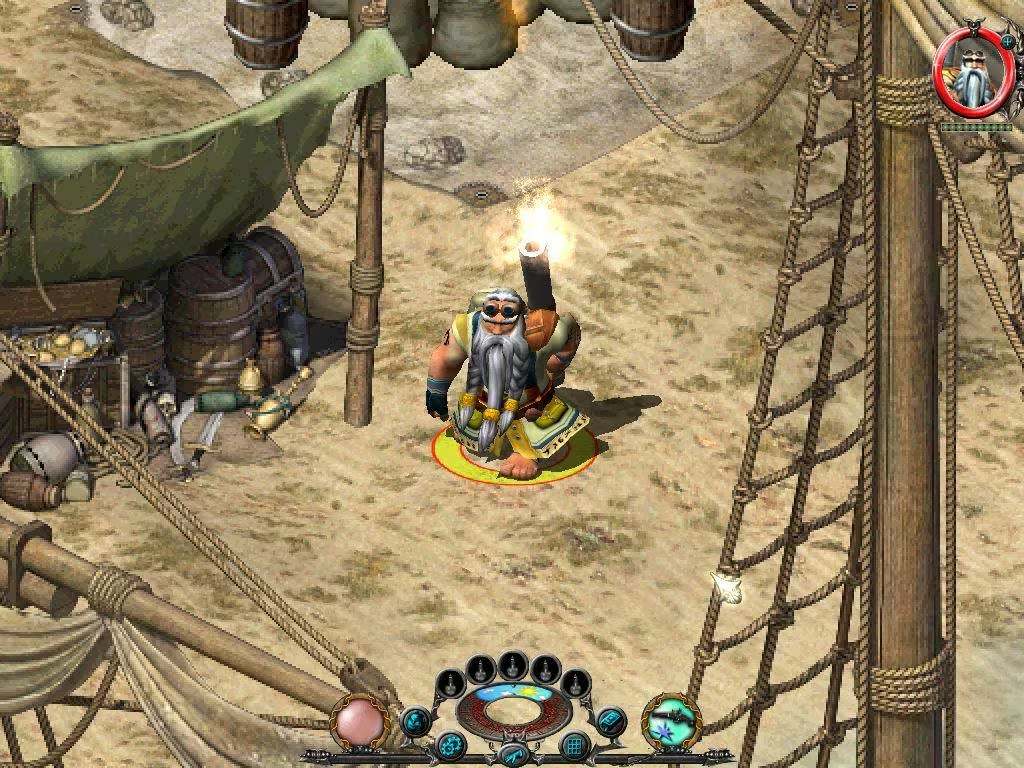
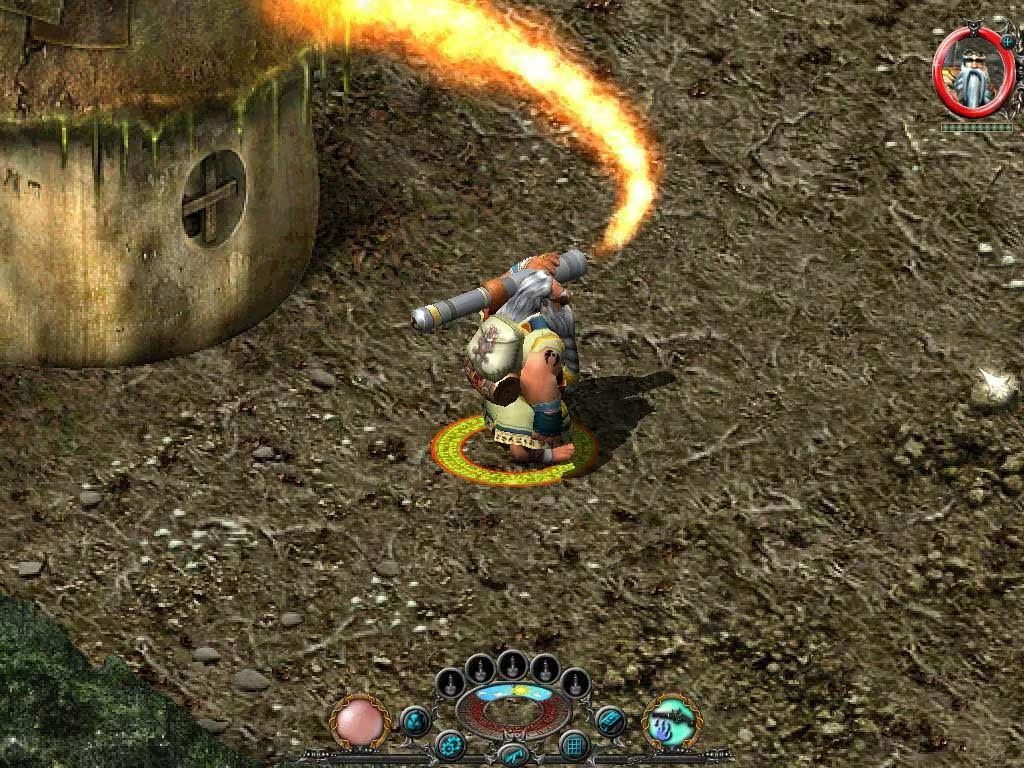
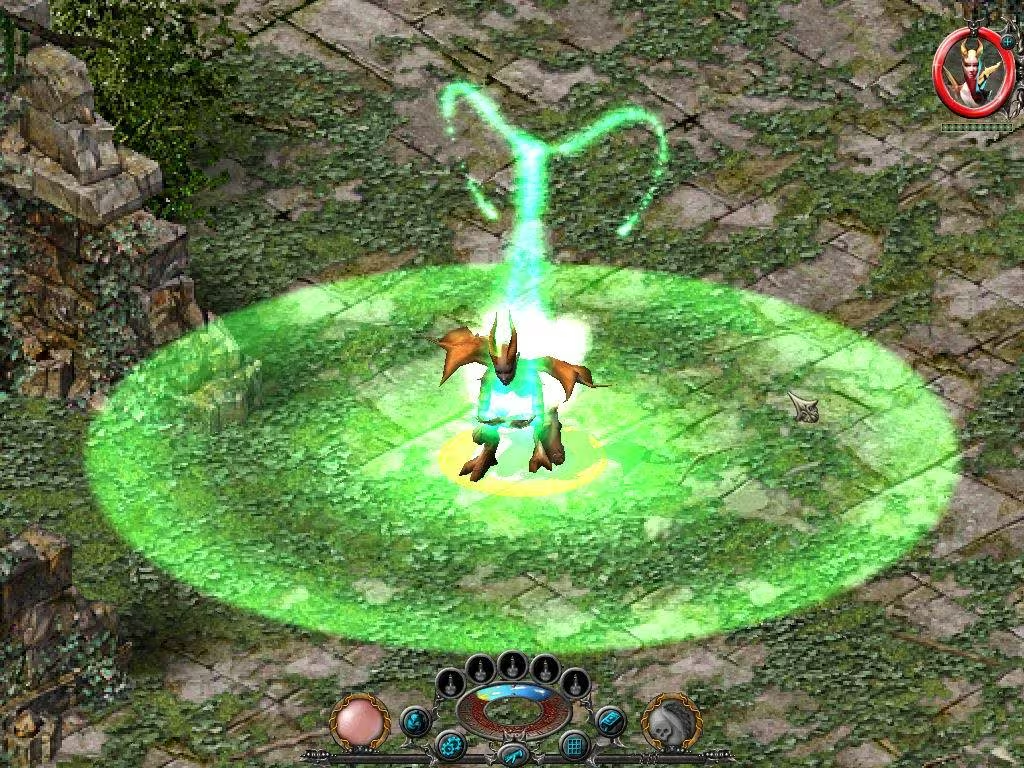
A shadow of evil has fallen on the kingdom of Ancaria. It is a time for champions - a time to journey into the perilous world of SACRED. Battle blood-thirsty orcs & lumbering ogres... Destroy undead wizards & rotting mummies... Slay hellish demons & legendary dragons.

Global score

85/100

Genres

Action, Role-playing (RPG), Adventure, Indie

Similar games

    Pros

    • Huge open world with extensive exploration
    • Multiple unique character classes with deep customization
    • High replayability and content volume
    • Strong nostalgic value and engaging lore
    • Supports lan multiplayer

    Cons

    • Technical issues on modern systems requiring configuration
    • No official online multiplayer support
    • Dated graphics and fixed low resolution
    • Some repetitive combat and questing
    • No official localization in some languages on steam

    Analysis

    Less representative of its motivational profile, with noticeable differences. Motivations that often define this kind of title include Fellowship, Cooperation, Leadership, Violence. Here, the score leans higher than usual among comparable games on Cooperation, Fellowship, Violence.

    How to use the graph
    Similar games map

    Each dot is a game. They are arranged from the same motivation profile as in the “Motivations” section below. Closer dots usually mean more similar reasons to play (exploration, competition, relaxation, etc.)—not that one game is “better” than another.

    • Larger dot with a light outline: the game you are viewing.
    • Colour: groups of games with comparable motivation patterns (statistical clusters).
    • Hover a dot to see the game name; click to open its page.
    • Scroll or double-click the chart to zoom out and see more games.

    Why don’t the axes read like a score? This view uses t-SNE: it only keeps who is close to whom. The scales are not “good to bad” or hours played—they separate groups on the map. Read distance between dots, not the axis numbers.

    Motivations

    • Autonomy
      4

      "Players have full freedom to explore the vast open world, choose quests in any order, and develop characters with diverse skill builds."

    • Competence
      3

      "Game involves skillful combat, character progression, and strategic use of abilities and combos, though some combat is described as slow or repetitive."

    • Competition
      -3

      "Focus is on single-player experience and personal progression; multiplayer is limited to LAN and not emphasized."

    • Continuation
      5

      "Highly replayable with many hours of gameplay, multiple characters, and a huge world encouraging long-term engagement."

    • Cooperation
      1

      "Supports LAN multiplayer for up to four players, but primarily designed for solo play."

    • Creativity
      3

      "Players can customize characters extensively with skills, runes, combos, and equipment choices."

    • Domination
      -4

      "Interactions are cooperative or solo; no evidence of dominance or power imposition over others."

    • Escapism
      5

      "Players use the game for nostalgia, immersion in a large fantasy world, and long explorations away from real life."

    • Expectation
      -4

      "Players engage voluntarily out of personal desire and nostalgia, not obligation."

    • Experimenting
      4

      "Players experiment with different character classes, skill builds, combos, and exploration paths."

    • Exploration
      5

      "Game world is huge and open, encouraging discovery of secrets, side quests, and hidden locations."

    • Expression
      3

      "Character appearance changes with equipment; players express themselves through gear and skill choices."

    • Fantasy
      5

      "Strong fantasy setting with demons, elves, dragons, magic, and mythical lore."

    • Fellowship
      0

      "Limited social interaction; multiplayer exists but is not a core focus."

    • Growth
      5

      "Character development through leveling, skill acquisition, and item collection is central."

    • Health
      -5

      "Typical sedentary computer game with no physical activity elements."

    • Idle
      -4

      "Requires continuous attention and active engagement during exploration and combat."

    • Intimacy
      -5

      "No evidence of close personal relationships or emotional sharing in gameplay."

    • Leadership
      -5

      "No leadership roles; multiplayer is cooperative but lacks structured leadership."

    • Progression
      5

      "Strong emphasis on accumulating items, upgrades, and character power through quests and combat."

    • Relaxation
      2

      "Some players find the game relaxing and nostalgic, though combat can be challenging and grindy."

    • Sensation
      1

      "Visuals are dated but art style and sound design provide moderate sensory enjoyment."

    • Status
      -4

      "Game focuses on personal achievement without social recognition or leaderboards."

    • Story
      3

      "Contains a narrative with characters and plot, though some find it generic or less compelling than gameplay."

    • Strategy
      3

      "Requires planning character builds, skill combos, and tactical combat approaches."

    • Thrill
      2

      "Combat and boss fights provide some tension and excitement, but overall gameplay is steady."

    • Value
      5

      "Highly praised for its content volume and replayability relative to its low price."

    • Violence
      4

      "Core gameplay involves combat, slashing enemies, and defeating bosses."

    • Survival
      2

      "Players must manage health and resources to survive challenging enemies and bosses."

    Last update: 29/04/2026