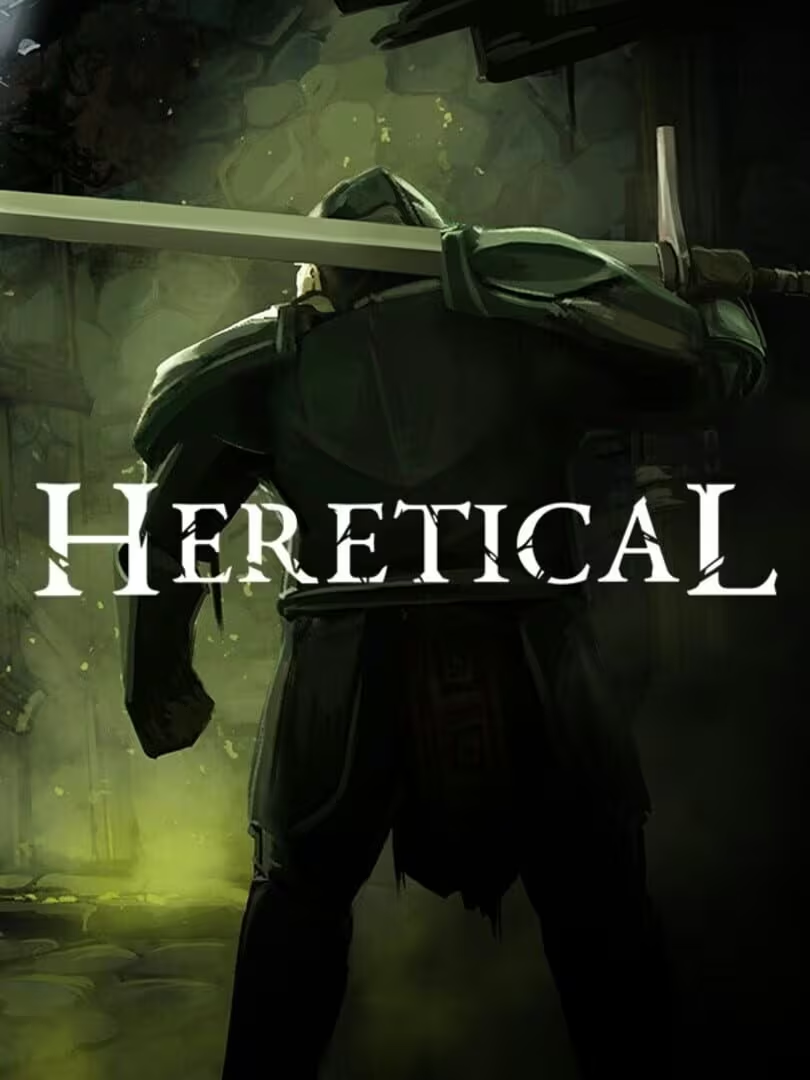
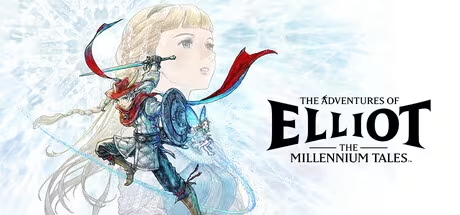
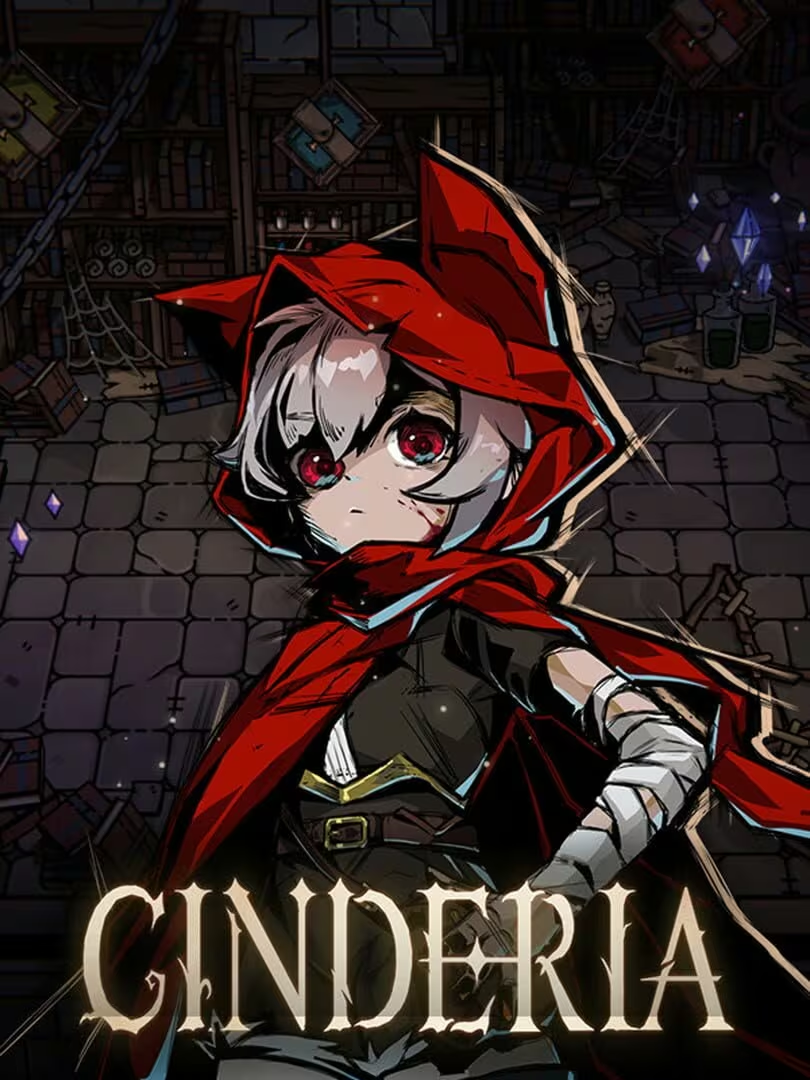
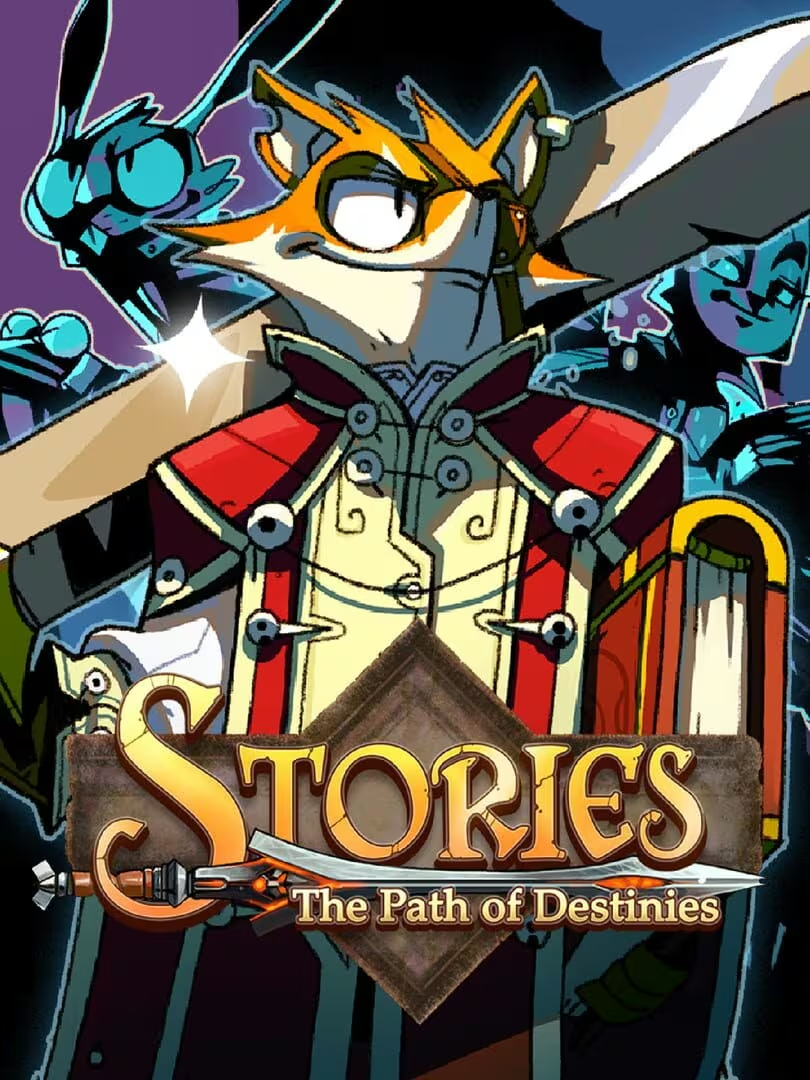
Wigmund Thumbnail

Wigmund similar games & best alternatives
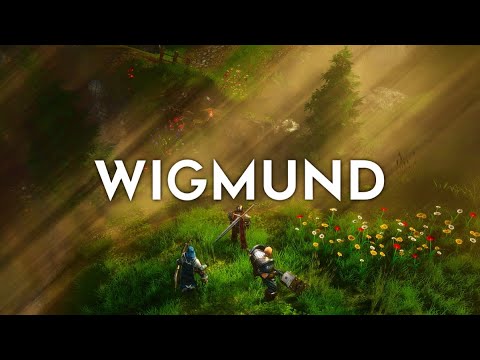
Wigmund

PC (Microsoft Windows) • 2022

Related articles

Quick resume

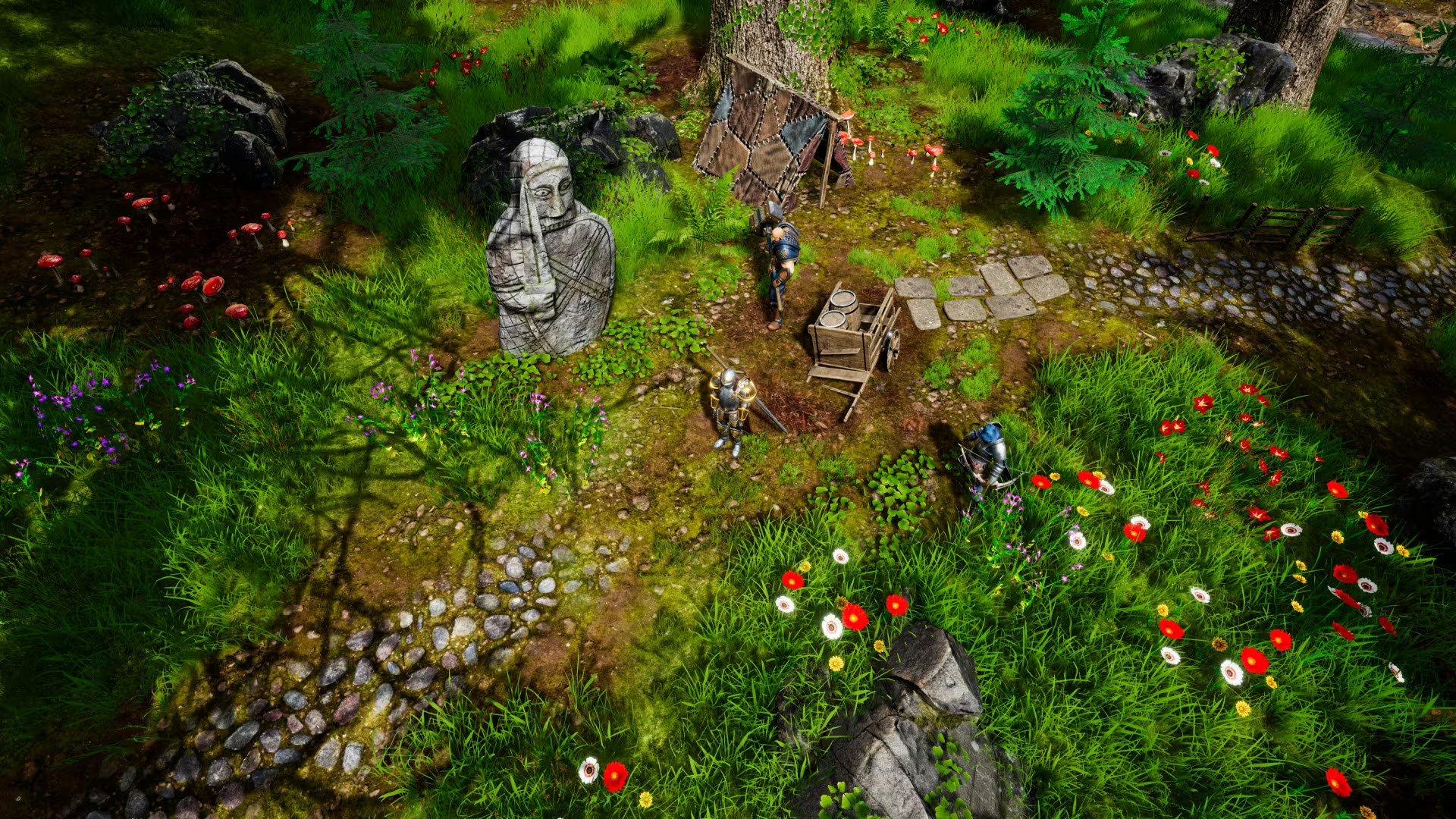
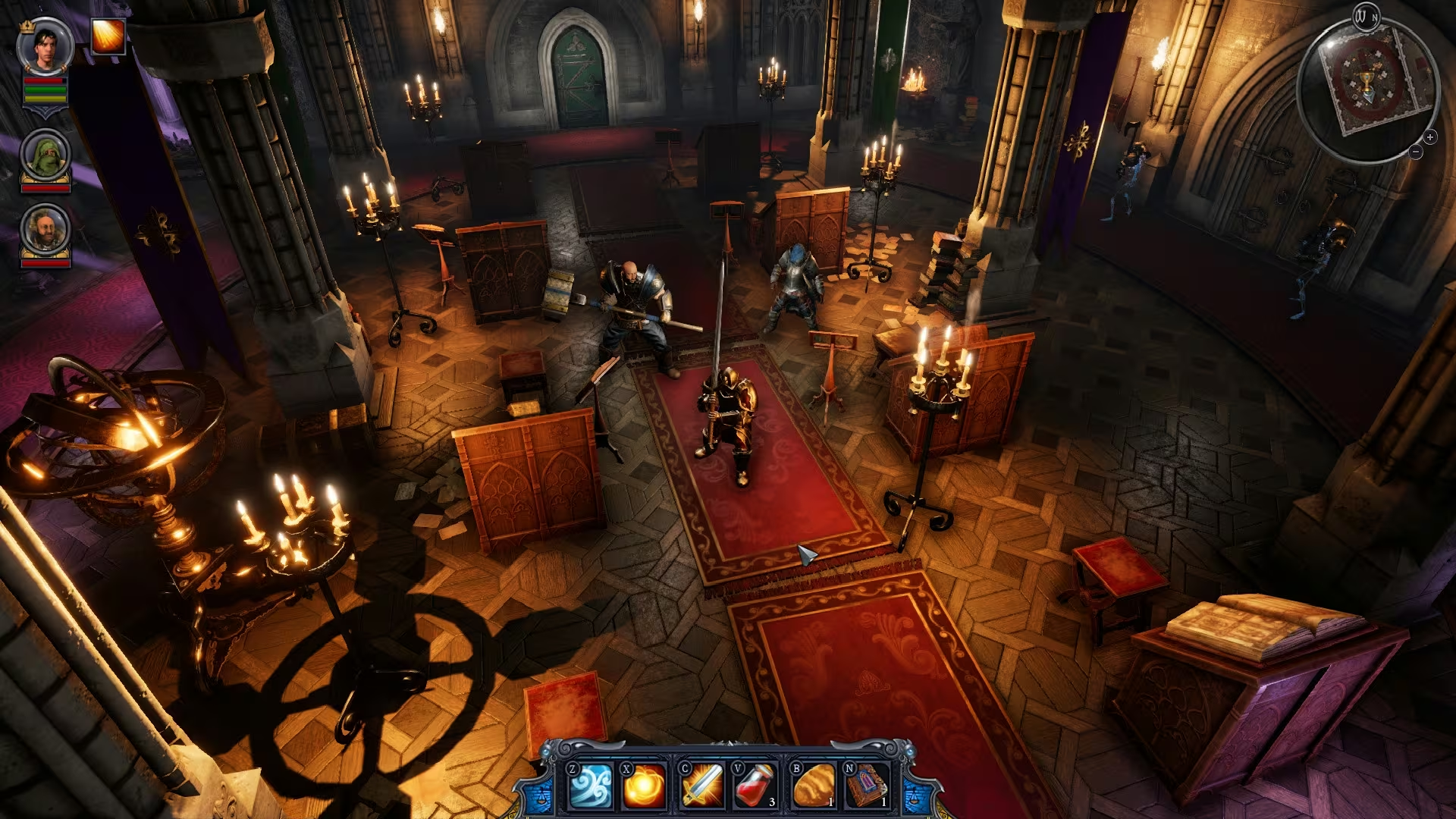
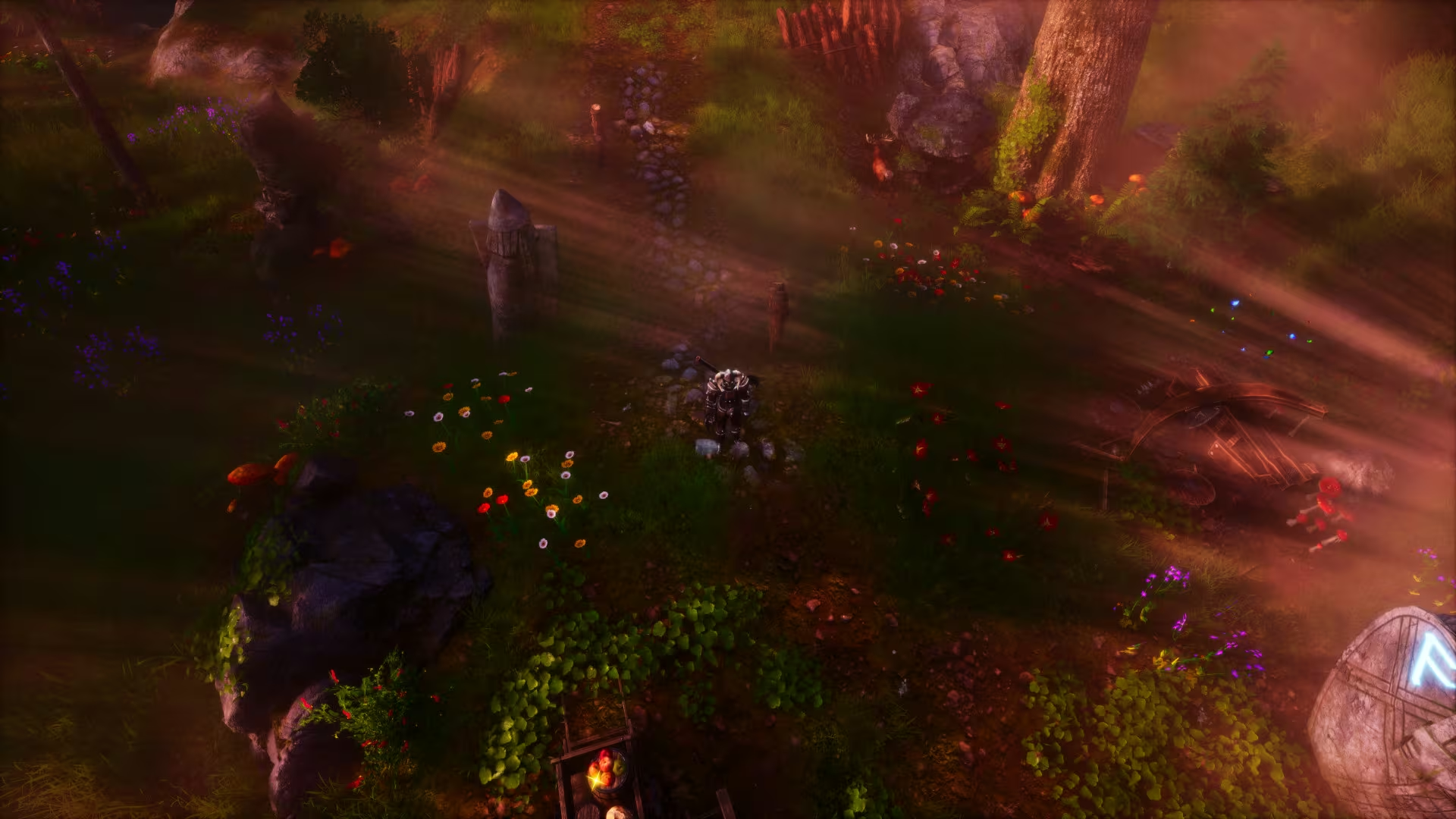
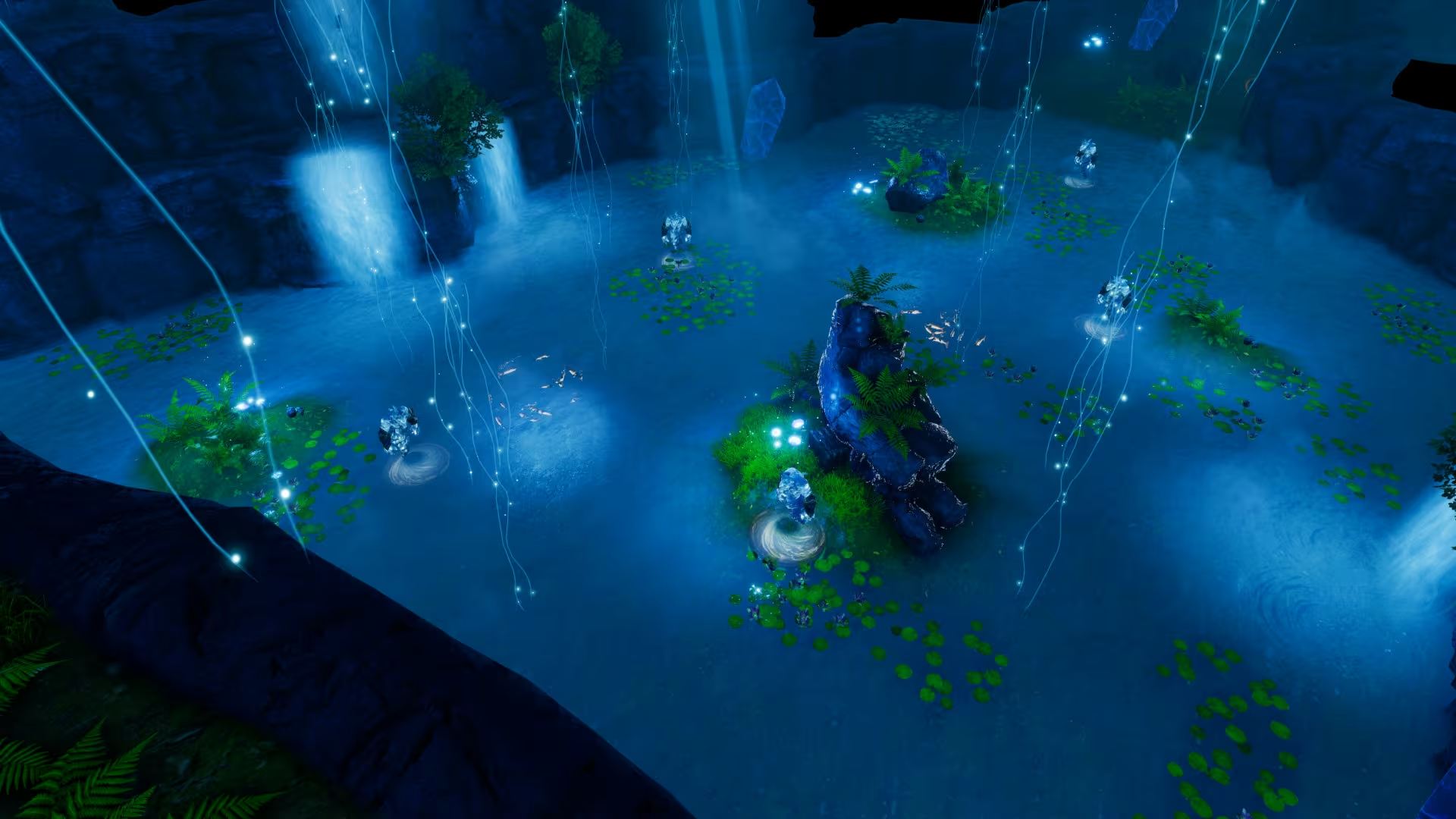
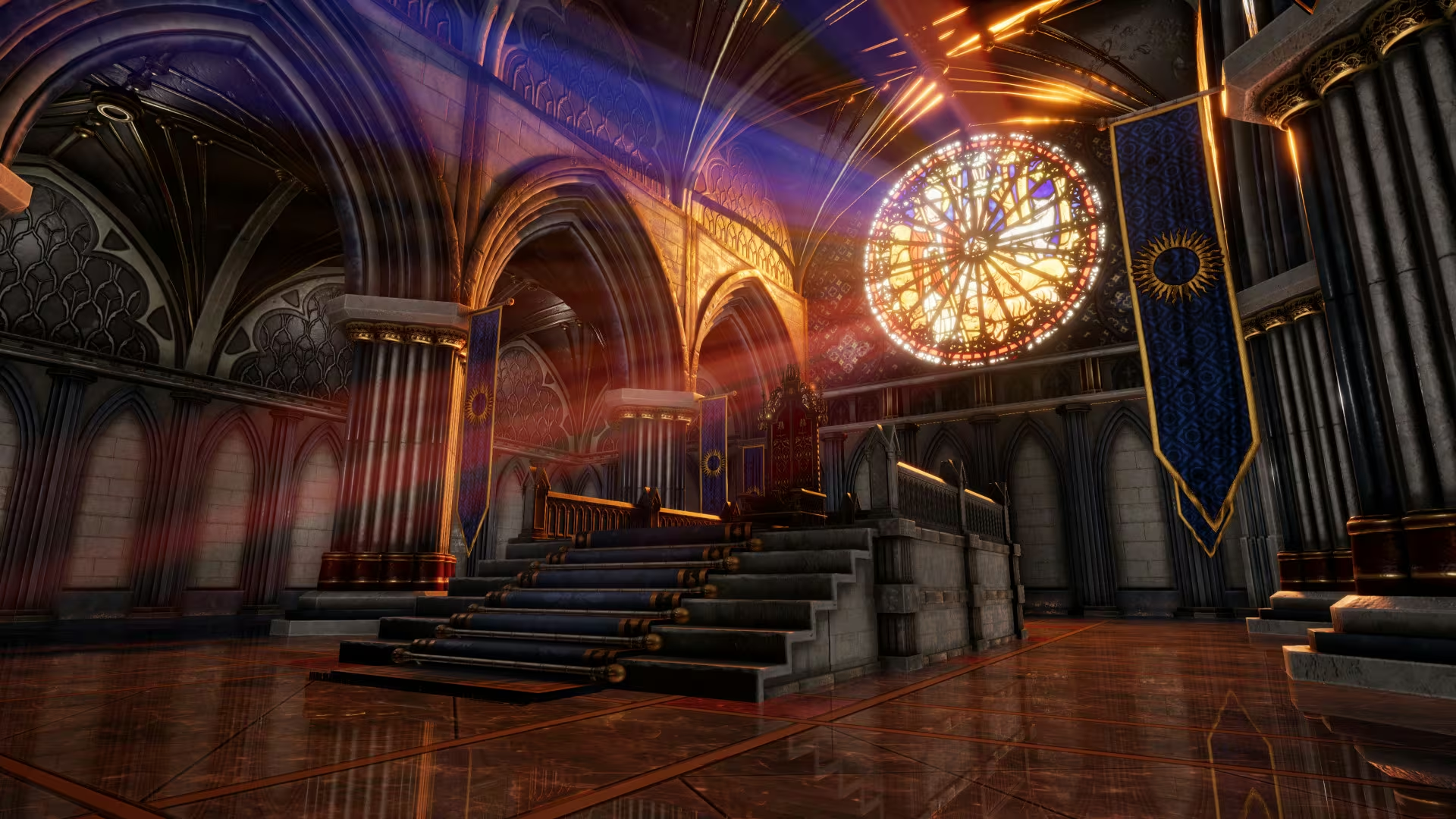
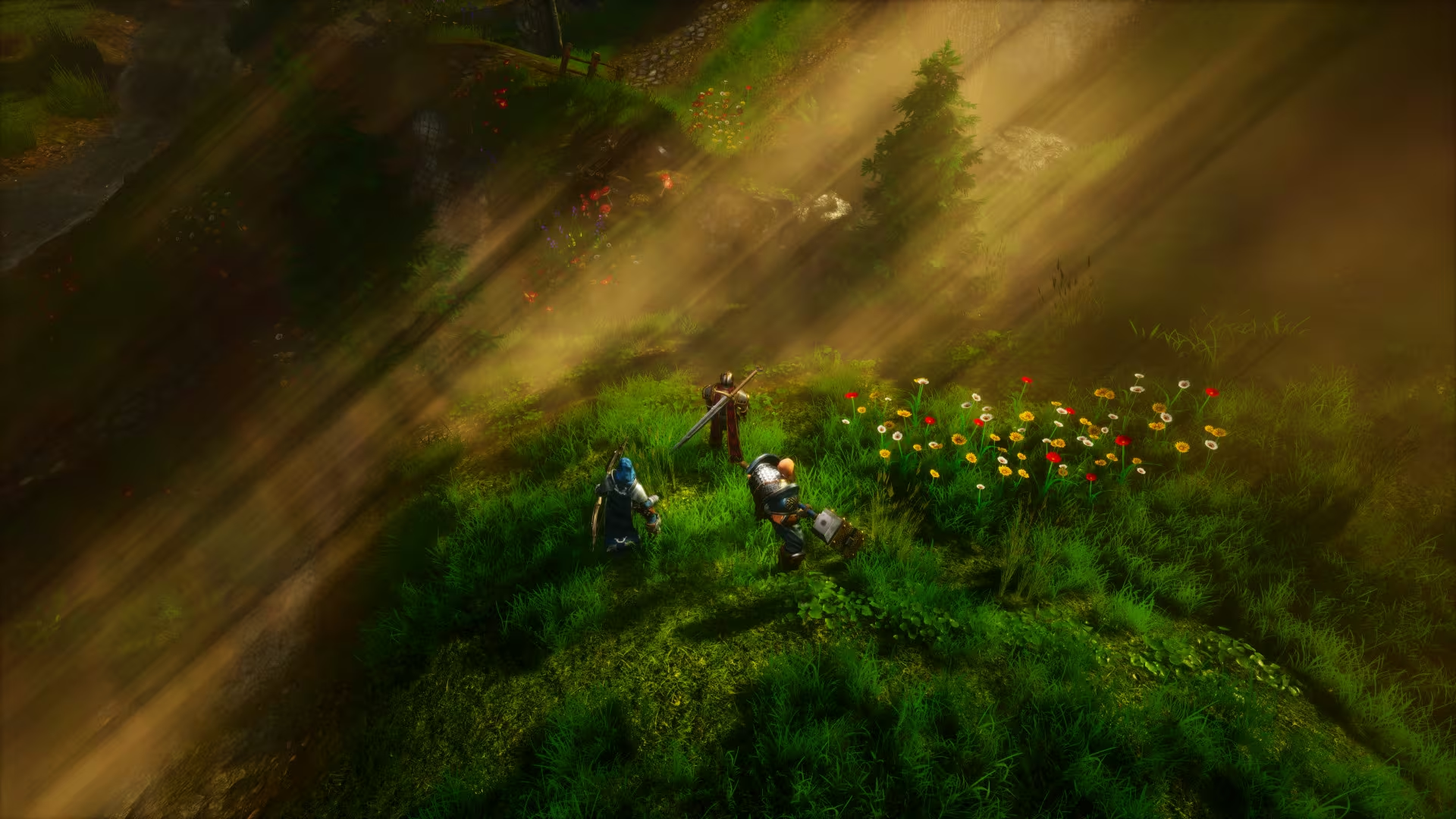
Defeat the evil Antiochus as you fight his malefic servants in this open-world fantasy action RPG with a unique, real-time combat game-play. Crafting, fishing, hunting, cooking, talents, professions and many other things are at hand.

Global score

81/100

Genres

Role-playing (RPG), Adventure, Indie

Similar games

    Pros

    • Engaging skill-based combat
    • Beautiful graphics and music
    • Immersive open world exploration
    • Meaningful progression and crafting
    • Supportive and active developers

    Cons

    • Clunky controls and combat at start
    • Limited replayability after completion
    • Some ui and quality of life issues
    • Companions have limited usefulness
    • Story and writing can be weak or awkward

    Analysis

    A very typical example of its motivational profile. Motivations that often define this kind of title include Fellowship, Cooperation, Leadership, Violence. Here, the score leans higher than usual among comparable games on Exploration, Cooperation. It leans lower than usual among comparable games on Creativity.

    How to use the graph
    Similar games map

    Each dot is a game. They are arranged from the same motivation profile as in the “Motivations” section below. Closer dots usually mean more similar reasons to play (exploration, competition, relaxation, etc.)—not that one game is “better” than another.

    • Larger dot with a light outline: the game you are viewing.
    • Colour: groups of games with comparable motivation patterns (statistical clusters).
    • Hover a dot to see the game name; click to open its page.
    • Scroll or double-click the chart to zoom out and see more games.

    Why don’t the axes read like a score? This view uses t-SNE: it only keeps who is close to whom. The scales are not “good to bad” or hours played—they separate groups on the map. Read distance between dots, not the axis numbers.

    Motivations

    • Autonomy
      4

      "Players have freedom to explore, choose builds, manage inventory and crafting, and decide quest order with minimal hand-holding."

    • Competence
      4

      "Combat is skill-based and challenging; players feel rewarded for mastering mechanics and overcoming tough enemies."

    • Competition
      -4

      "Focus is on single-player experience without ranked modes or direct player-vs-player competition."

    • Continuation
      3

      "Many players report long play sessions and high engagement, though some mention limited replayability after completion."

    • Cooperation
      -3

      "Mainly a solo adventure; companions exist but have limited impact and no multiplayer cooperative play."

    • Creativity
      2

      "Players can customize builds and craft items, but game has predefined story and limited character creation."

    • Domination
      -5

      "No evidence of exerting control over others; interactions are individual and respectful."

    • Escapism
      4

      "Players enjoy immersive fantasy world and relaxing exploration to escape real-life stress."

    • Expectation
      -4

      "Players engage voluntarily out of interest and enjoyment, not obligation or external pressure."

    • Experimenting
      3

      "Players experiment with combat tactics, builds, and exploration to discover hidden mechanics and secrets."

    • Exploration
      5

      "Strong emphasis on exploring open world, dungeons, and uncovering hidden loot and quests."

    • Expression
      2

      "Some character customization through gear and skills, but no avatar creation or deep cosmetic options."

    • Fantasy
      5

      "Set in a medieval fantasy world with knights, magic, and mythical creatures; strong roleplaying elements."

    • Fellowship
      -4

      "Primarily a solo experience with minimal social interaction or community features."

    • Growth
      4

      "Players develop skills, learn combat mechanics, and improve crafting and professions over time."

    • Health
      -4

      "Typical sedentary gameplay; no physical activity or health-related features."

    • Idle
      -3

      "Requires focused attention and active engagement during combat and exploration."

    • Intimacy
      -4

      "Limited social or emotional connections; companions exist but interactions are shallow."

    • Leadership
      -4

      "No leadership or management roles; player acts individually without directing others."

    • Progression
      5

      "Strong progression through leveling, gear upgrades, crafting, and unlocking new abilities."

    • Relaxation
      3

      "Game offers a balanced challenge with relaxing exploration and immersive atmosphere."

    • Sensation
      3

      "Enjoyable visuals, music, and sound effects contribute to sensory pleasure."

    • Status
      -4

      "No social status or recognition systems; focus is on personal achievement."

    • Story
      3

      "Narrative is present and engaging but not groundbreaking; story supports exploration and quests."

    • Strategy
      3

      "Combat and resource management require tactical thinking and planning."

    • Thrill
      3

      "Combat tension and boss fights provide moments of suspense and excitement."

    • Value
      4

      "Players feel the game offers good value for time and money, especially given small development team."

    • Violence
      3

      "Combat involves fighting enemies with weapons and skills; violence is part of gameplay."

    • Survival
      3

      "Players manage health, stamina, and resources to survive combat and exploration challenges."

    Last update: 29/04/2026