The Necromancer's Tale Thumbnail

The Necromancer's Tale similar games & best alternatives
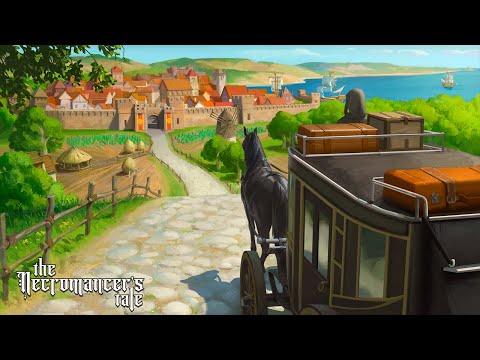
The Necromancer's Tale

PC (Microsoft Windows), Mac • 2025

Related articles

Quick resume

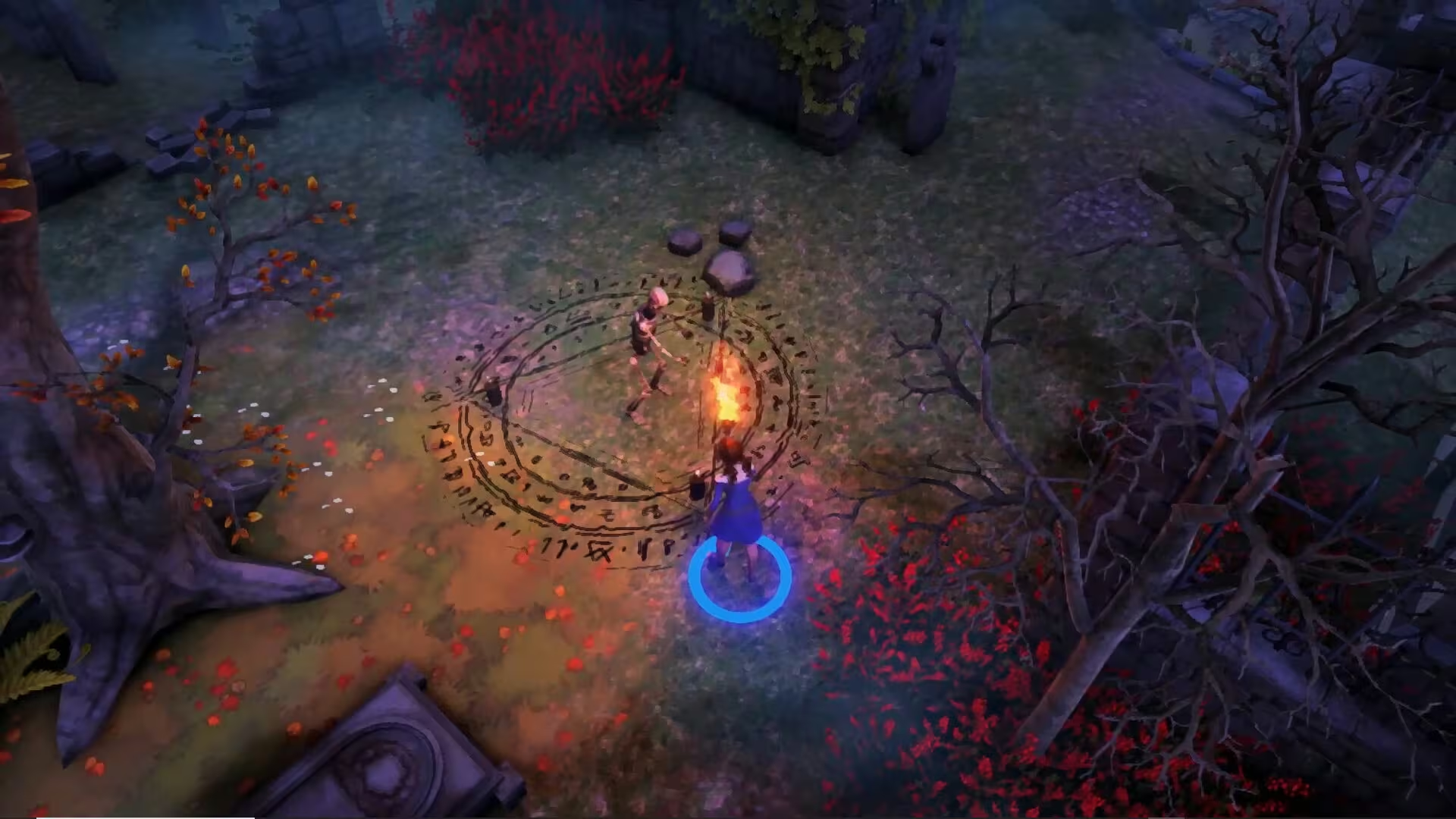
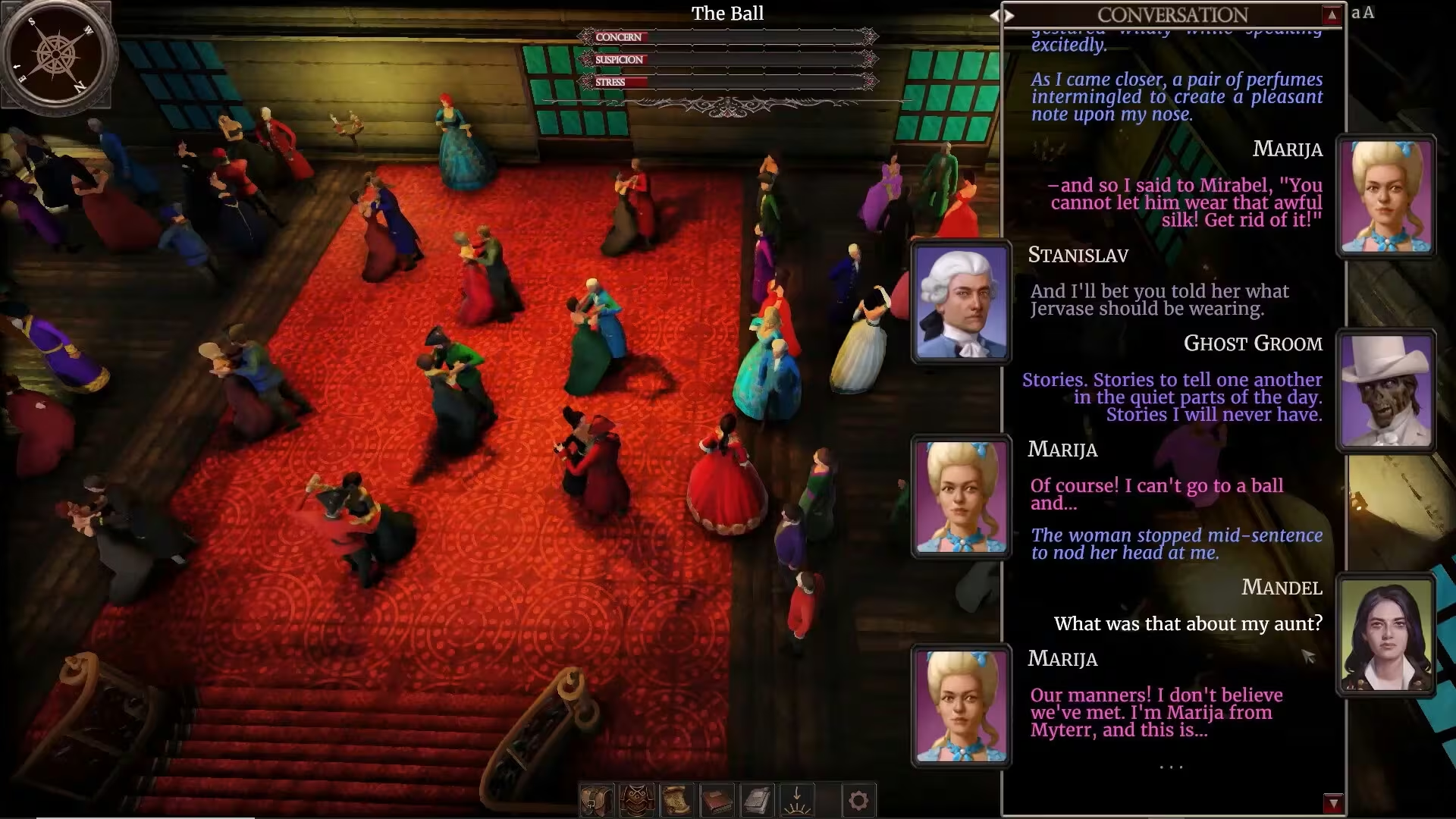
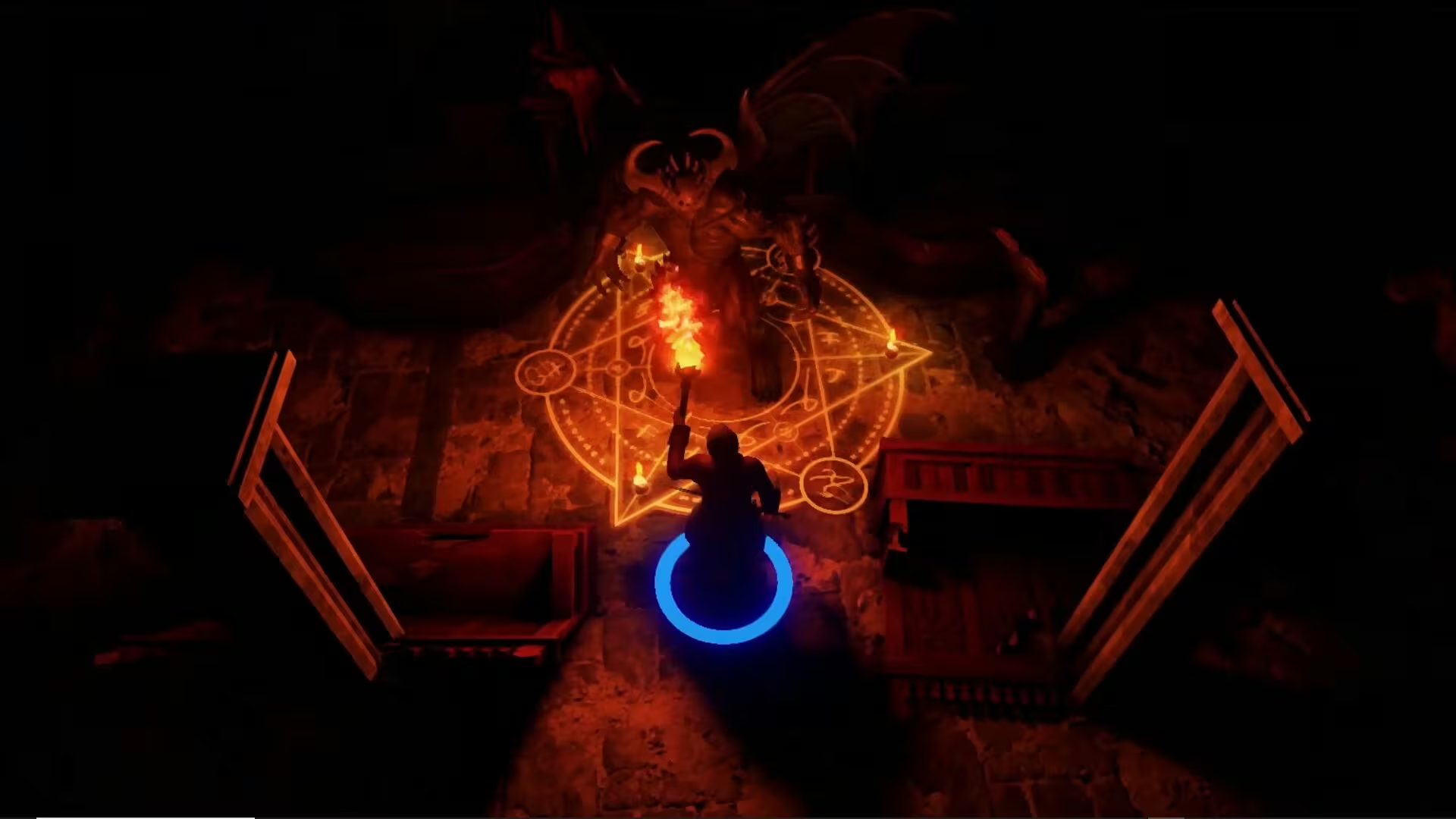
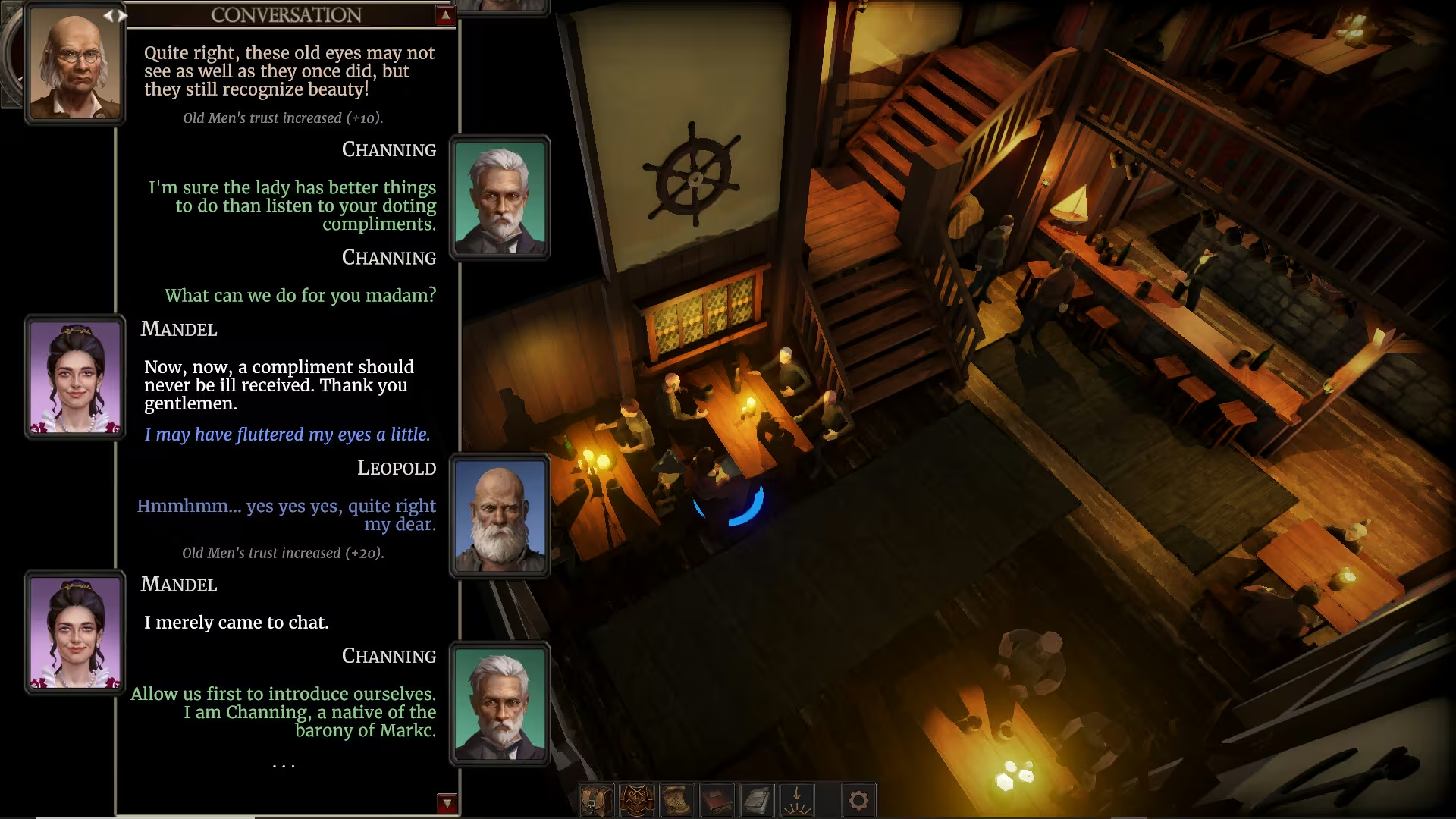
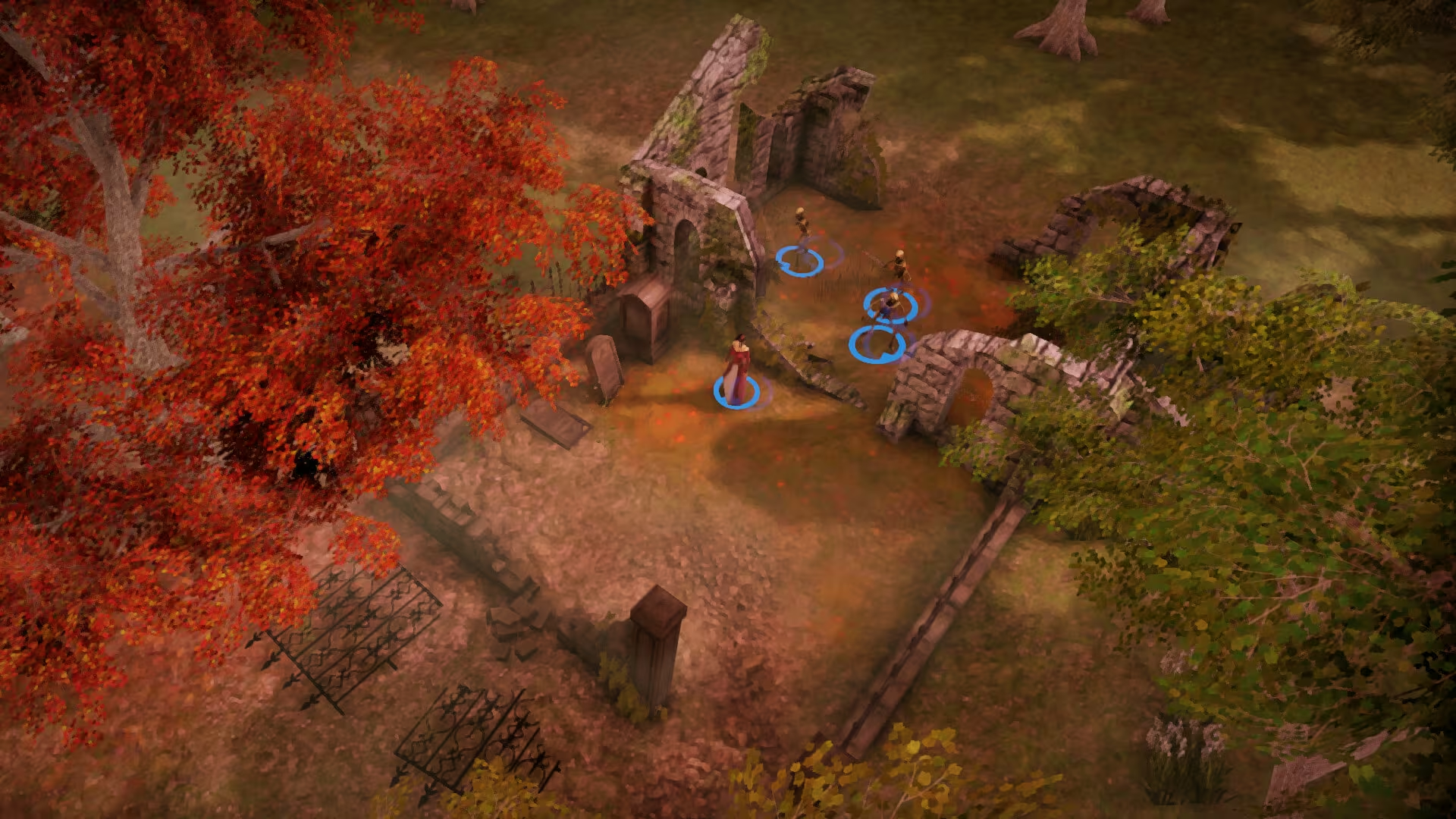
A story-rich gothic RPG. Master the rituals of an ancient spellbook. Raise an undead army to march against your enemies. Commune with the realm of the dead & struggle with your descent into madness. Progress through secrecy, diplomacy, blackmail, coercion & seduction until ready to reveal yourself.

Global score

93/100

Genres

Adventure, Role-playing (RPG), Strategy, Indie

Similar games

    Pros

    • Immersive narrative and worldbuilding
    • Multiple story paths and choices
    • Unique necromancy mechanics
    • Strong character development
    • Active developer support and updates

    Cons

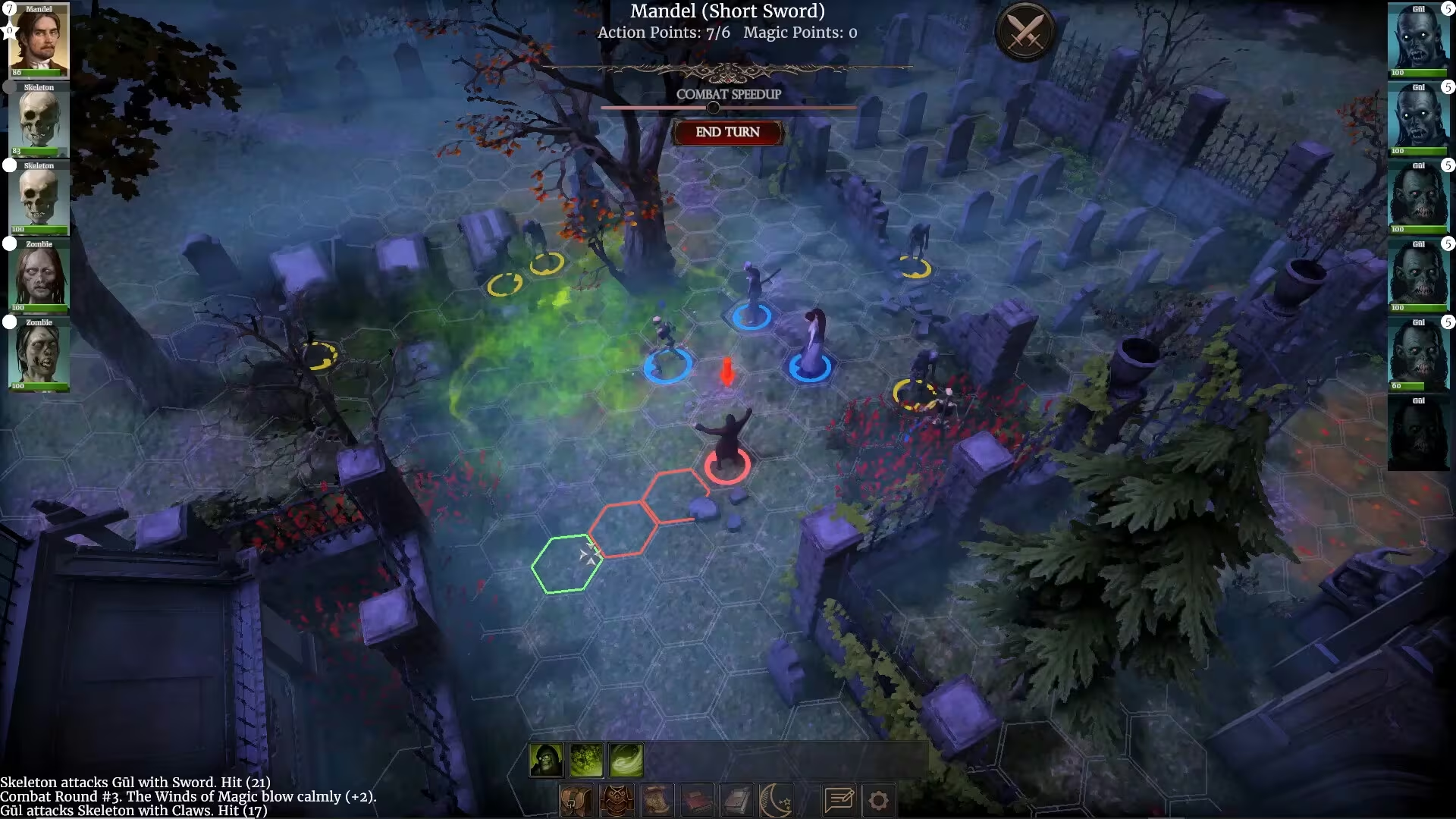
    • Basic and sometimes tedious combat
    • Some ui and navigation jank
    • Lack of quest markers can cause confusion
    • Slow pacing for some players
    • Limited polish due to indie production

    Analysis

    Broadly representative of its motivational profile, with a few distinct shifts. Motivations that often define this kind of title include Leadership, Survival, Violence, Strategy. Here, the score leans higher than usual among comparable games on Intimacy, Story, Fantasy.

    How to use the graph
    Similar games map

    Each dot is a game. They are arranged from the same motivation profile as in the “Motivations” section below. Closer dots usually mean more similar reasons to play (exploration, competition, relaxation, etc.)—not that one game is “better” than another.

    • Larger dot with a light outline: the game you are viewing.
    • Colour: groups of games with comparable motivation patterns (statistical clusters).
    • Hover a dot to see the game name; click to open its page.
    • Scroll or double-click the chart to zoom out and see more games.

    Why don’t the axes read like a score? This view uses t-SNE: it only keeps who is close to whom. The scales are not “good to bad” or hours played—they separate groups on the map. Read distance between dots, not the axis numbers.

    Motivations

    • Autonomy
      4

      "Players can roleplay their character freely with multiple ways to complete quests and make choices that affect the story."

    • Competence
      3

      "The game involves skill checks, puzzle solving, and strategic use of limited resources, though combat is basic and sometimes tedious."

    • Competition
      -4

      "Focus is on personal narrative and exploration without competitive or ranked modes."

    • Continuation
      4

      "Players report long play sessions and strong attachment to the story and world, with desire to replay for different outcomes."

    • Cooperation
      -3

      "Gameplay centers on individual character progression and story; limited multiplayer or cooperative elements."

    • Creativity
      3

      "Players create and customize their necromancer character and choose different approaches to quests and rituals."

    • Domination
      -4

      "Interactions emphasize mutual respect and consequences rather than exerting power over others."

    • Escapism
      5

      "Strong immersion in a dark fantasy world provides escape from real life through narrative and atmosphere."

    • Expectation
      -4

      "Players engage voluntarily out of personal interest and intrinsic motivation for story and roleplaying."

    • Experimenting
      4

      "Multiple narrative paths, character builds, and quest solutions encourage exploration and trying new approaches."

    • Exploration
      3

      "Open world and quest design encourage discovery, though some players find navigation challenging."

    • Expression
      3

      "Character customization and roleplaying choices allow for personal expression within the story."

    • Fantasy
      5

      "Strongly rooted in imaginative fiction with necromancy, occult rituals, and supernatural elements."

    • Fellowship
      -3

      "Primarily a single-player experience with limited social or community features."

    • Growth
      4

      "Players develop skills, knowledge, and character abilities through story progression and decision making."

    • Health
      -4

      "Gameplay involves sedentary play with no physical activity elements."

    • Idle
      -3

      "Requires focused attention on narrative, exploration, and decision making rather than casual or background play."

    • Intimacy
      2

      "Some romance options and character relationships provide emotional connection, but limited to narrative context."

    • Leadership
      2

      "Players command undead minions and make strategic decisions, though leadership is limited to gameplay mechanics."

    • Progression
      4

      "Character and necromantic power progression is central, with new spells and abilities earned through quests."

    • Relaxation
      3

      "Atmospheric and immersive narrative provides flow and tension release, though some find pacing slow."

    • Sensation
      2

      "Visual and auditory elements support mood and atmosphere but are modest due to indie production values."

    • Status
      -3

      "Focus is on personal story and choices rather than social recognition or popularity."

    • Story
      5

      "Narrative immersion is the core of the experience with complex characters, branching plots, and moral dilemmas."

    • Strategy
      3

      "Players engage in problem solving, resource management, and tactical combat decisions."

    • Thrill
      3

      "Suspense and tension arise from moral choices, exploration, and combat challenges."

    • Value
      4

      "Players feel the game offers good return on investment through engaging story and replayability."

    • Violence
      3

      "Combat and necromantic destruction are present but balanced with narrative and moral consequences."

    • Survival
      3

      "Players manage threats and resources to survive and progress, though combat is not the main focus."

    Last update: 29/04/2026