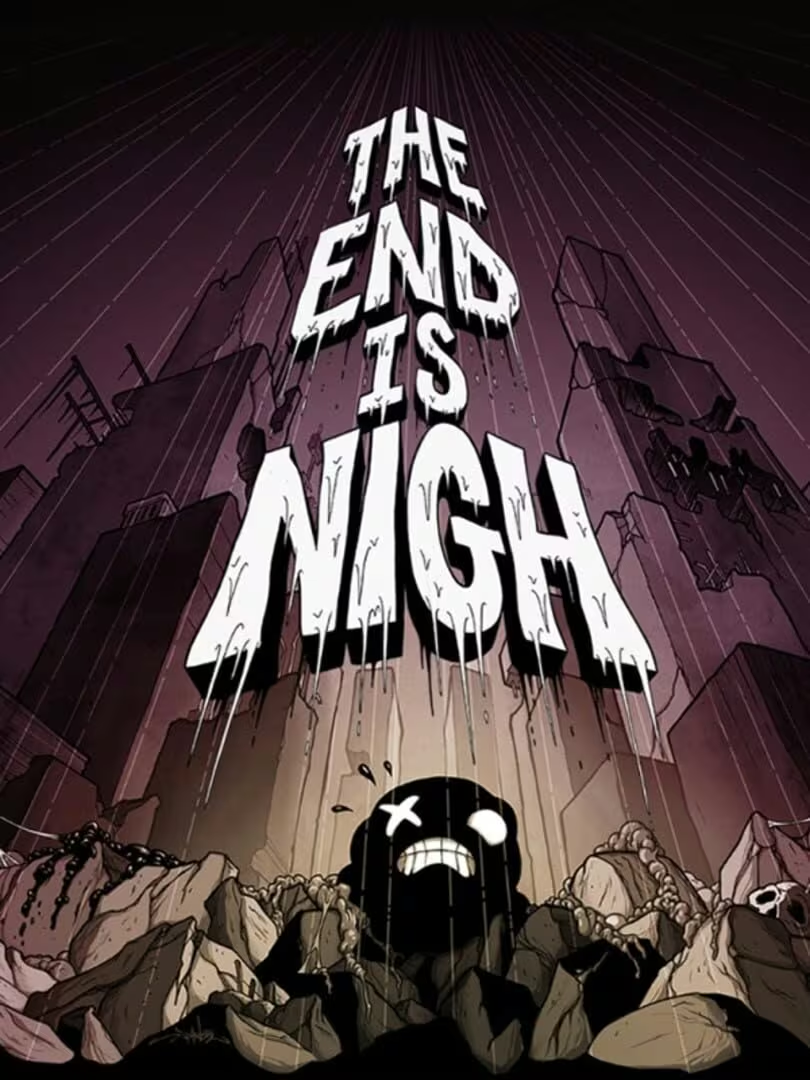
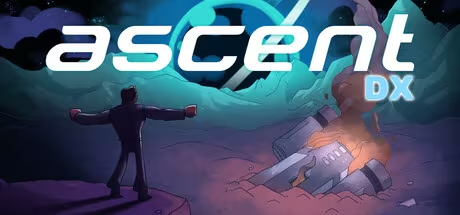
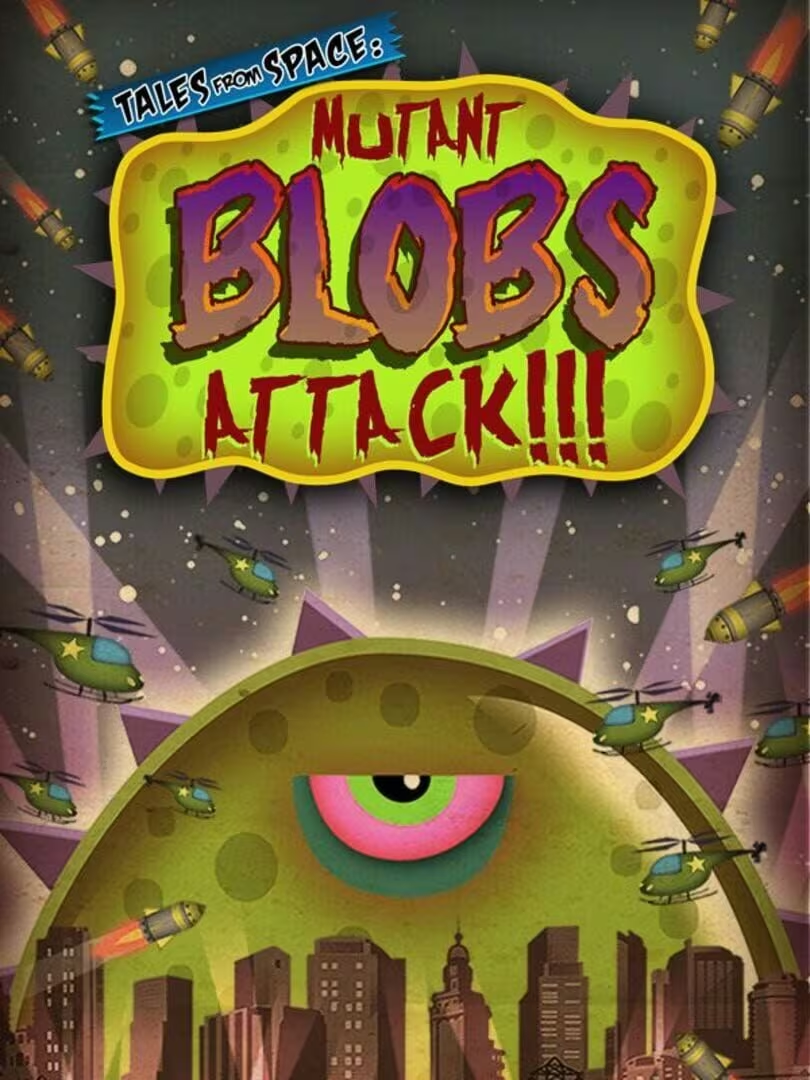
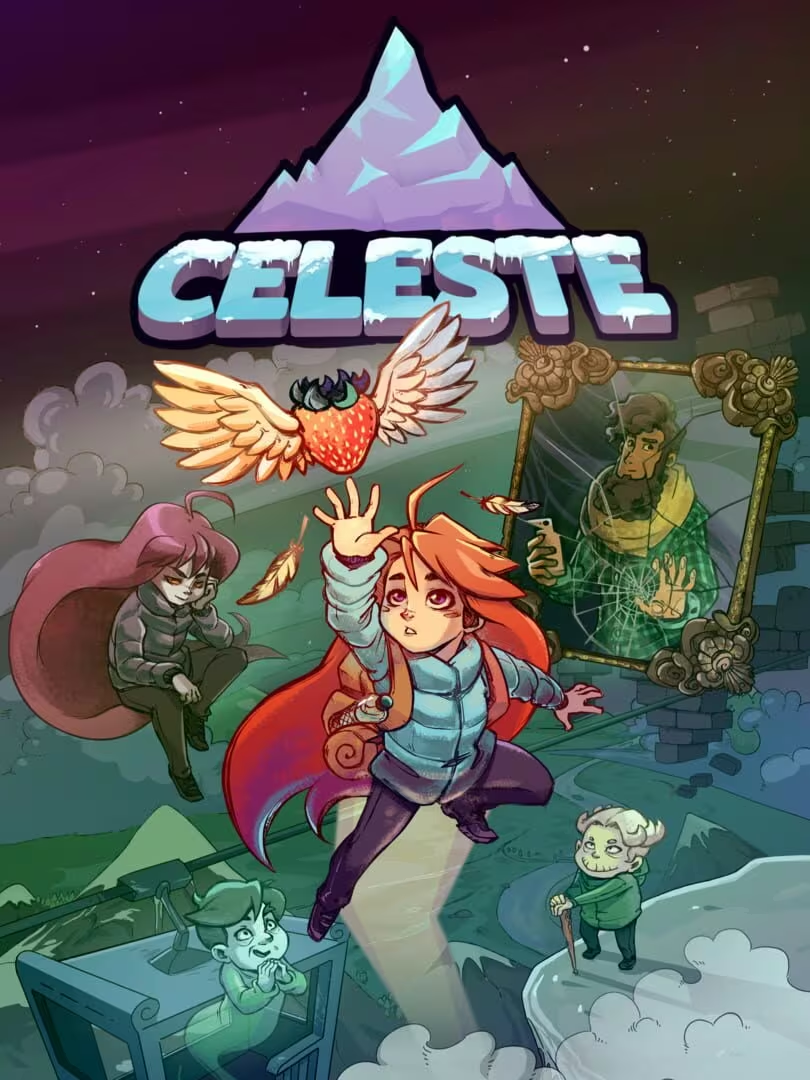
You Have to Win the Game Thumbnail

You Have to Win the Game similar games & best alternatives
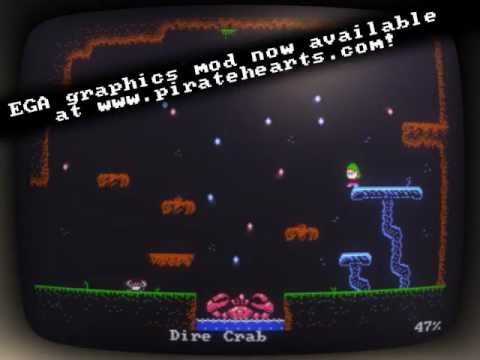
You Have to Win the Game

PC (Microsoft Windows), Mac, Linux • 2014

Related articles

Quick resume

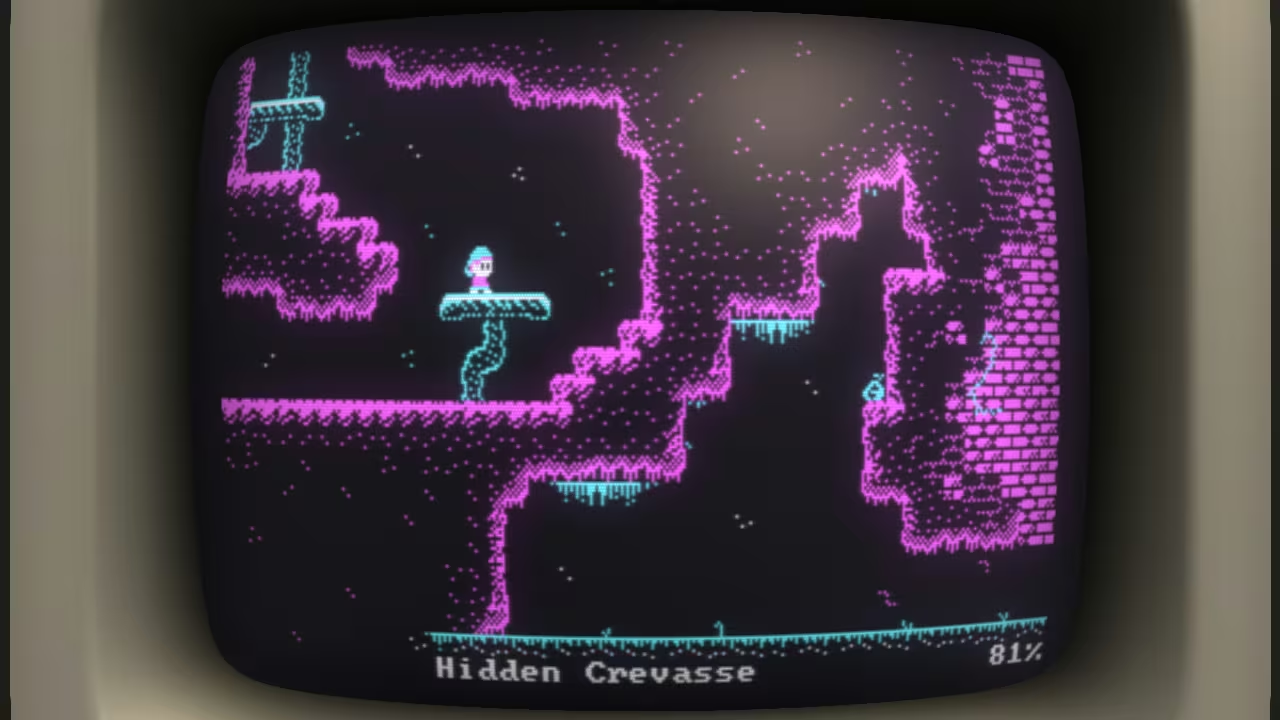
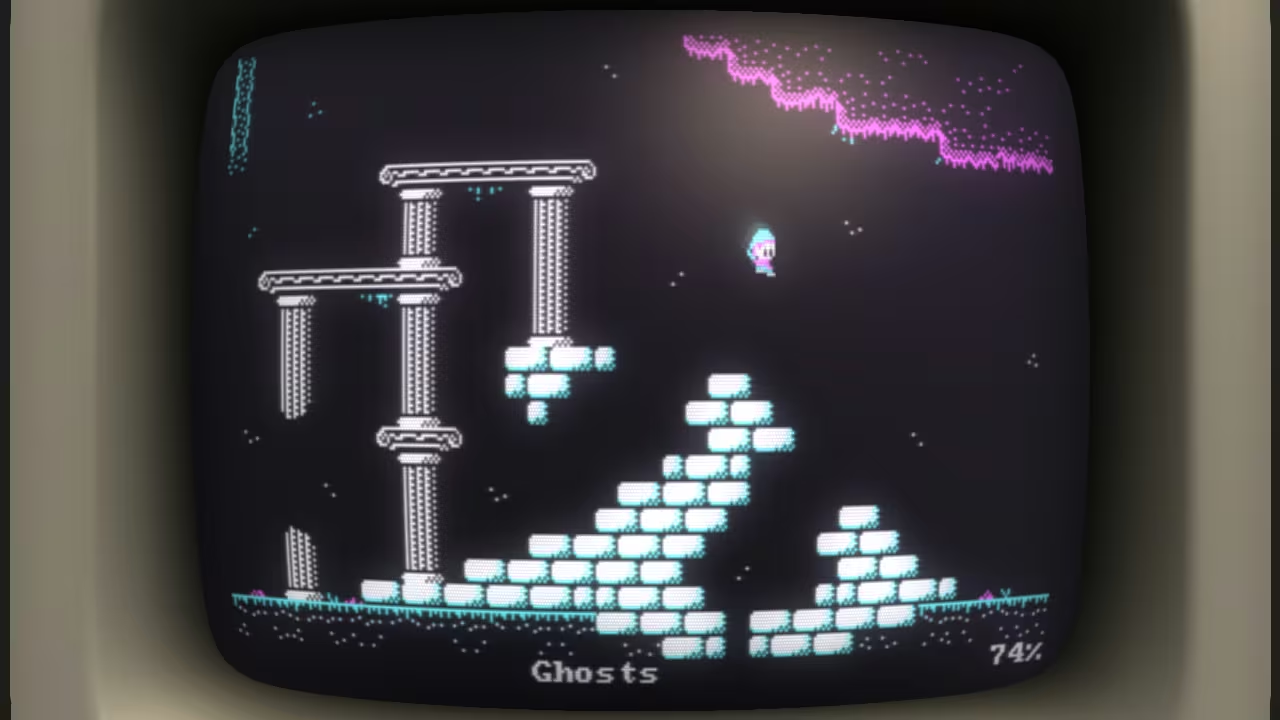
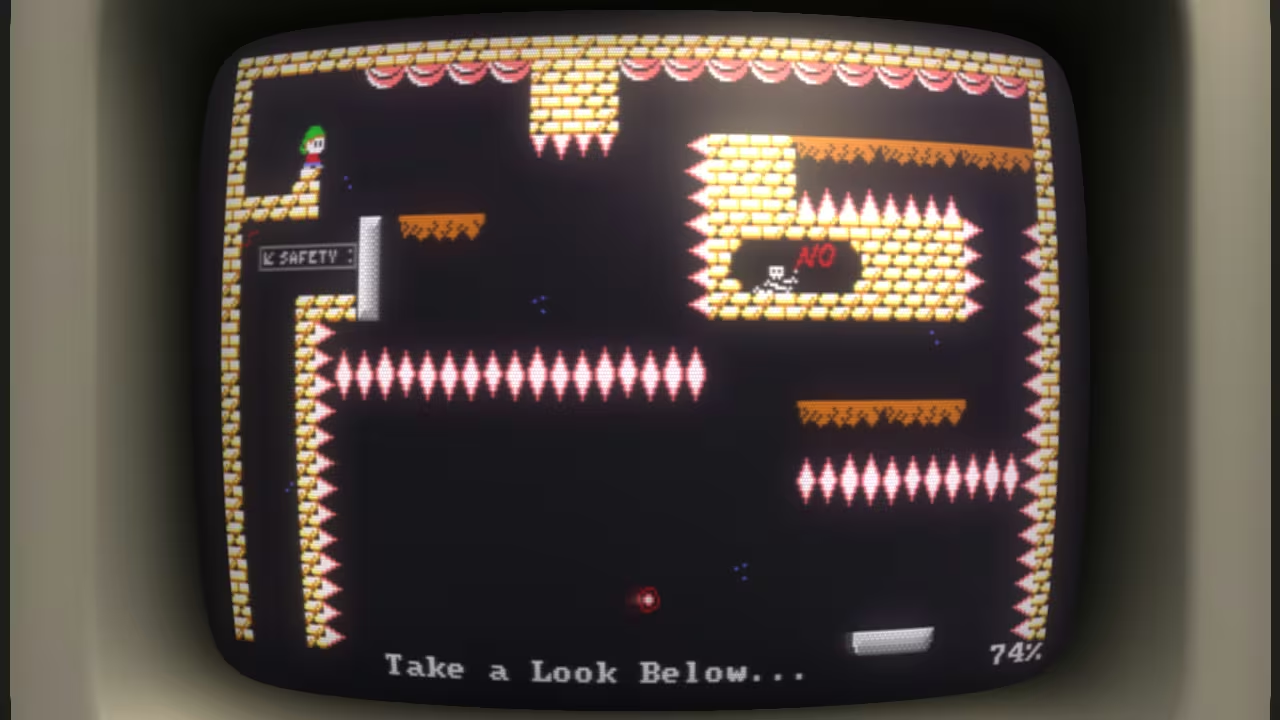
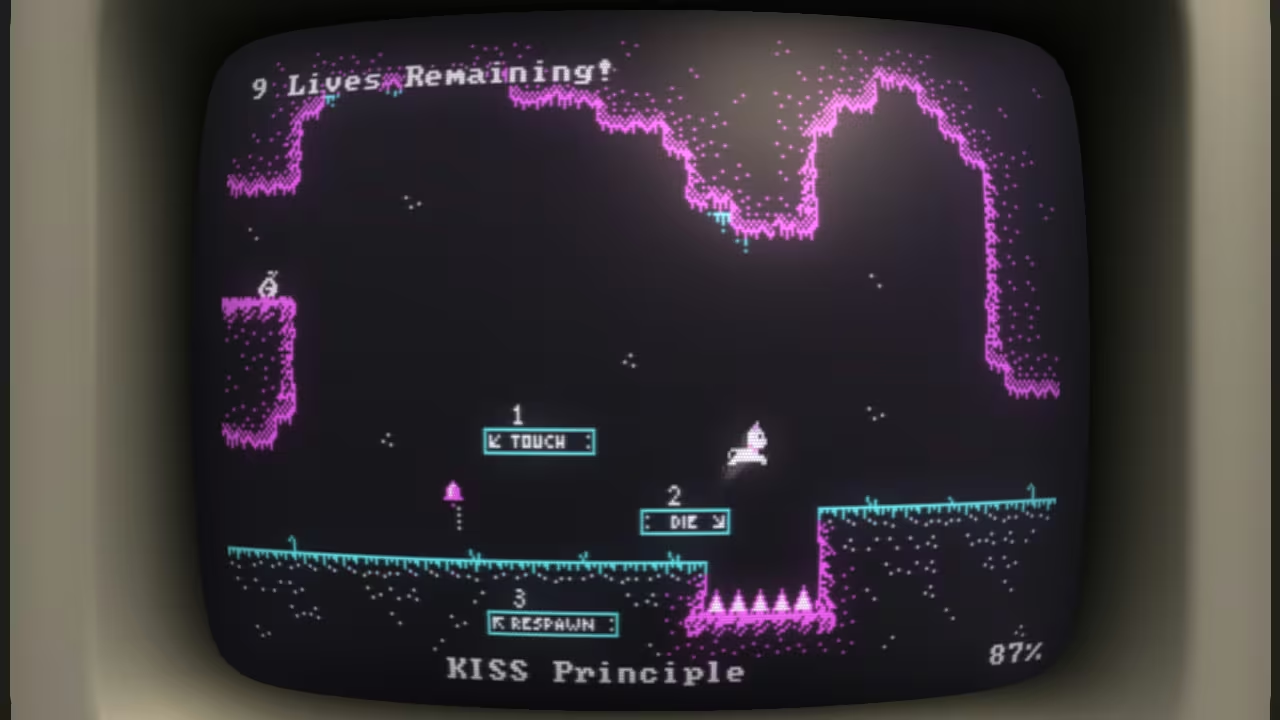
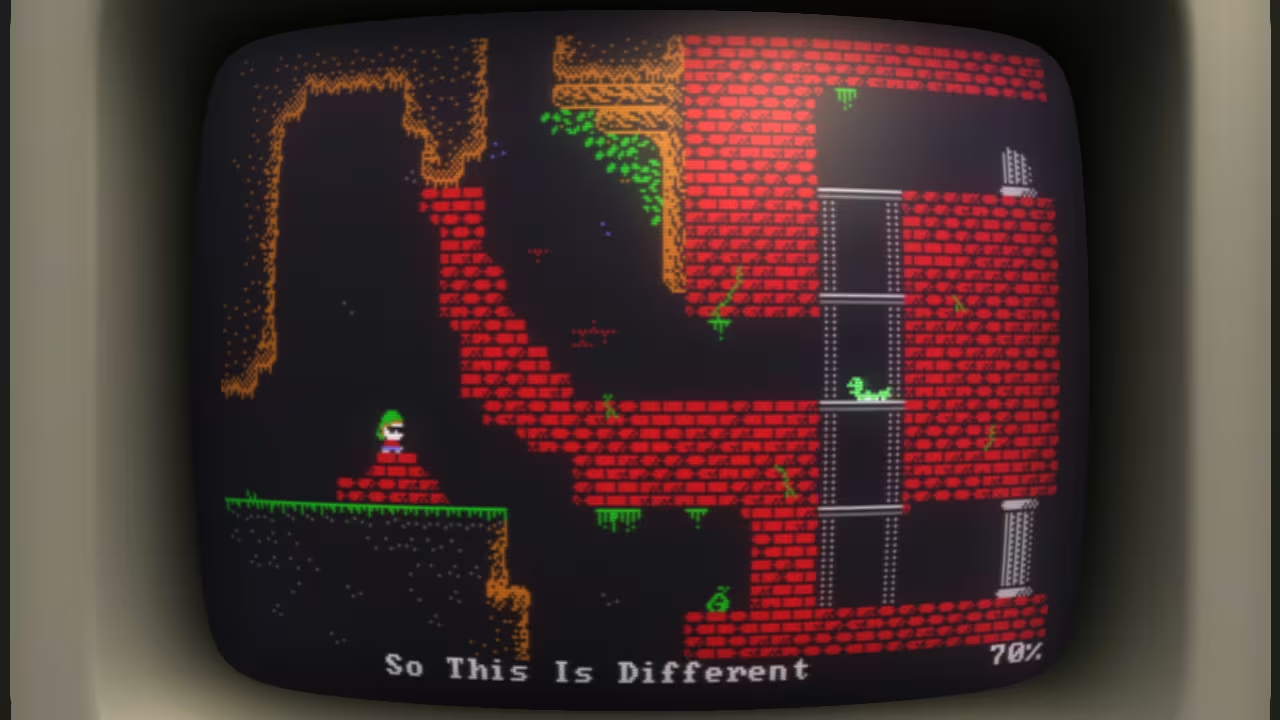
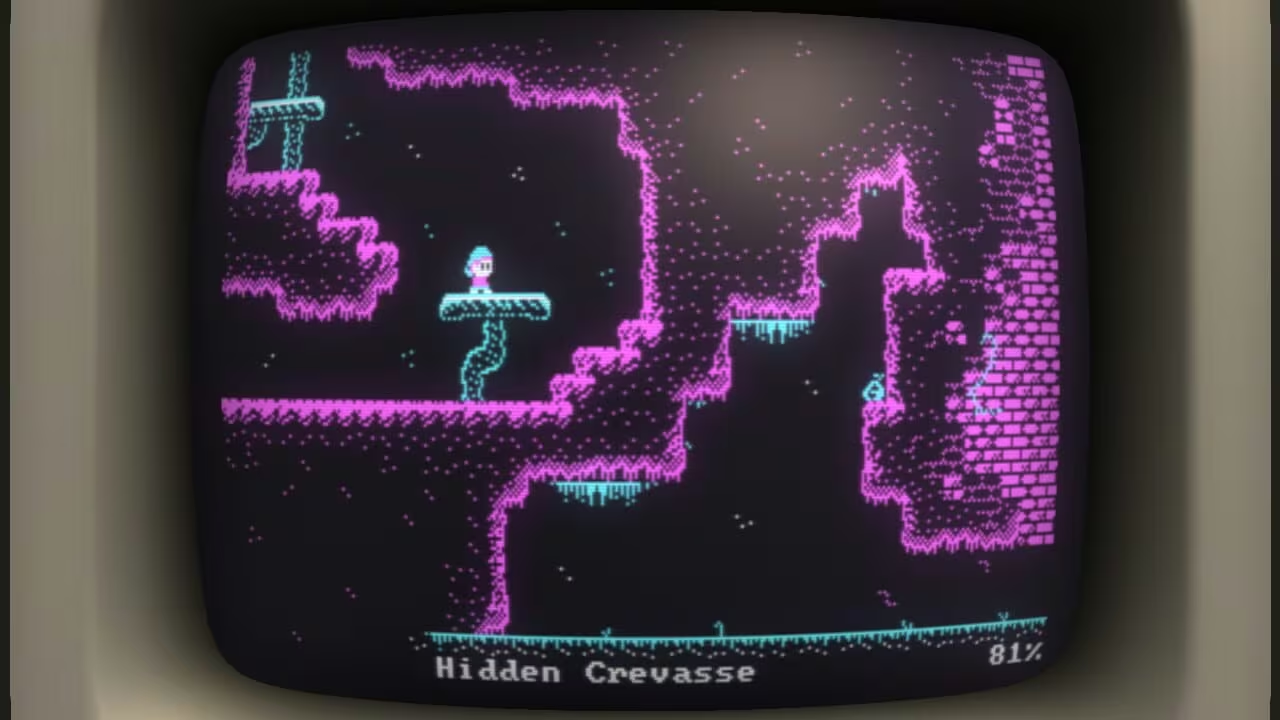
You Have to Win the Game is a free exploration platformer with a retro 1980s PC aesthetic.

Global score

93/100

Genres

Action, Indie, Adventure, Platform, Shooter

Similar games

    Pros

    • Free to play
    • Challenging but fair platforming
    • Nostalgic retro aesthetic with crt simulation
    • Frequent checkpoints and forgiving respawn
    • Multiple game modes and replay value

    Cons

    • Lack of music
    • Some frustrating pixel-perfect jumps
    • No map making navigation confusing
    • Short game length
    • No story or narrative

    Analysis

    Less representative of its motivational profile, with noticeable differences. Motivations that often define this kind of title include Relaxation, Survival, Violence, Fellowship. It leans lower than usual among comparable games on Violence, Story, Expression.

    How to use the graph
    Similar games map

    Each dot is a game. They are arranged from the same motivation profile as in the “Motivations” section below. Closer dots usually mean more similar reasons to play (exploration, competition, relaxation, etc.)—not that one game is “better” than another.

    • Larger dot with a light outline: the game you are viewing.
    • Colour: groups of games with comparable motivation patterns (statistical clusters).
    • Hover a dot to see the game name; click to open its page.
    • Scroll or double-click the chart to zoom out and see more games.

    Why don’t the axes read like a score? This view uses t-SNE: it only keeps who is close to whom. The scales are not “good to bad” or hours played—they separate groups on the map. Read distance between dots, not the axis numbers.

    Motivations

    • Autonomy
      4

      "Players freely explore a large interconnected map, choose paths, and decide when and where to backtrack, with no hand-holding or quest markers."

    • Competence
      4

      "The game is challenging with precise platforming, timing, and skillful dodging required; players improve through repeated attempts and learn enemy patterns."

    • Competition
      -3

      "Focus is on personal mastery and exploration rather than competing against others; no mention of leaderboards or PvP."

    • Continuation
      3

      "Players often engage in long sessions to master difficult sections, complete achievements, and explore 100% completion, showing habitual play."

    • Cooperation
      -5

      "Single-player experience with no cooperative or multiplayer elements."

    • Creativity
      1

      "Limited creativity in level design or player modification; some customization options for display but gameplay follows set patterns."

    • Domination
      -5

      "No elements of exerting control or superiority over others; purely individual challenge."

    • Escapism
      3

      "Players use the game as a nostalgic escape into retro gaming, enjoying the challenge and atmosphere away from real life."

    • Expectation
      -4

      "Players engage voluntarily out of intrinsic interest and nostalgia; no obligation or external pressure noted."

    • Experimenting
      2

      "Exploration and discovery of new areas and abilities encourage some experimentation, though gameplay is largely structured."

    • Exploration
      5

      "Core gameplay involves exploring a large map with inaccessible areas until abilities are gained, encouraging curiosity-driven discovery."

    • Expression
      -3

      "Minimal character or environment customization; mostly fixed retro aesthetic with some display options."

    • Fantasy
      1

      "Some imaginative elements in level design and enemies, but overall grounded in classic platformer tropes without deep fantasy narrative."

    • Fellowship
      -5

      "No social or community features; entirely solo experience."

    • Growth
      4

      "Players develop platforming skills, learn level layouts, and improve through repeated attempts and mastery of mechanics."

    • Health
      -4

      "Typical sedentary gameplay with no physical activity or health-related features."

    • Idle
      -4

      "Requires focused attention and precise input; not suited for casual or background play."

    • Intimacy
      -5

      "No social or emotional connections formed through gameplay; purely individual."

    • Leadership
      -5

      "No leadership or group management elements present."

    • Progression
      4

      "Players collect power-ups and unlock abilities that enable access to new areas, showing clear progression."

    • Relaxation
      -2

      "Game is challenging and can be frustrating, requiring patience and focus rather than relaxation."

    • Sensation
      1

      "Visual and auditory style is retro and minimalistic; some players find the CRT effect and pixel art enjoyable."

    • Status
      -4

      "No social recognition or ranking systems; achievements are personal milestones."

    • Story
      -4

      "No narrative or story; gameplay is context-free platforming and exploration."

    • Strategy
      3

      "Players must plan routes, memorize level layouts, and time jumps carefully, involving problem-solving and mental challenge."

    • Thrill
      3

      "The challenge and risk of dying repeatedly create tension and relief upon success, providing a thrill."

    • Value
      5

      "Completely free with high quality and replay value, providing excellent return on time investment."

    • Violence
      -4

      "No combat or destruction; focus is on evasion and platforming."

    • Survival
      3

      "Players must avoid hazards and manage progression through skillful navigation to survive and advance."

    Last update: 29/04/2026