Lunacid - Tears of the Moon Thumbnail

Lunacid - Tears of the Moon similar games & best alternatives

Lunacid - Tears of the Moon

PC (Microsoft Windows) • 2025

Related articles

Quick resume

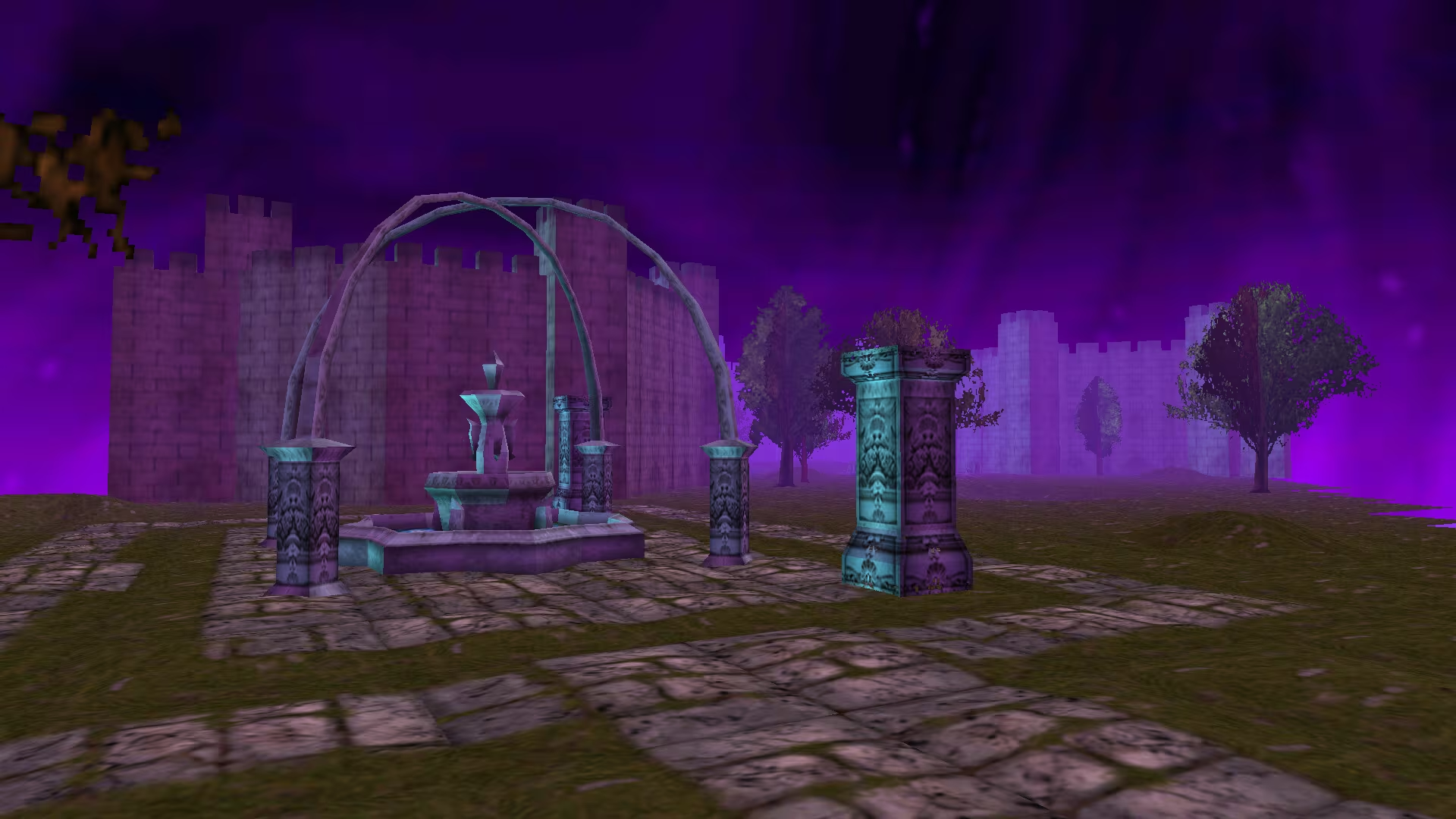
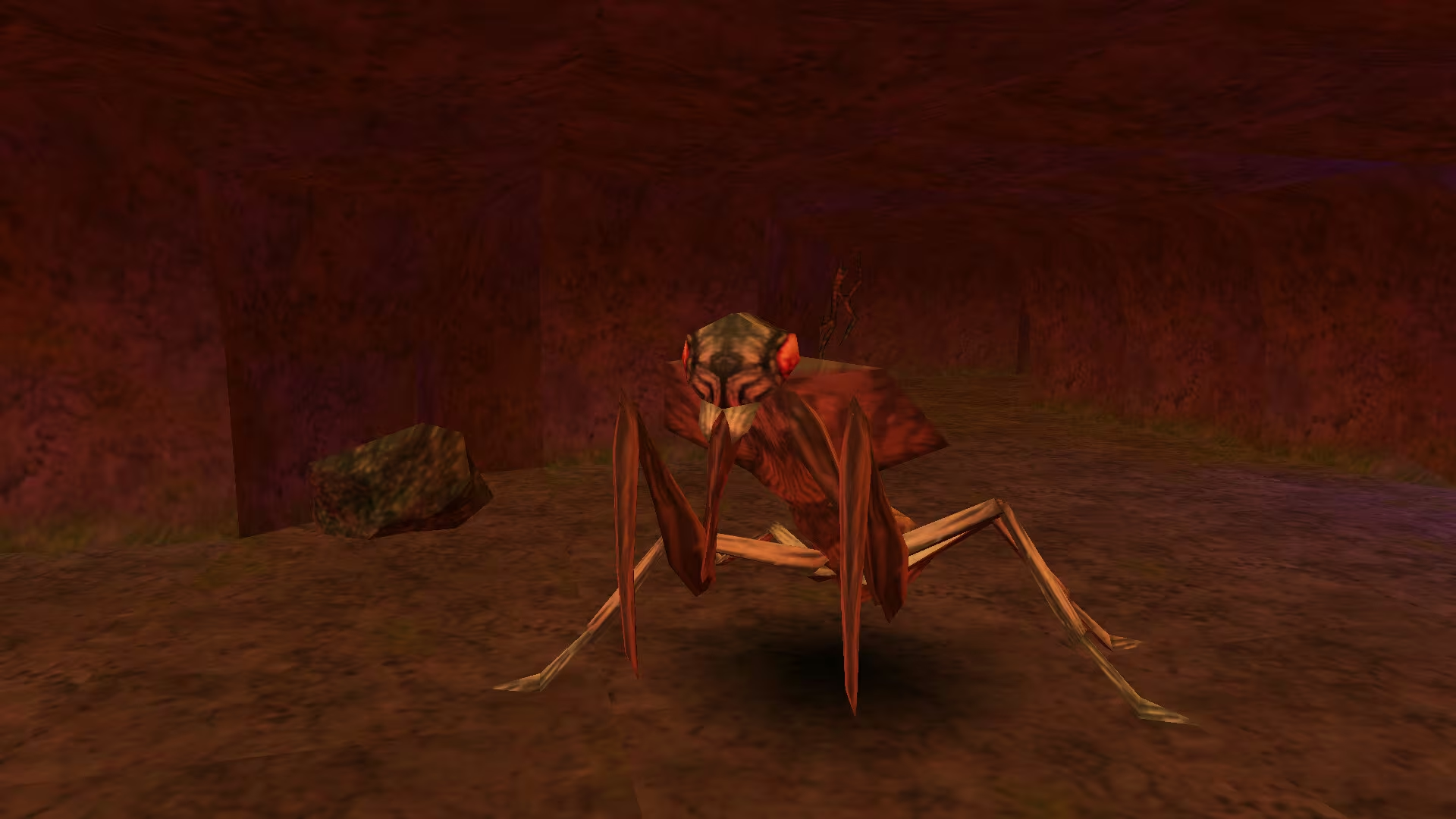
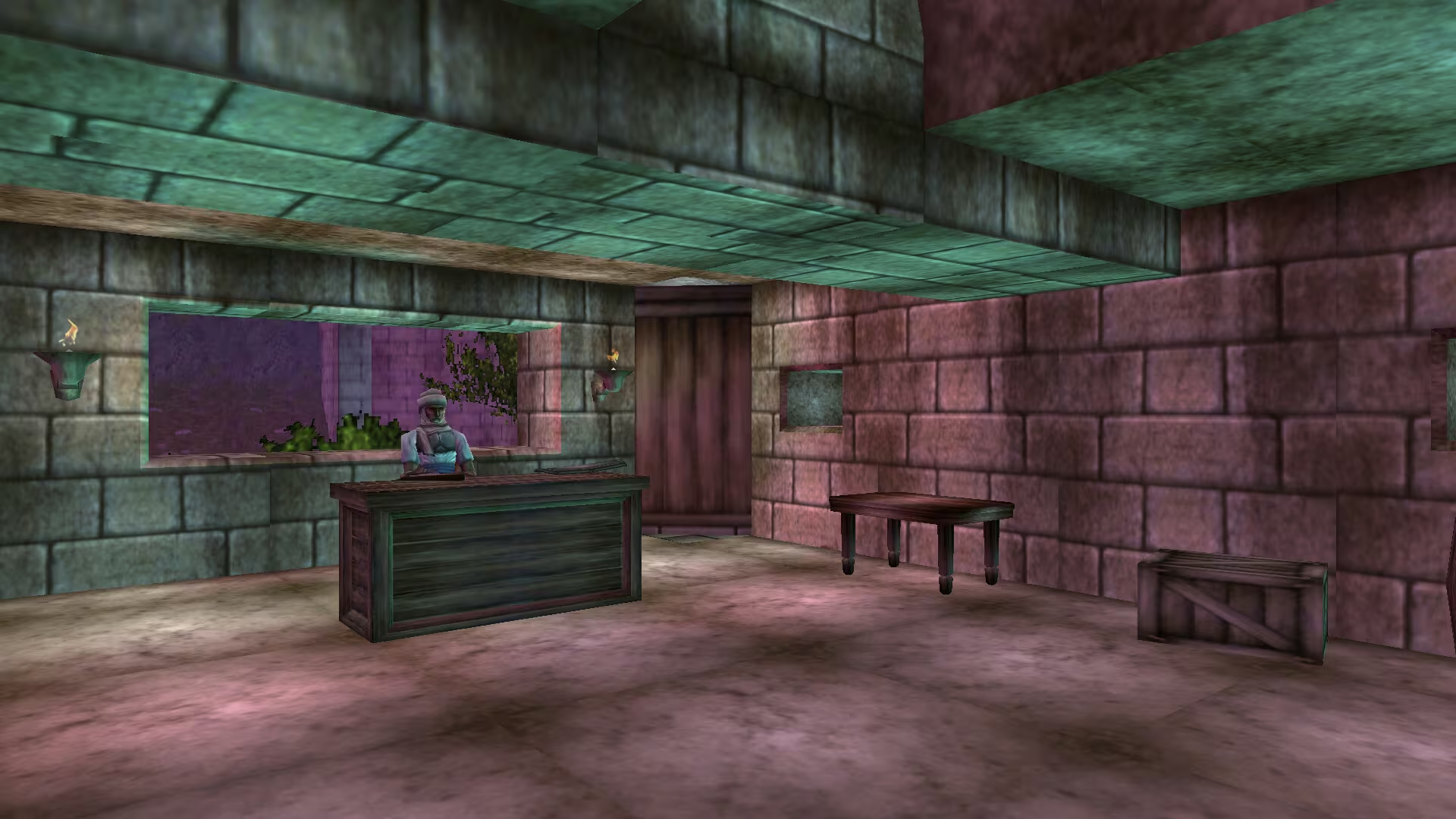
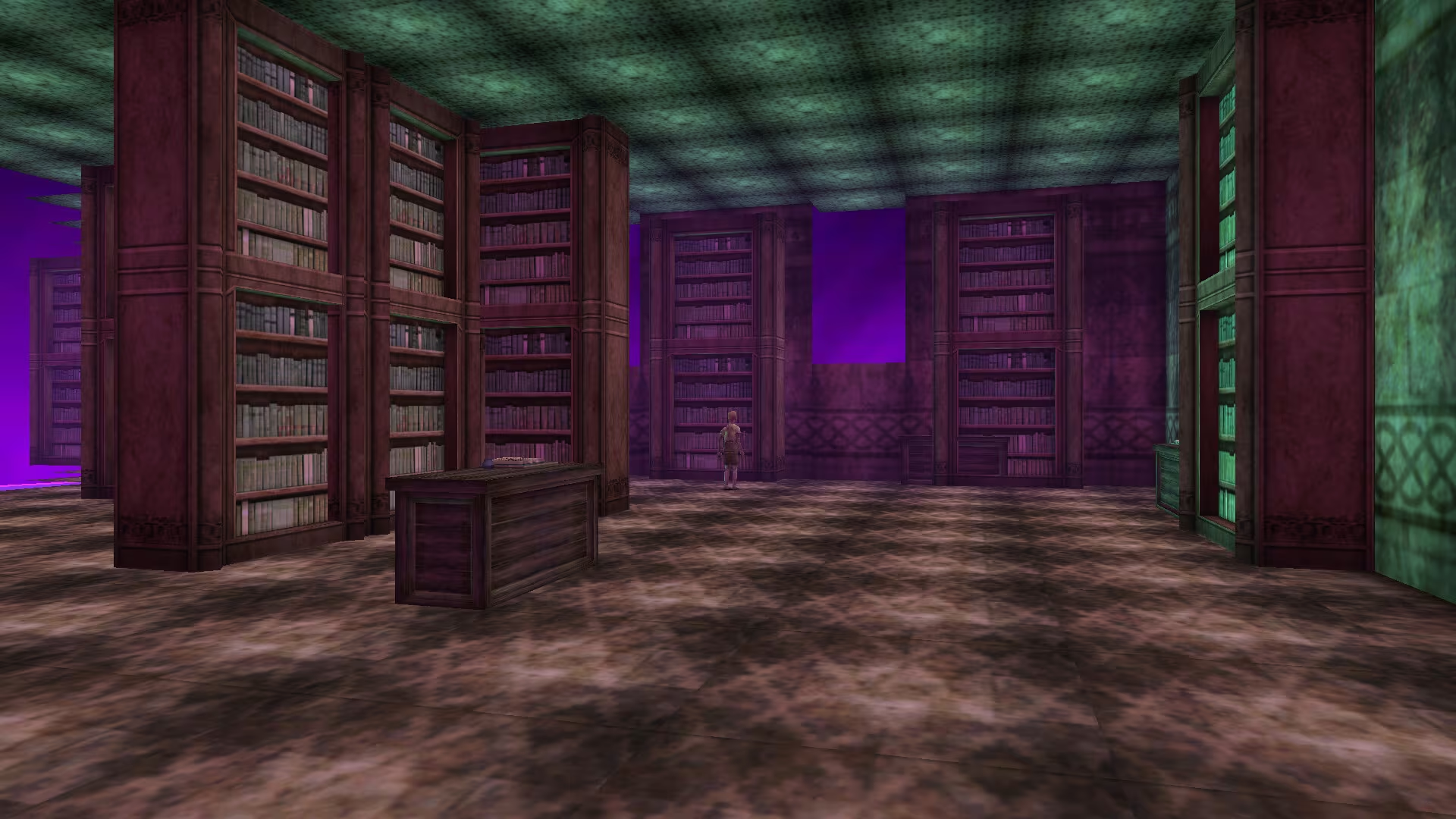
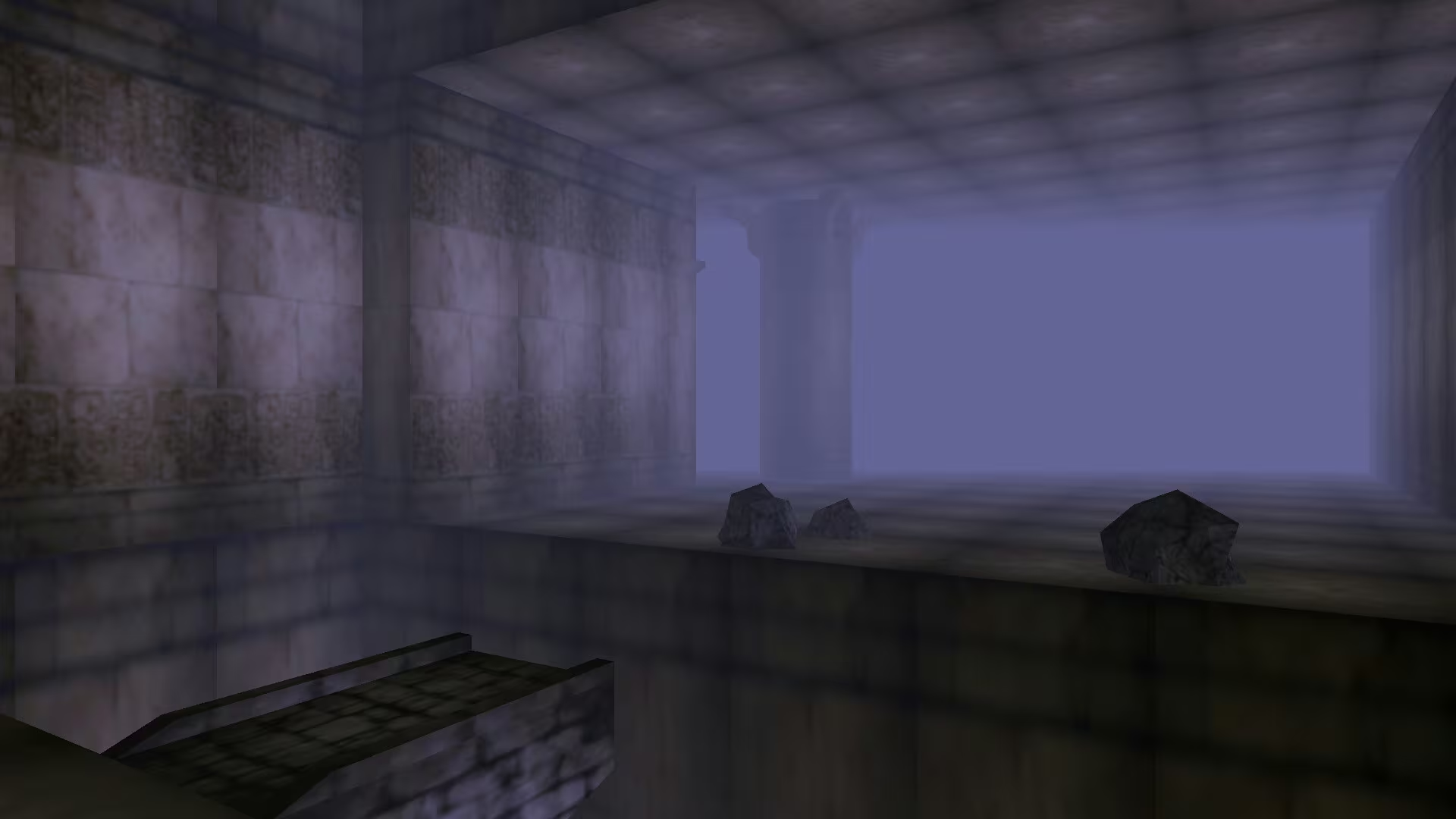
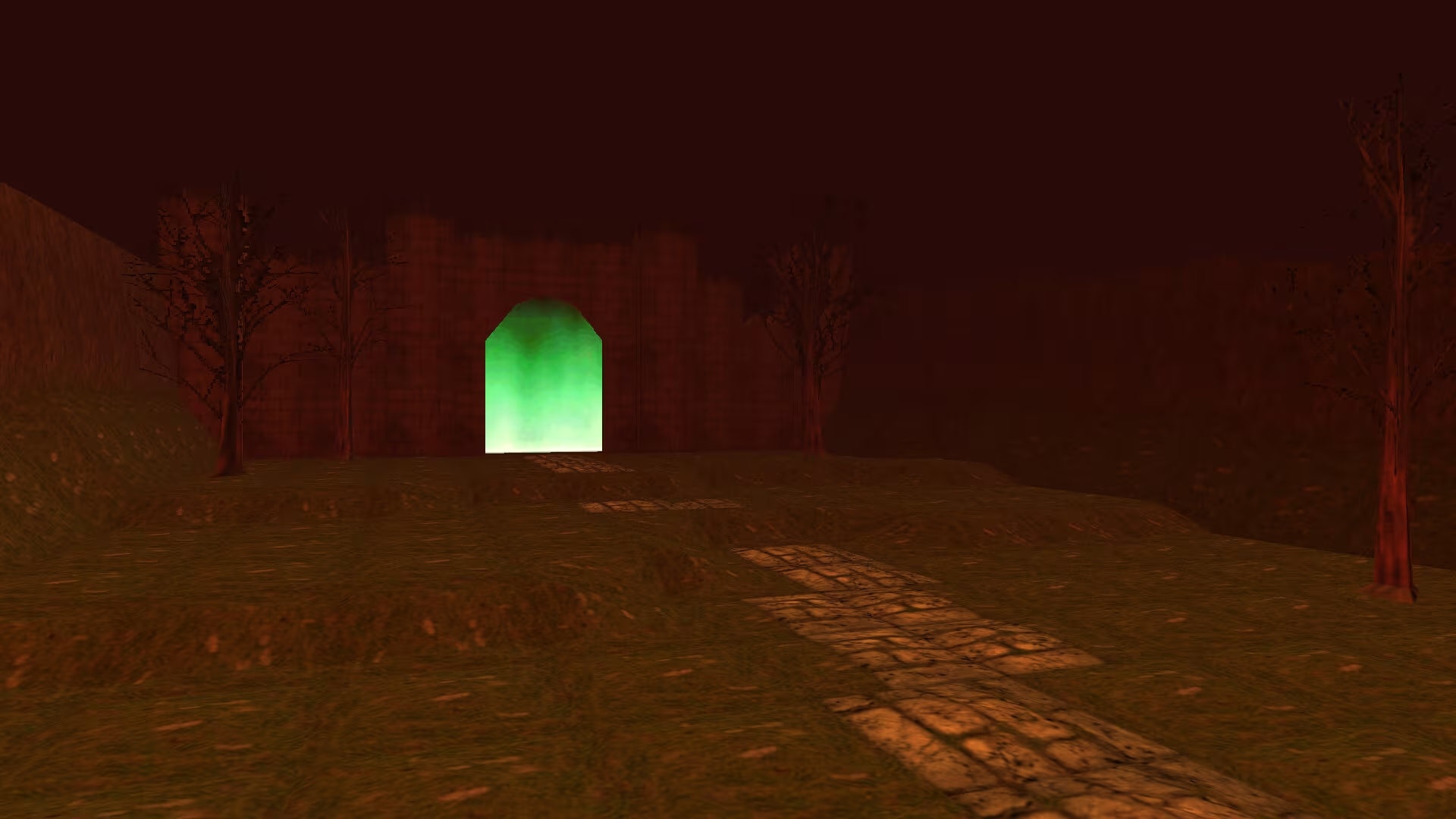
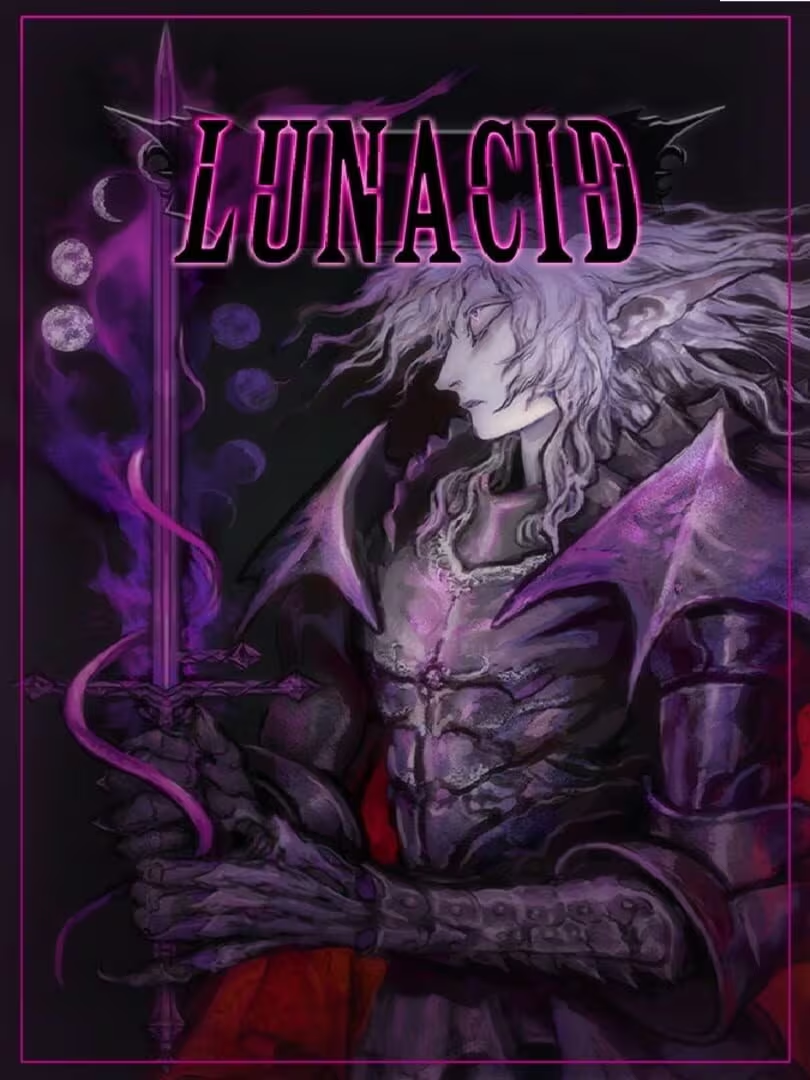
Lunacid: Tears of the Moon is a First Person Dungeon Crawler made with the Sword of Moonlight - King’s Field making tool from 2000. Explore various dungeons for powerful weapons and spells to forestall the previsioned end of the world.

Global score

79/100

Genres

Indie, Simulator, Free To Play

Similar games

    Pros

    • Authentic king's field style gameplay and atmosphere
    • Free to play with substantial content
    • Strong nostalgic and immersive world-building
    • Engaging exploration and secret discovery
    • Well-crafted soundtrack and art direction

    Cons

    • Clunky and outdated controls requiring setup
    • Game closes on death causing inconvenience
    • Limited character customization and replayability
    • Some technical issues and engine limitations
    • Combat can become easy and repetitive

    Analysis

    Broadly representative of its motivational profile, with a few distinct shifts. Motivations that often define this kind of title include Fellowship, Cooperation, Leadership, Violence. Here, the score leans higher than usual among comparable games on Exploration. It leans lower than usual among comparable games on Expression, Continuation.

    How to use the graph
    Similar games map

    Each dot is a game. They are arranged from the same motivation profile as in the “Motivations” section below. Closer dots usually mean more similar reasons to play (exploration, competition, relaxation, etc.)—not that one game is “better” than another.

    • Larger dot with a light outline: the game you are viewing.
    • Colour: groups of games with comparable motivation patterns (statistical clusters).
    • Hover a dot to see the game name; click to open its page.
    • Scroll or double-click the chart to zoom out and see more games.

    Why don’t the axes read like a score? This view uses t-SNE: it only keeps who is close to whom. The scales are not “good to bad” or hours played—they separate groups on the map. Read distance between dots, not the axis numbers.

    Motivations

    • Autonomy
      4

      "Players have freedom to explore dungeons, choose weapons and spells, and decide their approach to combat, despite some engine limitations."

    • Competence
      3

      "Combat requires skillful timing and strategic use of stamina and magic, with a learning curve for controls and enemy patterns."

    • Competition
      -4

      "Focus is on personal progression and exploration without competitive or ranked elements."

    • Continuation
      2

      "Players report wanting to get lost in the game for hours and replay it, though some find it short and easy."

    • Cooperation
      -5

      "Single-player experience with no multiplayer or cooperative gameplay."

    • Creativity
      2

      "Players engage in exploration and uncover secrets; limited character customization but some weapon and magic choices."

    • Domination
      -5

      "No evidence of exerting control or superiority over others; purely individual experience."

    • Escapism
      4

      "Strong nostalgic and immersive atmosphere provides a means to escape reality and experience a surreal world."

    • Expectation
      -4

      "Players engage voluntarily out of interest and passion for the genre and lore, not obligation."

    • Experimenting
      3

      "Players try different weapons, spells, and explore secrets; some experimentation with combat tactics."

    • Exploration
      5

      "Core gameplay revolves around discovering new areas, secrets, and lore within dungeons."

    • Expression
      -3

      "Limited character customization; mostly fixed character and preset aesthetics."

    • Fantasy
      4

      "Set in a fictional, surreal world with fantasy elements, magic, and mythical lore."

    • Fellowship
      -5

      "No social or community features; solo play only."

    • Growth
      3

      "Players improve skills, learn enemy patterns, and progress through levels, though RPG elements are simplified."

    • Health
      -5

      "Sedentary gameplay with no physical activity or health-related features."

    • Idle
      -4

      "Requires focused attention due to combat and exploration; not a casual or background game."

    • Intimacy
      -5

      "No evidence of close social relationships or emotional sharing; single-player only."

    • Leadership
      -5

      "No leadership or group management roles; individual gameplay."

    • Progression
      4

      "Players collect weapons, spells, and upgrades, progressing through the story and dungeons."

    • Relaxation
      2

      "Some players find the slow, methodical gameplay meditative and immersive, though others find it frustrating."

    • Sensation
      2

      "Atmospheric music and visuals provide sensory enjoyment, though graphics are dated by design."

    • Status
      -5

      "No social recognition or status systems present."

    • Story
      3

      "Narrative immersion through lore, NPC dialogues, and world-building, though story is simple and minimal."

    • Strategy
      3

      "Combat and exploration require tactical thinking, stamina management, and planning."

    • Thrill
      1

      "Some tension from combat and exploration, but overall difficulty is moderate and not highly suspenseful."

    • Value
      5

      "Completely free with a solid experience, providing excellent value for time invested."

    • Violence
      3

      "Combat involves melee and magic attacks against enemies, with some enjoyment of combat mechanics."

    • Survival
      2

      "Players manage health and stamina to avoid death, though difficulty is moderate and forgiving."

    Last update: 29/04/2026