A Bastard's Tale Thumbnail

A Bastard's Tale similar games & best alternatives

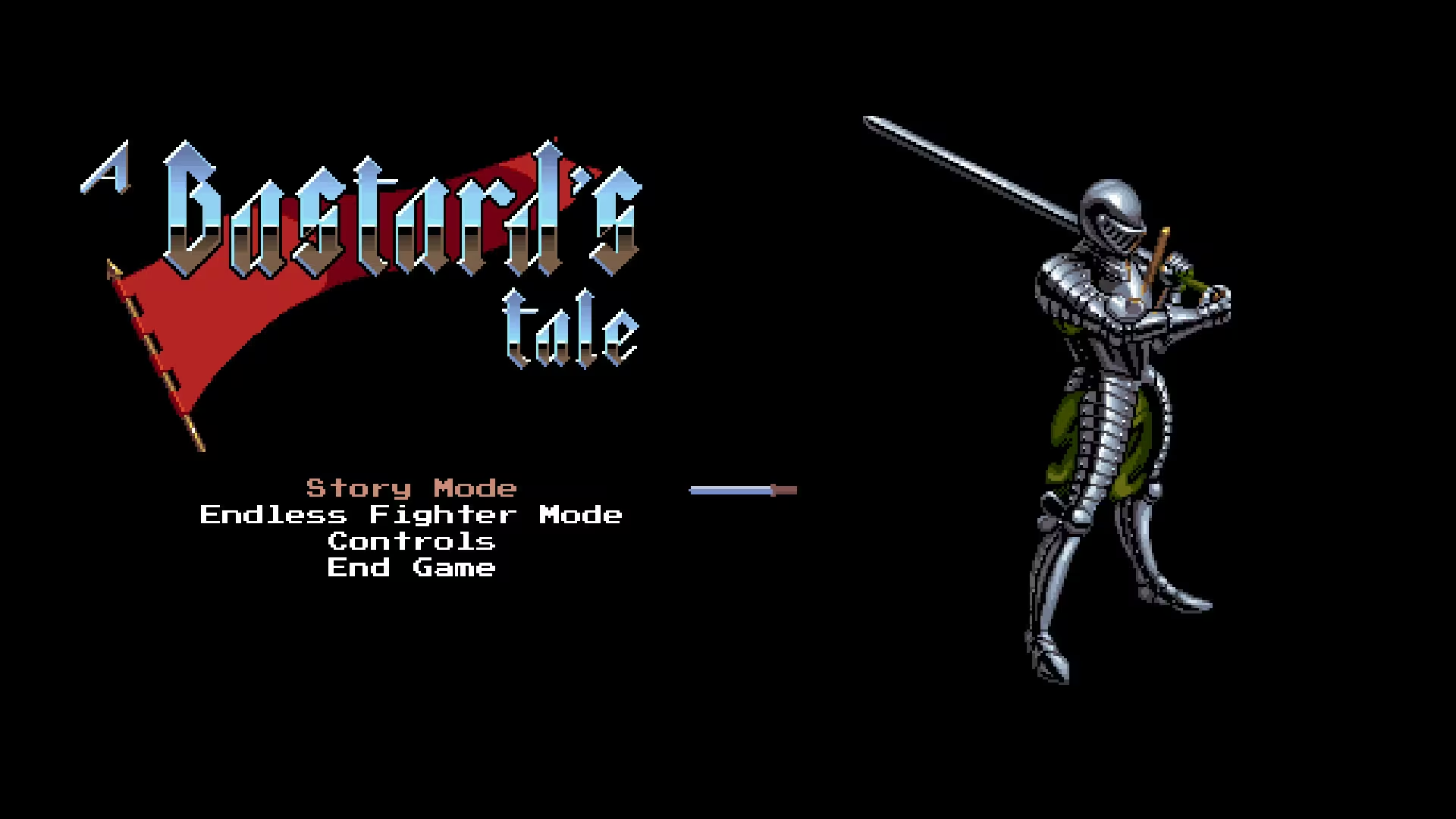
A Bastard's Tale

PC (Microsoft Windows), PlayStation 4 • 2015

Related articles

Quick resume

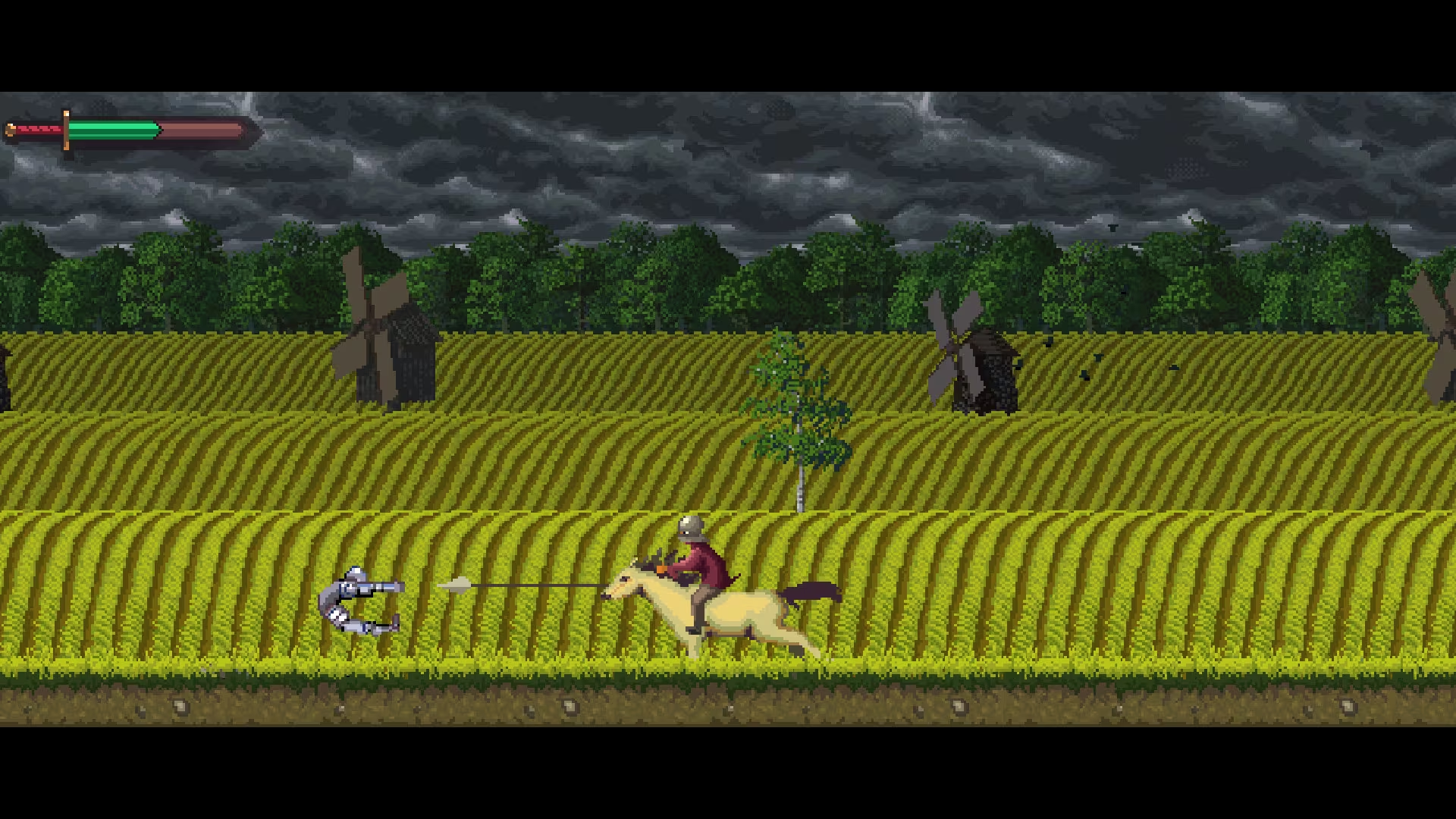
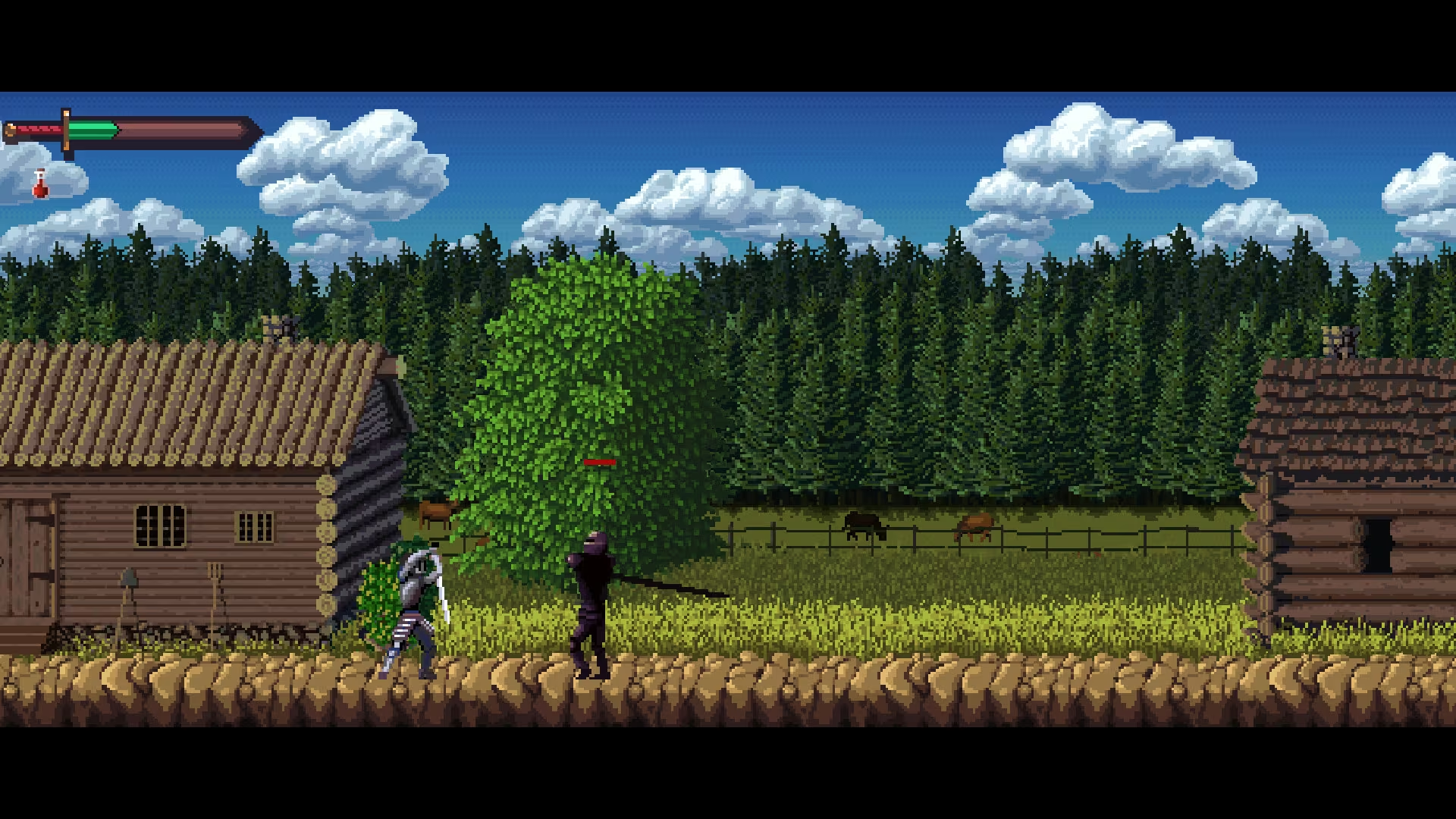
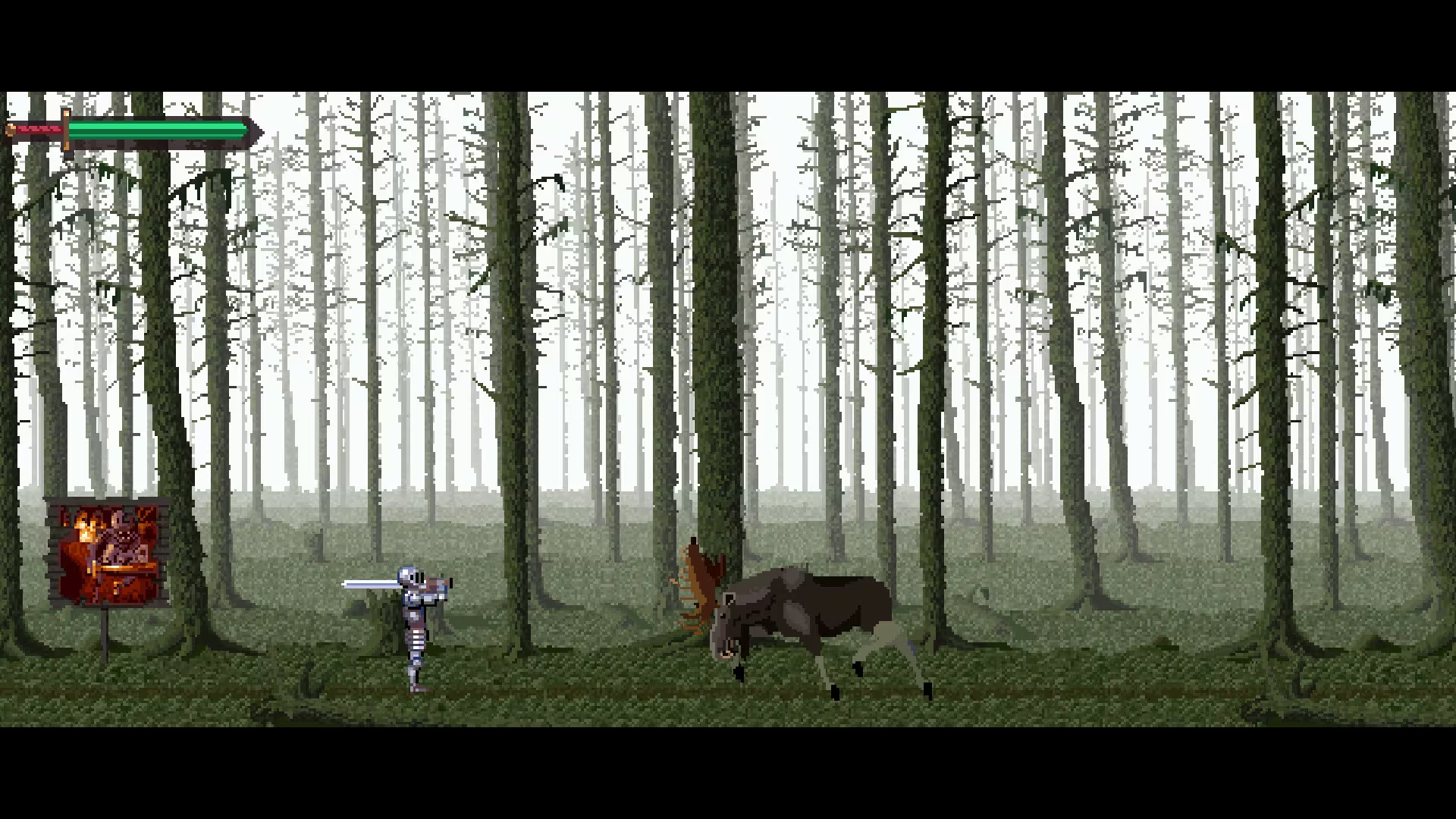
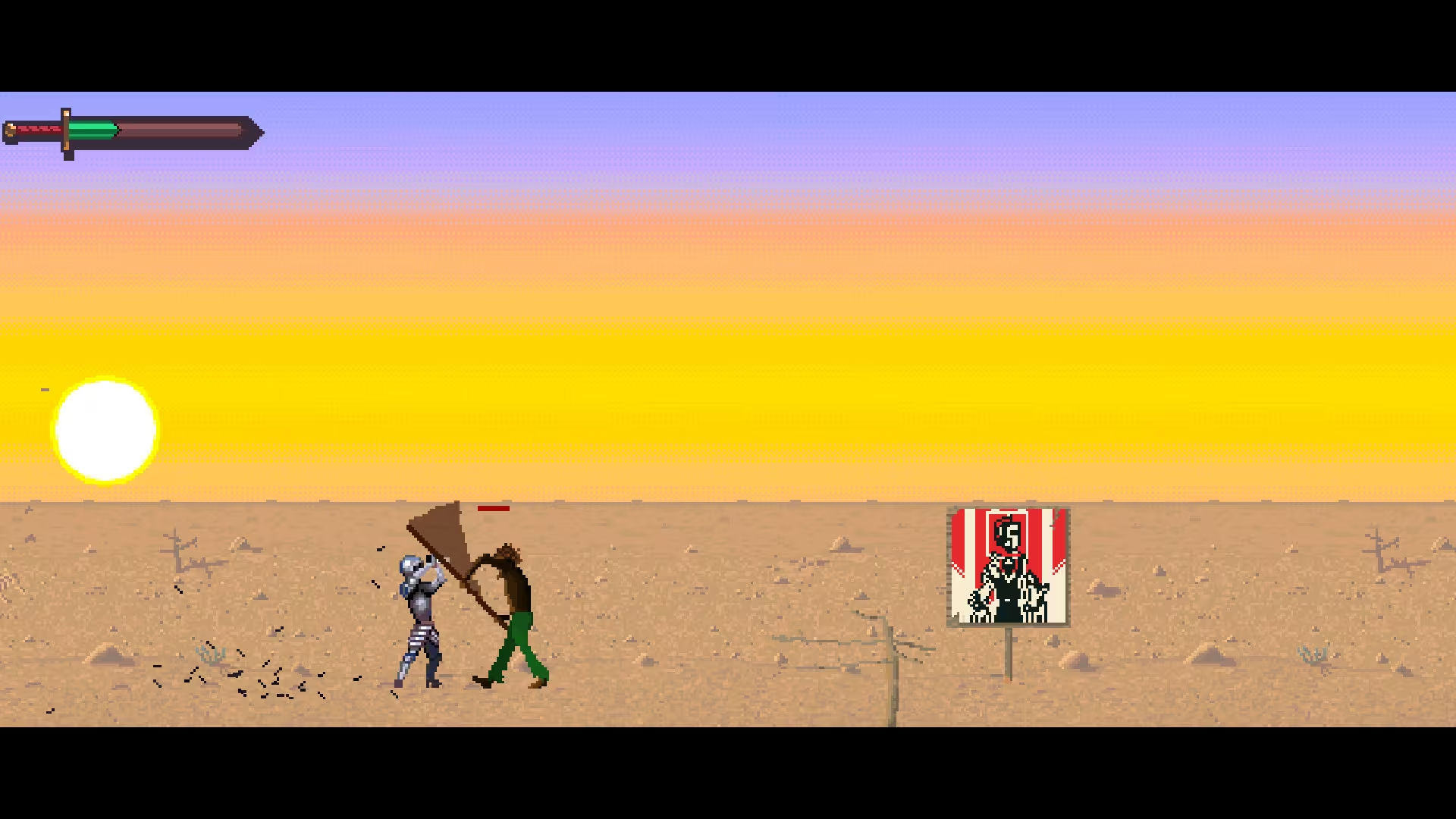
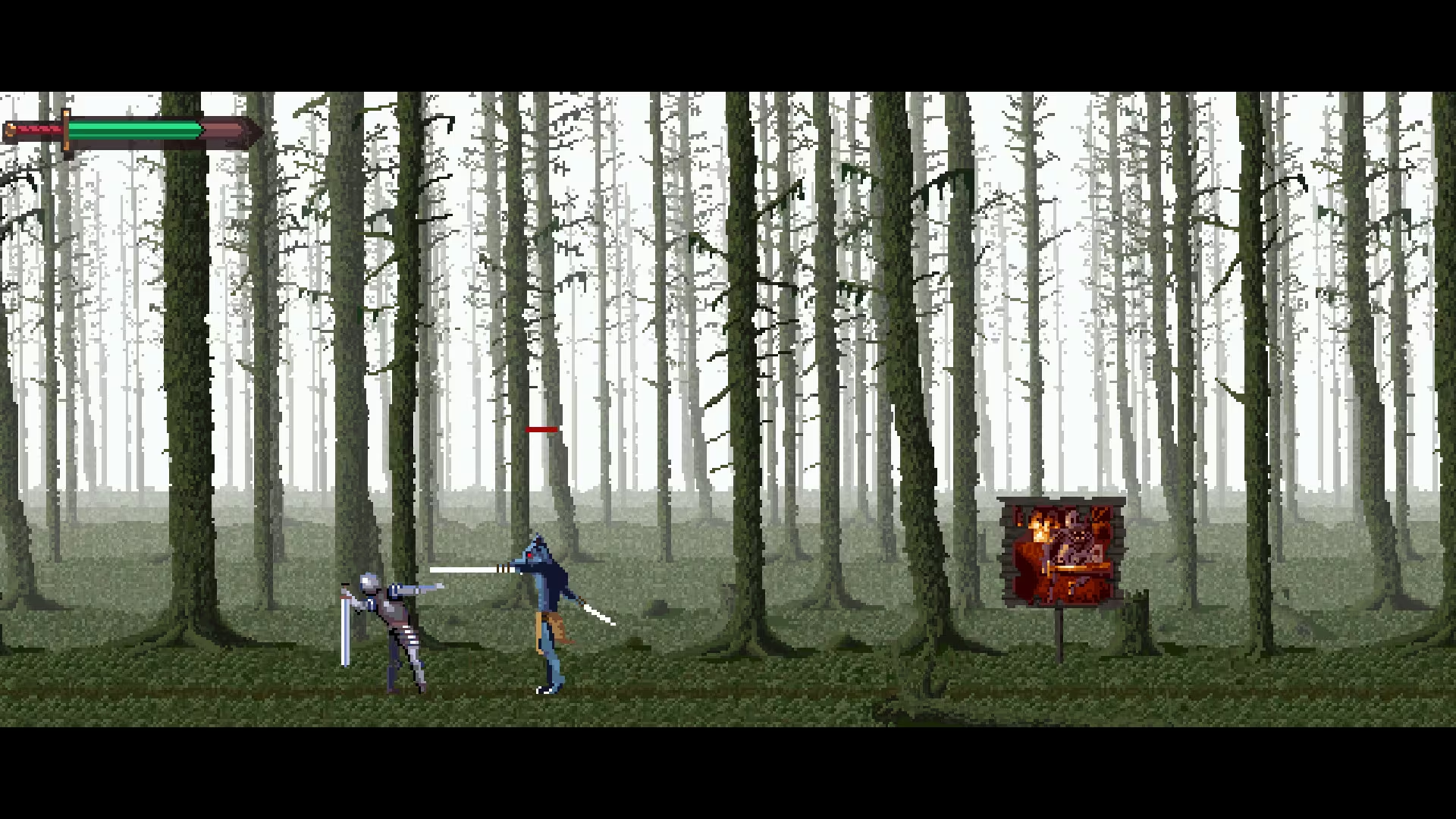
A game about parrying, attacking, and overcoming difficult foes

Global score

81/100

Genres

Action, Adventure, Indie, Arcade

Similar games

    Pros

    • Challenging and rewarding combat
    • Unique 3-directional attack and block mechanics
    • Atmospheric pixel art and music
    • Tight controls and satisfying gameplay
    • Affordable price

    Cons

    • Very high difficulty and frustration
    • Short game length and limited content
    • Lack of story and progression
    • Some control and readability issues
    • No multiplayer or social features

    Analysis

    Less representative of its motivational profile, with noticeable differences. Motivations that often define this kind of title include Creativity, Exploration, Expression, Story. Here, the score leans higher than usual among comparable games on Violence. It leans lower than usual among comparable games on Progression, Relaxation.

    How to use the graph
    Similar games map

    Each dot is a game. They are arranged from the same motivation profile as in the “Motivations” section below. Closer dots usually mean more similar reasons to play (exploration, competition, relaxation, etc.)—not that one game is “better” than another.

    • Larger dot with a light outline: the game you are viewing.
    • Colour: groups of games with comparable motivation patterns (statistical clusters).
    • Hover a dot to see the game name; click to open its page.
    • Scroll or double-click the chart to zoom out and see more games.

    Why don’t the axes read like a score? This view uses t-SNE: it only keeps who is close to whom. The scales are not “good to bad” or hours played—they separate groups on the map. Read distance between dots, not the axis numbers.

    Motivations

    • Autonomy
      4

      "Players control their own actions and decisions with no RPG progression or power-ups; success depends on player skill and learning enemy patterns."

    • Competence
      5

      "High skill ceiling with challenging combat requiring precise timing, reflexes, and pattern recognition; players improve through repeated attempts."

    • Competition
      -2

      "Focus is on personal mastery and overcoming challenges rather than direct competition with others; some leaderboard elements in endless mode."

    • Continuation
      3

      "Addictive and rewarding gameplay encourages repeated play despite frustration; some players report long sessions and multiple playthroughs."

    • Cooperation
      -5

      "Entirely single-player experience with no multiplayer or cooperative elements."

    • Creativity
      -4

      "Gameplay is based on fixed patterns and limited moves; no customization or modding; players follow established routines to progress."

    • Domination
      -5

      "No social dominance or power over others; interactions are solely between player and AI enemies."

    • Escapism
      3

      "Players use the game as a challenging distraction and stress outlet, escaping real life frustrations through intense gameplay."

    • Expectation
      -4

      "Players engage voluntarily for intrinsic challenge and enjoyment; no external pressure or obligation noted."

    • Experimenting
      2

      "Players experiment with timing and strategies to defeat enemies, but within a limited set of mechanics and fixed enemy behaviors."

    • Exploration
      -3

      "Levels are short and linear with no exploration or secrets; focus is on mastering combat rather than discovering new areas."

    • Expression
      -5

      "No character customization or visual expression; pixel art and animations are fixed and standardized."

    • Fantasy
      2

      "Medieval fantasy setting with knights and mythical enemies, but gameplay is grounded in realistic combat mechanics without heavy fantasy elements."

    • Fellowship
      -5

      "No social or community features; purely solo experience."

    • Growth
      4

      "Players develop personal skill and reflexes through repeated play and learning enemy patterns; no in-game character growth."

    • Health
      -4

      "Sedentary gameplay with potential for frustration and stress; no physical activity or health benefits."

    • Idle
      -4

      "Requires constant attention and focus; gameplay is intense and punishing with no idle or passive elements."

    • Intimacy
      -5

      "No social interaction or relationship building; purely individual play."

    • Leadership
      -5

      "No leadership or group management roles; single-player only."

    • Progression
      -4

      "No item or character progression; player skill is the only form of advancement."

    • Relaxation
      -3

      "Gameplay is tense and challenging, often causing frustration; some players find satisfaction and flow after mastering mechanics."

    • Sensation
      3

      "Enjoyable pixel art, sound effects, and music provide sensory stimulation; combat excitement adds emotional engagement."

    • Status
      -5

      "No social recognition or status systems; achievements are personal and not widely visible."

    • Story
      -4

      "Minimal story with no narrative depth; focus is on gameplay rather than plot or lore."

    • Strategy
      4

      "Requires strategic thinking to read enemy patterns and time attacks and blocks effectively."

    • Thrill
      4

      "High tension and thrill from difficult combat and risk of failure; players experience adrenaline and relief upon success."

    • Value
      2

      "Affordable price with good challenge value; some complaints about short length and limited content."

    • Violence
      4

      "Combat-focused game with sword fighting and enemy destruction as core mechanics."

    • Survival
      4

      "Players must avoid death and manage limited health resources; failure results in restarting levels."

    Last update: 29/04/2026