Among the Sleep - Enhanced Edition Thumbnail

Among the Sleep - Enhanced Edition similar games & best alternatives
Among the Sleep - Enhanced Edition

PC (Microsoft Windows), Mac, PlayStation 4, Xbox One, Android, Nintendo Switch, Linux • 2014

Related articles

Quick resume

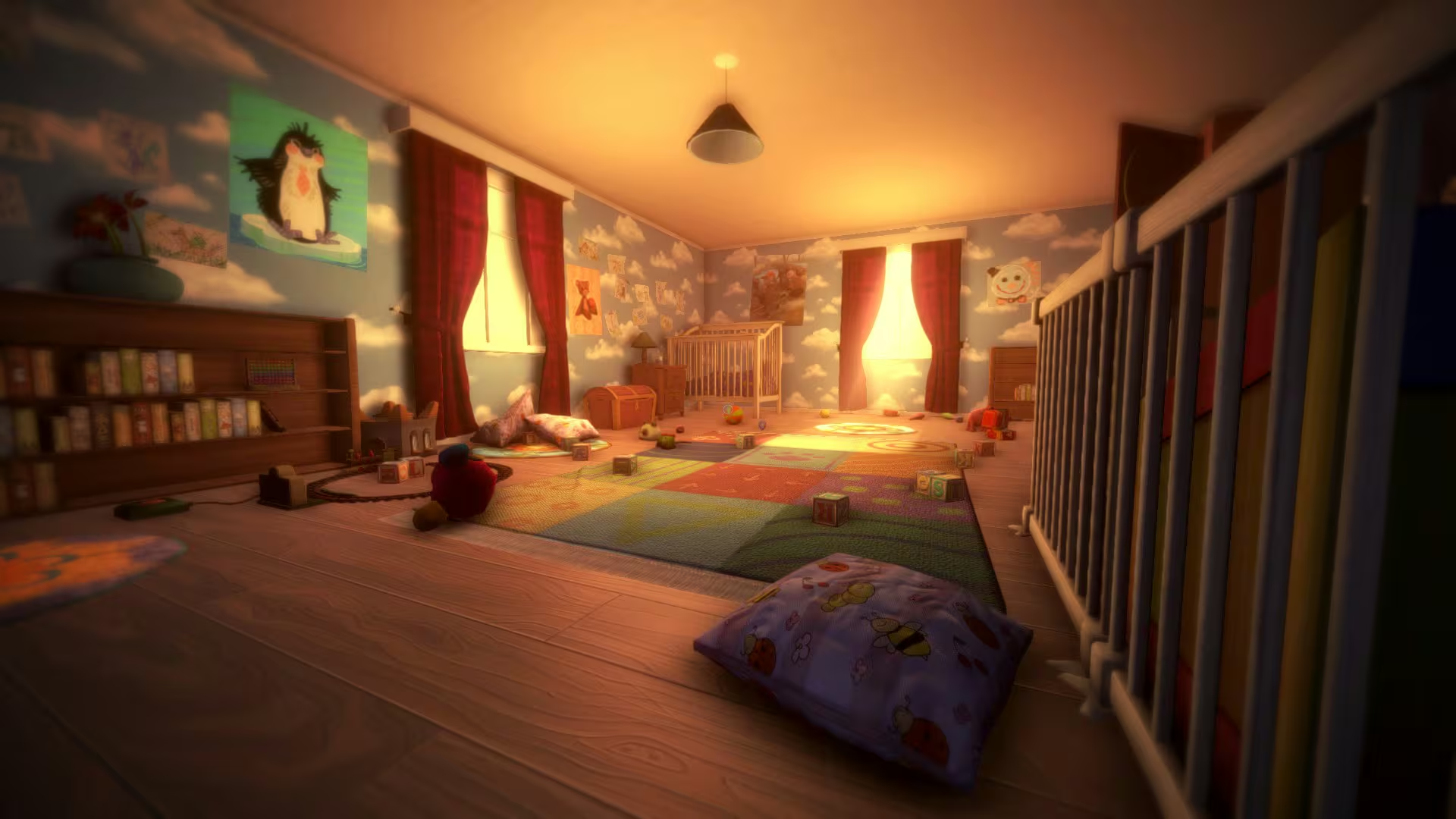
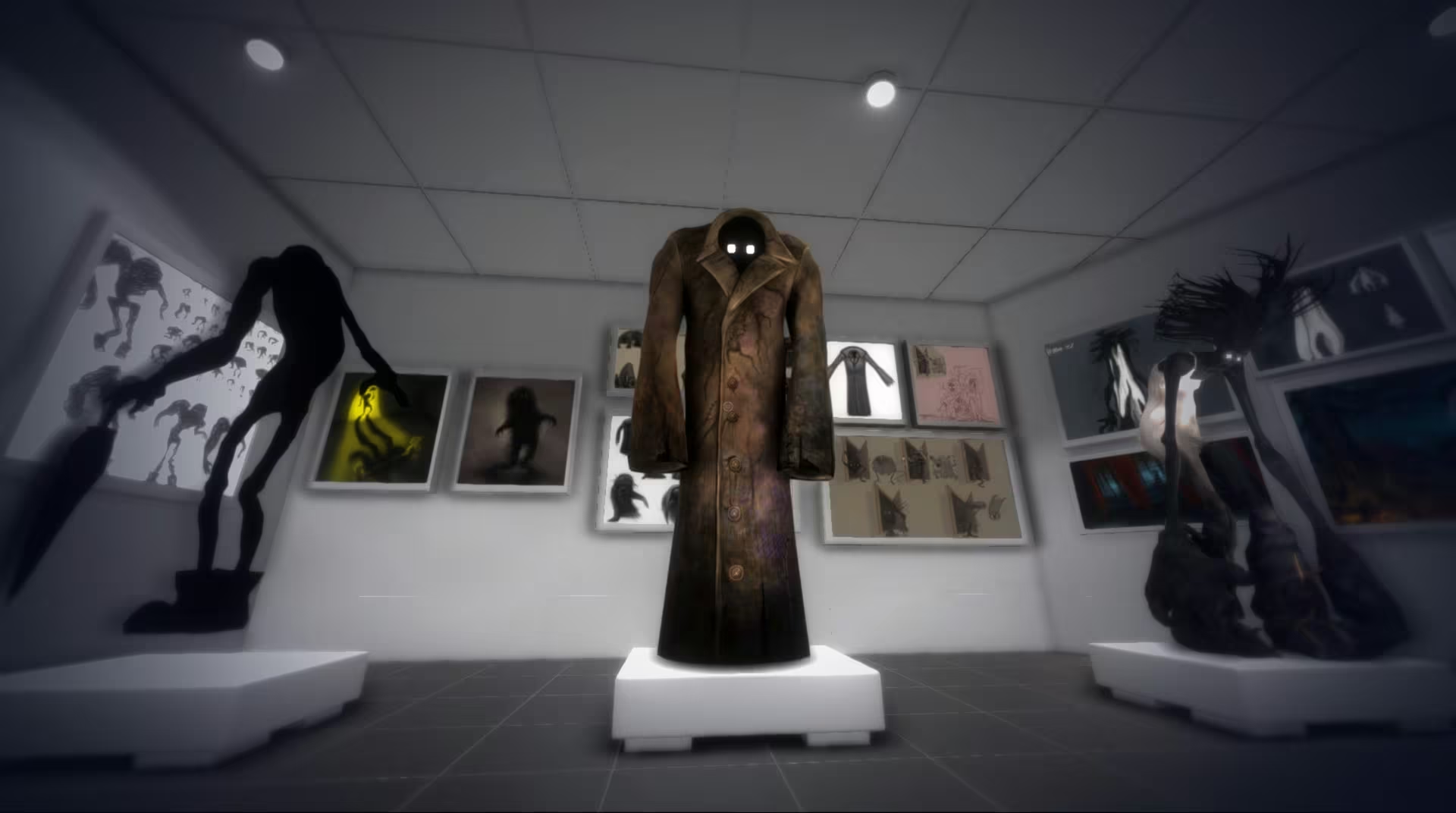
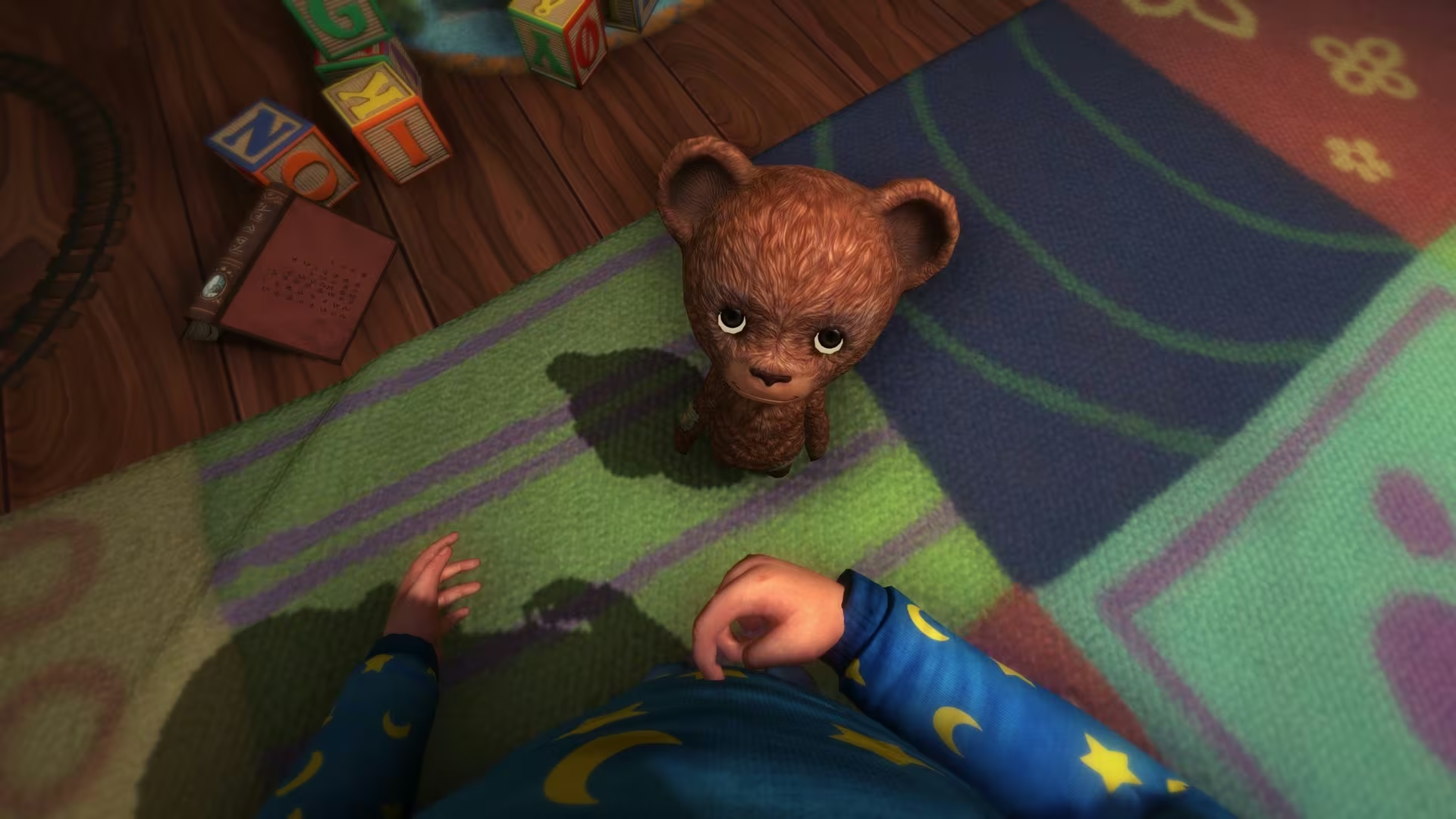
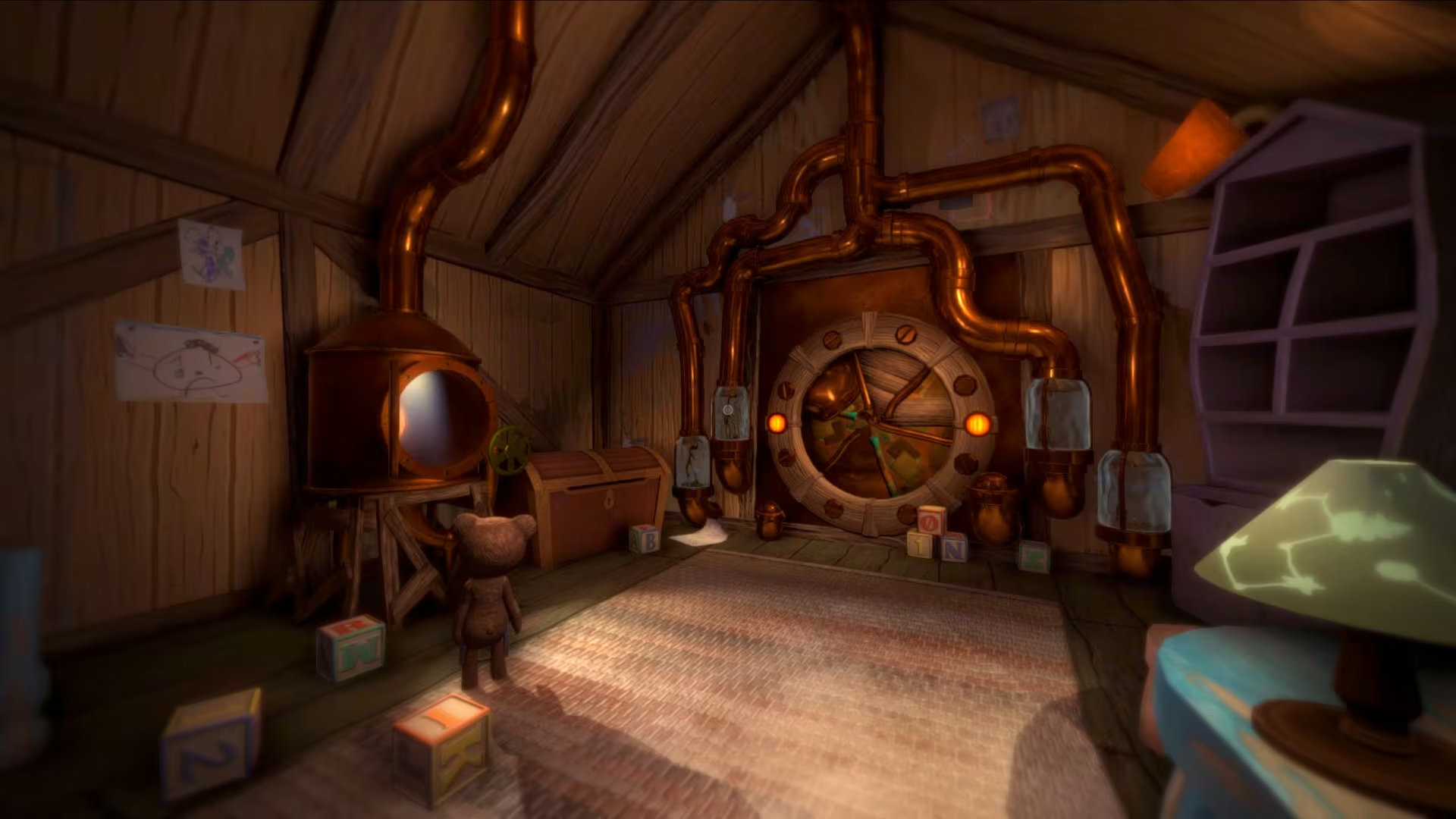
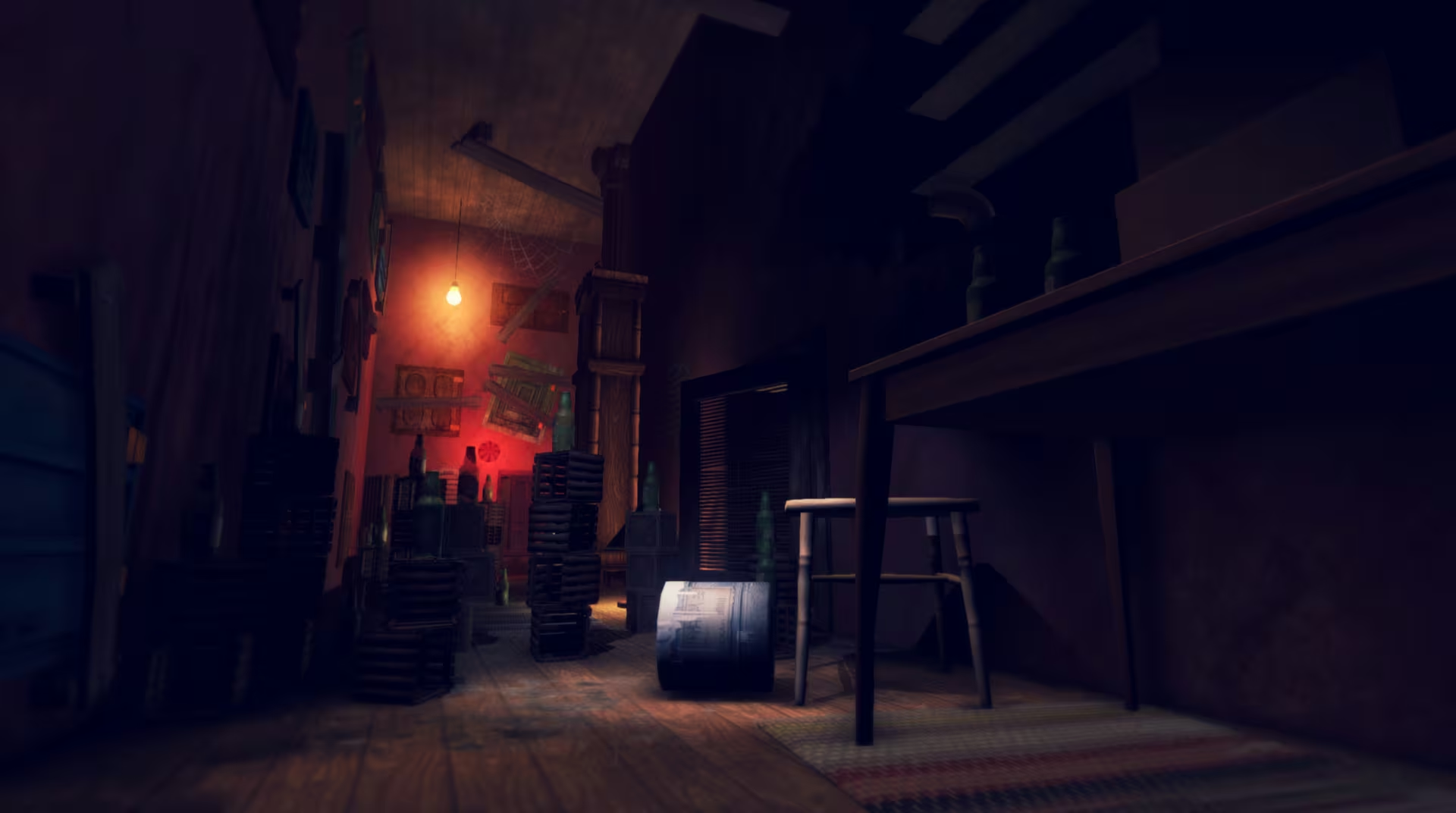
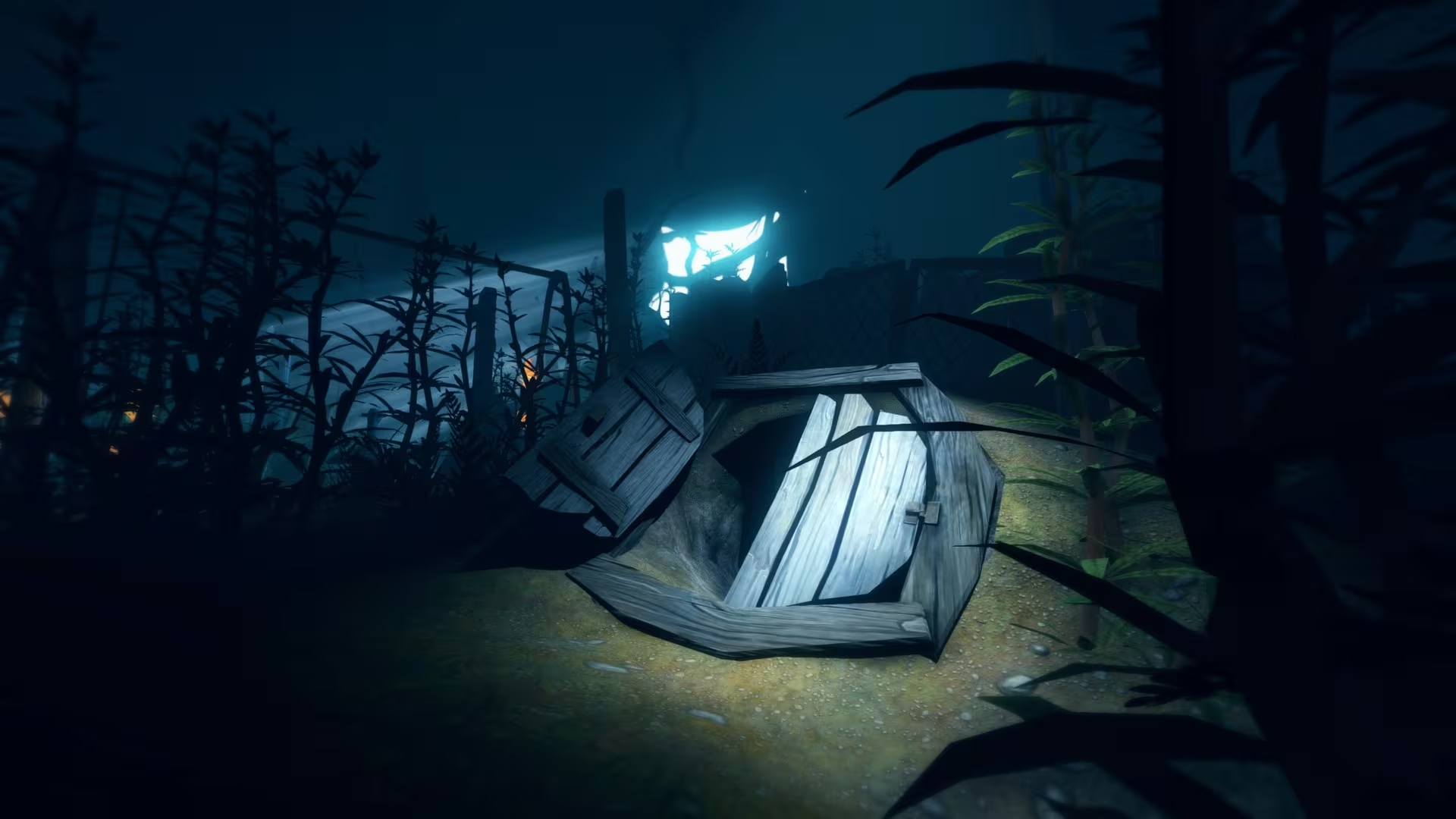
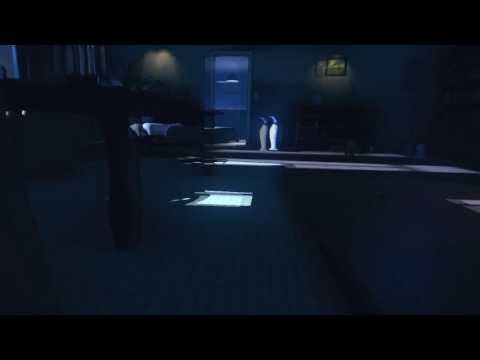
Among the Sleep: Enhanced Edition is a new and improved version of the award winning first person horror adventure. In the game you play as a small child trapped in a weird nightmare where you go looking for your mom.

Global score

89/100

Genres

Action, Adventure, Indie, Puzzle

Similar games

    Pros

    • Unique toddler perspective
    • Strong atmosphere and sound design
    • Emotional and meaningful story
    • Creative and immersive environments
    • Simple but effective gameplay mechanics

    Cons

    • Short playtime (2-4 hours)
    • Some bugs and control clunkiness
    • Limited replay value
    • Price considered high by some
    • Minimal gameplay complexity

    Analysis

    Less representative of its motivational profile, with noticeable differences. Motivations that often define this kind of title include Expression, Fellowship, Cooperation, Competition. Here, the score leans higher than usual among comparable games on Intimacy. It leans lower than usual among comparable games on Violence, Continuation.

    How to use the graph
    Similar games map

    Each dot is a game. They are arranged from the same motivation profile as in the “Motivations” section below. Closer dots usually mean more similar reasons to play (exploration, competition, relaxation, etc.)—not that one game is “better” than another.

    • Larger dot with a light outline: the game you are viewing.
    • Colour: groups of games with comparable motivation patterns (statistical clusters).
    • Hover a dot to see the game name; click to open its page.
    • Scroll or double-click the chart to zoom out and see more games.

    Why don’t the axes read like a score? This view uses t-SNE: it only keeps who is close to whom. The scales are not “good to bad” or hours played—they separate groups on the map. Read distance between dots, not the axis numbers.

    Motivations

    • Autonomy
      3

      "Players control a toddler with limited abilities but can choose how to explore and interact with the environment, including crawling or walking."

    • Competence
      2

      "Gameplay involves simple puzzles and exploration with some stealth elements; challenges are moderate but not highly complex."

    • Competition
      -5

      "No competitive elements; focus is on personal experience and story progression."

    • Continuation
      -3

      "Game is short (2-4 hours), with limited replay value; players often complete in one or two sittings."

    • Cooperation
      -5

      "Single-player experience with no multiplayer or cooperative gameplay."

    • Creativity
      4

      "Unique perspective as a toddler, imaginative environments reflecting childlike perception and fears."

    • Domination
      -5

      "No elements of exerting control or superiority over others; cooperative and equal interactions absent."

    • Escapism
      4

      "Strong immersion into a child's fearful imagination and psychological horror, providing escape from reality."

    • Expectation
      -4

      "Players engage voluntarily driven by interest in unique horror experience and story."

    • Experimenting
      2

      "Some exploration and puzzle solving encourage trying different approaches, though gameplay is mostly guided."

    • Exploration
      3

      "Players explore various surreal and symbolic environments from a toddler's perspective."

    • Expression
      -3

      "Limited character customization; focus is on experiencing the story rather than personal expression."

    • Fantasy
      3

      "Game presents a surreal, imaginative world filtered through a child's mind, blending reality and fantasy."

    • Fellowship
      -5

      "Solo play with minimal social interaction or community involvement."

    • Growth
      3

      "Players learn to navigate the world as a toddler and uncover story elements, encouraging reflection."

    • Health
      -5

      "Sedentary gameplay with no physical activity or health-related mechanics."

    • Idle
      -3

      "Requires focused attention to progress; not designed for casual or background play."

    • Intimacy
      2

      "Emotional connection to story and characters, especially the toddler and teddy bear companion."

    • Leadership
      -5

      "No leadership or management roles; player follows a linear narrative."

    • Progression
      3

      "Progression through story and puzzle completion with collectible drawings enhancing understanding."

    • Relaxation
      -2

      "Tense atmosphere and suspenseful moments create emotional strain rather than relaxation."

    • Sensation
      3

      "Strong sensory immersion through sound design, lighting, and atmospheric effects."

    • Status
      -5

      "No social status or recognition systems present."

    • Story
      5

      "Narrative-driven game with emotional, psychological story explored through environment and gameplay."

    • Strategy
      1

      "Simple puzzle solving and stealth elements require some planning but no deep strategic complexity."

    • Thrill
      3

      "Suspense and psychological horror create moments of tension and fear."

    • Value
      -2

      "Game is short and some players feel price is high relative to playtime."

    • Violence
      -5

      "No combat or destructive gameplay; focus on exploration and evasion."

    • Survival
      3

      "Avoiding threats and hiding from monsters is a key gameplay element."

    Last update: 29/04/2026