Artemis Spaceship Bridge Simulator Thumbnail

Artemis Spaceship Bridge Simulator similar games & best alternatives
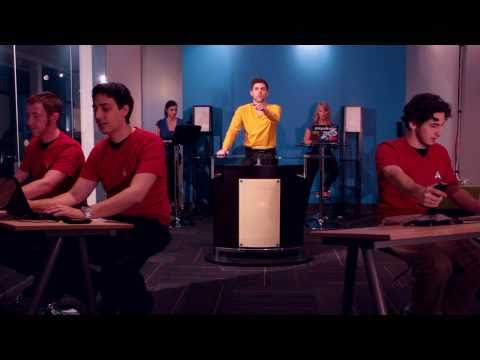
Artemis Spaceship Bridge Simulator

PC (Microsoft Windows), iOS, Android • 2013

Related articles

Quick resume

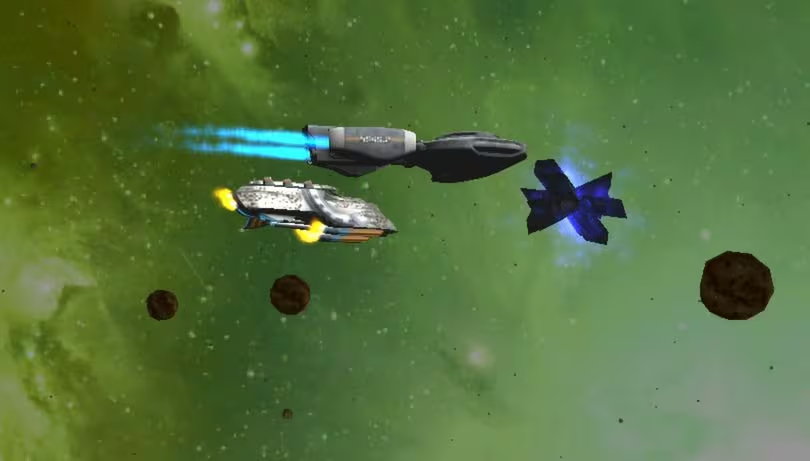
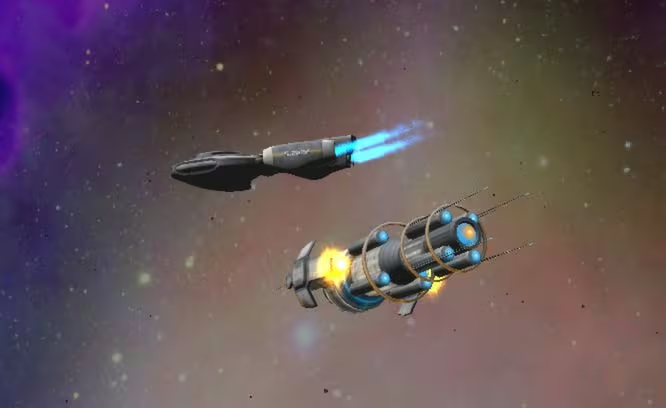
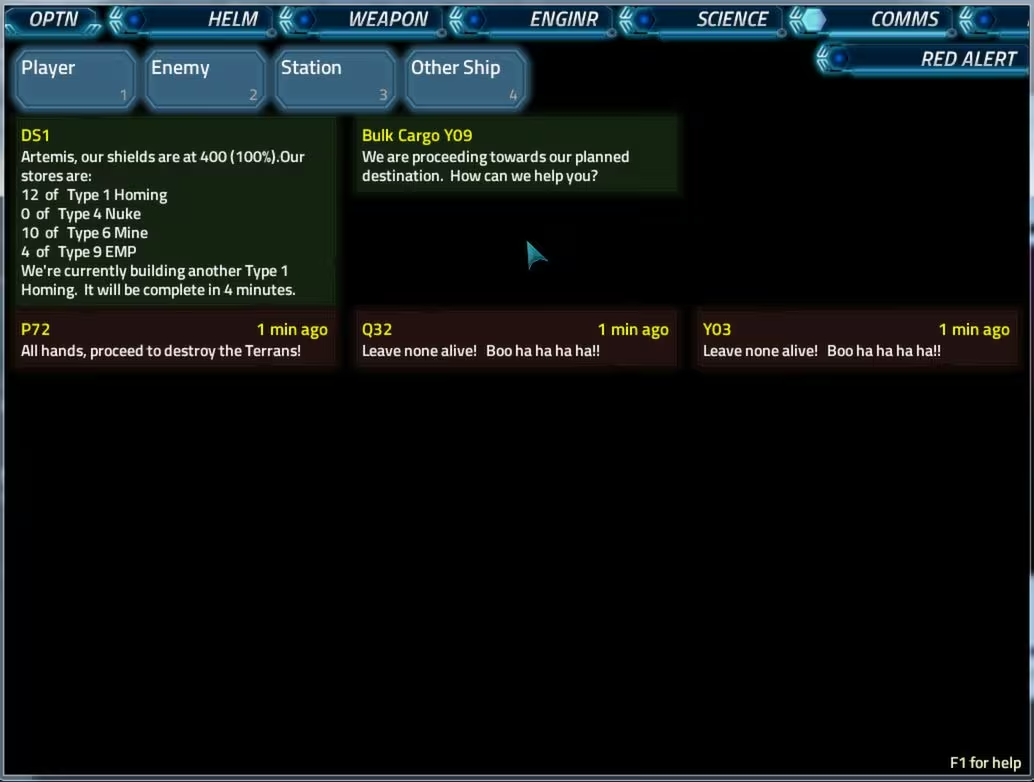
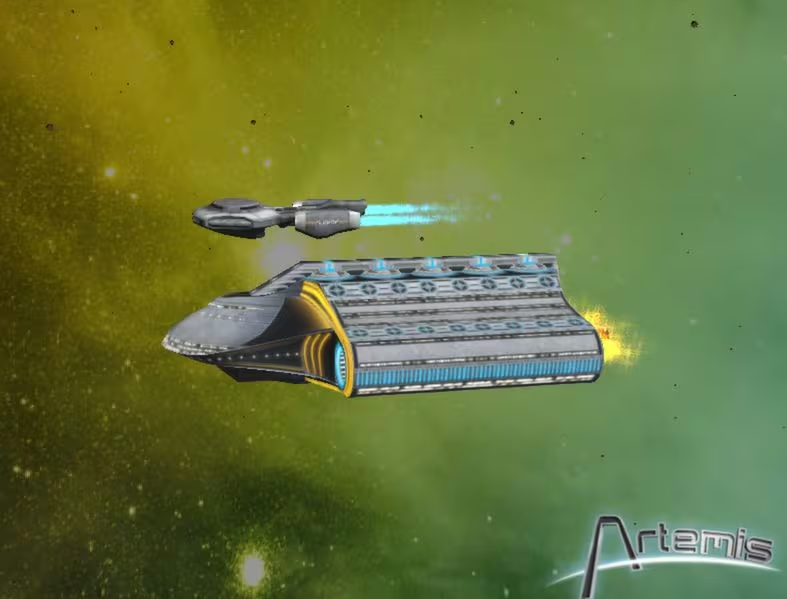
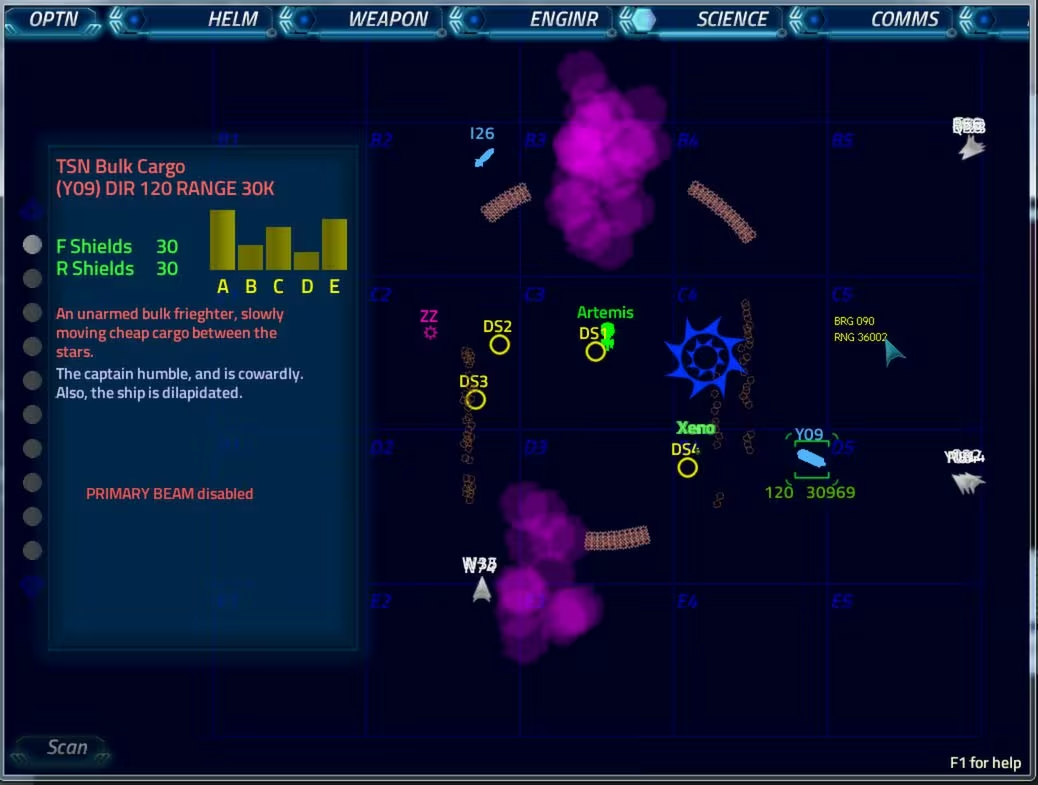
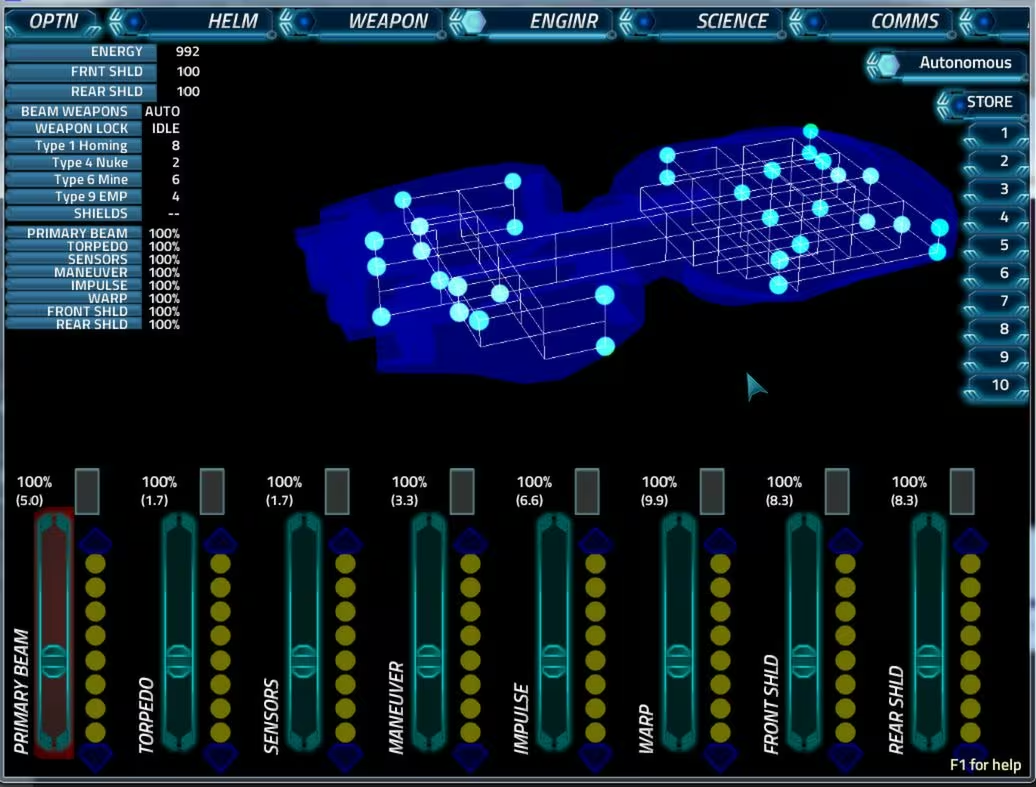
Artemis is designed for anyone who watched Star Trek and dreamed of what it would be like to sit on the bridge of a star ship. Artemis simulates a spaceship bridge by networking several computers together. You cannot play Artemis single-player!

Global score

90/100

Genres

Action, Indie, Simulator, Real Time Strategy (RTS)

Similar games

    Pros

    • Unique cooperative gameplay
    • Strong team communication
    • Low hardware requirements
    • Active and friendly community
    • Affordable price

    Cons

    • Requires multiple players to enjoy
    • No native voice chat
    • Limited single player options
    • Some technical setup complexity
    • Basic graphics and ui

    Analysis

    Broadly representative of its motivational profile, with a few distinct shifts. Motivations that often define this kind of title include Cooperation, Fellowship, Intimacy, Leadership. Here, the score leans higher than usual among comparable games on Leadership, Status, Competition.

    How to use the graph
    Similar games map

    Each dot is a game. They are arranged from the same motivation profile as in the “Motivations” section below. Closer dots usually mean more similar reasons to play (exploration, competition, relaxation, etc.)—not that one game is “better” than another.

    • Larger dot with a light outline: the game you are viewing.
    • Colour: groups of games with comparable motivation patterns (statistical clusters).
    • Hover a dot to see the game name; click to open its page.
    • Scroll or double-click the chart to zoom out and see more games.

    Why don’t the axes read like a score? This view uses t-SNE: it only keeps who is close to whom. The scales are not “good to bad” or hours played—they separate groups on the map. Read distance between dots, not the axis numbers.

    Motivations

    • Autonomy
      4

      "Players control distinct ship stations with unique responsibilities, requiring independent decisions within a cooperative framework."

    • Competence
      4

      "Players engage in skillful management of ship systems, coordination, and tactical combat requiring learning and mastery."

    • Competition
      1

      "Some modes support PvP and leaderboards, but primary focus is cooperative play rather than direct competition."

    • Continuation
      3

      "Players often engage in long sessions and repeated play, especially in LAN parties or scheduled community events."

    • Cooperation
      5

      "Core gameplay revolves around teamwork and communication among multiple players manning different ship stations."

    • Creativity
      2

      "Players can customize scenarios and mods exist, but core gameplay follows predefined ship roles and mechanics."

    • Domination
      -3

      "Interactions emphasize shared decision-making and mutual respect rather than exerting control over others."

    • Escapism
      4

      "Players use the game to immerse themselves in a sci-fi starship environment, escaping real life through roleplay."

    • Expectation
      -4

      "Players engage voluntarily out of intrinsic interest and social desire rather than obligation or pressure."

    • Experimenting
      3

      "Players explore different roles, tactics, and custom scenarios, encouraging experimentation within the game."

    • Exploration
      1

      "Limited exploration of space environment; gameplay mostly involves known sectors and combat scenarios."

    • Expression
      1

      "Some cosmetic mods exist but player expression mainly occurs through roleplay and communication rather than customization."

    • Fantasy
      5

      "Strongly based on sci-fi fantasy, simulating starship bridge roles and space combat in an imaginative setting."

    • Fellowship
      5

      "Strong community focus with social interaction, shared identity, and collaborative achievements."

    • Growth
      3

      "Players develop skills in communication, coordination, and role mastery over time."

    • Health
      -4

      "Primarily sedentary gameplay with no physical activity or health-related features."

    • Idle
      -3

      "Requires focused attention and continuous engagement from all players during sessions."

    • Intimacy
      3

      "Players form close social bonds through teamwork and voice communication, though emotional sharing is limited."

    • Leadership
      4

      "Captain role involves directing the crew and making strategic decisions, embodying leadership."

    • Progression
      2

      "Some progression through mission completion and upgrades, but limited compared to typical RPGs."

    • Relaxation
      1

      "Gameplay can be tense and fast-paced, but also includes moments of flow and social enjoyment."

    • Sensation
      1

      "Basic graphics and sound provide moderate sensory stimulation focused on gameplay clarity."

    • Status
      1

      "Some recognition within community groups, but no formal ranking or social status systems."

    • Story
      2

      "Includes scripted missions and custom scenarios with narrative elements, though core gameplay is mission-based."

    • Strategy
      4

      "Requires tactical planning, resource management, and coordinated problem solving among players."

    • Thrill
      3

      "Combat and mission challenges create suspense and excitement during gameplay."

    • Value
      4

      "Highly praised for low price and replayability, offering strong return on time and money invested."

    • Violence
      3

      "Combat and destruction are central gameplay elements, including weapons firing and ship damage."

    • Survival
      3

      "Players must manage threats, damage control, and resource allocation to keep the ship operational."

    Last update: 29/04/2026