Bō: Path of the Teal Lotus similar games & best alternatives
Should you play it?
Flow gracefully through a colorful, hand-drawn 2.5D action platformer inspired by Japanese folklore. Engage in acrobatic aerial combat, unlock powerful mystical abilities, and explore an interconnected world of myth as you seek to unravel the mysteries of your origin.
What works
- Beautiful art and music
- Fluid and satisfying aerial combat
- Challenging platforming and boss fights
- Engaging japanese folklore setting
- Customizable charm and upgrade system
Things to keep in mind
- Some input and control jank reported
- Boss fights can be repetitive and lengthy
- Platforming difficulty spikes may frustrate
- Shorter game length with limited exploration
- Some bugs and minor polish issues
What to play next
Similar games, hidden gems, and fresh directions from this game.
Top picks
Games that feel the closest overall
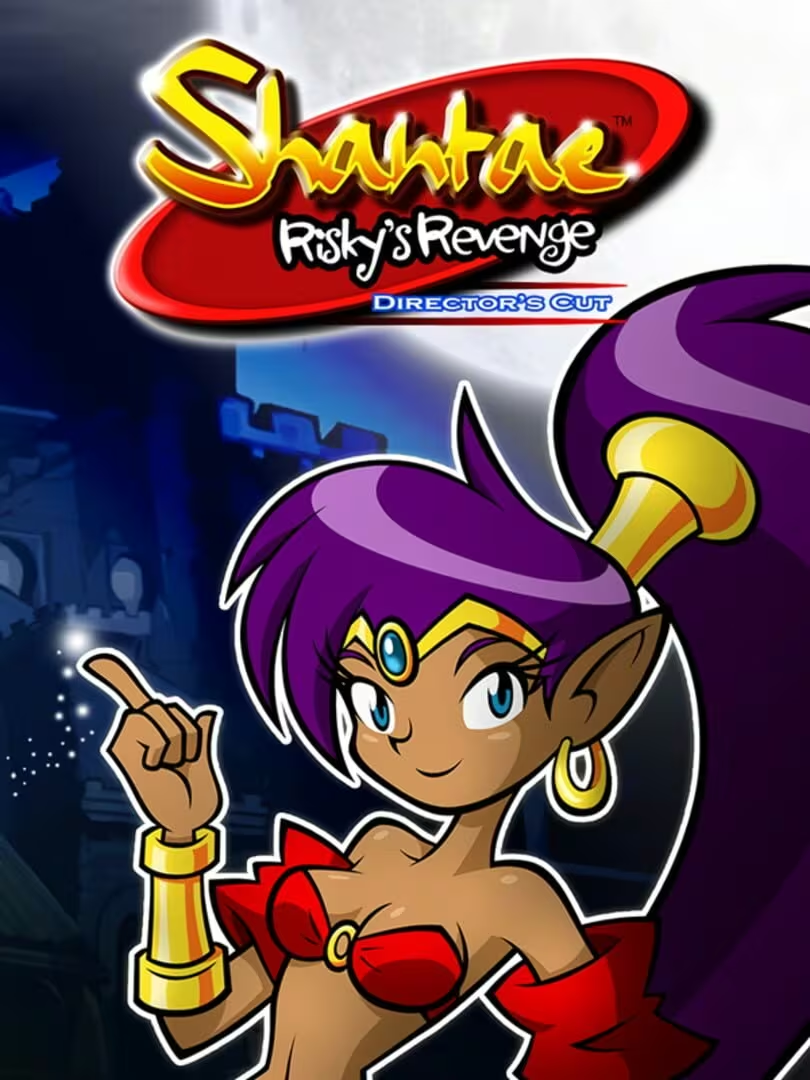
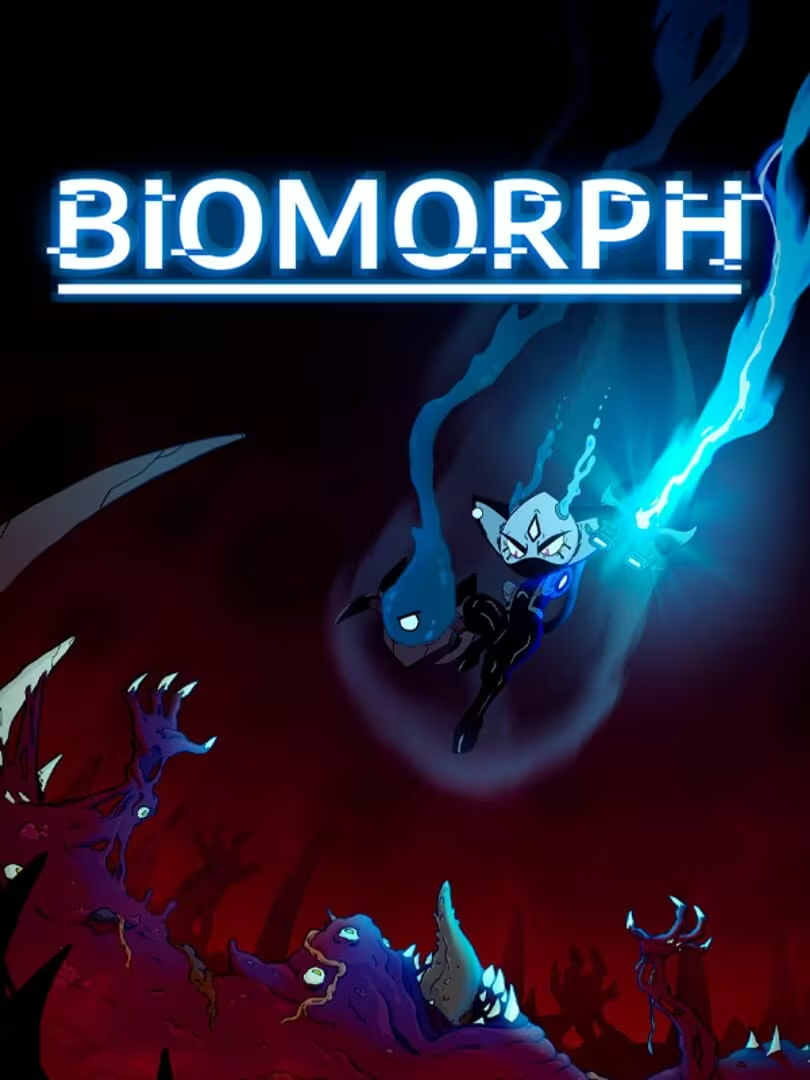
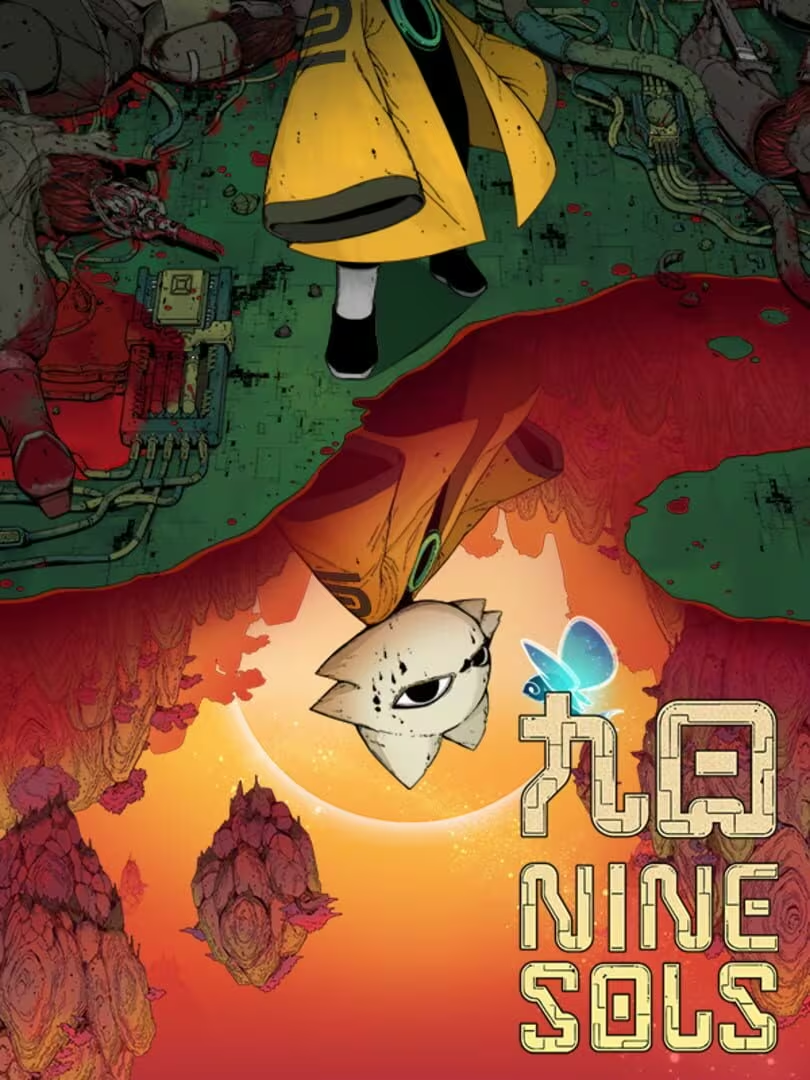
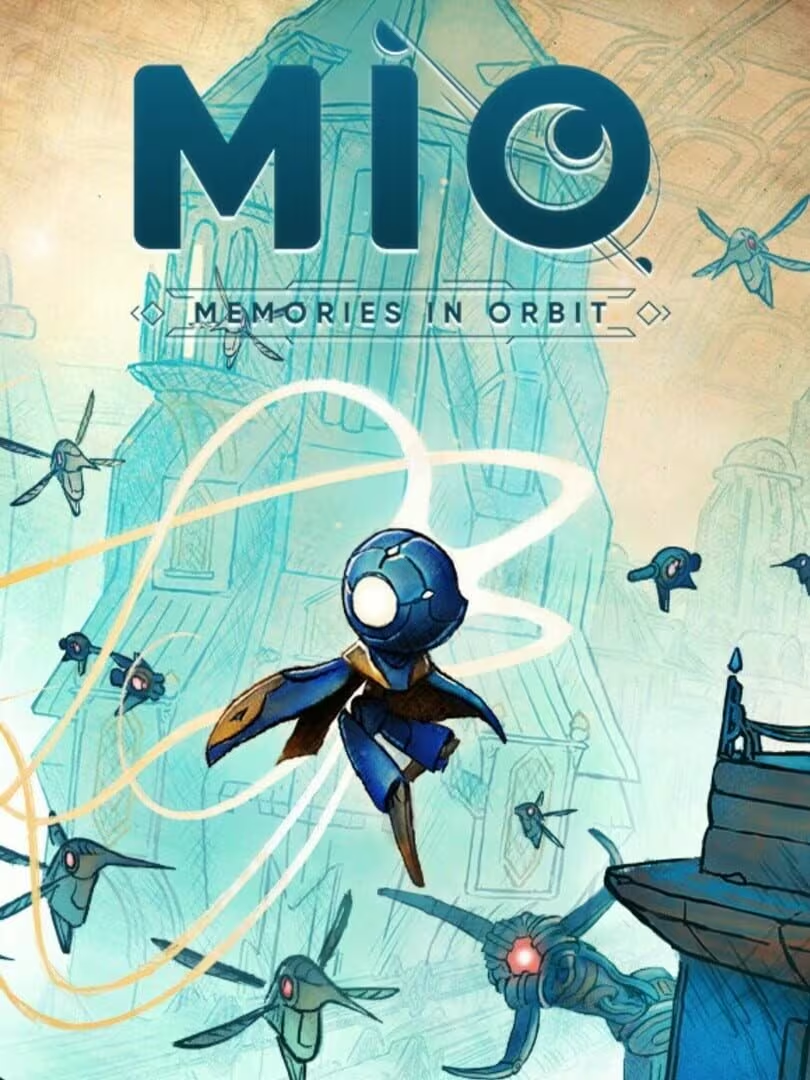
Hidden Gems
Less popular games with surprisingly high similarity
If you liked…
Recommendations by what you enjoyed most
Similarity map
Explore nearby similar games and see why they’re close.
Bō: Path of the Teal Lotus: A very typical example of its motivational profile. Motivations that often define this kind of title include Fellowship, Violence, Survival, Cooperation. Here, the score leans higher than usual among comparable games on Fantasy. It leans lower than usual among comparable games on Relaxation, Leadership.
Why this game works
A motivational profile of the game, with the closest similar game for each player motivation.
-
Autonomy
Game with the same Autonomy vibe
4"Players have freedom to explore, gather resources, upgrade tools, and choose progression paths with some light strategic choices."
 My Little Universe
"Players have freedom to explore areas, choose upgrades, and customize builds with charms and darumas, though progression is somewhat linear."
-
Competence
Game with the same Competence vibe
4"The game offers challenging platforming and boss fights requiring skill and timing, with feedback on performance and upgrades to improve effectiveness."
 Angry Video Game Nerd II: ASSimilation
"The game offers challenging platforming and boss fights requiring skill mastery and precise inputs, with feedback on performance."
-
Competition
Game with the same Competition vibe
-3"Focus is on personal skill improvement and overcoming challenges rather than competing against others."
 Piggy Poggy Pog
"Focus is on personal skill development and overcoming challenges rather than competing against others."
-
Continuation
Game with the same Continuation vibe
3"Players engage in multiple playthroughs, achievement hunting, and post-game content, showing attachment."
 Death's Door
"Players engage in multiple playthroughs and 100% completion, with some grind for upgrades, showing attachment."
-
Cooperation
Game with the same Cooperation vibe
-5"Entirely single-player experience with no cooperative or multiplayer elements."
 The Witcher: Enhanced Edition Director's Cut
"Entirely single-player experience with no cooperative or multiplayer elements."
-
Creativity
Game with the same Creativity vibe
3"Players customize builds, craft weapons, and experiment with skill trees and combat styles."
 Legendary Tales
"Players customize builds with charms and darumas, and experiment with aerial combat and platforming techniques."
-
Domination
Game with the same Domination vibe
-5"No evidence of exerting control or superiority over others; gameplay is individual and respectful."
 Melatonin
"No evidence of exerting control or superiority over others; gameplay is individual and respectful."
-
Escapism
Game with the same Escapism vibe
4"Players use the game as a challenging distraction with immersive art and music, escaping into a stylized Japanese mythological world."
 GetsuFumaDen: Undying Moon
"Players immerse in a beautiful fantasy world inspired by Japanese folklore, providing distraction and enjoyment."
-
Expectation
Game with the same Expectation vibe
-4"Players engage voluntarily out of intrinsic interest and enjoyment; no external pressure or obligation."
 Space Tyrant
"Players engage voluntarily out of intrinsic interest and enjoyment, with no external pressure mentioned."
-
Experimenting
Game with the same Experimenting vibe
3"Players try new combat mechanics, weapon combos, and character abilities; some experimentation with moves and strategies."
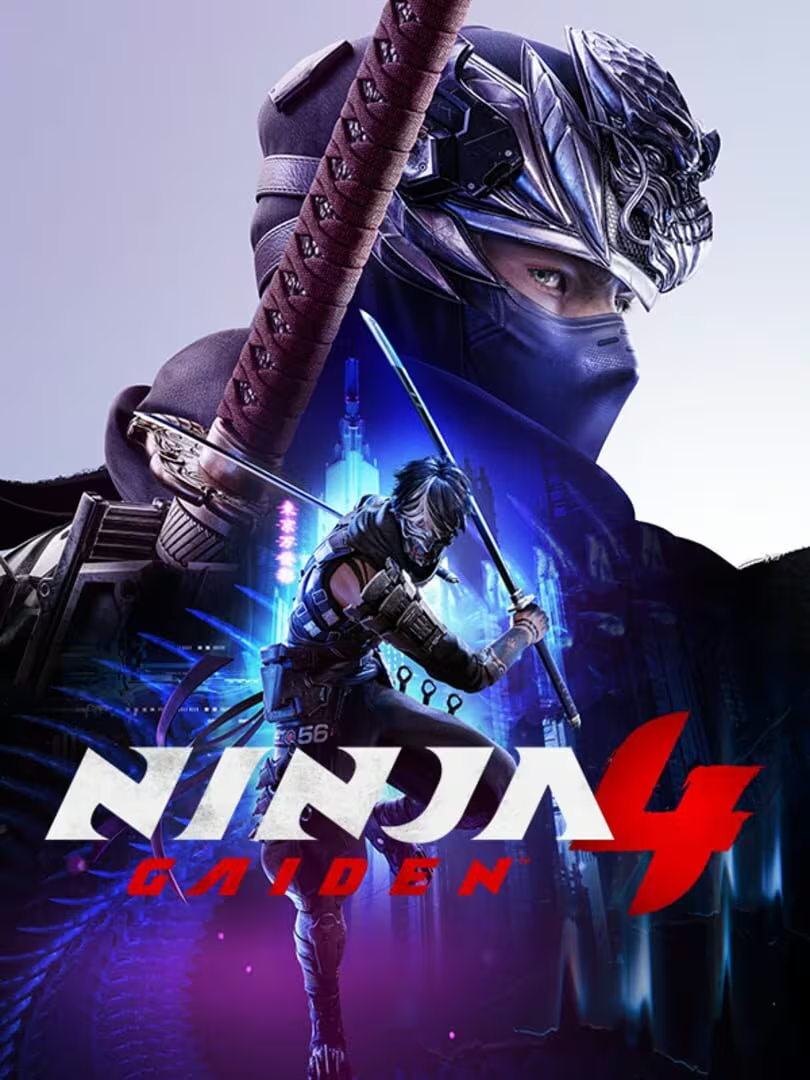 NINJA GAIDEN 4
"Players try new movement and combat mechanics, experiment with different charm and daruma combinations."
-
Exploration
Game with the same Exploration vibe
3"Game world encourages exploration of different biomes and uncovering secrets, though map is limited."
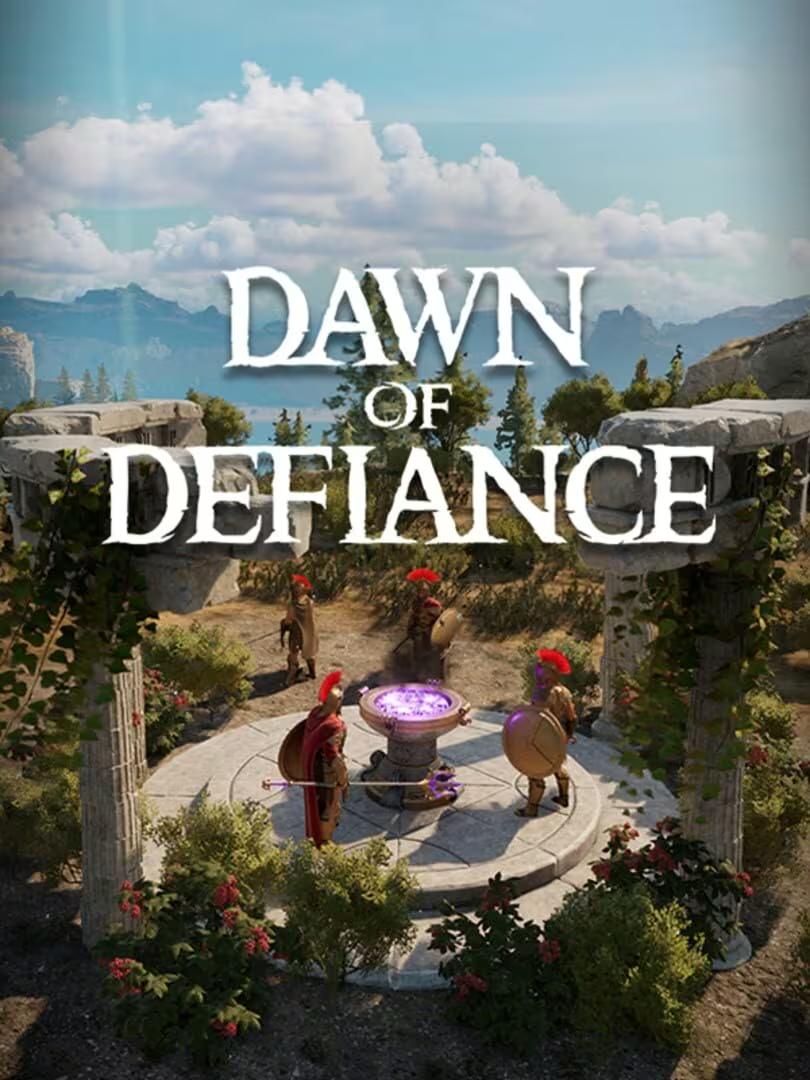 Dawn of Defiance
"The game encourages exploration of distinct biomes and secrets, though world is somewhat segmented."
-
Expression
Game with the same Expression vibe
2"Players customize builds and choose characters, but limited cosmetic or avatar personalization."
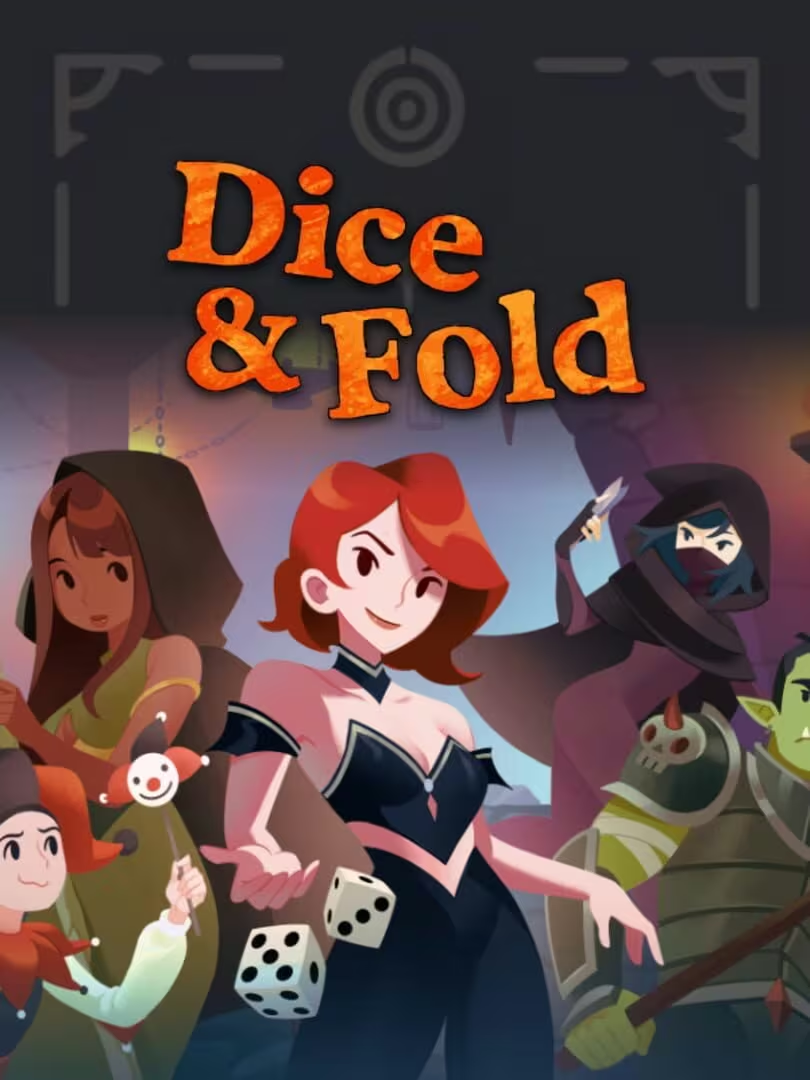 Dice & Fold
"Players customize character builds and choose upgrades, though no avatar personalization is noted."
-
Fantasy
Game with the same Fantasy vibe
5"Strongly rooted in Japanese folklore and mythology with supernatural creatures and a mystical narrative."
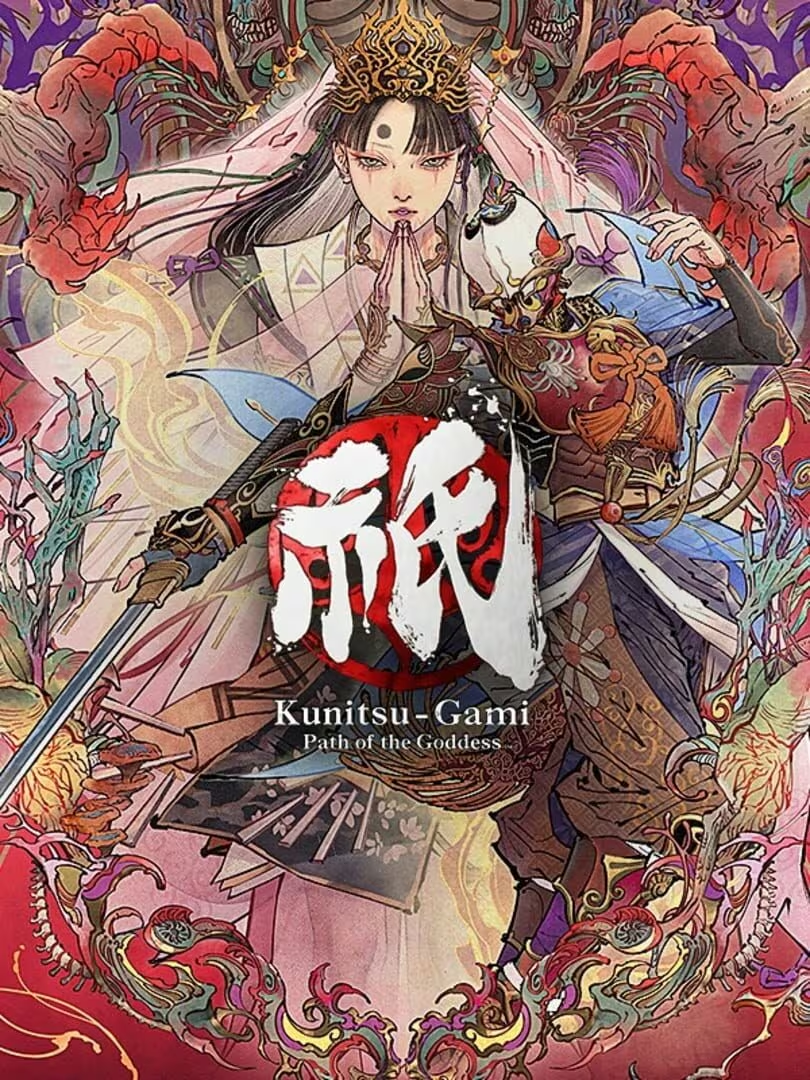 Kunitsu-Gami: Path of the Goddess
"Strongly rooted in imaginative Japanese folklore and mythological fantasy setting."
-
Fellowship
Game with the same Fellowship vibe
-5"No social or community features; gameplay is solitary."
 Sekiro™: Shadows Die Twice - GOTY Edition
"No social or community features; gameplay is solitary."
-
Growth
Game with the same Growth vibe
4"Players develop skills in combat and platforming; learn boss patterns and explore new mechanics."
 Islets
"Players develop skills in platforming and combat, learn boss patterns, and improve over multiple playthroughs."
-
Health
Game with the same Health vibe
-5"Game is sedentary with no physical activity or health-related features."
 The Legend of Heroes: Trails of Cold Steel IV
"Game is sedentary with no physical activity or health-related features."
-
Idle
Game with the same Idle vibe
-4"Requires focused attention and continuous engagement due to challenging platforming and combat."
 CONVERGENCE: A League of Legends Story™
"Requires focused attention and continuous engagement due to challenging platforming and combat."
-
Intimacy
Game with the same Intimacy vibe
-5"No evidence of close social relationships or emotional sharing; interactions are limited to NPCs."
 Dishonored 2
"No evidence of close social relationships or emotional sharing; interactions are limited to NPCs."
-
Leadership
Game with the same Leadership vibe
-5"No leadership or group management roles; gameplay is individual."
 AI LIMIT
"No leadership or group management roles; gameplay is individual."
-
Progression
Game with the same Progression vibe
4"Players collect items, upgrades, and abilities to progress through the game."
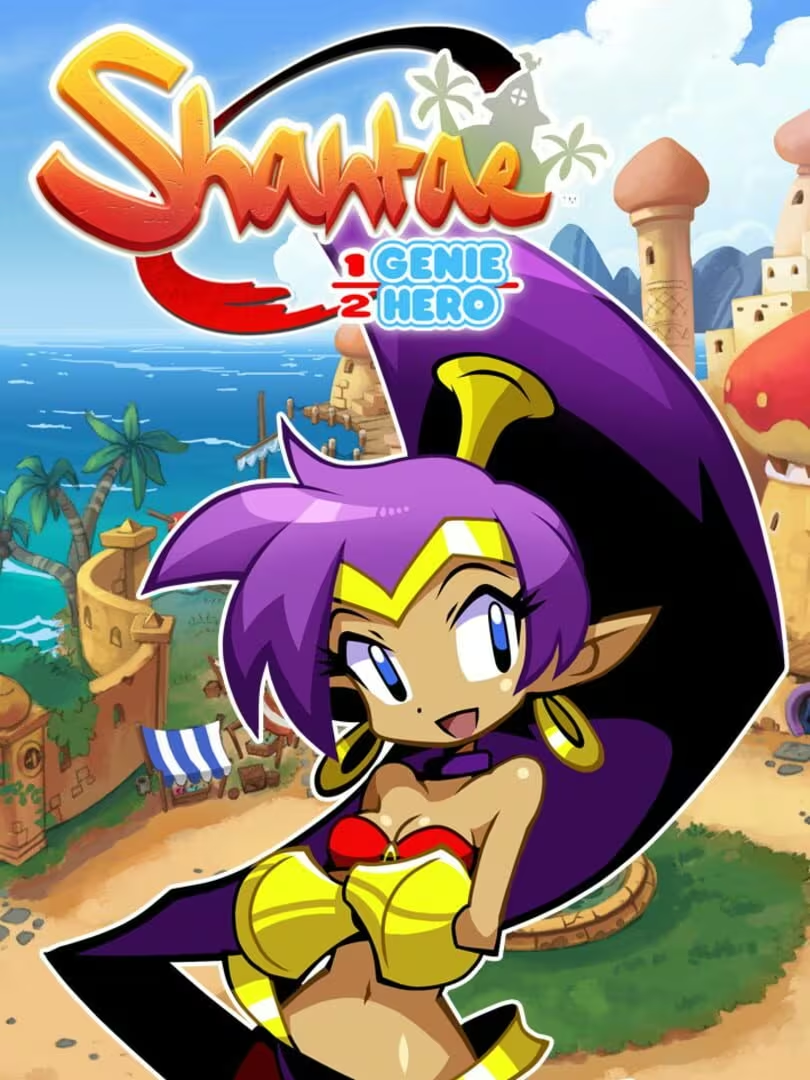 Shantae: Half-Genie Hero
"Players collect upgrades, charms, and items to enhance abilities and progress through the game."
-
Relaxation
Game with the same Relaxation vibe
-2"Game can be tense and frustrating at times due to difficulty spikes and bugs."
 SiN Gold
"While visually beautiful, the game can be frustrating and tense due to difficulty spikes and platforming challenges."
-
Sensation
Game with the same Sensation vibe
4"The game provides strong sensory stimulation through graphics, music, animation, and fast gameplay."
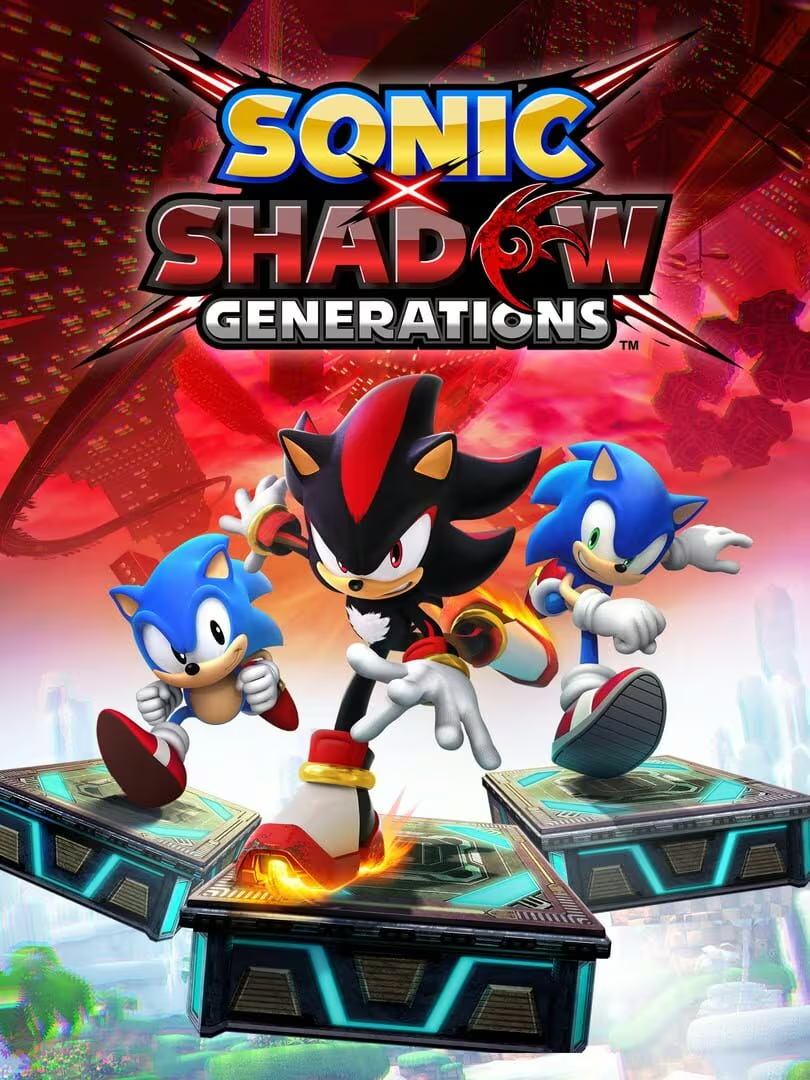 SONIC X SHADOW GENERATIONS
"The game provides rich sensory stimulation through gorgeous art, music, and fluid animations."
-
Status
Game with the same Status vibe
-5"No social recognition or status systems; achievements are personal."
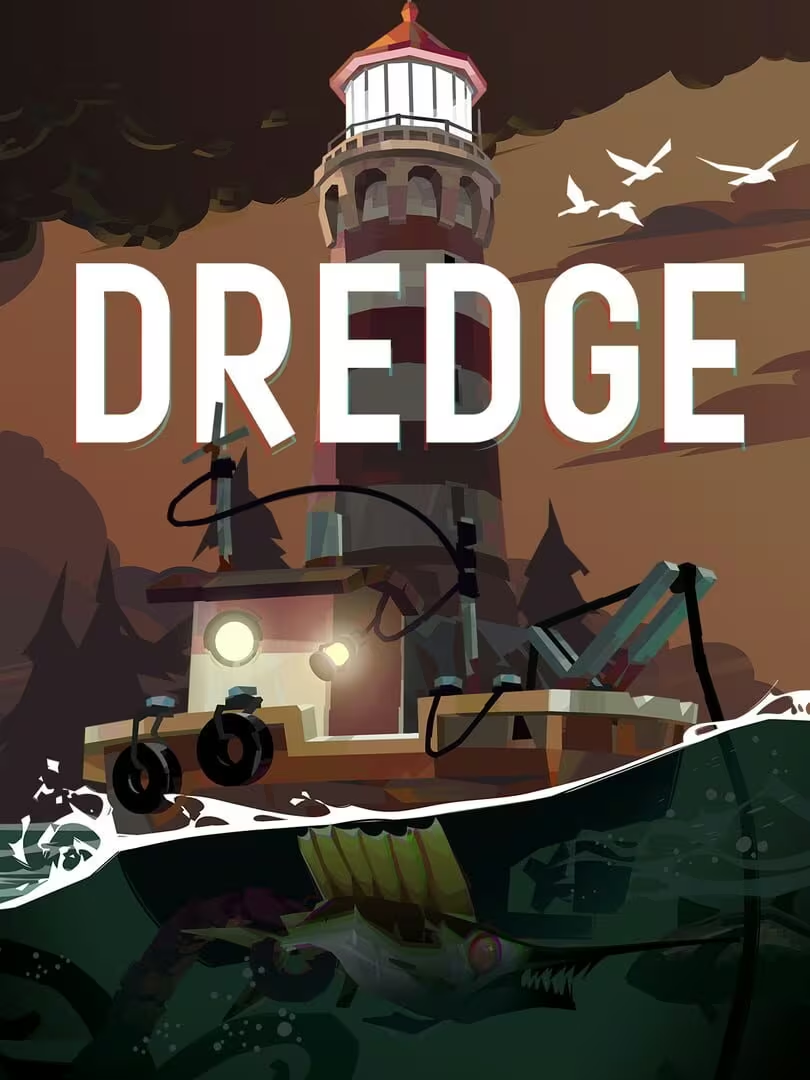 DREDGE
"No social recognition or status systems; achievements are personal."
-
Story
Game with the same Story vibe
3"Narrative and character development are present and enhance immersion, though story is straightforward."
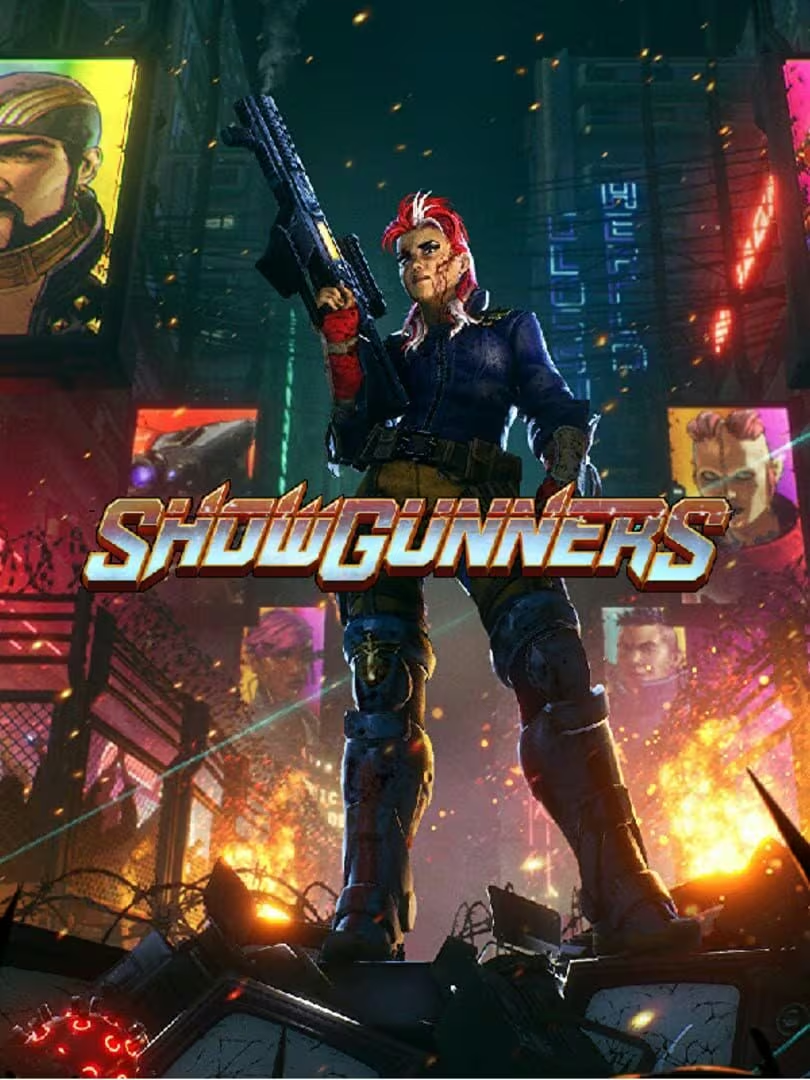 Showgunners
"Narrative and characters provide some immersion and emotional engagement, though story is straightforward."
-
Strategy
Game with the same Strategy vibe
3"Players plan skill builds, weapon loadouts, and combat tactics to overcome challenges."
 DEAD OR SCHOOL
"Players plan combat combos, charm builds, and platforming routes to overcome challenges."
-
Thrill
Game with the same Thrill vibe
3"Players experience suspense and excitement from difficult platforming and boss encounters."
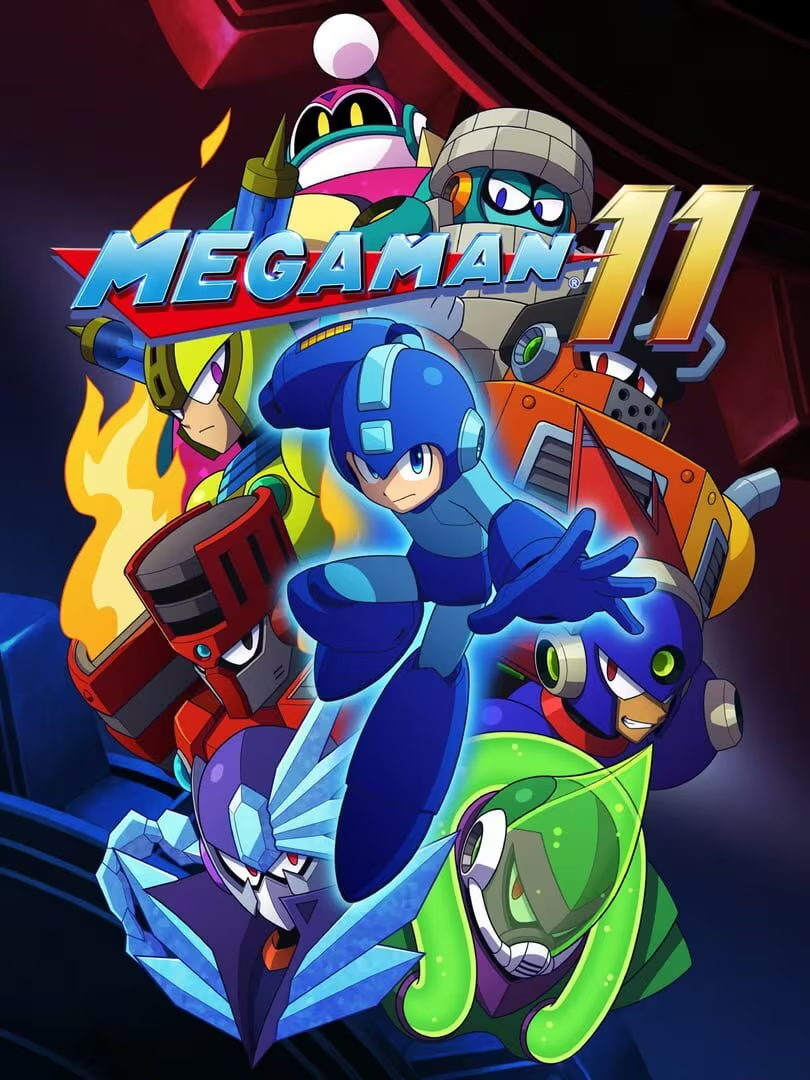 Mega Man 11
"Players experience suspense and excitement from challenging platforming and boss fights."
-
Value
Game with the same Value vibe
3"Players feel the game offers good value for time with addictive gameplay and replayability."
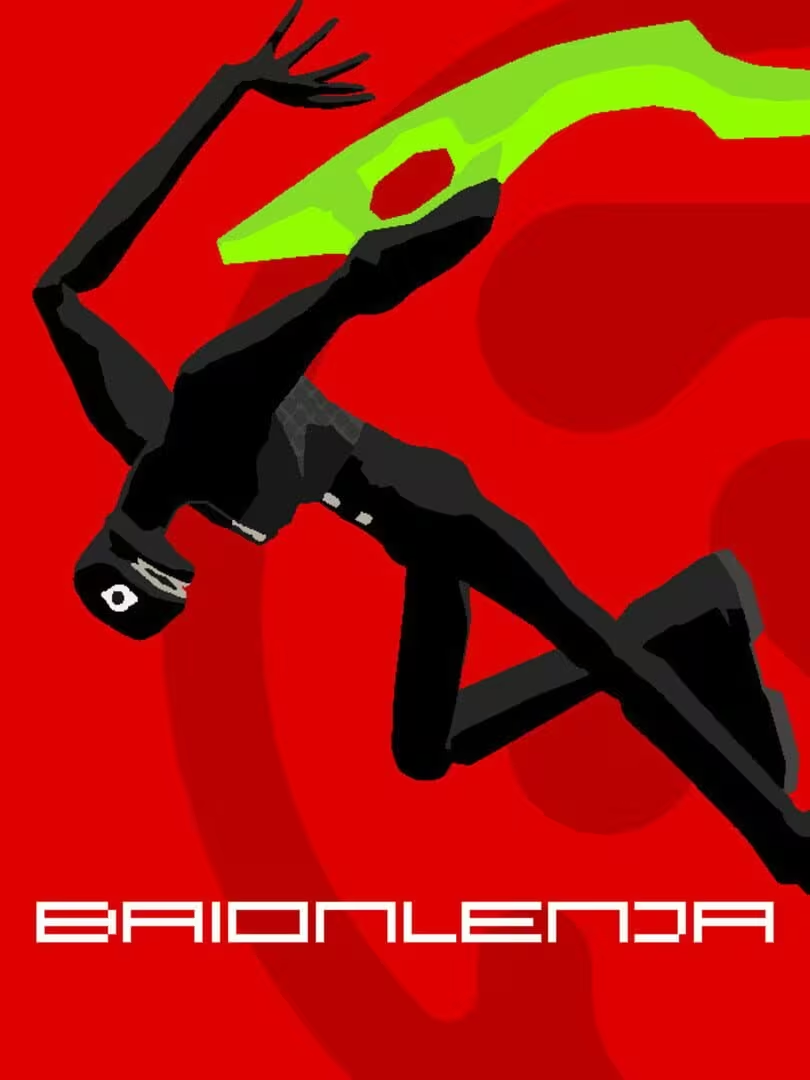 BAIONLENJA
"Players feel the game offers good value for time spent, with satisfying gameplay and replayability."
-
Violence
Game with the same Violence vibe
2"Combat involves attacking enemies and bosses, but with a stylized, non-gratuitous approach."
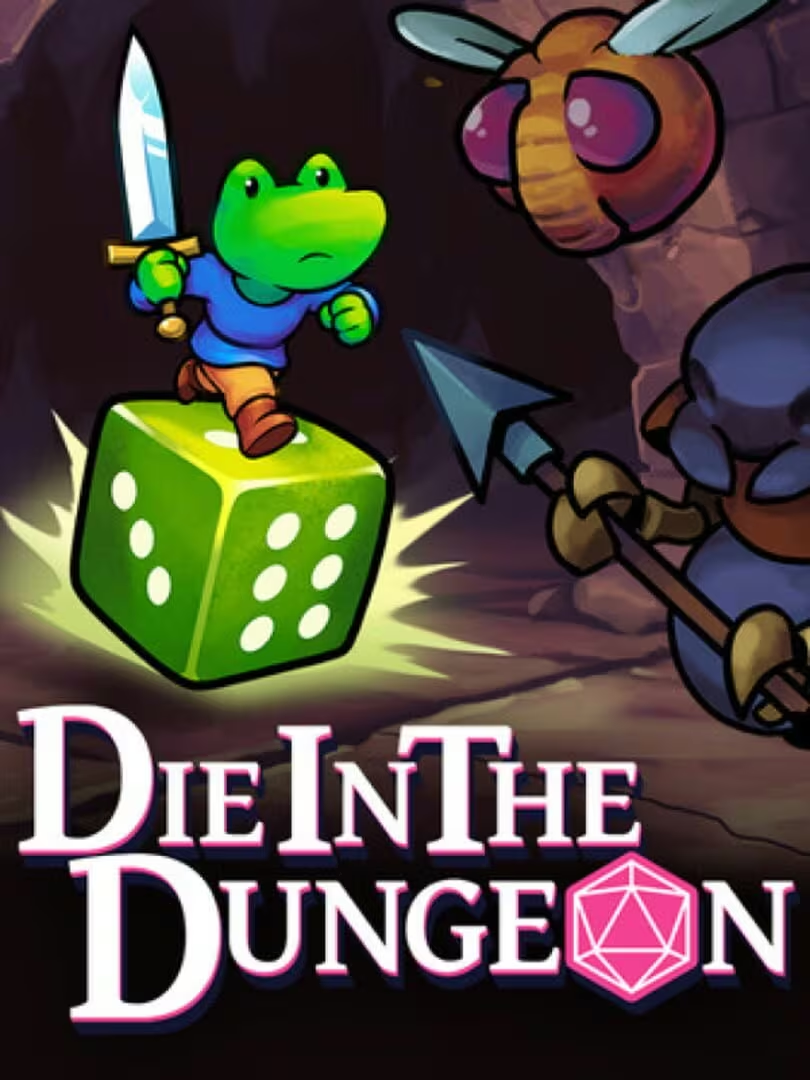 Die in the Dungeon
"Combat involves attacking enemies and bosses, but is stylized and integrated with platforming rather than gratuitous."
-
Survival
Game with the same Survival vibe
3"Players must avoid death and manage health through combat and platforming challenges."
 Cookie Cutter: Overkill Edition
"Players must avoid damage and manage health resources to survive platforming and combat challenges."
Last update: 01/06/2026