Crystal Clash Thumbnail

Crystal Clash similar games & best alternatives
Crystal Clash

PC (Microsoft Windows) • 2022

Related articles

Quick resume

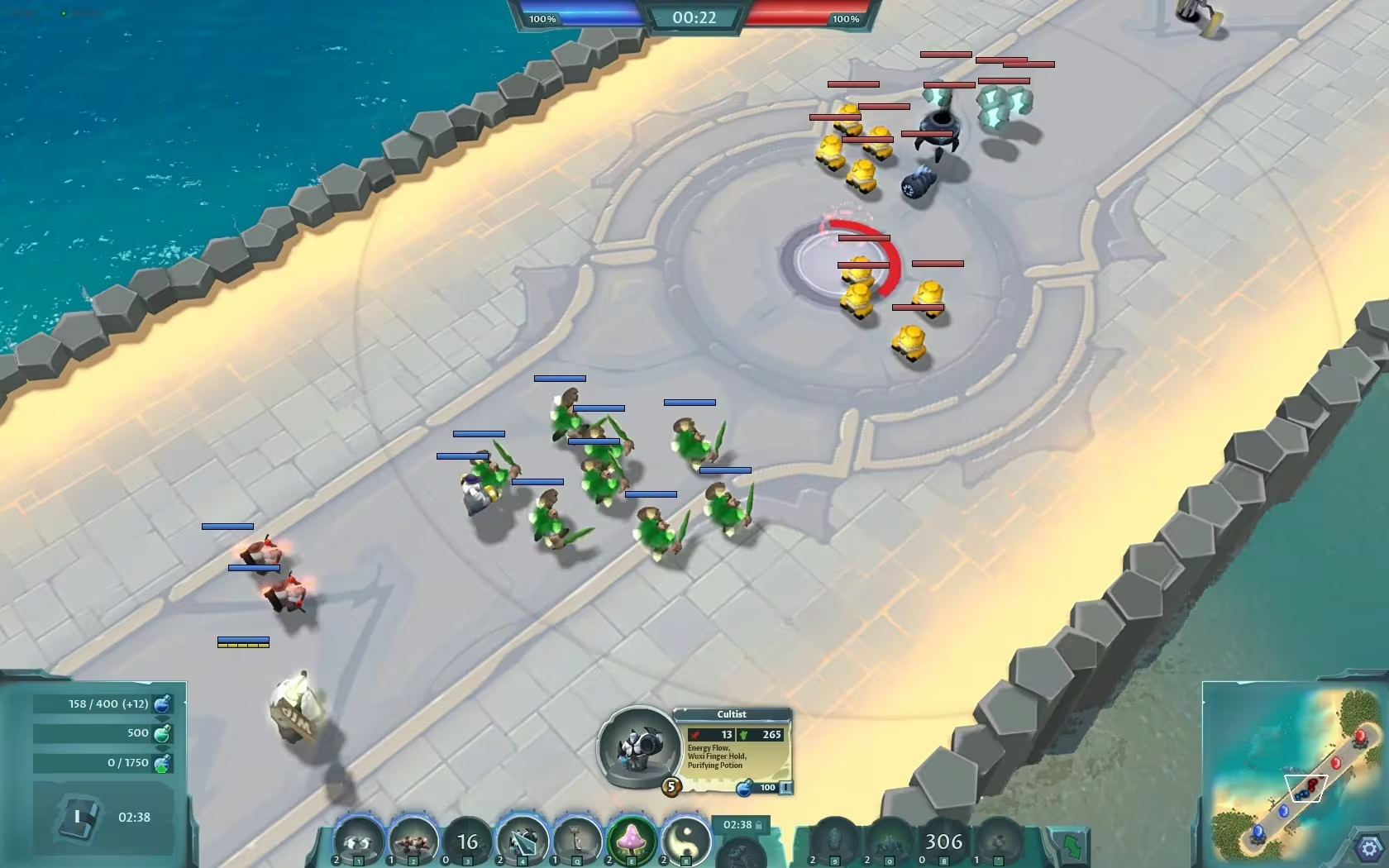
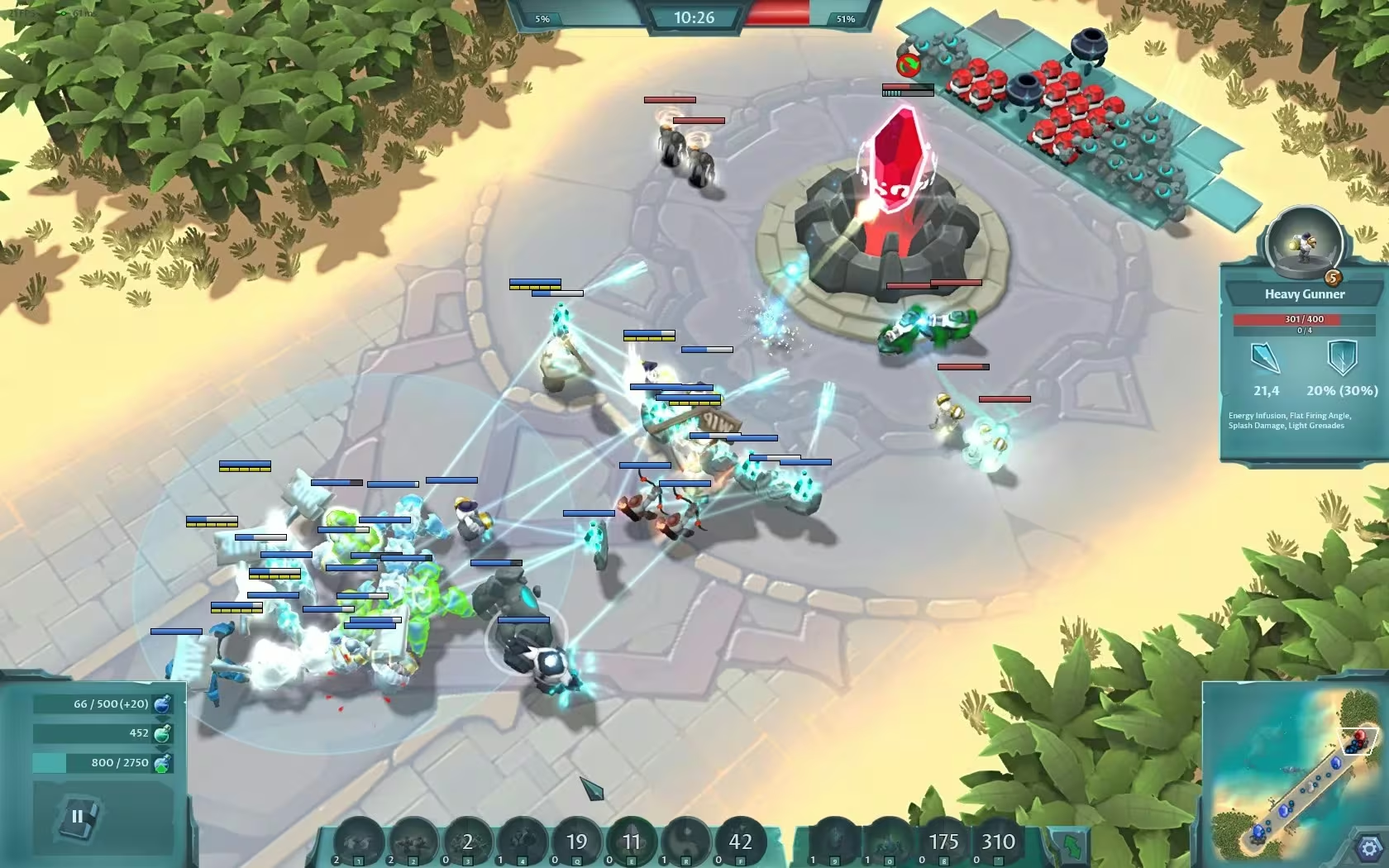
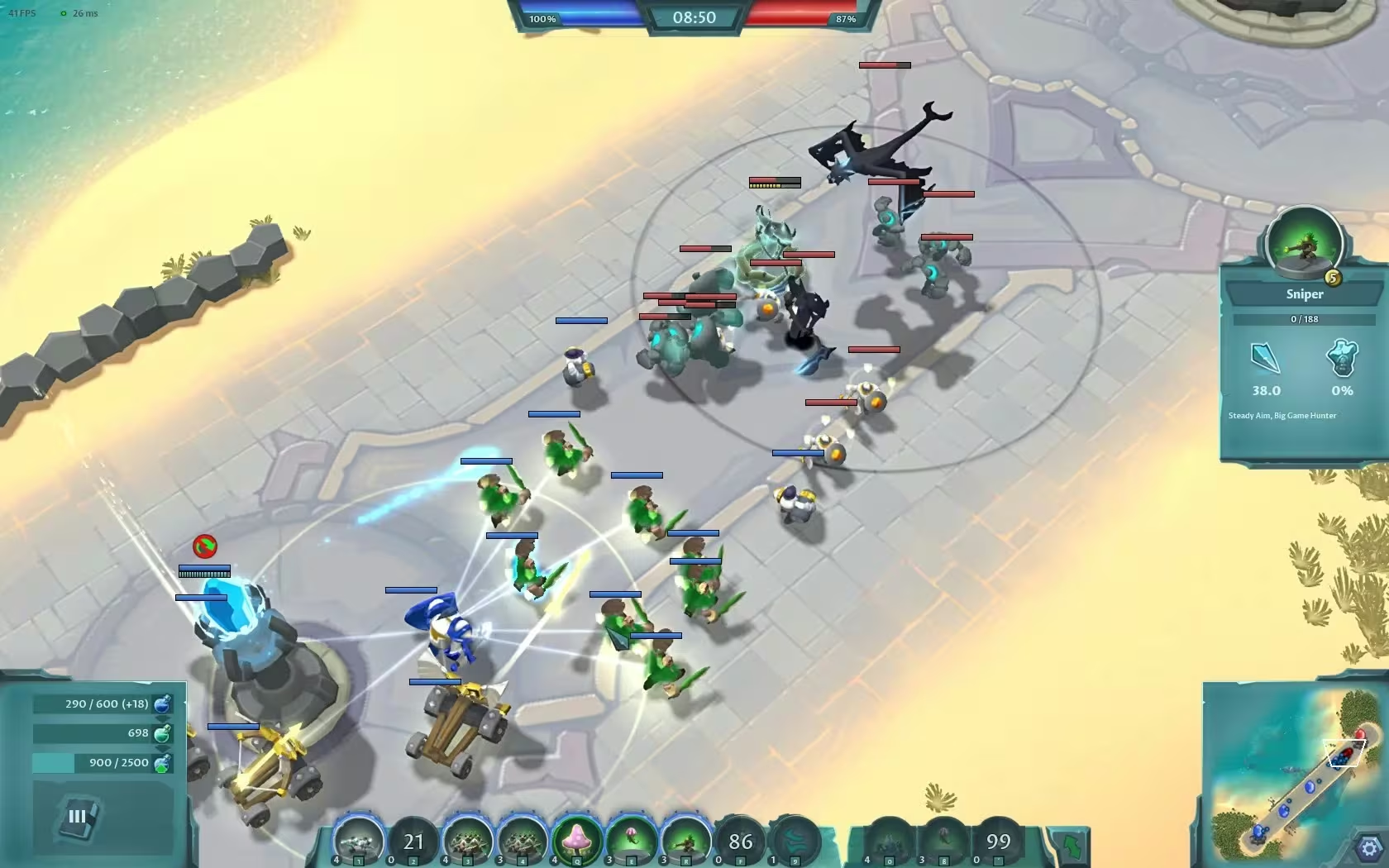
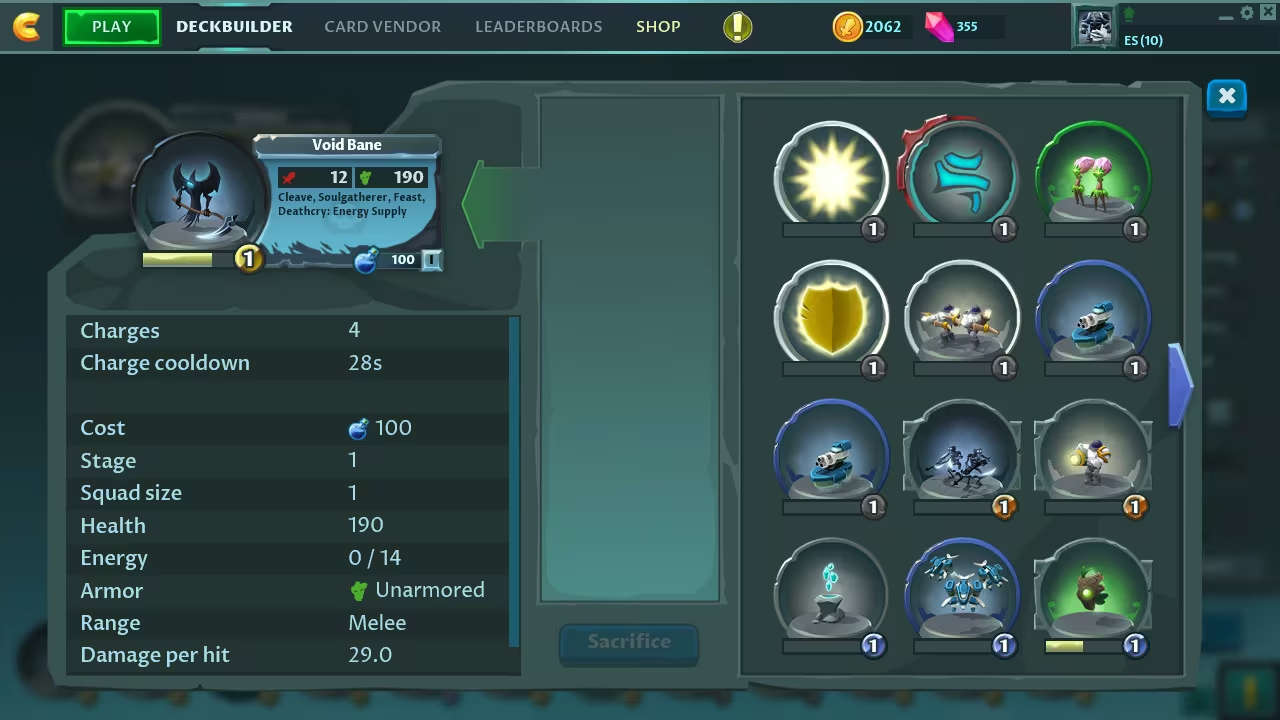
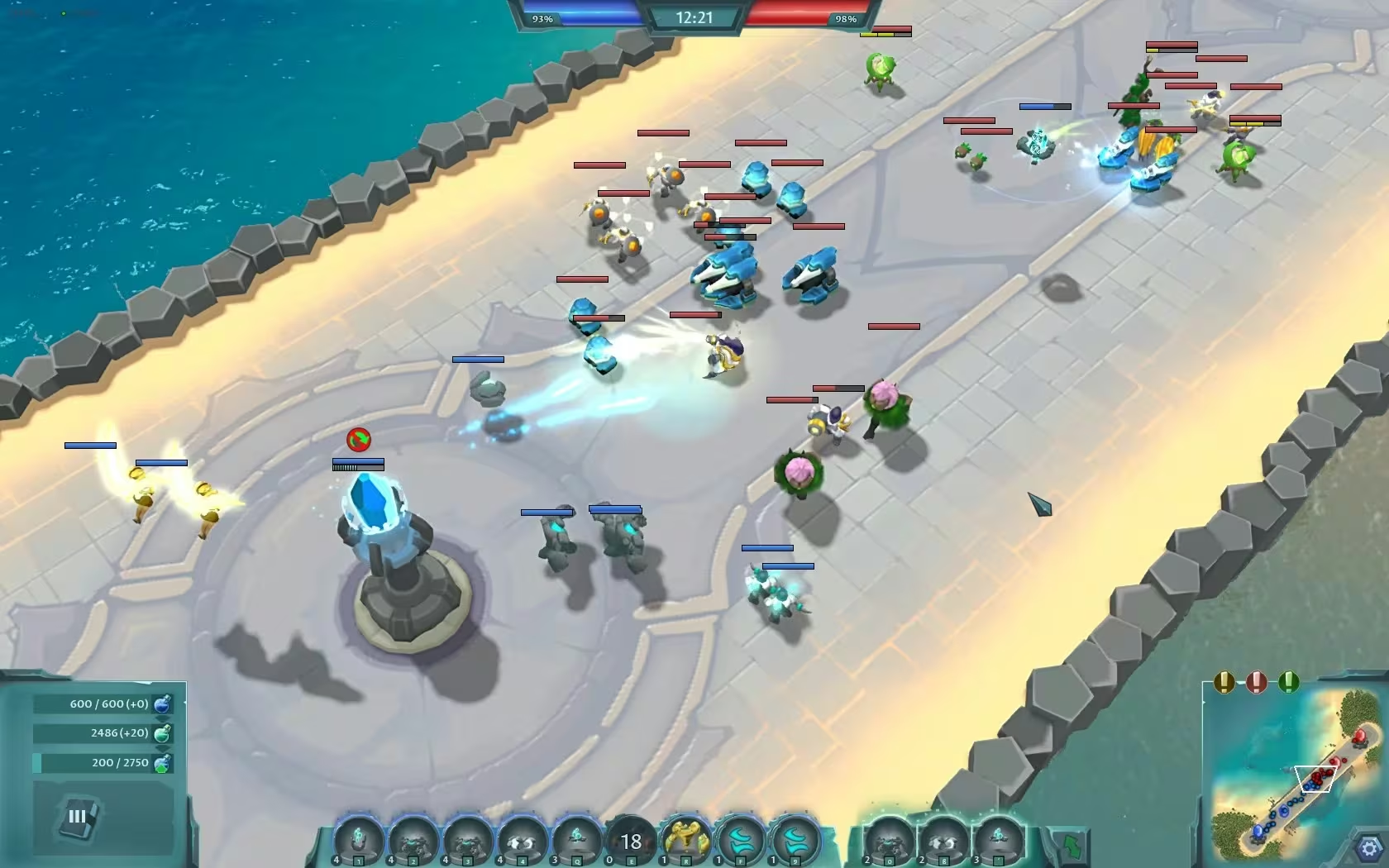
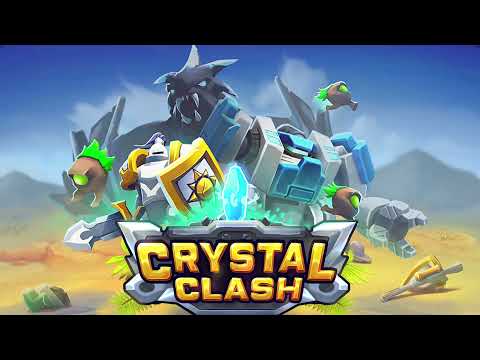
Crystal Clash is a mix of Lane Battles and Deckbuilding - with action-packed tug-of-war strategy, just like your favorite RTS mods from back in the day! :) Play 2v2 or co-op with a friend, or pair up with new allies and enemies! Collect cards, build your decks and have fun crushing your enemies!

Global score

83/100

Genres

Action, Casual, Strategy, Free To Play, Real Time Strategy (RTS), MOBA, Card & Board Game

Similar games

    Pros

    • Free to play with fair progression
    • Deep strategic deckbuilding and gameplay
    • Strong 2v2 cooperative mode
    • Active and responsive developers
    • Pleasant graphics and sound

    Cons

    • Small player base limits matchmaking
    • Limited game modes and maps
    • Lack of in-game chat
    • Some grind in unlocking cards
    • No narrative or story content

    Analysis

    Broadly representative of its motivational profile, with a few distinct shifts. Motivations that often define this kind of title include Competition, Fellowship, Domination, Status. It leans lower than usual among comparable games on Story, Domination, Exploration.

    How to use the graph
    Similar games map

    Each dot is a game. They are arranged from the same motivation profile as in the “Motivations” section below. Closer dots usually mean more similar reasons to play (exploration, competition, relaxation, etc.)—not that one game is “better” than another.

    • Larger dot with a light outline: the game you are viewing.
    • Colour: groups of games with comparable motivation patterns (statistical clusters).
    • Hover a dot to see the game name; click to open its page.
    • Scroll or double-click the chart to zoom out and see more games.

    Why don’t the axes read like a score? This view uses t-SNE: it only keeps who is close to whom. The scales are not “good to bad” or hours played—they separate groups on the map. Read distance between dots, not the axis numbers.

    Motivations

    • Autonomy
      4

      "Players build their own decks and choose strategies freely; matches require adaptive decisions and unit placement."

    • Competence
      4

      "Game rewards skillful deckbuilding, strategic unit placement, and adaptivity; players report learning and mastering complex interactions."

    • Competition
      4

      "Strong competitive 2v2 mode with ranked gold tier and leaderboards; players seek to climb ranks and compete in tournaments."

    • Continuation
      3

      "Players engage in long sessions and habitual play; some mention grinding and unlocking cards as ongoing motivation."

    • Cooperation
      5

      "Core gameplay is 2v2 cooperative matches; players emphasize teamwork, synergy, and playing with friends."

    • Creativity
      4

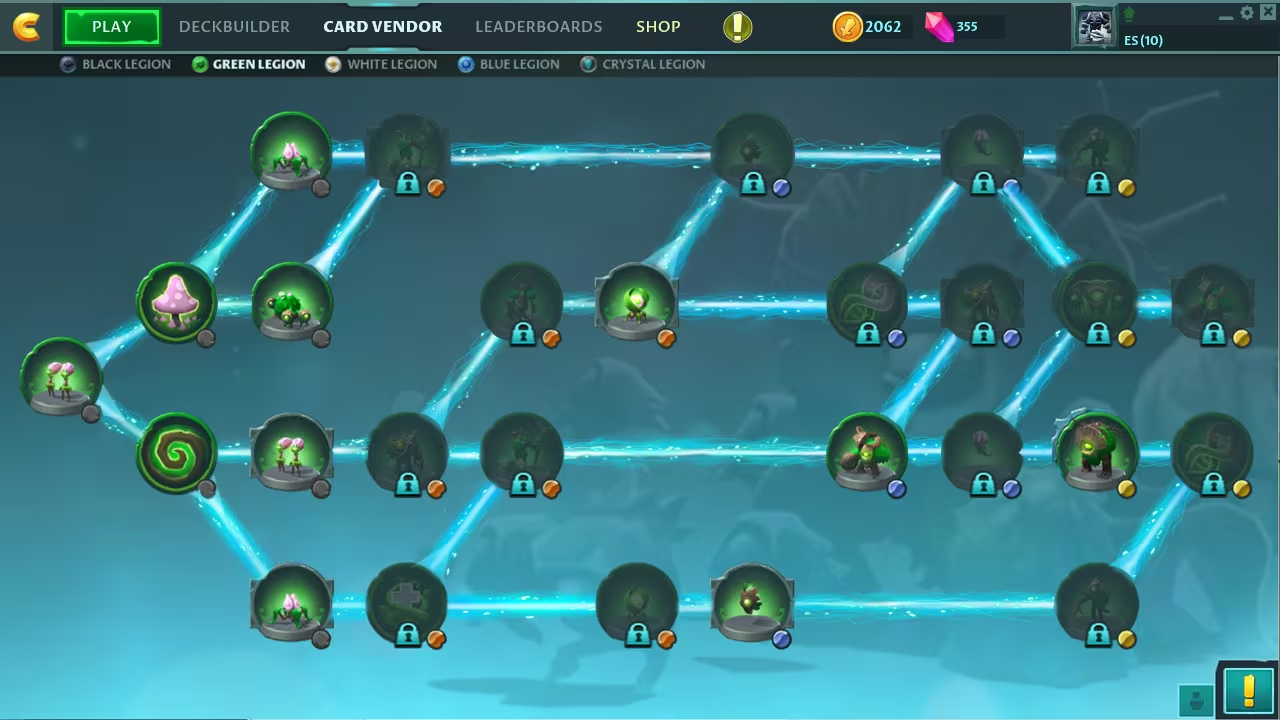
      "Deckbuilding with multiple factions and card combinations allows creative strategies and customization."

    • Domination
      -3

      "Community and gameplay emphasize balanced interactions and mutual respect; no strong evidence of domination or trash talk."

    • Escapism
      3

      "Players use the game for stress relief and distraction; casual and quick matches support escapism."

    • Expectation
      -4

      "Players engage voluntarily out of intrinsic interest and enjoyment; no evidence of obligation or pressure."

    • Experimenting
      4

      "Players try new deck builds and strategies; game encourages exploration of synergies and tactics."

    • Exploration
      -2

      "Game features a single lane map with limited variety; some desire for more maps and modes."

    • Expression
      3

      "Players customize decks and can purchase cosmetic skins; some desire for more avatar and deck customization."

    • Fantasy
      3

      "Game features fantasy-themed factions and units; imaginative fiction elements present."

    • Fellowship
      4

      "Players form communities, join Discord, and play with friends; social connection is important."

    • Growth
      4

      "Players develop skills, learn strategies, and unlock cards; progression system supports personal development."

    • Health
      -5

      "No physical activity involved; sedentary gameplay."

    • Idle
      -3

      "Matches require active attention and strategy; not designed for idle or background play."

    • Intimacy
      2

      "Some social interaction and friendship formation reported; limited emotional sharing beyond gameplay."

    • Leadership
      -2

      "Players mostly collaborate as equals in 2v2; no strong evidence of leadership or authoritative roles."

    • Progression
      4

      "Players accumulate cards, upgrades, and tiers; progression is a core motivator."

    • Relaxation
      2

      "Game offers a balance of challenge and flow; some players find it relaxing, others find it intense."

    • Sensation
      2

      "Visuals and sound are pleasant but not overwhelming; sensory stimulation is moderate."

    • Status
      3

      "Leaderboards and ranked modes provide recognition; players seek social status within the game."

    • Story
      -4

      "Game lacks narrative or lore focus; gameplay is context-free and centered on matches."

    • Strategy
      5

      "Game heavily emphasizes strategic deckbuilding, timing, and tactical decisions."

    • Thrill
      3

      "Matches can be suspenseful and exciting, especially close games and comebacks."

    • Value
      4

      "Players perceive good value in free-to-play model with fair progression and cosmetic monetization."

    • Violence
      2

      "Combat and destruction are present but stylized and fantasy-themed; not excessively violent."

    • Survival
      2

      "Players manage resources and avoid defeat; survival elements exist but are not dominant."

    Last update: 29/04/2026