Darkwood Thumbnail

Darkwood similar games & best alternatives
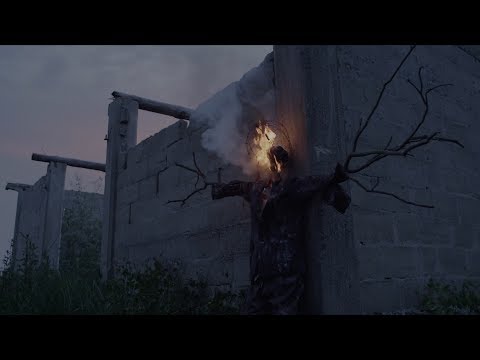
Darkwood

PC (Microsoft Windows), Mac, PlayStation 4, Xbox One, Xbox Series X|S, Nintendo Switch, PlayStation 5, Linux • 2017

Related articles

Quick resume

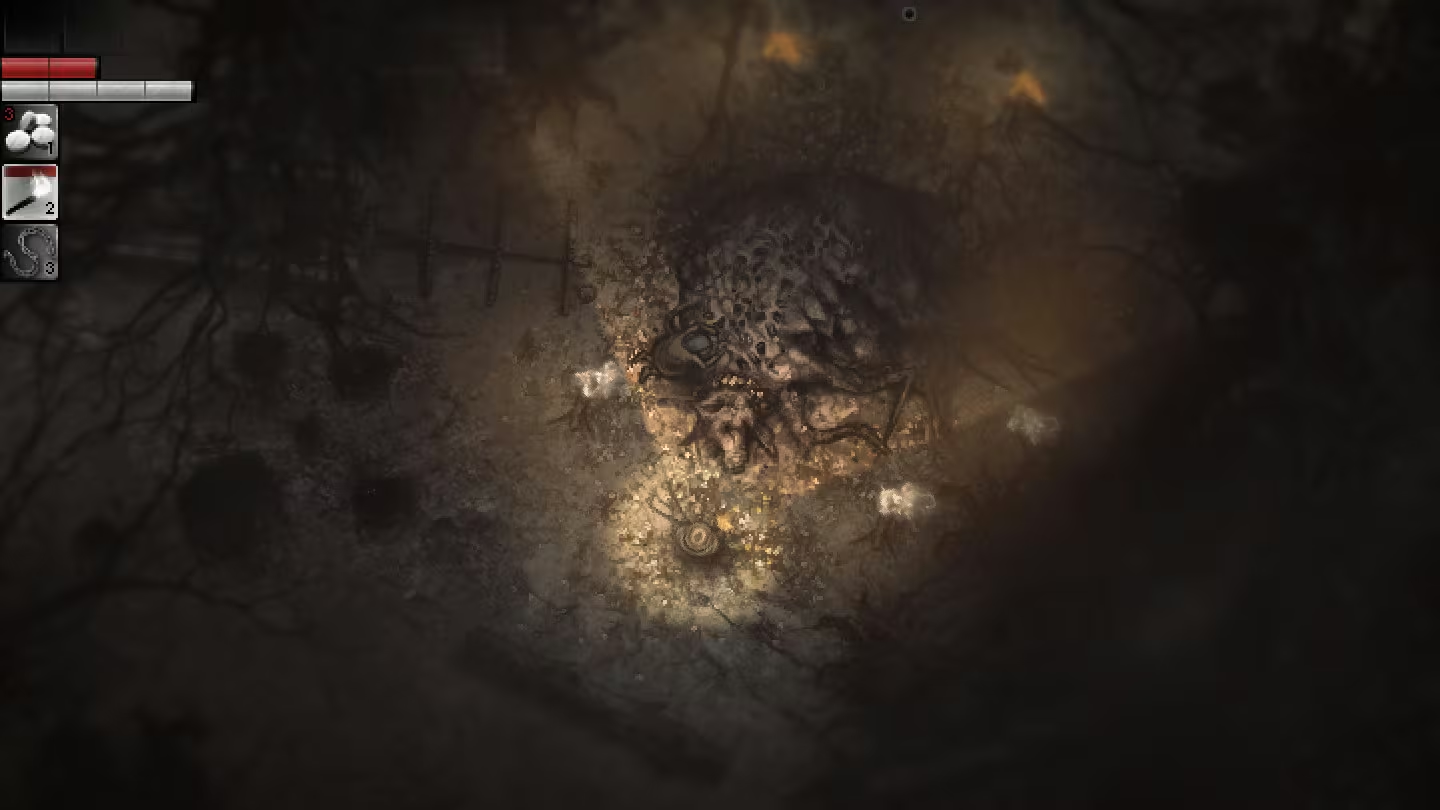
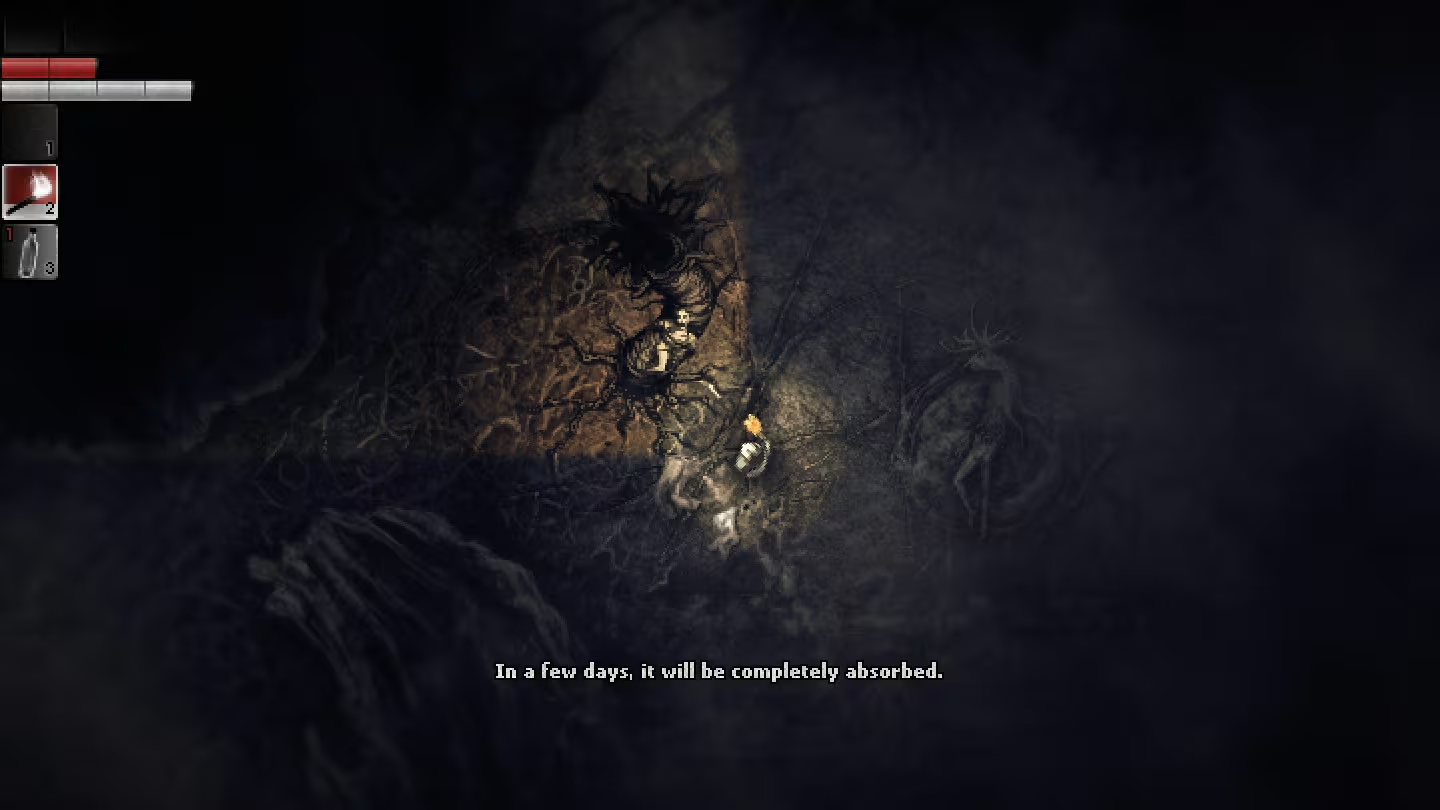
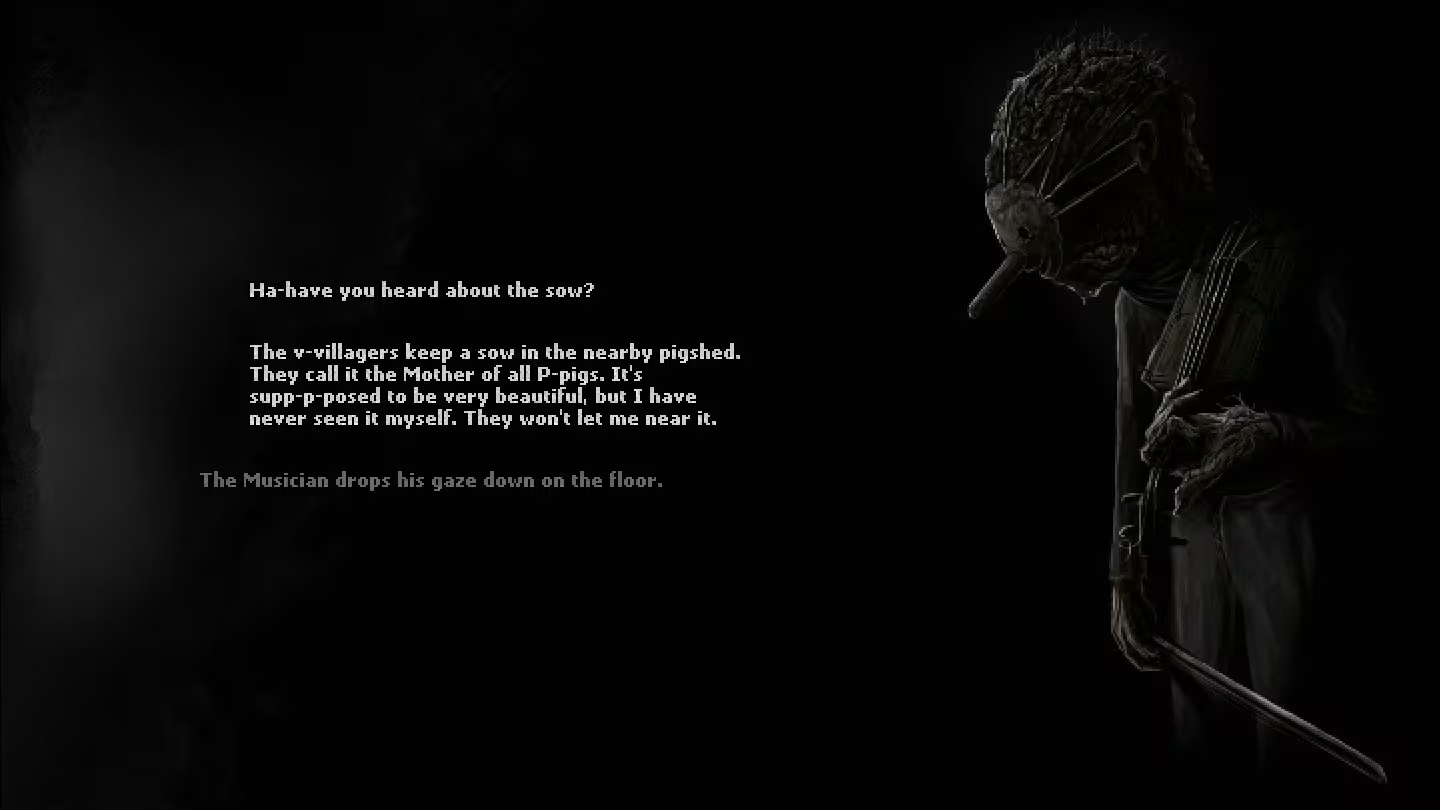
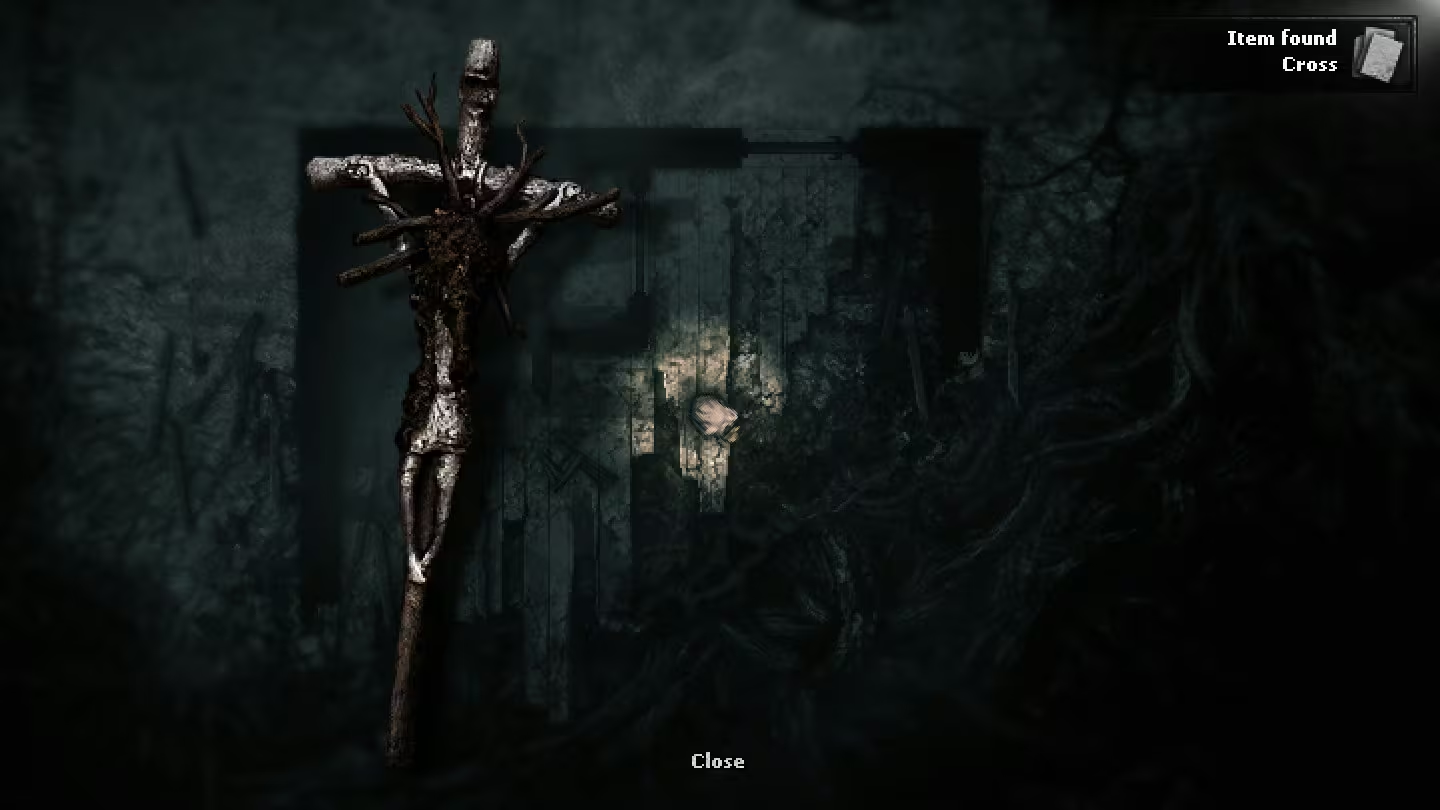
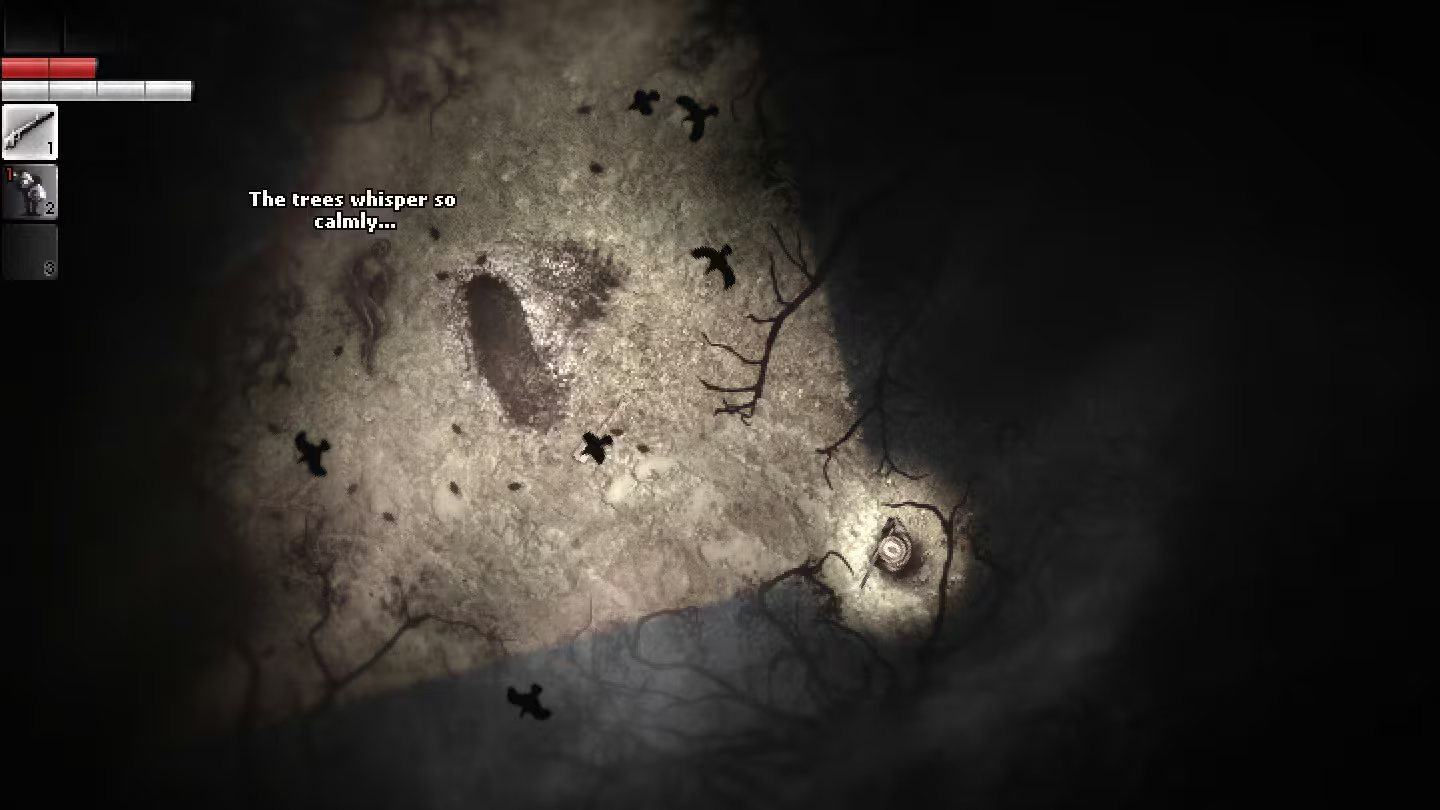
Darkwood - a new perspective on survival horror. Scavenge and explore a rich, ever-changing free-roam world by day, then hunker down in your hideout and pray for the morning light.

Global score

95/100

Genres

Action, Adventure, Role-playing (RPG), Strategy, Indie

Similar games

    Pros

    • Exceptional atmosphere and sound design
    • Challenging and rewarding survival gameplay
    • Deep narrative with multiple endings
    • High replayability with randomized maps
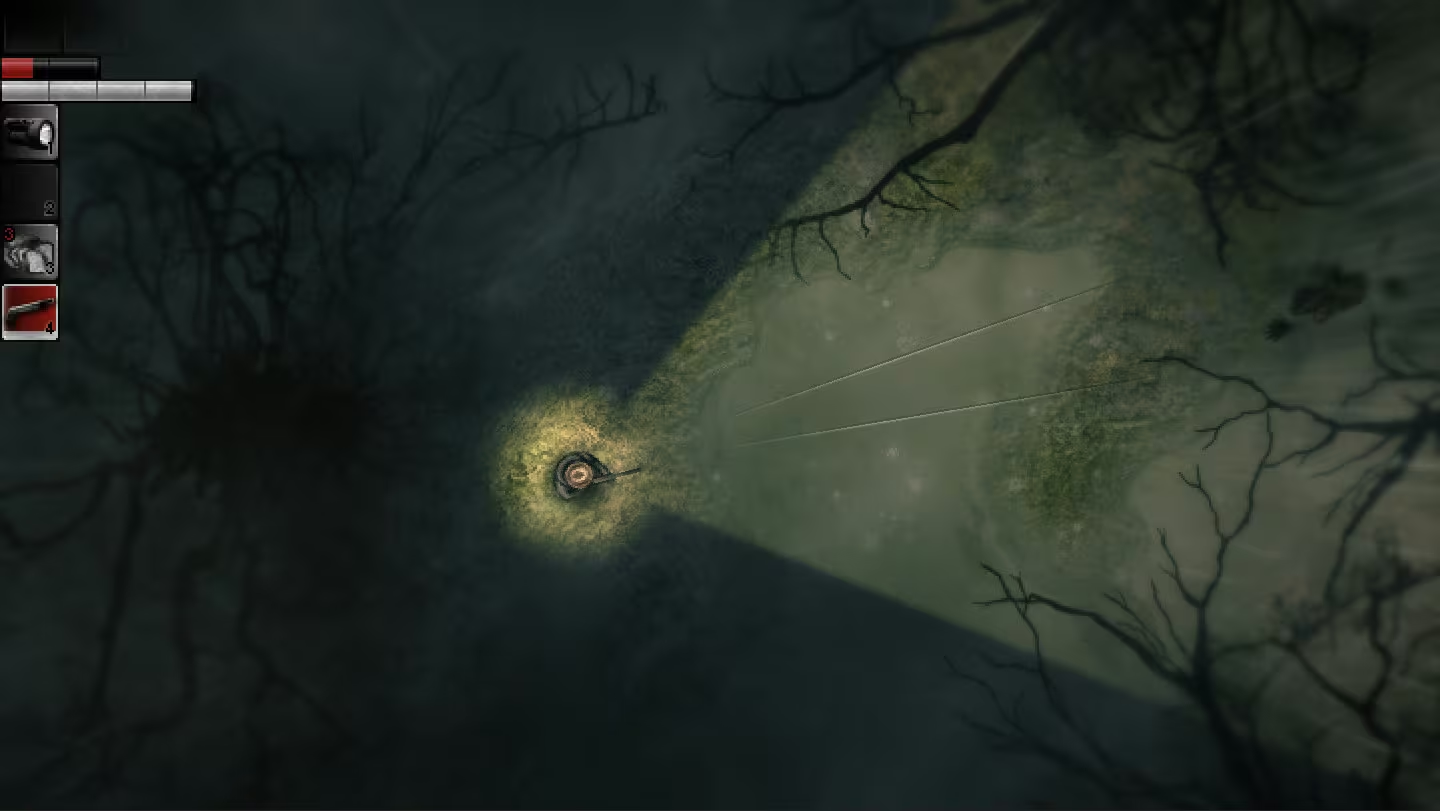
    • Unique top-down perspective with limited vision

    Cons

    • Steep learning curve and difficulty
    • Combat can be clunky and frustrating
    • Some players find pacing slow or repetitive
    • Lack of multiplayer or cooperative modes
    • Minimal handholding may frustrate newcomers

    Analysis

    Broadly representative of its motivational profile, with a few distinct shifts. Motivations that often define this kind of title include Relaxation, Survival, Violence, Fellowship. Here, the score leans higher than usual among comparable games on Expression, Exploration, Story.

    How to use the graph
    Similar games map

    Each dot is a game. They are arranged from the same motivation profile as in the “Motivations” section below. Closer dots usually mean more similar reasons to play (exploration, competition, relaxation, etc.)—not that one game is “better” than another.

    • Larger dot with a light outline: the game you are viewing.
    • Colour: groups of games with comparable motivation patterns (statistical clusters).
    • Hover a dot to see the game name; click to open its page.
    • Scroll or double-click the chart to zoom out and see more games.

    Why don’t the axes read like a score? This view uses t-SNE: it only keeps who is close to whom. The scales are not “good to bad” or hours played—they separate groups on the map. Read distance between dots, not the axis numbers.

    Motivations

    • Autonomy
      4

      "Players have freedom to explore, craft, and make choices affecting story and survival; no handholding or fixed routines."

    • Competence
      4

      "Requires skillful resource management, combat timing, and strategic barricading; challenging gameplay with meaningful feedback."

    • Competition
      -4

      "Focuses on personal survival and exploration without competitive or ranked elements."

    • Continuation
      4

      "Players report addiction and repeated playthroughs despite difficulty and tension; high engagement and replayability."

    • Cooperation
      -4

      "Single-player experience focused on individual survival; NPCs are not cooperative allies."

    • Creativity
      3

      "Crafting and base fortification allow creative problem solving and customization of defenses."

    • Domination
      -4

      "No evidence of exerting control over others; interactions are mostly neutral or hostile without power dynamics."

    • Escapism
      5

      "Strong immersion in a dark, oppressive forest setting provides psychological escape and tension relief."

    • Expectation
      -4

      "Players engage voluntarily driven by curiosity and intrinsic interest in survival horror experience."

    • Experimenting
      4

      "Players explore randomized maps, test different strategies, and try various approaches to survive and progress."

    • Exploration
      5

      "Core gameplay involves discovering new areas, secrets, and interacting with NPCs in a procedurally varied world."

    • Expression
      3

      "Limited character customization but players express themselves through choices, crafting, and playstyle."

    • Fantasy
      3

      "Supernatural and surreal elements create an imaginative, eerie fictional world beyond realism."

    • Fellowship
      -4

      "Primarily a solitary experience with minimal social interaction or community feeling."

    • Growth
      4

      "Players learn mechanics, enemy patterns, and improve survival skills through repeated play and exploration."

    • Health
      -4

      "Sedentary gameplay with high mental tension; no physical activity or health benefits."

    • Idle
      -4

      "Requires constant attention and focus due to threat of death and resource management."

    • Intimacy
      -4

      "No close relationships formed; NPC interactions are transactional or hostile."

    • Leadership
      -4

      "No leadership roles; player acts independently without managing others."

    • Progression
      4

      "Strong progression through acquiring resources, upgrading weapons, and unlocking story paths."

    • Relaxation
      -4

      "Sustained tension and anxiety dominate gameplay; relaxation is rare and brief."

    • Sensation
      4

      "Immersive sound design and visuals provide intense sensory stimulation and emotional engagement."

    • Status
      -4

      "No social recognition or status systems; focus is on individual survival."

    • Story
      4

      "Narrative immersion through exploration, NPC dialogue, and multiple endings with player impact."

    • Strategy
      4

      "Requires planning, resource management, and tactical combat to survive and progress."

    • Thrill
      5

      "High suspense and fear from unknown threats, night invasions, and survival uncertainty."

    • Value
      4

      "Highly praised for content, atmosphere, and replayability relative to price."

    • Violence
      4

      "Combat and destruction of enemies is a core gameplay element."

    • Survival
      5

      "Central theme is avoiding death through resource management, barricading, and combat."

    Last update: 29/04/2026