You Will Die Here Tonight Thumbnail

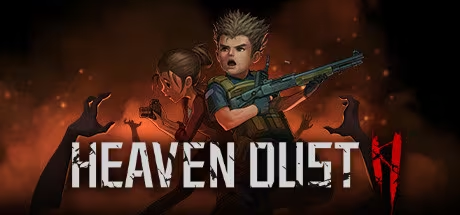
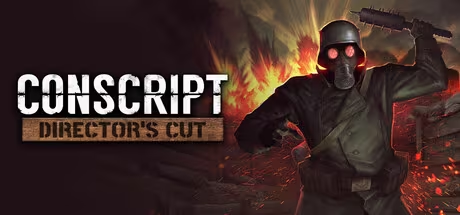
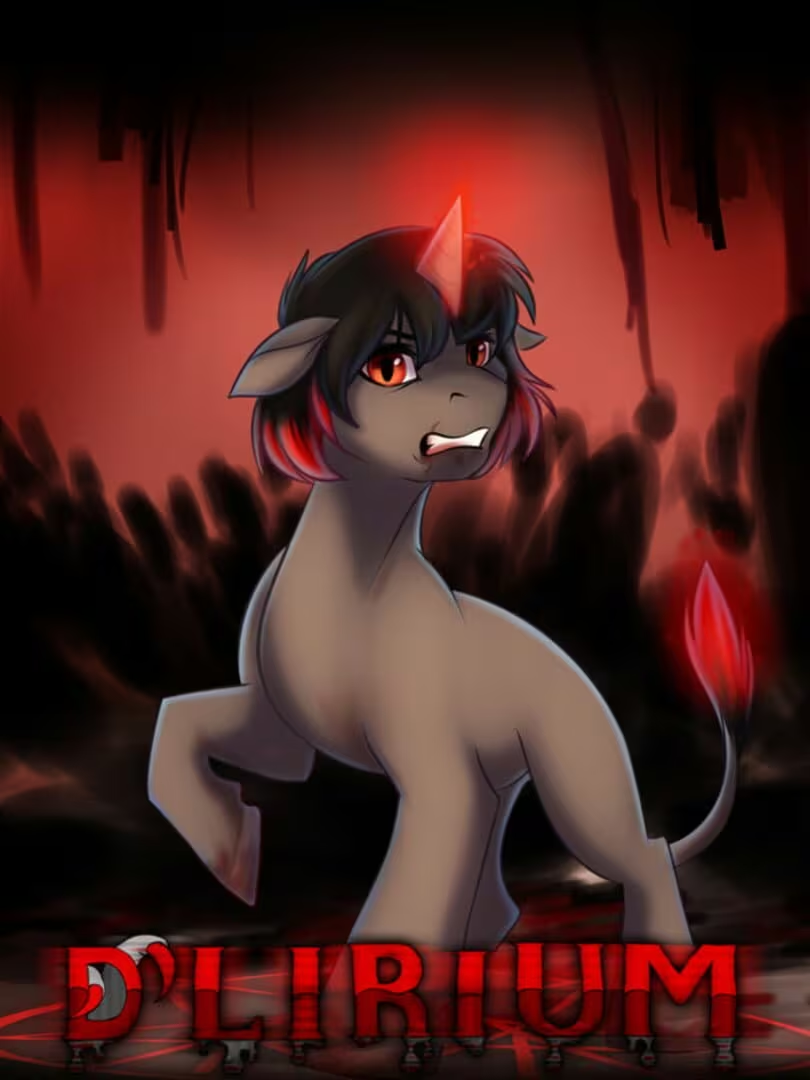
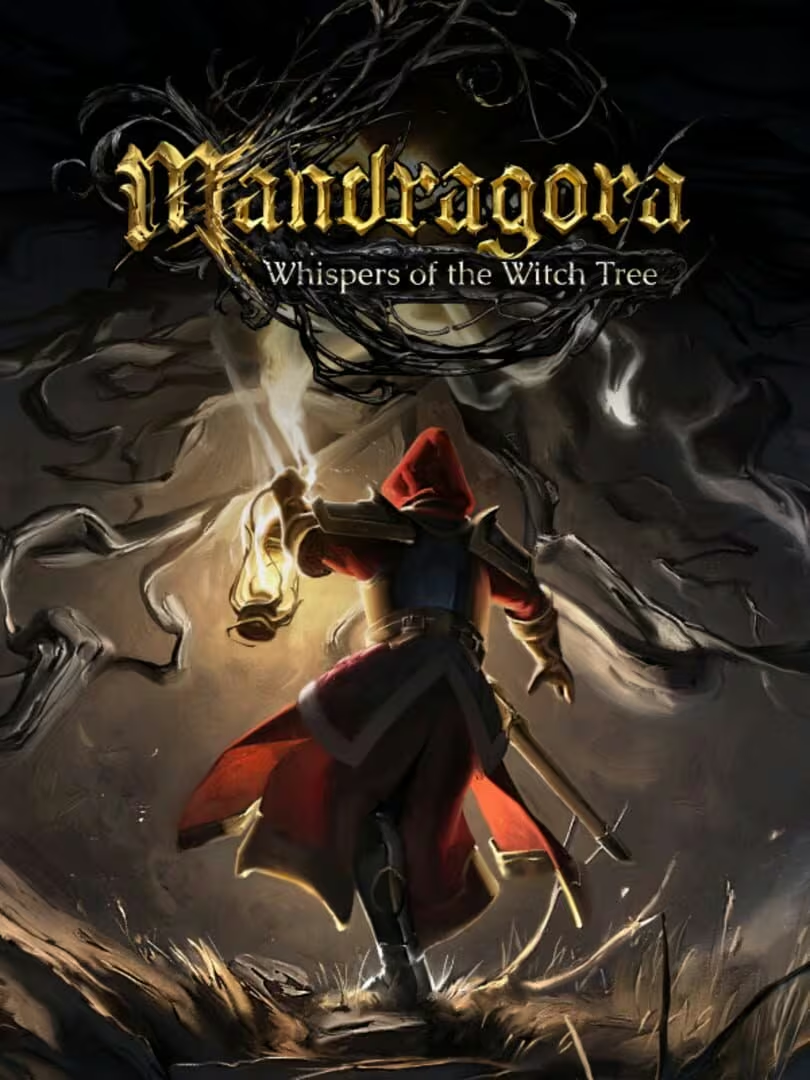
You Will Die Here Tonight similar games & best alternatives
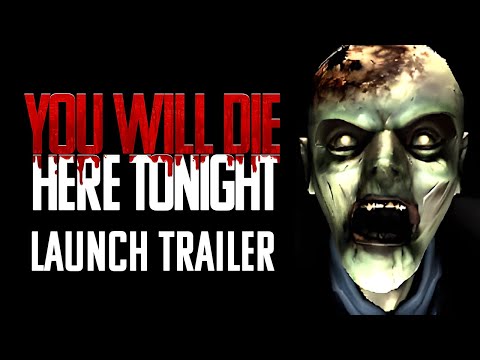
You Will Die Here Tonight

PC (Microsoft Windows) • 2023

Related articles

Quick resume

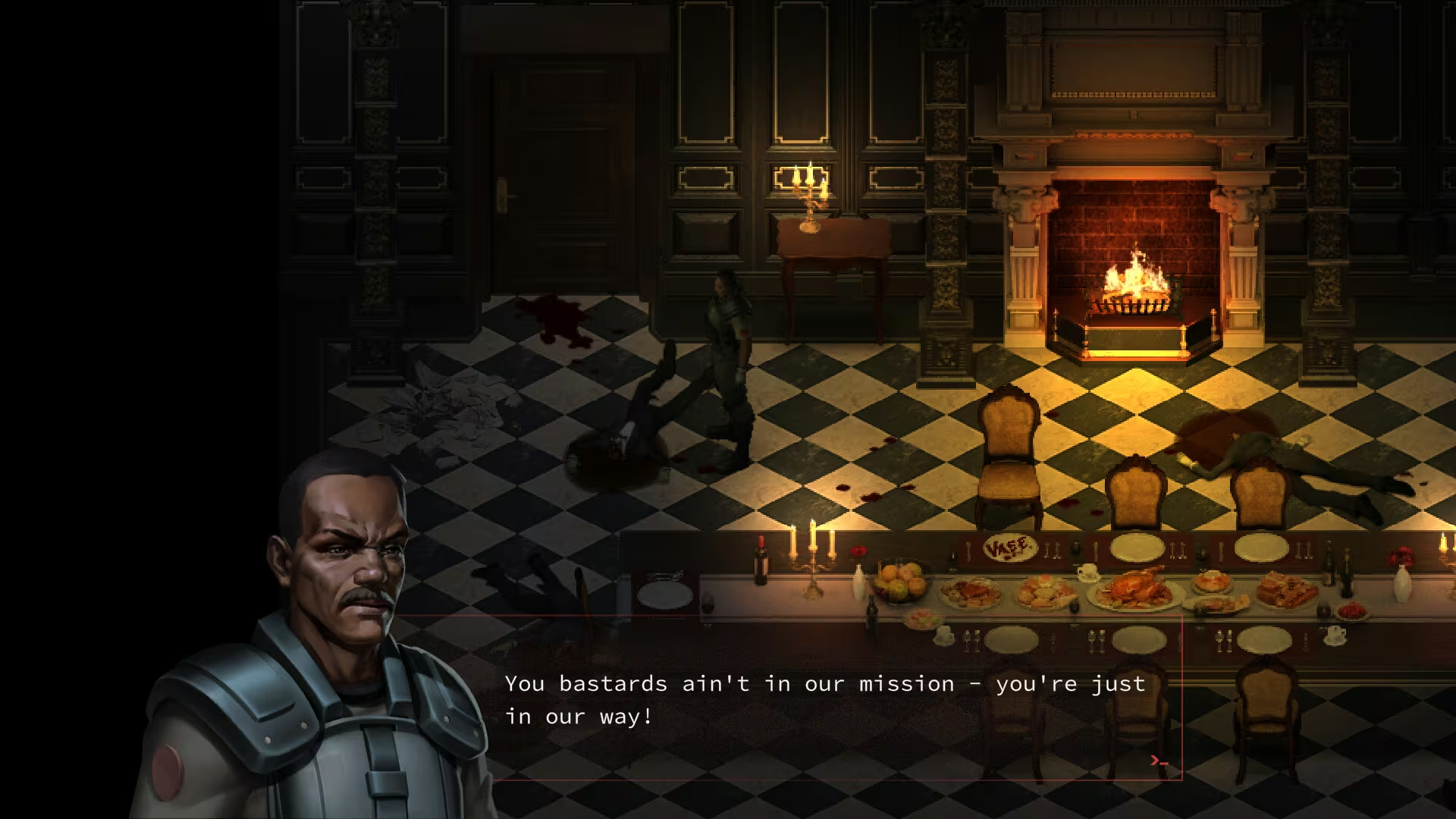
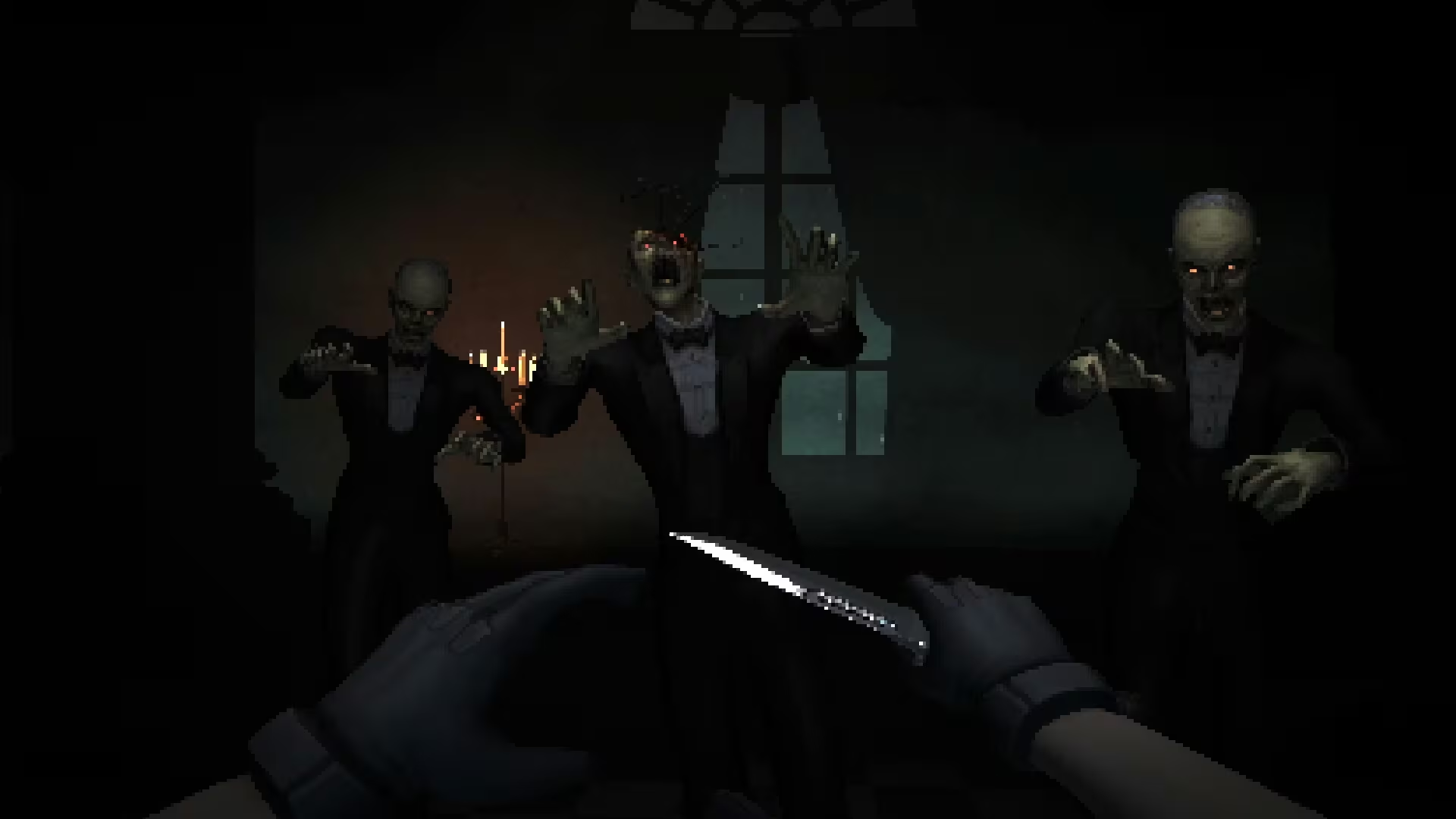
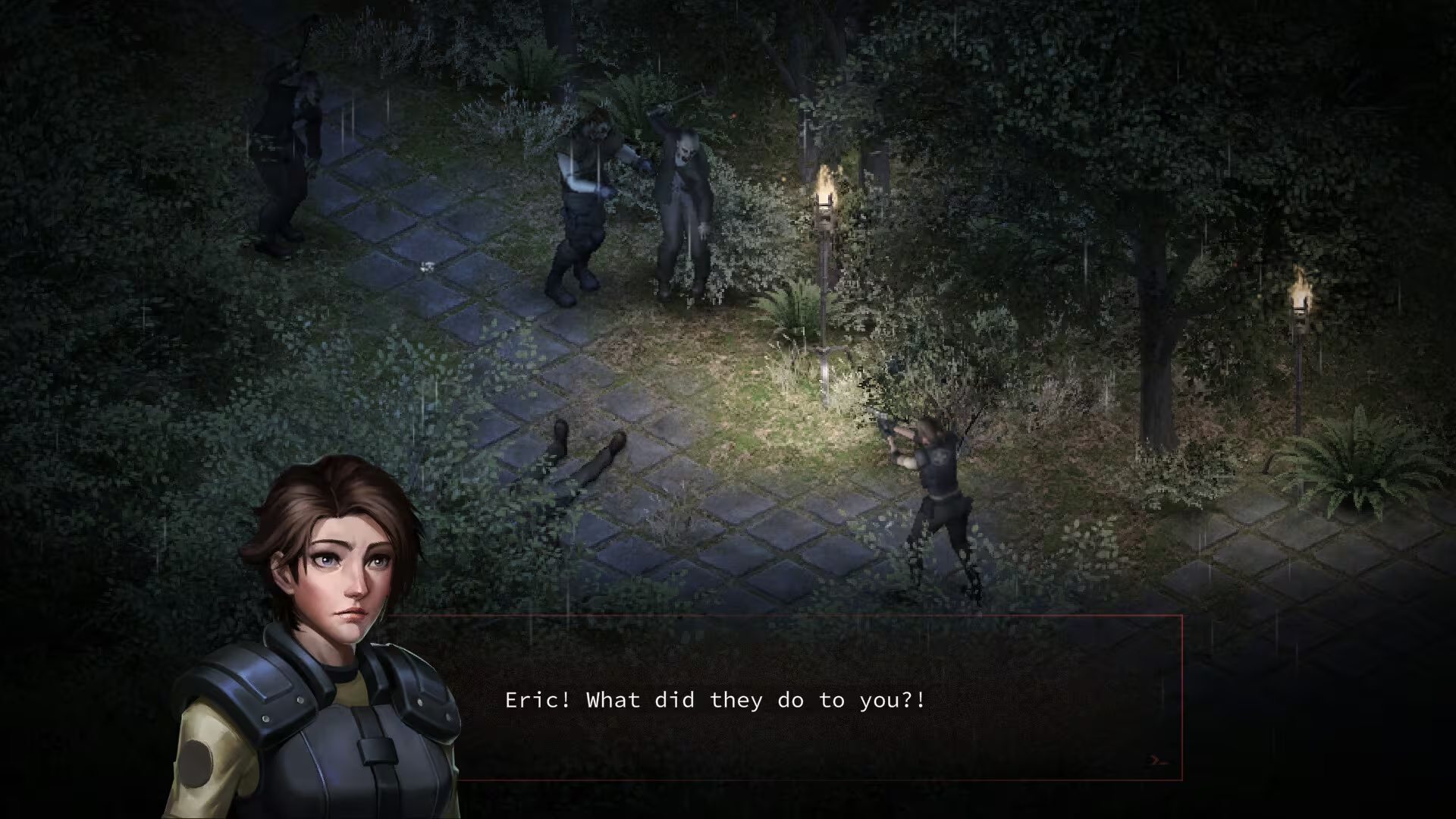
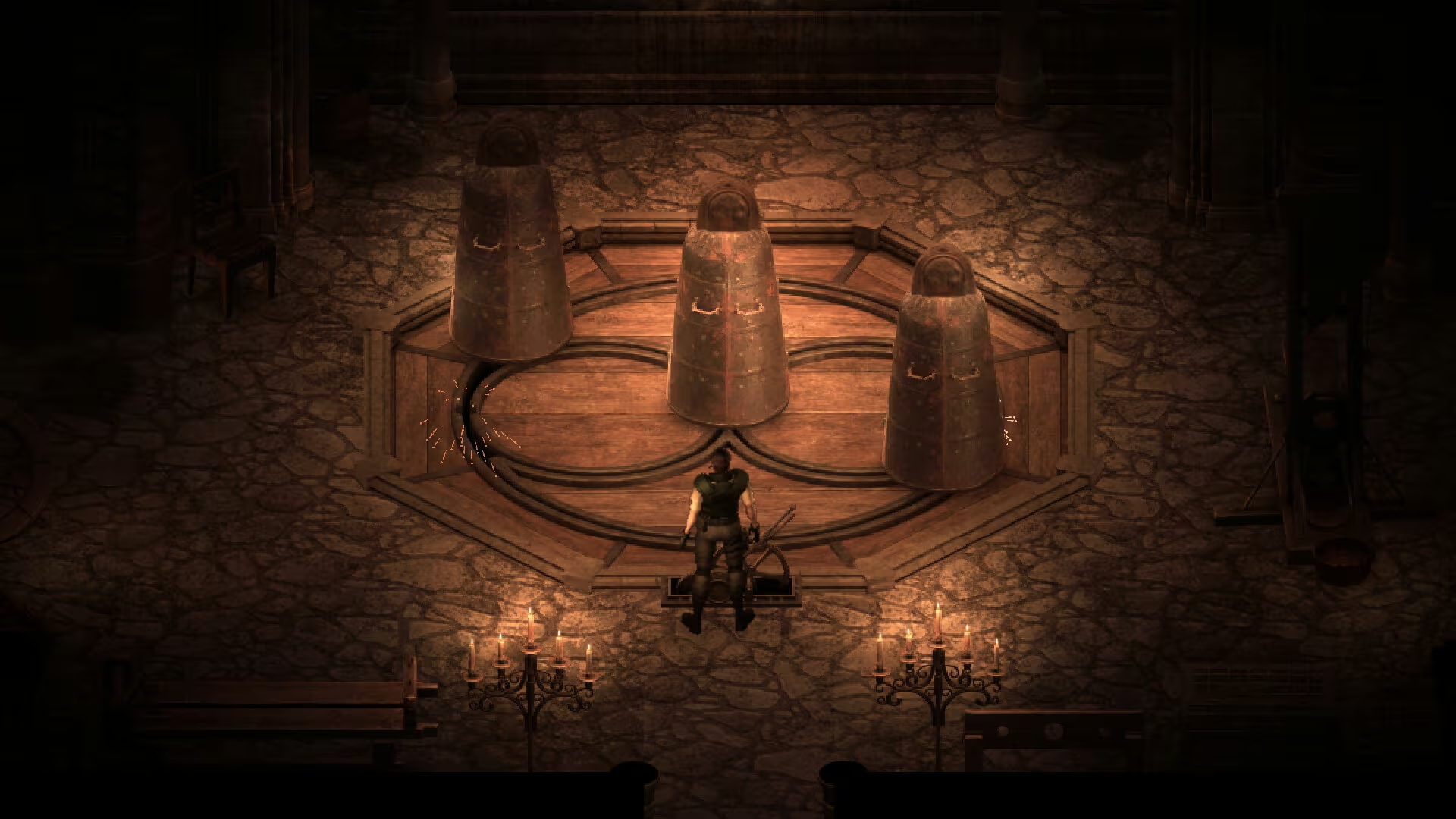
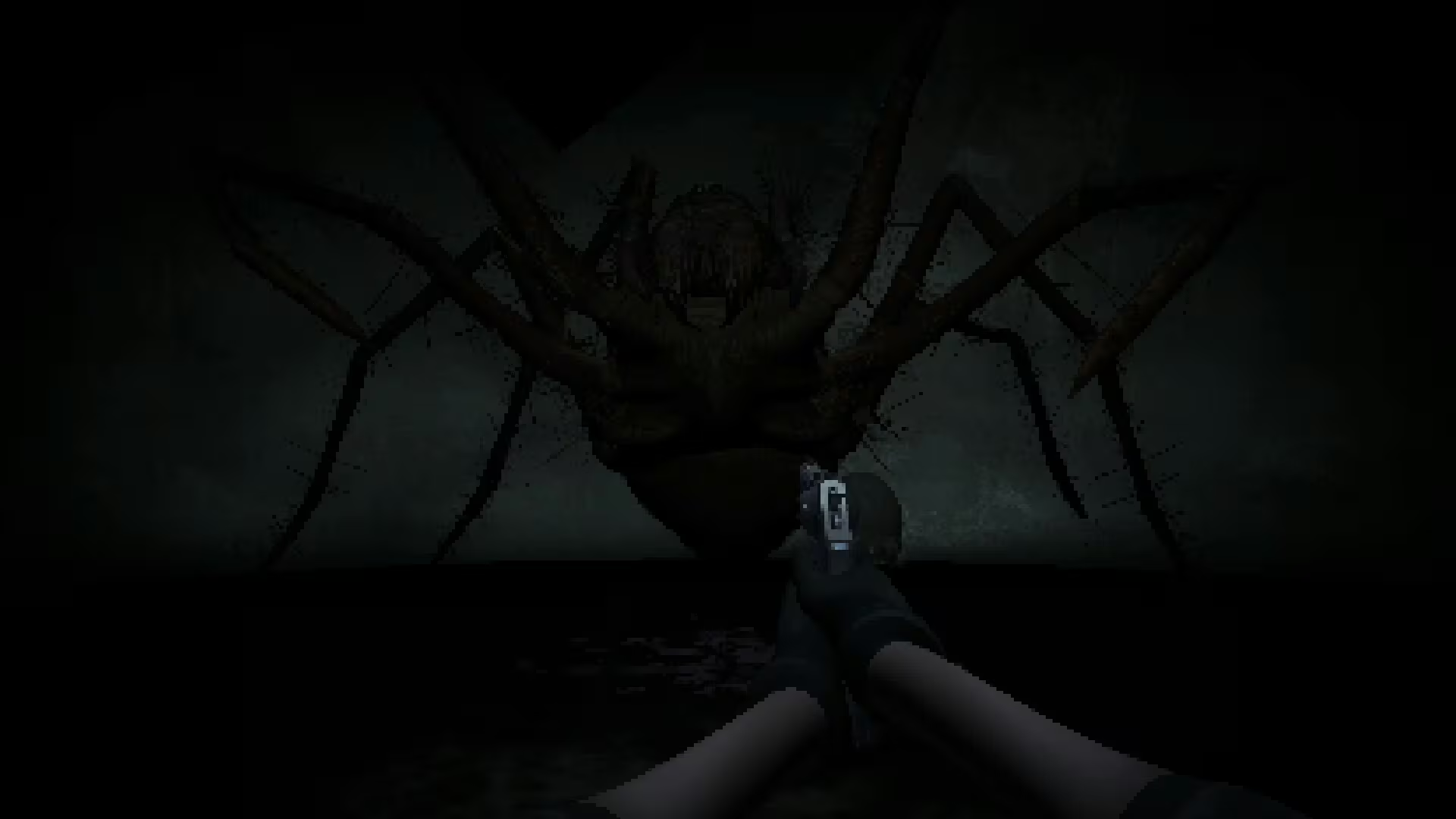
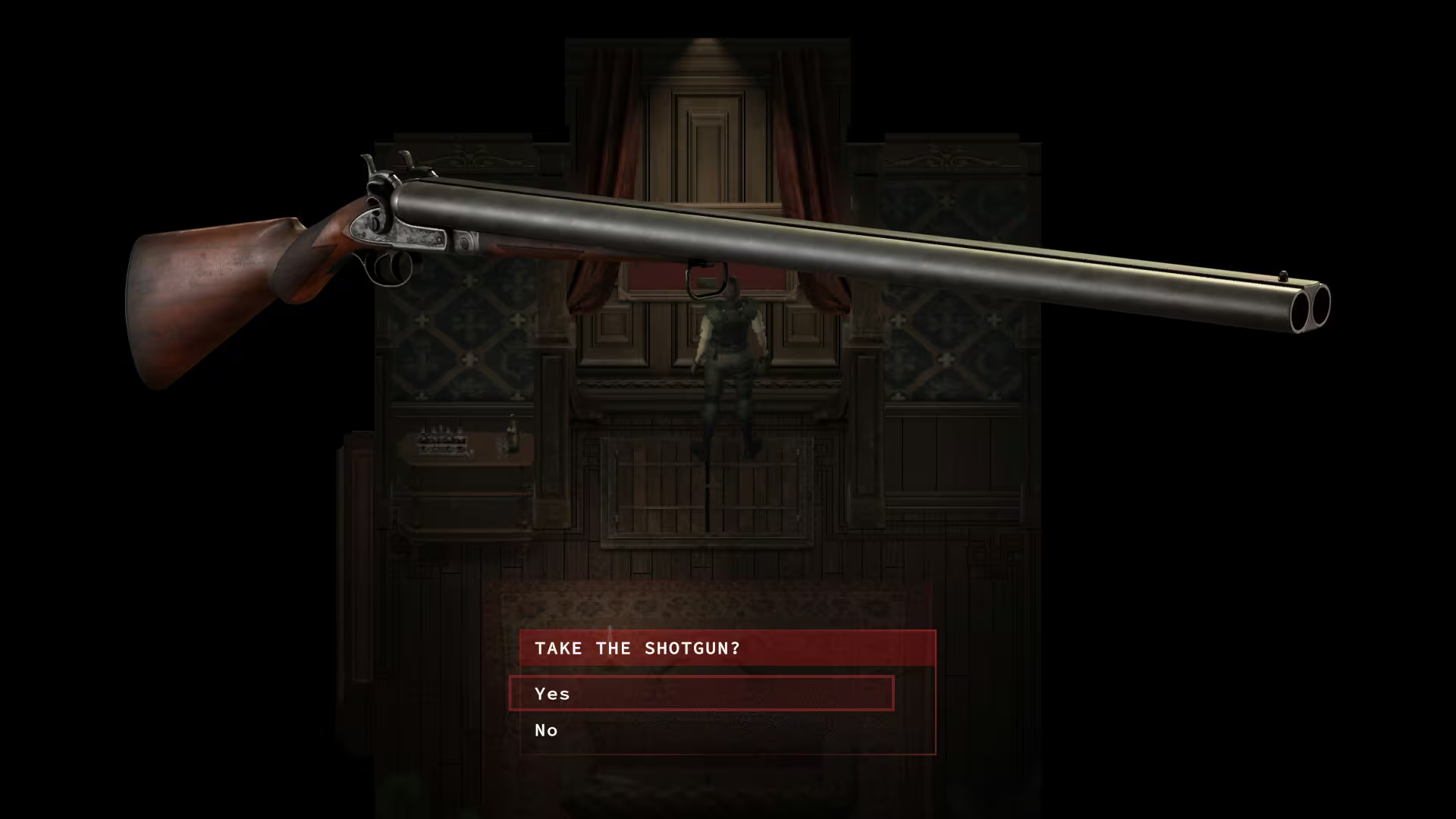
Immerse yourself in retro top-down visuals as you face the horrors of Breckenridge Hall through intense first-person combat. Scavenge, solve puzzles, and upgrade your gear. Do whatever it takes to survive—but remember: You Will Die Here Tonight.

Global score

91/100

Genres

Action, Adventure, Indie, Role-playing (RPG), Shooter

Similar games

    Pros

    • Strong homage to classic resident evil
    • Unique combat system blending top-down and first-person shooter
    • Engaging puzzles and exploration
    • Multiple characters with unique abilities
    • Intriguing story with multiple endings

    Cons

    • Repetitive gameplay loops due to roguelike structure
    • Some puzzles are confusing or poorly explained
    • Controls can feel clunky or unintuitive
    • Short game length
    • Limited enemy variety

    Analysis

    A very typical example of its motivational profile. Motivations that often define this kind of title include Relaxation, Survival, Violence, Fellowship. Here, the score leans higher than usual among comparable games on Story. It leans lower than usual among comparable games on Expression, Status.

    How to use the graph
    Similar games map

    Each dot is a game. They are arranged from the same motivation profile as in the “Motivations” section below. Closer dots usually mean more similar reasons to play (exploration, competition, relaxation, etc.)—not that one game is “better” than another.

    • Larger dot with a light outline: the game you are viewing.
    • Colour: groups of games with comparable motivation patterns (statistical clusters).
    • Hover a dot to see the game name; click to open its page.
    • Scroll or double-click the chart to zoom out and see more games.

    Why don’t the axes read like a score? This view uses t-SNE: it only keeps who is close to whom. The scales are not “good to bad” or hours played—they separate groups on the map. Read distance between dots, not the axis numbers.

    Motivations

    • Autonomy
      4

      "Players can choose among six characters with unique abilities and decide how to approach puzzles and combat, with some freedom in exploration and progression."

    • Competence
      3

      "The game challenges players with puzzles, lethal combat, and resource management, requiring skill and learning from repeated deaths."

    • Competition
      -4

      "Focus is on personal progression and survival rather than competing against others; no mention of multiplayer or leaderboards."

    • Continuation
      4

      "Players are motivated to keep playing despite frequent deaths due to roguelike progression and desire to reach true endings."

    • Cooperation
      -3

      "Gameplay centers on individual control of characters sequentially rather than cooperative multiplayer or teamwork."

    • Creativity
      2

      "Players engage with puzzles and character-specific abilities, but mostly within predefined mansion and puzzle structures."

    • Domination
      -5

      "Interactions are single-player focused with no evidence of exerting control or superiority over others."

    • Escapism
      4

      "The horror atmosphere, tense combat, and story provide strong immersion and distraction from real life."

    • Expectation
      -4

      "Players engage voluntarily out of interest and nostalgia for classic survival horror, not due to obligation."

    • Experimenting
      3

      "Players experiment with different characters, strategies, and puzzle solutions to progress and unlock endings."

    • Exploration
      3

      "Exploration of the mansion and discovery of secrets and puzzles is a core part of gameplay."

    • Expression
      -3

      "Limited customization; characters have fixed appearances and personalities with no cosmetic modifications."

    • Fantasy
      4

      "Set in a fictional haunted mansion with zombies and supernatural elements typical of survival horror fiction."

    • Fellowship
      -4

      "Minimal social interaction; focus is on solo play and individual experience."

    • Growth
      3

      "Players learn enemy patterns, puzzle solutions, and character strengths through repeated play and progression."

    • Health
      -5

      "Sedentary gameplay with no physical activity; players spend time sitting and focusing on screen."

    • Idle
      -4

      "Requires continuous attention due to lethal combat and puzzles; not suitable for passive or background play."

    • Intimacy
      -4

      "No evidence of forming close relationships or emotional sharing; interactions are limited to scripted dialogue."

    • Leadership
      -4

      "Players control individual characters sequentially without managing or leading a group."

    • Progression
      4

      "Players accumulate weapons, upgrades, and puzzle progress that carry over between character deaths and loops."

    • Relaxation
      -3

      "The game is tense and punishing, with frequent deaths and high stakes, limiting relaxation."

    • Sensation
      3

      "Atmospheric audio and visuals create sensory tension and emotional excitement."

    • Status
      -5

      "No social recognition or ranking systems; achievements are personal and not socially evaluated."

    • Story
      4

      "Narrative with multiple endings, character dialogue, and plot twists is a strong motivator."

    • Strategy
      3

      "Players must plan resource use, character selection, and puzzle solving to survive and progress."

    • Thrill
      4

      "High tension from lethal combat, traps, and jump scares creates suspense and thrill."

    • Value
      3

      "Players feel the game offers good entertainment value for price and time invested."

    • Violence
      4

      "Combat involves shooting and killing zombies and monsters, with gore and brutal death scenes."

    • Survival
      4

      "Core gameplay revolves around avoiding death, managing resources, and overcoming threats."

    Last update: 29/04/2026