The Void Thumbnail

The Void similar games & best alternatives
The Void

PC (Microsoft Windows) • 2009

Related articles

Quick resume

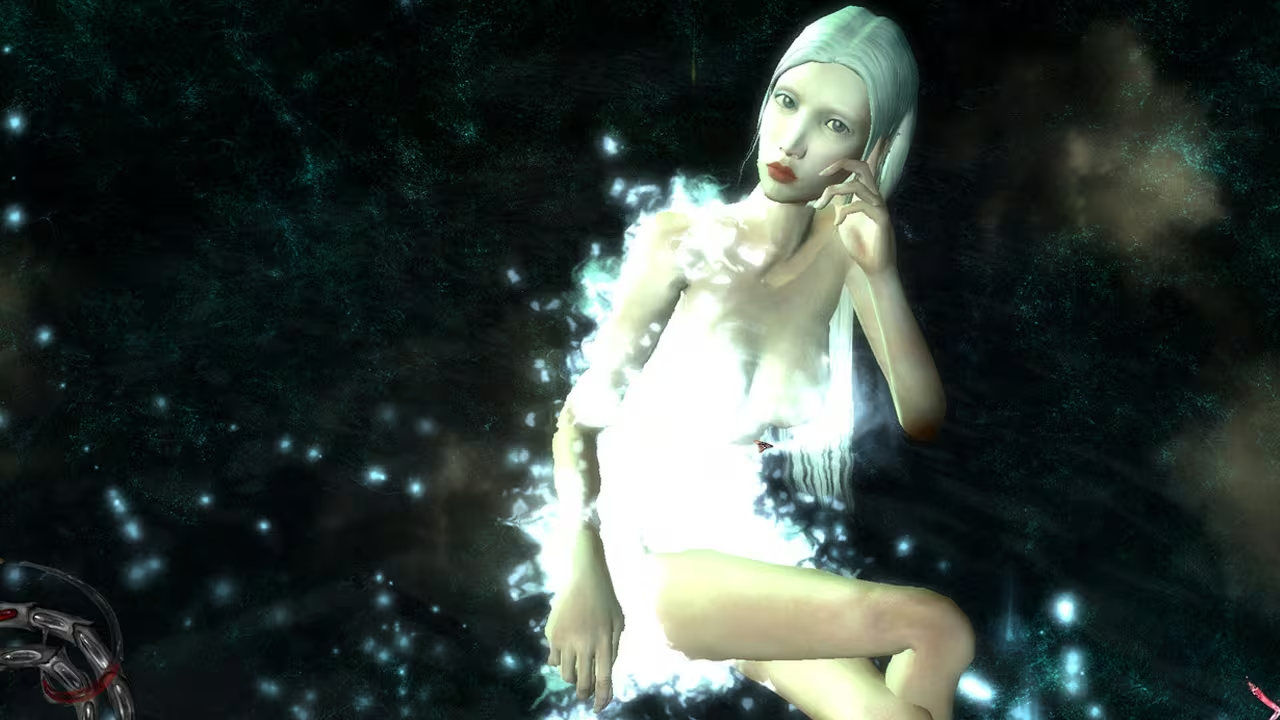
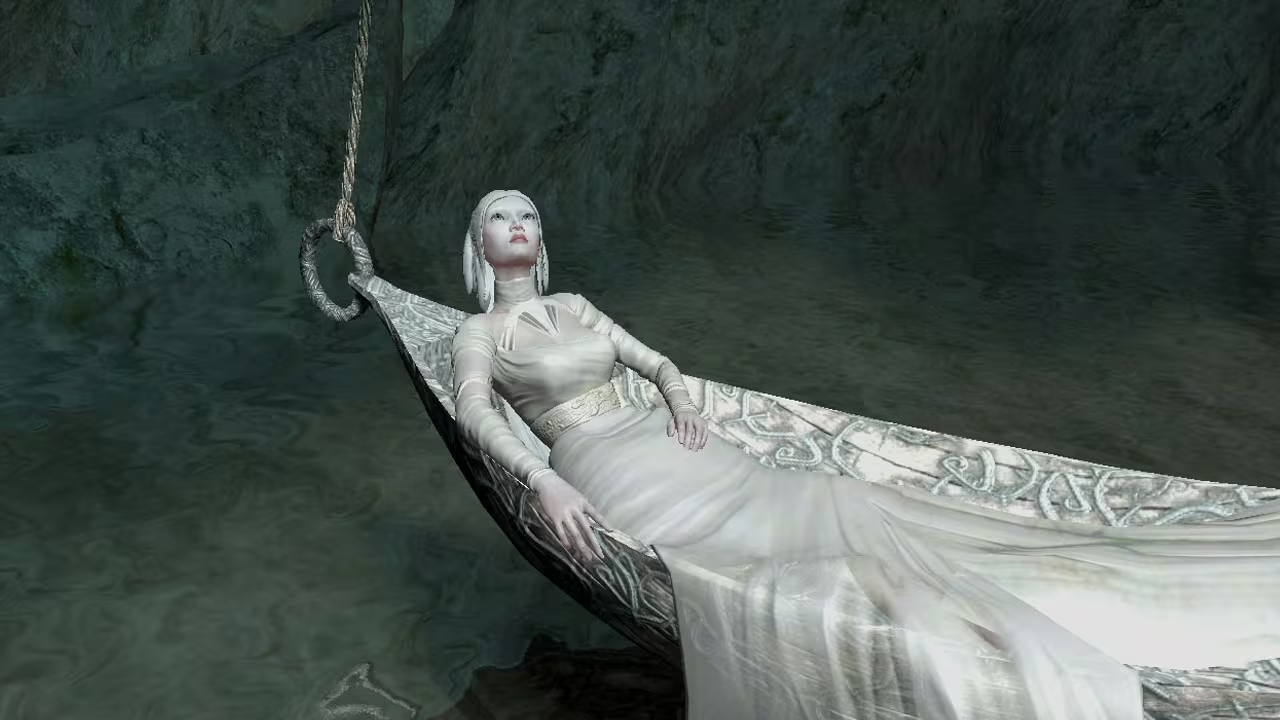
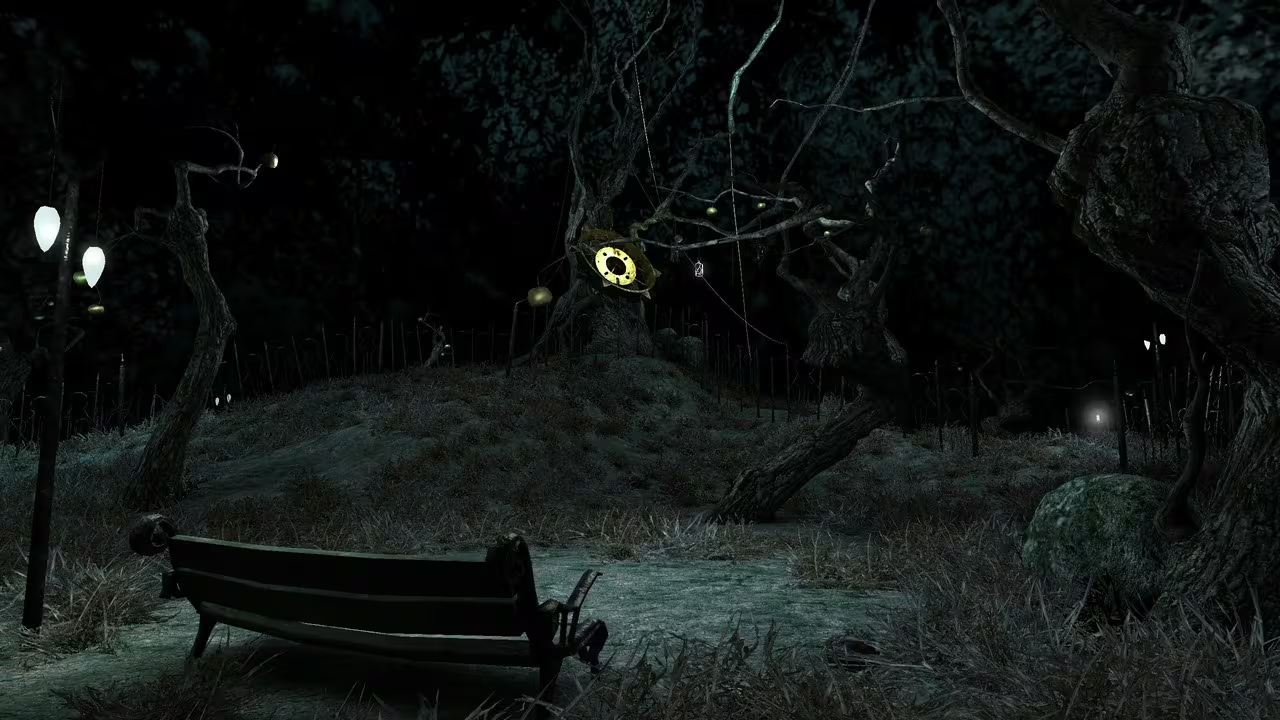
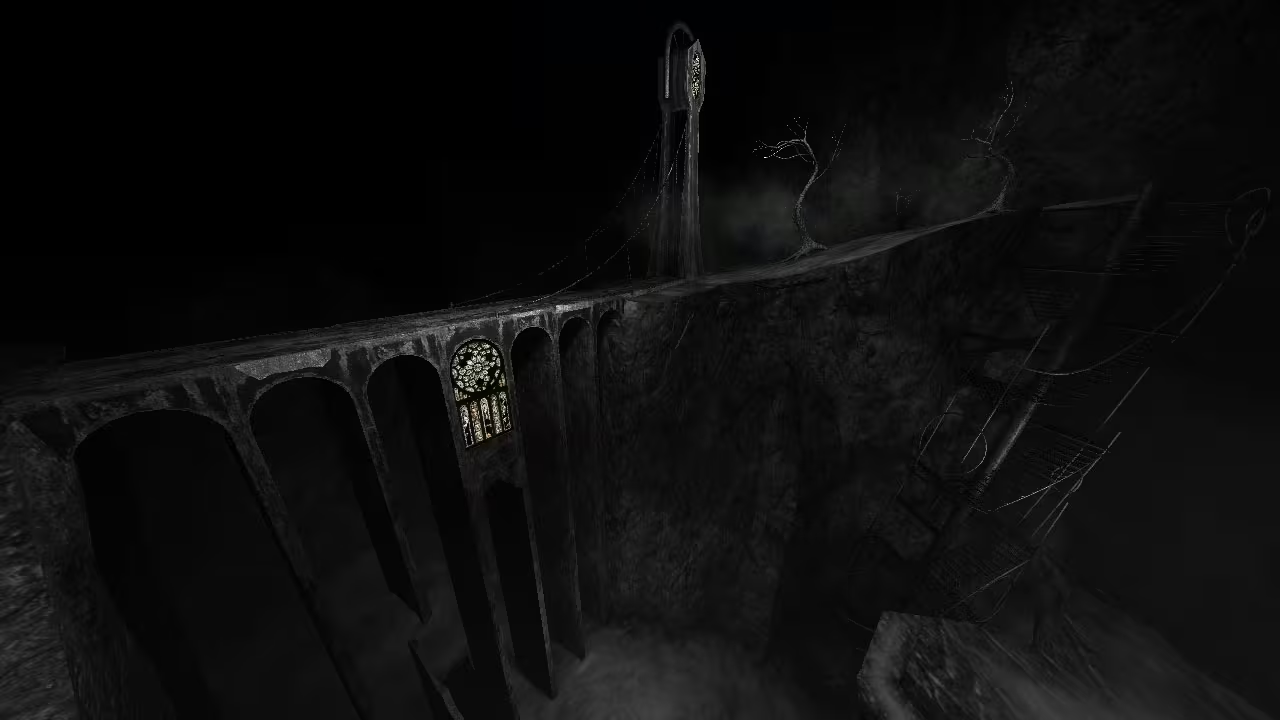
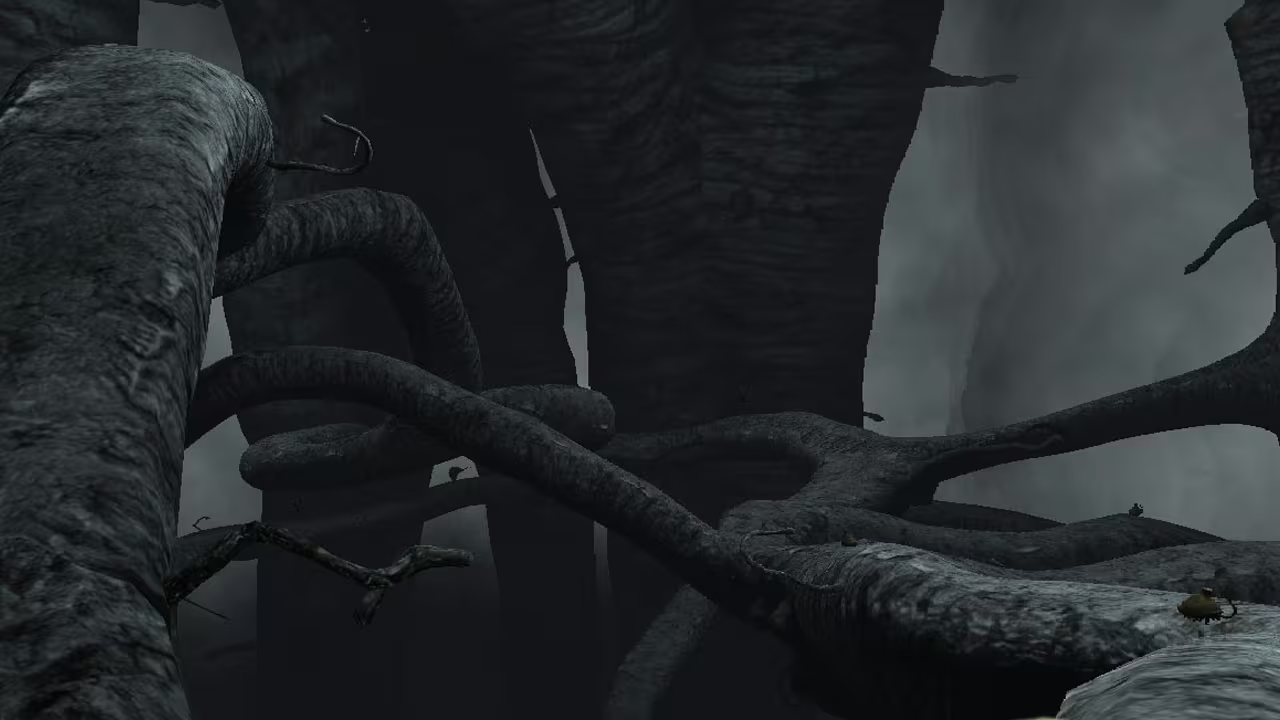
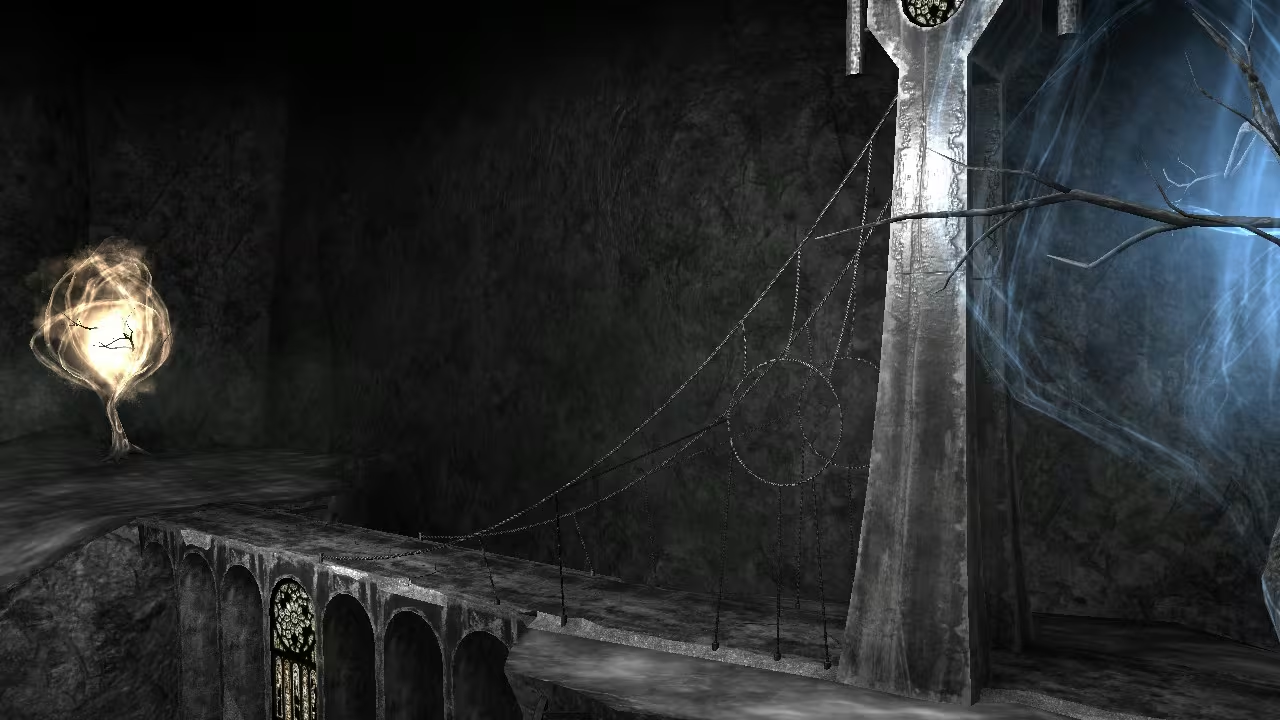
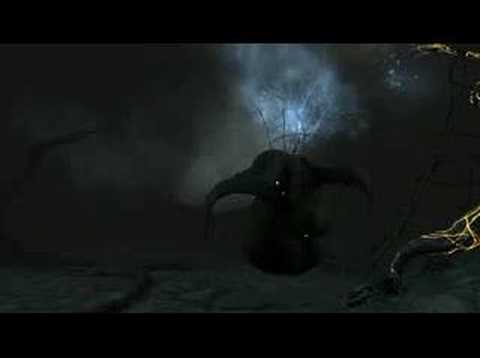
Only brought to life by scarce sparks of Color, the bleak, grey Void is a peculiar place. The player gets to explore it, get to know the Sisters, Brothers, and other weird creatures inhabiting it, and learn the ways of Color, harvesting it and drawing sigils that change the world around them.

Global score

80/100

Genres

Action, Adventure, Indie, Role-playing (RPG)

Similar games

    Pros

    • Unique artistic style and atmosphere
    • Deep and philosophical narrative
    • Innovative resource management mechanics
    • Immersive and surreal world
    • Challenging and rewarding gameplay

    Cons

    • Steep learning curve and high difficulty
    • Punishing mechanics requiring frequent restarts
    • Lack of tutorial and clarity
    • Some clunky controls and occasional bugs
    • Limited social and cooperative elements

    Analysis

    Less representative of its motivational profile, with noticeable differences. Motivations that often define this kind of title include Relaxation, Survival, Violence, Fellowship. Here, the score leans higher than usual among comparable games on Expression. It leans lower than usual among comparable games on Violence, Continuation.

    How to use the graph
    Similar games map

    Each dot is a game. They are arranged from the same motivation profile as in the “Motivations” section below. Closer dots usually mean more similar reasons to play (exploration, competition, relaxation, etc.)—not that one game is “better” than another.

    • Larger dot with a light outline: the game you are viewing.
    • Colour: groups of games with comparable motivation patterns (statistical clusters).
    • Hover a dot to see the game name; click to open its page.
    • Scroll or double-click the chart to zoom out and see more games.

    Why don’t the axes read like a score? This view uses t-SNE: it only keeps who is close to whom. The scales are not “good to bad” or hours played—they separate groups on the map. Read distance between dots, not the axis numbers.

    Motivations

    • Autonomy
      4

      "Players have freedom to make choices, manage resources, and decide how to interact with the world, though within a harsh system."

    • Competence
      4

      "The game demands mastery of complex resource management and strategic planning with punishing consequences for mistakes."

    • Competition
      -3

      "Focus is on personal survival and progression rather than competing against others; no multiplayer or leaderboards."

    • Continuation
      -2

      "High difficulty and punishing mechanics lead to frequent restarts and frustration, limiting habitual long sessions."

    • Cooperation
      -4

      "Gameplay is solitary; interaction with NPCs is narrative-driven without cooperative multiplayer or teamwork."

    • Creativity
      5

      "Highly creative mechanics involving color resource management, glyph drawing, and surreal artistic design."

    • Domination
      -4

      "Interactions emphasize mutual consequence and balance rather than exerting control or superiority over others."

    • Escapism
      5

      "Strongly immersive and atmospheric experience designed to transport players into a surreal, otherworldly void."

    • Expectation
      -4

      "Players engage voluntarily driven by curiosity and intrinsic interest despite the game's difficulty and obscurity."

    • Experimenting
      4

      "Players explore and experiment with complex mechanics, resource strategies, and multiple endings."

    • Exploration
      4

      "Exploration of surreal environments and discovery of secrets and story elements is central to gameplay."

    • Expression
      3

      "Customization is limited but players express themselves through choices in resource allocation and glyph use."

    • Fantasy
      5

      "Set in a surreal, metaphysical limbo with abstract characters and themes of death, life, and existence."

    • Fellowship
      -4

      "Primarily a solitary experience with minimal social interaction beyond narrative NPC encounters."

    • Growth
      4

      "Players develop understanding of complex systems and improve strategic skills through trial and error."

    • Health
      -4

      "Sedentary gameplay with high mental stress; no physical activity or health-promoting features."

    • Idle
      -3

      "Requires constant attention and careful management; no background or casual play elements."

    • Intimacy
      -3

      "Interactions with NPCs are narrative and symbolic rather than emotionally intimate or relationship-building."

    • Leadership
      Insufficient data
    • Progression
      5

      "Core gameplay revolves around accumulating and managing color resources to survive and advance."

    • Relaxation
      -4

      "Gameplay is tense and stressful with punishing mechanics and constant pressure to optimize actions."

    • Sensation
      4

      "Strong sensory and emotional impact through unique art style, music, and surreal atmosphere."

    • Status
      -4

      "Focus is on personal experience and survival without social recognition or status systems."

    • Story
      4

      "Narrative is abstract, poetic, and immersive, with multiple endings and deep philosophical themes."

    • Strategy
      5

      "Requires complex strategic planning, resource allocation, and problem solving under time constraints."

    • Thrill
      4

      "Tense and suspenseful gameplay with risk of failure and high stakes resource management."

    • Value
      4

      "Highly regarded as a unique artistic experience offering deep engagement for the price."

    • Violence
      -3

      "Combat exists but is minimal and secondary to resource management and survival; focus on preservation."

    • Survival
      5

      "Core gameplay is about managing scarce resources to avoid death and progress through hostile environments."

    Last update: 29/04/2026