Death Howl Thumbnail

Death Howl similar games & best alternatives

Death Howl

PC (Microsoft Windows), Nintendo Switch, Xbox Series X|S, PlayStation 5 • 2025

Related articles

Quick resume

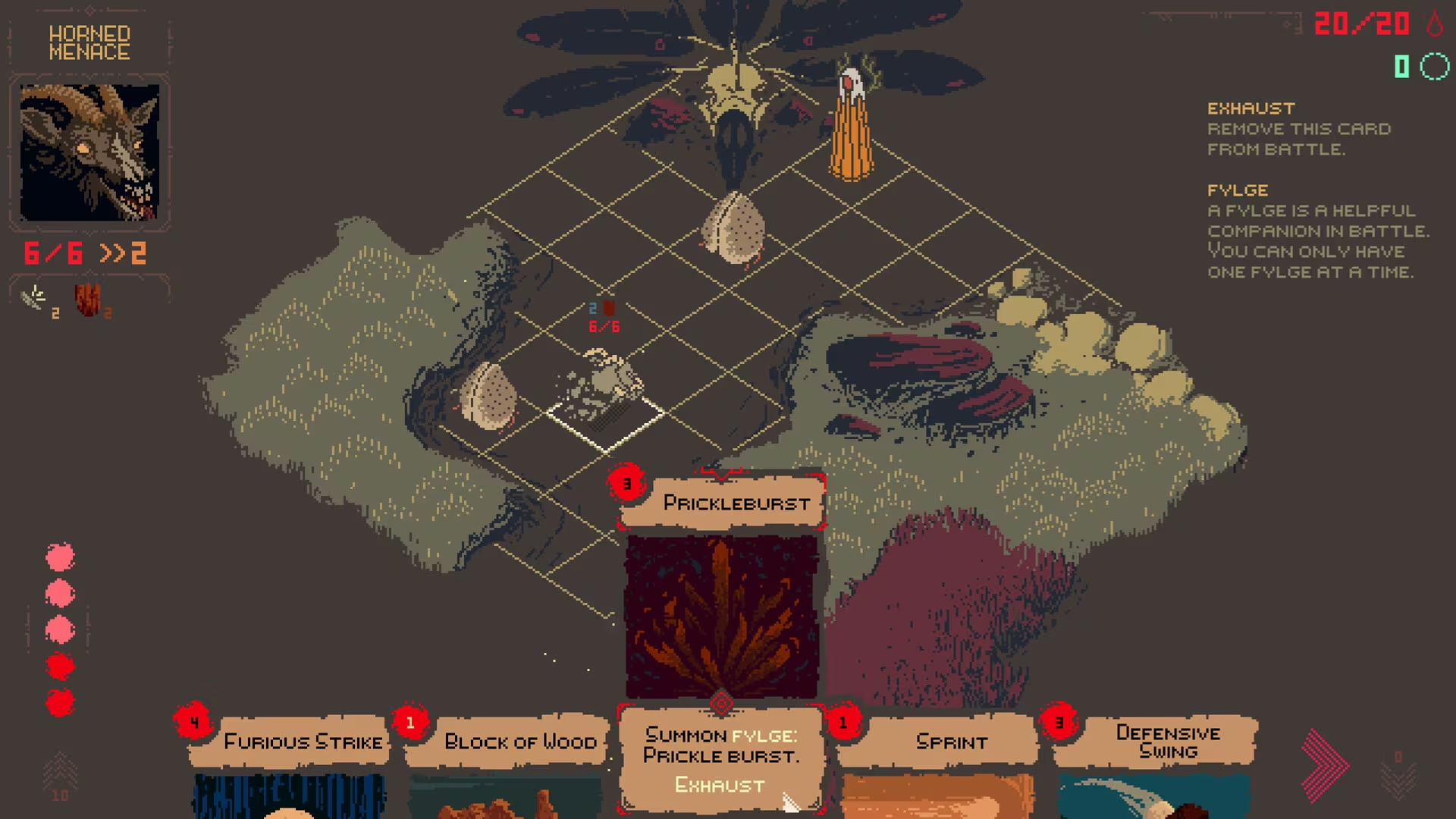
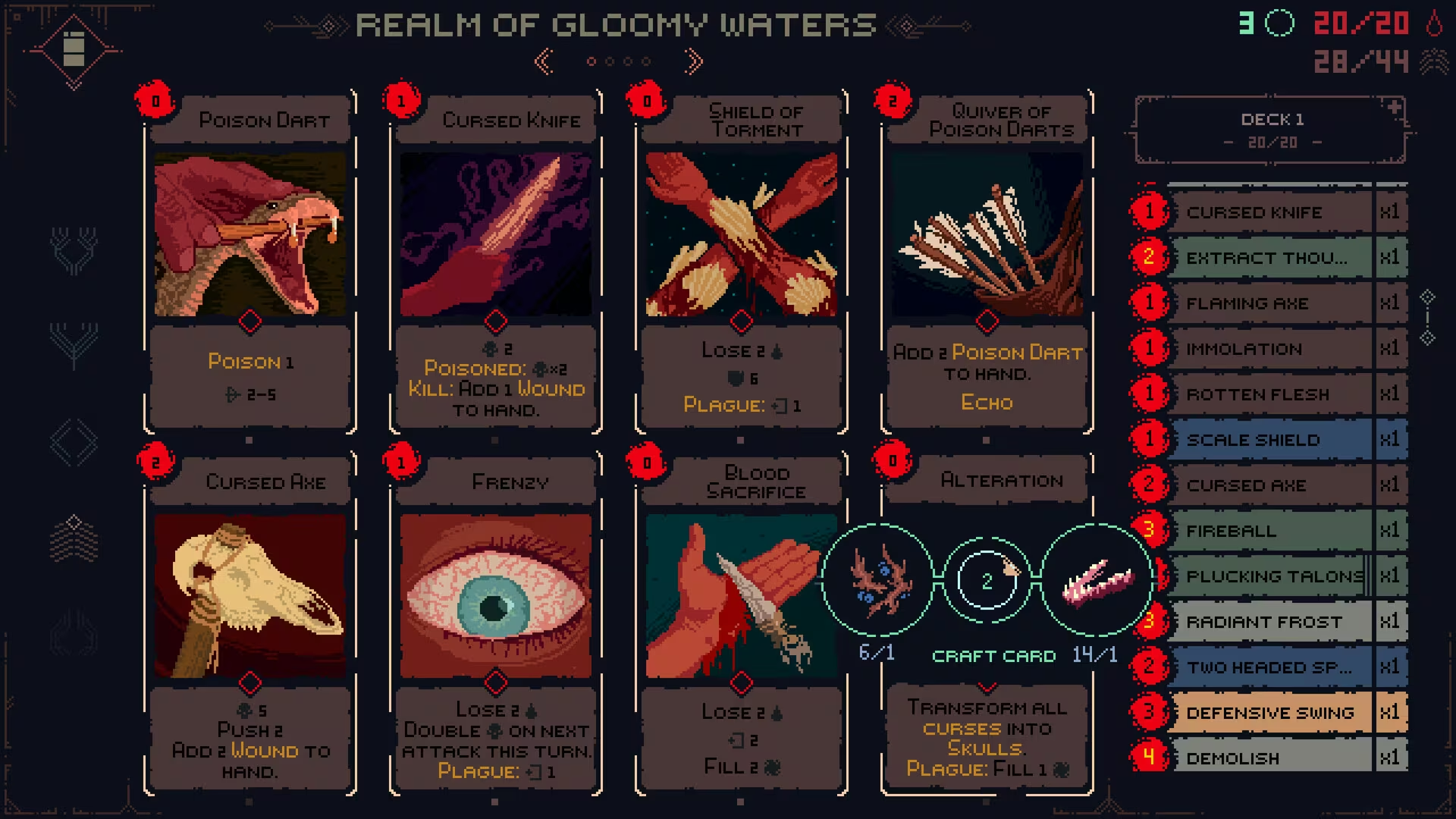
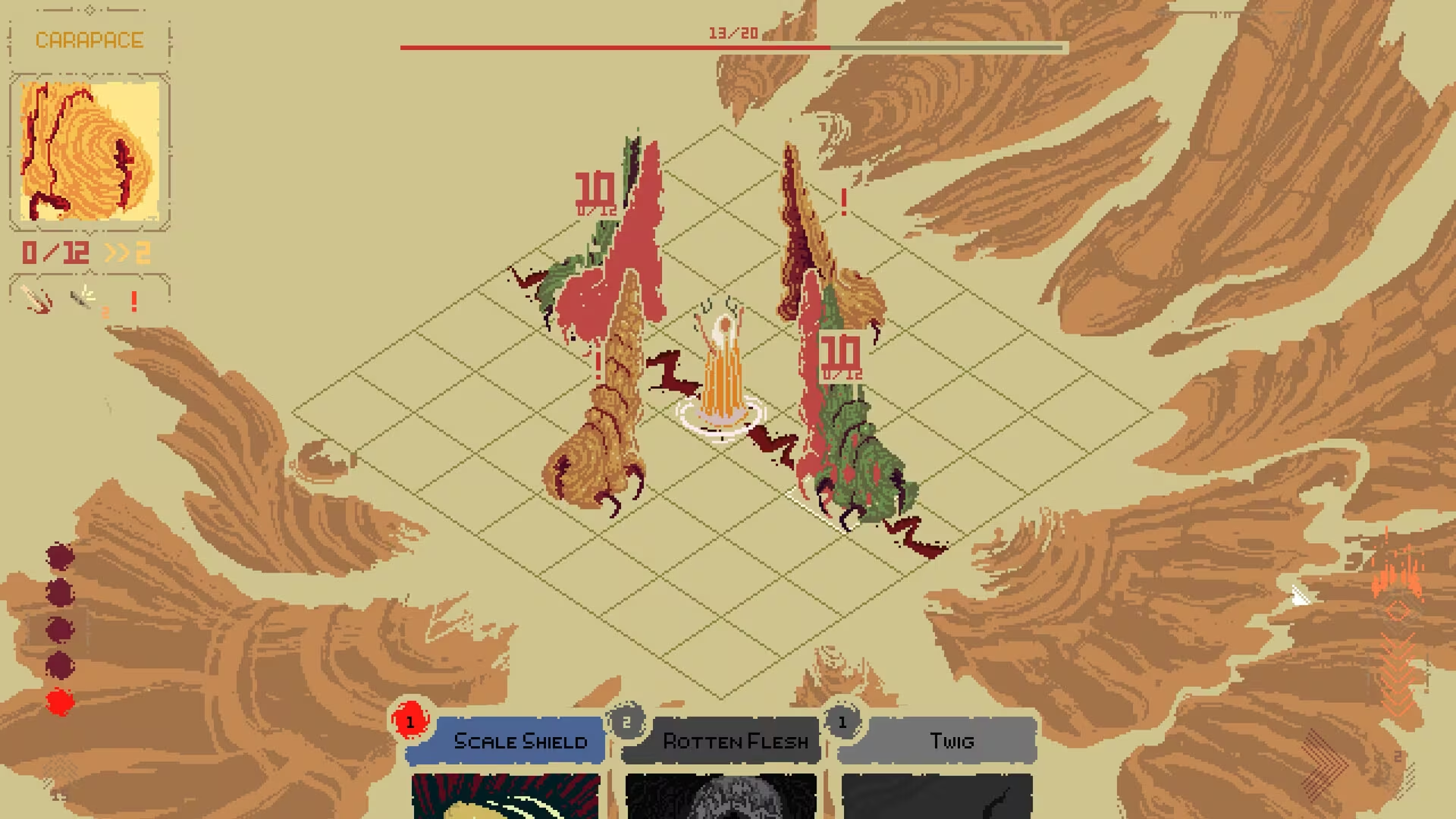
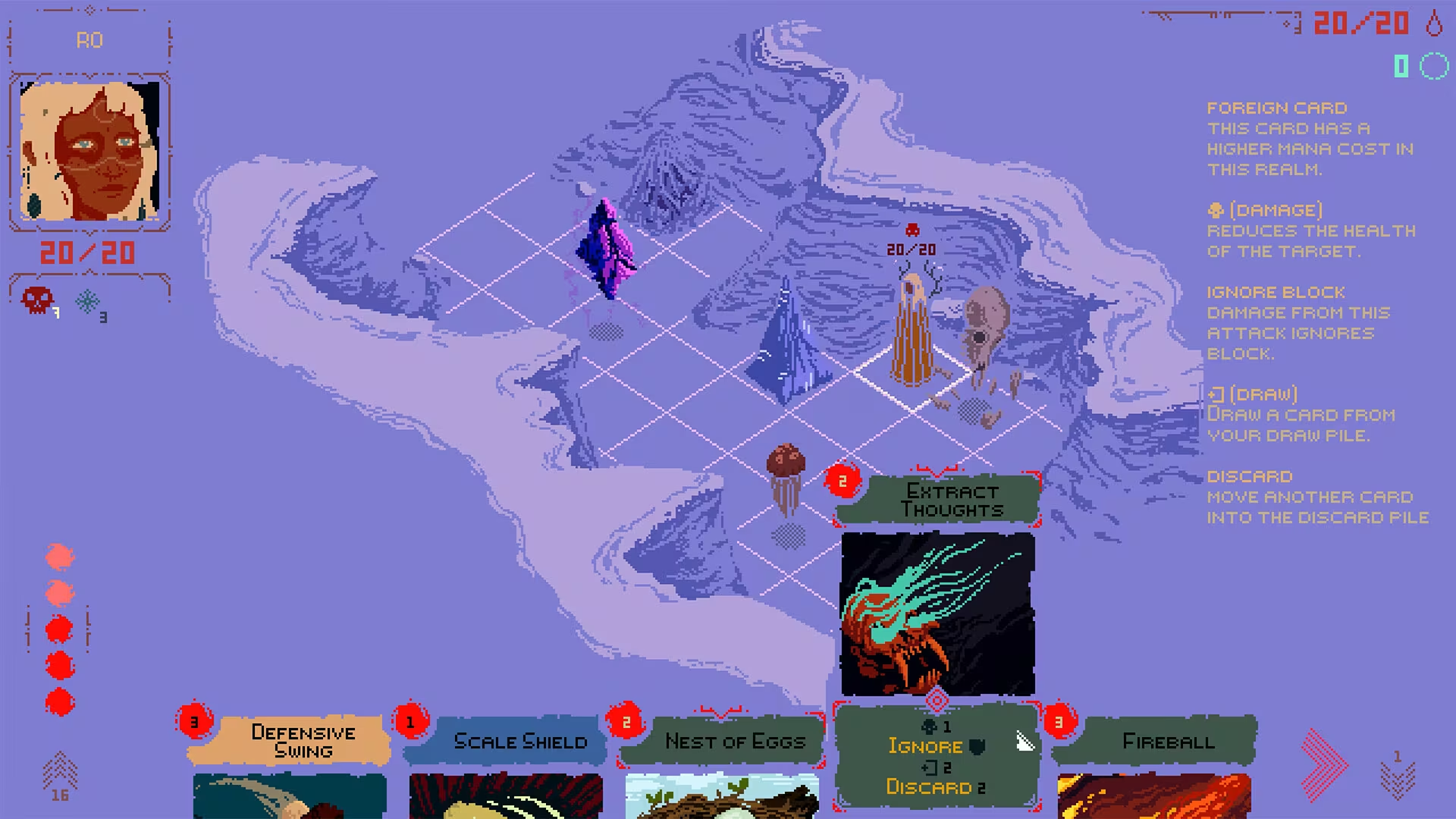
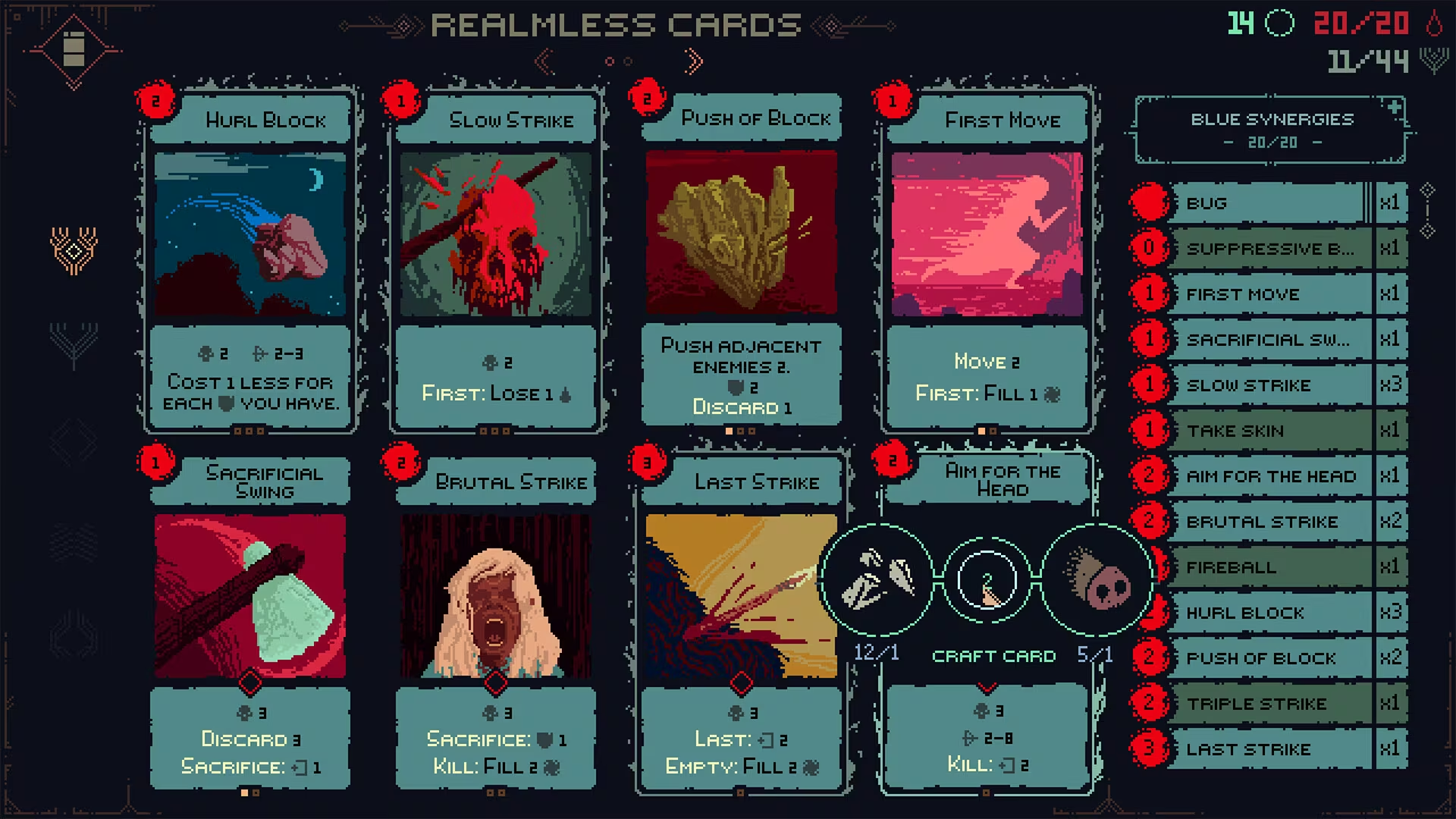
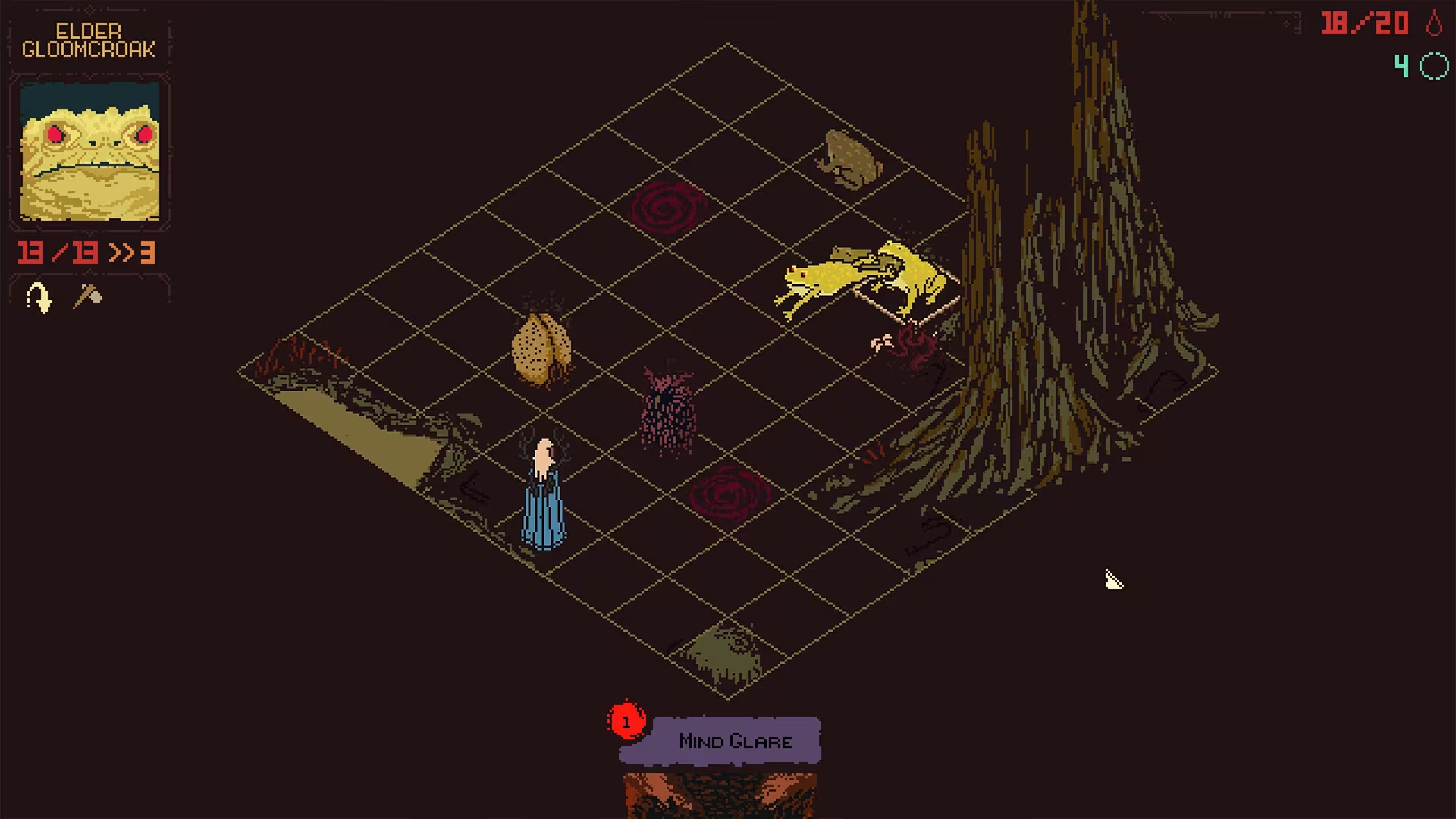
Master the grid, defy death. Enter a grim Spirit Realm in this open-world deck builder. Craft lethal decks from 160+ cards, claim powerful Totems, and defeat foes in tactical grid combat. Fight as the desperate hunter Ro to bring her son back from beyond the veil.

Global score

93/100

Genres

Adventure, Indie, Strategy, Turn-based strategy (TBS), Tactical, Card & Board Game

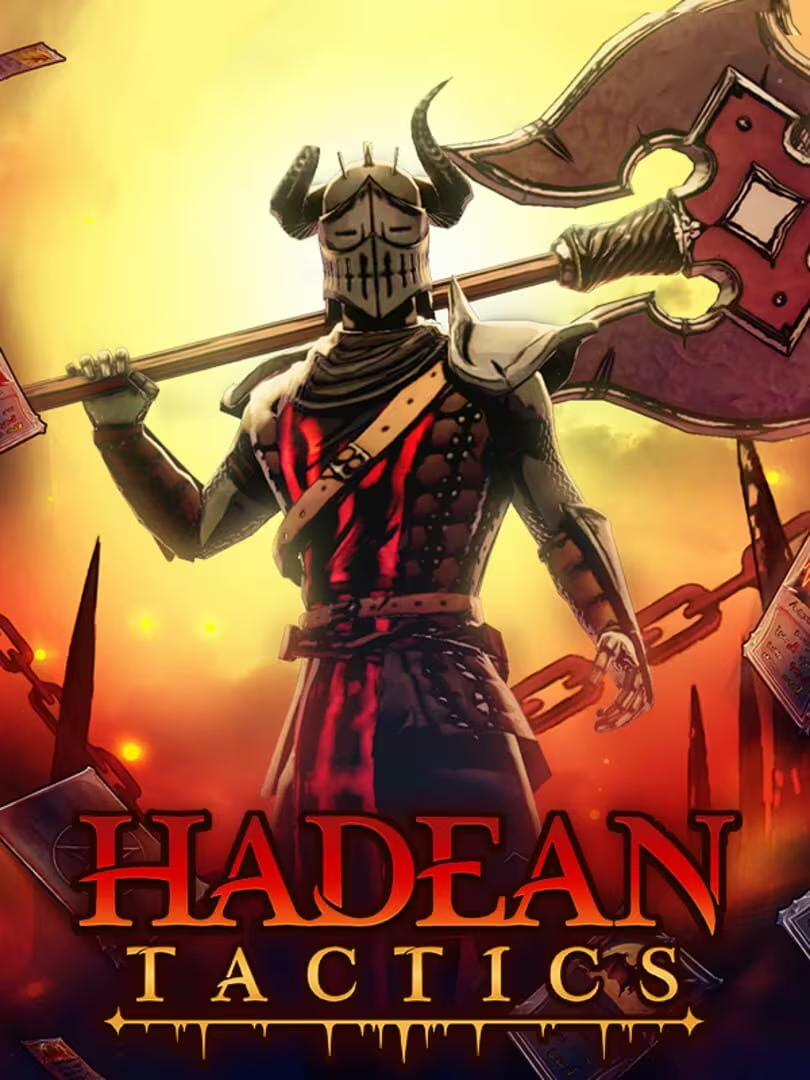
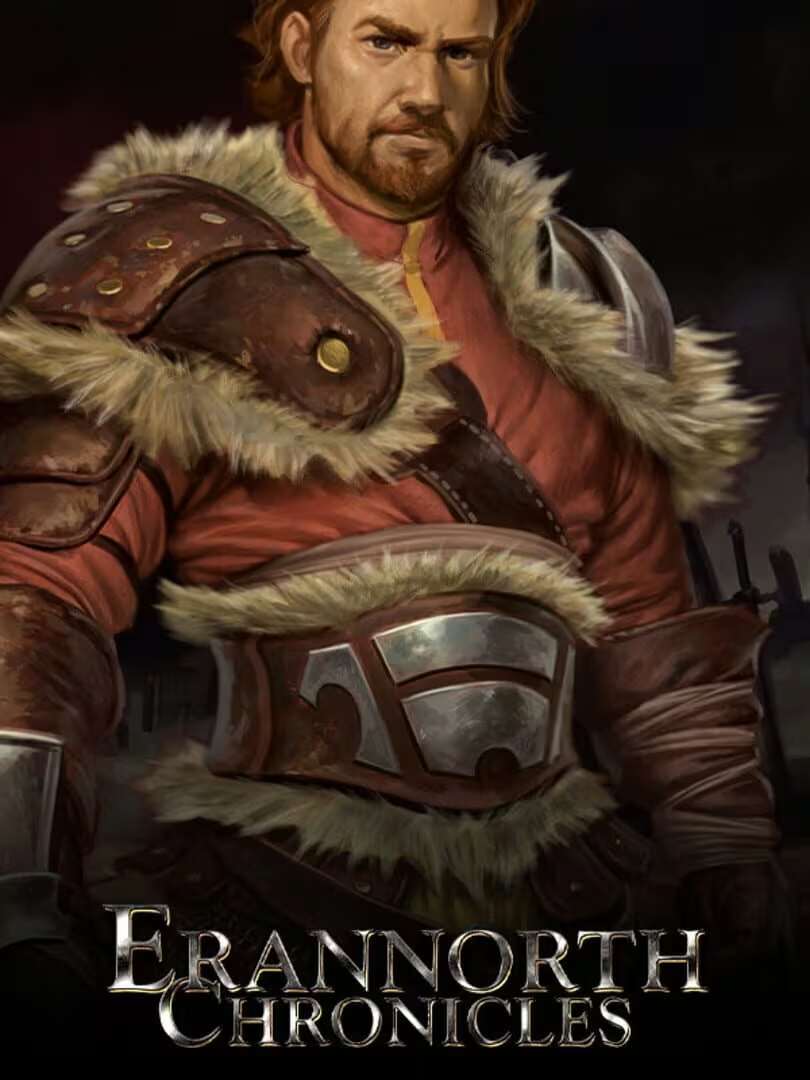
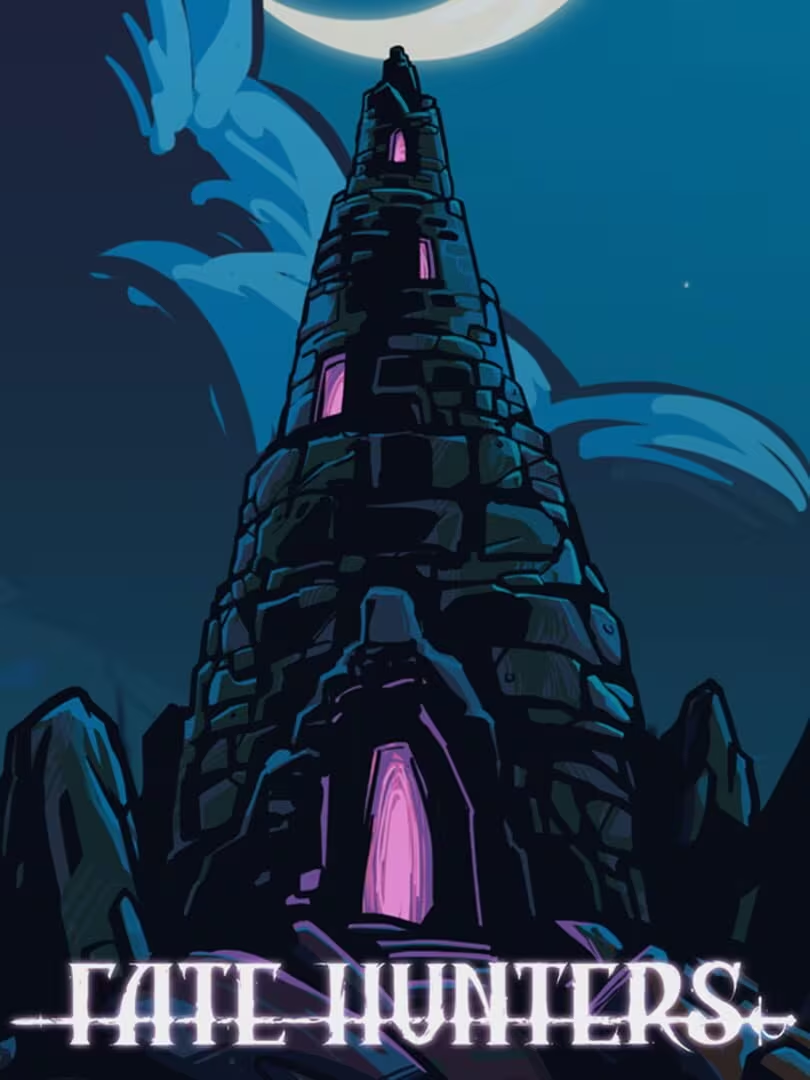
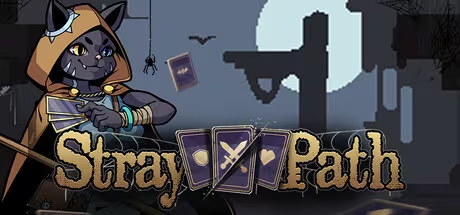
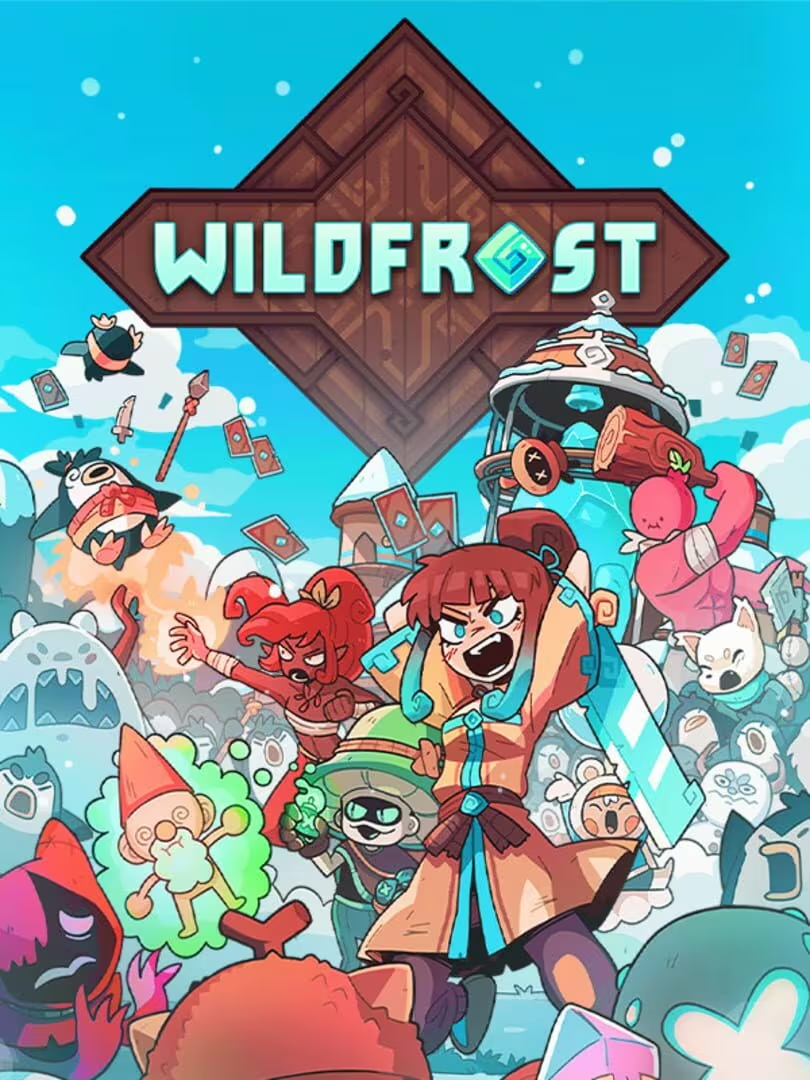
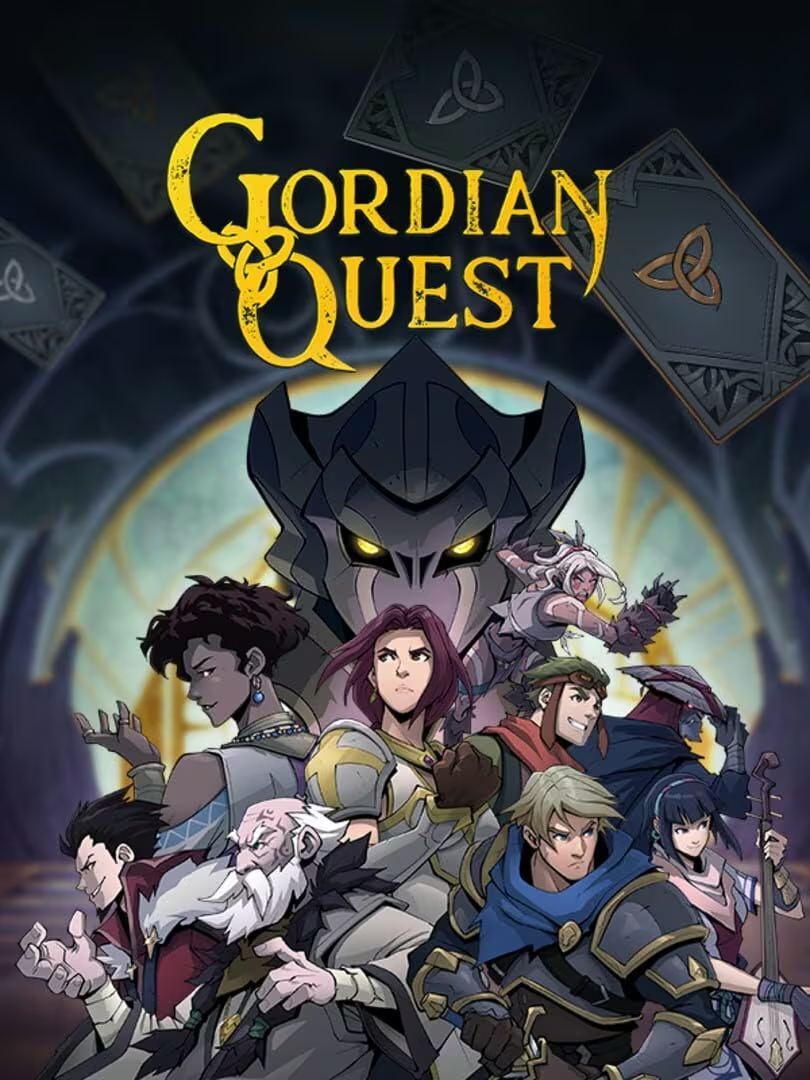
Similar games

    Pros

    • Addictive and deep deckbuilding
    • Challenging tactical combat
    • Beautiful pixel art and sound design
    • Emotionally engaging story
    • Multiple unique regions with varied mechanics

    Cons

    • Some ui and quality of life issues
    • Minor bugs at release
    • Can be frustrating due to trial-and-error learning
    • Limited replayability after story completion
    • Grindy elements for card farming

    Analysis

    A very typical example of its motivational profile. Motivations that often define this kind of title include Fellowship, Cooperation, Leadership, Violence. Here, the score leans higher than usual among comparable games on Strategy, Story. It leans lower than usual among comparable games on Relaxation.

    How to use the graph
    Similar games map

    Each dot is a game. They are arranged from the same motivation profile as in the “Motivations” section below. Closer dots usually mean more similar reasons to play (exploration, competition, relaxation, etc.)—not that one game is “better” than another.

    • Larger dot with a light outline: the game you are viewing.
    • Colour: groups of games with comparable motivation patterns (statistical clusters).
    • Hover a dot to see the game name; click to open its page.
    • Scroll or double-click the chart to zoom out and see more games.

    Why don’t the axes read like a score? This view uses t-SNE: it only keeps who is close to whom. The scales are not “good to bad” or hours played—they separate groups on the map. Read distance between dots, not the axis numbers.

    Motivations

    • Autonomy
      4

      "Players have freedom to build and switch decks, choose strategies, and explore different regions with unique cards and playstyles."

    • Competence
      4

      "The game offers challenging tactical combat requiring skillful positioning, deckbuilding, and learning enemy behaviors."

    • Competition
      -4

      "Focus is on personal progression and overcoming AI challenges; no mention of PvP or leaderboards."

    • Continuation
      4

      "Players report long playtimes, addictive gameplay, and habitual engagement with deck experimentation and exploration."

    • Cooperation
      -5

      "Entirely single-player experience with no cooperative or multiplayer elements."

    • Creativity
      4

      "Strong emphasis on deckbuilding, crafting cards, and experimenting with different builds across regions."

    • Domination
      -5

      "No evidence of player dominance over others; interactions are against AI with no social hierarchy."

    • Escapism
      4

      "The game’s dark, atmospheric world and emotional story provide a strong escape from reality."

    • Expectation
      -4

      "Players engage voluntarily out of intrinsic interest and enjoyment; no indication of obligation or pressure."

    • Experimenting
      4

      "Players encouraged to try new decks, synergies, and strategies; multiple regions with unique mechanics."

    • Exploration
      3

      "Exploration of multiple distinct regions with secrets and side quests, though maps are not very large."

    • Expression
      2

      "Some customization through deckbuilding and totems, but limited avatar or cosmetic personalization."

    • Fantasy
      4

      "Set in a spirit realm with mythical creatures and esoteric mythology, providing a strong fantasy experience."

    • Fellowship
      -5

      "No social or community features; purely single-player narrative and gameplay."

    • Growth
      4

      "Players learn mechanics, enemy patterns, and improve deckbuilding skills over time."

    • Health
      -4

      "Typical sedentary gameplay with no physical activity or health-related features."

    • Idle
      -3

      "Requires focused attention and strategic planning; not suited for casual or background play."

    • Intimacy
      -5

      "No evidence of close social relationships or emotional sharing with others."

    • Leadership
      Insufficient data
    • Progression
      5

      "Strong progression through unlocking cards, crafting, skill trees, and meta upgrades."

    • Relaxation
      1

      "Some players find the game rewarding and cathartic, but it is also described as challenging and sometimes frustrating."

    • Sensation
      3

      "Enjoyable art, sound design, and atmospheric music provide sensory stimulation and emotional engagement."

    • Status
      -5

      "No social recognition or status systems present."

    • Story
      4

      "Narrative is emotionally engaging, with a strong story about grief and loss integrated into gameplay."

    • Strategy
      5

      "High emphasis on tactical positioning, deckbuilding, resource management, and problem solving."

    • Thrill
      3

      "The challenge and tension of difficult battles provide moments of suspense and excitement."

    • Value
      4

      "Players report high value for price with extensive content and replayability."

    • Violence
      3

      "Combat involves defeating enemies and spirits, with tactical attacks and damage, but not gratuitous violence."

    • Survival
      3

      "Players must manage health, positioning, and resources to survive challenging encounters."

    Last update: 29/04/2026