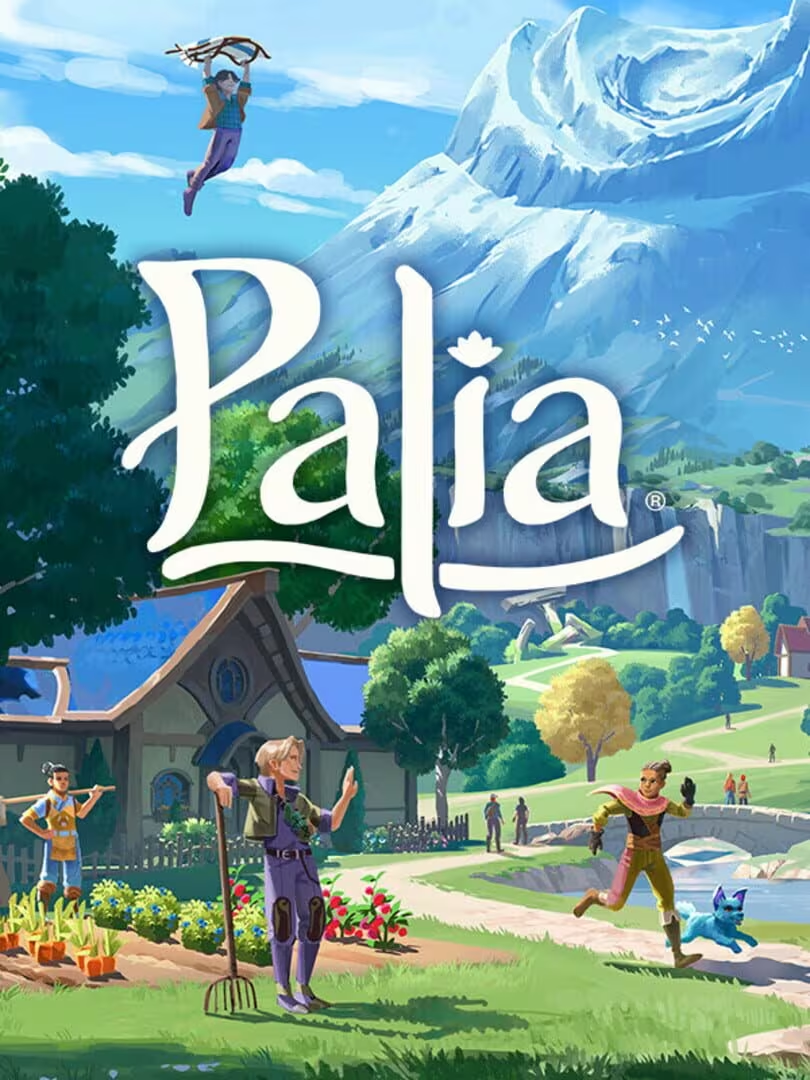
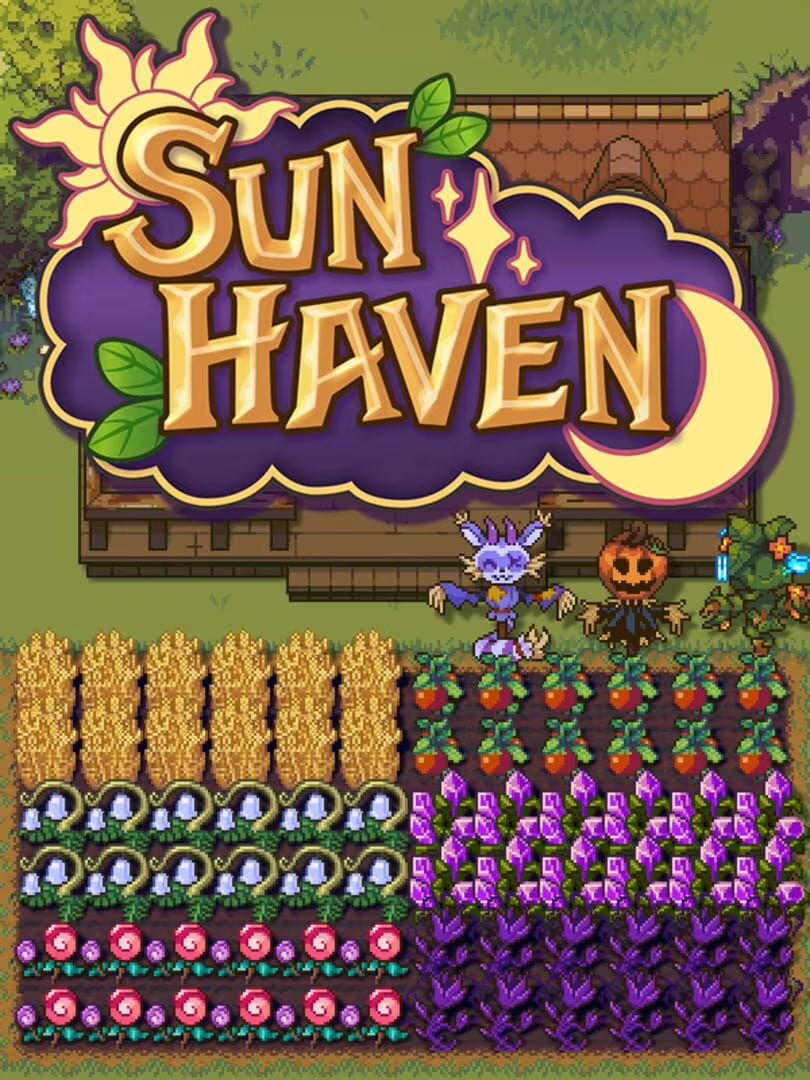
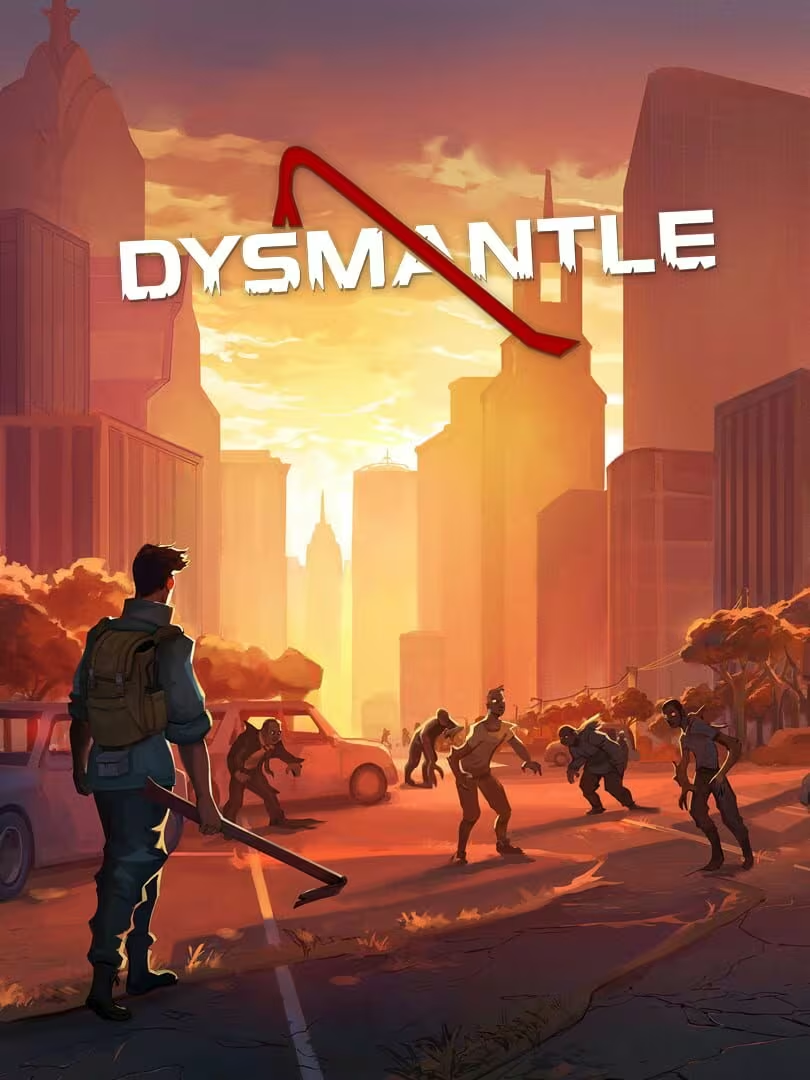
Dungeon Alchemist Thumbnail

Dungeon Alchemist similar games & best alternatives

Dungeon Alchemist

PC (Microsoft Windows) • 2022

Related articles

Quick resume

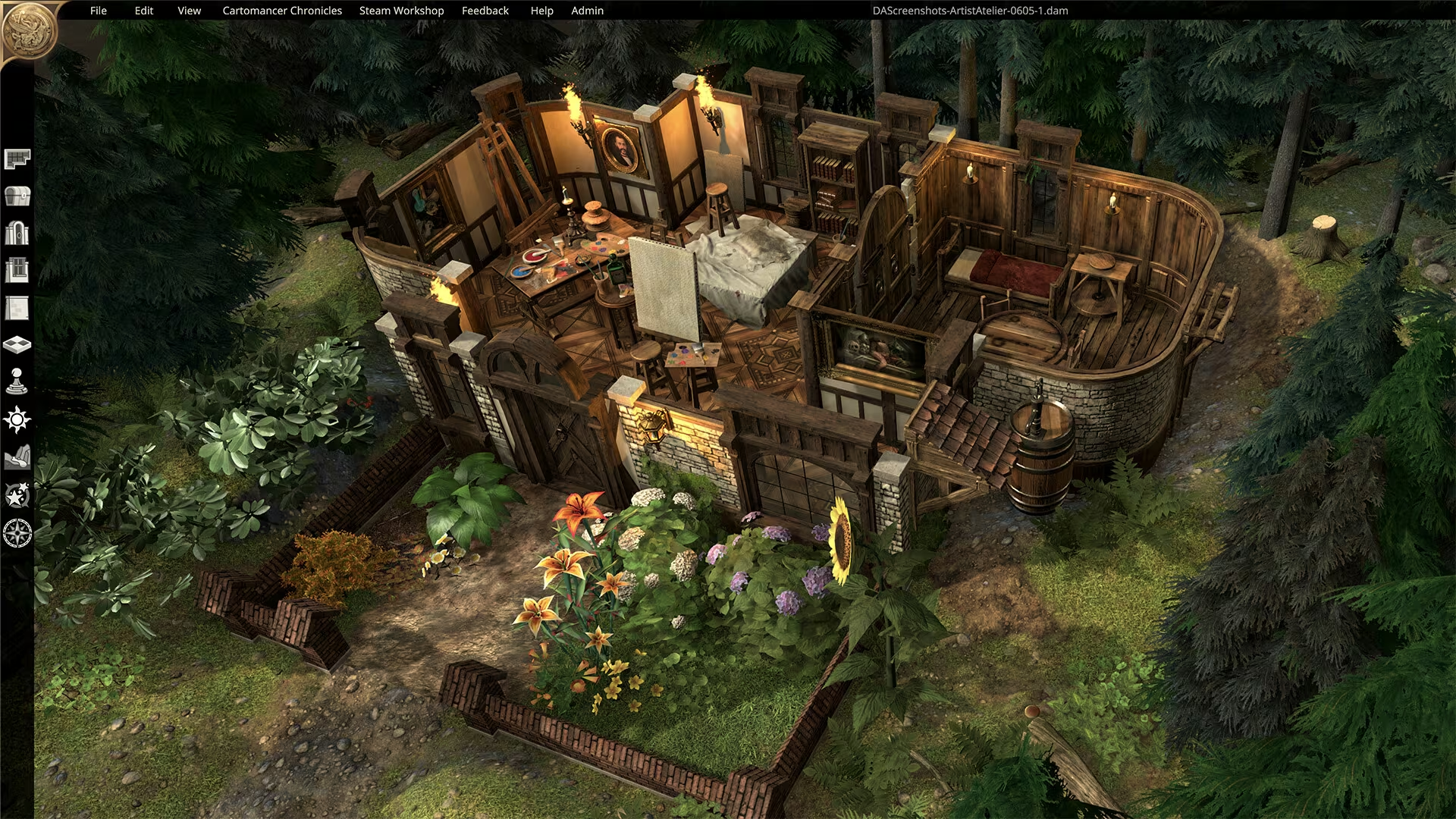
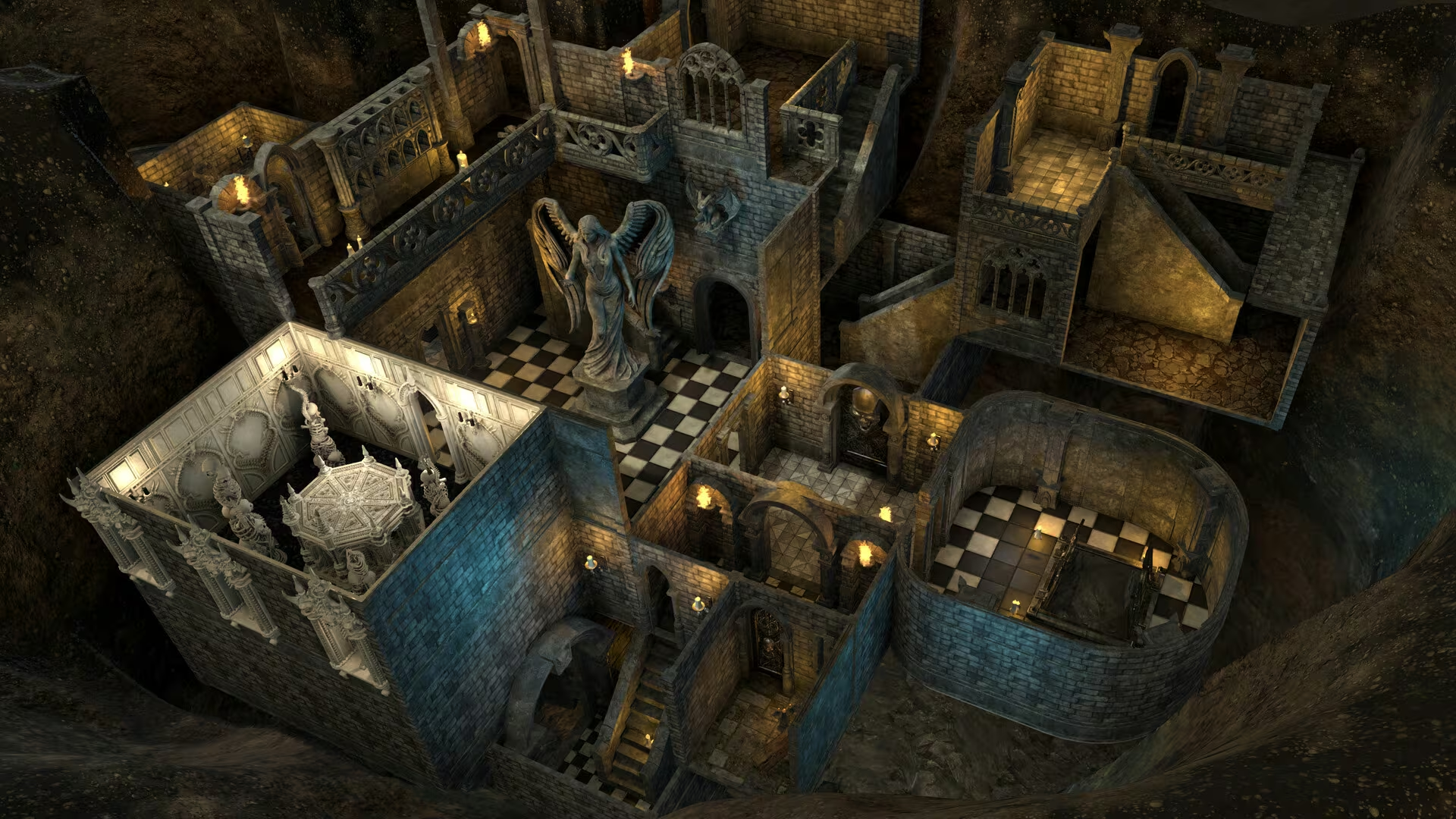
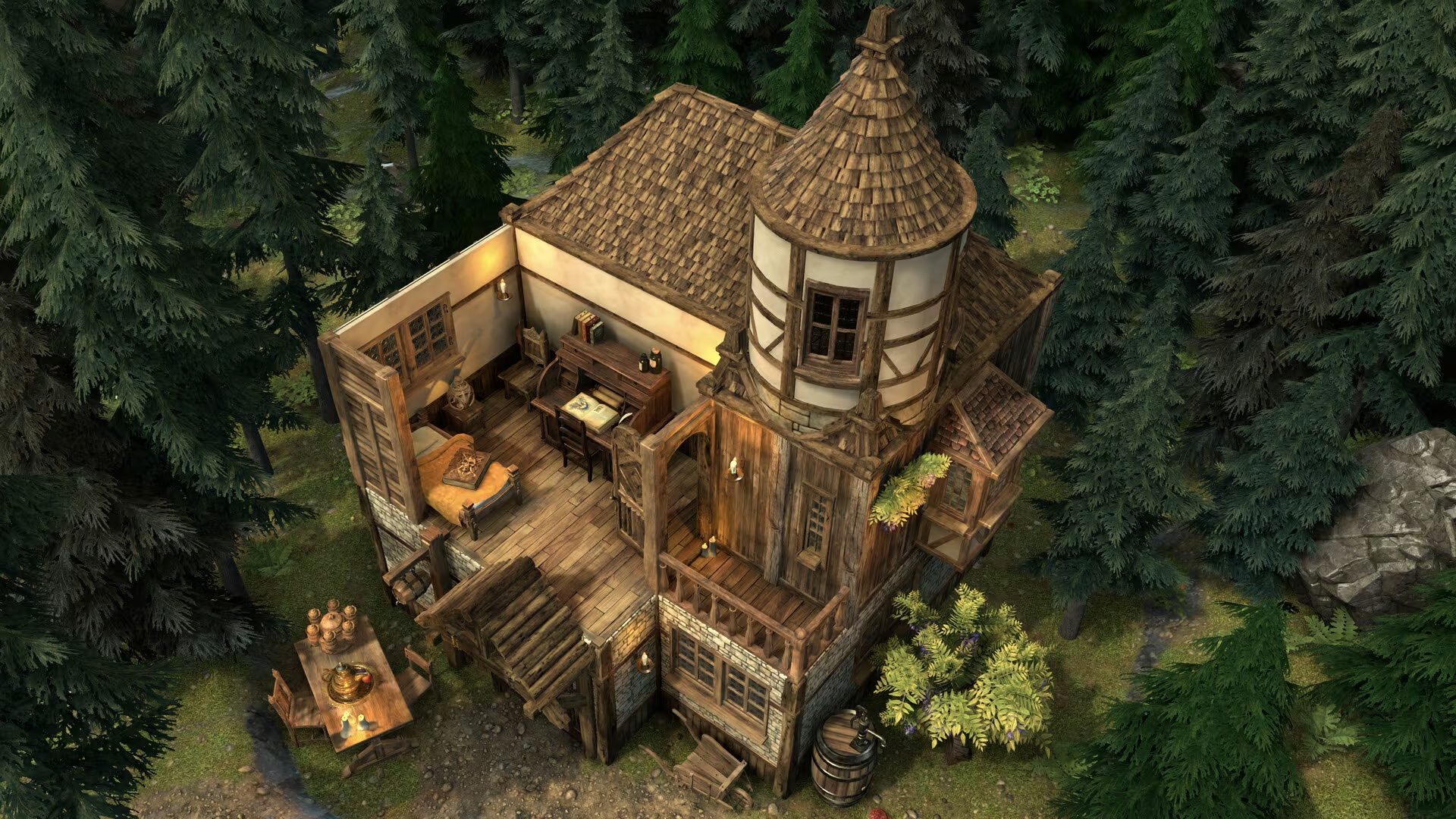
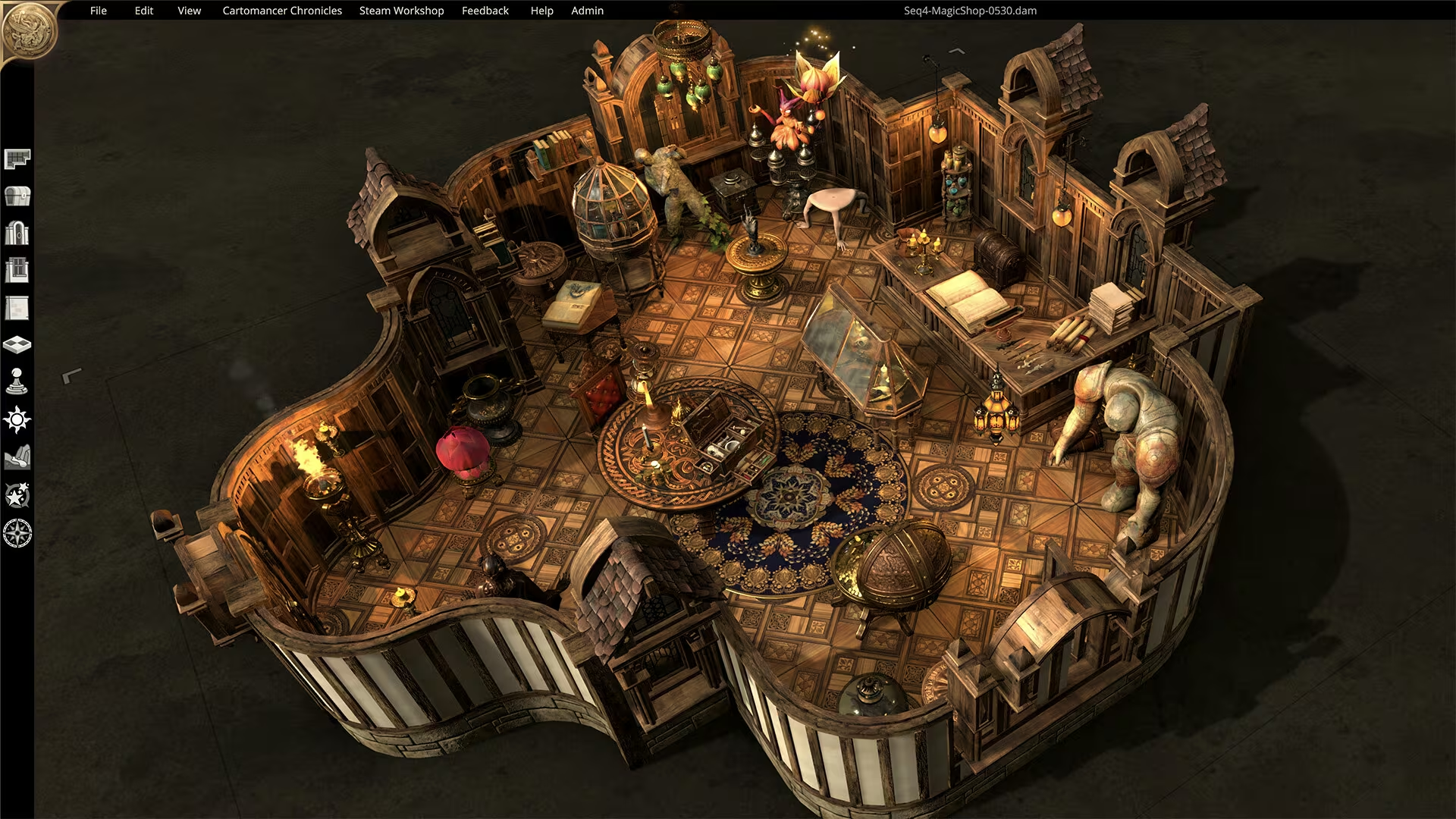
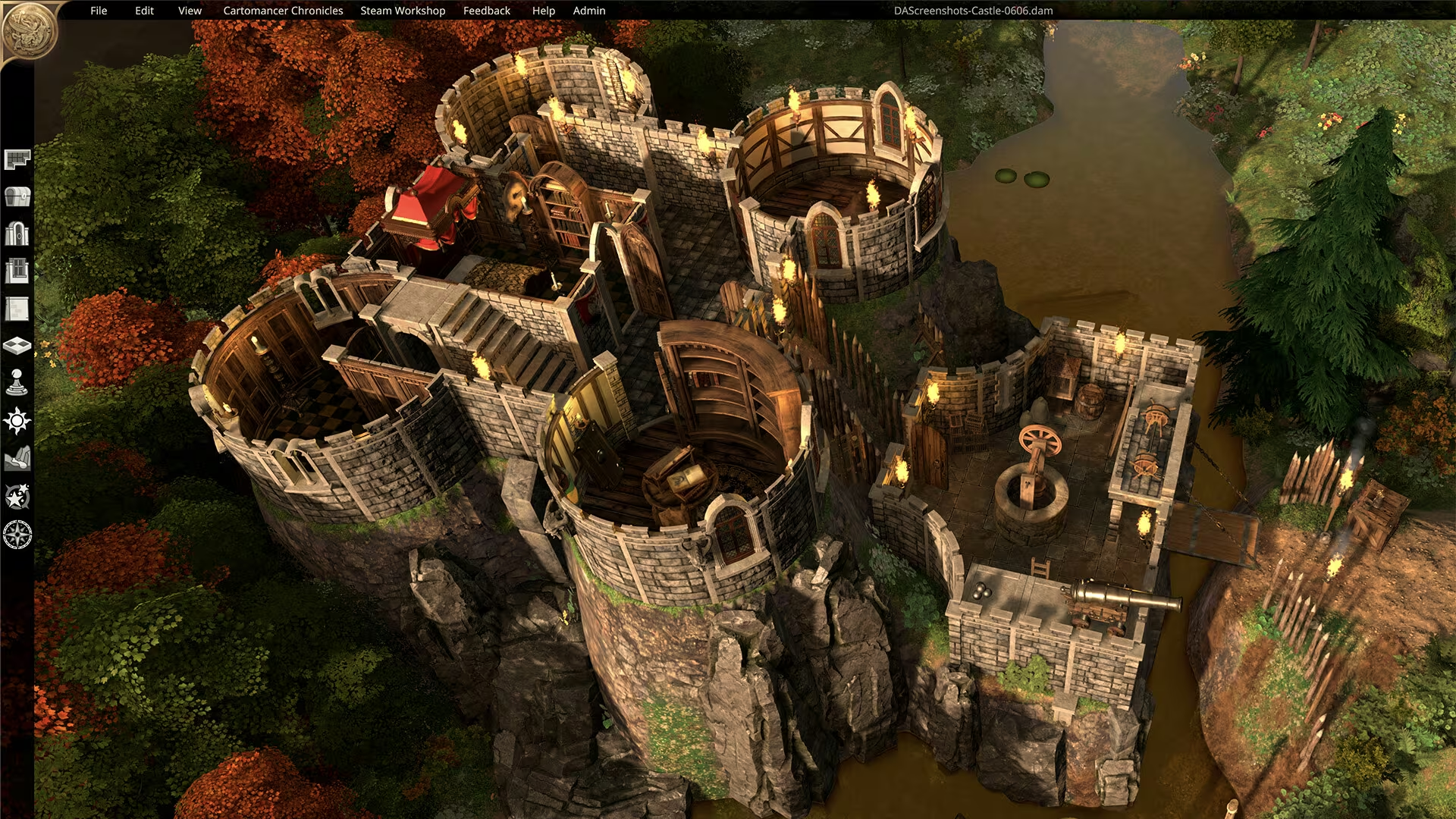
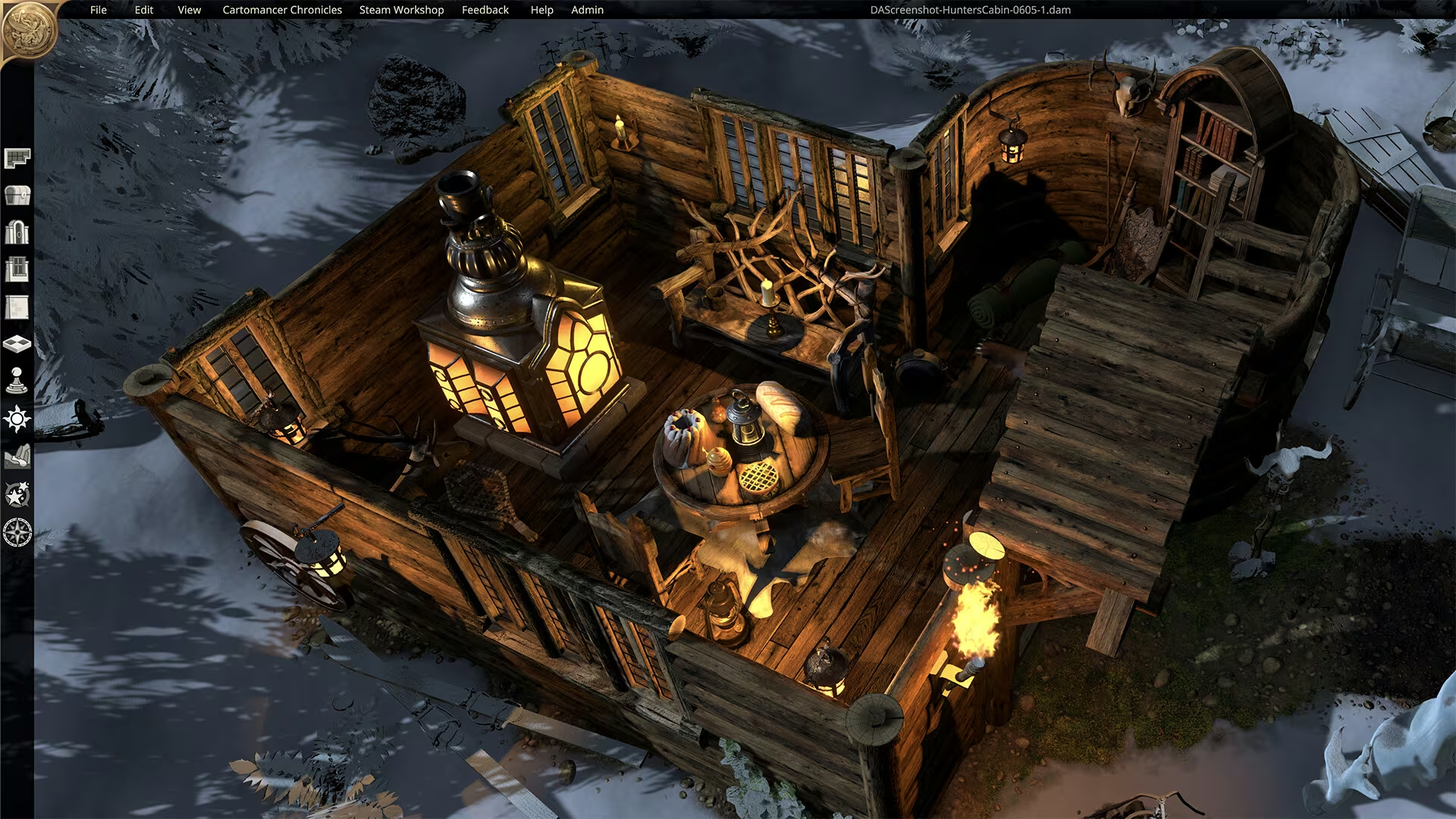
Dungeon Alchemist is mapmaking software for tabletop RPG's that enables you to make amazing, high-quality maps in seconds!

Global score

95/100

Genres

Role-playing (RPG), Early Access

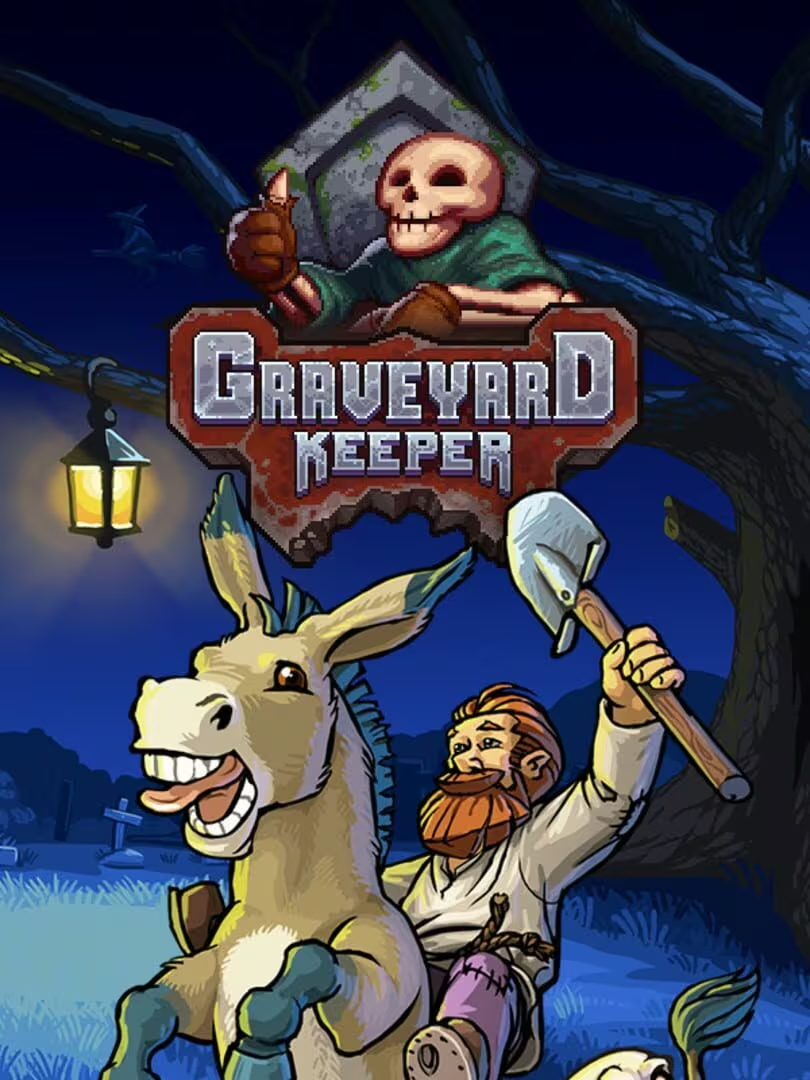
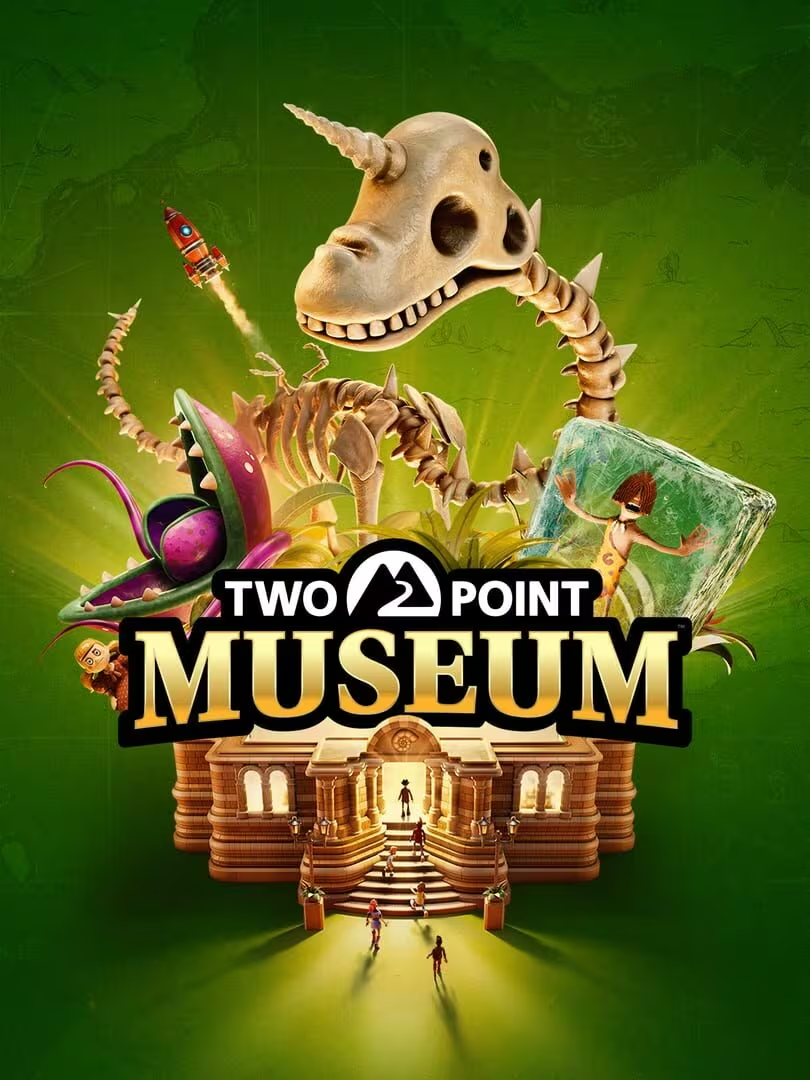
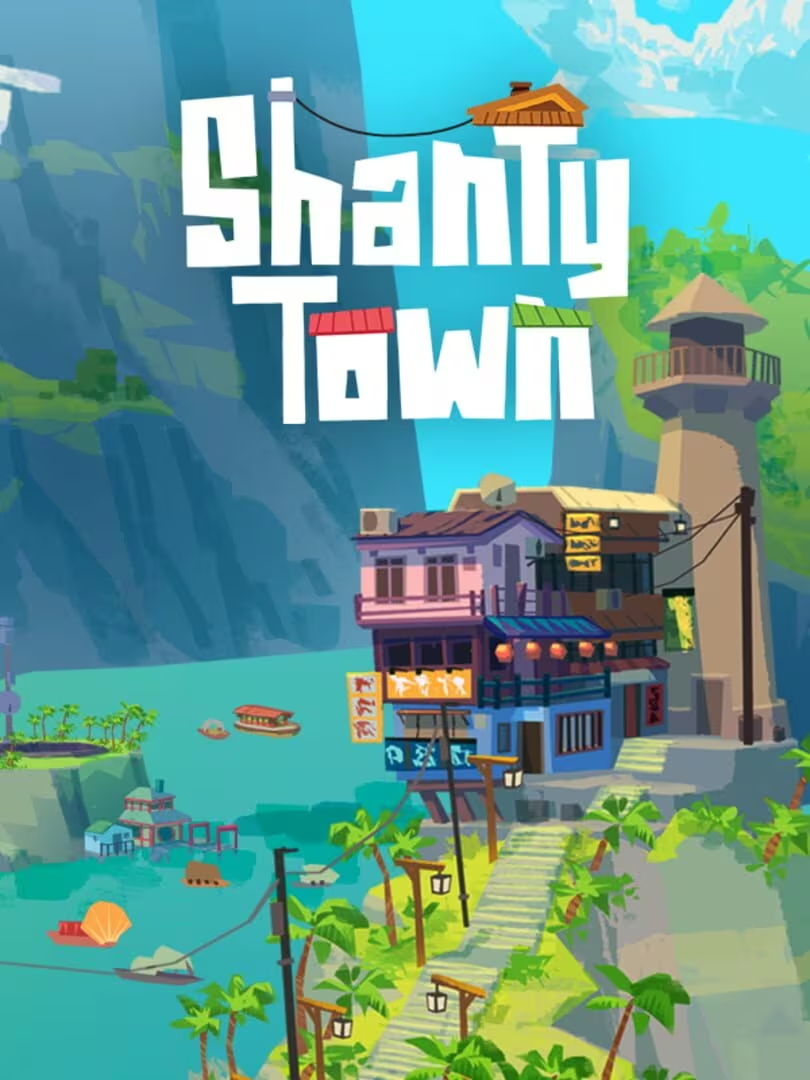
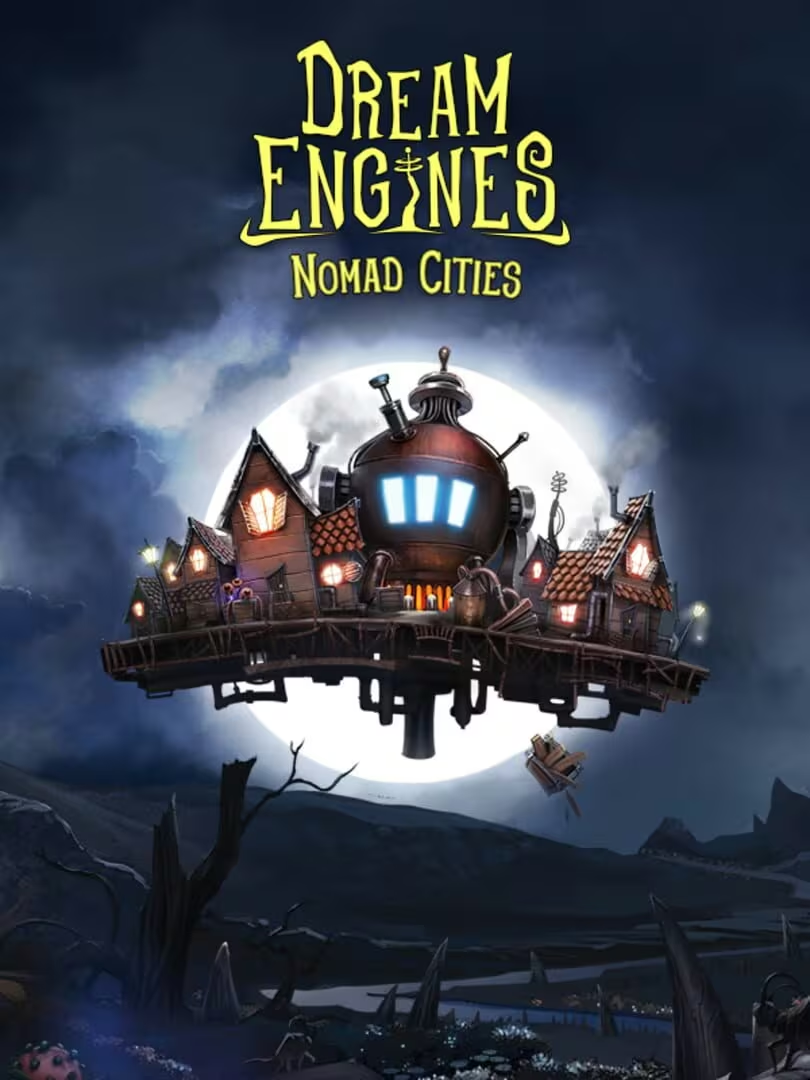
Similar games

    Pros

    • Intuitive and fast map creation
    • Highly customizable assets and lighting
    • Strong community and workshop content
    • Easy export to major vtt platforms
    • Active developer support and updates

    Cons

    • Limited multi-level and non-square room support
    • Performance issues on large maps
    • Lack of sci-fi or modern assets
    • Some ai placement errors
    • No 3d map export for vtts

    Analysis

    Broadly representative of its motivational profile, with a few distinct shifts. Motivations that often define this kind of title include Intimacy, Survival, Violence, Competition. Here, the score leans higher than usual among comparable games on Status, Cooperation. It leans lower than usual among comparable games on Intimacy.

    How to use the graph
    Similar games map

    Each dot is a game. They are arranged from the same motivation profile as in the “Motivations” section below. Closer dots usually mean more similar reasons to play (exploration, competition, relaxation, etc.)—not that one game is “better” than another.

    • Larger dot with a light outline: the game you are viewing.
    • Colour: groups of games with comparable motivation patterns (statistical clusters).
    • Hover a dot to see the game name; click to open its page.
    • Scroll or double-click the chart to zoom out and see more games.

    Why don’t the axes read like a score? This view uses t-SNE: it only keeps who is close to whom. The scales are not “good to bad” or hours played—they separate groups on the map. Read distance between dots, not the axis numbers.

    Motivations

    • Autonomy
      4

      "Players have high control over map creation, customizing rooms, objects, lighting, and exporting; AI assists but manual editing is common."

    • Competence
      3

      "Users feel effective creating detailed maps quickly with intuitive tools and receive feedback via visual results and VTT integration."

    • Competition
      -5

      "No competitive elements; focus is on personal creative pace and individual map building."

    • Continuation
      3

      "Many users report long sessions building maps and habitual use for multiple campaigns, though some mention occasional frustration."

    • Cooperation
      1

      "Some community sharing of maps and assets via workshop and Discord, but map creation is primarily individual."

    • Creativity
      5

      "Strong emphasis on creating and customizing maps, assets, and environments with extensive options and user-imported content."

    • Domination
      -5

      "No social dominance or power exertion; interactions are collaborative or individual."

    • Escapism
      4

      "Users use the tool to immerse in fantasy worldbuilding and escape real life through creative map making."

    • Expectation
      -4

      "Engagement is voluntary and driven by personal desire to create and enhance tabletop experiences."

    • Experimenting
      4

      "Players experiment with AI-generated layouts, manual edits, lighting, and new assets to explore creative possibilities."

    • Exploration
      3

      "Users discover new map styles, assets, and community content, exploring different fantasy environments."

    • Expression
      5

      "High degree of self-expression through map design, asset placement, lighting, and custom model imports."

    • Fantasy
      5

      "Focused on fantasy settings with medieval, dungeon, forest, and magical themes; users create imaginative fictional worlds."

    • Fellowship
      2

      "Community sharing and support exists, but social connection is secondary to individual map creation."

    • Growth
      3

      "Users develop skills in map making, 3D visualization, and software use over time."

    • Health
      -5

      "Sedentary computer-based activity with no physical exercise component."

    • Idle
      -3

      "Requires focused attention and active engagement during map creation."

    • Intimacy
      -4

      "Limited social interaction; community engagement is mostly surface-level sharing and support."

    • Leadership
      -5

      "No leadership or group management roles; users work independently or collaboratively without hierarchy."

    • Progression
      3

      "Users accumulate maps, assets, and skills; software updates add new content and features."

    • Relaxation
      3

      "Many users find map making relaxing and a stress reliever, balancing challenge and creativity."

    • Sensation
      3

      "Enjoyment from visual aesthetics, lighting effects, and immersive 3D views."

    • Status
      1

      "Some recognition through community sharing and workshop contributions, but limited social status focus."

    • Story
      3

      "Supports narrative immersion by enabling creation of story-related maps and environments."

    • Strategy
      2

      "Some planning and problem solving involved in map layout and design, but mostly creative rather than strategic."

    • Thrill
      -3

      "Low suspense or risk; experience is controlled and predictable."

    • Value
      4

      "Users perceive strong value for time and money saved in map creation and campaign preparation."

    • Violence
      -5

      "No combat or destruction; focus on constructive map building."

    • Survival
      -5

      "No survival or threat elements; stable creative environment."

    Last update: 29/04/2026