Station to Station similar games & best alternatives
Station to Station
2023
Related articles
Quick resume
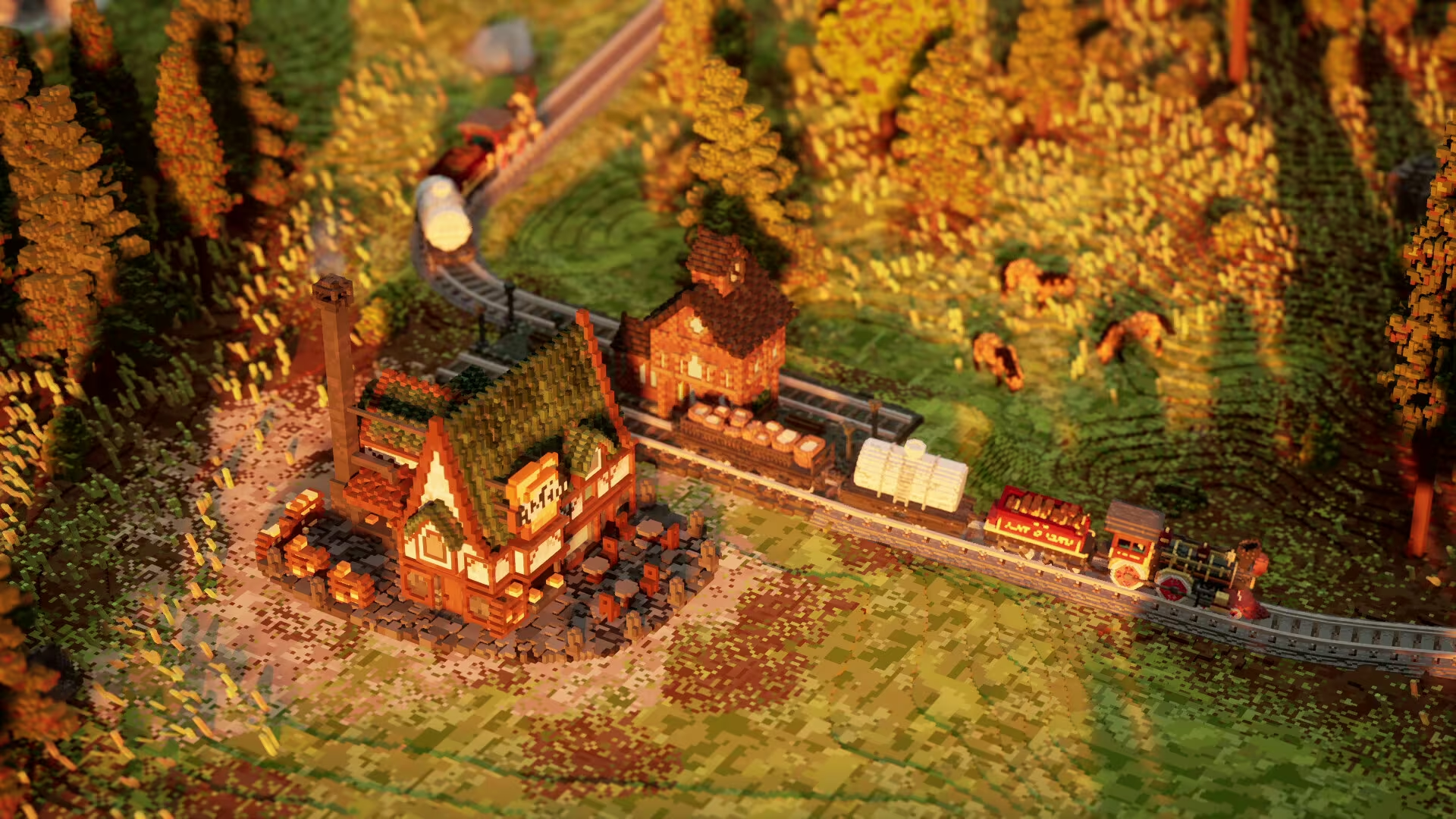
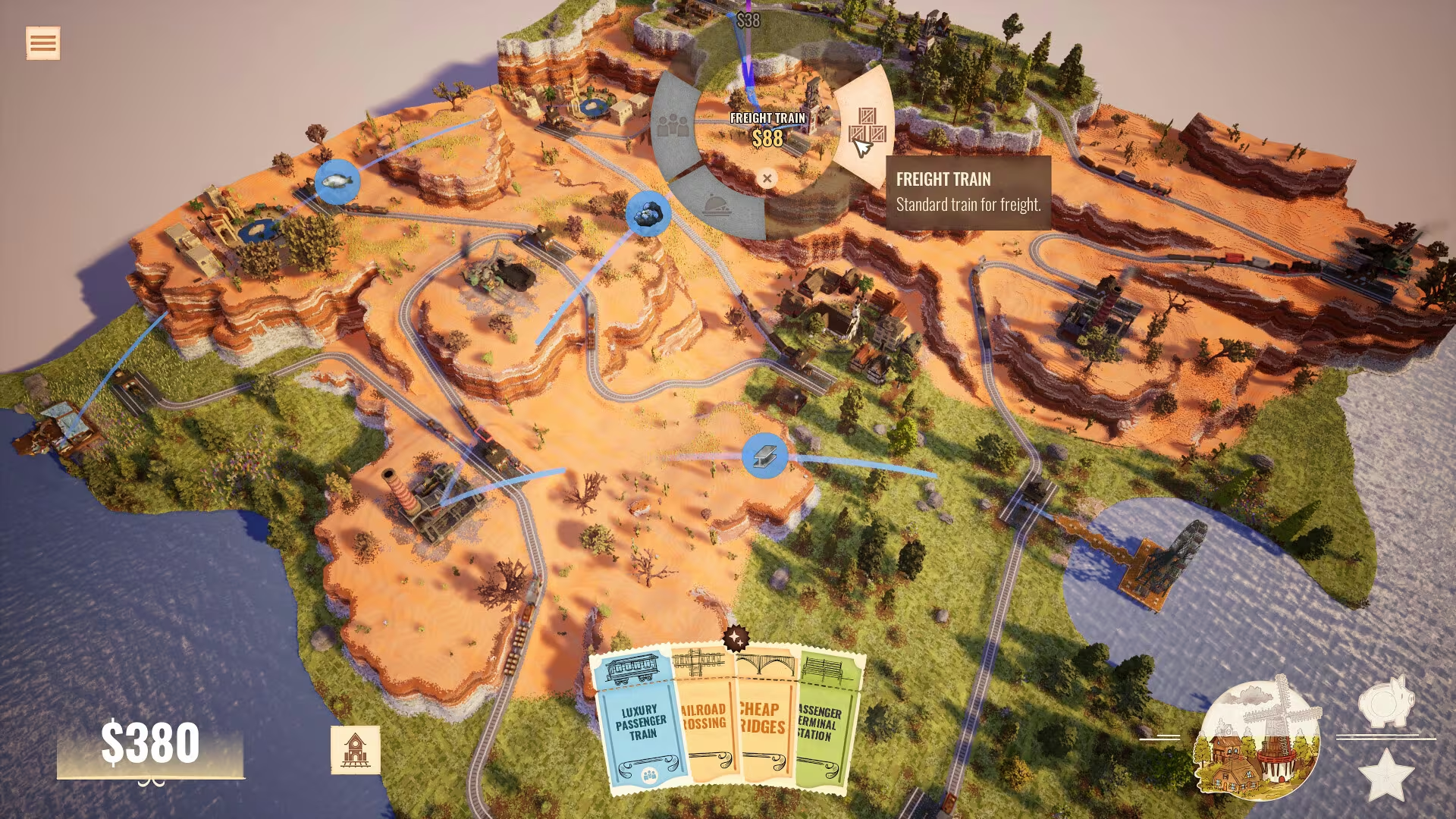
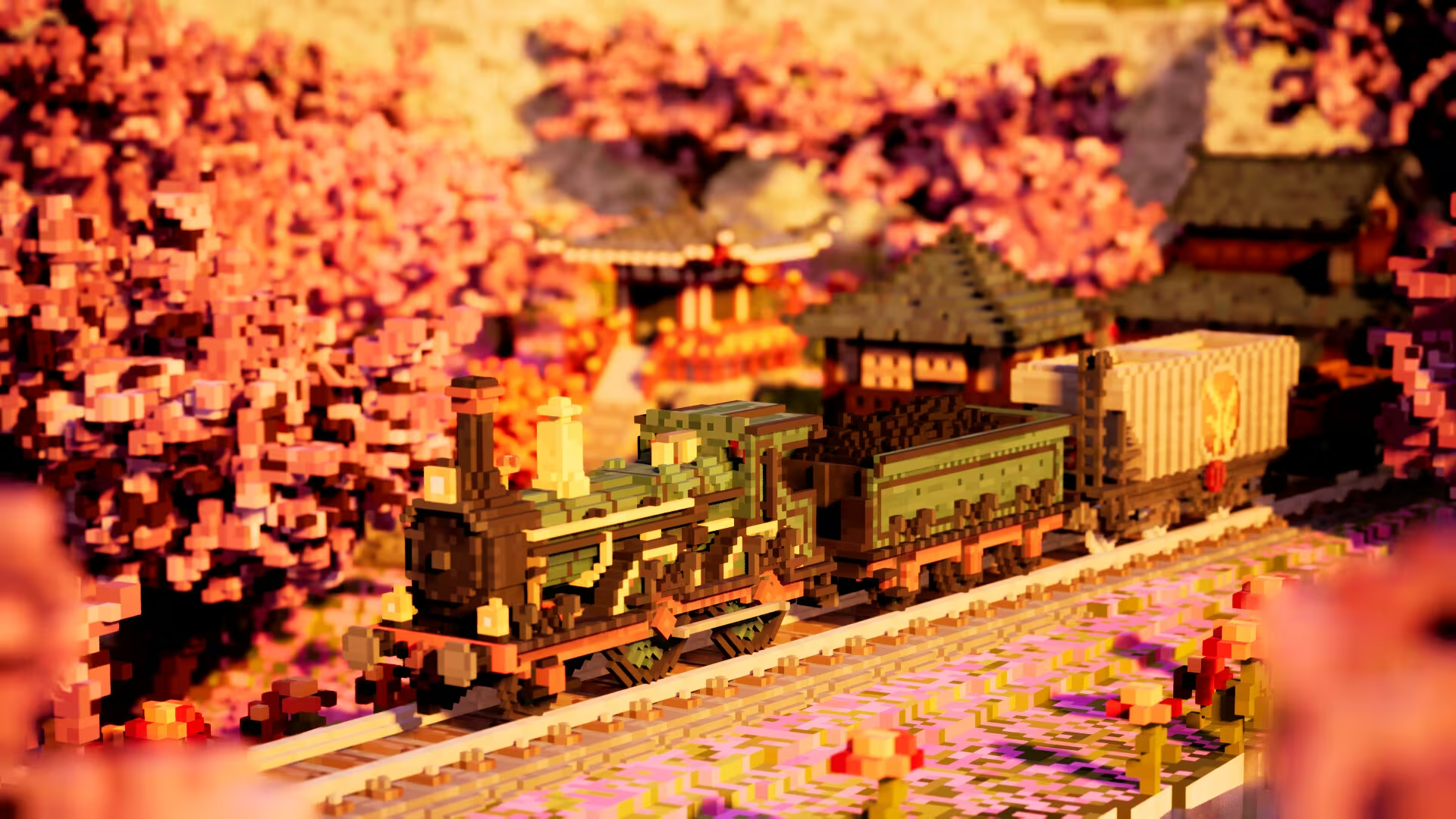
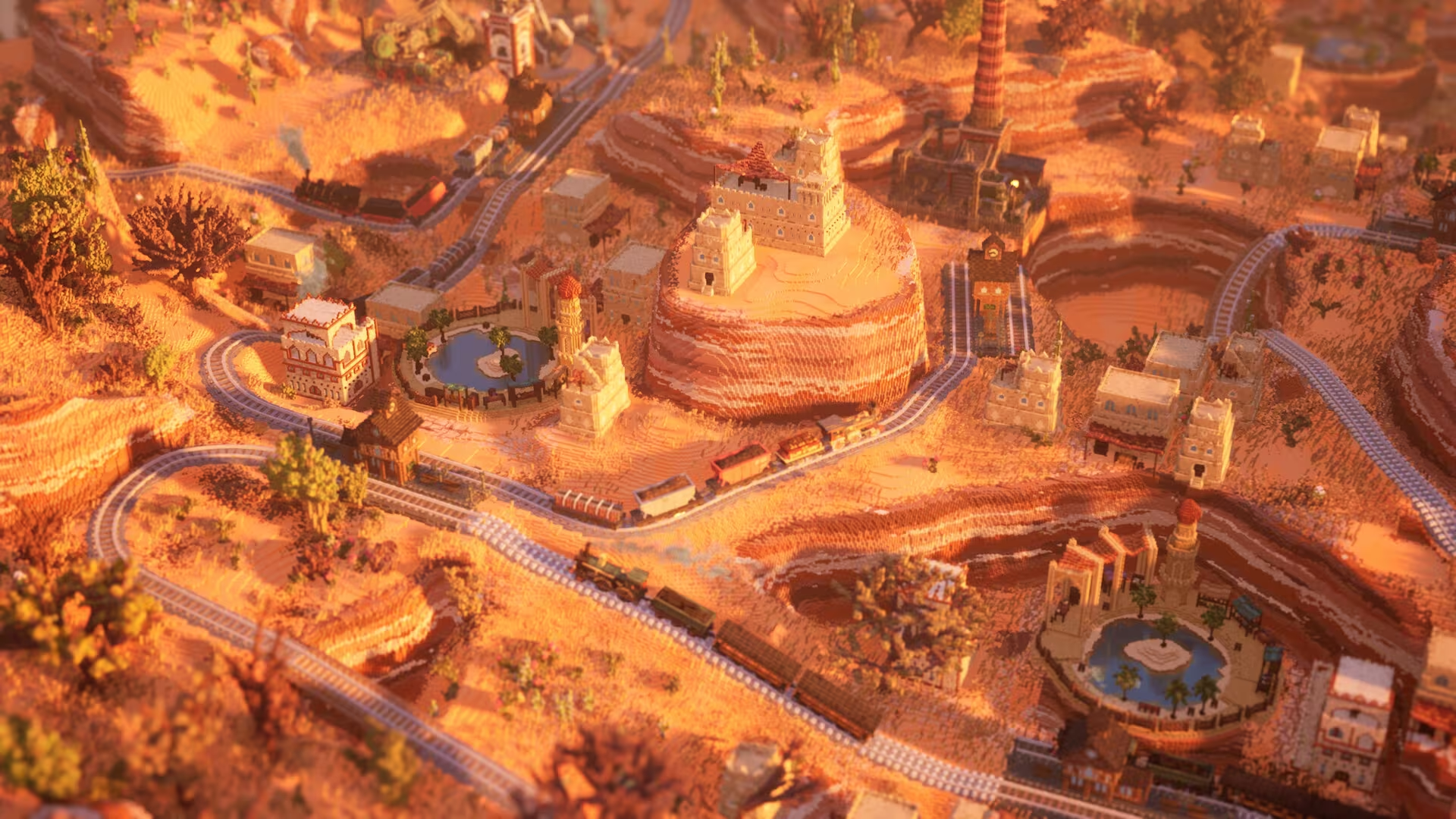
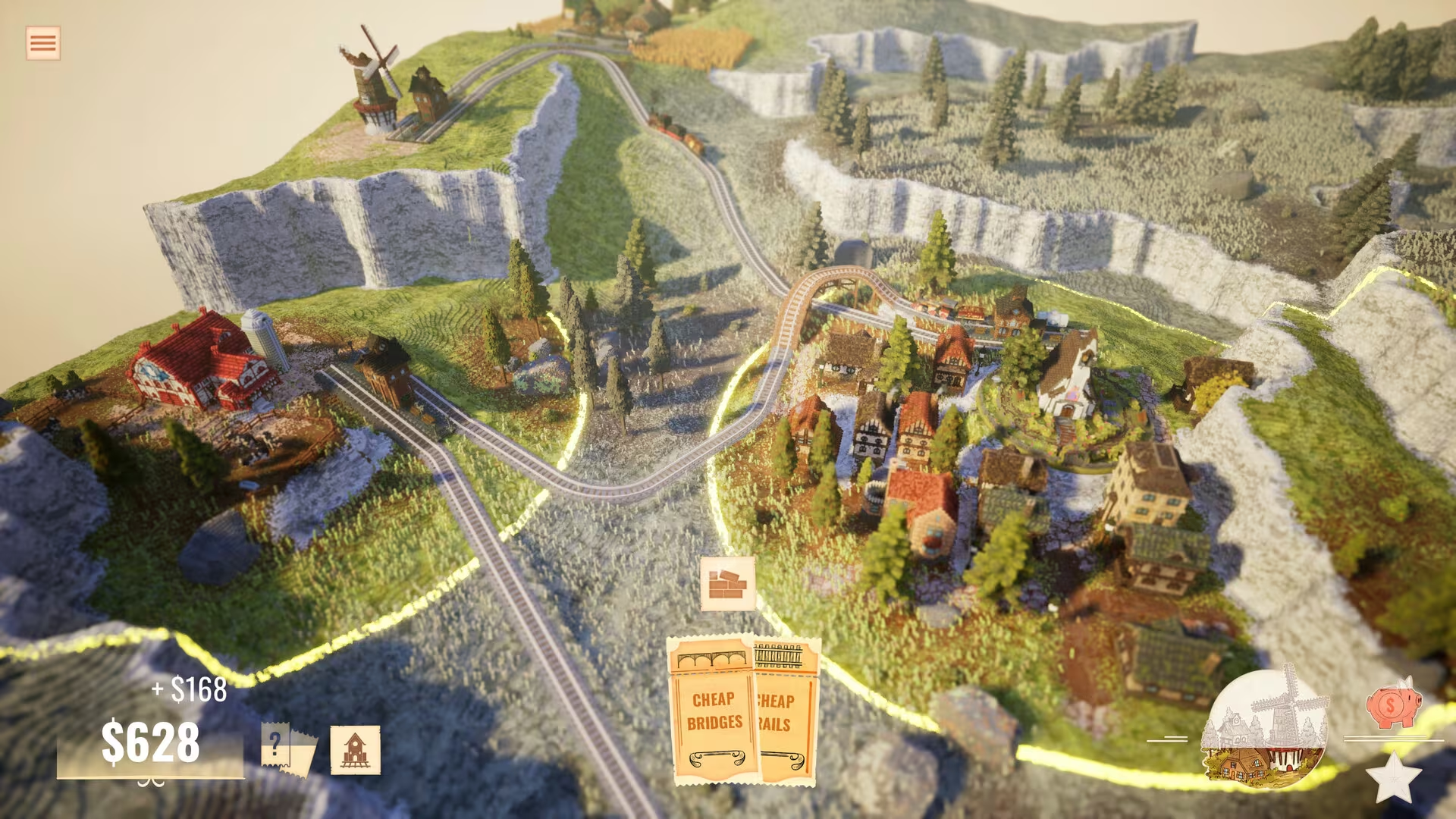
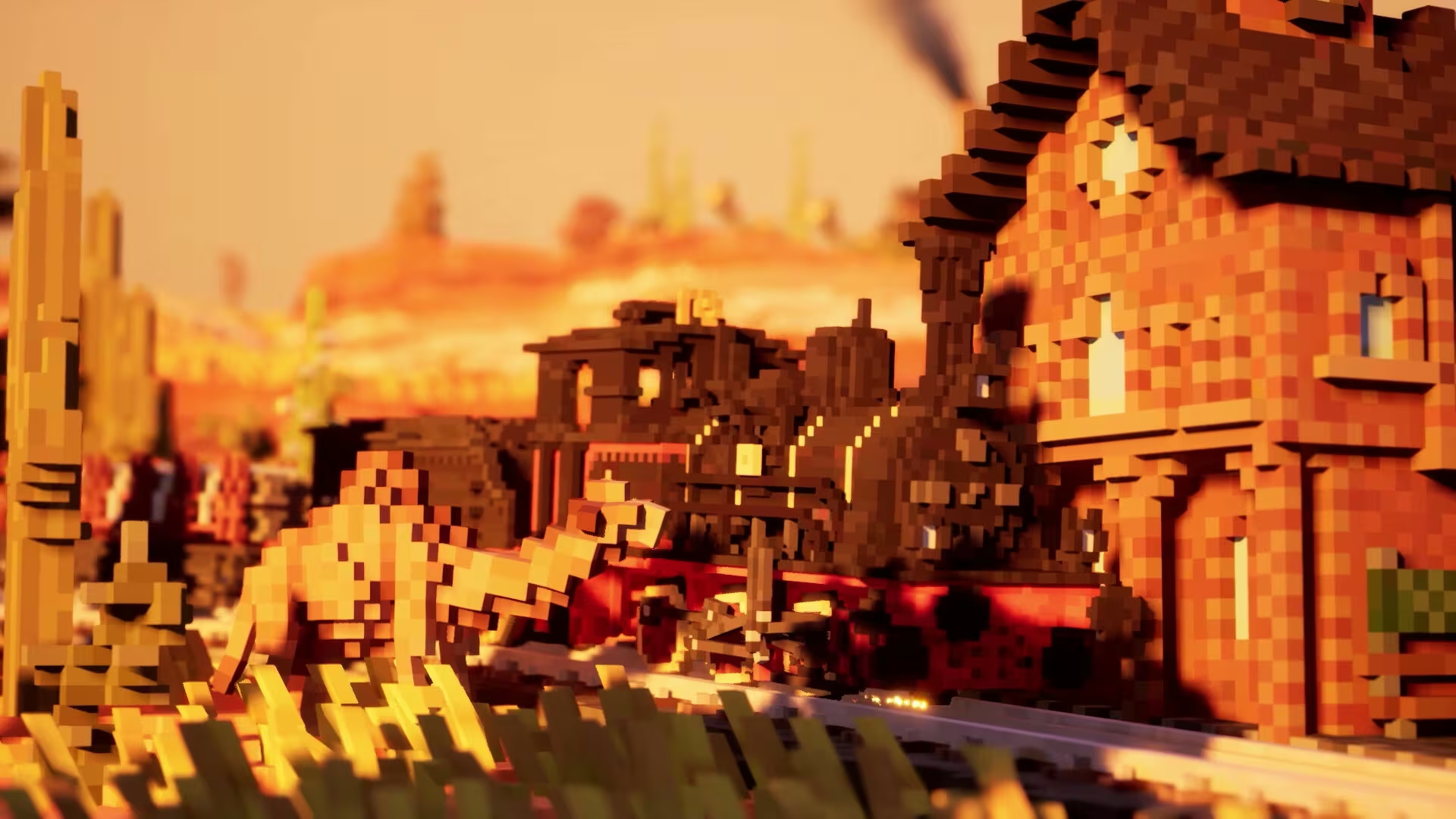
‘Station to Station’ is a minimalist & relaxing game about building railway connections. Grab your conductor’s hat and bring the voxel-art world to life through the magic of trains!
Global score
89/100
Genres
Casual, Indie, Simulator, Strategy
Similar games
Pros
- Relaxing and cozy atmosphere
- Engaging and accessible puzzle mechanics
- Beautiful voxel art and music
- Good replayability with challenges and custom modes
- Developer support and updates
Cons
- Lack of undo feature frustrates some players
- Not a train simulation or management game as some expected
- Some challenges require trial and error
- Performance issues on some hardware
- Limited social or multiplayer features
Analysis
A very typical example of its motivational profile. Motivations that often define this kind of title include Fantasy, Violence, Story, Thrill. Here, the score leans higher than usual among comparable games on Story. It leans lower than usual among comparable games on Survival, Leadership.
How to use the graph
Similar games map
Each dot is a game. They are arranged from the same motivation profile as in the “Motivations” section below. Closer dots usually mean more similar reasons to play (exploration, competition, relaxation, etc.)—not that one game is “better” than another.
- Larger dot with a light outline: the game you are viewing.
- Colour: groups of games with comparable motivation patterns (statistical clusters).
- Hover a dot to see the game name; click to open its page.
- Scroll or double-click the chart to zoom out and see more games.
Why don’t the axes read like a score? This view uses t-SNE: it only keeps who is close to whom. The scales are not “good to bad” or hours played—they separate groups on the map. Read distance between dots, not the axis numbers.
Motivations
-
Autonomy4
"Players have freedom to plan and build train routes and stations with multiple solutions and optional challenges, allowing self-directed puzzle solving."
-
Competence3
"The game offers engaging puzzle challenges with increasing difficulty and optional objectives that require skillful planning and optimization."
-
Competition-3
"Focus is on personal pace and self-set goals; no evidence of ranked modes or direct player comparison."
-
Continuation4
"Players report long play sessions, replaying levels for challenges, and enjoying custom/random maps, indicating strong desire to keep playing."
-
Cooperation-4
"Game is primarily single-player puzzle experience with no mention of multiplayer or cooperative play."
-
Creativity3
"Players can design their own track layouts and experiment with different station placements and routes, especially in sandbox/custom modes."
-
Domination-5
"No evidence of exerting control or superiority over others; interactions are individual and non-competitive."
-
Escapism4
"Many reviews highlight relaxing, cozy atmosphere and stress relief, using the game as a pleasant escape from real life."
-
Expectation-4
"Players engage voluntarily for intrinsic interest and enjoyment; no indication of obligation or external pressure."
-
Experimenting3
"Players try new layouts, use cards strategically, and explore different solutions and challenges, especially in custom modes."
-
Exploration2
"Game features multiple biomes and evolving maps with new mechanics, encouraging discovery, though within structured levels."
-
Expression2
"Some self-expression through track design and station placement; limited cosmetic customization but players enjoy visual aesthetics."
-
Fantasy-2
"Game is grounded in plausible train and resource management puzzles with charming but realistic voxel art."
-
Fellowship-4
"Primarily a solo experience with minimal social interaction; some mention of streaming and sharing but no in-game community focus."
-
Growth3
"Players learn mechanics, improve puzzle-solving skills, and develop strategies to complete challenges and optimize routes."
-
Health-5
"No physical activity involved; typical sedentary gameplay."
-
Idle-3
"Requires focused engagement to solve puzzles; not designed for passive or background play."
-
Intimacy-5
"No evidence of forming close relationships or emotional social interactions within the game."
-
Leadership-5
"No leadership or group management roles; purely individual puzzle play."
-
Progression3
"Players progress through levels unlocking new buildings, cards, and biomes; optional challenges and custom modes extend progression."
-
Relaxation5
"Strongly emphasized relaxing, cozy, and chill gameplay with soothing music and calming visuals."
-
Sensation3
"Enjoyable voxel visuals, reactive music, and satisfying animations provide sensory pleasure and emotional fun."
-
Status-5
"No social recognition or status systems; focus is on personal satisfaction."
-
Story1
"Minimal narrative elements; some world-building and atmosphere but primarily context-free puzzle gameplay."
-
Strategy4
"Requires planning, resource management, and strategic use of cards and track placement to optimize outcomes."
-
Thrill-3
"Gameplay is calm and predictable with low risk; challenge comes from puzzle complexity rather than suspense."
-
Value4
"Players report good content-to-price ratio, replayability, and ongoing developer support adding value."
-
Violence-5
"No combat or destructive elements; focus on constructive building and puzzle solving."
-
Survival-5
"No survival or threat avoidance mechanics; stable, low-risk environment."
Last update: 29/04/2026