TerraScape Thumbnail

TerraScape similar games & best alternatives
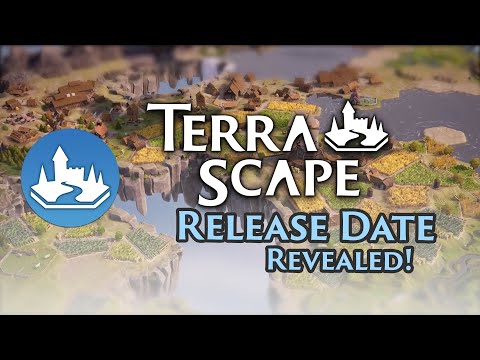
TerraScape

PC (Microsoft Windows), Mac • 2024

Related articles

Quick resume

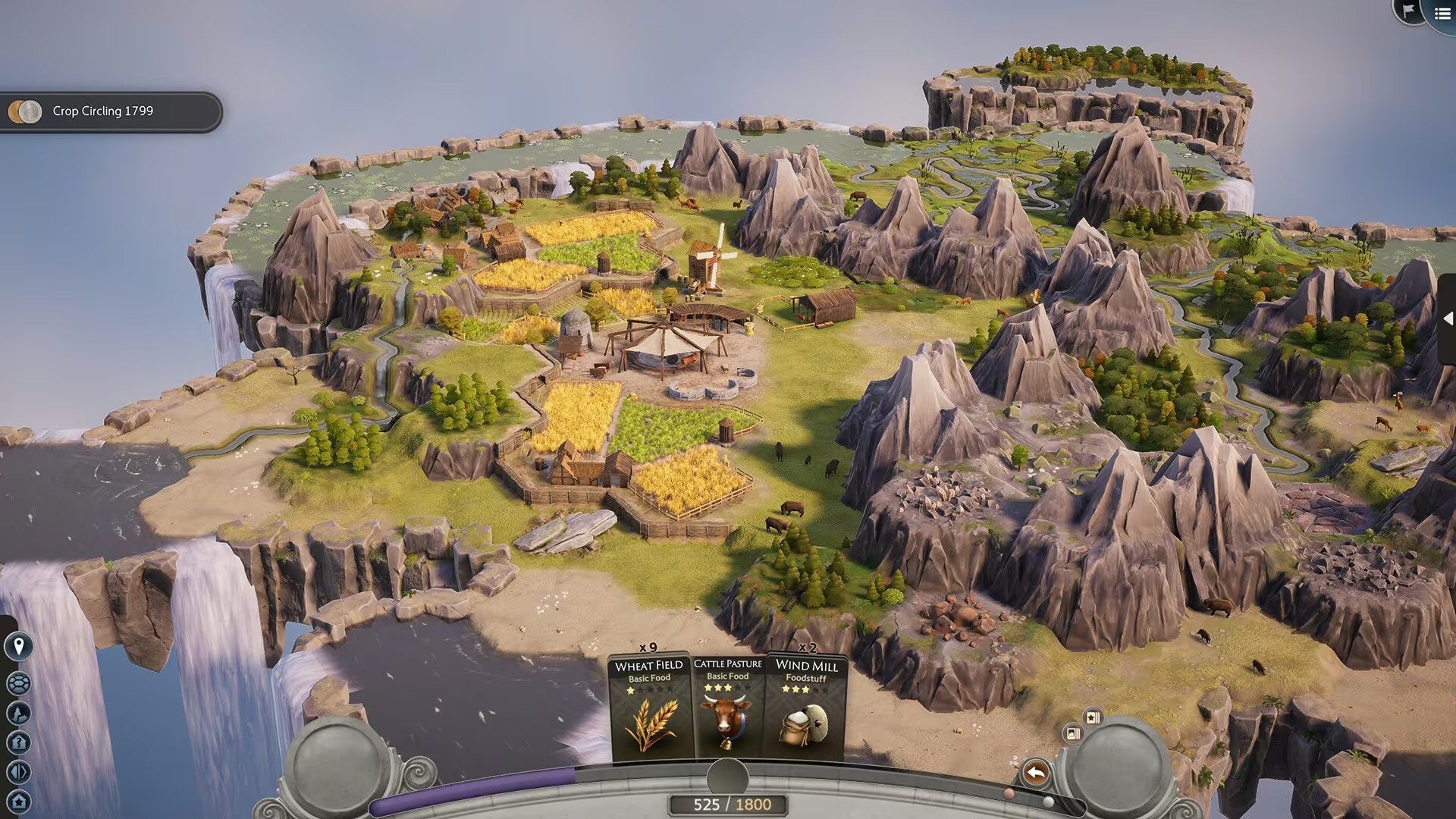
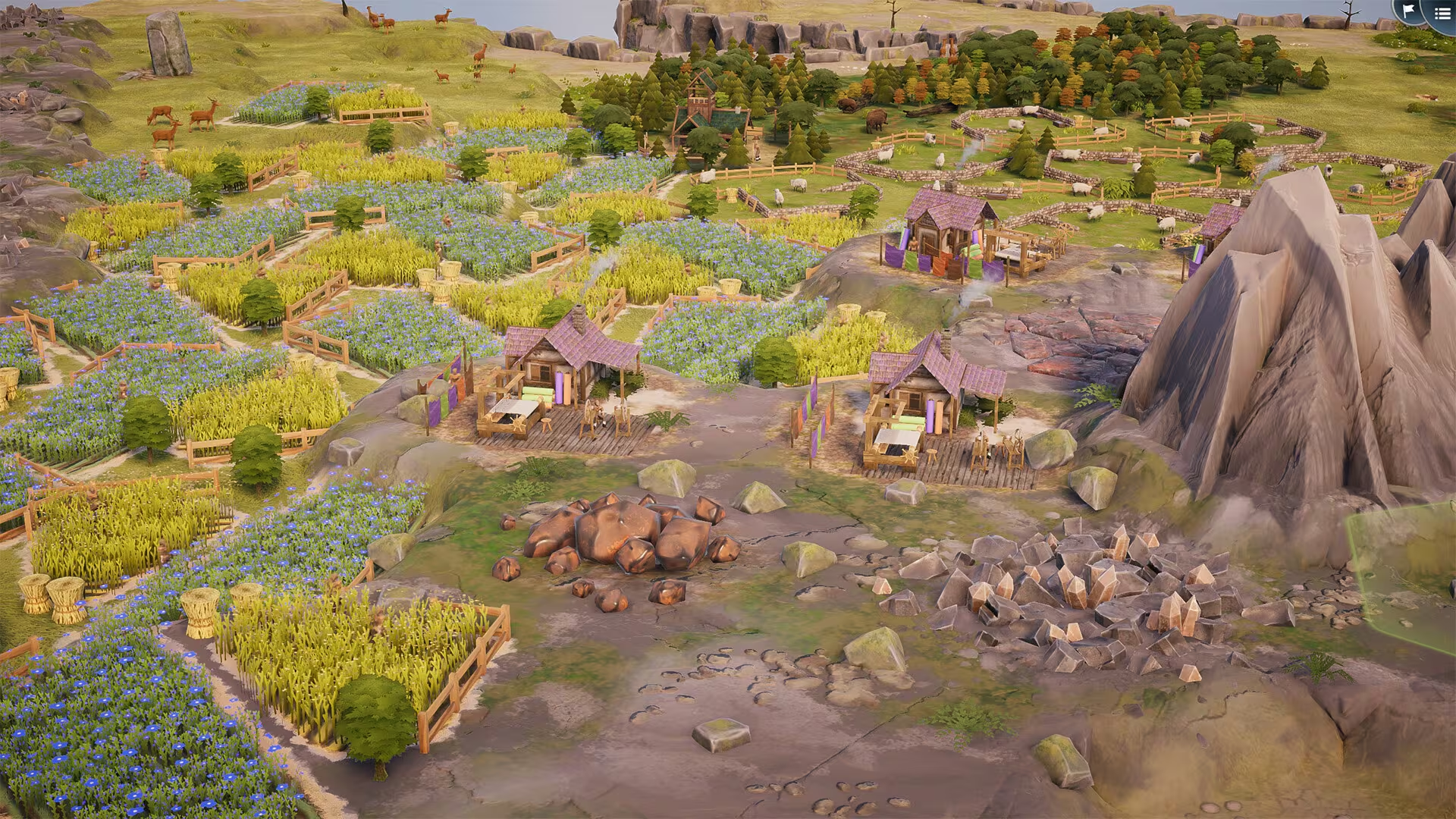
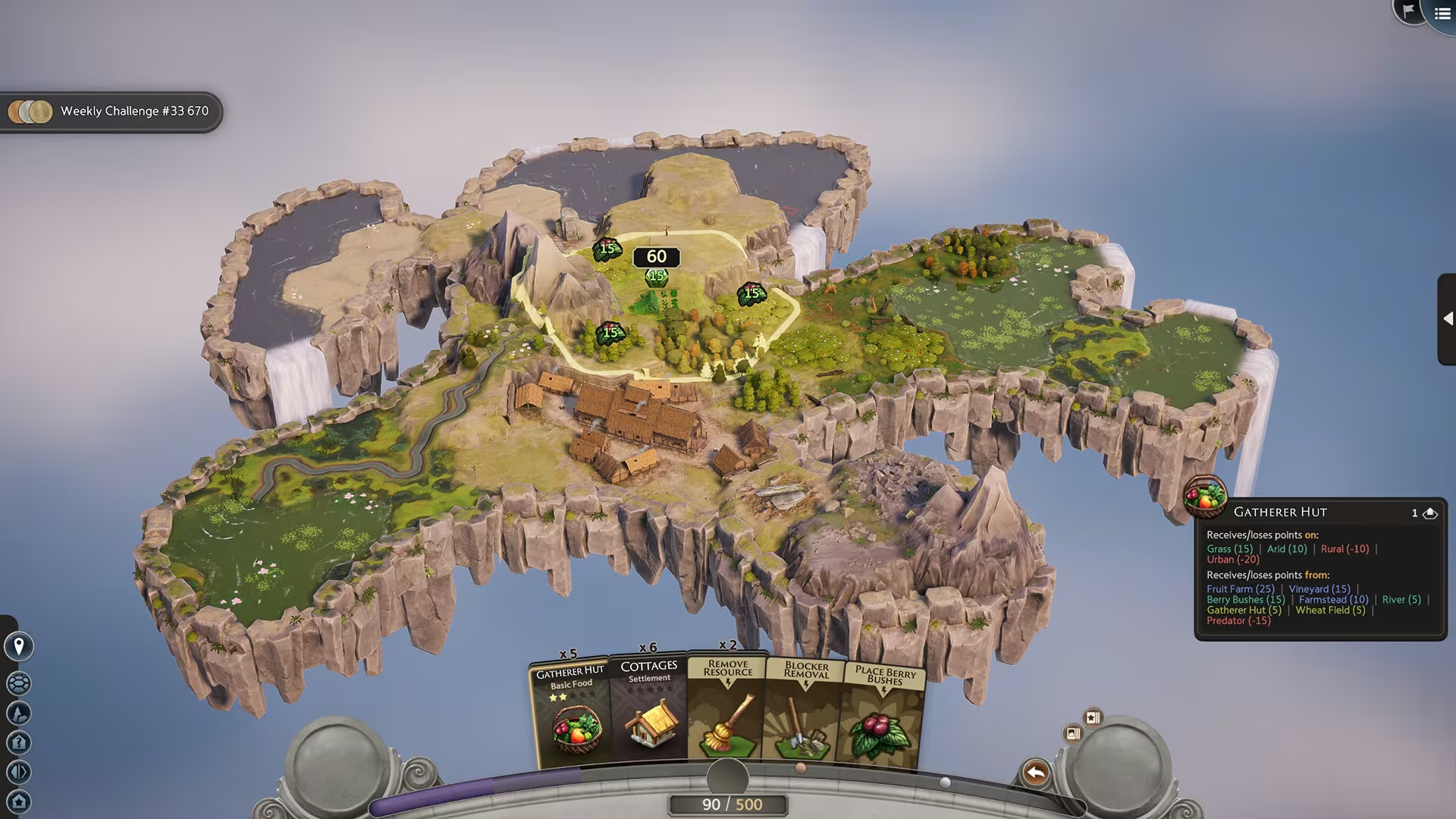
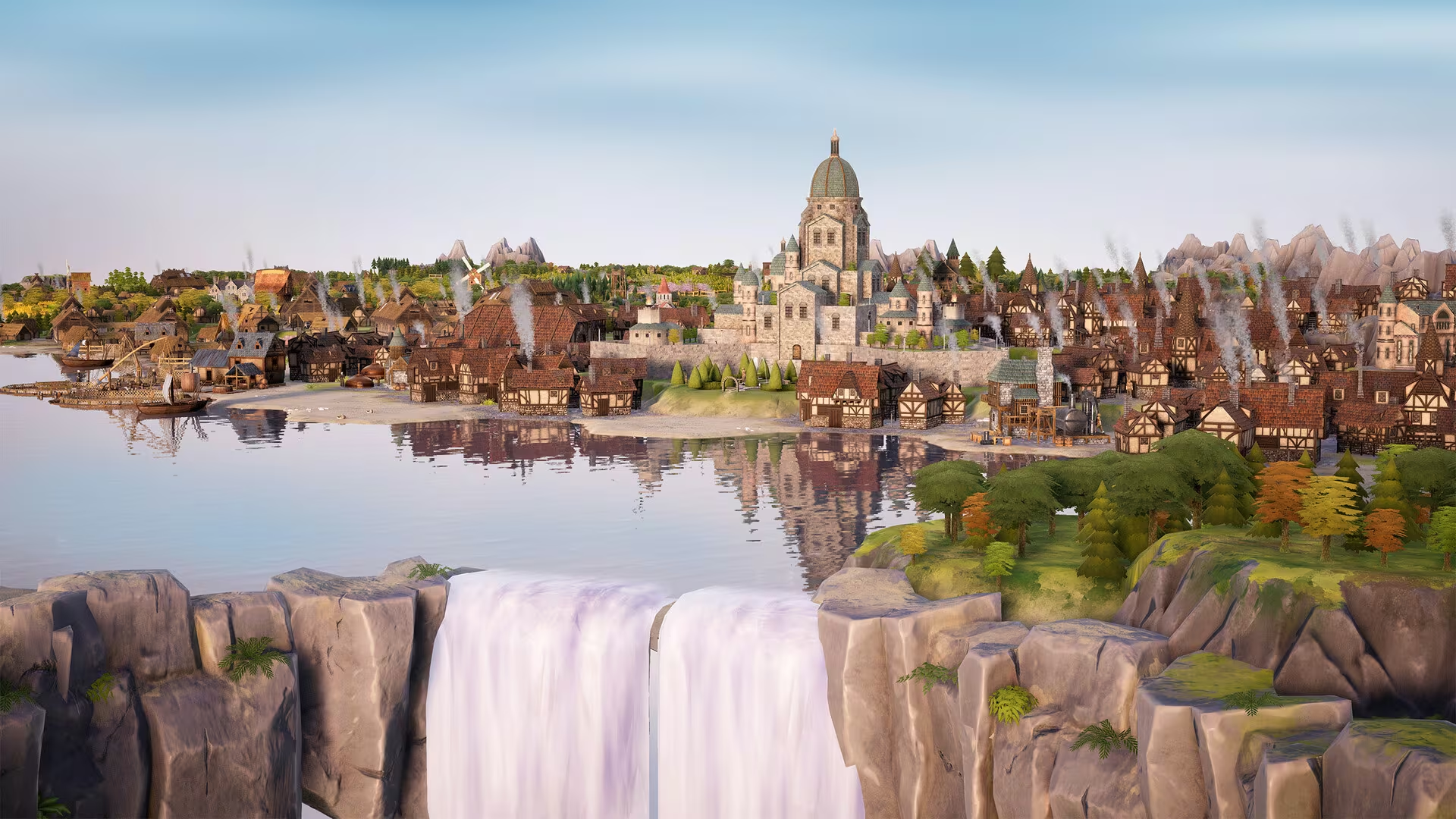
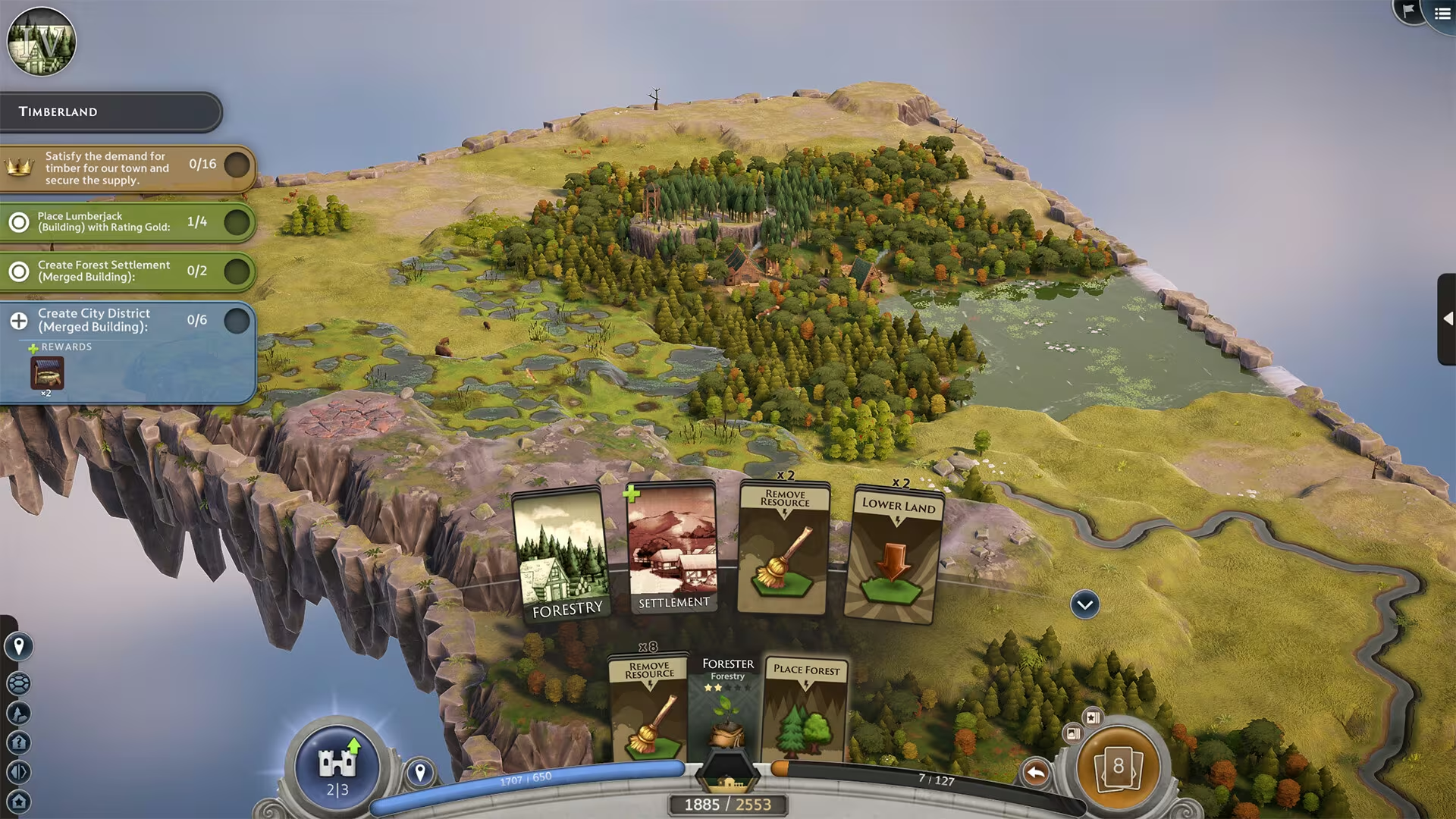
Build gorgeous kingdoms on floating islands by strategically placing buildings in this cozy City-Puzzler. Discover secret combinations, take on weekly challenges and explore randomly generated maps in various single- and multiplayer game modes.

Global score

89/100

Genres

Casual, Indie, Simulator, Strategy, Puzzle

Similar games

    Pros

    • Relaxing and cozy atmosphere
    • Strategic and engaging puzzle mechanics
    • Beautiful graphics and soothing soundtrack
    • Multiple game modes including multiplayer
    • Active and responsive developer support

    Cons

    • Limited map size and deck availability per run
    • Some ui and visual clarity issues
    • Lack of narrative or story depth
    • Early access with some bugs and performance issues
    • Multiplayer save limitations

    Analysis

    Less representative of its motivational profile, with noticeable differences. Motivations that often define this kind of title include Competition, Status, Story, Expression. It leans lower than usual among comparable games on Survival, Thrill, Violence.

    How to use the graph
    Similar games map

    Each dot is a game. They are arranged from the same motivation profile as in the “Motivations” section below. Closer dots usually mean more similar reasons to play (exploration, competition, relaxation, etc.)—not that one game is “better” than another.

    • Larger dot with a light outline: the game you are viewing.
    • Colour: groups of games with comparable motivation patterns (statistical clusters).
    • Hover a dot to see the game name; click to open its page.
    • Scroll or double-click the chart to zoom out and see more games.

    Why don’t the axes read like a score? This view uses t-SNE: it only keeps who is close to whom. The scales are not “good to bad” or hours played—they separate groups on the map. Read distance between dots, not the axis numbers.

    Motivations

    • Autonomy
      4

      "Players can choose which card decks to use and place buildings strategically on a fixed map, allowing significant control over decisions and actions."

    • Competence
      4

      "The game involves strategic planning, puzzle solving, and mastering building combinations to maximize points, providing a satisfying skill challenge."

    • Competition
      2

      "Includes competitive multiplayer and leaderboards, but many players focus on personal high scores and solo challenges."

    • Continuation
      3

      "Players report habitual play, returning for puzzles, scenarios, and free mode; some mention potential boredom after extended play."

    • Cooperation
      2

      "Supports cooperative multiplayer modes and community interaction, though much gameplay is solo-focused."

    • Creativity
      3

      "Players create and modify settlements using tile placement and building merges, with some customization and strategic layout design."

    • Domination
      -4

      "Gameplay emphasizes personal strategy and puzzle solving rather than exerting control or superiority over others."

    • Escapism
      4

      "Many reviews highlight the relaxing, cozy atmosphere and stress-relieving qualities of the game."

    • Expectation
      -4

      "Players engage voluntarily for relaxation and enjoyment without external pressure or obligation."

    • Experimenting
      4

      "Players explore different deck combinations, building merges, and strategies to optimize scores and discover new synergies."

    • Exploration
      1

      "Some discovery of hidden building combos and strategic possibilities, but limited map exploration due to fixed terrain."

    • Expression
      2

      "Players express themselves through settlement design and strategic placement, though visual customization is limited."

    • Fantasy
      1

      "The game features a stylized medieval/fantasy setting but focuses on plausible city-building mechanics rather than deep fantasy roleplay."

    • Fellowship
      2

      "Community engagement and multiplayer modes foster a sense of belonging, though many play solo."

    • Growth
      4

      "Players learn new building combos, unlock decks, and improve strategies over time, showing clear personal development."

    • Health
      -5

      "Sedentary gameplay with no physical activity involved."

    • Idle
      -3

      "Requires focused attention and planning; not suited for passive or background play."

    • Intimacy
      -3

      "Social interactions are mostly surface-level through multiplayer; no evidence of close emotional connections."

    • Leadership
      -4

      "No leadership or authoritative roles; players act independently or collaboratively without hierarchy."

    • Progression
      4

      "Strong progression via unlocking decks, upgrading buildings, and earning achievements."

    • Relaxation
      5

      "Widely described as a relaxing, cozy, and stress-free experience with soothing music and visuals."

    • Sensation
      3

      "Enjoyable visual and auditory aesthetics with pleasant animations and soundtrack."

    • Status
      1

      "Some recognition through leaderboards and achievements, but mostly individual-focused."

    • Story
      -4

      "No narrative or plot; gameplay centers on puzzle and building mechanics without story immersion."

    • Strategy
      4

      "Requires planning, problem solving, and tactical placement to maximize points and combos."

    • Thrill
      -3

      "Gameplay is calm and predictable without suspense or risk."

    • Value
      4

      "Players feel the game offers good value for price with multiple modes and replayability."

    • Violence
      -5

      "No combat or destructive violence; focus on constructive building and puzzle solving."

    • Survival
      -5

      "No survival or threat mechanics; stable and safe gameplay environment."

    Last update: 29/04/2026