Fears to Fathom - Carson House Thumbnail

Fears to Fathom - Carson House similar games & best alternatives

Fears to Fathom - Carson House

PC (Microsoft Windows) • 2023

Related articles

Quick resume

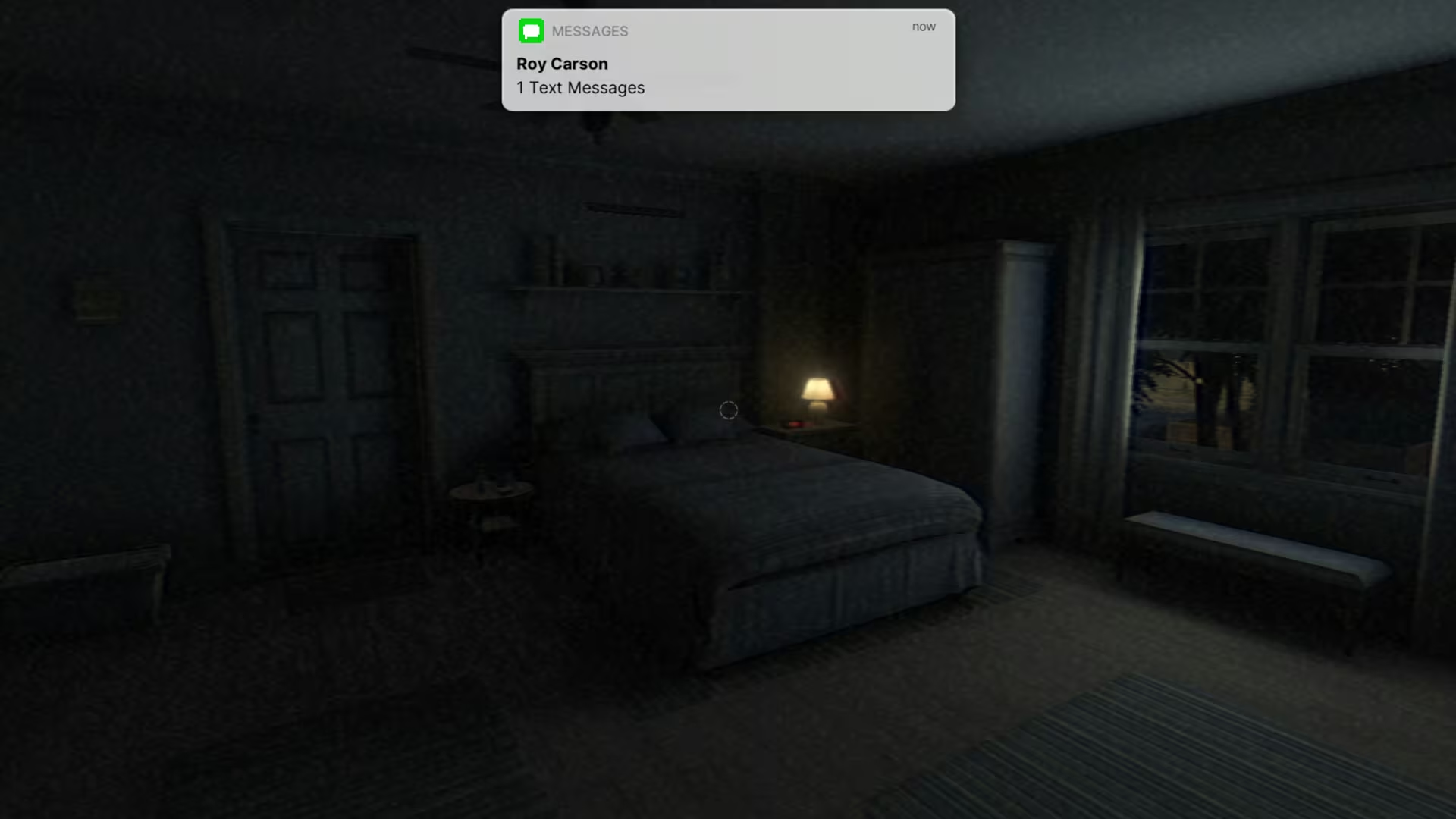
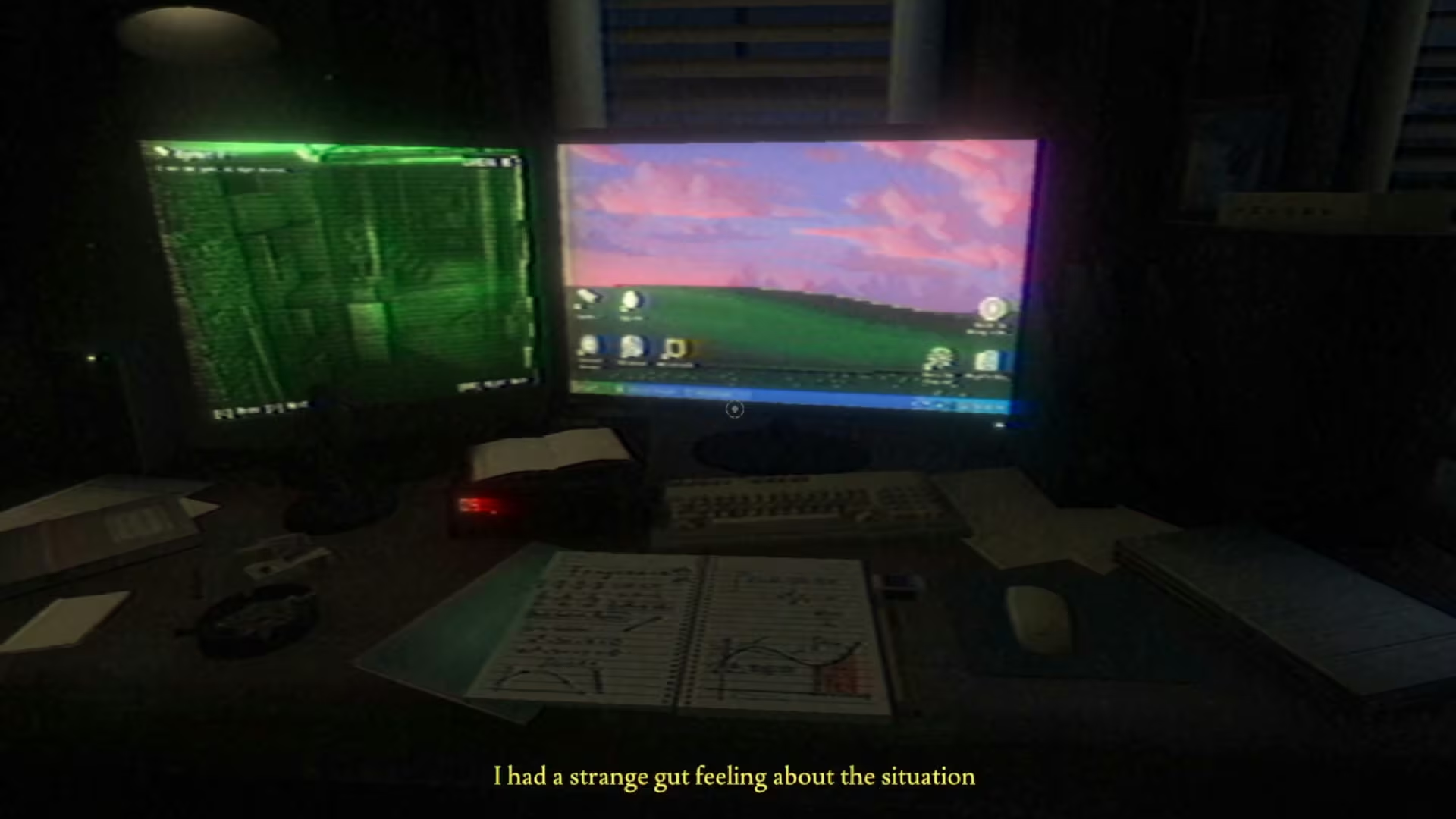
Noah Baker, an 18 year old highschooler experiences unsettling occurrences while house-sitting for a media personality, little did he know what was about to unfold that night.

Global score

92/100

Genres

Adventure, Casual, Indie

Similar games

    Pros

    • Excellent atmosphere and audio design
    • Engaging and realistic horror story
    • Short but satisfying gameplay
    • Frequent replay value with achievements
    • Runs well on low-end pcs

    Cons

    • Some bugs and glitches reported
    • Linear story with limited player choice
    • Short game length
    • Some unclear objectives causing confusion
    • Minor control and ui issues

    Analysis

    Broadly representative of its motivational profile, with a few distinct shifts. Motivations that often define this kind of title include Expression, Fellowship, Cooperation, Competition. Here, the score leans higher than usual among comparable games on Value. It leans lower than usual among comparable games on Fantasy, Relaxation.

    How to use the graph
    Similar games map

    Each dot is a game. They are arranged from the same motivation profile as in the “Motivations” section below. Closer dots usually mean more similar reasons to play (exploration, competition, relaxation, etc.)—not that one game is “better” than another.

    • Larger dot with a light outline: the game you are viewing.
    • Colour: groups of games with comparable motivation patterns (statistical clusters).
    • Hover a dot to see the game name; click to open its page.
    • Scroll or double-click the chart to zoom out and see more games.

    Why don’t the axes read like a score? This view uses t-SNE: it only keeps who is close to whom. The scales are not “good to bad” or hours played—they separate groups on the map. Read distance between dots, not the axis numbers.

    Motivations

    • Autonomy
      3

      "Players can explore the house and neighborhood freely, choose actions like petting the dog, riding a bike, and interacting with various objects, though the story progression is linear."

    • Competence
      2

      "Gameplay involves simple tasks and some timing challenges; minor skill required but mostly straightforward with some trial and error."

    • Competition
      -4

      "Focus is on personal experience and atmosphere; no evidence of competitive modes or leaderboards."

    • Continuation
      3

      "Players tend to replay to discover different endings and achievements; some mention multiple playthroughs and habitual engagement."

    • Cooperation
      -5

      "Single-player experience with no multiplayer or cooperative elements."

    • Creativity
      2

      "Some freedom in exploring and interacting with environment; however, story and progression are linear with limited player-driven creativity."

    • Domination
      -5

      "No evidence of exerting control over others; interactions are individual and narrative-driven."

    • Escapism
      4

      "Strong immersion in a tense, atmospheric horror setting provides escape from real life; players seek thrill and distraction."

    • Expectation
      -4

      "Players engage voluntarily out of interest and enjoyment; no indication of obligation or external pressure."

    • Experimenting
      3

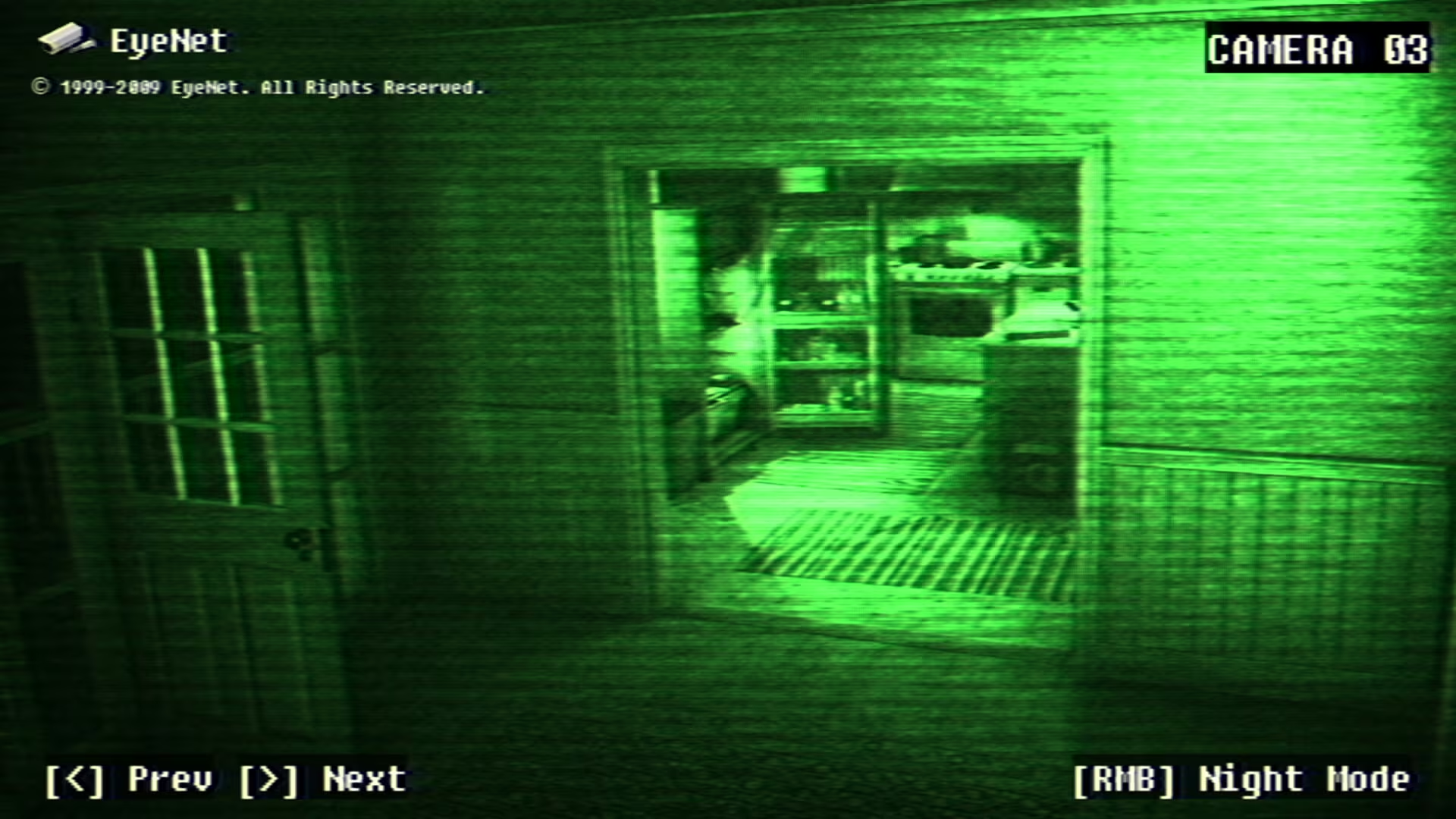
      "Players explore environment, try different actions and endings, and experiment with game mechanics like cameras and minigames."

    • Exploration
      3

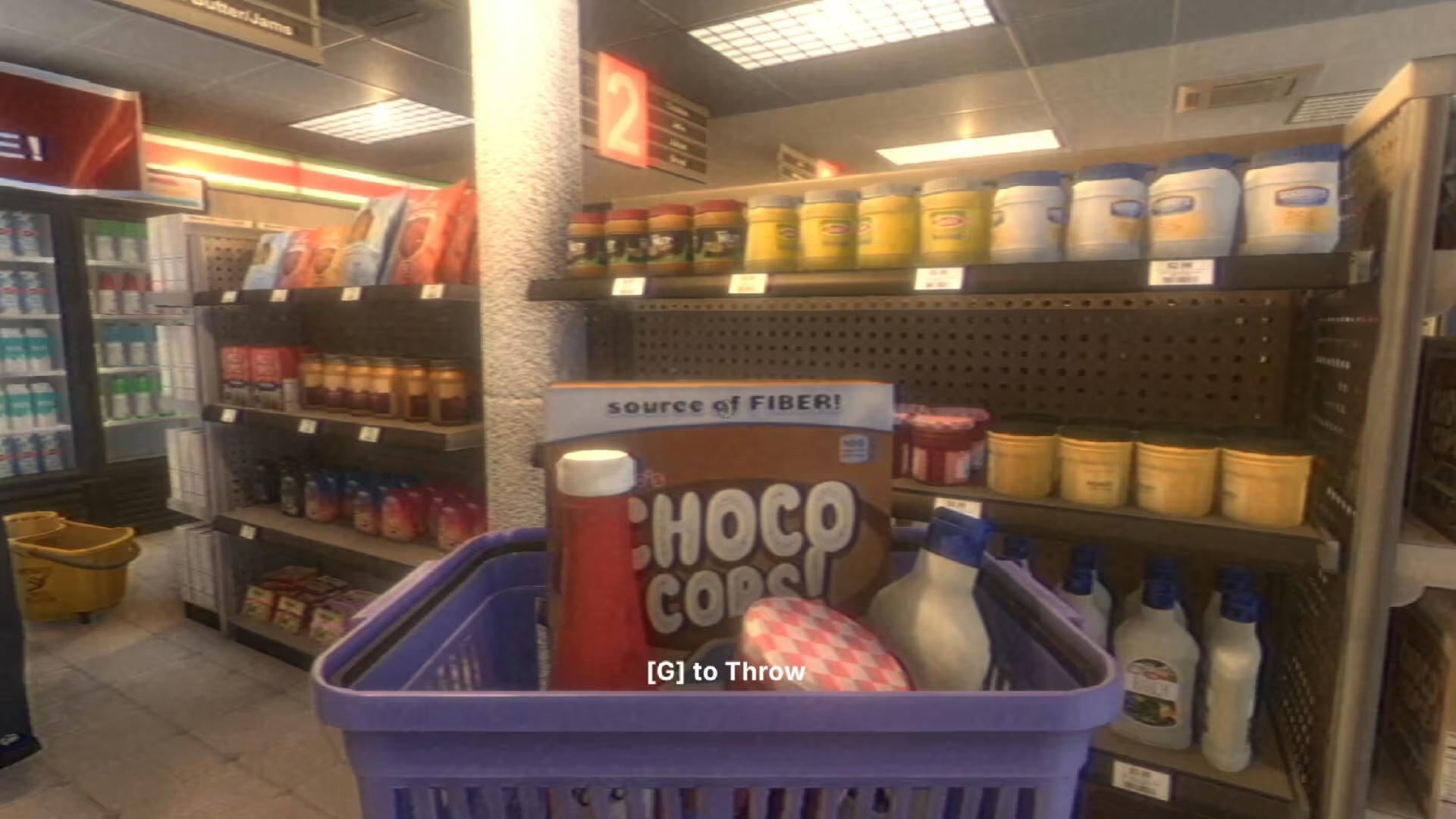
      "Exploration of house, neighborhood, and store is encouraged; players discover subtle clues and hidden details."

    • Expression
      -3

      "Limited customization or personalization; players interact with preset environment and characters without avatar modification."

    • Fantasy
      -4

      "Grounded in realistic, plausible horror scenarios based on true stories; no supernatural or fantastical elements."

    • Fellowship
      -5

      "Solo play experience with minimal social interaction or community involvement."

    • Growth
      1

      "Some learning involved in mastering timing and discovering endings, but overall low complexity."

    • Health
      -5

      "Sedentary gameplay with no physical activity or health-related features."

    • Idle
      -3

      "Requires focused attention during play; not designed for background or casual intermittent play."

    • Intimacy
      -4

      "No close social relationships formed; interactions are limited to game narrative and environment."

    • Leadership
      -5

      "No leadership or management roles; player follows scripted story and tasks."

    • Progression
      3

      "Players collect items, complete tasks, and unlock achievements to progress through story and endings."

    • Relaxation
      -2

      "Tense and suspenseful atmosphere creates anxiety rather than relaxation or flow."

    • Sensation
      3

      "Strong sensory stimulation through audio design, atmosphere, and jump scares."

    • Status
      -4

      "No social recognition or status systems; focus is on personal experience."

    • Story
      4

      "Narrative-driven with engaging story, character interactions, and plot twists."

    • Strategy
      1

      "Some planning and timing required to achieve good endings, but overall simple gameplay."

    • Thrill
      4

      "High suspense and jump scares create thrilling and tense experiences."

    • Value
      4

      "Players perceive good value for price given quality, atmosphere, and gameplay length."

    • Violence
      2

      "Includes some violent encounters and threats, but not focused on combat or destruction."

    • Survival
      3

      "Players must avoid threats and make correct choices to survive; tension around staying alive."

    Last update: 29/04/2026