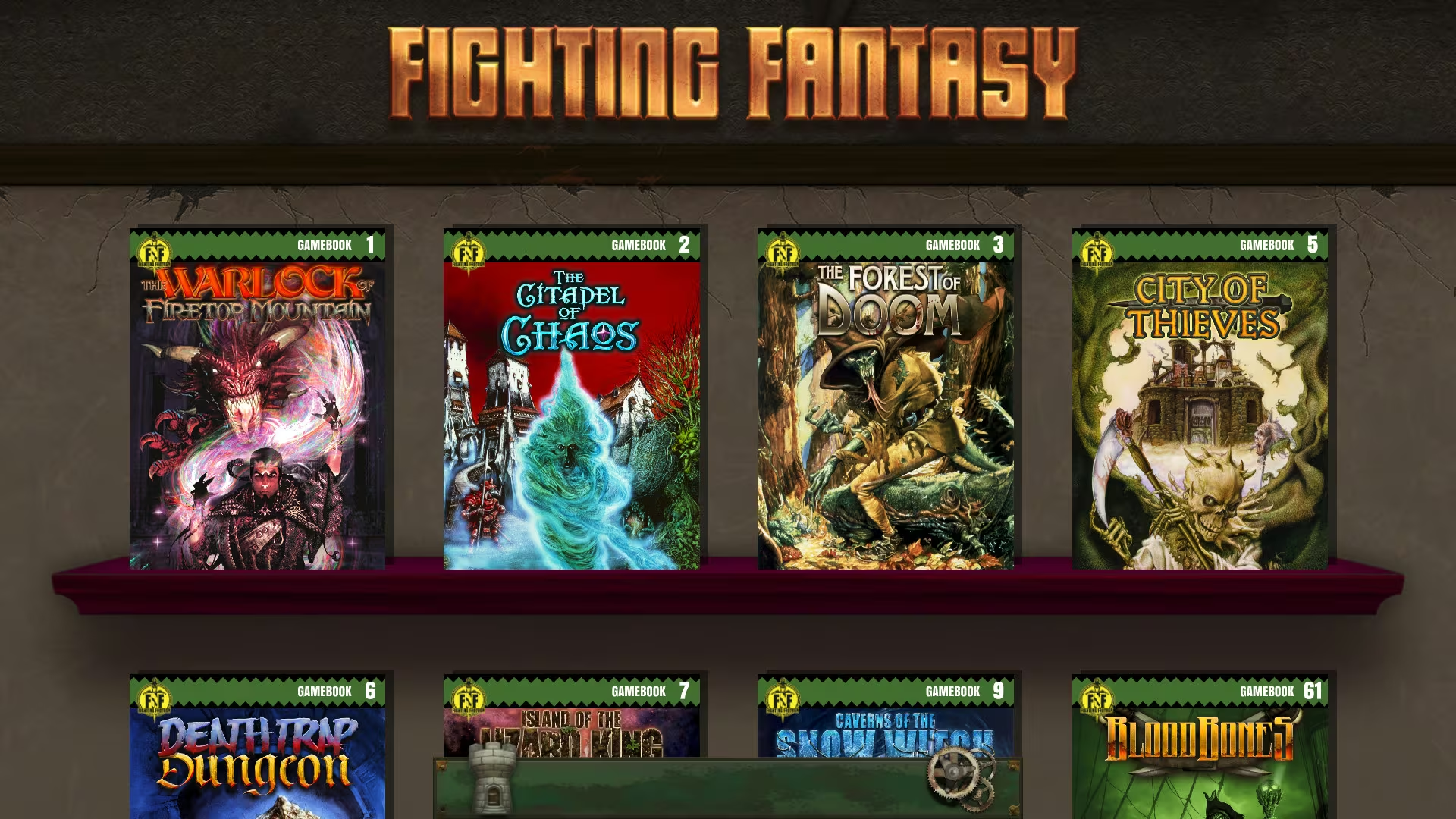
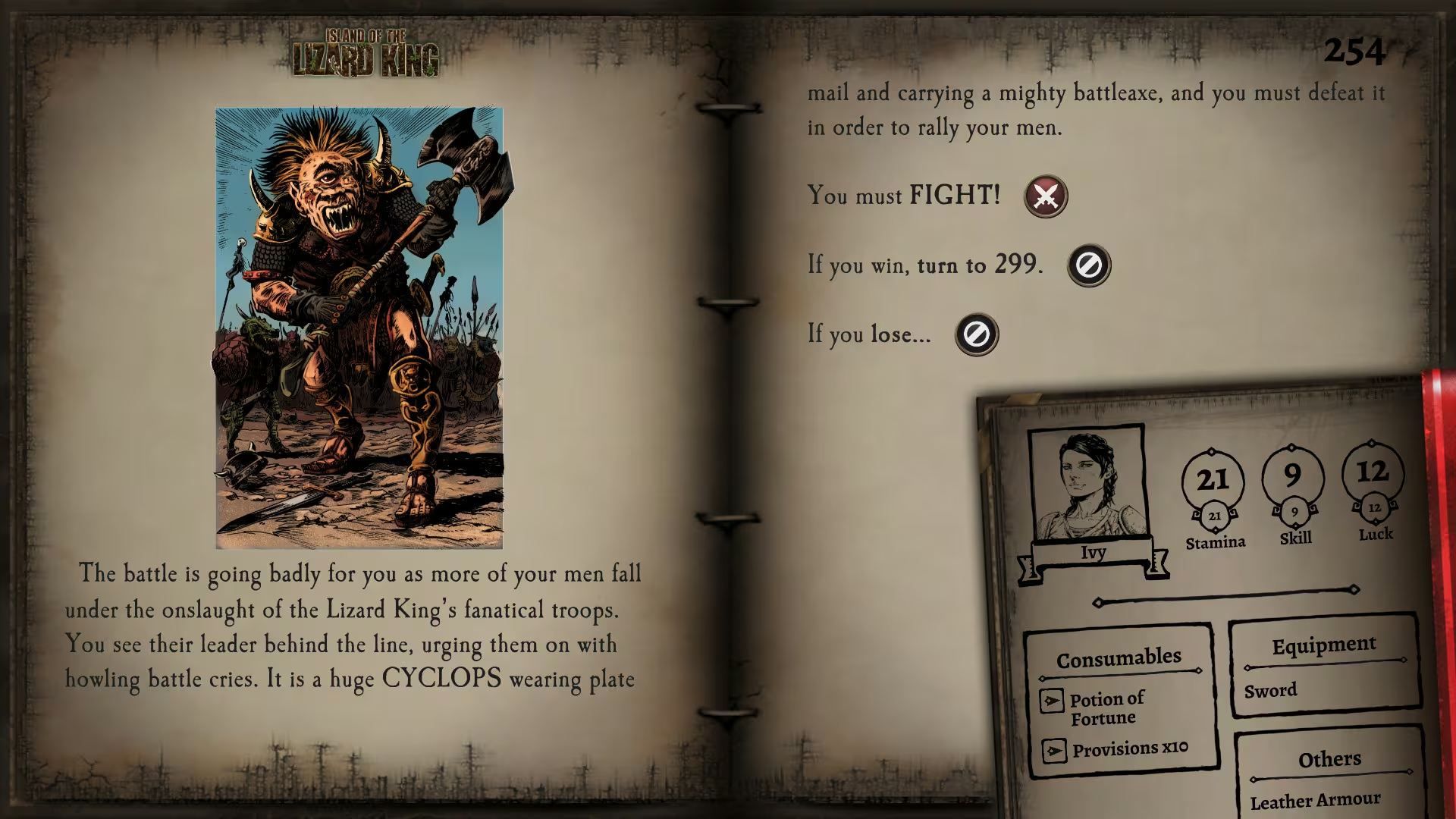
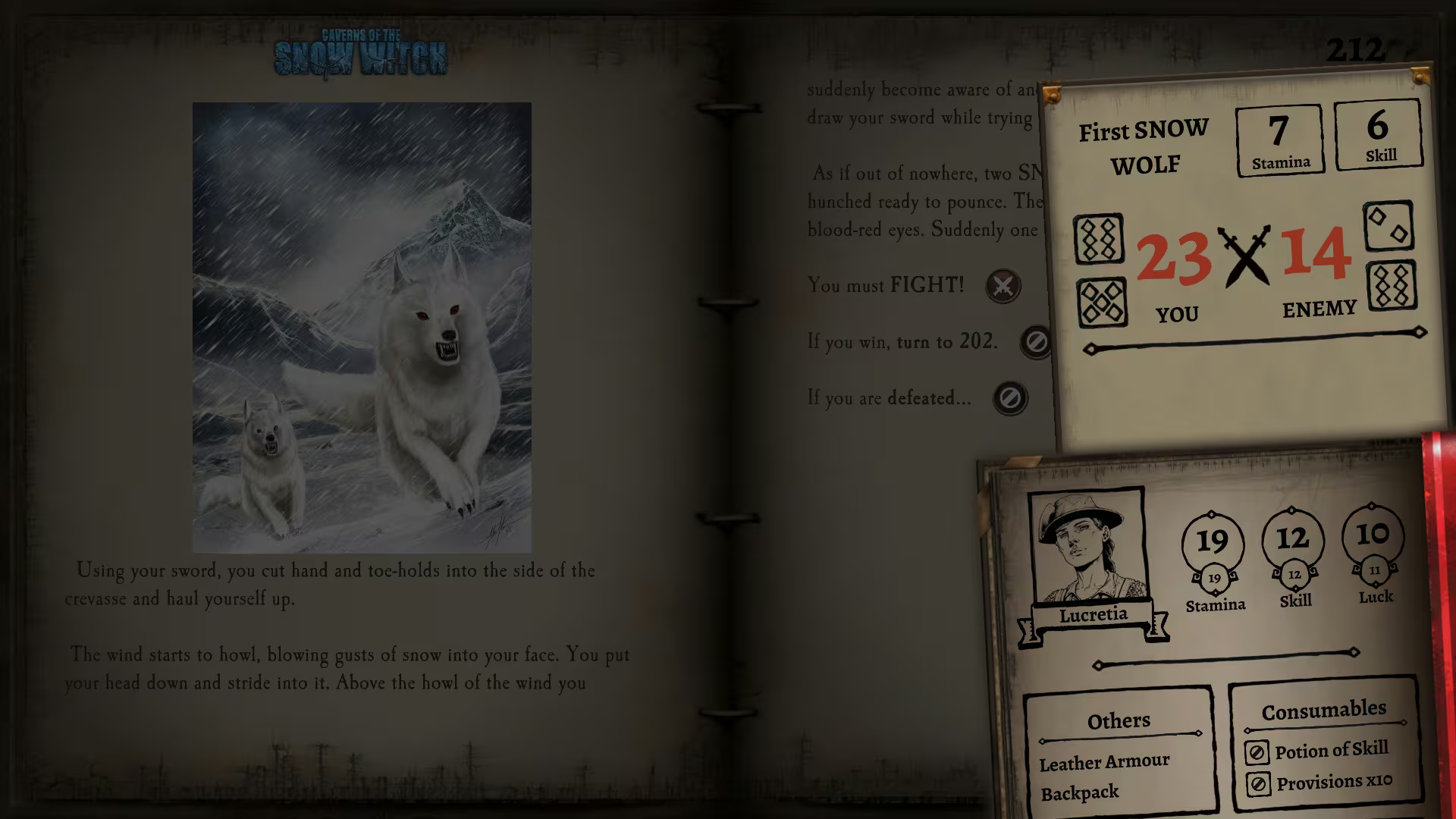
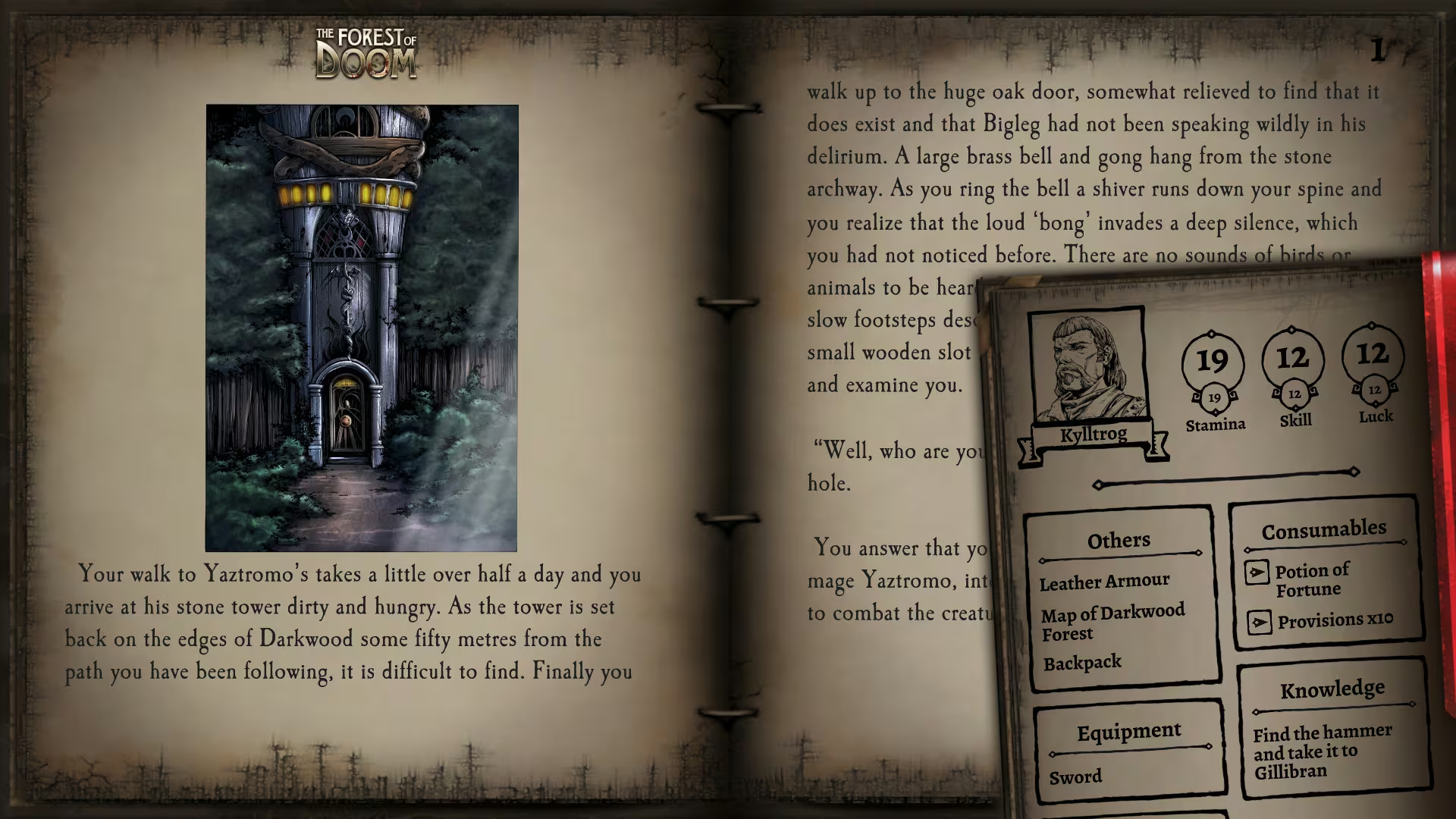
Fighting Fantasy Classics Thumbnail

Fighting Fantasy Classics similar games & best alternatives

Fighting Fantasy Classics

PC (Microsoft Windows), Mac, Android • 2018

Related articles

Quick resume

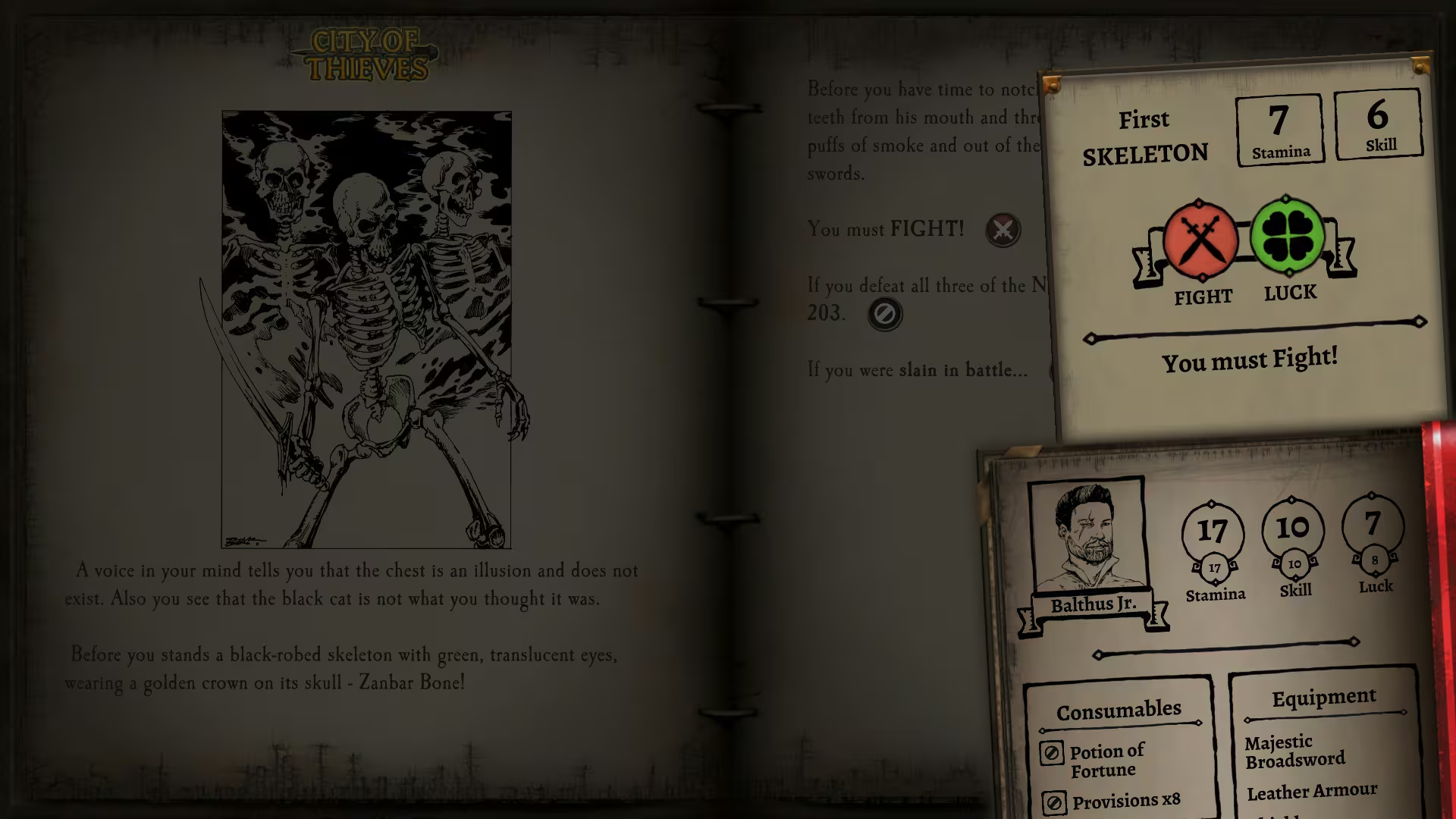
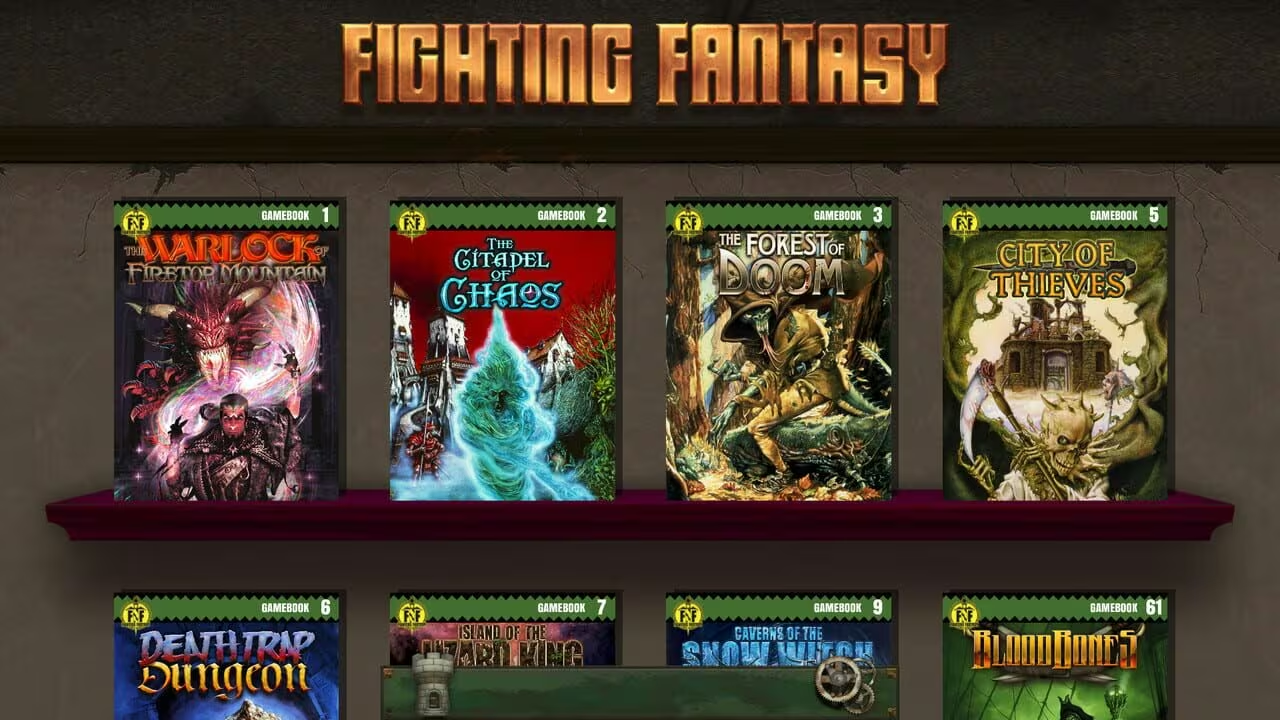
Ready your sword, pack your provisions and prepare to embark upon quests in which YOU are the hero! Choose what happens at every turn of the page with Fighting Fantasy Classics – text-based roleplaying adventures remastered.

Global score

81/100

Genres

Indie, Role-playing (RPG), Free To Play

Similar games

    Pros

    • Faithful digital adaptation of classic gamebooks
    • Strong nostalgic appeal and immersive storytelling
    • Quality of life improvements like automated dice and bookmarks
    • Multiple books available with more planned
    • Good value compared to physical books

    Cons

    • Some bugs and ui issues reported
    • Difficulty and trial-and-error nature may frustrate some players
    • Limited character customization and social features
    • Some dlc pricing concerns
    • Mobile-oriented interface can feel clunky on pc

    Analysis

    Less representative of its motivational profile, with noticeable differences. Motivations that often define this kind of title include Expression, Fellowship, Cooperation, Competition. Here, the score leans higher than usual among comparable games on Continuation, Exploration, Experimenting.

    How to use the graph
    Similar games map

    Each dot is a game. They are arranged from the same motivation profile as in the “Motivations” section below. Closer dots usually mean more similar reasons to play (exploration, competition, relaxation, etc.)—not that one game is “better” than another.

    • Larger dot with a light outline: the game you are viewing.
    • Colour: groups of games with comparable motivation patterns (statistical clusters).
    • Hover a dot to see the game name; click to open its page.
    • Scroll or double-click the chart to zoom out and see more games.

    Why don’t the axes read like a score? This view uses t-SNE: it only keeps who is close to whom. The scales are not “good to bad” or hours played—they separate groups on the map. Read distance between dots, not the axis numbers.

    Motivations

    • Autonomy
      4

      "Players make their own choices in branching narratives, directing their own path through the story."

    • Competence
      3

      "Players engage in dice rolling and strategic decision making with some skill and puzzle solving involved."

    • Competition
      -4

      "Focus is on solo play and personal progress without comparison to others or leaderboards."

    • Continuation
      4

      "Players often replay books multiple times to explore different paths and overcome challenges."

    • Cooperation
      -5

      "The game is a solo experience with no multiplayer or cooperative elements."

    • Creativity
      2

      "Players can make choices that affect the story but do not create or modify content."

    • Domination
      -5

      "No social dominance or power over others; purely individual experience."

    • Escapism
      4

      "Strong nostalgic and immersive storytelling offers escape from real life."

    • Expectation
      -3

      "Players engage voluntarily out of personal interest and nostalgia rather than obligation."

    • Experimenting
      4

      "Players try different choices and strategies to discover new story paths and outcomes."

    • Exploration
      4

      "Encourages discovering new areas, secrets, and story branches within the books."

    • Expression
      -2

      "Limited character customization; mostly uses preset avatars and story presentation."

    • Fantasy
      5

      "Strongly rooted in imaginative fantasy settings and narratives."

    • Fellowship
      -4

      "Minimal social interaction; primarily a solitary experience."

    • Growth
      3

      "Players learn story patterns, puzzle solutions, and improve dice roll strategies over time."

    • Health
      -4

      "Sedentary gameplay with no physical activity involved."

    • Idle
      -3

      "Requires focused reading and decision making; not designed for passive or background play."

    • Intimacy
      -4

      "No social or emotional relationship building; solitary gameplay."

    • Leadership
      -5

      "No leadership or group management elements."

    • Progression
      3

      "Players accumulate items, stats, and story progress through choices and dice rolls."

    • Relaxation
      2

      "Some players find the nostalgic reading relaxing, though difficulty and repeated failure can cause tension."

    • Sensation
      1

      "Limited sensory stimulation; mostly text and static images with some ambient audio."

    • Status
      -5

      "No social recognition or status systems."

    • Story
      5

      "Strong narrative immersion with branching plots and character-driven stories."

    • Strategy
      3

      "Requires planning, puzzle solving, and tactical decision making."

    • Thrill
      3

      "Tension from risk of failure and suspense in story outcomes."

    • Value
      3

      "Good perceived value for nostalgia and content, though some find DLC pricing high."

    • Violence
      2

      "Combat and dice-based battles are part of gameplay but not gratuitous."

    • Survival
      3

      "Players must manage resources and avoid failure to progress."

    Last update: 29/04/2026