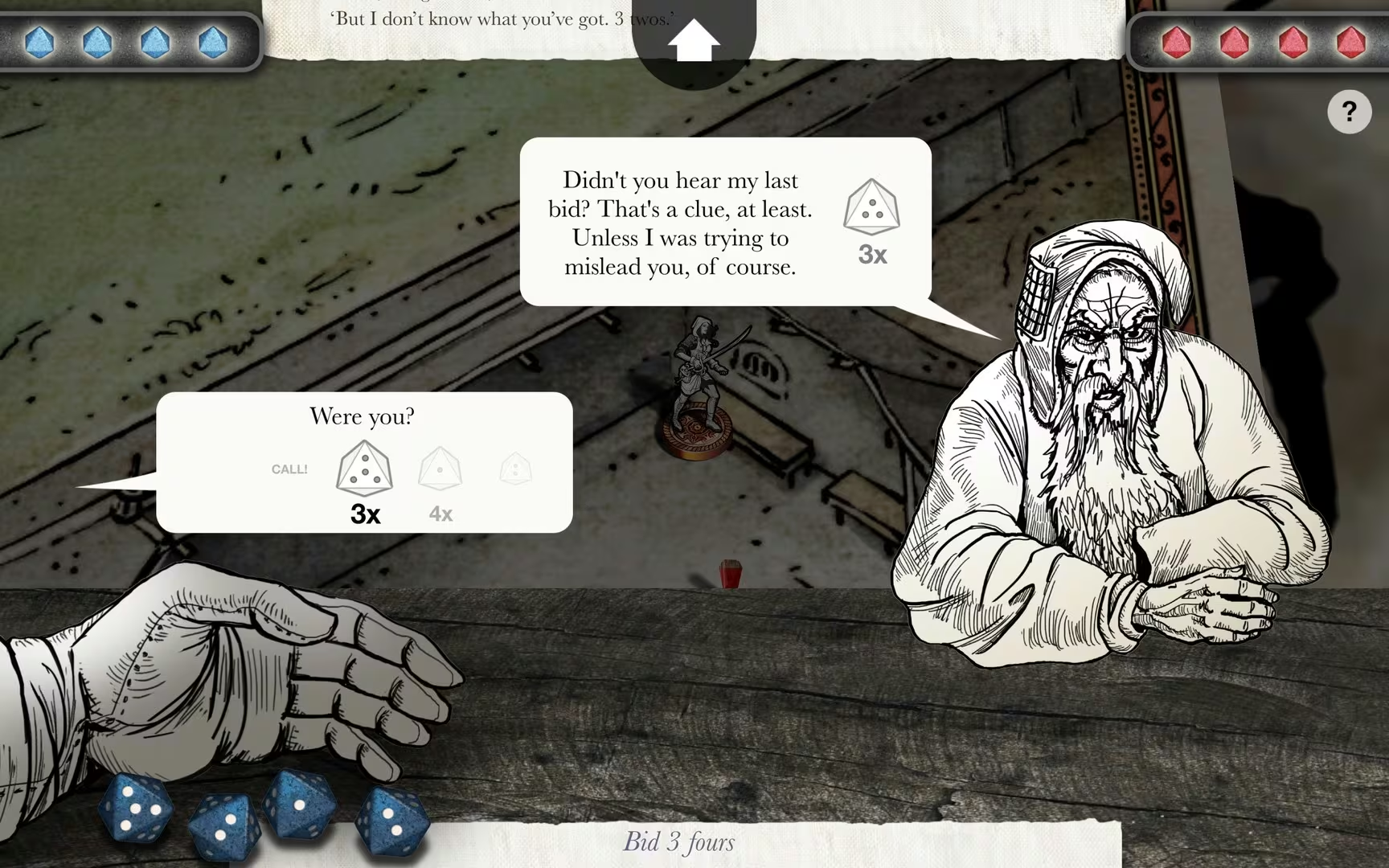
Sorcery! Parts 1 and 2 Thumbnail

Sorcery! Parts 1 and 2 similar games & best alternatives
Sorcery! Parts 1 and 2

PC (Microsoft Windows), iOS, Mac, Android • 2016

Related articles

Quick resume

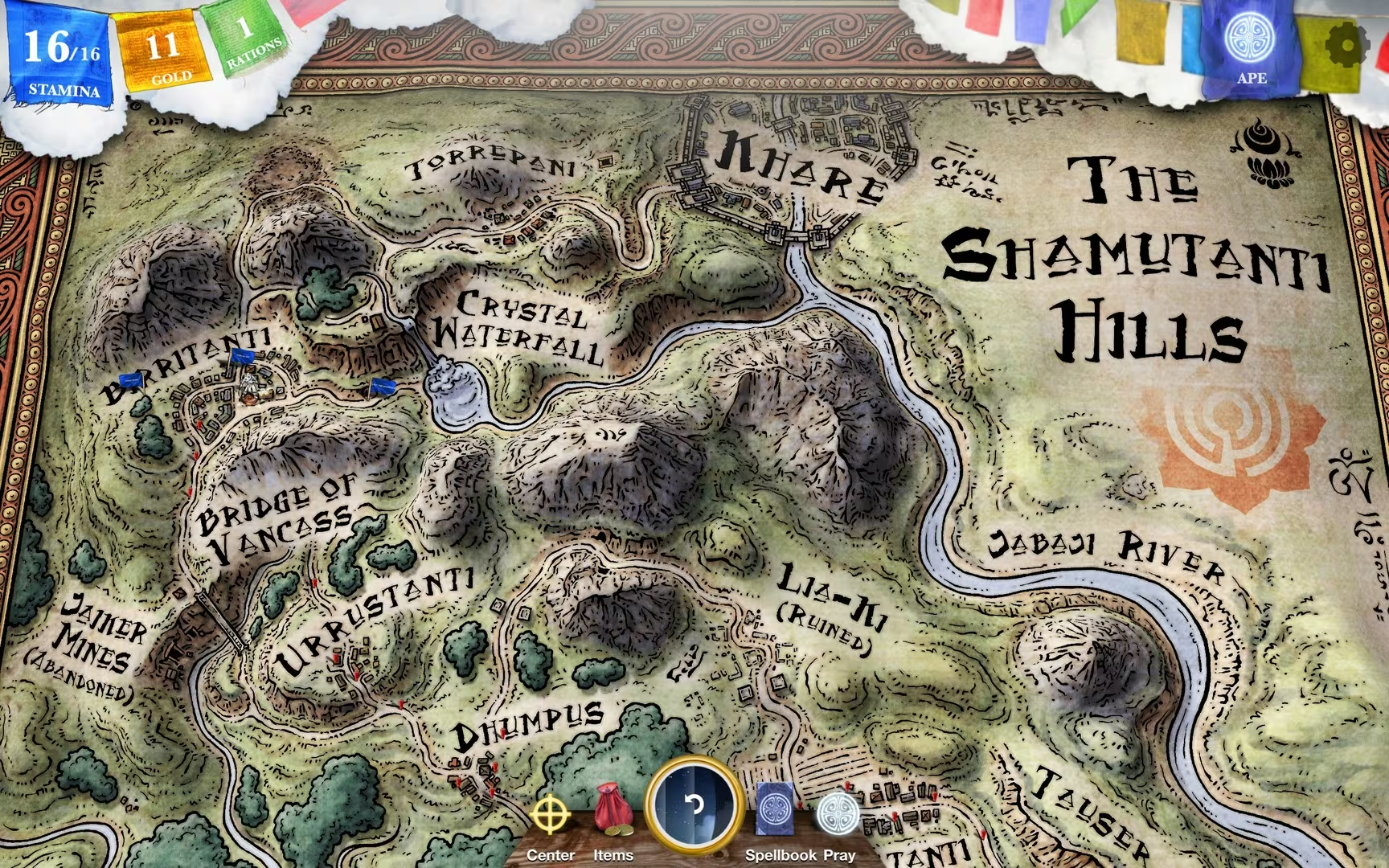
An epic adventure in a land of monsters, traps and magic. Journey across the deadly Shamutanti Hills and through Kharé, Cityport of Thieves. Armed with your sword and over fifty spells with weird and wonderful effects, embark on a narrative adventure of a thousand choices where every one is remembered.

Global score

89/100

Genres

Adventure, Indie, Role-playing (RPG), Visual Novel

Similar games

    Pros

    • Deep and immersive narrative
    • Meaningful player choices with consequences
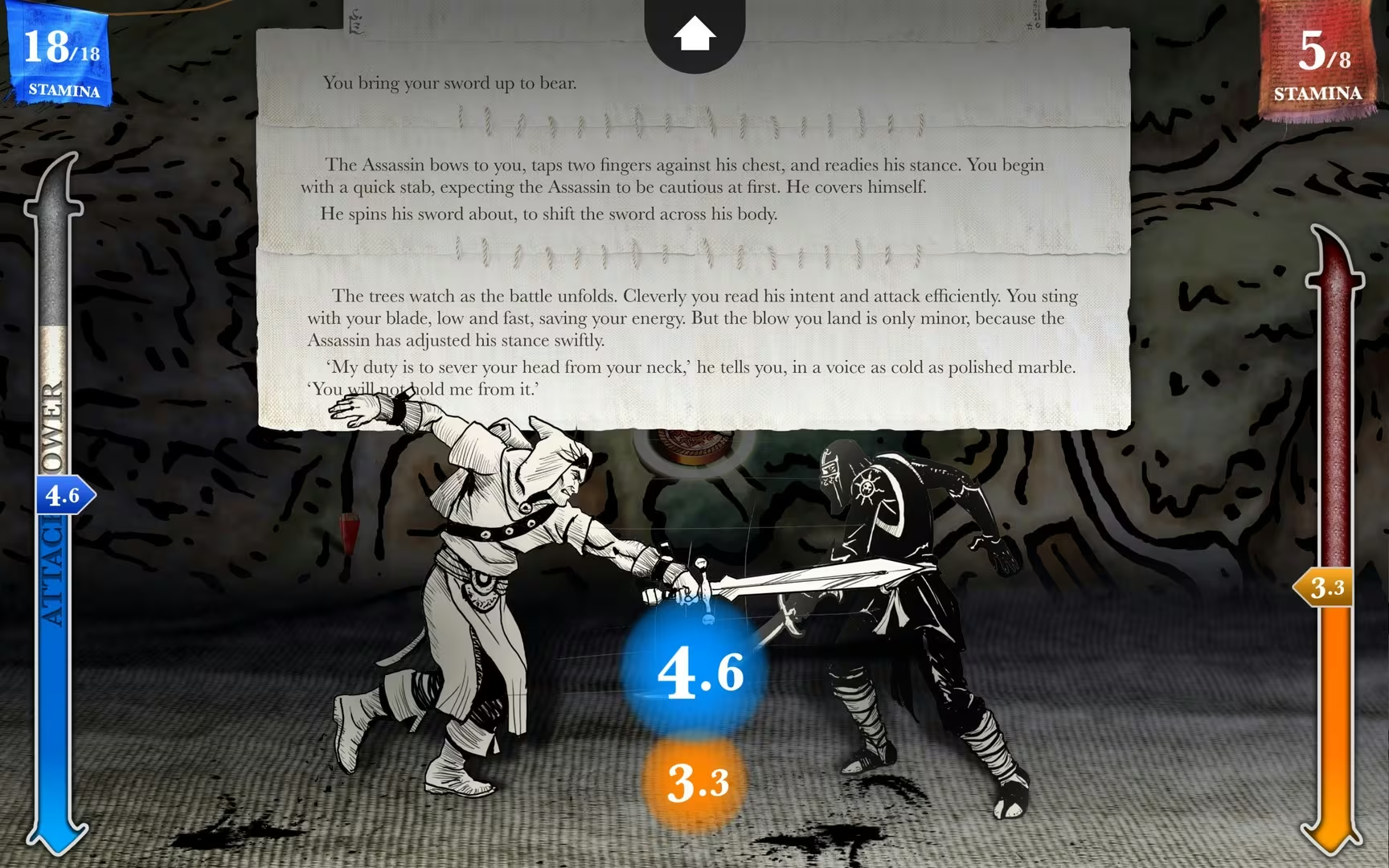
    • Unique and strategic combat system
    • High replayability with multiple paths
    • Faithful adaptation of classic gamebooks

    Cons

    • Some randomness in combat can be frustrating
    • Lack of multiplayer or social features
    • Requires significant reading and attention
    • Minor ui issues and dated art style
    • No official localization beyond english

    Analysis

    A very typical example of its motivational profile. Motivations that often define this kind of title include Fellowship, Cooperation, Leadership, Violence. Here, the score leans higher than usual among comparable games on Story, Fantasy. It leans lower than usual among comparable games on Intimacy.

    How to use the graph
    Similar games map

    Each dot is a game. They are arranged from the same motivation profile as in the “Motivations” section below. Closer dots usually mean more similar reasons to play (exploration, competition, relaxation, etc.)—not that one game is “better” than another.

    • Larger dot with a light outline: the game you are viewing.
    • Colour: groups of games with comparable motivation patterns (statistical clusters).
    • Hover a dot to see the game name; click to open its page.
    • Scroll or double-click the chart to zoom out and see more games.

    Why don’t the axes read like a score? This view uses t-SNE: it only keeps who is close to whom. The scales are not “good to bad” or hours played—they separate groups on the map. Read distance between dots, not the axis numbers.

    Motivations

    • Autonomy
      4

      "Players make meaningful choices that shape the story and character progression, with freedom to explore different paths and outcomes."

    • Competence
      3

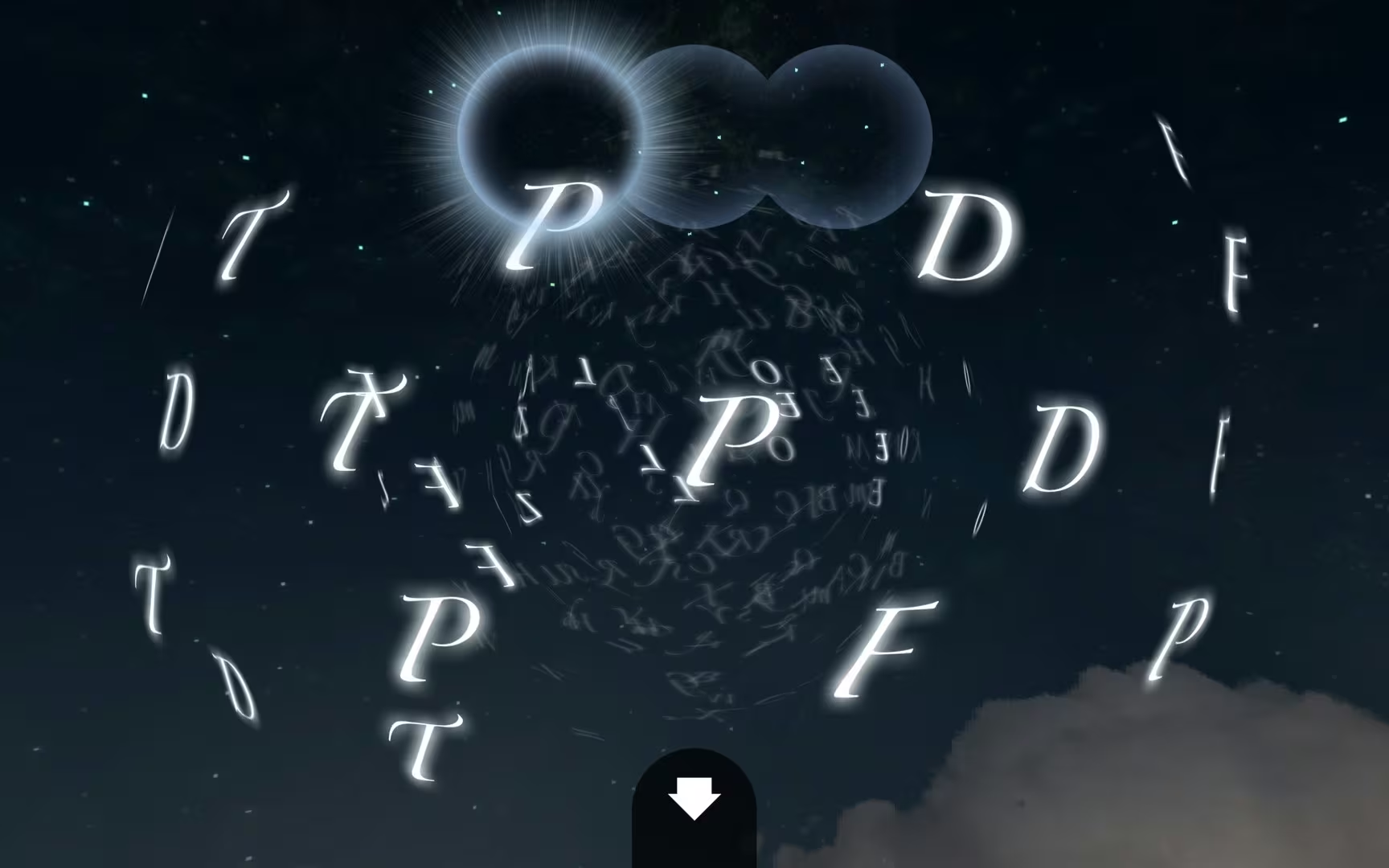
      "Combat and spellcasting require strategic thinking and reading cues, though some randomness exists; players receive feedback and can retry encounters."

    • Competition
      -4

      "Focus is on individual story experience and personal decision-making without direct player-vs-player competition."

    • Continuation
      4

      "Players often engage in long sessions with high replayability and carry character progress across multiple parts."

    • Cooperation
      -5

      "The game is a single-player experience with no multiplayer or cooperative elements."

    • Creativity
      3

      "Players creatively solve problems using spells, items, and choices, though within a structured narrative framework."

    • Domination
      -5

      "Interactions are narrative and choice-driven without exerting control or superiority over other players."

    • Escapism
      5

      "Strong fantasy setting and immersive storytelling provide a rich escape from real life."

    • Expectation
      -4

      "Players engage voluntarily out of intrinsic interest and nostalgia rather than obligation."

    • Experimenting
      4

      "The rewind feature encourages trying different choices and exploring alternate paths."

    • Exploration
      4

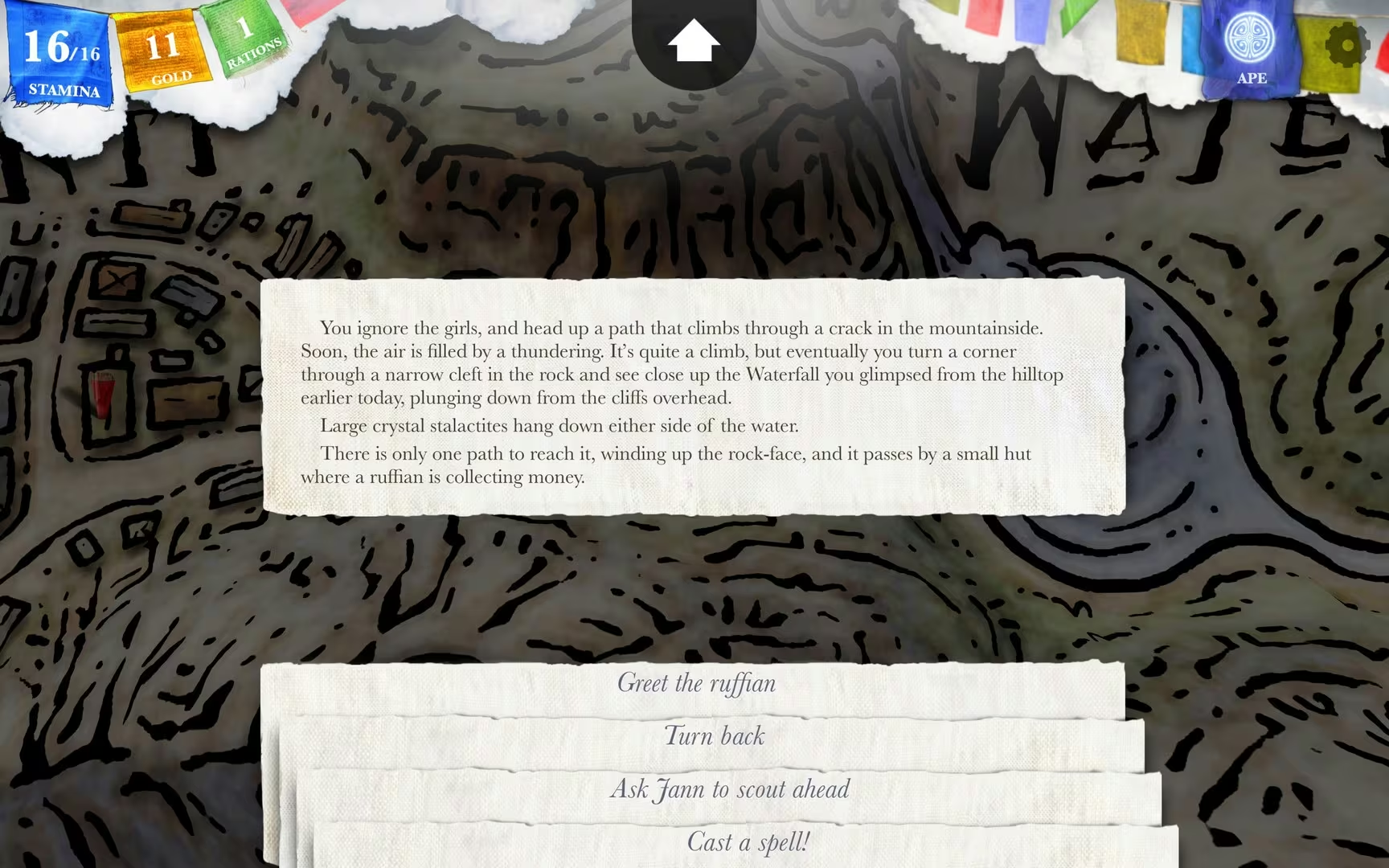
      "Players explore large maps, cities, and multiple story branches with many secrets and hidden content."

    • Expression
      2

      "Some character customization (e.g. gender choice) and roleplaying options allow personal expression."

    • Fantasy
      5

      "The game is deeply rooted in fantasy fiction with magic, mythical creatures, and imaginative settings."

    • Fellowship
      -5

      "The experience is solitary with minimal social interaction."

    • Growth
      3

      "Players learn combat mechanics, spellcasting, and puzzle solving, improving skills over time."

    • Health
      -5

      "Primarily sedentary gameplay with no physical activity elements."

    • Idle
      -4

      "Requires focused reading and decision-making; not designed for passive or background play."

    • Intimacy
      -5

      "Limited to narrative interactions without forming close social relationships."

    • Leadership
      -5

      "No leadership or group management roles; single-player focus."

    • Progression
      4

      "Players accumulate items, spells, and character upgrades that carry over between parts."

    • Relaxation
      3

      "The game balances challenge with engaging storytelling, providing a satisfying flow."

    • Sensation
      2

      "Art, music, and sound effects enhance immersion but are understated and not intense."

    • Status
      -5

      "No social recognition or status systems present."

    • Story
      5

      "Narrative immersion is central, with branching plots, character development, and meaningful choices."

    • Strategy
      4

      "Combat and spellcasting require planning and anticipating enemy moves; puzzle solving is integral."

    • Thrill
      3

      "Tension arises from risky decisions and combat, though mitigated by rewind and retry features."

    • Value
      4

      "High replayability and content volume provide strong value for price."

    • Violence
      2

      "Combat and fighting are present but not gratuitous; violence is contextual and narrative-driven."

    • Survival
      3

      "Players manage stamina and resources to survive encounters and progress."

    Last update: 29/04/2026