FORCED SHOWDOWN Thumbnail

FORCED SHOWDOWN similar games & best alternatives
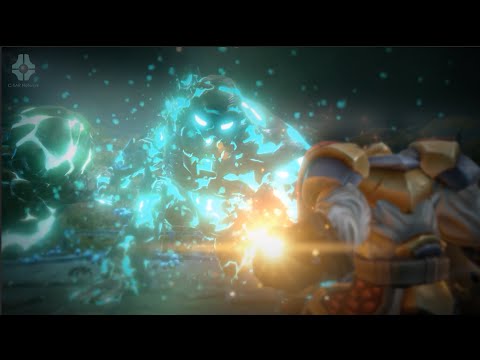
FORCED SHOWDOWN

PC (Microsoft Windows), Mac, Linux • 2016

Related articles

Quick resume

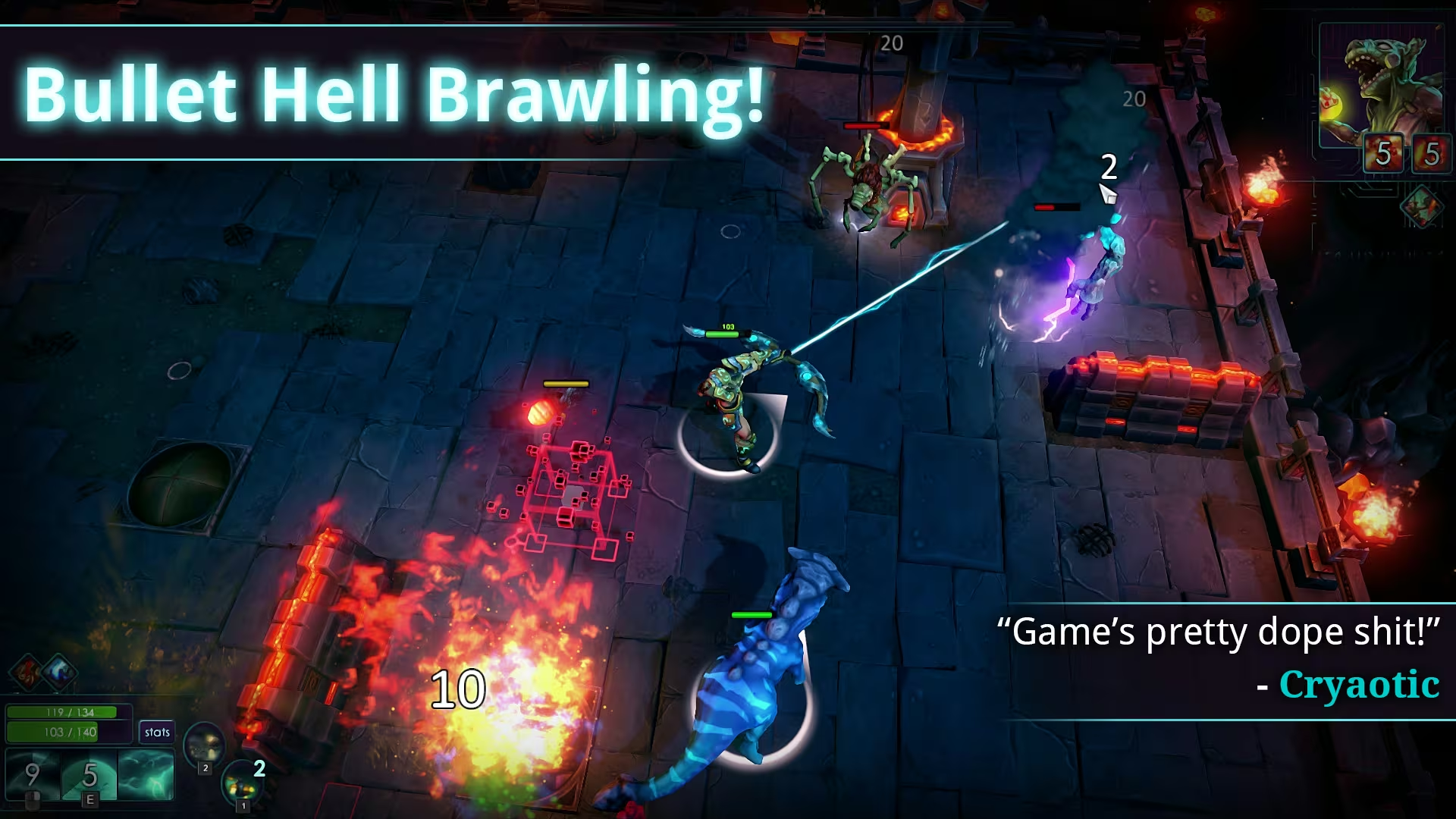
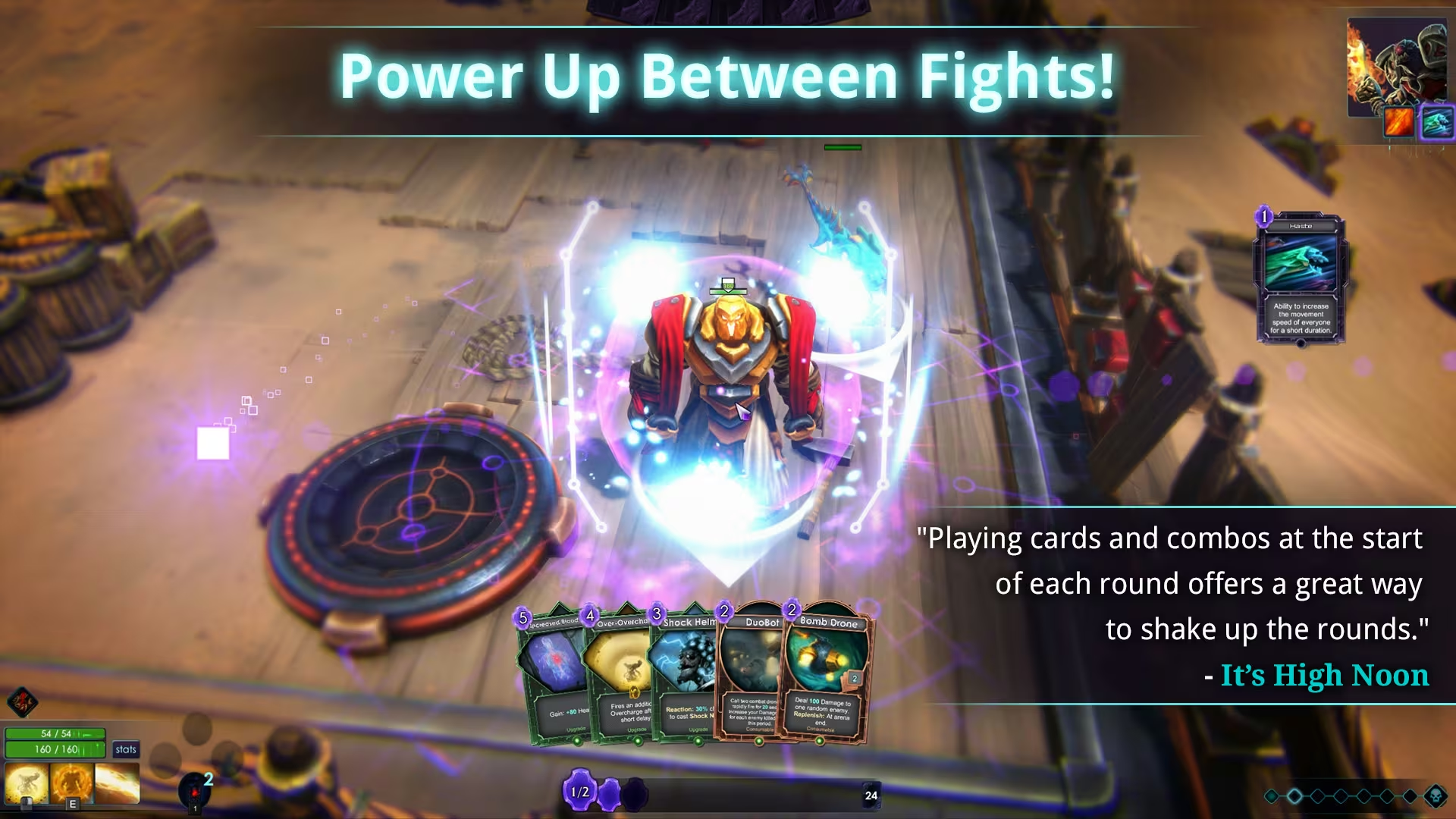
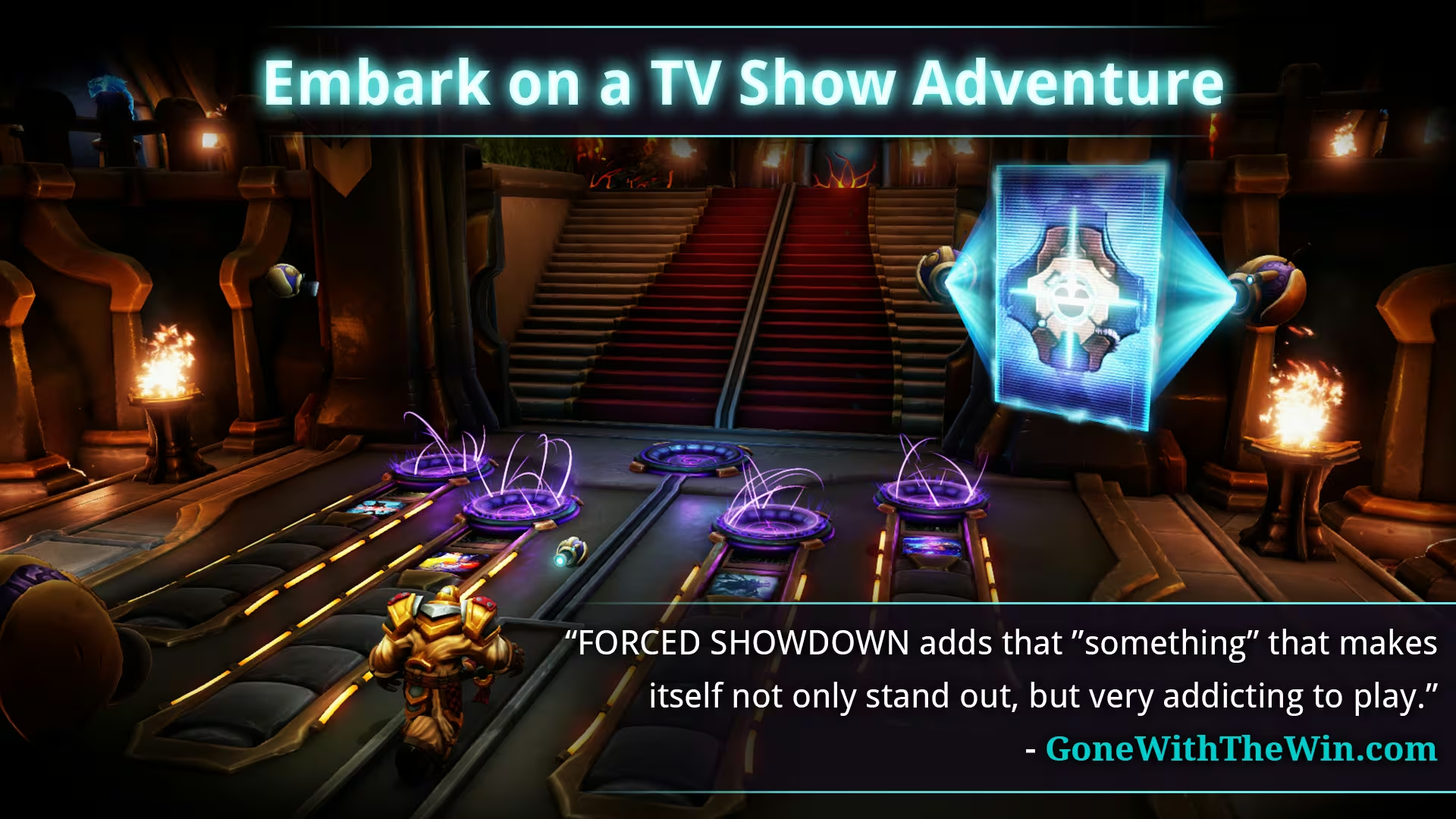
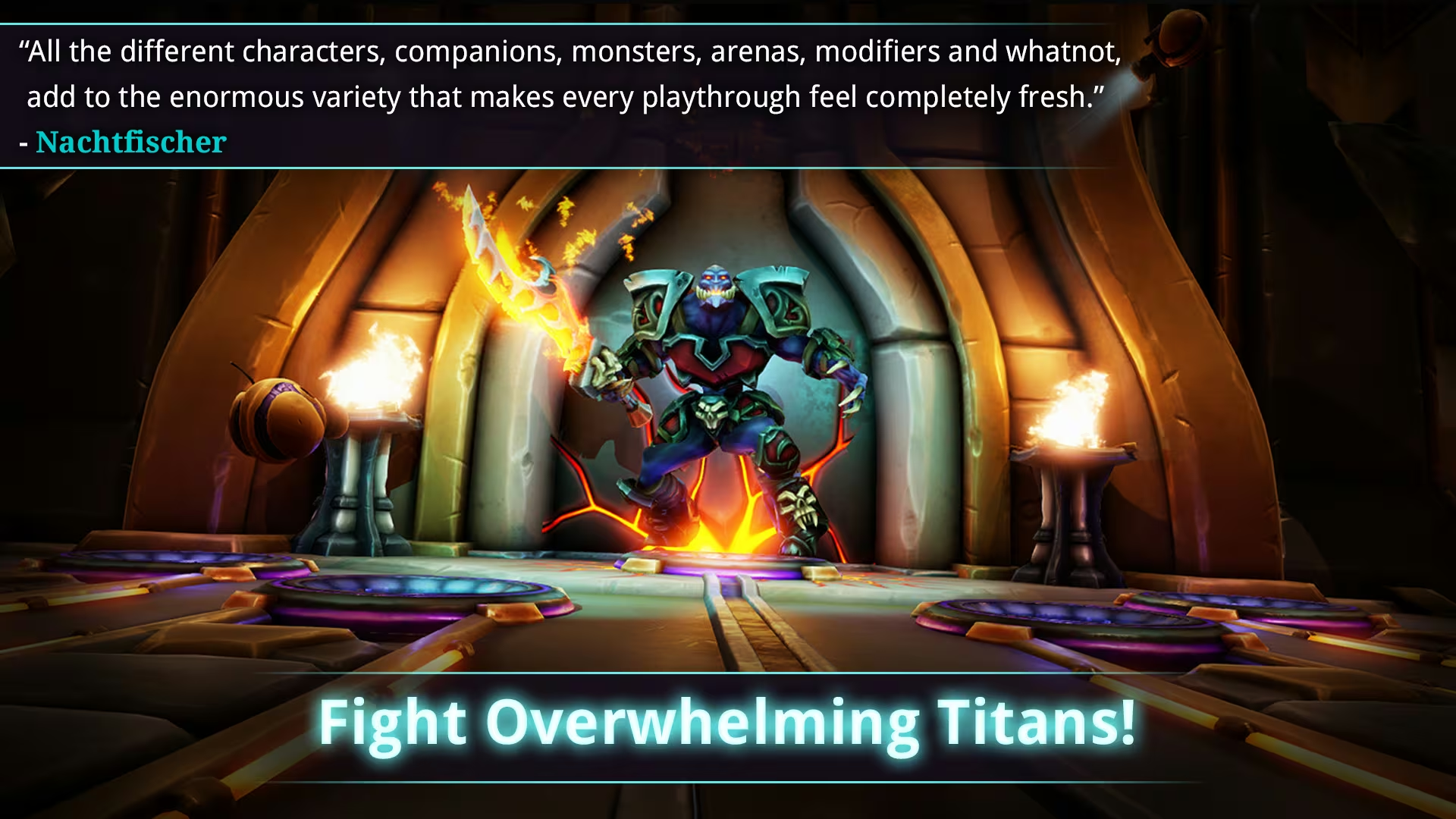
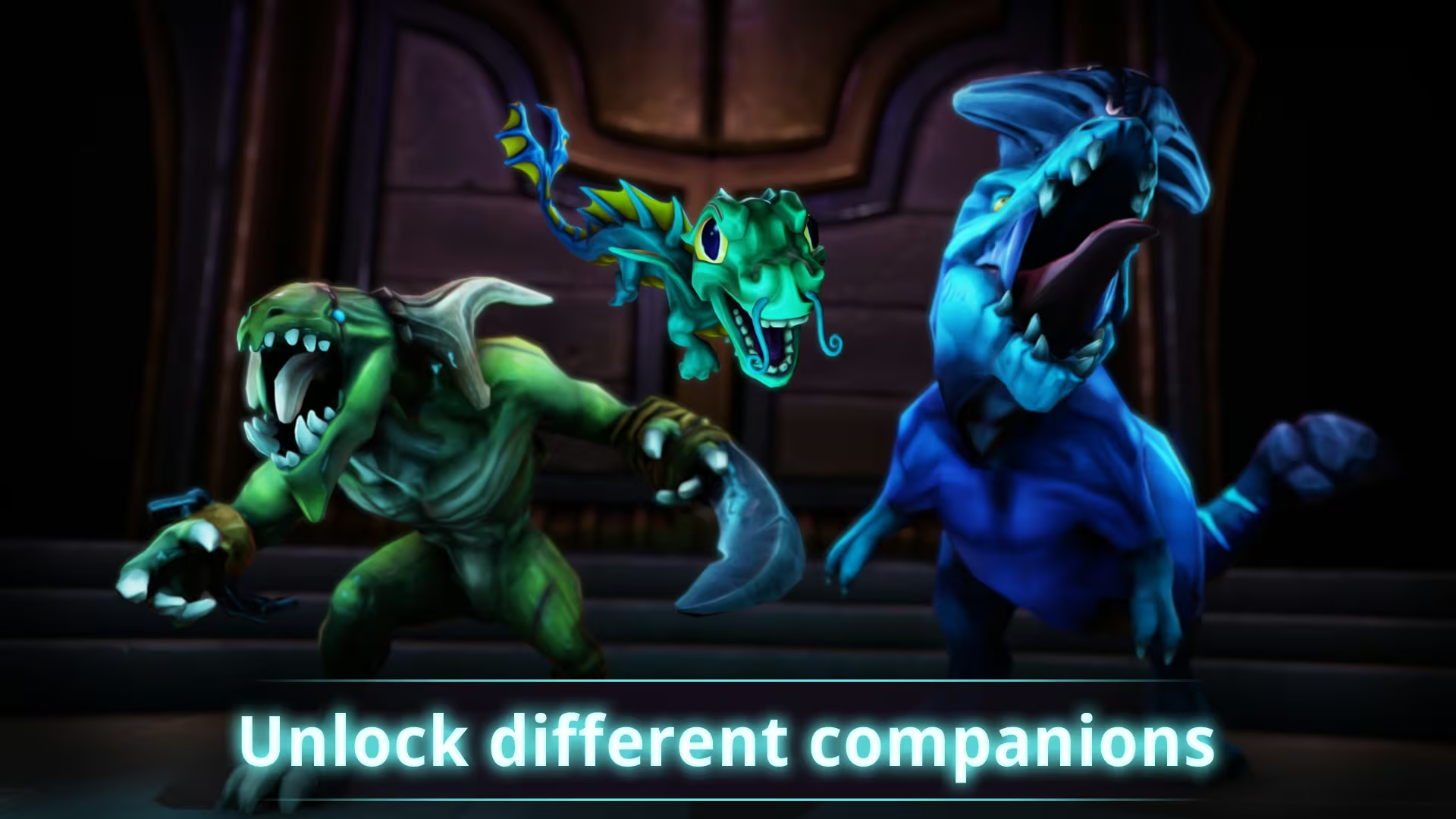
Deckbuilding empowers this challenging bullet hell adventure! Each character is a unique experience: Choose a deck of unlockable cards to boost you in new ways every battle - "My whirlwind shoots fireballs!?". Battle hordes of brutal foes to become a superstar in C-SAR’s ever-changing game show.

Global score

83/100

Genres

Action, Indie, Role-playing (RPG), Strategy

Similar games

    Pros

    • Engaging fast-paced combat
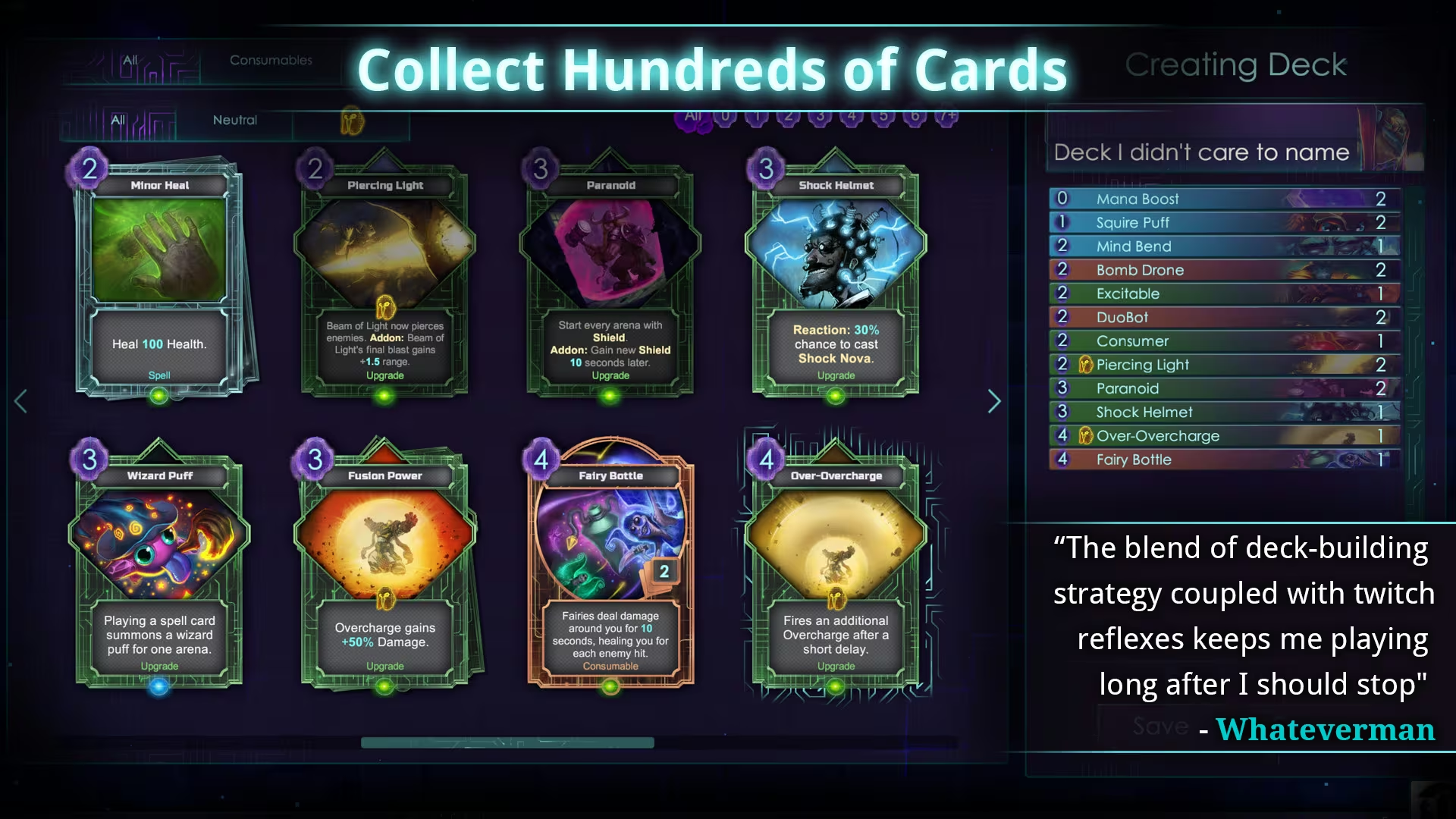
    • Deep deck-building customization
    • High replayability with randomized arenas and modifiers
    • Distinct characters with unique playstyles
    • No microtransactions and fair progression

    Cons

    • Lack of multiplayer or co-op mode
    • Limited number of characters and bosses
    • Some technical issues and crashes reported
    • Repetitive environments and music
    • Grind required to unlock all cards

    Analysis

    A very typical example of its motivational profile. Motivations that often define this kind of title include Competition, Status, Story, Expression. Here, the score leans higher than usual among comparable games on Violence, Story. It leans lower than usual among comparable games on Fellowship.

    How to use the graph
    Similar games map

    Each dot is a game. They are arranged from the same motivation profile as in the “Motivations” section below. Closer dots usually mean more similar reasons to play (exploration, competition, relaxation, etc.)—not that one game is “better” than another.

    • Larger dot with a light outline: the game you are viewing.
    • Colour: groups of games with comparable motivation patterns (statistical clusters).
    • Hover a dot to see the game name; click to open its page.
    • Scroll or double-click the chart to zoom out and see more games.

    Why don’t the axes read like a score? This view uses t-SNE: it only keeps who is close to whom. The scales are not “good to bad” or hours played—they separate groups on the map. Read distance between dots, not the axis numbers.

    Motivations

    • Autonomy
      4

      "Players can customize decks and choose arenas and boons, allowing significant control over gameplay decisions."

    • Competence
      4

      "Game requires skillful twin-stick shooting, strategic deck building, and adapting to random modifiers and bosses."

    • Competition
      1

      "Mostly single-player focused with some leaderboard and daily challenge comparison, but no direct PvP competition."

    • Continuation
      4

      "High replayability with randomized arenas, card unlocks, quests, and daily challenges encourage habitual play."

    • Cooperation
      -4

      "Entirely single-player experience with no multiplayer or co-op modes."

    • Creativity
      4

      "Players build custom decks from hundreds of cards, enabling diverse playstyles and strategies."

    • Domination
      -3

      "No evidence of power over others; interactions are solo and balanced without trash talk or authority."

    • Escapism
      4

      "Provides fast-paced, engaging gameplay and humor that offers distraction and stress relief."

    • Expectation
      -4

      "Players engage voluntarily for fun and challenge, not out of obligation or external pressure."

    • Experimenting
      4

      "Strong encouragement to try new decks, strategies, and adapt to random arena modifiers."

    • Exploration
      2

      "Randomized arenas and modifiers provide some discovery, though environments repeat within campaigns."

    • Expression
      3

      "Deck building and character selection allow personal expression through playstyle customization."

    • Fantasy
      3

      "Fictional game show setting with fantasy heroes and imaginative card effects."

    • Fellowship
      -4

      "Minimal social connection; primarily solo play with limited community interaction."

    • Growth
      4

      "Players learn skills, build decks, and improve through quests and progression systems."

    • Health
      -4

      "Sedentary gameplay typical of PC twin-stick shooters with no physical activity elements."

    • Idle
      -3

      "Requires focused attention during fast-paced arena combat; not suitable for passive or background play."

    • Intimacy
      -5

      "No close relationships or emotional sharing; interactions are limited to solo gameplay."

    • Leadership
      -4

      "No leadership roles; players act independently without managing or guiding others."

    • Progression
      4

      "Strong progression through unlocking cards, quests, and character upgrades over multiple runs."

    • Relaxation
      2

      "Fast-paced and challenging gameplay provides excitement but can also be cathartic and fun."

    • Sensation
      3

      "Engaging audiovisuals, music, and effects provide stimulating sensory feedback."

    • Status
      1

      "Leaderboards and achievements offer some recognition but limited social status impact."

    • Story
      1

      "Minimal narrative; game show theme and announcer add flavor but no deep story immersion."

    • Strategy
      4

      "Requires tactical deck building, resource management, and adapting to modifiers and enemy behavior."

    • Thrill
      3

      "Fast-paced combat and boss fights create tension and excitement."

    • Value
      4

      "High replayability and content for price; no microtransactions enhances perceived value."

    • Violence
      4

      "Combat focused on defeating enemies and bosses with attacks and abilities."

    • Survival
      3

      "Players must avoid death and manage resources to progress through increasingly difficult arenas."

    Last update: 29/04/2026