Frostpunk 2 Thumbnail

Frostpunk 2 similar games & best alternatives
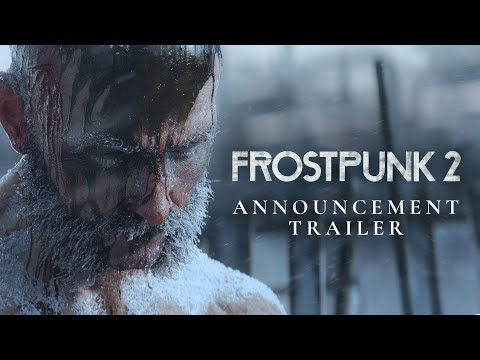
Frostpunk 2

PC (Microsoft Windows), Xbox Series X|S, PlayStation 5, Mac • 2024

Related articles

Quick resume

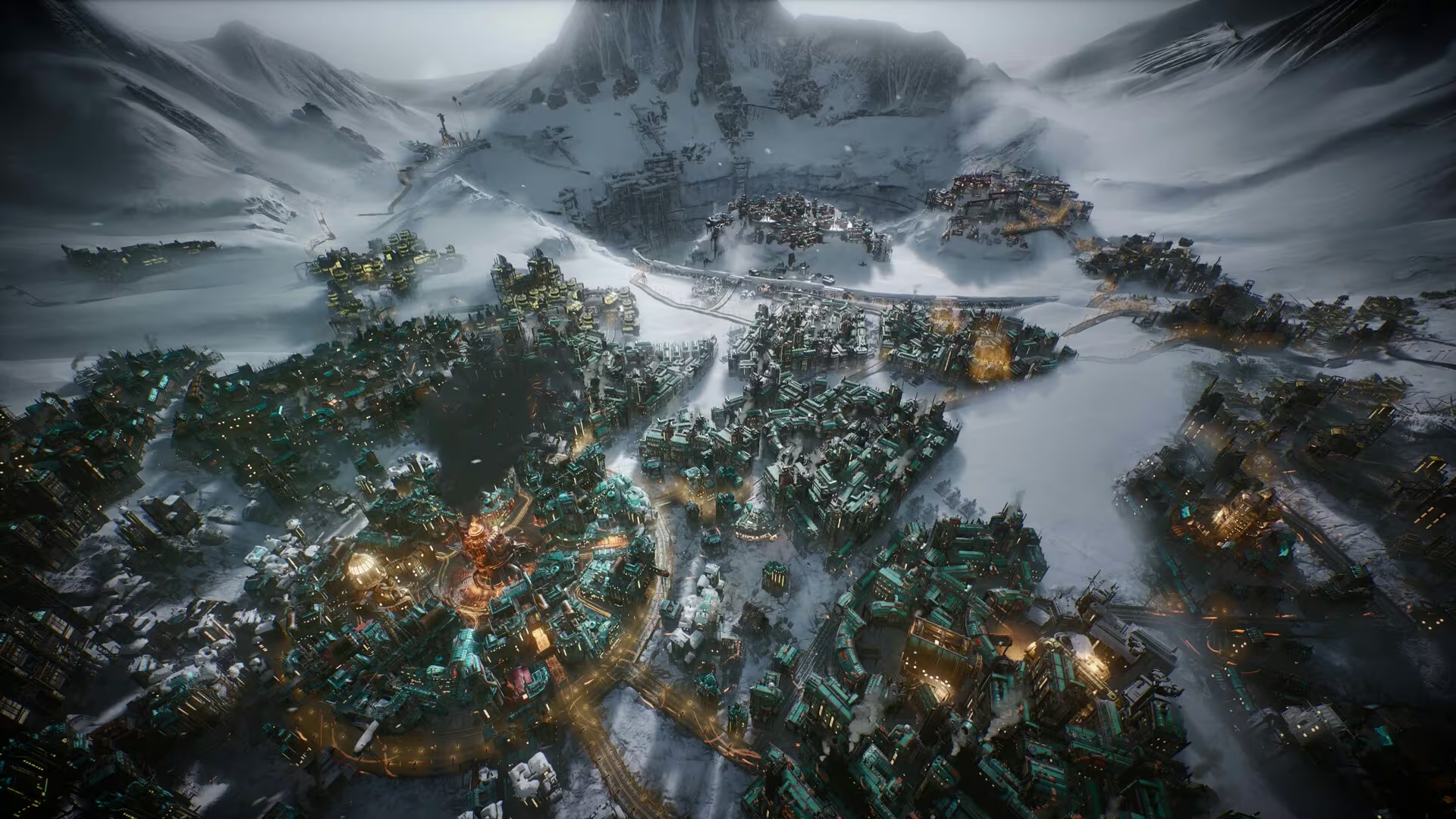
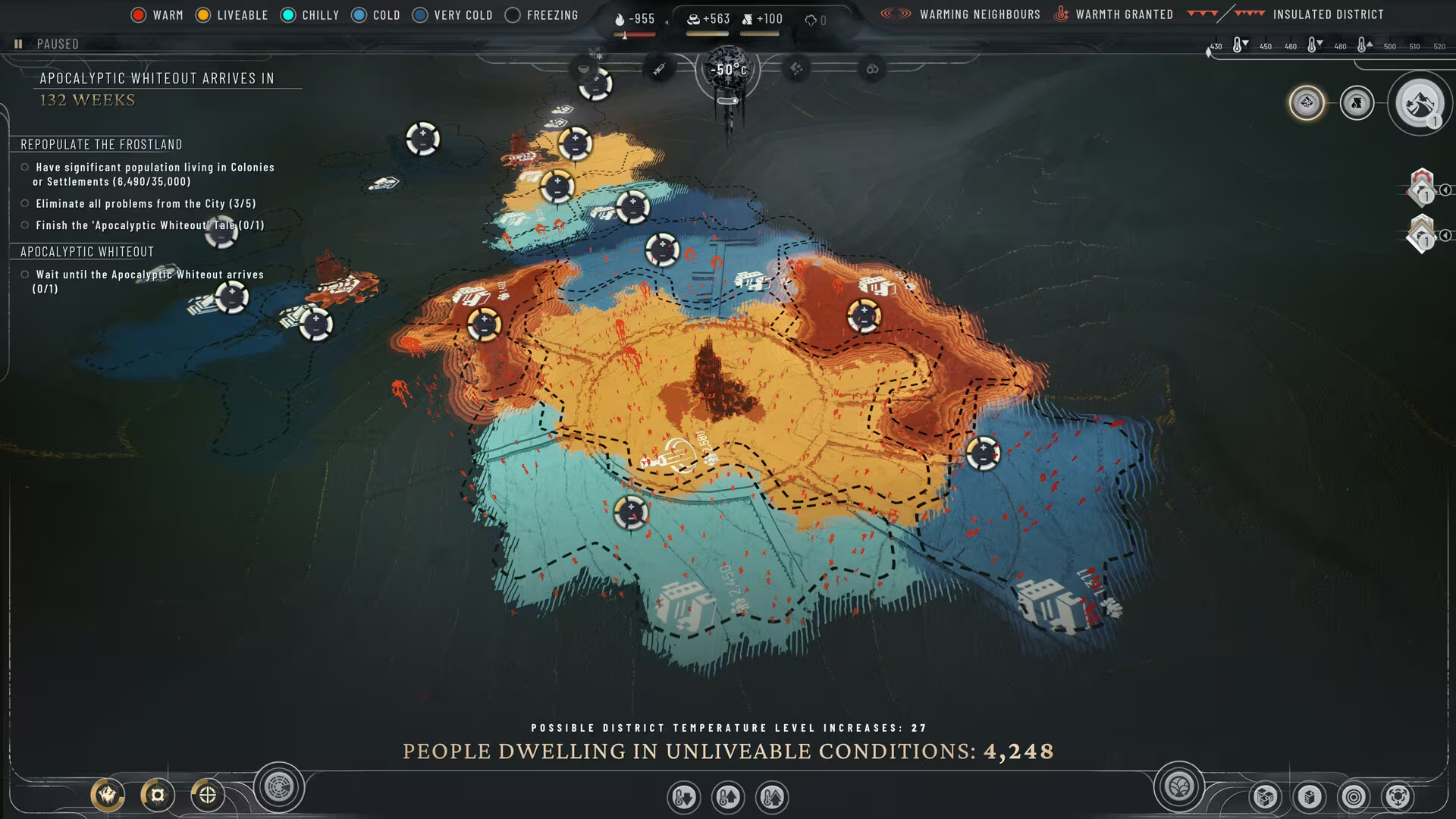
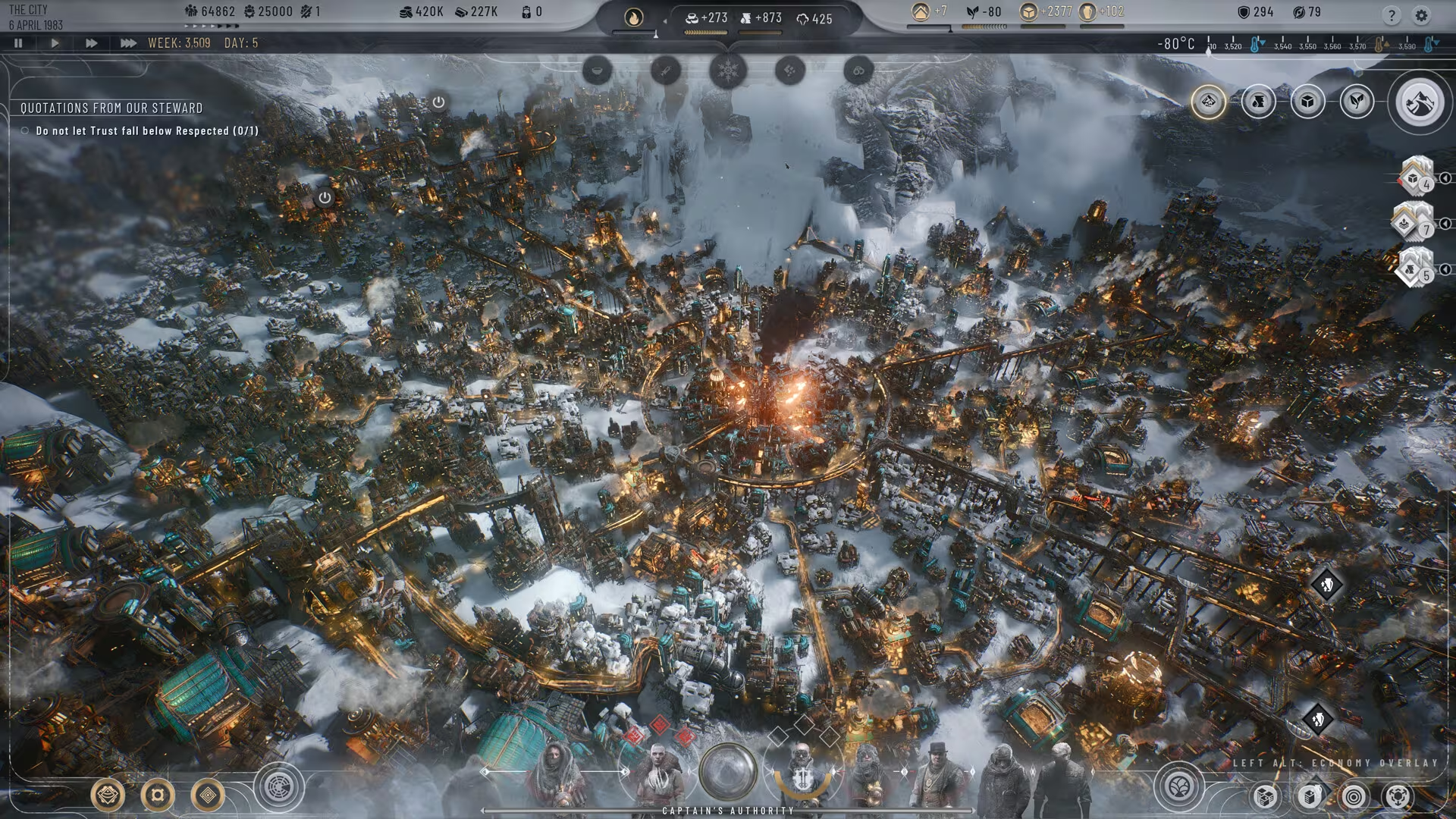
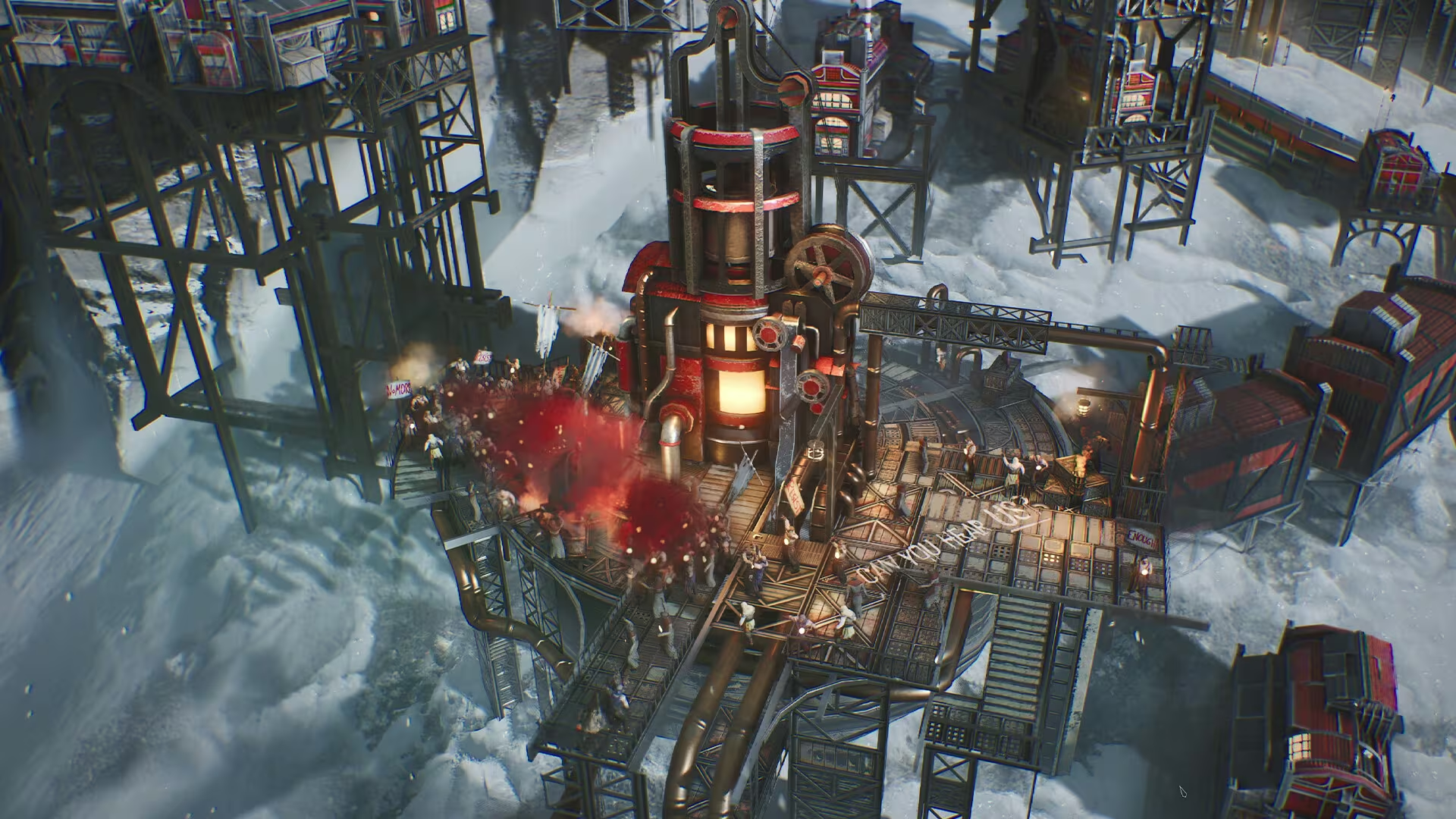
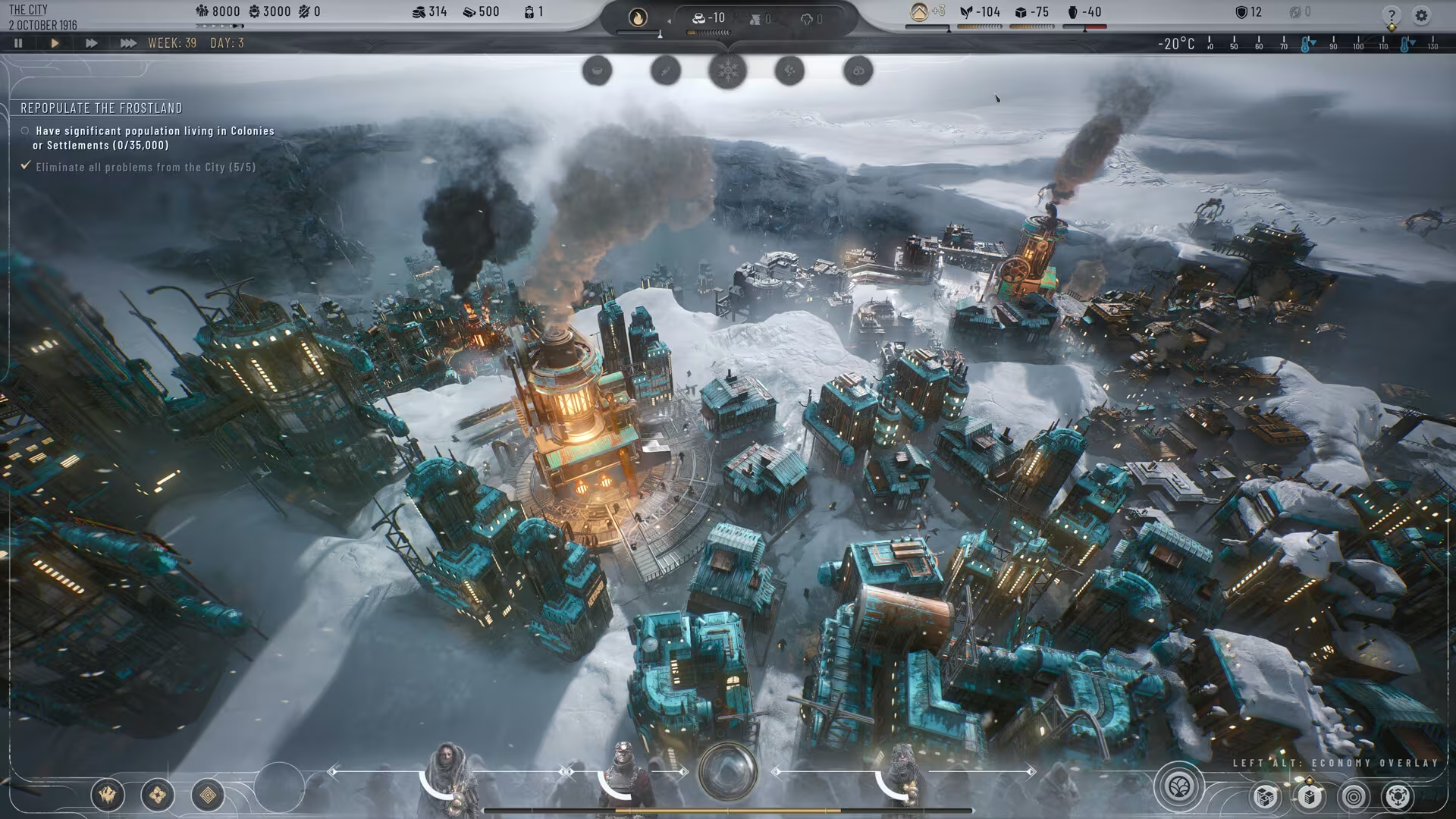
Develop, expand, and advance your city in a society survival game set 30 years after an apocalyptic blizzard ravaged Earth. In Frostpunk 2, you face not only the perils of never-ending winter, but also the powerful factions that watch your every step inside the Council Hall.

Global score

75/100

Genres

Simulator, Strategy, Indie

Similar games

    Pros

    • Deep political and societal simulation
    • Challenging and rewarding gameplay
    • Immersive post-apocalyptic atmosphere
    • Strong narrative and moral dilemmas
    • High replayability with multiple endings

    Cons

    • Performance issues on some systems
    • Loss of personal emotional connection compared to original
    • Steep learning curve and complexity
    • Ui can be overwhelming or unclear
    • Shorter campaign length

    Analysis

    Less representative of its motivational profile, with noticeable differences. Motivations that often define this kind of title include Leadership, Survival, Violence, Strategy. Here, the score leans higher than usual among comparable games on Domination. It leans lower than usual among comparable games on Violence, Relaxation.

    How to use the graph
    Similar games map

    Each dot is a game. They are arranged from the same motivation profile as in the “Motivations” section below. Closer dots usually mean more similar reasons to play (exploration, competition, relaxation, etc.)—not that one game is “better” than another.

    • Larger dot with a light outline: the game you are viewing.
    • Colour: groups of games with comparable motivation patterns (statistical clusters).
    • Hover a dot to see the game name; click to open its page.
    • Scroll or double-click the chart to zoom out and see more games.

    Why don’t the axes read like a score? This view uses t-SNE: it only keeps who is close to whom. The scales are not “good to bad” or hours played—they separate groups on the map. Read distance between dots, not the axis numbers.

    Motivations

    • Autonomy
      4

      "Players make high-level decisions managing factions, laws, and city districts with significant freedom, reflecting personal leadership style."

    • Competence
      4

      "The game is challenging with complex mechanics requiring skillful resource and political management."

    • Competition
      -4

      "Focus is on managing one's own city and society without direct competition or leaderboards."

    • Continuation
      4

      "Players report long sessions, replayability through multiple endings and sandbox modes."

    • Cooperation
      -3

      "Gameplay centers on individual city management and political balancing rather than multiplayer cooperation."

    • Creativity
      3

      "Players design city districts and choose political paths, allowing creative problem solving within constraints."

    • Domination
      2

      "Players can impose authority or democratic control, but interactions emphasize political balance over domination."

    • Escapism
      4

      "Immersive post-apocalyptic setting and moral dilemmas provide strong escape from real life."

    • Expectation
      -4

      "Players engage voluntarily out of interest and intrinsic motivation, not obligation."

    • Experimenting
      4

      "Players try different political strategies, laws, and city layouts to explore varied outcomes."

    • Exploration
      3

      "Exploring the frostland map and establishing multiple colonies expands discovery beyond the city."

    • Expression
      3

      "Customization of districts and political decisions allows personal expression of leadership style."

    • Fantasy
      2

      "Post-apocalyptic fiction with some speculative technology, but grounded in plausible societal dynamics."

    • Fellowship
      -3

      "Social interaction is limited to political factions within the city; no multiplayer or community play."

    • Growth
      4

      "Players learn complex systems, develop strategies, and improve city management skills."

    • Health
      -5

      "Primarily sedentary gameplay with no physical activity elements."

    • Idle
      -4

      "Requires continuous attention and active management; not suited for idle play."

    • Intimacy
      -4

      "Emotional connection is to the city and factions rather than close personal relationships."

    • Leadership
      5

      "Players lead a large city and multiple factions, making authoritative and strategic decisions."

    • Progression
      4

      "Progression through research, building upgrades, and political influence is central."

    • Relaxation
      -3

      "Gameplay is tense and challenging, with sustained pressure and difficult decisions."

    • Sensation
      3

      "Atmospheric visuals and music create immersive sensory experience with emotional impact."

    • Status
      -4

      "Focus is on personal city management without social recognition or multiplayer status."

    • Story
      4

      "Strong narrative immersion with moral dilemmas, political intrigue, and multiple endings."

    • Strategy
      5

      "High mental challenge with complex resource, political, and city management requiring planning."

    • Thrill
      3

      "Tension from managing crises and political instability provides suspense and emotional engagement."

    • Value
      4

      "Players find high replay value and engaging content justifying time and money investment."

    • Violence
      -3

      "Game focuses on survival and political control rather than combat or destruction."

    • Survival
      5

      "Core gameplay revolves around managing threats, resource scarcity, and societal collapse."

    Last update: 29/04/2026